
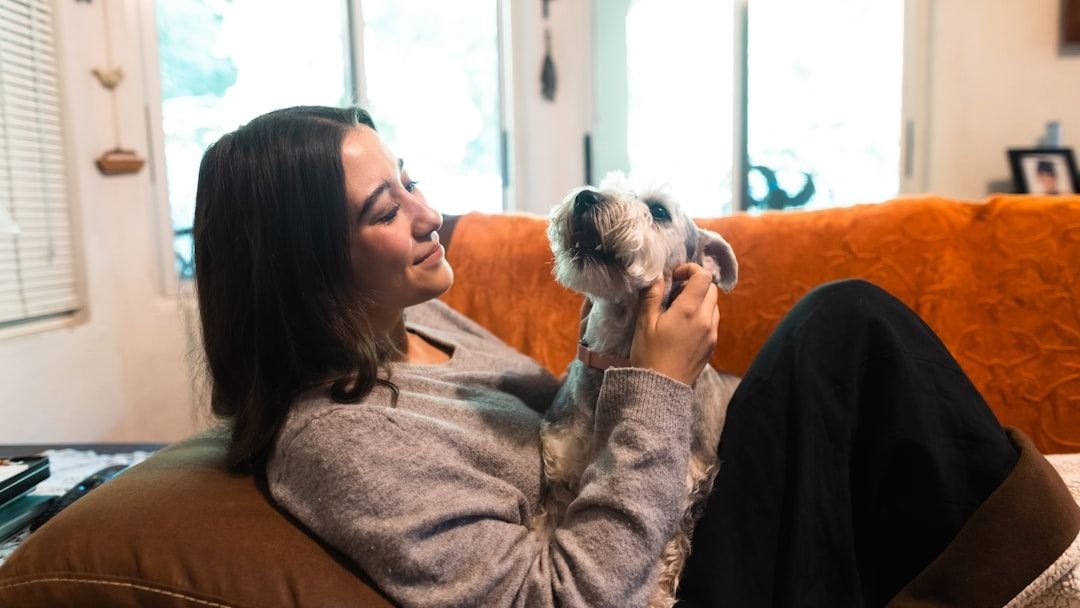
Ever notice how your dog gravitates to specific spots in your home? Maybe it’s the sunny patch by the living room window, that cozy corner under the dining table, or the narrow hallway right by your bedroom door. You might chalk it up to comfort or habit, but here’s the thing: those chosen locations are speaking volumes about your dog’s emotional world, physical needs, and even their health. Like breadcrumbs leading to deeper understanding, these preferences can unlock insights into how your furry friend truly feels, what they need, and how connected they are to you.
I’ve spent years watching dogs claim their territories indoors, and honestly? The patterns are fascinating. Some are protective guardians positioning themselves strategically. Others are seeking emotional security or simply trying to stay cool on a hot afternoon. Let’s dive into what your dog’s favorite lounging spots really mean, and what you should be paying attention to.
The Doorway Guardian: Protective Instincts at Work
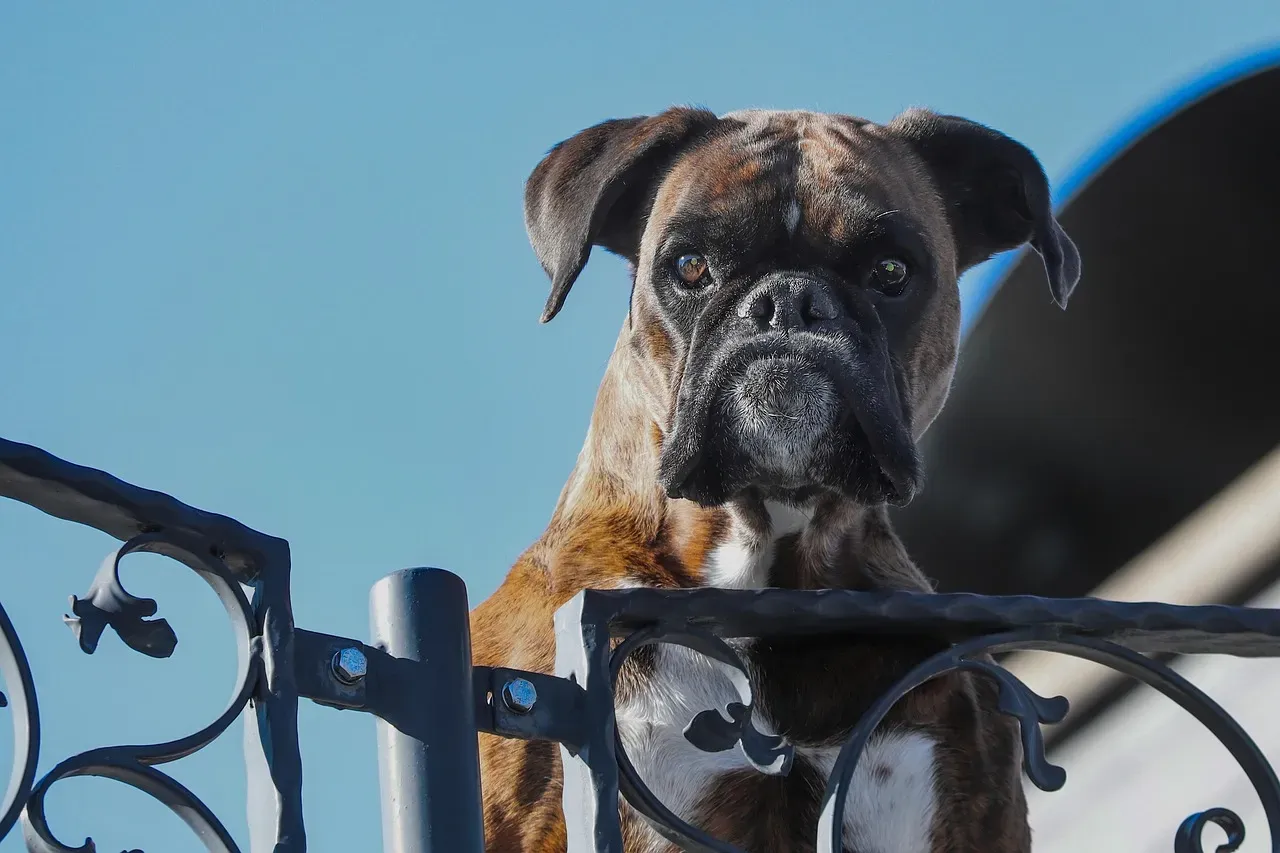
Dogs have strong protective instincts, and sleeping facing the door is one way they keep watch over their family, with their ears staying alert even in deep sleep, ready to pick up on the slightest sound. This isn’t paranoia or anxiety in most cases. It’s pure loyalty.
According to veterinary experts, this behavior is evolutionary, as dogs are descendants of pack animals who relied on awareness of their surroundings to stay safe, and even in modern homes, this behavior continues as a remnant of their ancestral instincts. Think about it: your dog is essentially choosing the spot that offers the best vantage point for monitoring movement, scents, and sounds.
In the wild, pack animals always position themselves strategically to monitor their group’s movement, and by sleeping near the door, your dog ensures they have a full view of who comes and goes, allowing them to feel in control and aware of their environment at all times. Sometimes they’re waiting for you to return. Other times, they’re just keeping watch. Either way, it’s a sign of devotion and duty rolled into one adorable package.
Watch for signs of stress, though. If your dog seems restless, paces frequently, or won’t settle anywhere else, that’s different. Dogs hide or guard for many different reasons, the most common being that they want to feel safe, and the need for safety could be due to fear, anxiety, depression, or stress.
Under the Bed or Table: The Den Seeker
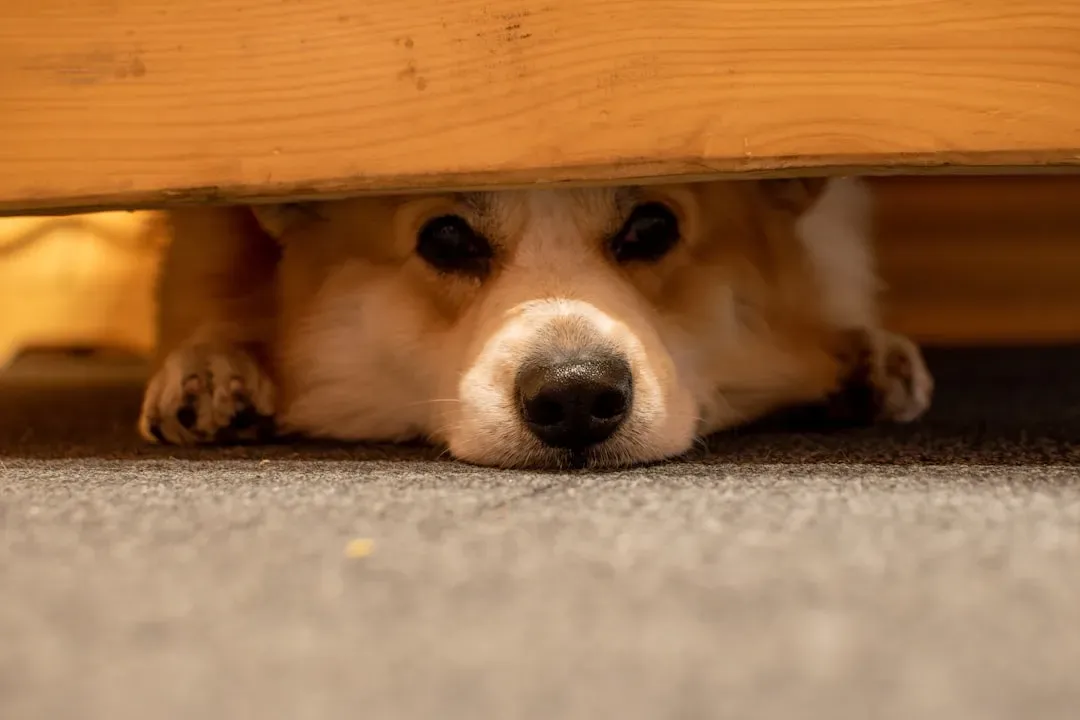
Does your dog disappear under furniture like it’s their personal fortress? For many dogs, hiding under a bed or table out of sight can feel like a personal safe space, described as their fun little fort to relax in, and they like the little den environment. This behavior taps into something primal.
The desire to have a hiding spot is said to have come from their ancestors who, as wild animals, would rest or hide in a den. It makes them feel enclosed, protected, and less vulnerable. Certain breeds, especially terriers or smaller dogs, may seek out these spots more than others. Terriers are dogs designed to go to ground, and one residual behavior for this inbred trait is the desire to be under things, as each dog figures out a spot where they can happily nest away from pesky people.
However, sudden hiding can signal something’s wrong. If your dog suddenly retreats under the bed or if this is out of character for them, it would be concerning, especially if they are showing signs of pain, stress or anxiety such as shaking, vocalisation, losing control of their bladder or bowels or growling or snapping. Keep a close eye on their overall behavior. Are they eating normally? Playing? If hiding becomes excessive or paired with other concerning signs, a vet visit is in order.
The Sunny Window Spot: Soaking Up the Good Vibes
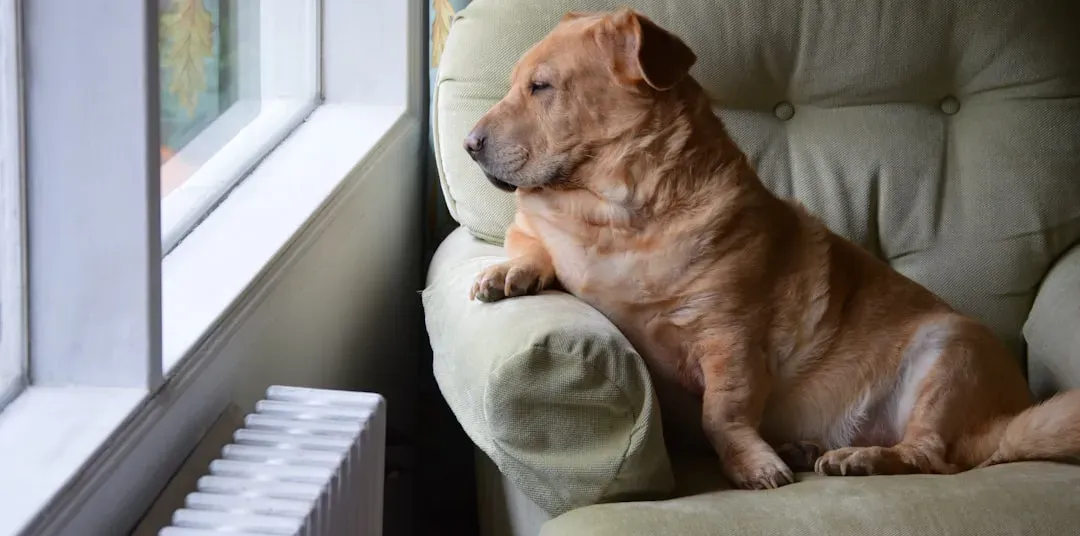
You’ve probably caught your dog sprawled out in that golden beam of sunlight streaming through the window, looking utterly blissful. Sun exposure is important for your dog’s mental health as it triggers the release of serotonin, a chemical in the brain that boosts mood and creates a sense of calm and happiness, especially vital during winter months when days are shorter.
Let’s be real: dogs love warmth. According to veterinary experts, dogs lay in the sun because it’s comforting and can help relax muscles and decrease joint pain. For older dogs or those with arthritis, this is self-soothing therapy. Sunbathing helps dogs maintain their body temperature without expending excess energy, which is particularly important after activities like swimming, eating, or during colder weather.
Still, moderation matters. Prolonged exposure to the sun can lead to serious health problems for dogs, with one primary issue being sunburn, especially in dogs with light-colored or sparse coats, and frequent sunburns increase the risk of developing skin cancer over time. Make sure your pup has access to shade and fresh water. If they’re outdoor sunbathers, limit their time during peak hours.
Your Bed or Right Beside You: The Velcro Dog
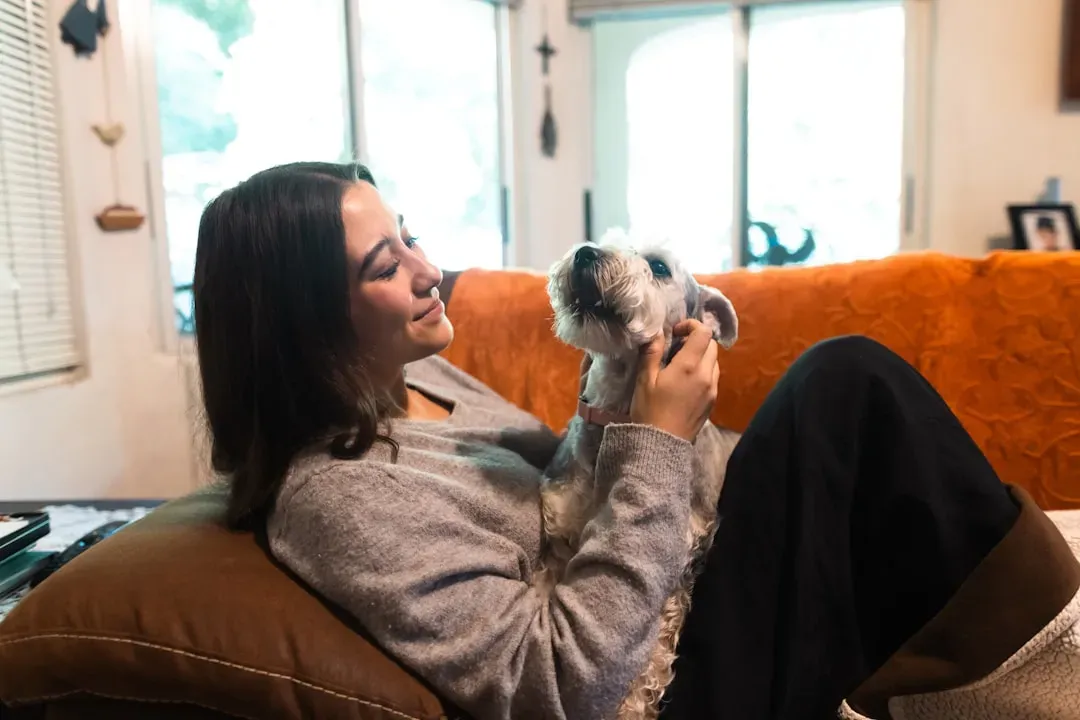
If your dog insists on being physically attached to you, even during naptime, congratulations: you’ve got a Velcro dog. Dogs who are referred to as Velcro dogs are shadows, following you around the house and not letting you out of their sight. This behavior stems from deep emotional bonds and pack mentality.
When dogs sleep by the door or near their owners, they may be trying to establish a secure connection, which can be traced back to their pack mentality, where proximity to the pack leader offers a sense of safety and comfort. Sleeping near you or on your bed isn’t just about warmth or comfort. It’s trust. It’s love. It’s them saying, “You’re my person, and I feel safest here.”
That said, extreme clinginess can hint at separation anxiety. Shadow behavior can signal some issues with separation-related stress, which can result in your pooch acting out when they’re left alone, causing damage to your home and perhaps themselves. If your dog can’t relax unless glued to you, it might be worth working with a trainer to build their confidence and independence.
Cool Tiles and Hard Floors: The Temperature Regulators
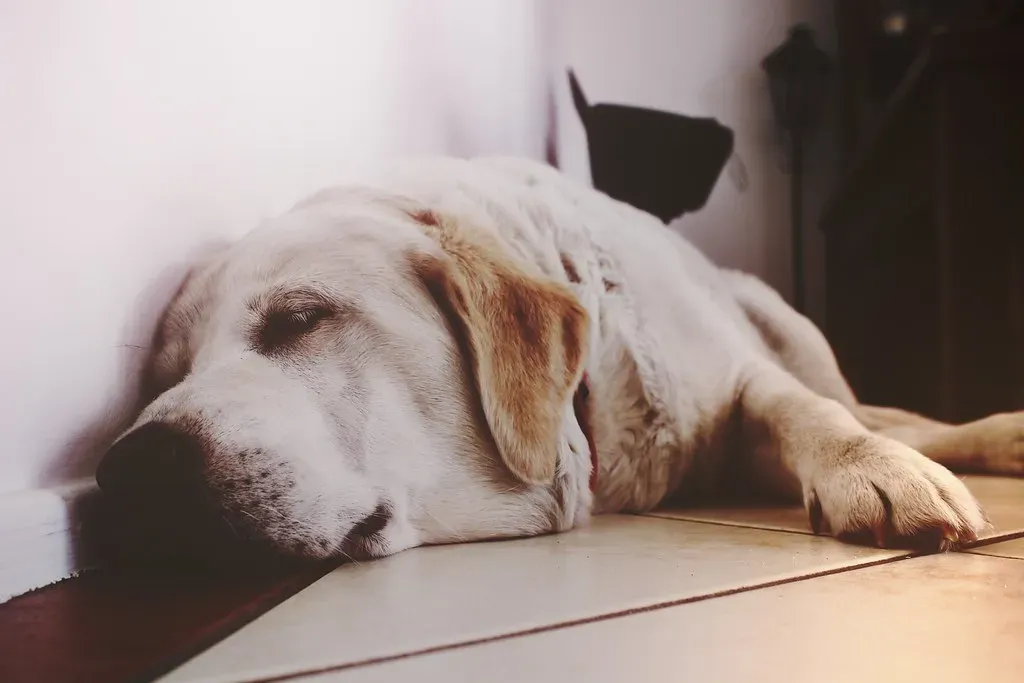
Ever find your dog stretched out on the bathroom tile or kitchen floor instead of their plush bed? They’re not rejecting your gift. They’re just hot. Dogs may hide under their own bed or choose the floor for temperature regulation, with the floor offering a cooler surface during warm weather, and it might also be driven by a dog’s instinctive desire for safety and seclusion.
Dogs regulate body temperature differently than we do. They don’t sweat through their skin like humans. Panting and seeking cool surfaces are their primary cooling methods. When the weather heats up or your home gets warm, those hard, cool surfaces become prime real estate.
Notice where your dog chooses to rest during different seasons. In winter, they might curl up on soft bedding near heat sources. In summer, expect to see them sprawled on tile, hardwood, or even concrete. It’s all about thermoregulation. Just make sure they always have options for both warmth and cooling.
High-Traffic Areas: The Social Butterfly
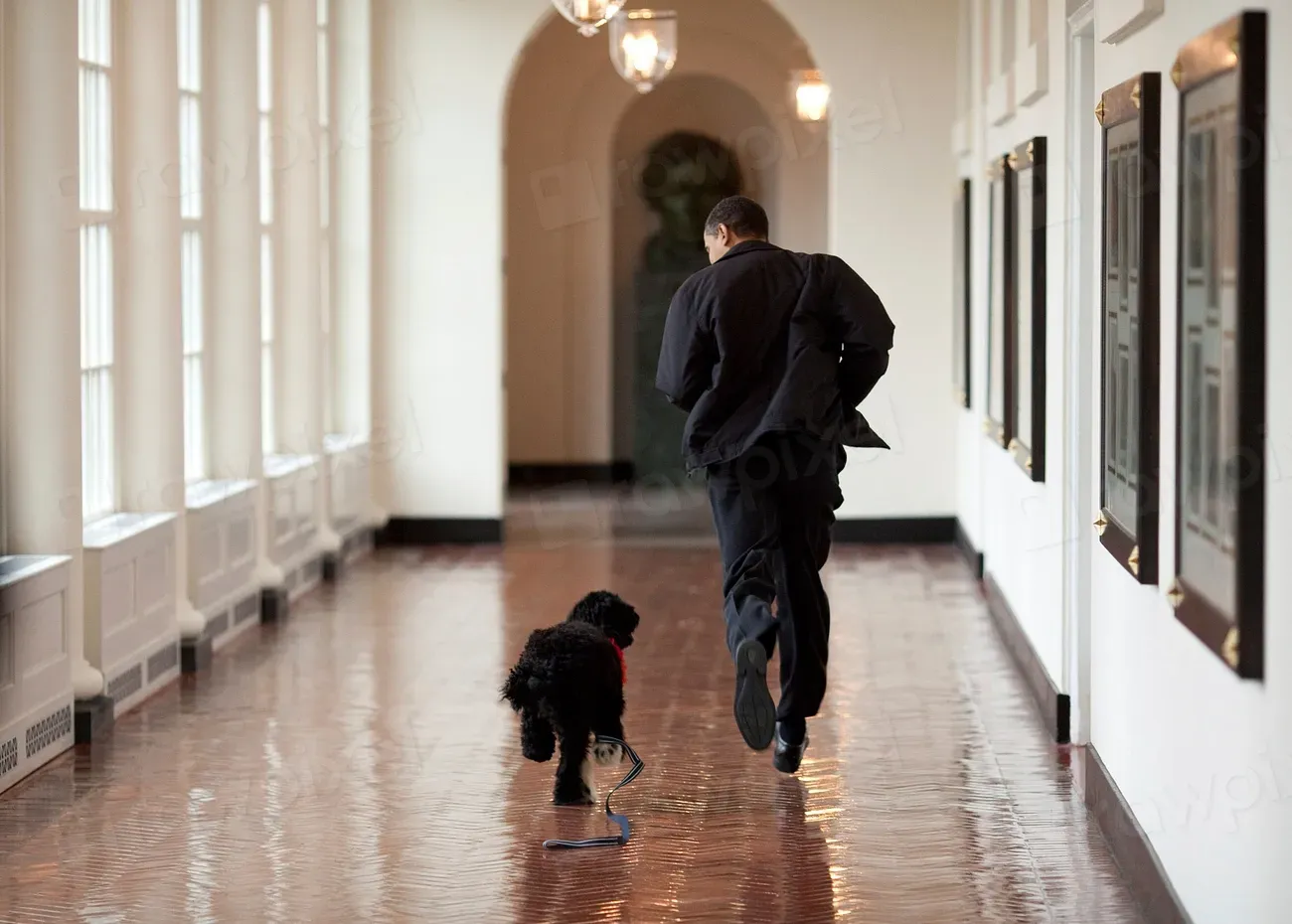
Some dogs set up camp right in the middle of everything – the kitchen during dinner prep, the hallway everyone passes through, or the living room when guests arrive. If your home is a busy one with family members constantly coming and going, your dog may have decided that the doorway or high-traffic area is the best spot for keeping track of everything, and sleeping near the door ensures they never miss a thing even if they seem to be dozing.
These are your social pups. They thrive on interaction, movement, and being part of the action. It’s not about guarding in this case. It’s about inclusion. They want to see what’s happening, who’s doing what, and be ready to join in at a moment’s notice.
Encourage this behavior if it makes your dog happy, but teach them boundaries too. If they’re underfoot constantly, gentle training can help them learn when it’s okay to be in the middle of things and when they need to give space. Balance keeps everyone safe and happy.
The Closet or Quiet Corner: When Solitude Speaks Volumes

While hiding behavior can stem from fear, physical discomfort, or anxiety, many pups simply enjoy the comfort of a small, enclosed space, and just as humans might retreat to a bedroom when stressed, dogs often look for a secure, familiar environment when they feel overwhelmed. Sometimes, your dog just needs a break from the chaos.
However, excessive hiding deserves attention. There’s a difference between occasional hiding and excessive hiding, and if you notice your dog is hiding more often than usual or is avoiding normal activities like eating, playing, or going for walks, it may indicate a deeper issue such as stress, anxiety, or an underlying health concern, and paying attention to changes in routine can help determine when hiding behavior is something to address.
Look for patterns. Is your dog hiding during thunderstorms? Fireworks? When strangers visit? Loud noises can be especially stressful for dogs, as things like fireworks, thunderstorms, and construction can all create loud, sudden noises that can cause your dog to flee and hide, since dogs simply don’t understand what’s causing these noises. Understanding triggers helps you support them better, whether through desensitization training, calming aids, or simply providing a safe retreat space.
Conclusion: Listening to What Location Tells You
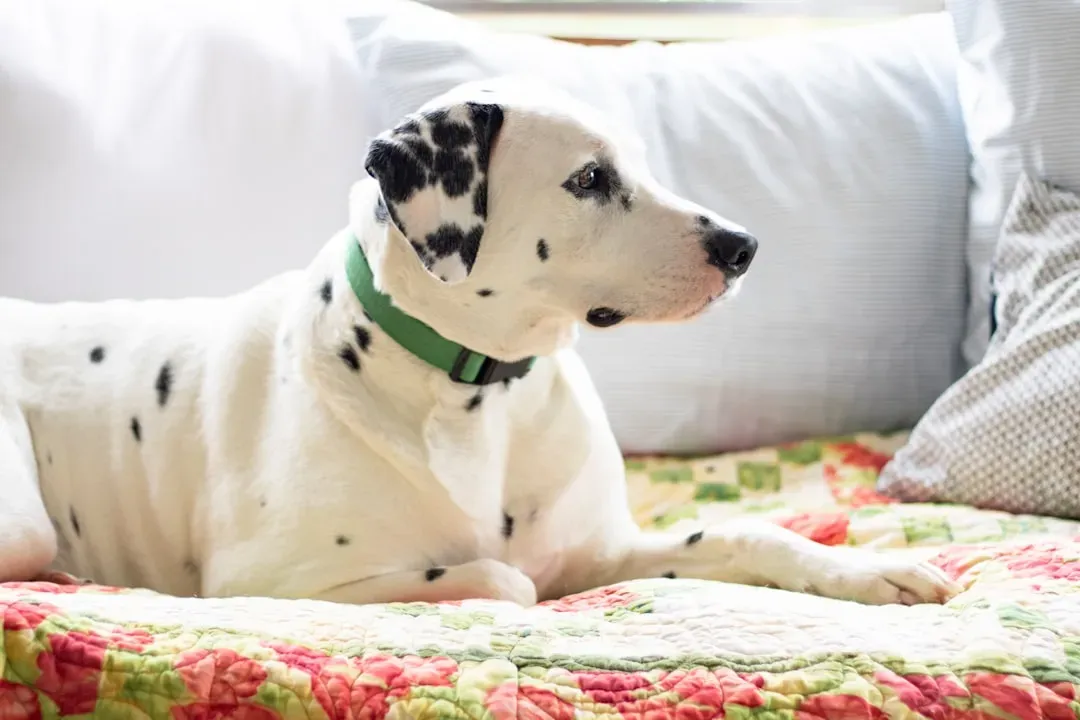
Your dog’s favorite spots aren’t random. They’re windows into their needs, emotions, and well-being. Whether they’re guarding the doorway, basking in sunshine, or tucked under the dining table, each location choice tells a story. By paying attention to these patterns, you become a better, more intuitive guardian.
Watch for changes. A dog who suddenly shifts their resting spot might be uncomfortable, stressed, or in pain. Keep their environment flexible with options for warmth, cooling, security, and social interaction. Most importantly, remember that where your dog chooses to rest often reflects how safe, loved, and comfortable they feel in their home.
What’s your dog’s favorite spot, and what do you think it says about them? Pay attention this week – you might be surprised by what you notice.


