

You know the moment. You grab the leash, and your dog suddenly transforms into a bouncing, spinning, wiggling force of nature. It’s one of the most endearing sights in a dog owner’s life, and most of us read it the same way: pure joy. We smile, we laugh, maybe we do a little dance ourselves. Feels like a love language, doesn’t it?
Here’s the thing though. Dogs are far more nuanced communicators than we give them credit for. That whirling, tail-wagging routine isn’t always a straightforward broadcast of happiness. Sometimes it’s excitement, sometimes it’s anxiety, and occasionally it’s a signal that something needs attention. Learning to read the full picture doesn’t take the magic out of the moment. It actually makes you a much better partner to your dog.
The Real Science Behind the “Happy Dance”
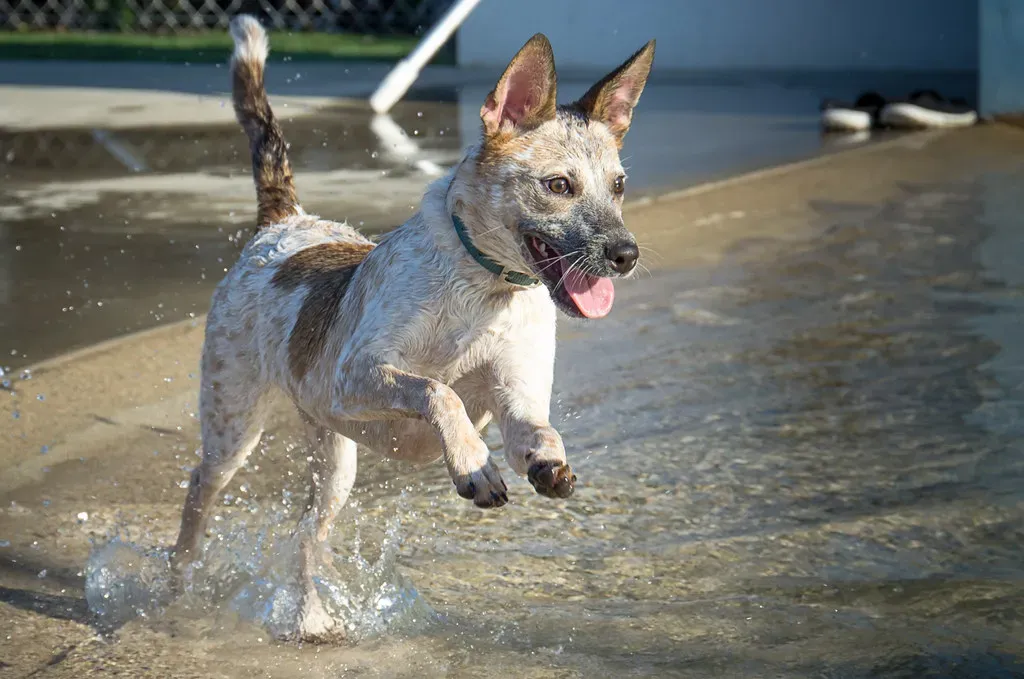
When your dog bounces side to side, wiggles their whole body, and seems almost too excited to contain themselves, it does often mean exactly what it looks like. A dog doing the classic happy dance may hop excitedly and quickly from side to side, and when they’re moving their whole body like that, it generally indicates they’re feeling happy all over and want to share that happiness with you. That full-body looseness is key.
The technical term for those frenetic bursts of running and spinning is not quite as poetic as “happy dance.” Scientifically, dog zoomies are known as Frenetic Random Activity Periods, or FRAPs. During a FRAP, dogs engage in a sudden, intense burst of running, spinning, and often playful barking – an explosion of energy that typically lasts only a few minutes before your dog collapses in a happy, panting heap.
The happy dance is not specific to certain breeds. Because dogs have individual personalities and temperaments, not all dogs that are feeling happy will do the happy dance. A more laid-back happy dog may be content with a tail wag or soft gaze to show how they’re feeling. So if your neighbor’s retriever throws a full celebration every time she sees you and yours simply wags and leans in, both responses are perfectly valid.
A Wagging Tail Doesn’t Always Mean a Happy Dog
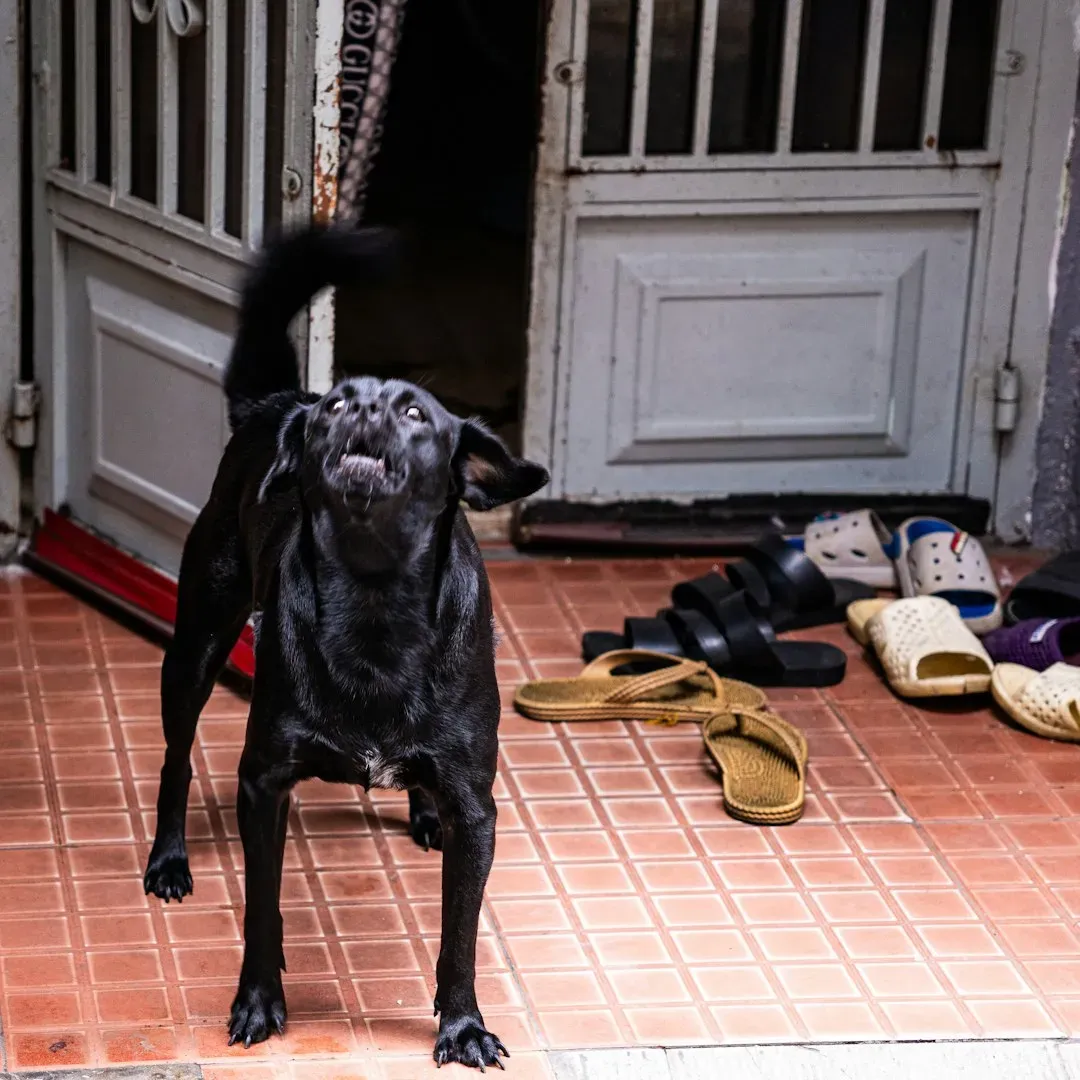
This is probably the most important thing you’ll read in this article. Most of us grew up assuming a wagging tail was the universal symbol for a cheerful dog. We may have all grown up thinking a wagging tail means a happy dog, but that is not always true. Misinterpreting a wagging tail has gotten countless well-intentioned dog-lovers bitten, sometimes quite badly. A wagging tail does not necessarily mean a happy dog – it simply means arousal of some kind. That can be happy arousal, or fear, excitement, or even aggressive arousal.
Because dogs use their tails to communicate different emotions, the feeling being conveyed depends on two factors: the tail position and the speed of the wag. If a dog’s tail wag is thought of as their way of talking, then the positions of their tail can be thought of as words. The speed at which they’re wagging their tail can then be compared to how loud their voice is. The faster the tail wag, the louder the voice.
Studies show that dogs wag their tails to the right when they are happy or confident, and to the left when they are frightened. That’s a subtle detail most owners never notice, but it’s a meaningful one. A tail moving quickly but held low to the ground might look like a happy dance, but it usually signals unease. Dogs in this posture are often trying to avoid conflict or show that they are not a threat. You might notice lowered ears, a slightly crouched stance, or hesitant movement alongside this wag.
When the Zoomies Aren’t Really About Joy
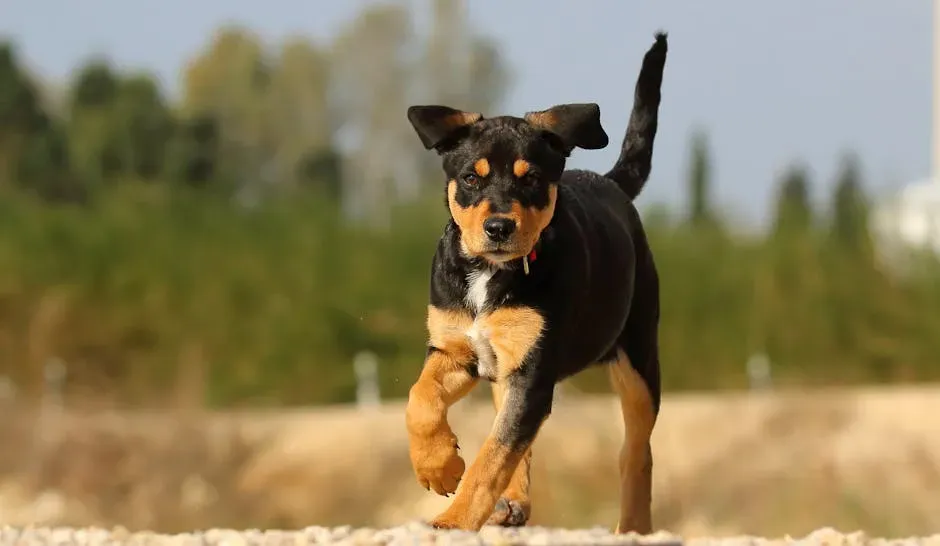
Zoomies after a bath, after a walk, after playtime – these are usually good signs. According to veterinarians and animal behaviorists, zoomies are typically a sign of excitement, not distress. Dogs may experience them after a bath, during playtime, or when they are finally let outside after being cooped up. Most of the time, you can sit back and enjoy the show.
However, context matters enormously. Sometimes, zoomies can be a response to fear, anxiety, or stress. The tricky part is that an anxious dog and an excited dog can look almost identical at first glance. A typical happy zooming dog will be loose and even wiggly, bouncing around you when they slow down, and their tongue might flap out as they play bow. A frightened dog will be more tense, with wide eyes and a tightly tucked tail that stays tucked to the belly even when stopping. They may also carry their head low with ears folded back submissively. A scared dog needs to be calmed down, since this kind of frenzy is not a happy one.
While zoomies are generally harmless, frequent or frantic episodes paired with signs of stress – such as whining, tucked tails, or destructive behavior – could signal anxiety rather than happiness. If you notice the pattern tends to emerge after trips to the vet, grooming sessions, or loud social events, that’s worth paying attention to. While often harmless, excessive, poorly-timed, or stress-related zoomies might signal pent-up energy, boredom, anxiety, or a disrupted routine.
When Spinning and Circling Become a Red Flag
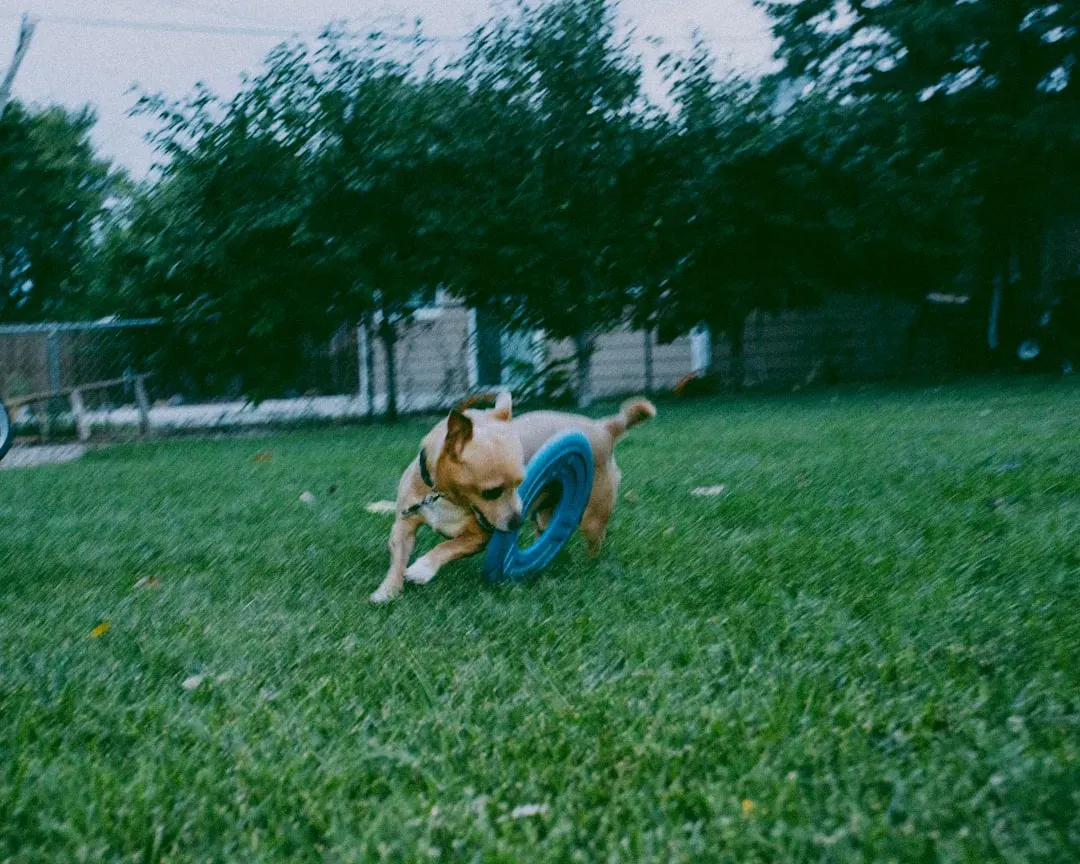
Occasional spinning in excitement is completely normal and often plain adorable. For some dogs, walking in circles is a totally normal behavior that’s nothing to worry about – it could mean they want to mark their napping spot or express excitement during a play session. Other times, though, circling could signal something more concerning, like dementia or OCD. The difference lies in the pattern and persistence of the behavior.
The most commonly observed obsessive-compulsive behaviors in dogs are spinning, tail chasing, self-mutilation, hallucinating (fly biting), circling, fence running, hair/air biting, pica, pacing, staring, and vocalizing. These are behaviors that repeat compulsively, regardless of whether the dog appears to be enjoying them. Incessant spinning despite intervention can be a sign of anxiety, obsessiveness, or compulsion, and consulting a vet is key.
If your dog is spinning in circles followed by lethargy, vomiting, lack of appetite, or falling down, contact your vet right away, as circulation problems, low blood sugar, or seizures could be occurring. Sudden, excessive circling should always be evaluated by your veterinarian. A practical test: try gently redirecting your dog mid-spin. You should start worrying about circling when it seems compulsive or uncontrollable. You can easily test for this by trying to distract your dog while they are circling and seeing if they can easily adjust directions. A dog with a circling problem will always want to walk in the same way and will struggle to adjust.
How to Read the Whole Dog, Not Just the Dance
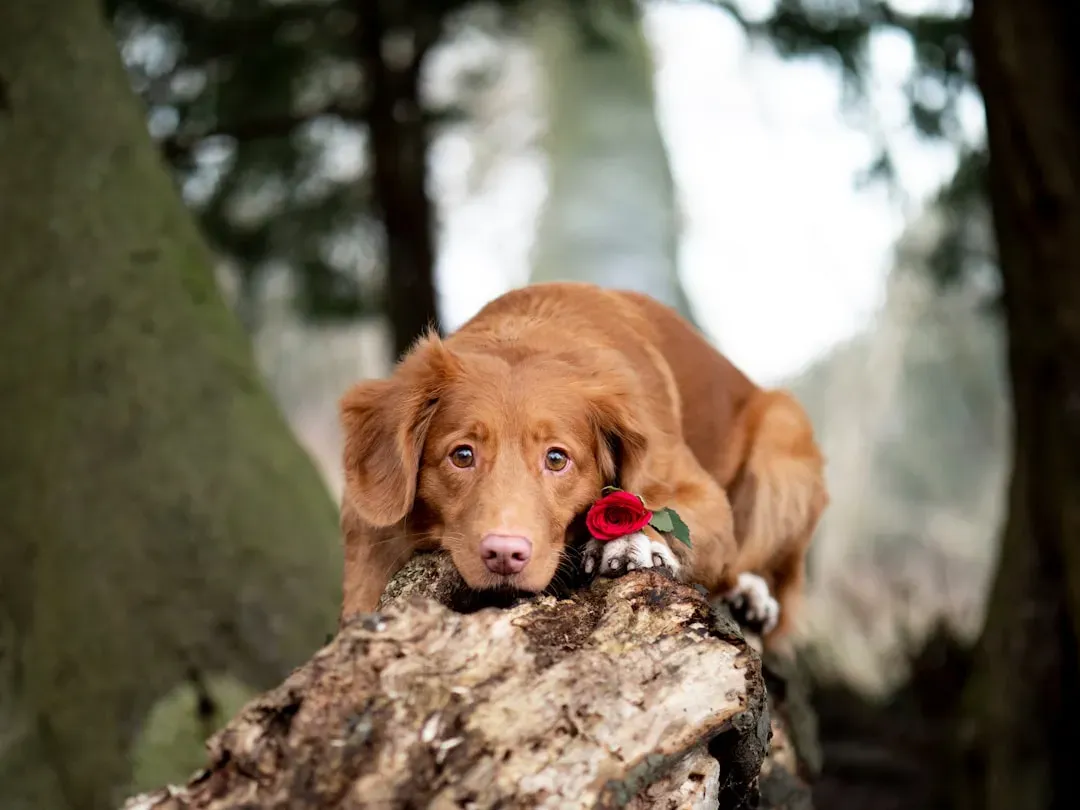
No single behavior tells the full story. A wagging tail, a spinning body, wide eyes – each piece only makes sense in the context of everything else. No dog body language signals act alone. They’re all part of a package. When you read a dog’s communication, look at every signal the dog is using from the tail height to the eye shape. That’s the real skill of being a tuned-in dog owner.
Start with the body. A dog’s happy body posture will be relaxed, free of tension, or if your dog is excited or engaged in play, you may see a play bow or full-body wiggles. Stiff body language might mean that they’re on alert or are feeling anxious. Check the face too. When a dog is happy, their eyes and eyelids will be open and relaxed, their gaze will be soft, and they will blink often. Narrowed eyes and a hard gaze can indicate aggression, while wide eyes, particularly if the whites are showing, could mean your dog is frightened.
If you walk in the door and your dog runs up, tail wagging, jumps, and barks, and they settle within a minute or two, that’s excitement. If instead they continue pacing, whining, or shadow you room to room, showing signs of distress, that’s more likely anxiety – especially if the behavior is intense or compulsive. The more time you spend simply observing your dog without immediately reacting, the better you’ll get at telling the difference.
Conclusion: Love Your Dog’s Dance, but Learn Its Language

That wiggling, spinning, bouncy greeting at the end of a long day is still one of the great perks of sharing your life with a dog. Nothing about understanding it better should take that away. What it does is give you tools – the ability to see when your dog is genuinely thriving and when they might be quietly asking for help.
Your dog is talking to you all the time. If you learn what your dog is saying, you will develop a deeper bond of trust and respect. Your newfound understanding of your dog’s emotional state can also help you predict their behavior and prevent problems before they arise. That’s not just good ownership. That’s a real relationship.
The dance is still a gift. You just know now to look at the whole dancer.


