
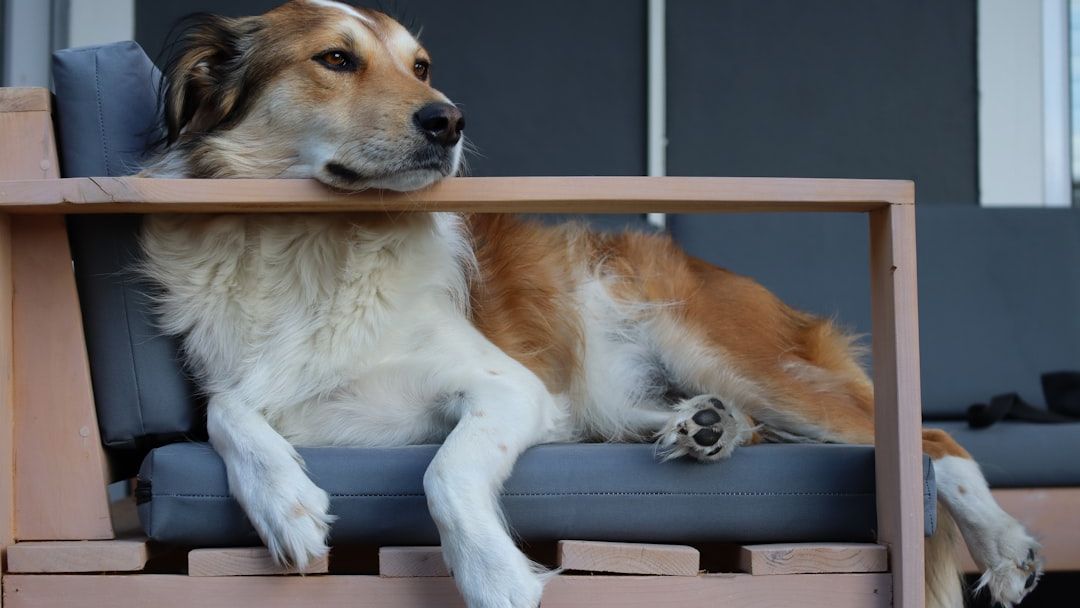
You walk into the living room, and there’s your dog, perfectly settled into your favorite chair. Not their bed. Not the sofa. Your chair. The exact spot where you read your book, scroll your phone, and decompress after a long day. It’s mildly irritating, honestly, but also strangely adorable. Most people laugh it off, shoo the dog away, and think nothing more of it.
The truth is, this little habit your dog has quietly developed is far more meaningful than it looks. It’s not random, and it’s not a minor act of rebellion. It’s actually one of the more touching things your dog does, and the science behind it will probably make you see that stolen chair in a whole new light.
The Scent Connection: Why Your Spot Smells Like Home to Them
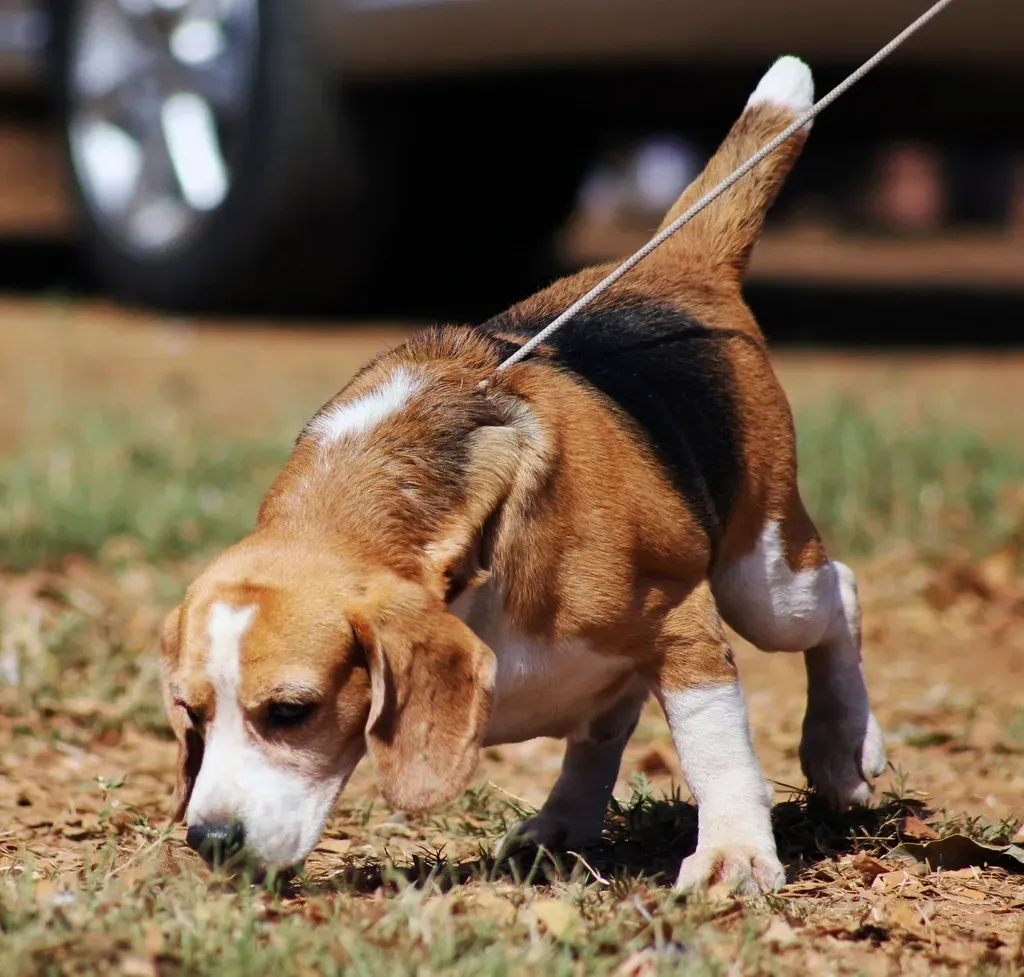
If your dog loves to sit in your chair after you get up, they could be looking for warmth or trying to get closer to your scent. That might sound simple, but it goes surprisingly deep when you consider what your scent actually means to your dog on a neurological level.
An owner’s scent activates the parts of a dog’s brain associated with pleasure. A dog encountering its owner’s smell could feel something like a person reacting to the perfume or cologne of a loved one, according to research from Emory University. So when your dog curls up in your chair, they’re not just finding a cozy spot. They’re quite literally bathing their senses in something that makes them feel good.
Dogs learn to associate the human’s scent with positive experiences, and that association makes for a strong emotional bond, as your smell becomes a genuinely pleasant aromatic for them. Your chair holds a concentrated version of that smell, layered in over weeks and months of you sitting there. To your dog, it’s not furniture. It’s essentially you, preserved in fabric form.
If you use that chair often, you will have left a good dose of your personal odor behind even though you won’t be able to notice it yourself. It is a scent your dog loves, and being close to it will make them happy and content even when you’re not there. That’s not just cute, it’s actually a form of emotional regulation your dog has quietly figured out on their own.
Automatic Imitation: Dogs Are Natural Copycats
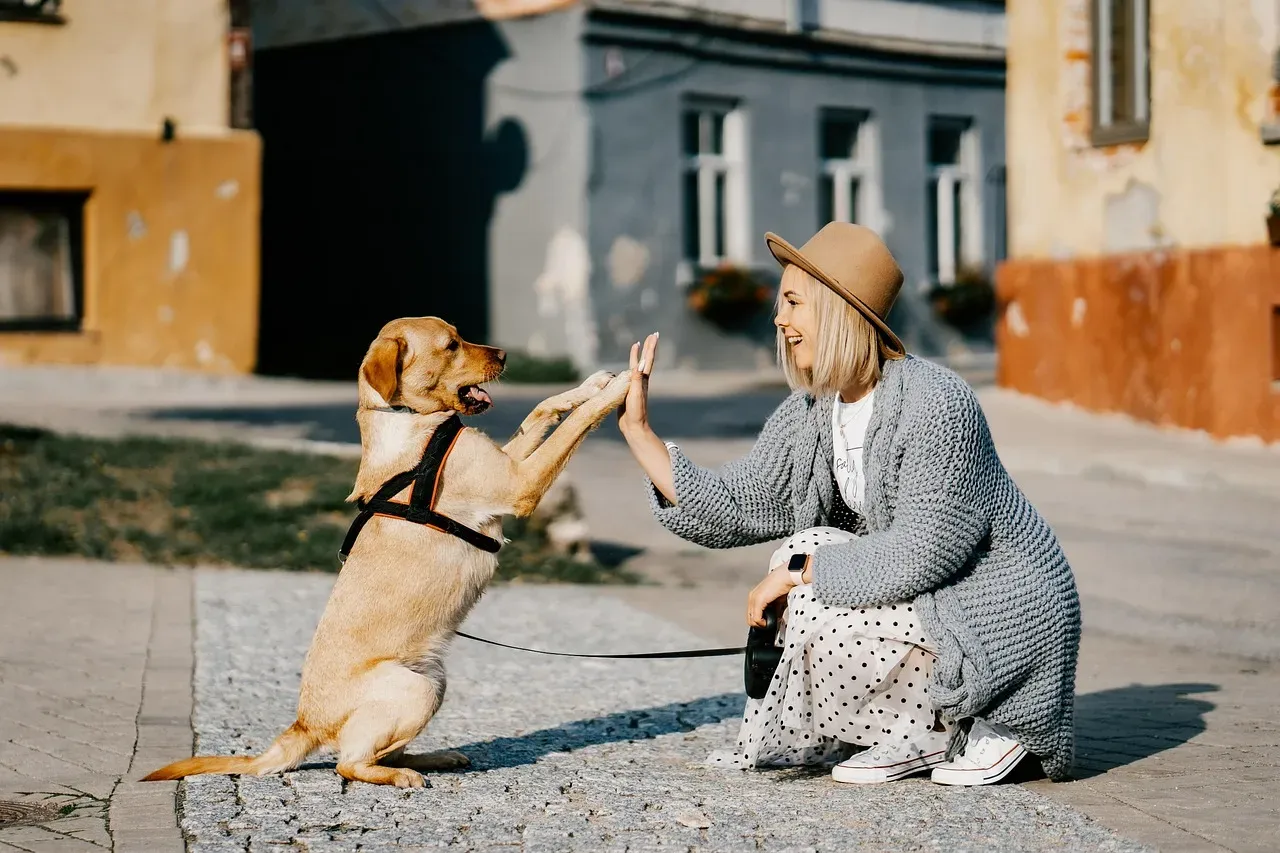
Research conducted in a collaborative project by biologists and psychologists at the universities of Vienna and Oxford has shown that dogs, like children, can learn through observation, which means they can mimic human actions. This is more than simple trick training. It reflects a deep-seated social intelligence that evolved specifically through thousands of years of living alongside people.
Recent studies have demonstrated that dogs have a cognitive capacity for imitation similar to that of humans. Research found that dogs could imitate human actions on command, even when those actions were novel to them. This means that dogs aren’t just following their instincts or learning by trial and error. They are capable of true observational learning.
Automatic imitation is a crucial aspect of social learning, and it essentially means you unconsciously imitate the behaviors of people around you. The same goes for your dog. Watching you settle into that particular chair, in that particular way, repeatedly over time, your dog simply absorbs it. They aren’t making a conscious decision to copy you. It happens naturally, the way it does in close social relationships.
From a scientific perspective, imitation requires complex cognitive skills. It is unlikely that species that did not evolve in a very complex social environment needed to develop this ability. Dogs can do it, thanks in part to domestication, because they evolved in the human environment, which is extremely complex from a social point of view. Your chair habit is just one small, everyday expression of that remarkable evolutionary story.
Pack Instinct and Territory: Holding Your Place Until You Return
Your seat represents security and safety to your dog, so they’re probably just looking for a bit of extra comfort. This behaviour also stems from the pack mentality of their wolf ancestors. In a wolf pack, territory matters. Certain spots carry status and significance, and occupying them communicates belonging within the group.
When looking back to wolf ancestors, they used to sit in each other’s spot to protect the territory as well. So it could also be that your dog is simply sitting in your spot to play ‘watch guard’ until you come back. There’s something genuinely touching about that framing. Your dog isn’t stealing your chair. They’re guarding it for you.
When there’s an opportunity to sit in the honored seat, your dog may just covet that spot and want to sit there to soak in your vibes. The elevated position of many armchairs also appeals to a dog’s instinct to have a clear sightline over their environment, combining comfort, connection, and a sense of watchful purpose all at once.
Dogs are descendants of wolves, and many of their instincts can be traced back to their wild ancestors. In the wild, wolves often seek out small, enclosed spaces to rest and feel safe from predators. This instinctual behavior may have been passed down to domesticated dogs. When your dog sits in your chair, it could be that they’re seeking a sense of security in a somewhat enclosed space, allowing them to feel safe while still being close to you.
The Attachment Bond: More Than Just a Habit
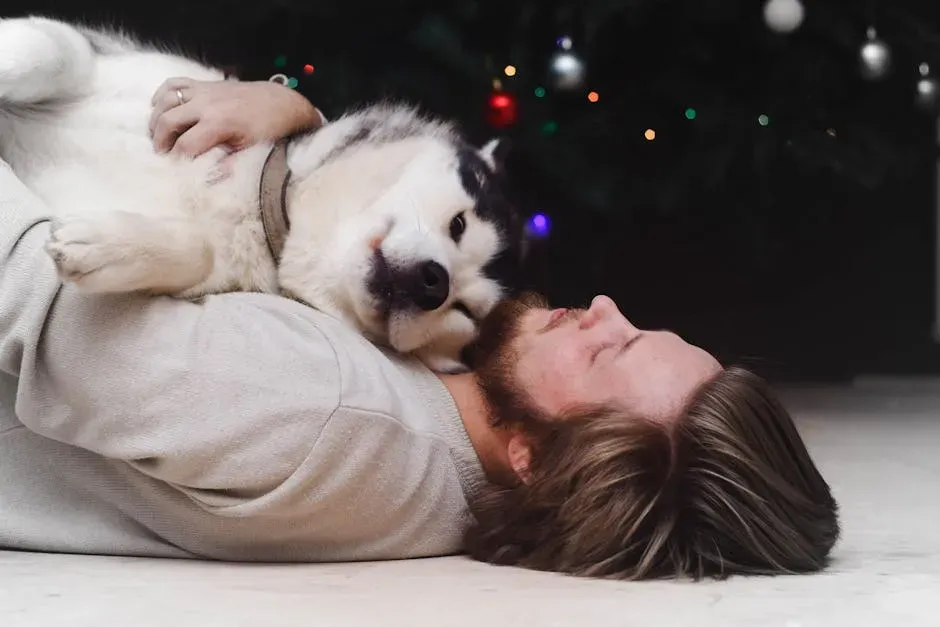
Psychologists believe that the relationship between human and canine is a bidirectional attachment bond, which resembles that of the typical human caretaker and infant relationship. Some behaviors that led scientists to this conclusion include proximity seeking, where the canine seeks out its caretaker as a means to cope with stress, and the fact that absence of the caretaker can trigger separation anxiety. The chair habit fits directly into this wider picture of how your dog experiences their bond with you.
Research at Azabu University demonstrated that dogs and their owners experience a mutual release of oxytocin, a hormone associated with bonding and affection, when they gaze into each other’s eyes. This release occurs in bonded pairs but is significantly less in interactions between unfamiliar dogs and humans. This finding suggests that the bond formed through shared positive experiences and emotional trust results in a physiological response indicative of genuine attachment.
For dogs, the odor of a familiar human signals a probable, pleasurable outcome. This helps explain why leaving an article of your clothing with your dog during your absence is comforting and may help with separation anxiety. Your chair is essentially a large, furniture-sized version of a comfort item, soaked through with your presence.
An attachment bond is a close emotional relationship between two individuals. The dog and owner relationship shows some similarities to the human caregiver and infant relationship. Dogs show similar behaviours of attachment, such as approaching, following, clinging, and vocalizing toward their owners. Sitting in your chair is simply another version of those closeness signals, expressed quietly, in your absence.
What This Behavior Tells You About Your Relationship
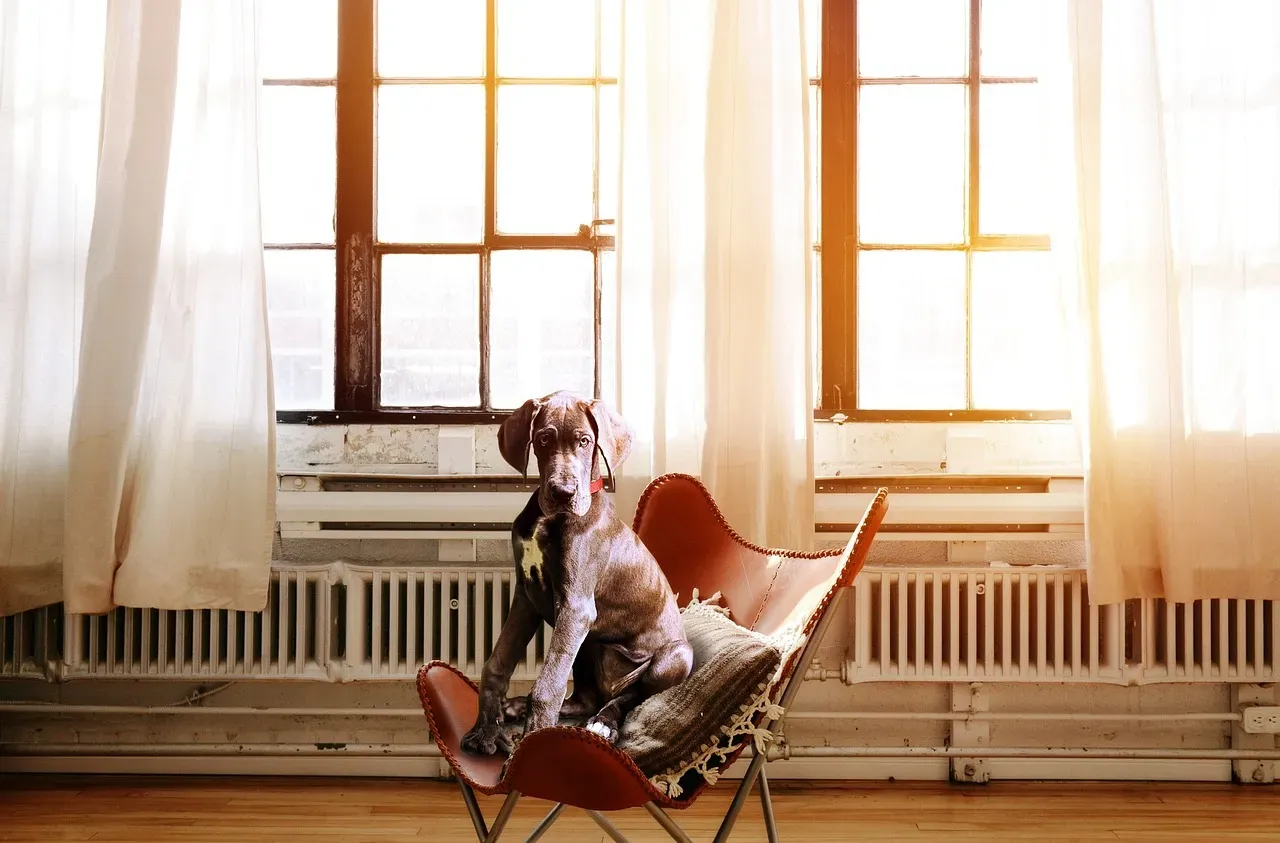
Dogs are very observant and will witness and take in more visual and auditory stimuli than their humans may notice. Because of their vigilant nature, they are likely to pick up some habits they witness regularly from their human. Your dog isn’t just occupying a spot in your home. They’ve been watching you, learning you, and weaving your patterns into their own daily life.
Dogs are highly social animals, and one of the ways they navigate the world around them is through imitation. This sophisticated form of learning allows dogs to observe the behaviors of others, whether other dogs, humans, or even animals of different species, and mimic these actions. When your dog gravitates toward your chair, they’re doing what highly social, deeply bonded animals do: they’re folding your routines into their own sense of safety and belonging.
A lot of habits dogs share with their owners are intuitive to their furry friend. They’re just adapting to fit into your life, another reason dogs have been so historically beloved by humans. The chair preference isn’t a dominance move or a quirky accident. It’s your dog fitting themselves into the shape of your life, as naturally and completely as they can.
Dogs perceive us as part of their pack, and mirroring our actions helps them feel secure within that social structure. Every time your dog climbs into your chair, they are reinforcing their own sense of stability, connection, and trust in the household you’ve built together. That’s worth a small smile, even when you’d really like to sit down.
A Warm Conclusion
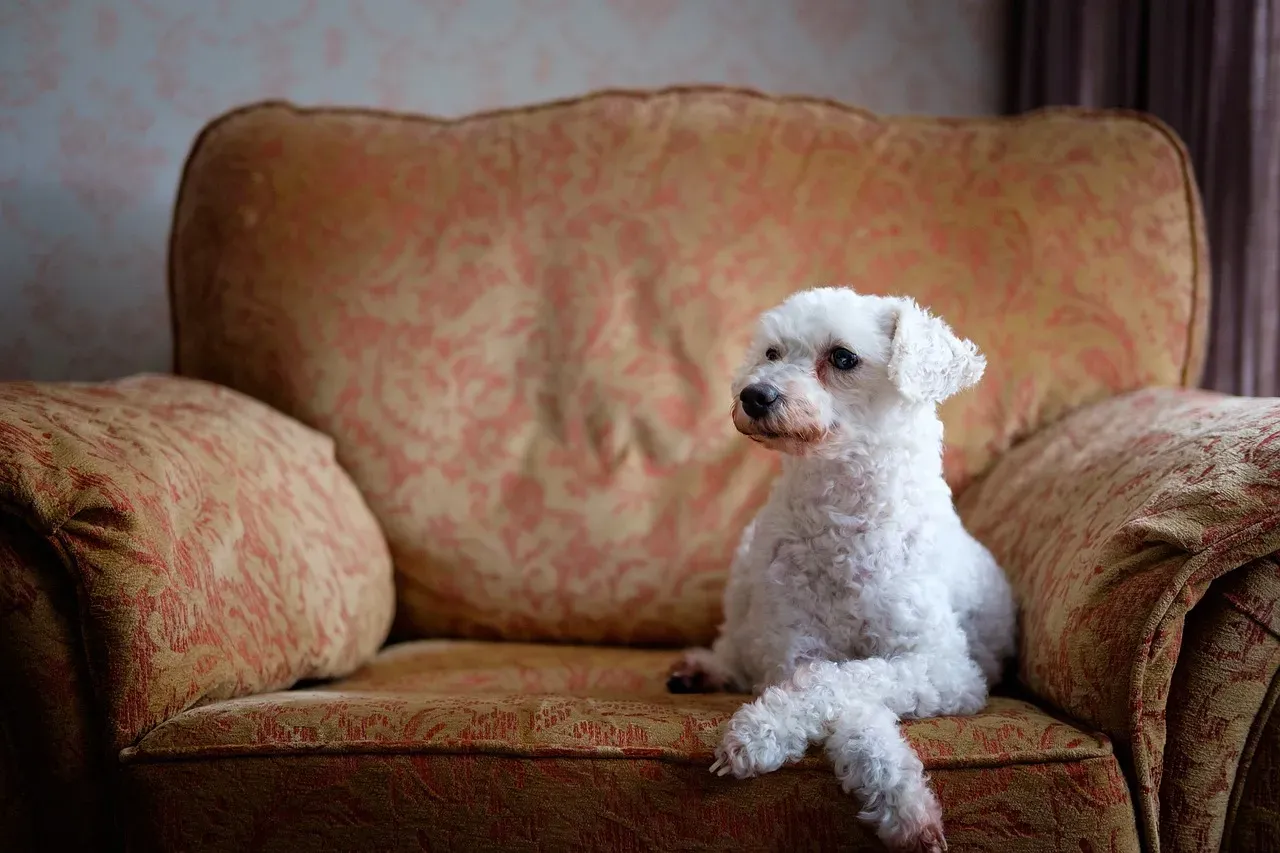
The next time you find your dog draped across your favorite chair with absolutely zero guilt, consider what you’re actually looking at. You’re seeing the evidence of a bond that runs deep enough to shape where your dog chooses to rest. You’re seeing a creature who has studied your habits, absorbed your scent, and decided that the place you love most is also the place they feel most connected to you.
It’s equal parts ancient instinct and modern love. Your dog isn’t taking your chair. They’re keeping a piece of you close in the only way they know how. The chair, honestly, was always secondary to that. Some relationships leave their mark on the furniture, and there’s nothing wrong with that at all.


