
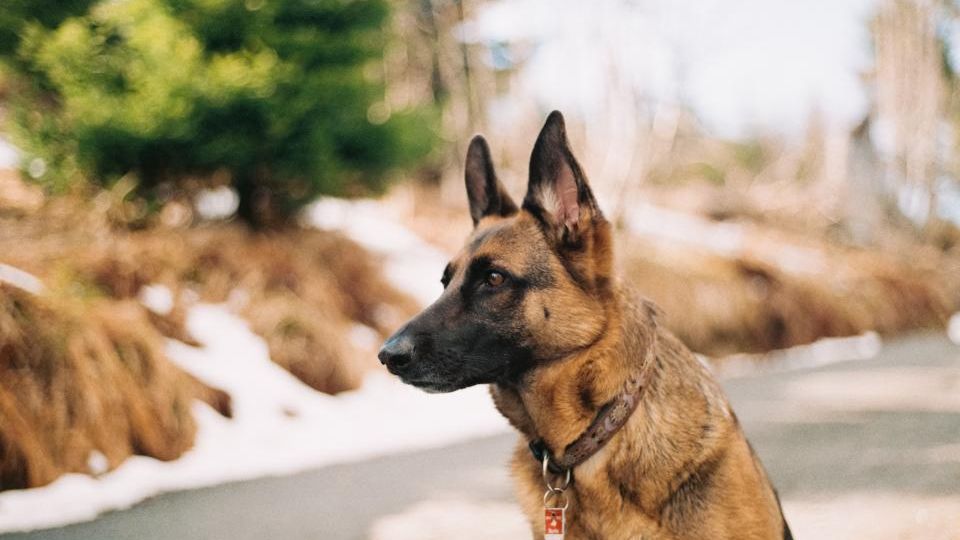
There’s a moment most dog owners know well. A stranger approaches a little too quickly, or an unfamiliar noise breaks through the quiet of the house, and your dog is already alert, already moving, already placing themselves between you and whatever lies ahead. It happens so fast it almost feels choreographed. In a way, it is.
What’s happening in those split seconds is not random or accidental. It goes back thousands of years, runs through your dog’s DNA, and speaks to something that no amount of modern comfort has been able to wash away. Your dog’s protective nature is one of the most honest things about them. Understanding it means understanding the depth of the bond you two actually share.
The Ancient Roots of a Modern Instinct
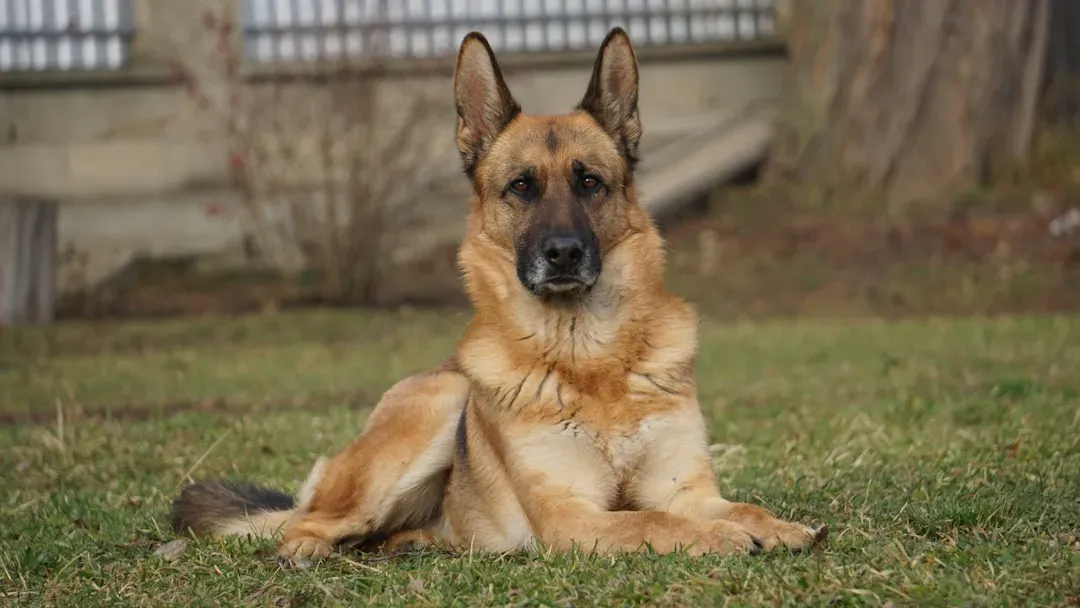
Dogs have been loyal protectors and companions for thousands of years, serving not just as pets but as members of the family who play an integral role in the safety and security of their household. Their instincts to protect are deeply ingrained, stemming from their ancestral pack behavior, where looking out for one another was essential for survival.
Most dogs have a natural instinct to protect their family. This comes from their wolf ancestors, who lived in packs and looked out for each other. Your dog sees you as part of their pack, so they want to keep you safe. That’s not a metaphor. It’s a biological reality that has persisted across millennia of domestication.
Dogs have acted as family protection dogs since ancient times. In ancient times, though, dogs were not necessarily bred for companionship. Now, many dogs are bred for protection as well as companionship. The roles have evolved, but the core impulse has remained remarkably intact. What was once a survival mechanism in the wild now manifests in your living room as a dog who won’t let a delivery person through the door without a serious announcement.
How Dogs Actually Sense Danger Before You Do
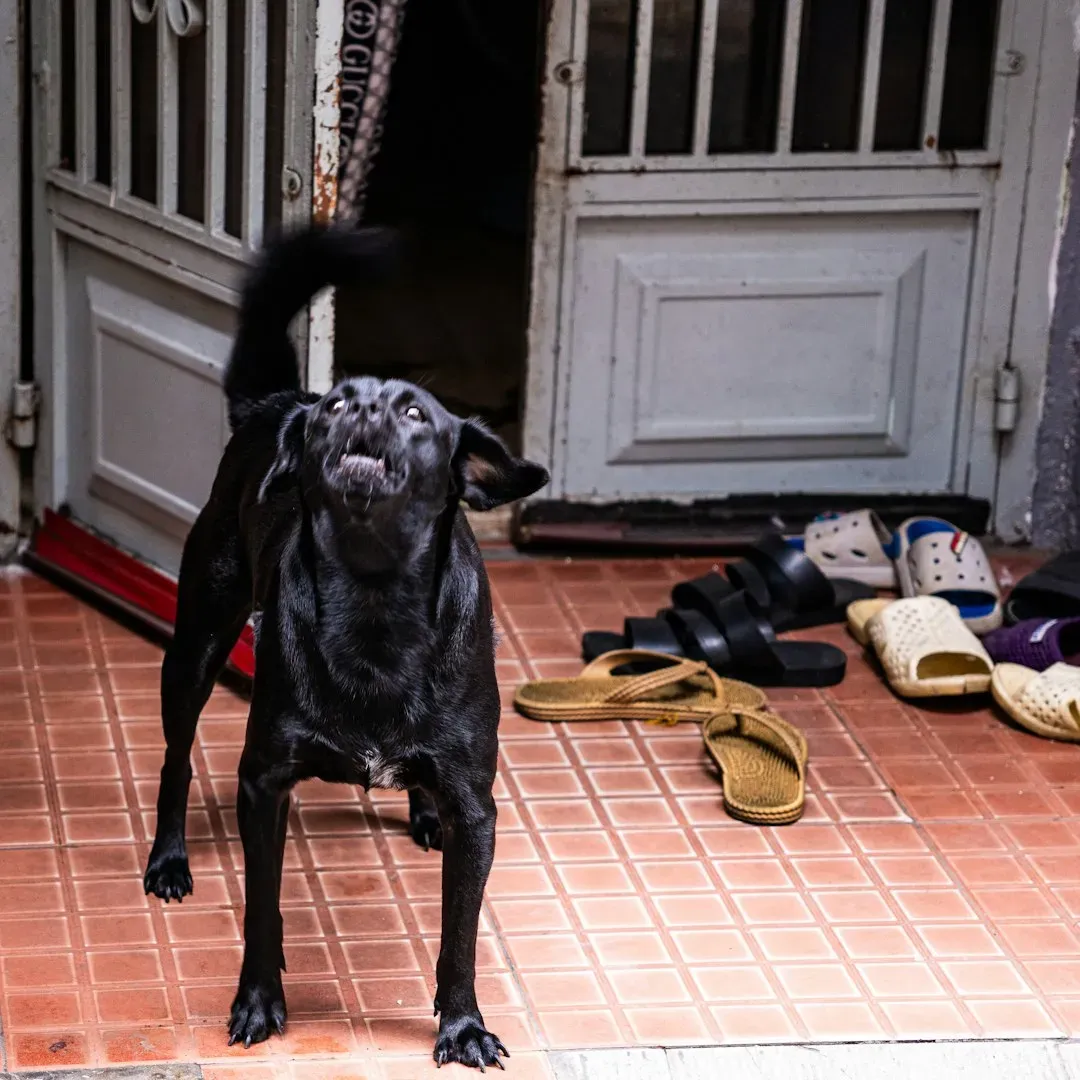
Dogs are incredibly good at reading situations. They use their extraordinary senses to pick up on things we might miss. Their hearing is much better than ours, and they can hear sounds from farther away and at different pitches. Their sense of smell is also amazing, allowing them to detect changes in people’s scent that might signal fear or stress.
Dogs also watch our body language very closely. They notice when we tense up, move differently, or seem worried. Sometimes, your dog might react to a situation before you even realize something is wrong. Think about that for a moment. Your dog can feel your anxiety before you’ve even consciously registered it yourself. That’s not luck. That’s a level of attunement that takes a lifetime to build between humans, and your dog does it automatically.
It is noteworthy that many dogs have a much stronger protective instinct at night than during the day. An animal that is relaxed when on walks in daylight may react significantly more suspiciously on the same route at night. This heightened alertness in low-light situations reflects just how finely tuned a dog’s sense of environmental risk actually is.
The Physical Signs Your Dog Is Standing Guard for You
A protective dog often positions themselves between you and what they perceive as a danger. For example, if a stranger approaches you on a walk, your dog might stand in front of you to block access. It’s one of the clearest displays of canine loyalty you’ll ever witness. No training needed. Pure instinct.
Dogs that are protective of their owners tend to stick by their side, especially in unfamiliar environments. They want to ensure your safety and be ready to intervene if needed. A protective dog remains hyper-aware of their surroundings. They may scan the environment frequently and react quickly to sudden noises or movements.
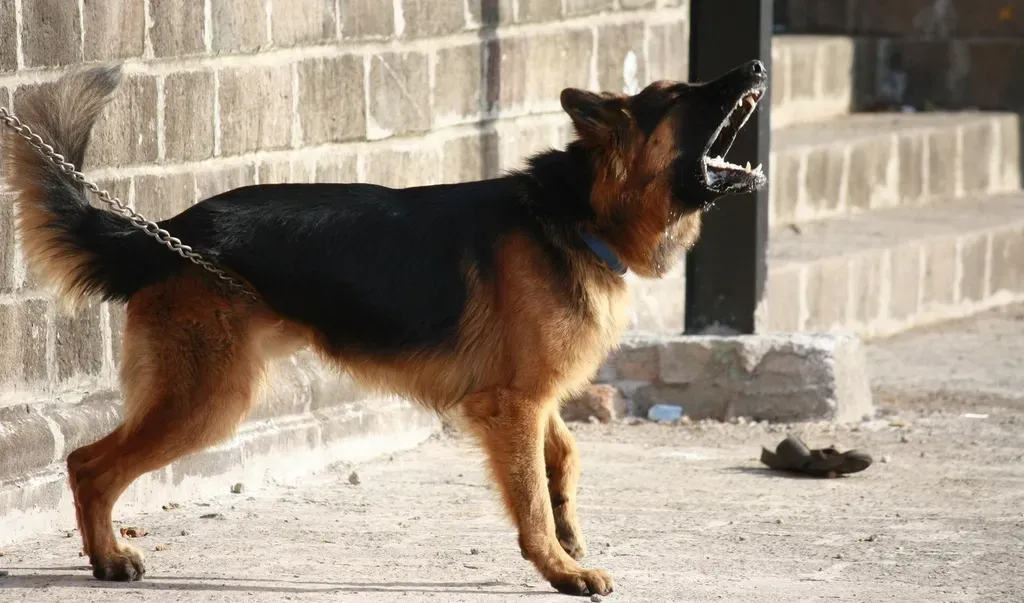
Barking is one of the most common signs a dog uses to alert its owner to potential threats. When your dog barks at strangers, noises, or other animals, it’s often an attempt to ward off potential threats and protect you. This vocalization serves as both a deterrent to the perceived threat and a signal that something unusual is happening. That bark you sometimes wish would stop might actually be your dog doing their job with complete sincerity.
When Loyalty Becomes Too Much: The Fine Line Between Protective and Problematic
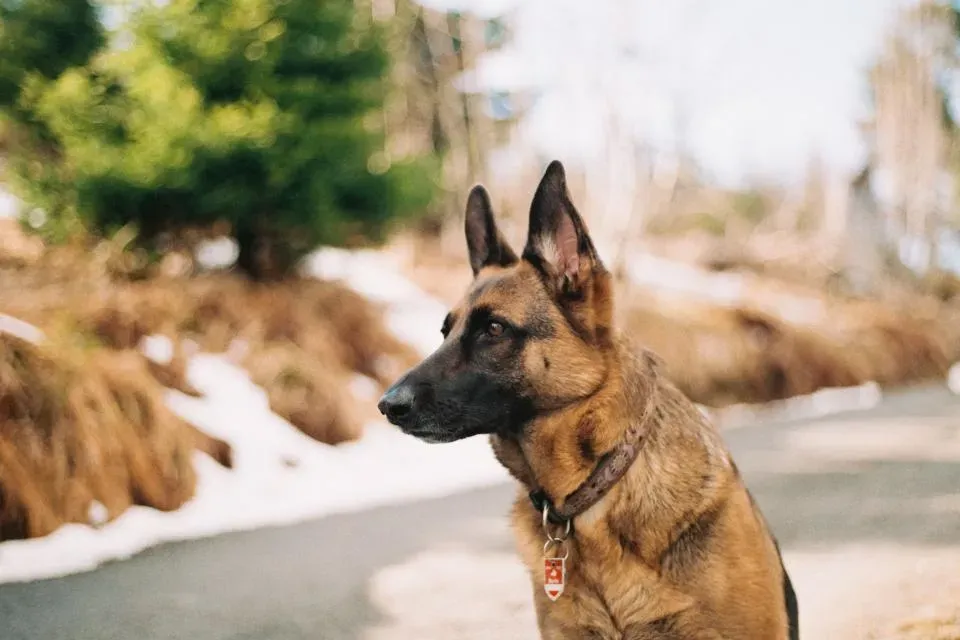
A study published in 2023 found that roughly four out of every five dogs exhibited stranger-directed aggression, indicating a significant prevalence of protective behaviors among dogs. This suggests that many dogs may perceive unfamiliar individuals as threats to their owners or territory. That’s a striking number, and it’s a reminder that protective instincts exist on a wide spectrum.
Aggression is very often misidentified by owners as protection or over-protectiveness. Internally, this mode is entirely different and rooted in a dog’s own insecurity and fear, not run by love towards its owner. An aggressive dog will become aggressive even when it is not necessary and the situation doesn’t call for it. Knowing the difference between the two is genuinely important, not just for safety, but for your dog’s wellbeing.
The distinction between loyalty and liability often comes down to your dog’s ability to read situations accurately, respond proportionally to actual threats, and take guidance from their human family when assessing social interactions. A well-adjusted protective dog is a gift. An unmanaged one becomes a source of stress for everyone involved, including the dog.
Building the Bond That Makes Protective Instincts Healthy
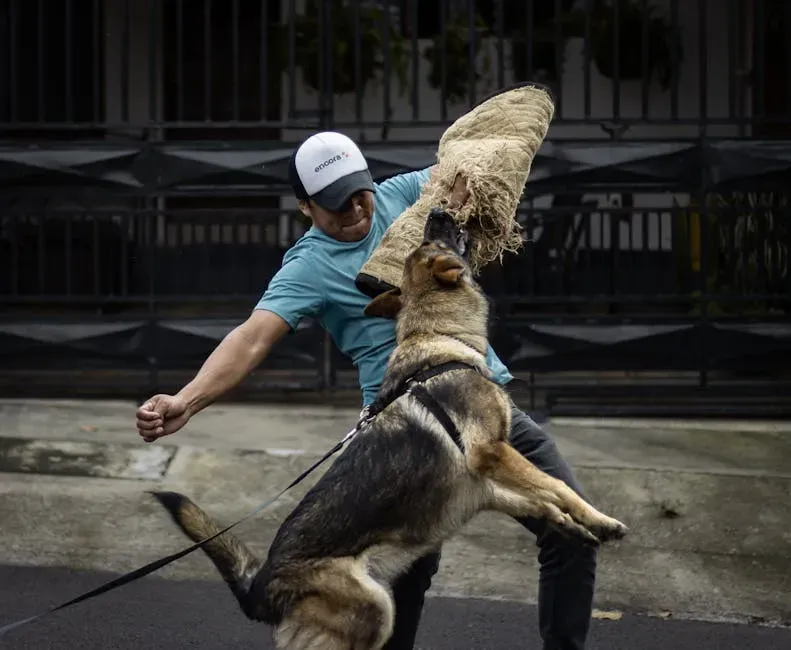
The events of daily life reinforce loyalty. A protection dog and its owner form a stronger bond when they train together regularly, give each other praise, and spend time together. The dog learns to fully trust its owner because it knows that their job is to protect the pack, which includes their human family.
Creating a balance between healthy protectiveness and excessive guarding requires consistent training, patience, and understanding. Introducing your dog to a variety of people, environments, and other animals from a young age helps them learn what is normal and reduces unnecessary protectiveness. Socialization isn’t about softening your dog’s loyalty. It’s about sharpening their judgment so that loyalty is expressed wisely.
The effectiveness of a protection dog heavily relies on its training. A well-trained protection dog knows when to guard, when to subdue, and importantly, when to stand down. That last part matters most. A dog who can stand down on command is a dog who trusts you as much as you trust them. That mutual trust is the real foundation of everything.
A Reflection Worth Carrying With You
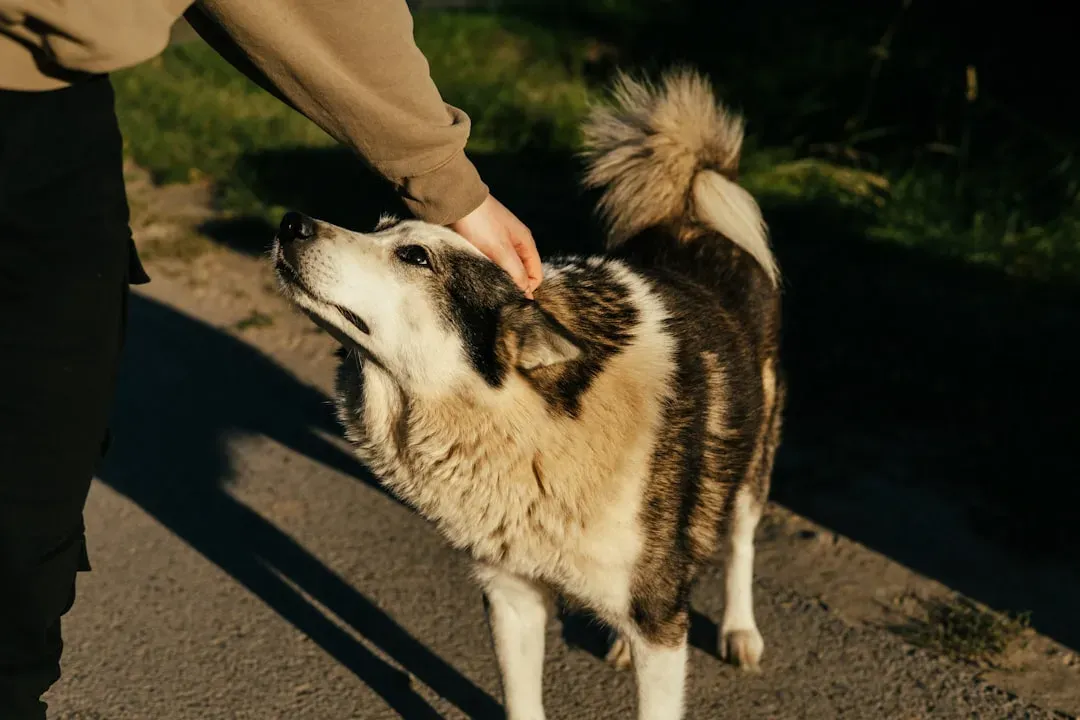
Here’s the honest truth: your dog doesn’t protect you because they were told to, and they don’t do it for praise. Your dog’s desire to protect you comes from love and loyalty. That’s a simple sentence, but its weight accumulates every single time your dog steps in front of you, stays close in an unfamiliar place, or raises their head in the dark to check if everything is okay.
Since ancient times, dogs have guarded our livestock, watched over our property, warned us of danger, and protected our families, often without the least bit of training. That history belongs to every dog alive today, from the largest German Shepherd to the smallest terrier who thinks they’re enormous. They all carry it.
The most remarkable thing about your dog’s protective instinct isn’t its ferocity. It’s its consistency. Day after day, without a contract or a reward, your dog simply decides you’re worth guarding. In a world that can feel unreliable, that kind of quiet, unwavering commitment is genuinely rare. It deserves to be recognized for what it is.


