
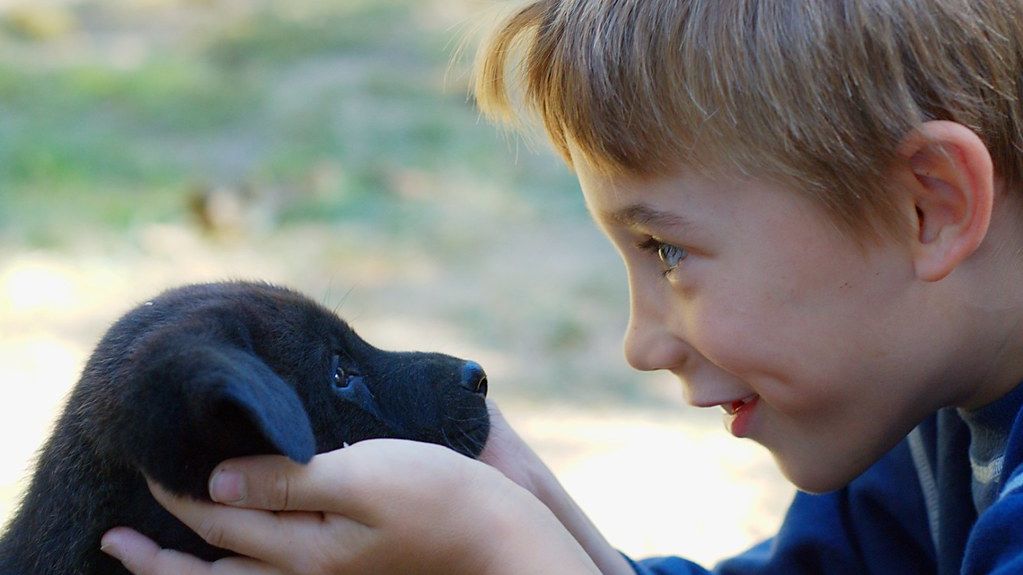
The Science of Mutual Eye Contact
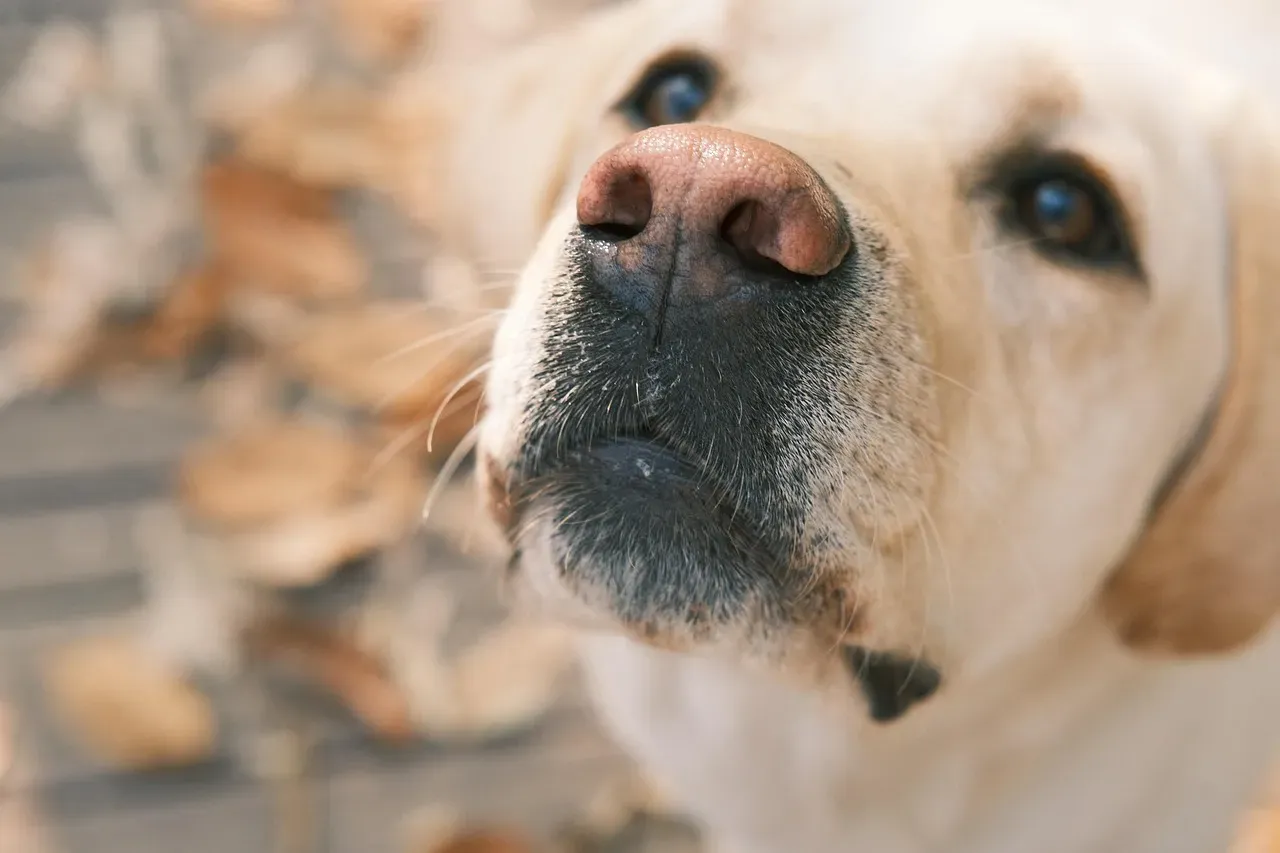
Researchers have tracked what happens inside both bodies when a dog and person lock eyes. Levels of a key bonding chemical rise in each of them, creating a feedback loop that strengthens their tie. This response appears tied to long-term changes in how dogs process social signals from humans.
The pattern shows up reliably in everyday interactions at home. It does not require special training or rewards to appear. Instead, the behavior seems built into the way these two species now read each other after generations of living side by side.
Oxytocin and the Bonding Loop
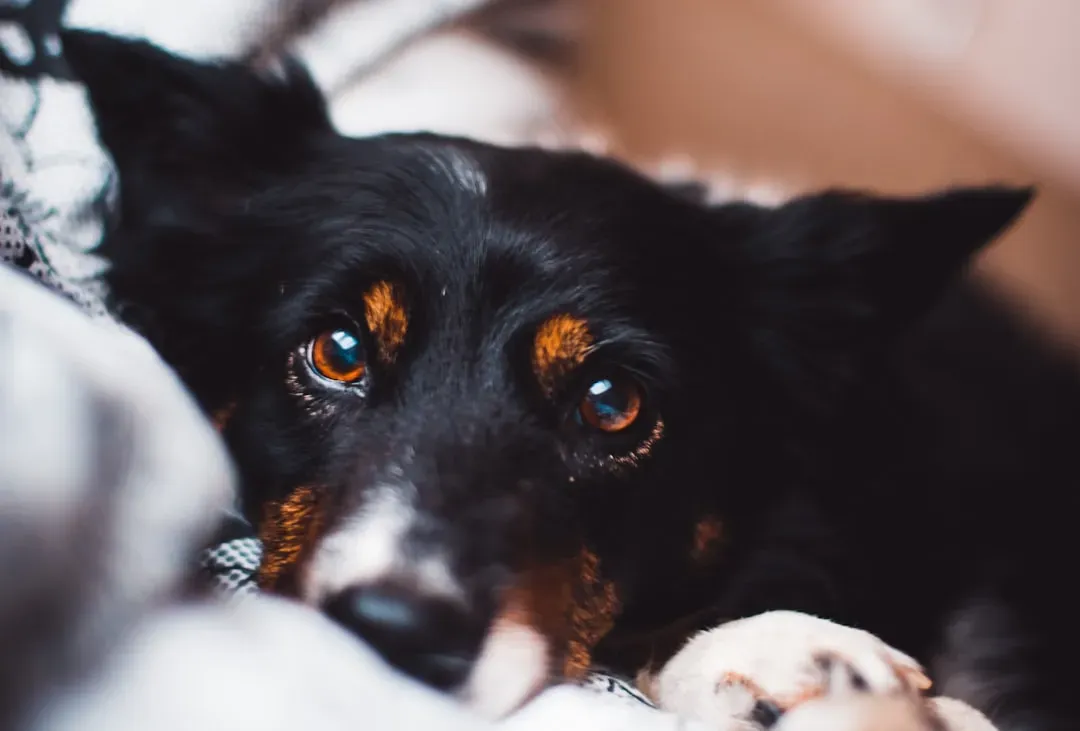
Oxytocin plays a central role in this exchange. When dogs gaze at their people, the hormone increases in the human, which then encourages more looking and closeness. The same rise happens inside the dog, turning a simple look into a cycle of mutual calm and attachment.
This chemical response mirrors patterns seen in parent-infant bonding among humans. Dogs appear to tap into that same system, using eye contact as a bridge. The result feels familiar because it draws on ancient pathways that both species already possessed.
Domestication Over 15,000 Years
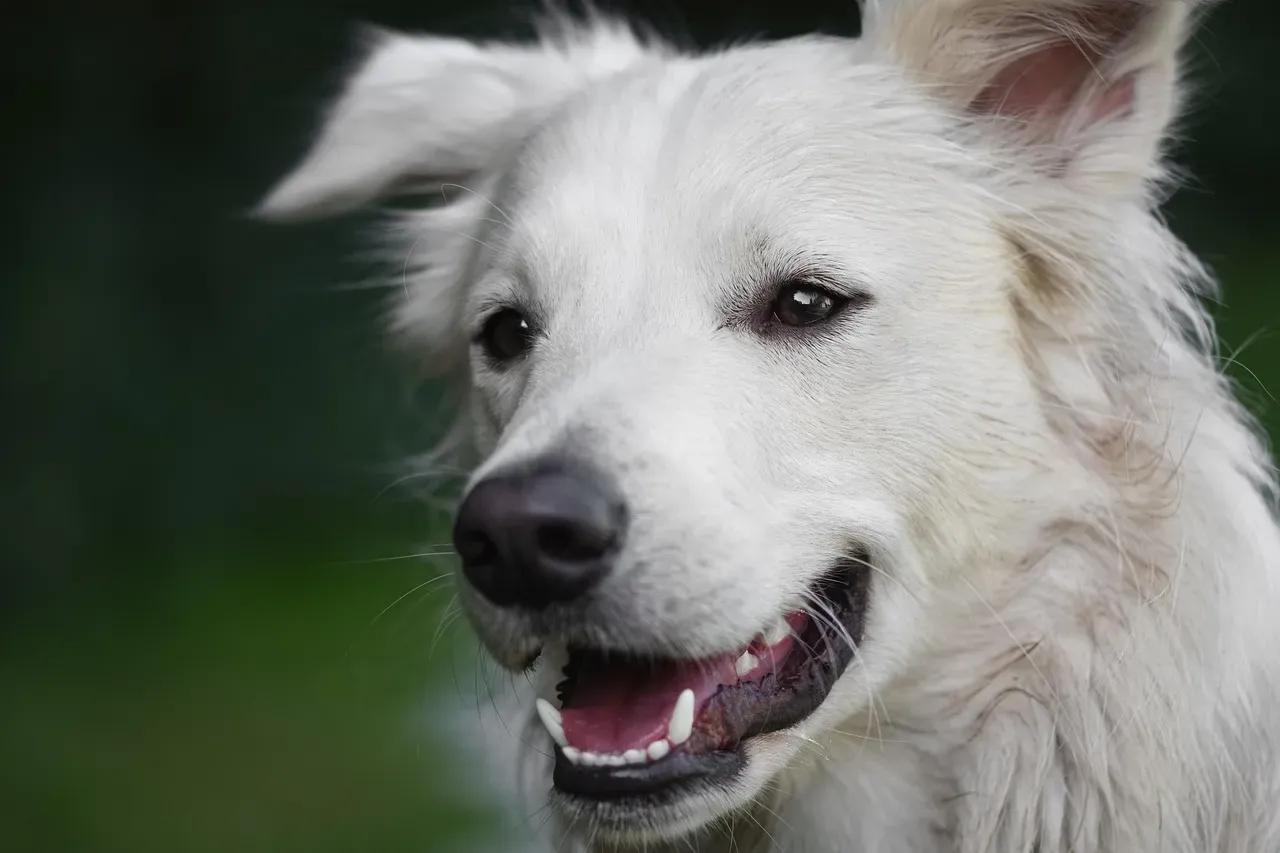
Dogs began living with humans long before recorded history, with estimates pointing to a span of roughly 15,000 years or more. During that time, traits favoring close social contact became more common in dog populations. Selection pressures from shared daily life rewarded animals that could read human cues and respond in kind.
Over countless generations, those small advantages added up. Dogs that engaged more readily with people gained better access to food and safety. Humans, in turn, benefited from companions who stayed close and attentive. The staring behavior fits into this gradual reshaping of both species.
Why Wolves Behave Differently
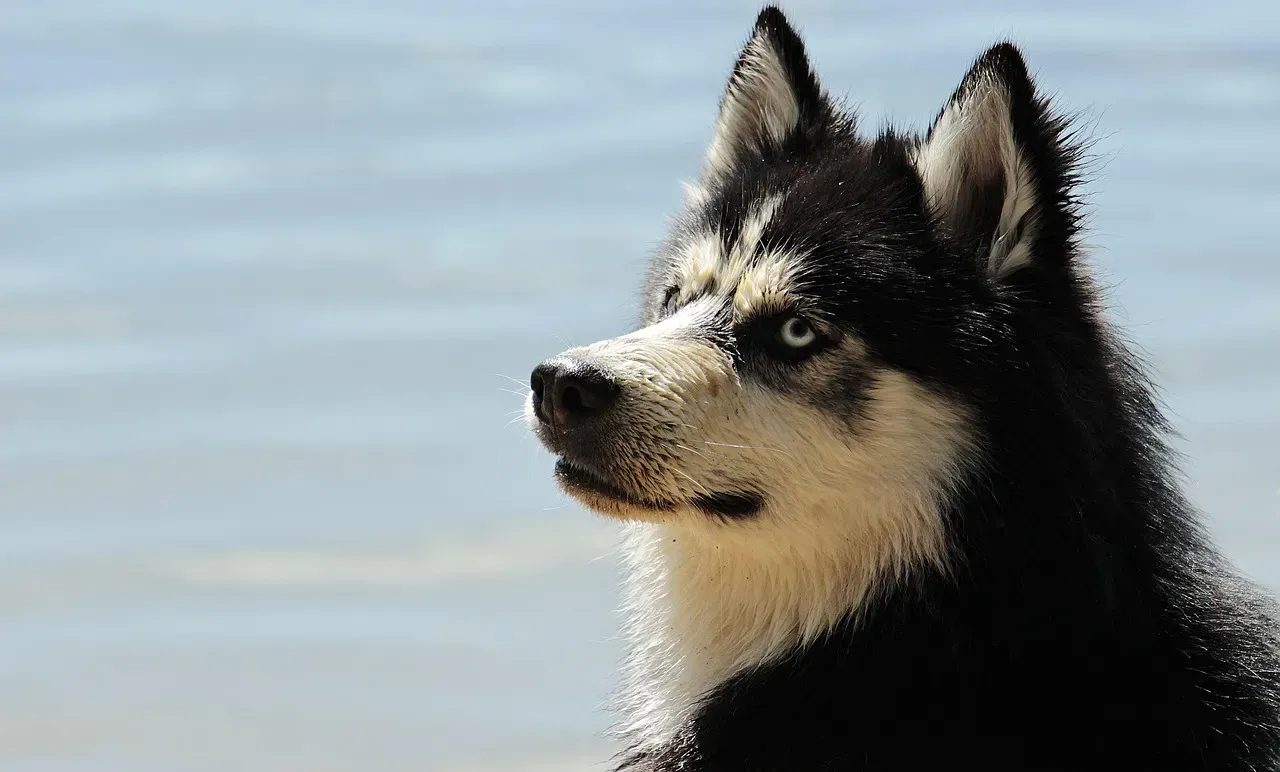
Wolves raised by people rarely show the same sustained eye contact. Their oxytocin response stays flat even during similar interactions. This contrast highlights how domestication altered the dog line in specific ways that wolves never experienced.
The difference points to changes in neural pathways rather than simple habit. Wolves retain a more cautious approach to direct stares, which can signal threat in their world. Dogs evolved past that limit with humans, turning the gaze into a tool for connection instead.
Emotional Circuitry Shaped Together
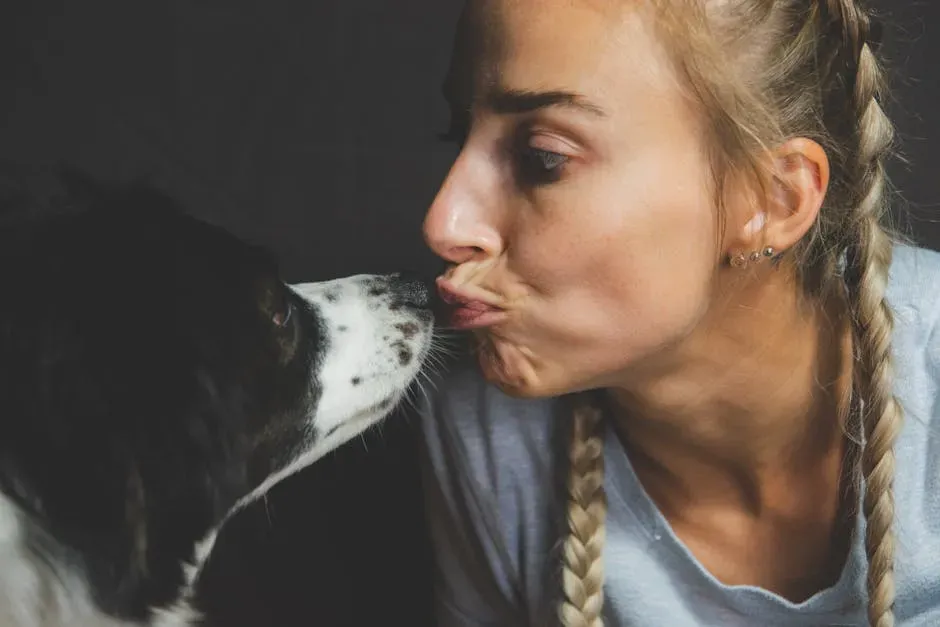
Both species carry brain systems that handle social attachment and reward. In dogs, these circuits adapted to treat human faces as sources of comfort and information. The adaptation likely happened because it improved survival chances in human environments.
Humans experienced parallel shifts in how they responded to dogs. The shared circuitry now supports quick reading of each other’s states through the eyes. This co-evolution created a form of interspecies communication that feels almost instinctive today.
More Than Obedience or Commands
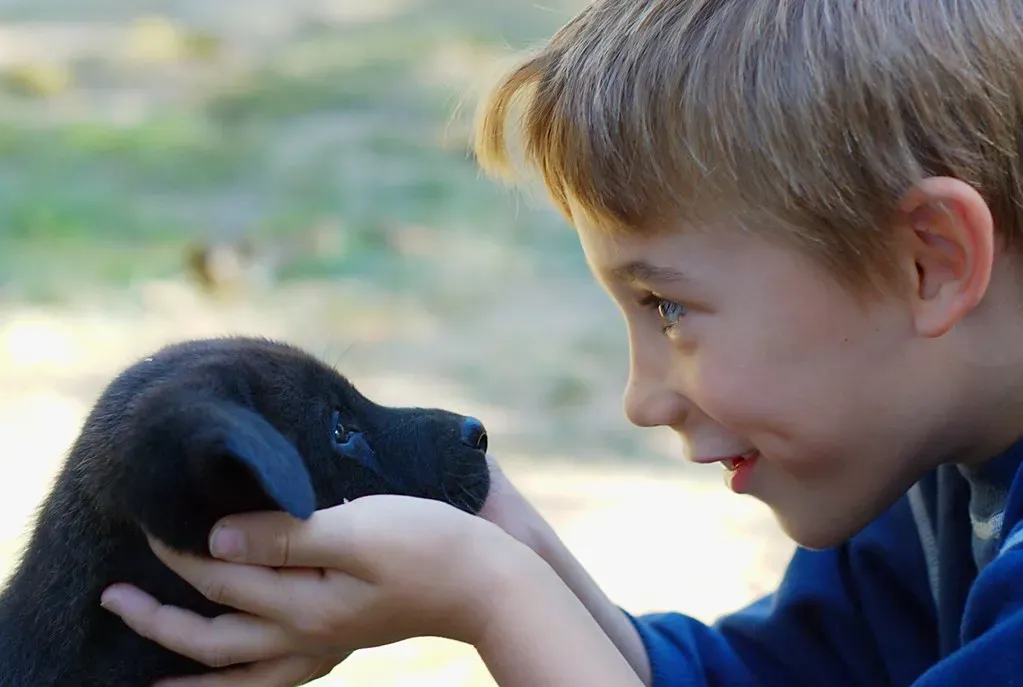
Training can encourage certain looks, yet the core tendency appears even in untrained dogs. The behavior shows up during relaxed moments without any prompt or treat involved. That independence from lessons suggests deeper roots than simple conditioning.
Obedience explains some interactions, but it falls short when the gaze happens unprompted. The emotional layer adds a dimension that feels voluntary and reciprocal. Dogs seem to seek the connection for its own sake, much like people do in close relationships.
A Lasting Partnership Built on Shared Biology
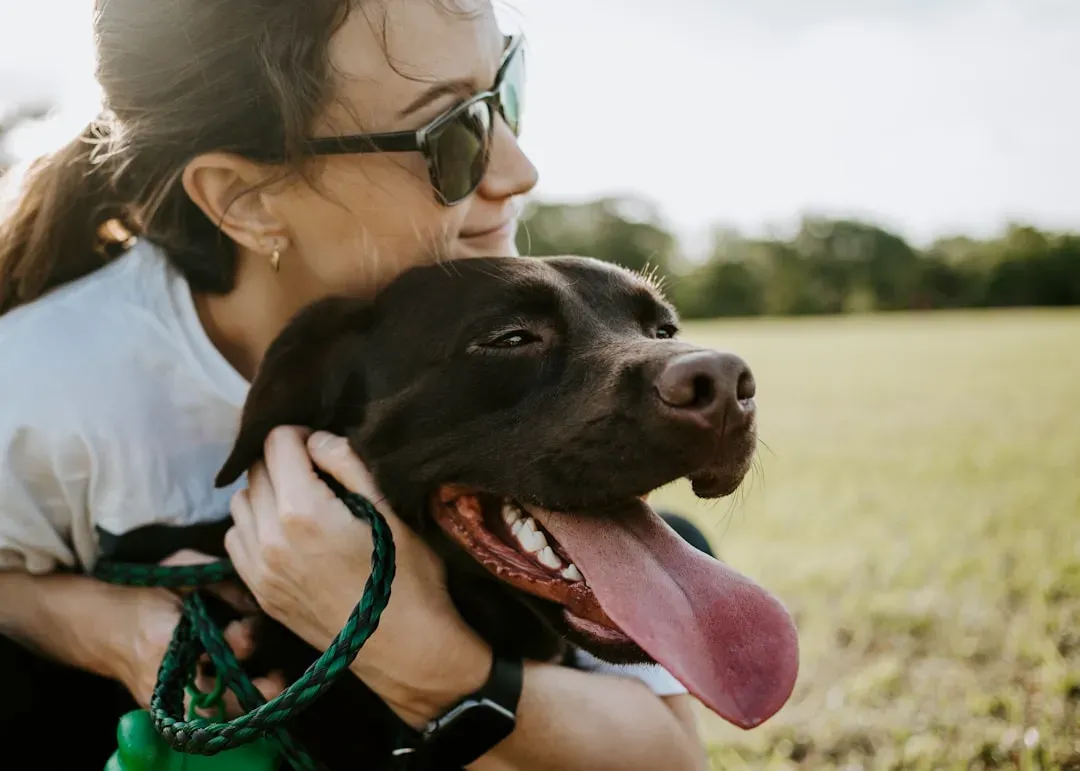
This ancient wiring continues to shape daily life for millions of households. The stare serves as a quiet reminder of how two different animals found common ground over time. It offers a window into bonds that rely on chemistry as much as habit.
Understanding the origin of the gaze adds appreciation without changing the simple pleasure of the moment. Dogs and people keep refining this connection through ordinary routines. The result remains one of the most enduring examples of two species growing together.


