
#1: Cavalier King Charles Spaniel – The Gold Standard for Senior Companionship

The Cavalier King Charles Spaniel leads virtually every U.S. veterinary and senior care organization’s recommended list because it combines a gentle temperament, indoor adaptability, and low daily care requirements in a single 12 to 18 pound package. That’s a fairly rare combination in the dog world, and it explains why so many seniors return to this breed again and again.
This breed adapts effortlessly to slower routines, fitting seamlessly into a relaxed lifestyle. With a friendly and kind disposition, Cavaliers enjoy being around people throughout the day, not clingy but happily present, and they thrive with easy indoor lounging punctuated by a few short outdoor walks. Their coat requires some brushing, but they do not require frequent professional grooming, which keeps ongoing care costs noticeably manageable.
#2: Shih Tzu – Built for Indoor Life and Devoted to Their Person

The Shih Tzu was bred specifically for indoor companionship, making it a natural fit for older adults in apartments or retirement communities. These dogs are friendly, affectionate, and content with short daily walks, and they do not need a yard. That last point matters more than it might seem – no yard means no fencing costs, no lawn hazards, and no weather-dependent routines.
With a lifespan reaching anywhere from 10 to 18 years in some cases, the AKC notes the Shih Tzu is “content living in apartments, so long as you’re there,” which is an ideal profile for retired seniors who are home much of the day. Grooming can be simplified further by keeping the coat clipped short, turning what could be an expensive grooming routine into a straightforward and affordable one.
#3: Chihuahua – Tiny Frame, Fierce Loyalty, Minimal Expenses

The Chihuahua is the smallest recognized dog breed in the world, and that tiny size comes with real practical advantages for older adults. They are easy to carry, require minimal exercise, and are fiercely loyal to their person, though they can be bold and spirited and do best with consistent, patient handling. For seniors living alone, that loyalty tends to feel especially meaningful.
Coats can be short or long, and neither type requires much maintenance, though the long-haired variety may need a little more attention. From a purely financial standpoint, a smaller dog generally means smaller food bills, smaller medication doses, and smaller everything – a meaningful advantage on a fixed income. Chihuahuas are also longer-lived than most breeds, making them a well-matched companion for senior decades.
#4: Pug – Calm, Comical, and Completely Low-Maintenance

Pugs are small, sturdy dogs that fit comfortably into smaller homes and don’t demand much space or food. Their affectionate, people-loving personality means they quickly become the heart of any household. There’s something disarming about a Pug’s expressiveness – those wide eyes and deeply wrinkled face communicate more than most dogs manage without even trying.
Because Pugs are a flat-faced breed with a short muzzle, outdoor time during hotter months should stay limited, and gentle routines suit this dog far better than exhausting adventures. Pugs are fairly low-maintenance dogs in terms of coat care because their short coat has minimal grooming needs. It’s worth noting that Pugs are prone to certain respiratory health concerns, so routine vet check-ins are wise, and choosing a healthy, responsibly sourced Pug helps minimize future medical costs.
#5: Maltese – Gentle, Devoted, and Surprisingly Practical

The Maltese is a sweet, gentle dog that is deeply devoted to its owner. Its small size makes it easy to manage, and it can thrive in smaller living spaces. Maltese dogs have a calm demeanor, which makes them excellent companions. Few dogs manage to pair this level of quiet devotion with such a small physical footprint, which is one reason this breed turns up on nearly every senior-friendly list.
At around 7 pounds, Maltese make devoted lapdogs that often live well into double digits. They don’t need much exercise, as daily walks or playing in a fenced-in yard should be enough. Owners can keep the hair short for lower maintenance, which is a practical option that dramatically cuts down on grooming time and professional costs. That flexibility is genuinely useful for seniors managing a tight monthly budget.
#6: Bichon Frisé – Hypoallergenic, Cheerful, and Adaptable
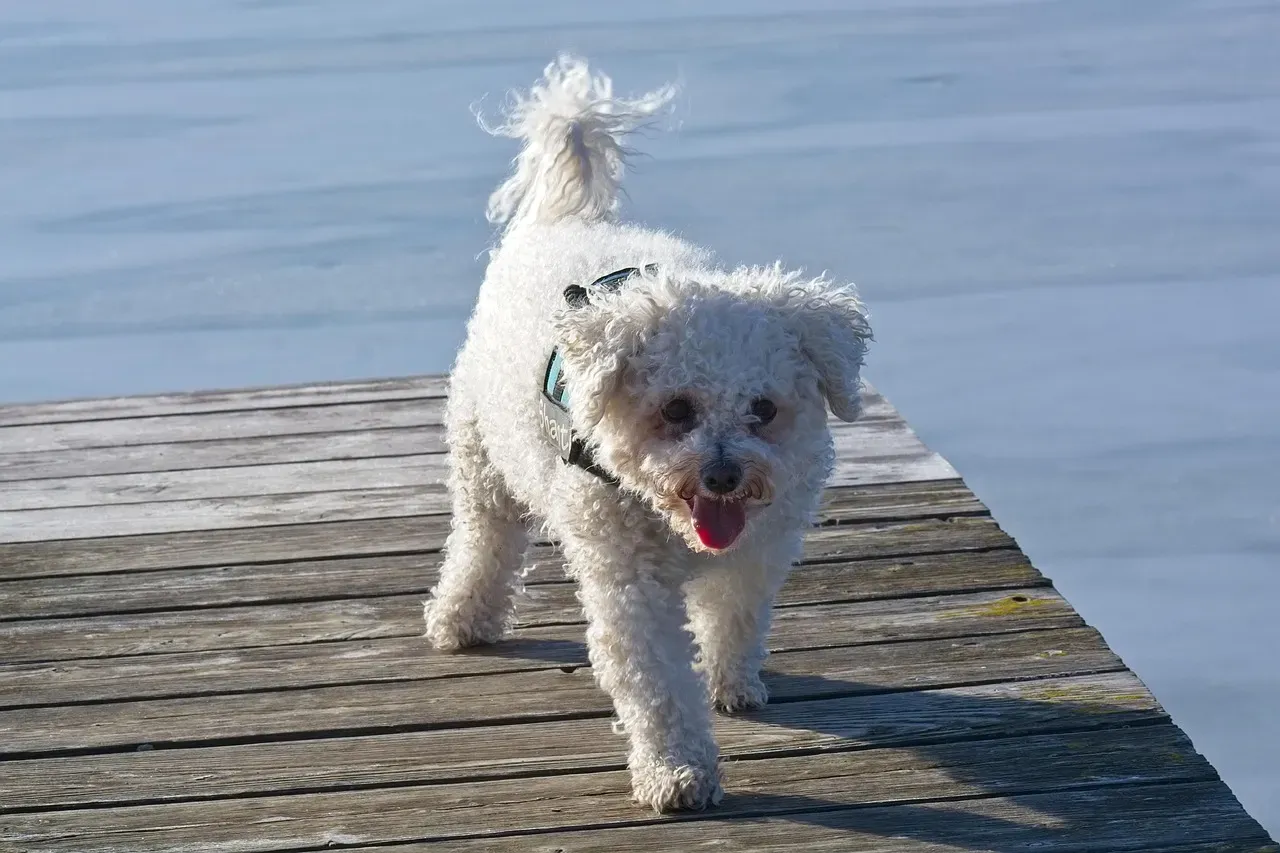
The Bichon Frise is a friendly, playful breed that thrives on companionship. These dogs are small and easy to manage, making them a good choice for older individuals. While they enjoy playtime and light activity, they can adjust to the energy level of their owners. In addition, the Bichon Frise is hypoallergenic, which makes them an excellent choice for seniors with allergies.
Cheerful and adaptable, the Bichon naturally calibrates to the energy level of its owner – energetic on good days, quiet on rest days. Its low-shedding coat is a significant advantage for seniors who don’t want dog hair on furniture and clothing. Professional trimming every 6 to 8 weeks is essential, and between visits a twice-weekly brush keeps the coat mat-free. The Bichon is also one of the longer-lived small breeds, with a lifespan of 14 to 15 years.
#7: French Bulldog – Quiet, Loyal, and Perfect for Apartment Life
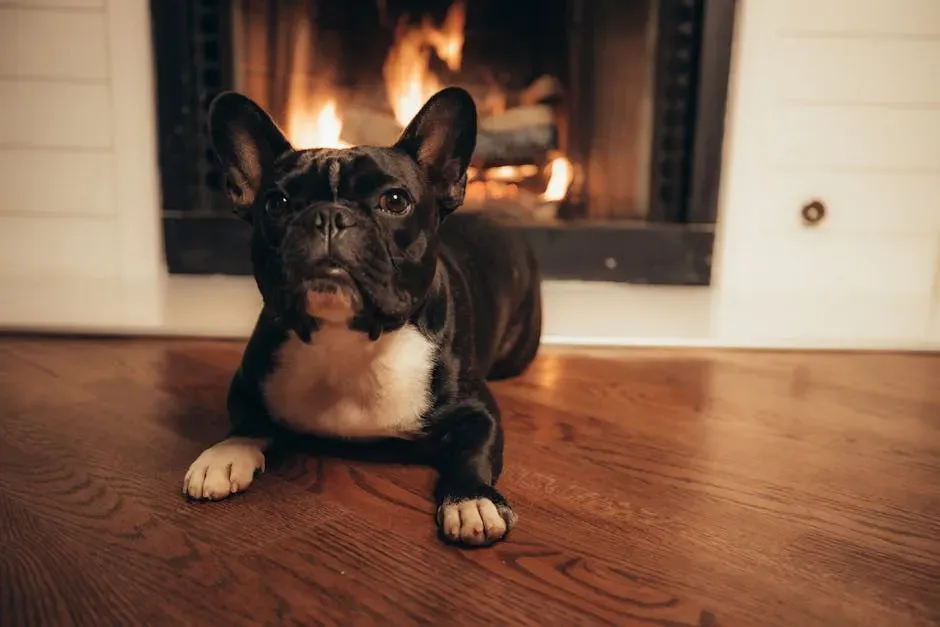
For older adults seeking a low-energy, low-maintenance dog, the French Bulldog is a perfect fit. These dogs are loyal and friendly, with a calm temperament that suits apartment living or smaller homes. They’re also remarkably easy to live with in close quarters, which matters a lot for seniors in condominiums or assisted living environments.
The French Bulldog leads apartment suitability rankings because it is the quietest of the recommended small breeds, rarely barking and maintaining an even disposition that doesn’t escalate in the confined, high-stimulus environment of an apartment building. Worth noting: Frenchies can be prone to certain respiratory health issues, so choosing a reputable source and keeping up with vet visits matters here. Budgeting for pet insurance is genuinely wise with this breed.
#8: Havanese – Cuba’s Most Social and Affectionate Export

The Havanese is the national dog of Cuba and one of the most affectionate, easygoing breeds available. They thrive on human interaction and adjust well to different living environments, from houses to small apartments. Havanese dogs are gentle, trainable, and do not require intense daily exercise – a short walk and indoor play time are usually sufficient.
At roughly 7 to 13 pounds, Havanese are manageable in any living situation. They’re exceptionally social – happy to greet visitors, comfortable around other dogs, and naturally friendly with strangers, which makes them ideal conversation starters during walks. Research from the University of Michigan’s 2025 National Poll on Healthy Aging found that pets serve as catalysts for social connection, with approximately 70% of pet owners over 50 reporting their pets help forge social bonds. The Havanese, with its outgoing personality, tends to amplify that effect considerably.
#9: Miniature Schnauzer – Smart, Hypoallergenic, and Budget-Friendly
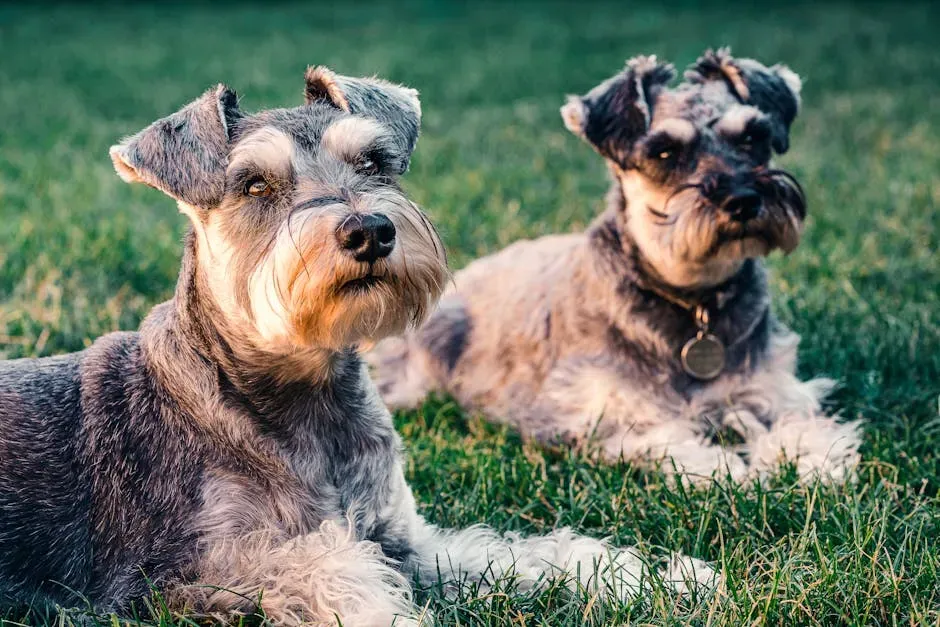
Miniature Schnauzers are described by the American Kennel Club as friendly, smart, and obedient, making them a great hypoallergenic fit for seniors. A healthy Mini Schnauzer typically ranges between 11 and 20 pounds, making them ideal for apartment living. Their moderate size also strikes an appealing balance – substantial enough to feel like a real presence in the home, small enough to lift and transport without strain.
Miniature Schnauzers have a low shedding rate and do not require excessive grooming, making them easier to care for compared to higher-maintenance breeds. Their compact stature makes them easier to handle and transport, while also allowing them to thrive in apartments without taking up too much space. Their moderate energy means a couple of short daily walks keep them content – no marathon exercise sessions required. They are also intelligent, loyal, and naturally protective without being aggressive, making them an excellent gentle watchdog for seniors who live alone.
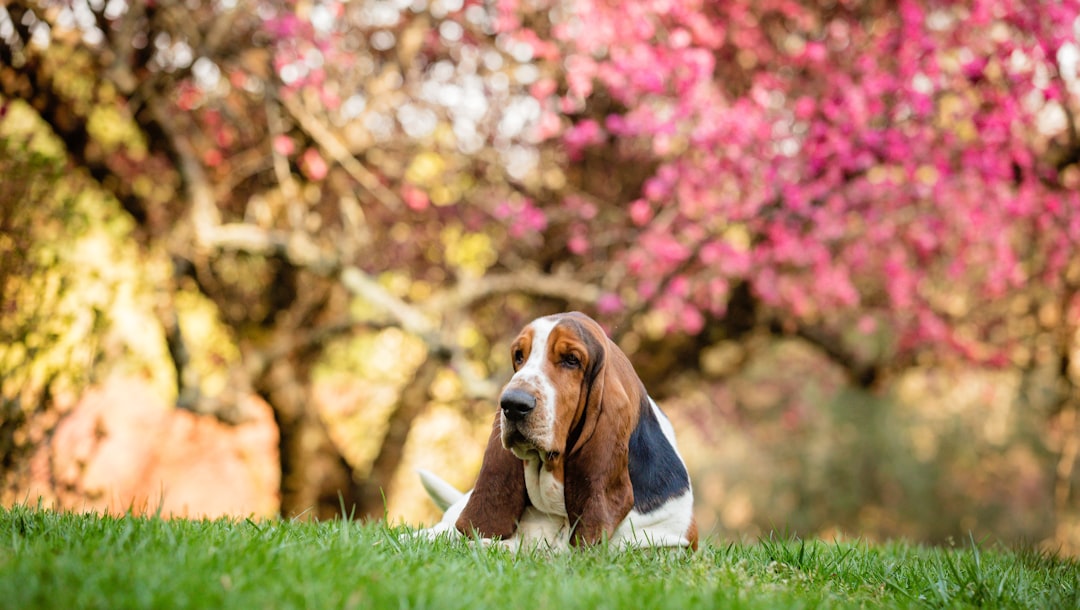
#10: Basset Hound – Unhurried, Loyal, and Content to Just Be With You
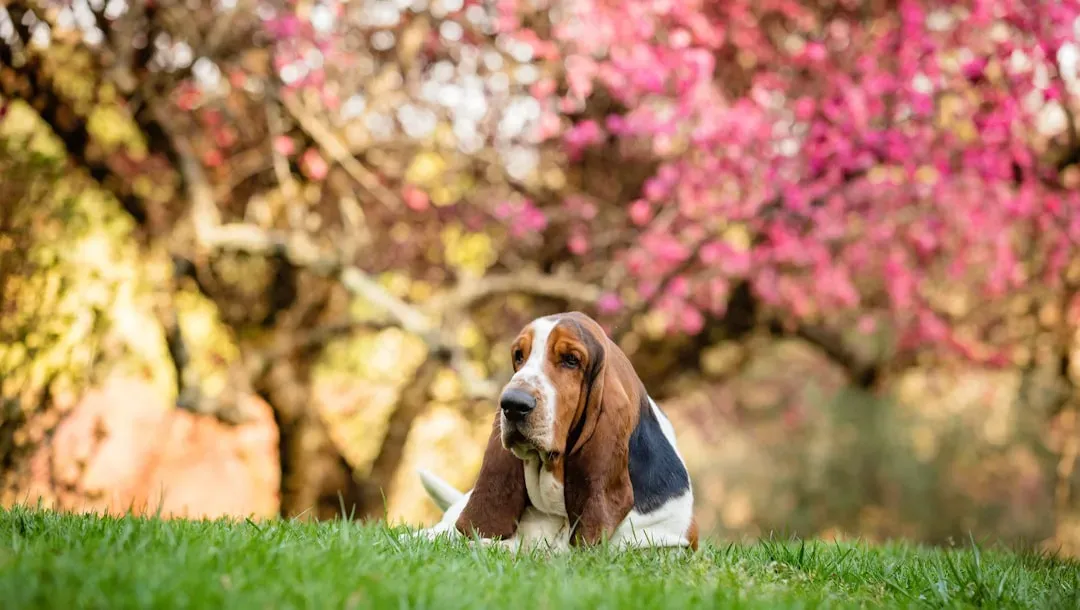
The Basset Hound is a short-legged, long-backed dog with adorable droopy ears and eyes. Once out of puppyhood, the Basset Hound loves to sleep, and this friendly, intelligent dog makes an excellent companion for a senior. There is something deeply comforting about a dog whose default setting is relaxed – and the Basset Hound has that setting dialed in permanently.
Basset Hounds are not high-energy dogs and typically need only a daily walk to stay healthy. They can be prone to weight gain, so feeding and exercise should be managed with some care. Their grooming routine is simple, though their low build can bring dirt indoors and their droopy features may occasionally need cleaning. They’re a genuinely calm choice for retirees who want a loyal, unhurried companion content to share quiet days at home. Adoption from a rescue can bring the upfront cost down significantly, making them accessible on almost any retirement budget.
How to Choose the Right Fit for Your Lifestyle
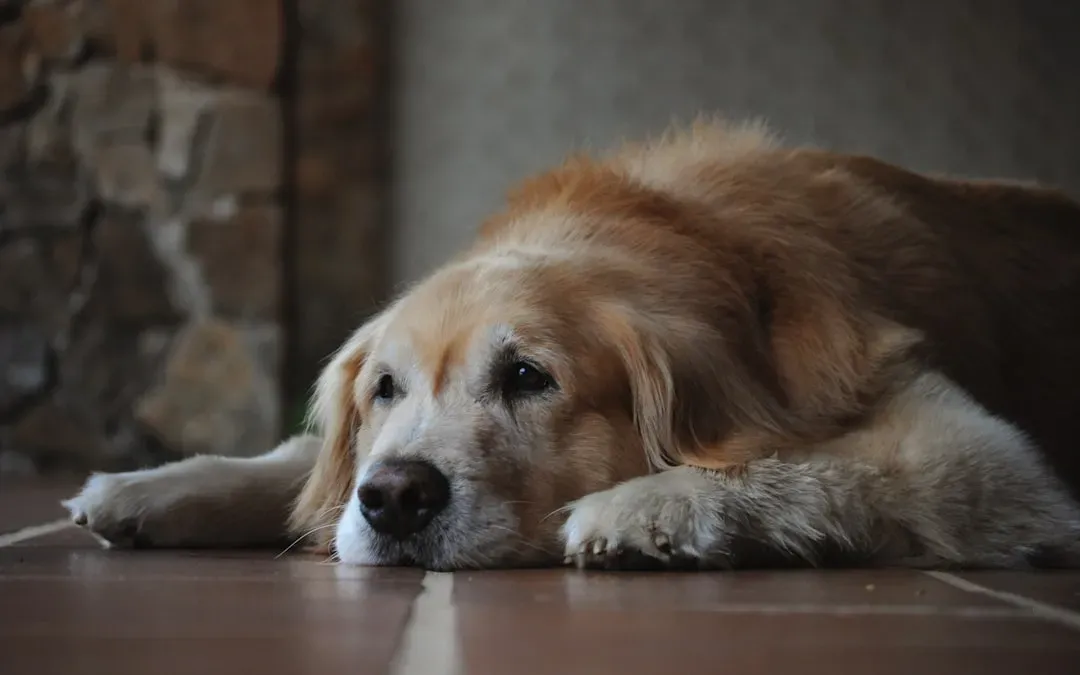
Picking a breed from a list is the easy part. Matching that breed to your actual daily life takes a little more thought. Adult and senior dogs aged three and older are typically house-trained, calmer, and far less likely to cause falls, which makes them a safer and more practical starting point for most seniors than a puppy. The energy and unpredictability of puppies is genuinely not worth the risk.
It’s important for seniors to assess their own lifestyle, health, and physical capabilities before deciding on a dog breed. Choosing a pet that matches one’s activity level and living situation can lead to a much more harmonious relationship. Practical questions worth asking include: Can you walk a dog for 15 to 30 minutes daily on most days? Do you have a support system – family, a neighbor, a pet sitter – for periods of illness or hospitalization? Can you afford annual veterinary care, which averages between $300 and $700 per year for a healthy small breed?
The Pets for the Elderly Foundation facilitates adult and senior dog placements with seniors aged 60 and older, and covers adoption fees at partner shelters in more than 30 U.S. states, which can meaningfully lower the upfront cost of starting this chapter. It’s worth checking before heading to a breeder.
A Final Thought
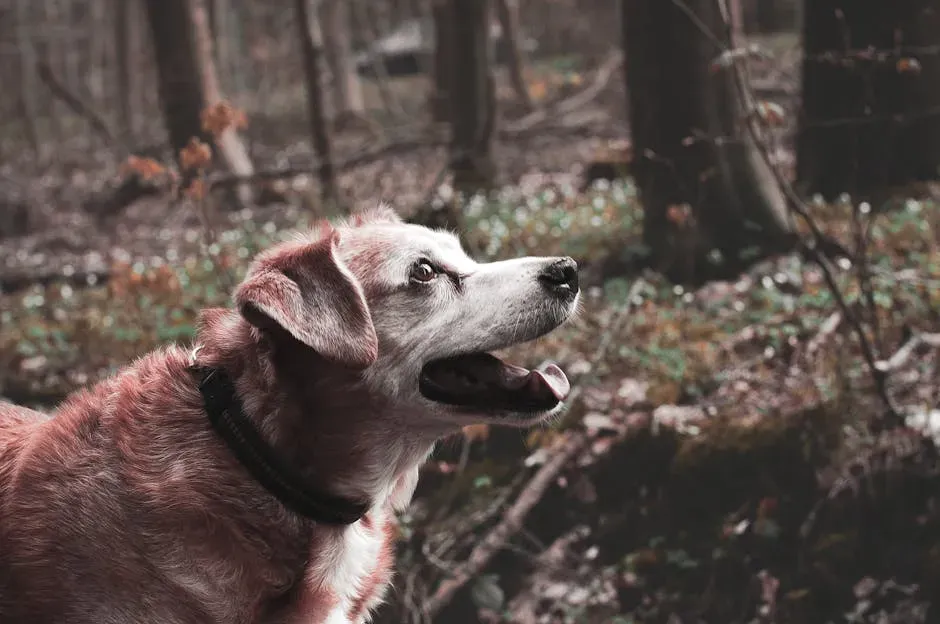
The breeds on this list aren’t ranked by cuteness or popularity. They’re here because they tend to ask less and give more – less space, less exercise, less money, less complicated care – while delivering loyalty, calm, and daily companionship that research consistently shows supports senior health and emotional well-being. Raising a dog can help boost a senior’s physical and mental health, including lowering blood pressure and cholesterol levels while raising serotonin levels in the brain.
The right dog won’t fix everything. It won’t fill every quiet hour or solve every practical challenge of later life. What it will do – if you choose carefully – is make ordinary days feel a little less ordinary. That, quietly, turns out to be worth quite a lot.


