
#1. Cats
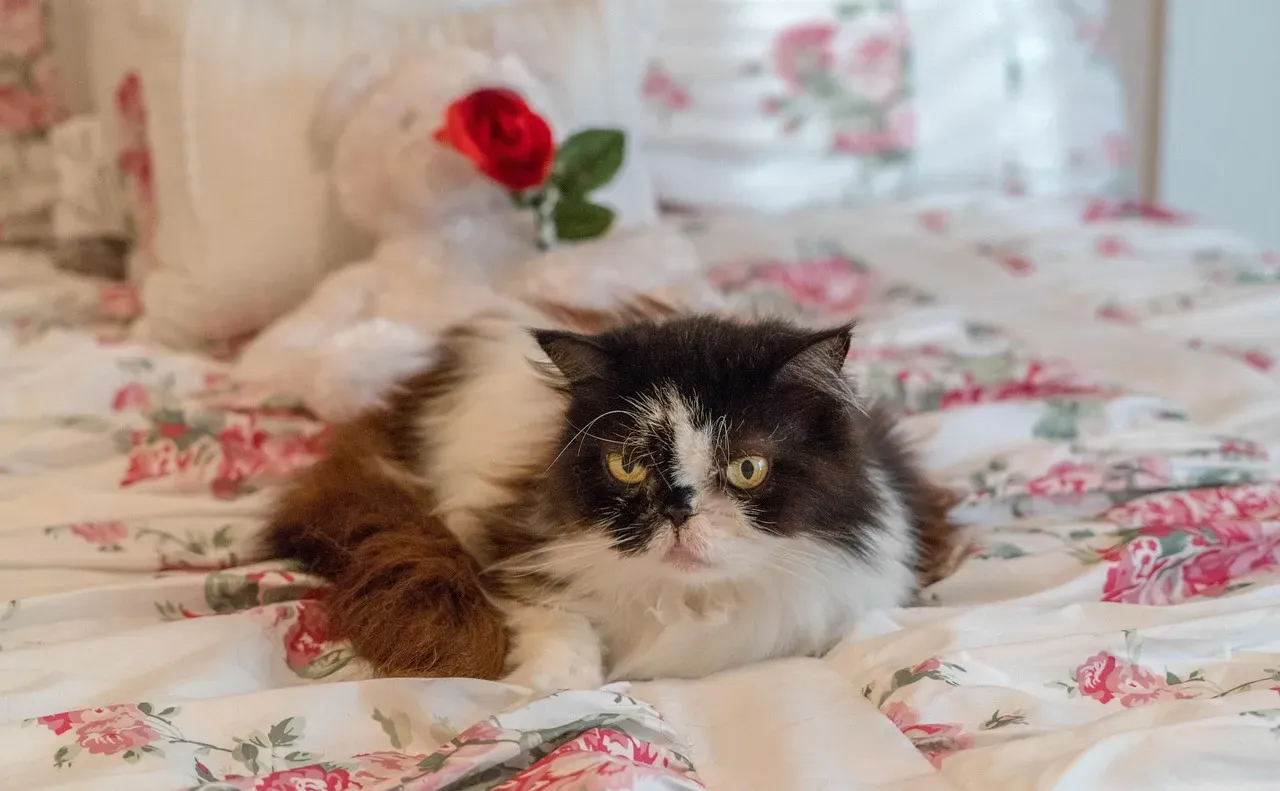
Independent, quiet, and low-maintenance, cats are a perfect pet choice for seniors who want companionship without the constant attention some other pets require. They don’t need daily walks, don’t bark at the mail carrier, and are perfectly content to share your reading chair for hours on end.
Cats adapt well to various living spaces, including apartments, and require minimal grooming. Their ability to entertain themselves means seniors can leave them alone for longer periods, which suits a more flexible schedule. Plus, the simple act of petting a cat can be incredibly soothing. For retirees living alone, that purring weight on the lap in the evenings is worth more than it might sound.
#2. Small Dogs

Small dogs are often a good fit for older adults. Their size makes them easier to manage, reducing the risk of falls or injuries compared to owning larger breeds. Daily walks can also encourage regular movement and time outdoors. Dog breeds often recommended for older adults include the Bichon Frise, Cavalier King Charles Spaniel, Maltese, Mini Poodle, Shih Tzu, and Miniature Schnauzer.
Having a dog can ease anxiety, reduce stress, and keep loneliness at bay. Dogs also keep you active and help you stick to a routine. Taking a dog for a walk is a great way to meet neighbors and other seniors. For retirees who miss the social rhythm of working life, a small dog has a quiet way of rebuilding it, one walk at a time.
#3. Parakeets and Budgies
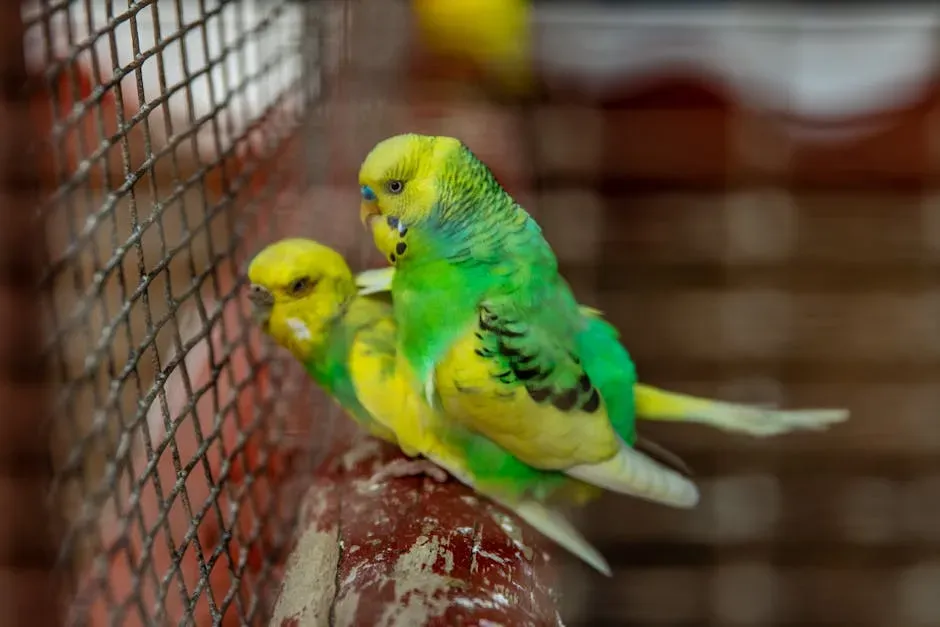
Birds, particularly smaller species like parakeets, cockatiels, or canaries, can be excellent companions for seniors. These birds are relatively low-maintenance and can be very entertaining. Birds are social creatures and can form bonds with their owners, making them great for companionship.
Birds don’t require walks, and their cages are easy to clean. Many birds also enjoy interacting with their owners, so they can provide both companionship and entertainment. Birds can even be trained to perform tricks or mimic sounds, providing fun and interactive companionship. They need relatively little space and can thrive in smaller homes or apartments. On a fixed income, a parakeet is among the most cost-effective companions available.
#4. Goldfish and Freshwater Fish
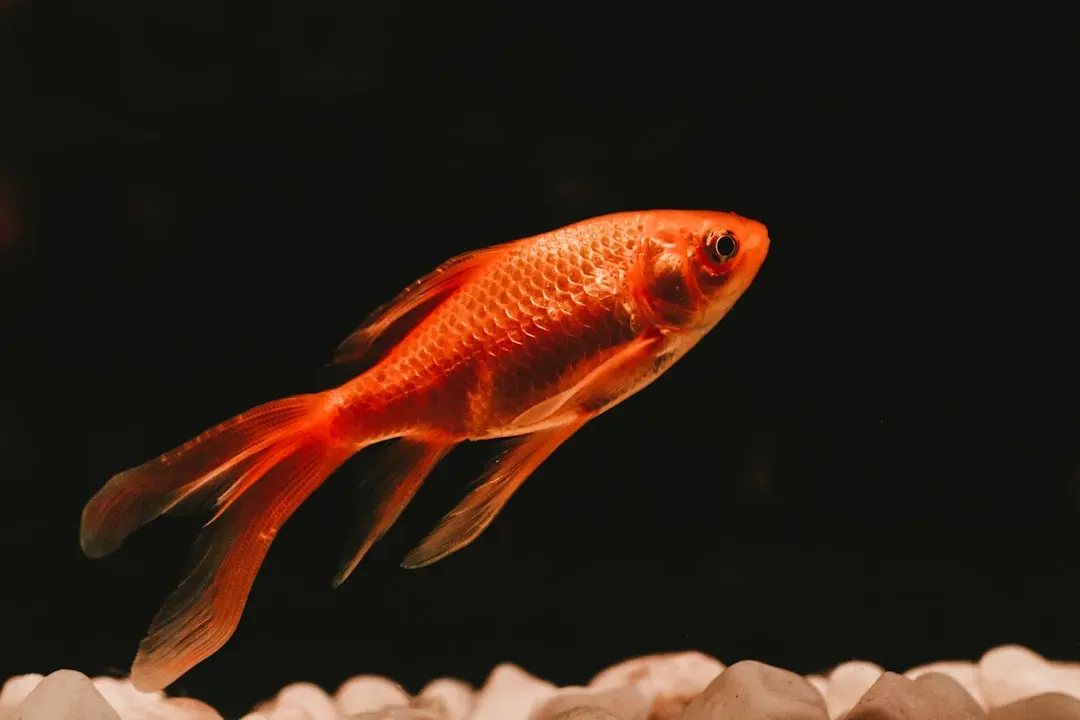
Fish don’t offer the playfulness or cuddliness of furry pets, but they can still offer companionship in their own way. These animals provide relaxation and mental stimulation with minimal maintenance. Just watching fish in an aquarium can reduce stress and anxiety. Because fish need little to no physical interaction or upkeep, they are ideal for seniors with limited mobility.
A goldfish might cost only a few dollars a month to maintain, while a small dog could mean several hundred dollars a year once grooming and medications are included. Fish require minimal care, making them ideal for seniors who prefer a more low-maintenance pet. They only need to be fed once or twice a day, and the tank needs cleaning only once a week. There’s no need to walk or groom them. Fish tanks can create a calming environment in a home, providing entertainment and mental stimulation without the need for physical interaction.
#5. Guinea Pigs
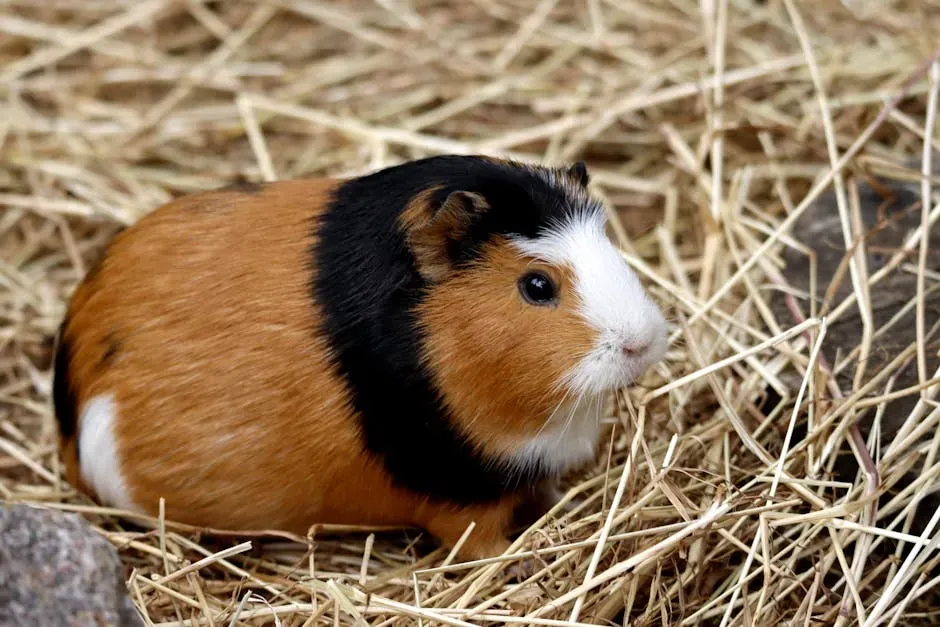
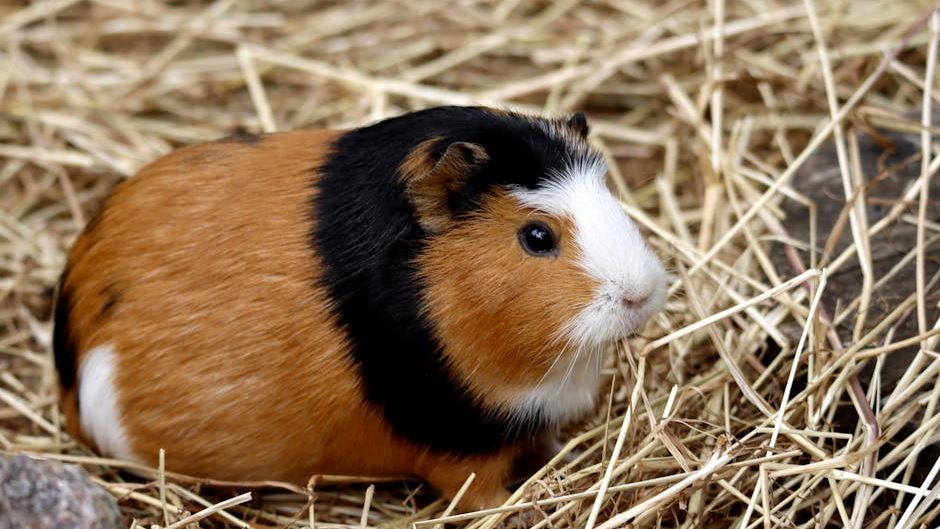
Gentle, quiet, and full of personality, guinea pigs are ideal for seniors looking for a pet that’s interactive but still easy to care for. These sweet rodents thrive on companionship and are known for their charming squeaks and social behavior. They don’t jump, they rarely bite when handled gently, and they seem genuinely happy to sit in your lap.
Guinea pigs provide the same small and easy feeling that hamsters produce, but they are more social and have a longer lifespan. Short-haired varieties, including American guinea pigs, Teddy guinea pigs, and Abyssinian guinea pigs, require little to no brushing. Guinea pigs need only a cage, water, food, and periodic cleaning of the cage. For retirees who want something warm and responsive without high costs, they’re a genuinely underrated choice.
#6. Rabbits
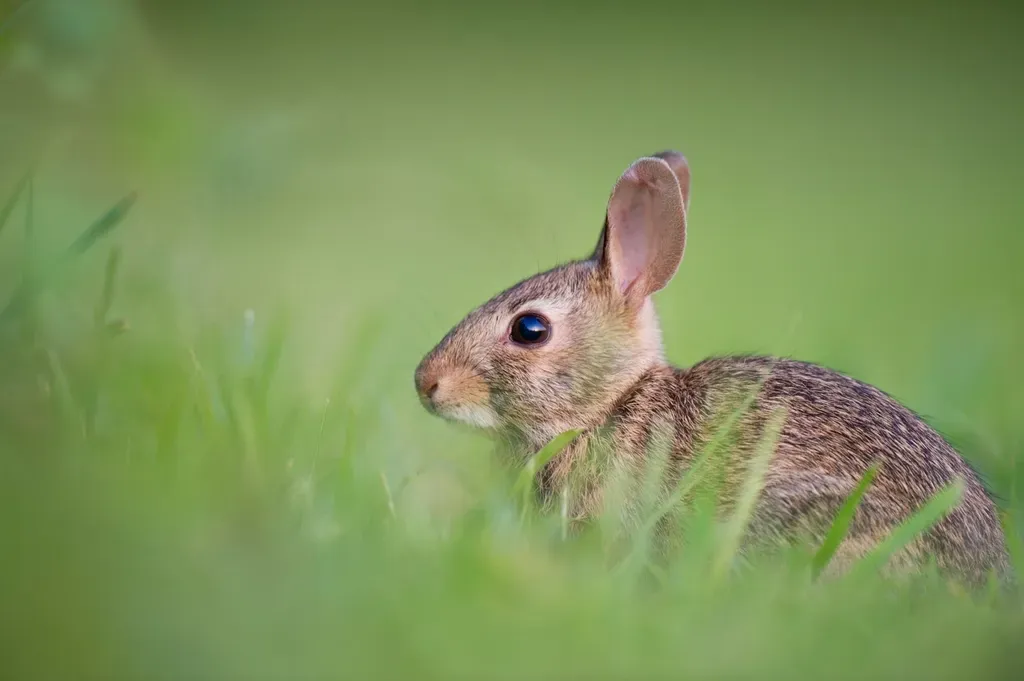
Rabbits, especially smaller breeds like Holland Lops, are affectionate and can be trained to use a litter box. They are soft and playful, bringing joy to seniors seeking a gentle companion. They’re quieter than dogs, don’t need outdoor walks, and have a calm energy that suits a slower-paced home well.
Like cats, rabbits are low-maintenance pets that make plenty of cute little sounds, use litter boxes, and like to cuddle. While not a common pet for seniors, rabbits make great companion animals as they do very well in independent living apartments and love interacting with their owner for lap snuggles or hair brushings. The tactile comfort of holding a rabbit is something that genuinely registers – soft, warm, and unhurried.
#7. Canaries
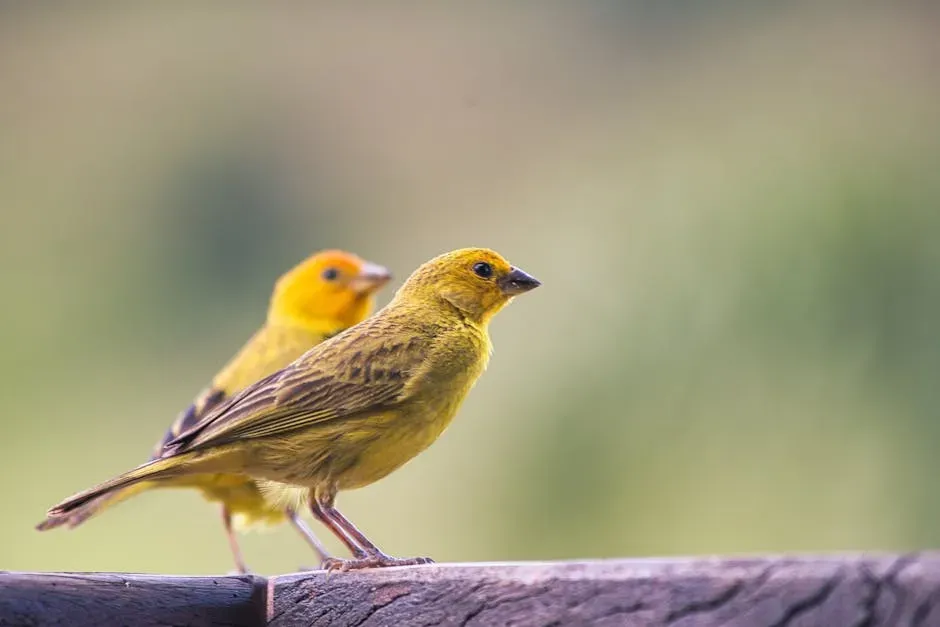
Only about two percent of American households own birds, but they can be great pets for seniors. Their cheerful personalities and daily singing can brighten up a home and decrease their owner’s anxiety. While they don’t typically enjoy being handled, birds are interactive and can provide companionship and social engagement for seniors.
Birds bring a unique form of companionship, offering both entertainment and engagement. Parakeets and canaries are ideal for seniors, as they are easy to care for and don’t need much space. A canary’s song filling a quiet apartment in the morning has a way of making the whole day feel less empty. Their cheerful, persistent little voices are the closest thing to a daily soundtrack that a budget-friendly pet can offer.
#8. Hamsters
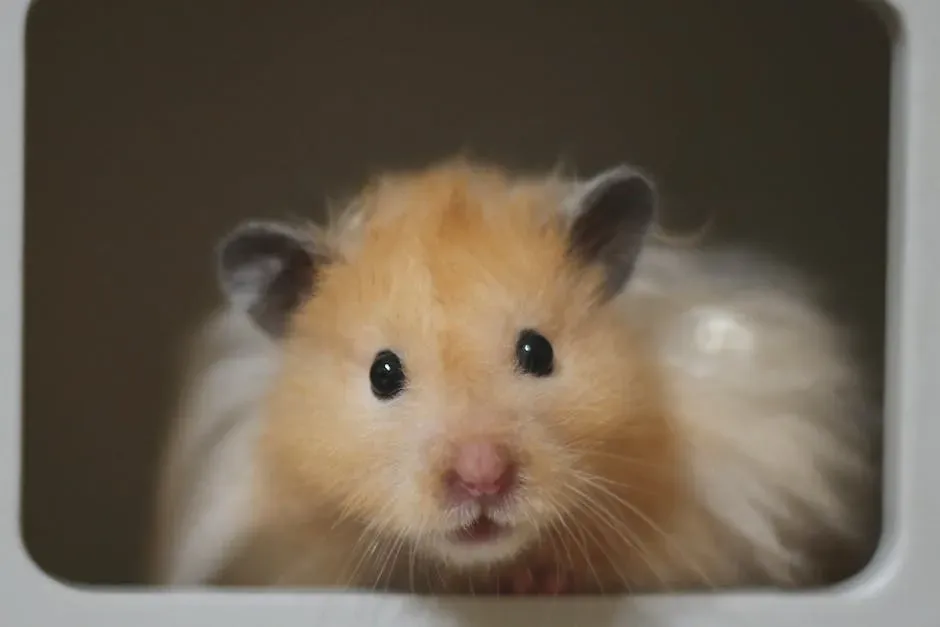
For those looking for something furry and low maintenance, a hamster may be the perfect pet. They don’t need a lot of space and can be easy to care for. Just be sure to buy an appropriately sized cage for your hamster. Setup costs are minimal, and ongoing expenses are among the lowest of any small mammal.
Gerbils, hamsters, and rats are surprisingly clean and don’t need a large amount of care. Hamsters live happily in enclosures that fit on a table. Their care routines are simple, involving fresh food, clean bedding, and regular handling. For seniors who want a pet without long-term commitments, these companions work well. There’s also something quietly meditative about watching a hamster explore its habitat in the evening – small, busy, and completely absorbed in its own little world.
#9. Turtles
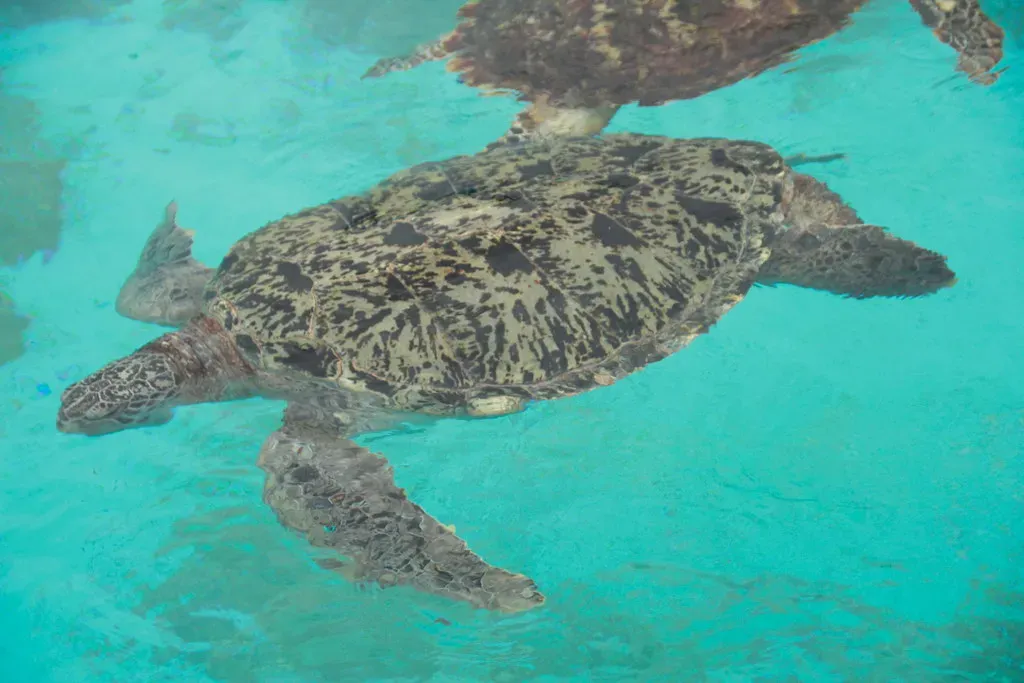
Turtles are good animals to have as pets for someone who wants a low-maintenance pet that can last them a lifetime. Aquatic turtles like red-eared sliders or box turtles are great choices for seniors and often live a long time if cared for properly. They need a clean, temperature-controlled tank with dry basking areas. They also require a diet that includes pellets, leafy greens, and protein like small insects or fish.
While turtles are less cuddly compared to other pets, many enjoy watching their humans and can even recognize feeding times. Turtles and reptiles offer low-maintenance companionship and need only fresh food and a specialized habitat in return. Once the initial setup is in place, ongoing costs are modest. For retirees who appreciate a calm, observational kind of companionship, a turtle delivers that in quietly fascinating ways.
#10. Bearded Dragons
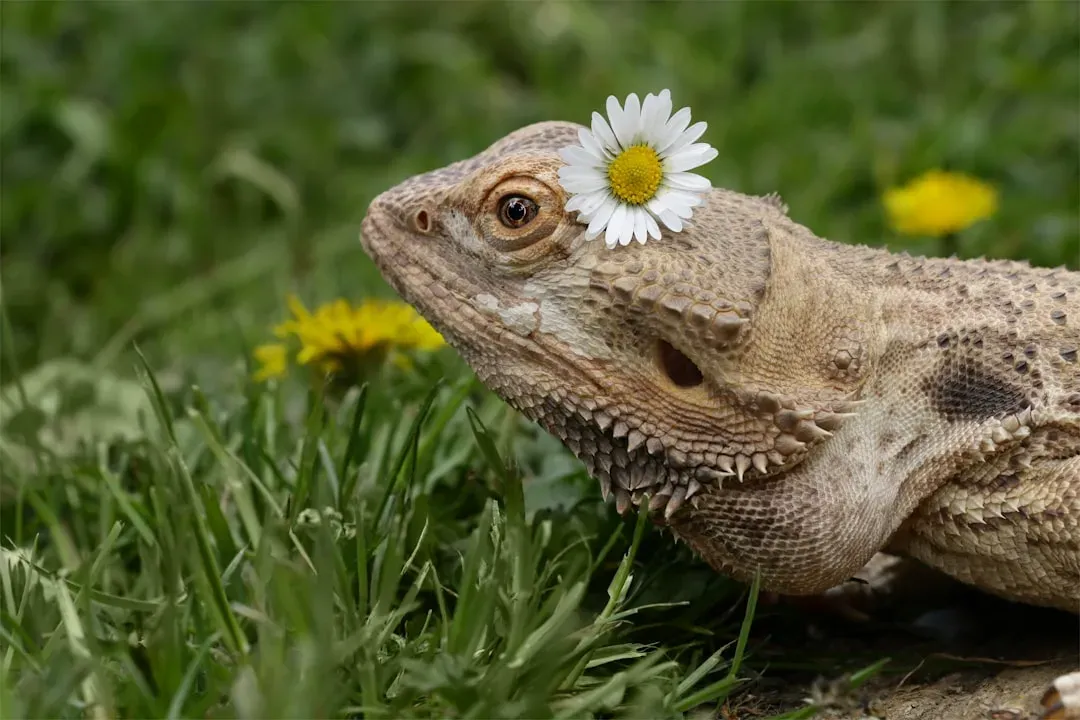
For seniors interested in reptiles, bearded dragons are docile and easy to handle. Their calm demeanor and distinct appearance make them intriguing companions. They don’t shed dander like cats and dogs, making them a thoughtful choice for retirees with allergies who still want a genuinely interactive pet.
Bearded dragon lizards can live in tanks or aquariums and often provide an interesting pet for seniors as well as children. They tend to be tolerant of gentle handling, don’t make noise, and follow a predictable daily routine that gives their owner a comfortable sense of rhythm. Feeding them a mix of leafy greens and small insects is affordable and doesn’t require significant physical effort. They’re one of those pets that quietly surprise people with how engaging they turn out to be.
#11. Hermit Crabs
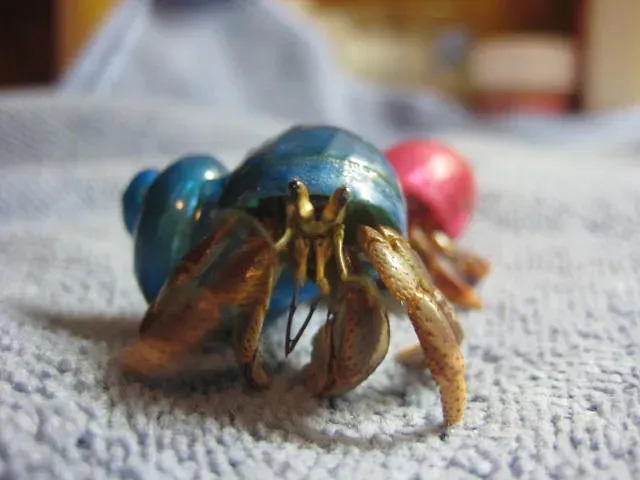
Hermit crabs are fascinating creatures that require minimal care. These small creatures are low-maintenance and easy to care for. They can be a fun pet for seniors who want something a little different. Just be sure to get a hermit crab from a reputable source to ensure it’s healthy. Initial setup costs are low, ongoing food costs are minimal, and they don’t need veterinary visits the way cats and dogs do.
Hermit crabs are surprisingly active and entertaining to watch, especially when they explore their habitat or switch shells. They thrive in small enclosures, making them ideal for apartment living or smaller retirement spaces. Low-maintenance pets, including hermit crabs, are among the most sensible options for seniors working within a limited budget. They may seem like an unusual choice, but many retirees who’ve tried them find the experience genuinely engaging and completely stress-free.
#12. Robotic Companion Pets

Robotic pets wag, purr, and respond to touch without food, walks, or vet visits. They’re especially helpful for seniors with memory loss or limited mobility. Technology has made them surprisingly lifelike, offering companionship where live animals may be too much. For retirees in communities with strict pet restrictions, or those managing significant health challenges, robotic pets deserve serious consideration rather than easy dismissal.
Innovative options like robotic companion pets have been shown to reduce loneliness for seniors with dementia or limited mobility. These alternatives ensure that every person, regardless of physical ability, can still experience the comfort, connection, and emotional benefits that pets bring. The technology has improved considerably in recent years, and while a robotic cat will never replace the warmth of a living one, it meets a real and underserved emotional need for those who simply cannot manage a living animal.
Conclusion: The Right Companion Changes Everything

There’s a quiet argument to be made that retirement loneliness is one of the most underestimated health challenges of our time. Caring for a furry, feathered, or scaly friend can provide a sense of purpose and routine, particularly for seniors who may be living alone or facing feelings of loneliness and isolation. The presence of a pet can alleviate these feelings by providing constant companionship and unconditional love, helping seniors feel more connected and supported.
The simple act of loving a pet can open the door to a greater sense of purpose, companionship, and lasting benefits for physical, social, and mental well-being. The honest truth is that none of the 12 options on this list require a large home, a large budget, or even a large reserve of physical energy. What they all require is a little intention and a willingness to let something small matter. That willingness, more than anything else, is what turns a quiet retirement into a genuinely rich one.


