
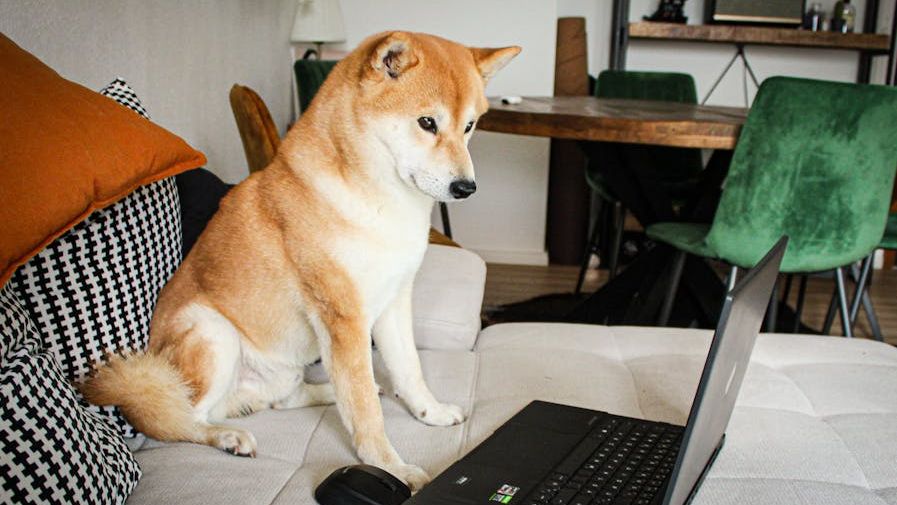
#1. Vizsla

Nicknamed the “velcro dog” because of their propensity to stick close to their owner, Vizslas were born and bred to hunt alongside people. They love to work and love to be with humans. Left alone, with nothing to do, often leads to anxiety. But separation anxiety is only part of the picture. The deeper issue is that Vizslas form an almost devotional connection with their person.
Often referred to as velcro dogs, Vizslas were originally bred for falconry and love working closely with humans, a trait that has translated into a desire for constant companionship. Rehome a Vizsla and you’re not just moving a dog. You’re severing the primary relationship that gives their life structure. Nicknamed “Velcro dogs,” Vizslas crave consistent closeness to their person, and their constant presence, whether companioning work, rest, or play, makes them one of the most devoted breeds for single-person bonding.
#2. Cavalier King Charles Spaniel
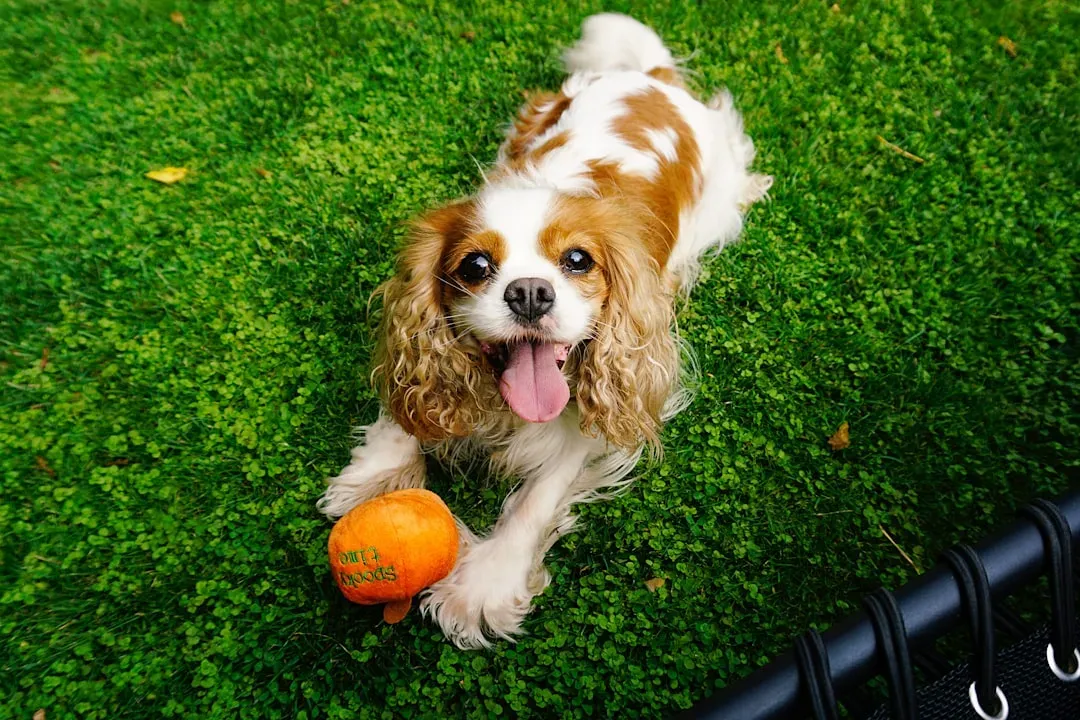
The Cavalier King Charles breed has a reputation for suffering from extreme separation anxiety. They will provide your family with unconditional love and loyalty, and they are lap dogs. They do not like to be left on their own. They were bred to be companion dogs, which makes them more prone to separation anxiety when their owners leave.
Cavalier King Charles Spaniels are classic lap dogs that were bred specifically for companionship, and their strong need to be close to their people makes them especially prone to separation anxiety. Place one in a new home and you’re asking them to reconstruct their entire emotional foundation from scratch. These dogs thrive on human interaction and often form deep family bonds, and their gentle nature masks an intense neediness that can manifest in heartbreaking ways when alone.
#3. German Shepherd
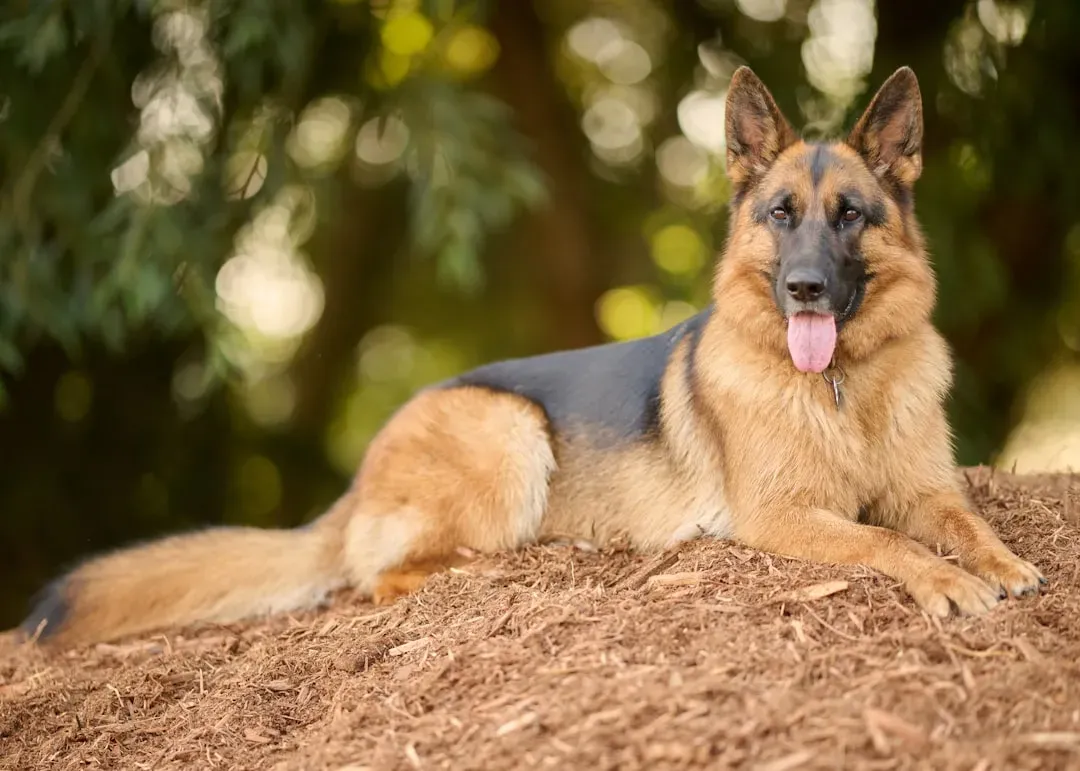
Developed originally for herding and guarding sheep, German Shepherds often form a very strong bond with a single owner. They are naturally loyal, strongly attached to, and fiercely protective of their one person. They love to please their owners and will definitely be happiest when in your presence.
Though celebrated for roles in police, military, and search-and-rescue work, German Shepherds have an unexpected emotional side. Despite their commanding presence, they’re deeply sensitive to their owners and may become overly attached. That emotional sensitivity is what makes rehoming so hard on them. While some people may think of German Shepherds as intimidating hounds, these dogs are actually incredibly loyal to their pack and anyone they love, and are often described as gentle, caring, and loving toward their humans.
#4. Golden Retriever
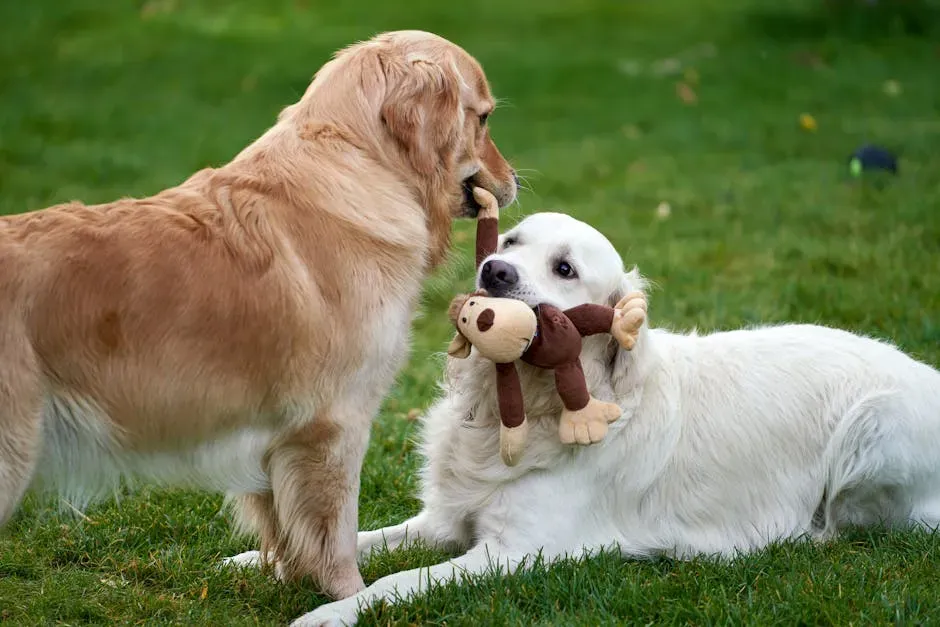
Golden Retrievers are incredibly loyal and affectionate dogs who are bred to be part of the family, which makes them more prone to separation anxiety than most large dog breeds. Their warmth isn’t generic. Goldens tune into their people specifically, learning routines, moods, and movements.
Many Goldens become attached at the hip to the people in their homes. They are loyal to their owners and will follow them from room to room, or if there is more than one owner in the house in different rooms, they will lay down where they can see each owner’s movement. That level of attentiveness tells you everything. A Golden who loses their family doesn’t just miss them. They wait, watch, and search for them in every new person they meet.
#5. Border Collie

Widely regarded as the world’s smartest dog breed, the Border Collie usually prefers to bond with one person. Like the Australian Shepherd, the Border Collie was bred to work with one person as a team. As a pet, the Border Collie is loyal and devoted and tends to be a one-person or one-family dog.
Border Collies are working dogs that are highly intelligent and high energy. They can perform amazing tricks and are highly trainable. They can get bored easily and may indulge in destructive behaviors. They are highly prone to suffering from separation anxiety, and if ignored for long, they can suffer from depression. Intelligence this sharp means they feel the loss of their person with unusual clarity. Rehoming a Border Collie doesn’t confuse them. It devastates them.
#6. Labrador Retriever

Labrador Retrievers are beloved for their friendly and affectionate nature. These dogs thrive on human interaction and are incredibly loyal to their families. While their loving temperament makes them amazing companions, it also means they feel particularly distressed when left alone.
Initially bred to be loyal pups and for retrieval purposes, Labs naturally bond with humans and can develop a stronger connection with particular family members. Their loyalty is unshaken, and they are not timid about protecting the people they love. Labs are often mistaken for emotionally breezy dogs because they’re social with everyone. The truth is that beneath all that tail-wagging enthusiasm lives a dog with a profound, specific attachment to home and family.
#7. Shetland Sheepdog (Sheltie)
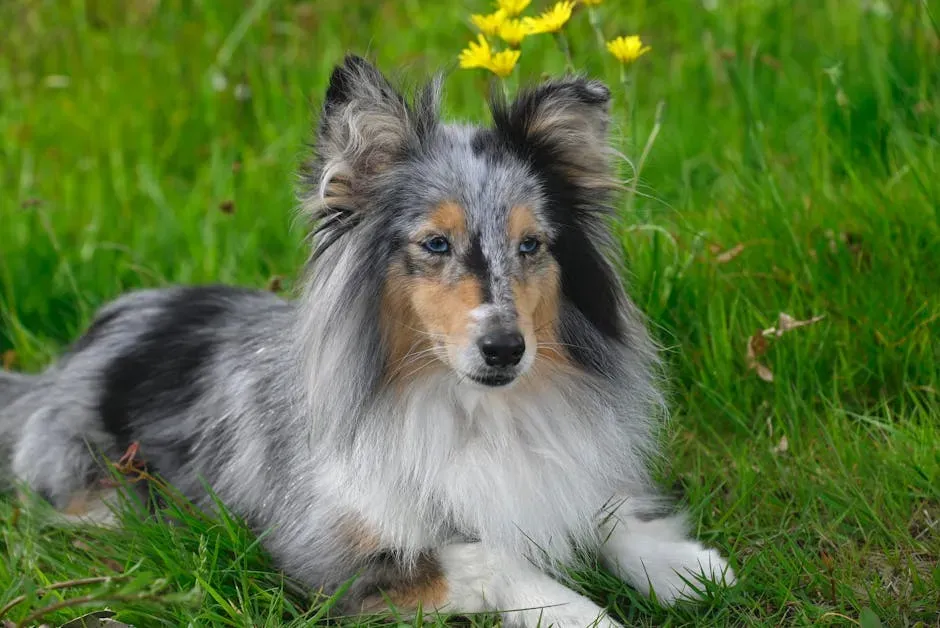
In common with many working breeds, Shetland Sheepdogs are highly social creatures and do not enjoy being left alone. Additionally, they require plenty of daily physical activity, so if they are frustrated and bored, this may trigger stress at being left to fend for themselves. Shelties tend to form strong bonds with their owners, so strangers may also make them feel anxious.
Shetland Sheepdogs are alert and sensitive, and they need alone time training early. That sensitivity, while beautiful in an established home, makes transitions genuinely painful for them. A Sheltie placed in a new environment loses not just their person but also their sense of order, routine, and emotional safety all at once. The adjustment period can be long and visibly heartbreaking to watch.
#8. Australian Shepherd
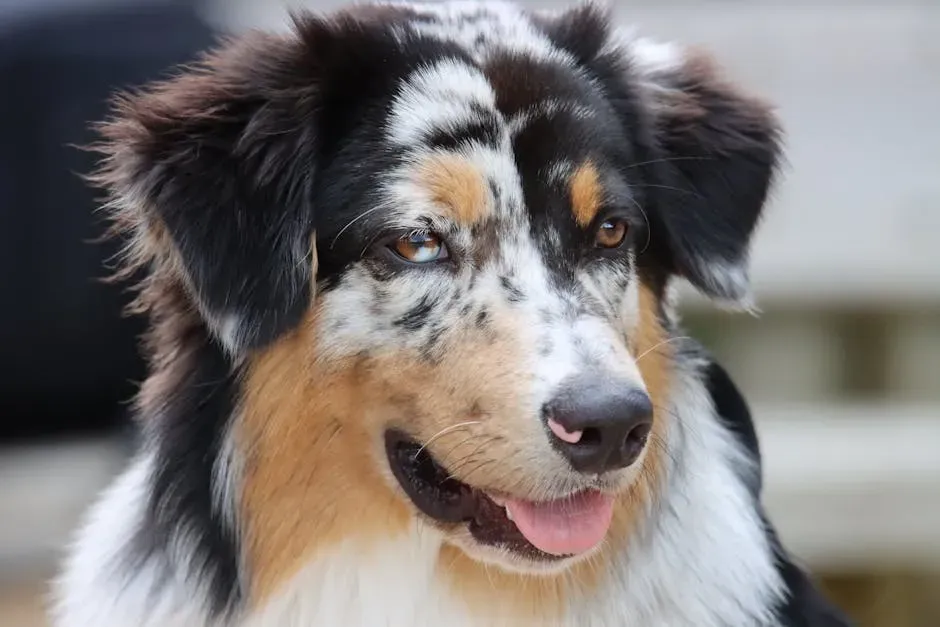
Australian Shepherds are working dogs that form strong bonds with their families and become unsettled without regular interaction. Their loyalty and drive to please make them particularly susceptible to anxiety when deprived of companionship.
Like many herding breeds, the Australian Shepherd was bred to work alongside a master. Wherever their master goes, they go. That instinct doesn’t turn off at home. Aussies are like Border Collies with a sense of humor and a bit more bounce. They’re people-focused, expressive, and happiest when they’re included. An Aussie will learn your routine and then try to run it for you. Disrupt that connection through rehoming and the grief they carry is real.
#9. Akita

There is perhaps no breed whose reputation for singular loyalty is more deeply embedded in history than the Akita. Akitas are famously loyal dogs who often bond very closely with one person or family and favor them with their strong protective instinct. The story of Hachiko is not just a tearjerker anecdote. It’s a window into how this breed experiences attachment at a fundamental level.
The story of Hachiko, the Akita who waited every day for his owner at a train station, even years after his owner’s passing, still moves people to tears today. Akitas are naturally protective, often forming an unbreakable bond with the person they see as their leader. They’re reserved with strangers but affectionate and almost gentle with their chosen one. Rehome an Akita and you may be asking them to give up on the one thing their nature won’t let them do: stop waiting.
#10. Cocker Spaniel

Sensitive and deeply affectionate, Cocker Spaniels become emotionally in tune with their main caretaker. With a loving heart and a need for attention, their bond with one human often becomes the axis of their world. That’s not a metaphor. For a Cocker Spaniel, it’s simply how their emotional life is organized.
Cocker Spaniels are compassionate, resilient, friendly, and intelligent. They do not like being left alone and may develop hyper-attachment disorder, as they love to be around their owner. Because they are naturally such a friendly, rewarding dog in response to people’s attention, Cocker Spaniels seem to feel aggrieved when they don’t get enough of it. Strip them of their person entirely and that grief can settle into their behavior in ways that are difficult to undo, no matter how kind their new family is.
A Final Thought
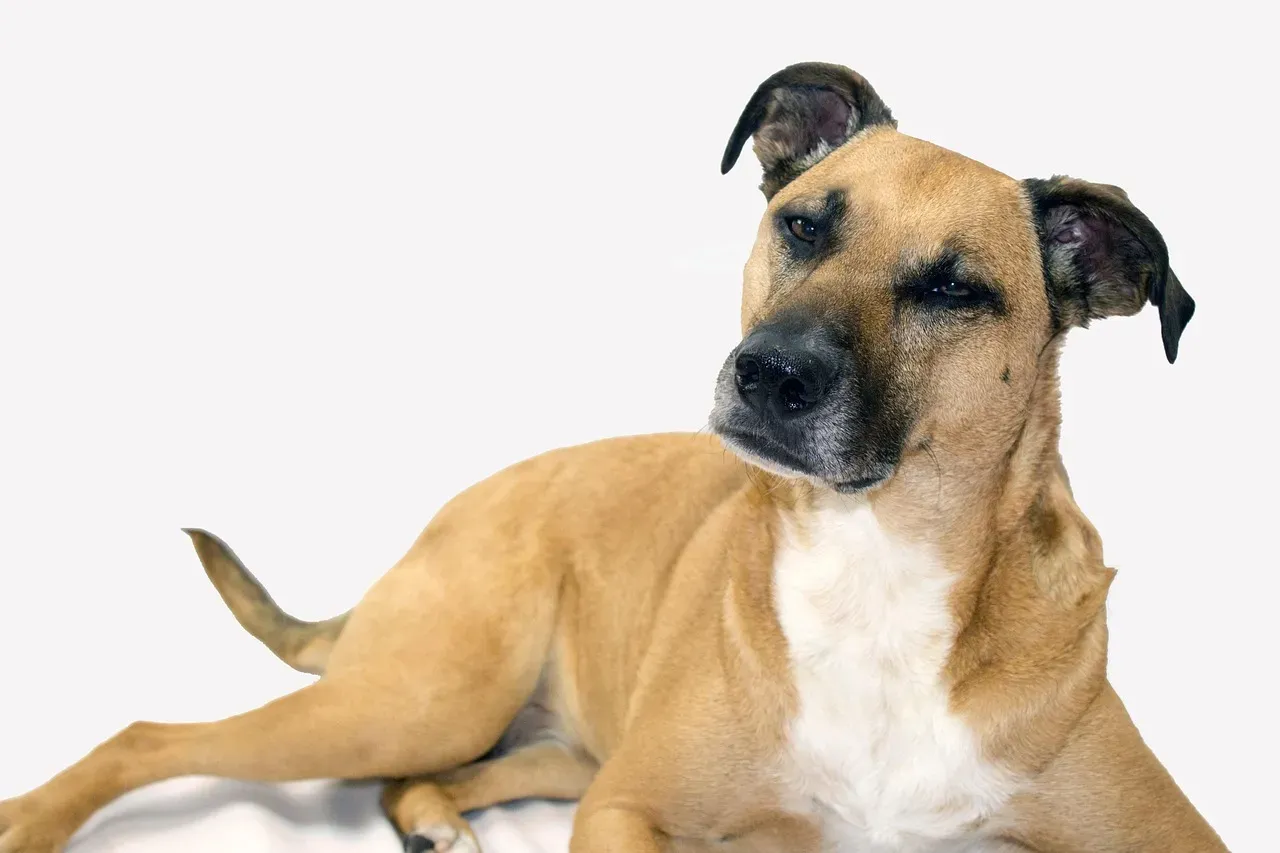
Rehoming a dog is sometimes unavoidable, and anyone facing that decision deserves compassion rather than judgment. Life changes. Circumstances shift. What matters is understanding what you’re asking of a dog whose entire emotional world has been built around you.
Dogs that come from shelters, especially adults, sometimes carry old fears with them. Dogs who have experienced being abandoned before might feel anxious when they find themselves alone in their new residence. That wound compounds with each disruption.
Dogs rescued or adopted after puppyhood may form even stronger one-person bonds, particularly if they experienced neglect or instability before finding their permanent home. The individual who provides consistency, safety, and positive experiences during this transitional period often becomes the focal point of the dog’s loyalty. These aren’t just pets looking for food and a warm bed. They’re souls who pick a person and mean it completely.
Before you commit to any of the breeds above, understand the weight of that choice. They won’t love you lightly. And they won’t let go easily either. For the right owner, that depth is the whole point. For everyone else, it’s a responsibility worth taking seriously before the connection is ever formed.


