
10 Dog Breeds That Can Handle Being Alone Better Than Most (And 5 That Take Separation Particularly Hard)
If you’ve ever shut the door and heard your dog’s heartbreaking howl echo down the hallway, you know that not every breed is built for alone time. Some dogs seem to clock out, nap, and wait patiently for you to come home. Others spiral the second you grab your keys, as if the world is ending and the sofa must be destroyed for emotional support. The difference is not just personality; breed tendencies and genetics play a huge role.
This guide walks through ten breeds that generally cope better with solo hours, and five that really do struggle when their favorite human disappears. It is not about judging needy dogs as “bad” or labeling independent ones as “cold.” It is about matching your lifestyle to a dog’s emotional wiring so both of you can actually breathe. You might even be surprised which famously “clingy” dogs can adapt with the right setup – and which “chill” breeds secretly break down when left alone too long.
1. Basset Hound – The Low-Energy Couch Philosopher
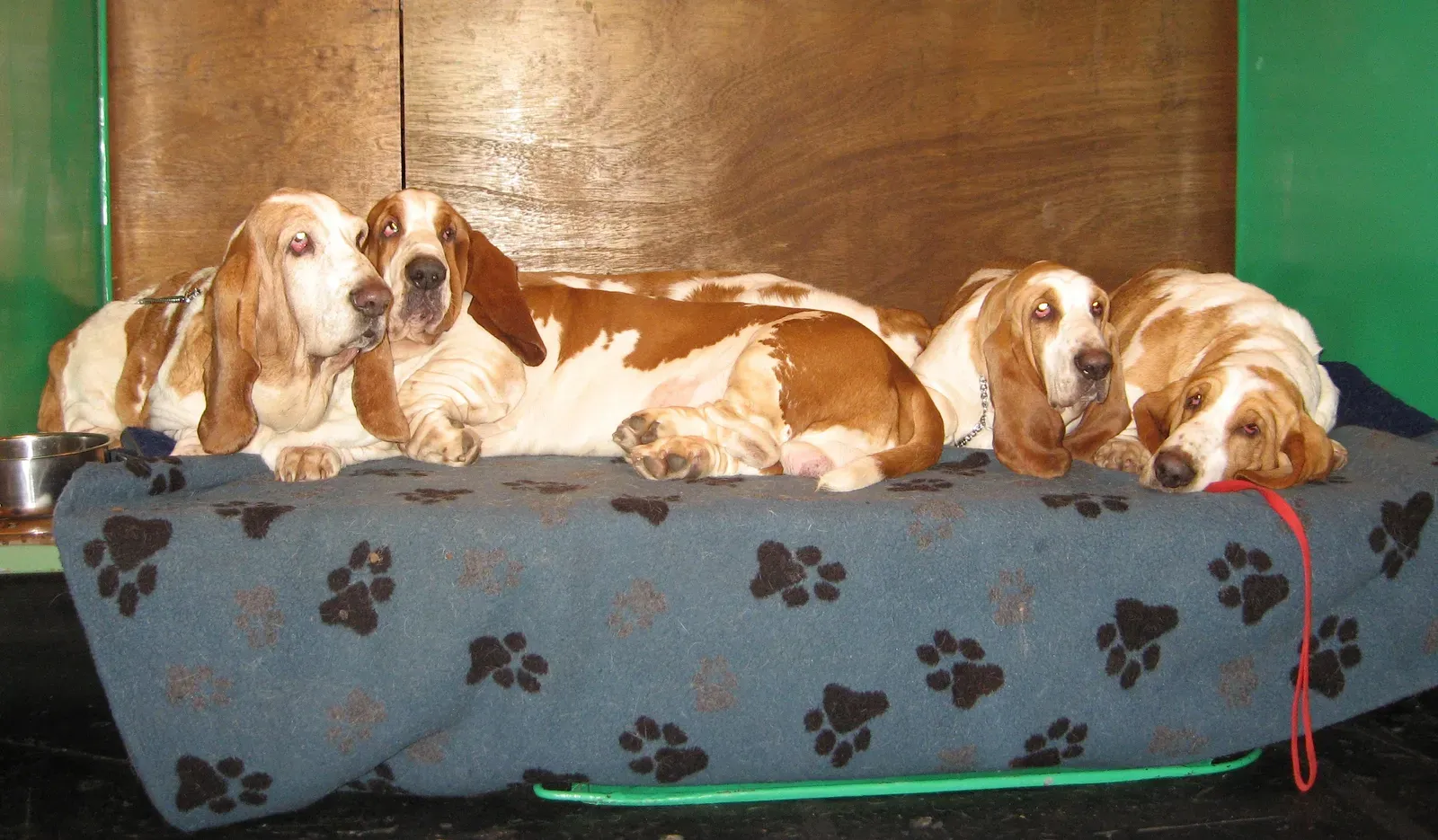
Basset Hounds look like they were designed for slow days and soft furniture, and that laid-back nature often makes them more tolerant of alone time. They tend to be lower energy, with a strong love for long naps and a kind of quiet, old-soul vibe that says, “Wake me when something important happens.” For a person who works standard office hours and can provide a calm home, a Basset often does just fine as long as basic needs and affection are met when you’re around.
That does not mean you can ignore them or leave them endlessly; boredom will still creep in. But compared to high-octane, hyper-attached breeds, a well-exercised Basset is more likely to snooze than scream when you leave. Think of them like that friend who is perfectly happy staying home on a Friday night with snacks and a blanket, rather than needing a party to feel okay. They still care deeply about you, they just don’t panic every time you walk out the door.
2. Greyhound – The Sprinter Who Loves a Lazy Day
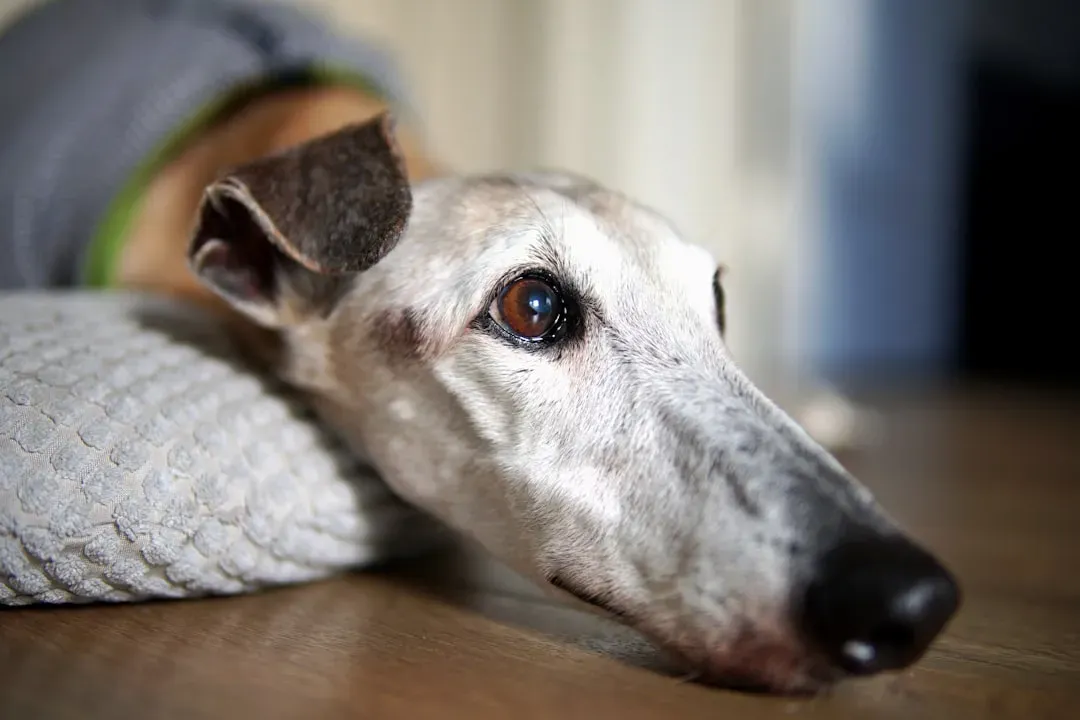
People see Greyhounds racing and assume they need constant activity, but retired racers are famous for being “forty-mile-per-hour couch potatoes.” Once they get a good burst of exercise, they’re often happy to spend large chunks of the day curled up in a quiet corner. That easygoing temperament, combined with their calm indoor behavior, can make them more adaptable to moderate periods alone than many other athletic breeds.
Of course, they still need mental stimulation and a secure environment – especially because some Greyhounds are sensitive by nature. But with a predictable routine, a comfy bed, and maybe a window to supervise the neighborhood, many will simply power down while you are gone. If you want a dog who can be affectionate and athletic when you are home, yet not meltdown when you leave, a Greyhound can be a surprisingly solid choice.
3. Shar Pei – Independent but Deeply Loyal
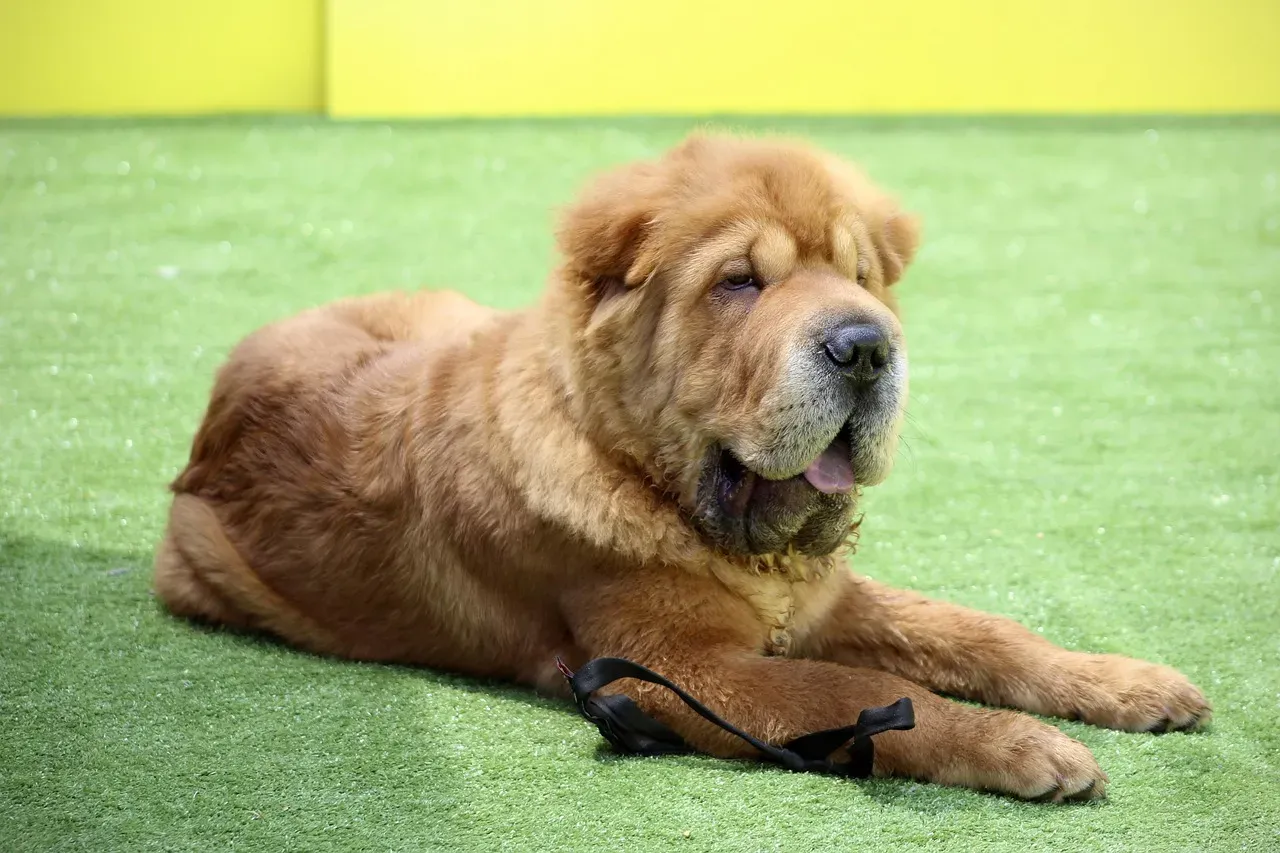
Shar Peis have a long history as guard and farm dogs, and that background shows in their independence. They tend to form strong bonds with their families while still having a certain self-contained, serious attitude that does not demand attention every second. Many owners notice that, after proper socialization and training, a Shar Pei is more comfortable hanging out alone than many Velcro-type breeds.
This does not mean they are emotionless; they are actually quite loyal and protective. It just means they do not usually crumble if you are out for part of the day, especially if they have a clear routine and a safe space. I sometimes think of Shar Peis as that friend who loves you fiercely but also enjoys working from a quiet office by themselves. They want connection, but they do not need to be physically attached to your leg all day to feel secure.
4. Chow Chow – The Cat-Like Dog With a Solo Streak
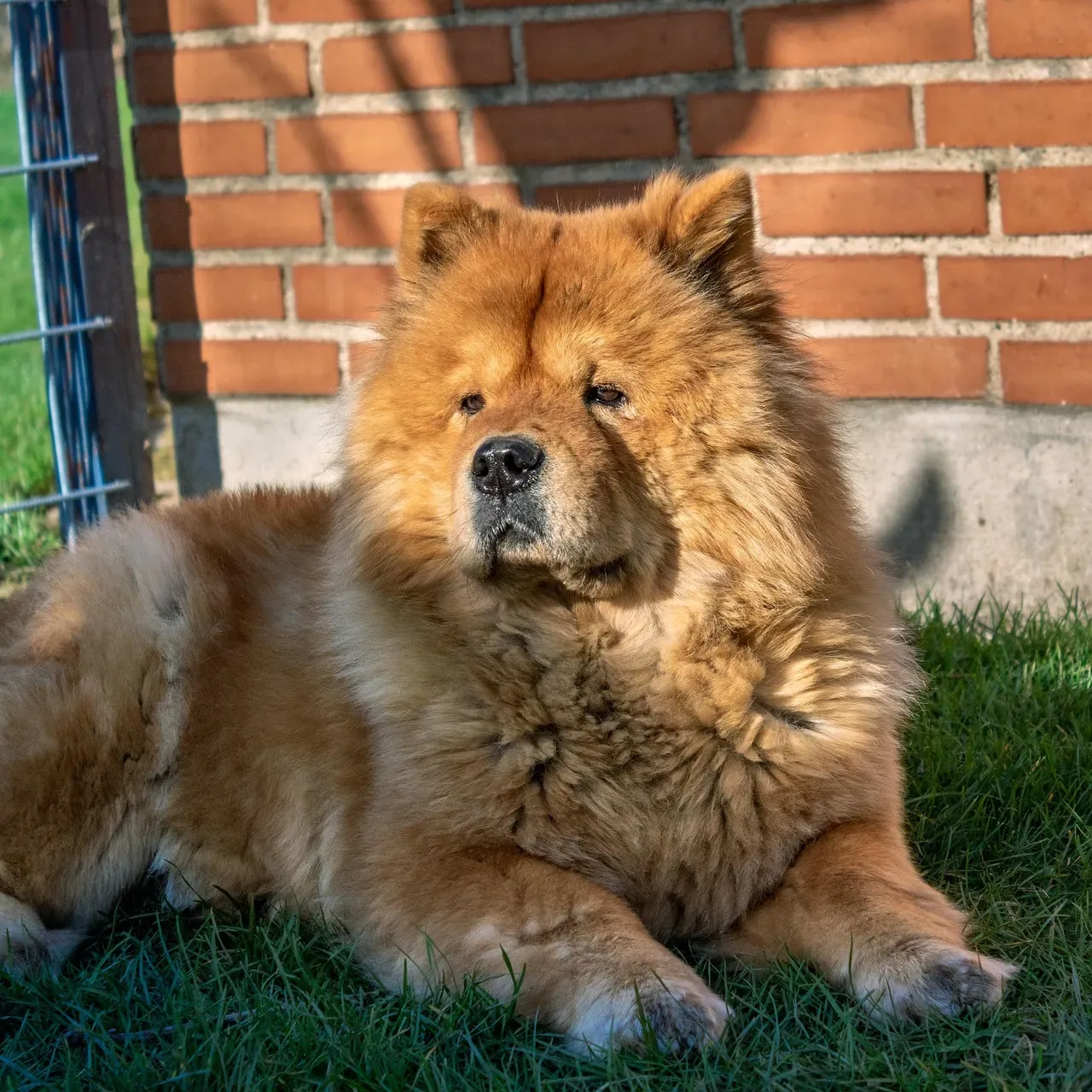
Chow Chows are often described as more cat-like than dog-like, and that comparison really fits when it comes to independence. Many Chows are reserved, dignified, and perfectly happy to observe rather than constantly interact. Because they’re not typically clingy or hyper-social, well-adjusted Chows can cope with alone time a bit better than breeds that live for nonstop human contact.
That said, this independence is a double-edged sword. A Chow that is not properly trained or socialized can become aloof in the wrong ways, and leaving them alone for too long without structure can fuel territorial behavior or anxiety. The sweet spot is treating that independence as an asset – giving them a stable routine, boundaries, and a calm environment – so their natural comfort with alone time becomes a strength, not a problem.
5. French Bulldog – Surprisingly Adaptable Apartment Companion
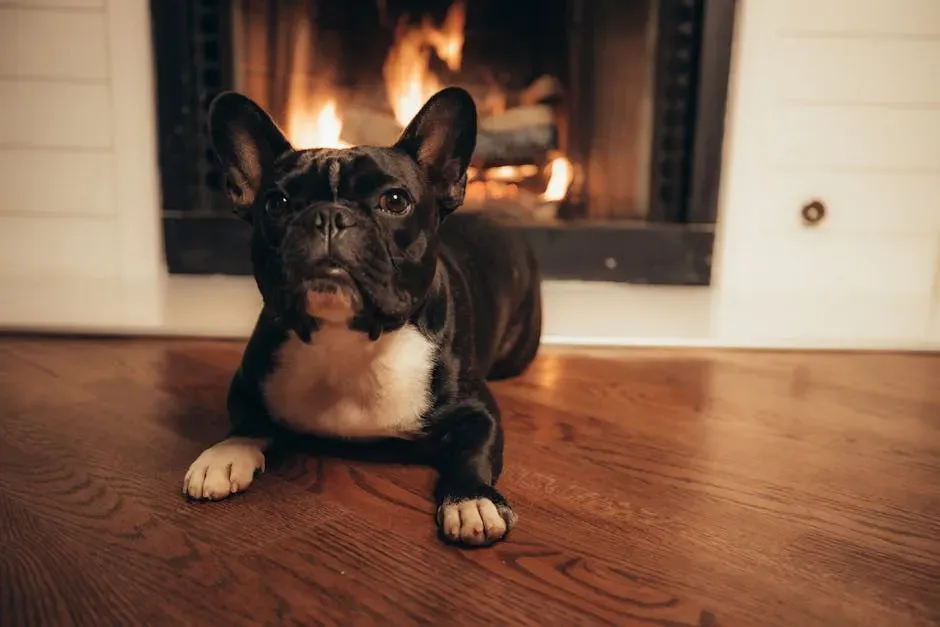
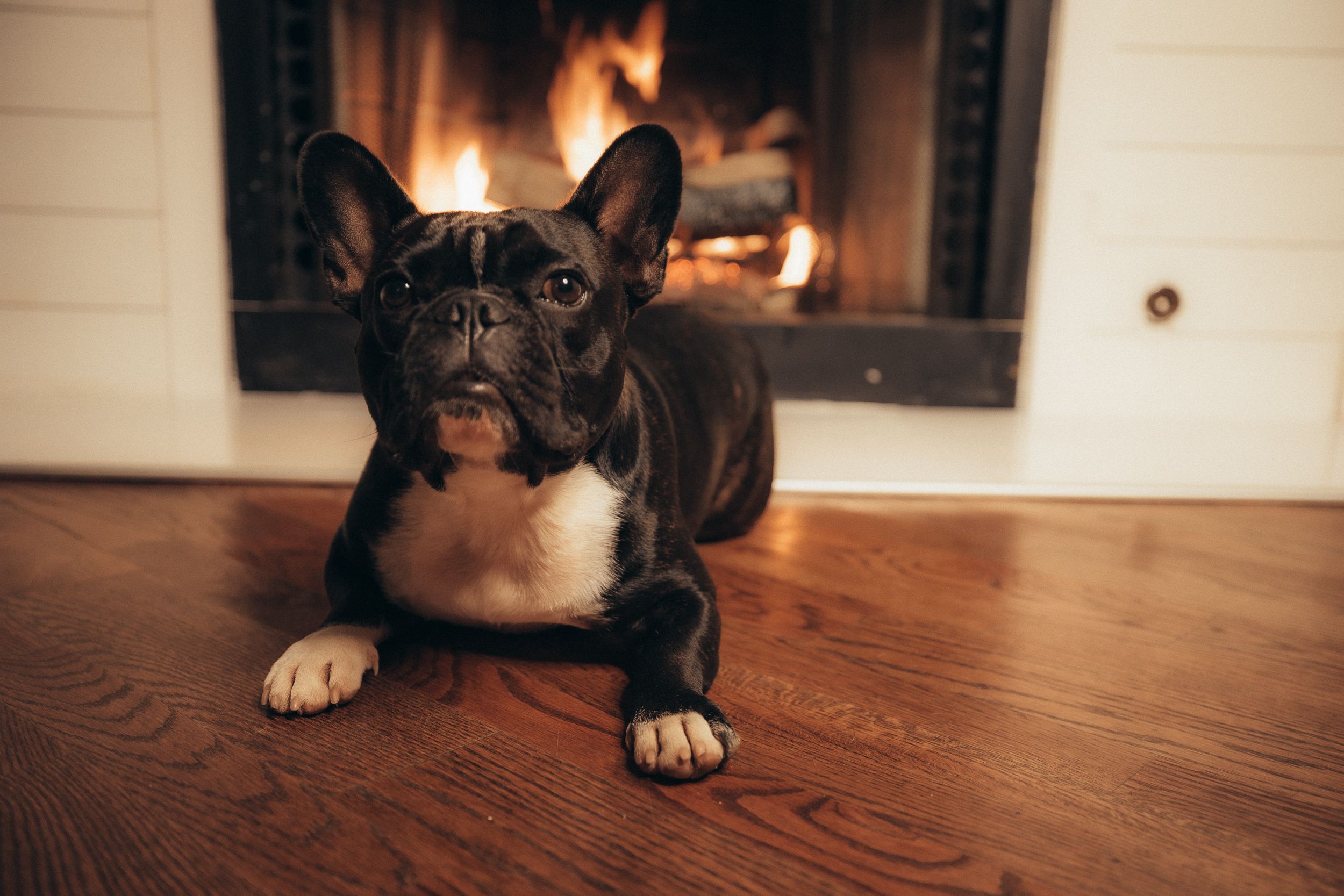
French Bulldogs are small, popular, and often very people-focused, but many of them handle moderate alone time better than their “velcro” reputation suggests. Their low exercise needs and love of lounging make them more flexible for people who work outside the home, as long as you balance that with affection and play when you are back. A tired Frenchie in an air-conditioned apartment is often content to snooze until you return.
There is a catch: Frenchies are prone to health issues and can overstress in heat or if left without proper ventilation, so “alone” has to be safe, not just solitary. Still, compared to high-drive working breeds, a typical Frenchie is more likely to nap than destroy. If you pair calm alone time with puzzle toys, background noise, and a predictable schedule, many French Bulldogs do reasonably well with daily stretches on their own.
6. Whippet – Quiet, Sensitive, and Often Self-Soothing
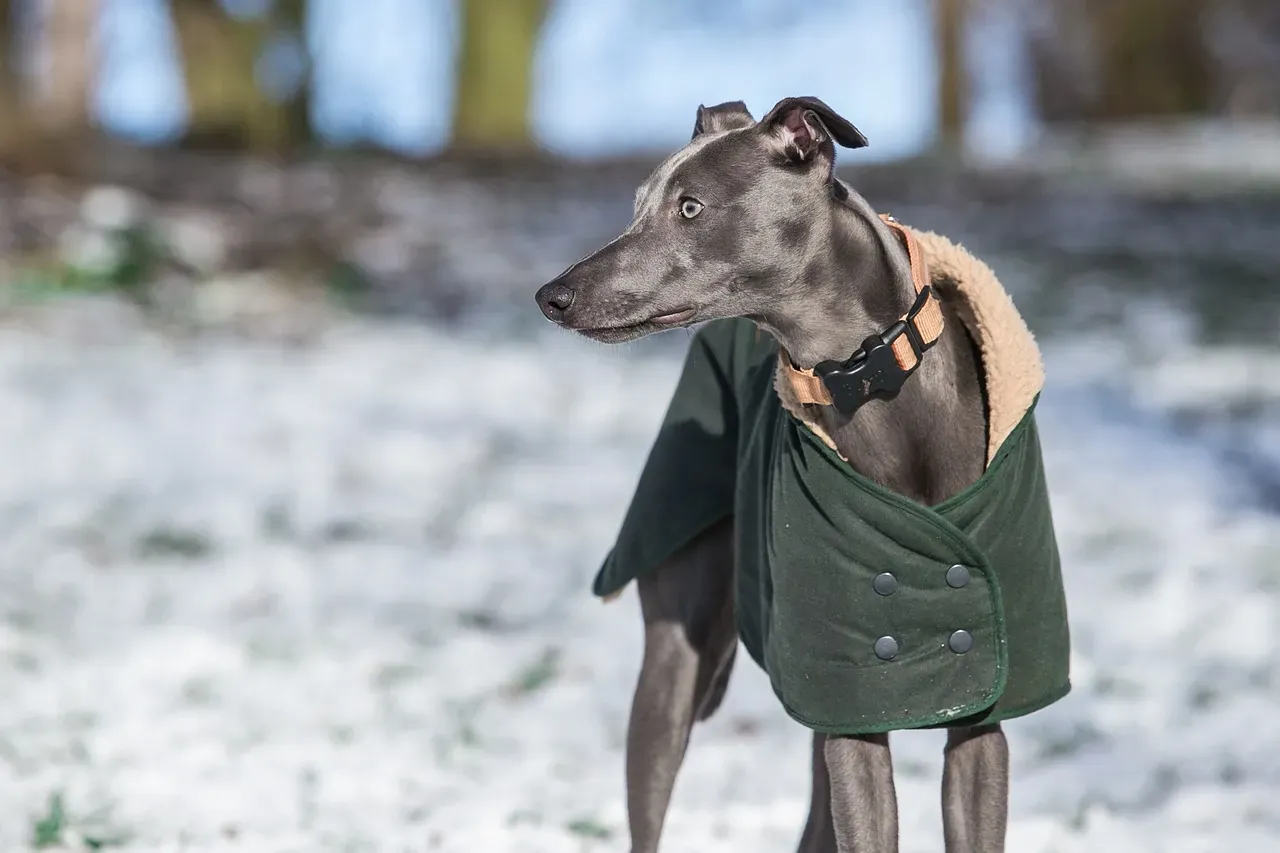
Whippets share a lot with Greyhounds: bursts of speed paired with impressive laziness indoors. They tend to be quiet, gentle dogs who love curling up under a blanket, which can translate into a calm acceptance of alone time when their needs have been met. After a good walk or zoom session, many Whippets simply slip into “blanket burrito mode” and wait things out.
Because Whippets can be emotionally sensitive, they still benefit from gradual alone-time training and predictable routines. But they are not typically as prone to frantic, destructive separation behaviors as some clingier breeds. If you live in a smaller space and want a dog that is affectionate when you’re home but not hyper when you’re gone, a well-managed Whippet can be an underrated match.
7. Shiba Inu – Fiercely Independent, Sometimes to a Fault
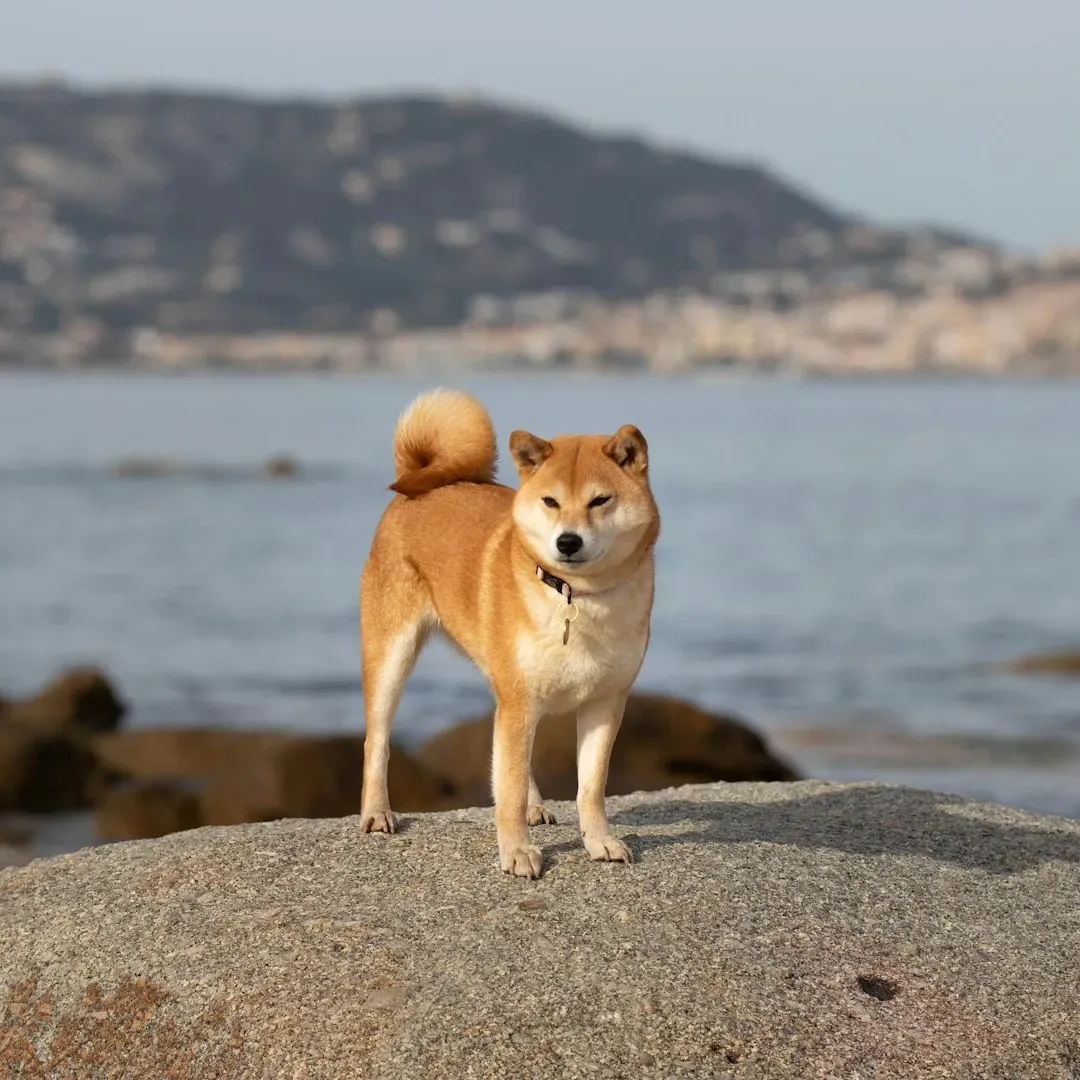
The Shiba Inu might be the poster child for canine independence. This breed is intelligent, strong-willed, and often perfectly content entertaining itself, which on the surface sounds ideal for someone who cannot be home all day. Many Shibas do not need constant cuddling or reassurance, and that emotional distance can make alone time less traumatic for them than for more clingy dogs.
However, that same independence can morph into stubbornness and mischief if you assume it means they do not need training or engagement. A bored Shiba with no outlet can become a creative escape artist or interior decorator with teeth. So yes, Shibas often handle being alone better than many breeds, but they still need structure, exercise, and mental challenges to keep that independence from turning into chaos.
8. Boston Terrier – Social, but Often Tolerant of Routine Alone Time
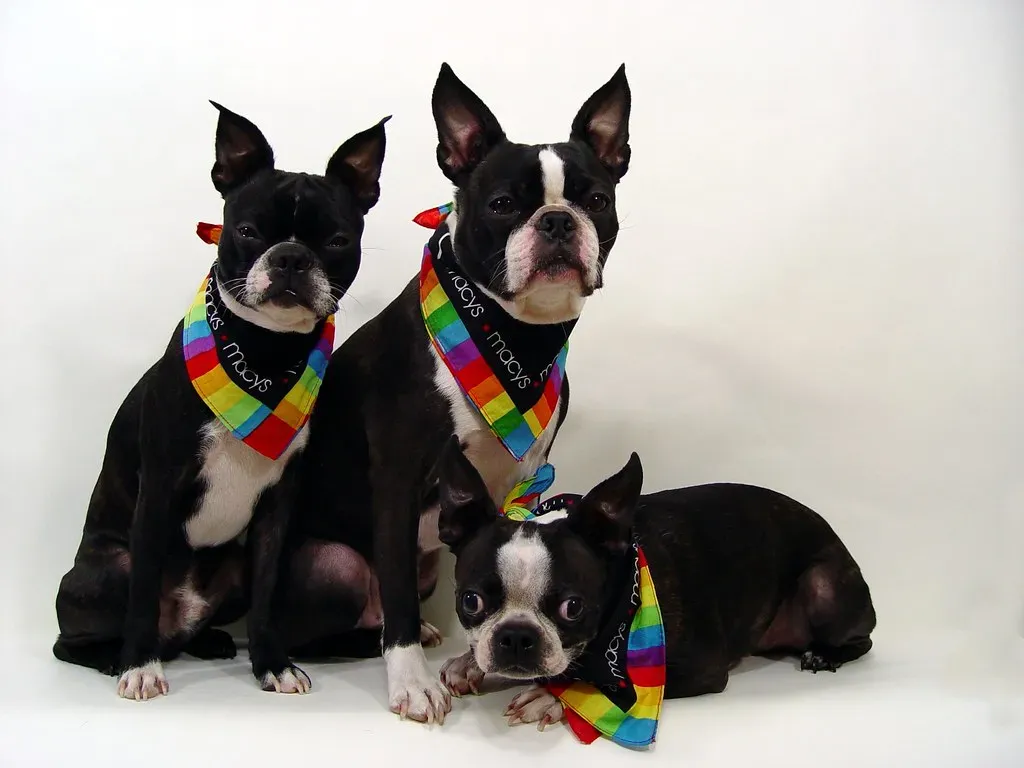
Boston Terriers are cheerful, people-oriented dogs, but many adapt surprisingly well to a predictable daily schedule that includes some alone time. They sit in that interesting middle ground: they adore their humans and love to be involved, yet their moderate energy and playful, adaptable nature can help them adjust to workdays as long as their exercise and connection needs are met. Many will accept, “You’re gone from nine to five, but we play and cuddle hard when you’re home.”
Boston Terriers are not immune to separation distress, particularly if they are under-exercised or over-spoiled. But compared with ultra-sensitive companion breeds, a well-trained Boston with toys, a comfy bed, and maybe a dog walker mid-day often handles solo stretches fairly well. Think of them as the friend who will miss you but still manages to have a decent time alone with a good playlist and some snacks.
9. Basenji – Independent, Reserved, and Often Self-Reliant
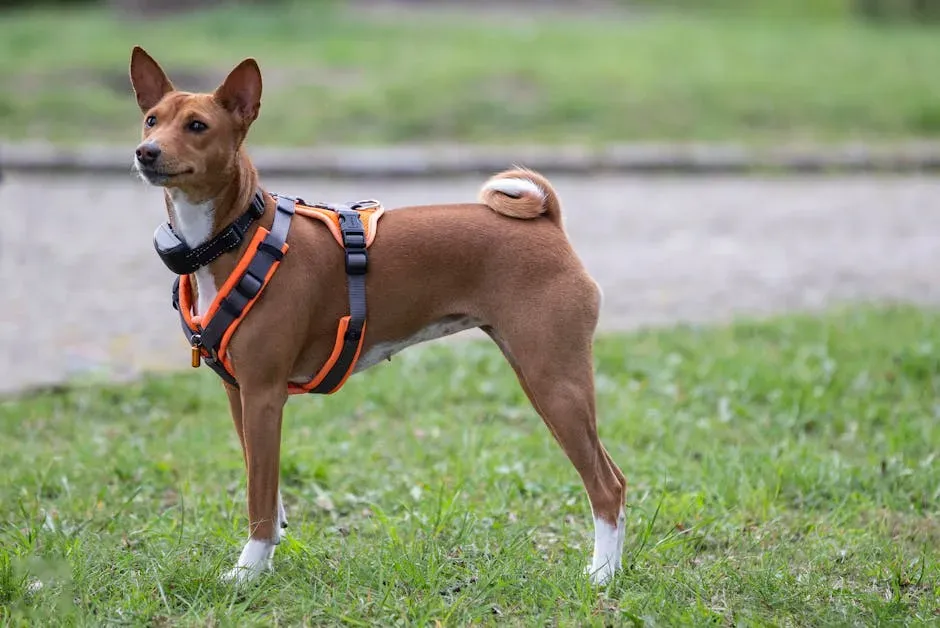
Basenjis are known as “barkless” dogs, but what really defines them is their independence and cleverness. Traditionally used as hunting partners in parts of Africa, they learned to work with humans while also thinking for themselves. That self-reliant streak can make them somewhat less distressed by short to moderate periods of being alone, compared with breeds that were bred solely as lap companions.
Still, a Basenji left unchallenged can channel that brain into trouble. They need enrichment, puzzle toys, and physical activity, or they may decide to redesign your shoes. When you respect their independent nature but still give them structure and outlets, their ability to entertain themselves becomes an advantage rather than a liability for people who cannot be home constantly.
10. Lhasa Apso – The Watchful Little Guardian
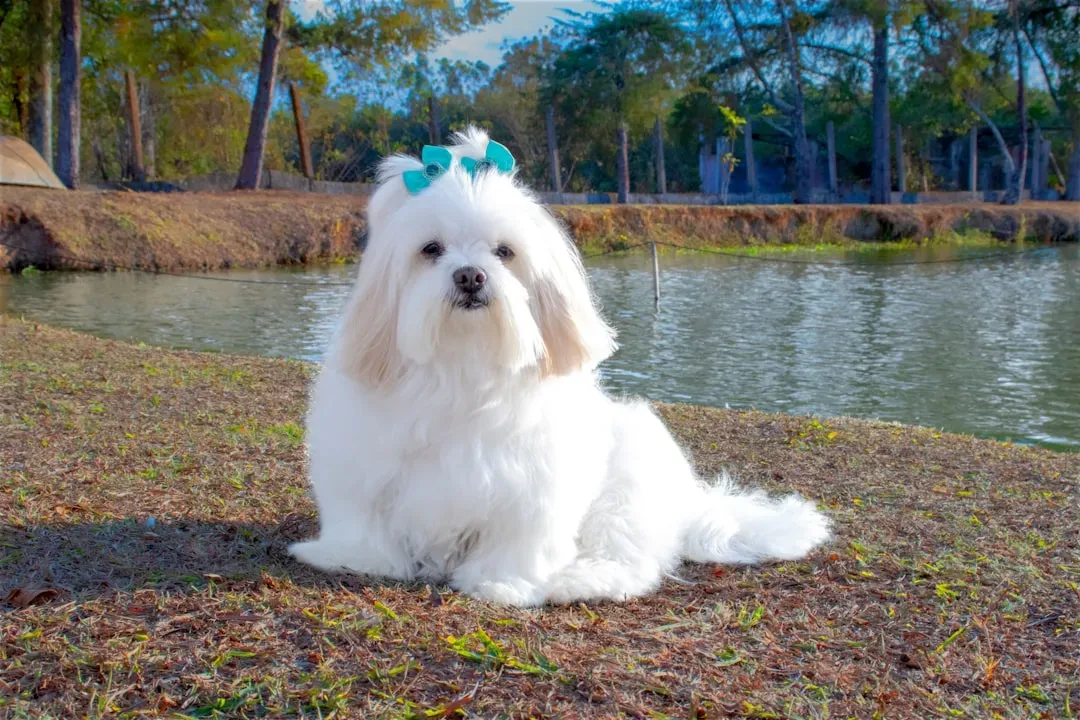
The Lhasa Apso has a background as a watchdog in Tibetan monasteries, where being alert and somewhat independent was part of the job. That history shows up today as a small dog that is often more self-possessed than many toy breeds. With the right training, many Lhasas can tolerate being on their own for a few hours at a time without spiraling into panic, especially if they can perch somewhere to oversee their “domain.”
They can still develop separation issues if treated like fragile accessories instead of actual dogs, but their temperament leans more toward thoughtful, sometimes aloof, and less toward frantic. If you want a small dog that is affectionate yet not utterly helpless without you, a well-socialized Lhasa Apso can be a surprising fit – more little guardian than clingy shadow.
11. Border Collie – Brilliant, Busy, and Easily Overwhelmed by Isolation
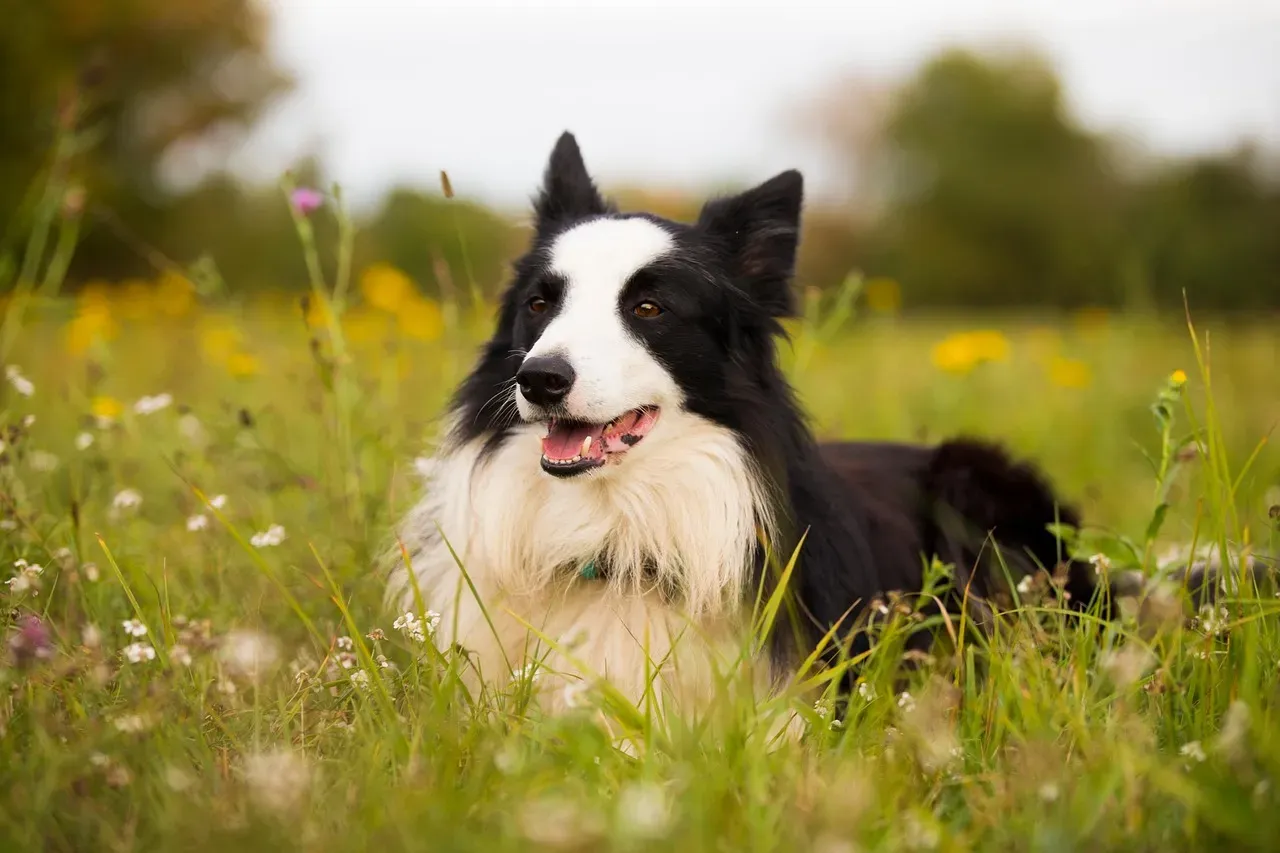
Now for the harder side of the list: Border Collies are astonishingly intelligent, bred for constant work and communication with humans. That same brilliance and drive that makes them amazing at sports and herding can make alone time brutal for them. When you park a working brain like that in a quiet house for hours with nothing to do, it is like locking a top-level chess player in a blank room – eventually, frustration shows up as anxiety, destructive behavior, or obsessive habits.
Some individual Border Collies can learn to cope better, especially with intense exercise, training, and enrichment, but as a breed they are generally a poor match for owners who are gone long hours and cannot meet their mental needs. They do not just need love; they need a job. If you are out of the house a lot and dream of a Border Collie, you really have to ask whether your daily life can provide the kind of engagement this dog was literally built for.
12. Vizsla – The Original Velcro Dog

Vizslas are famously nicknamed “Velcro dogs” because of how closely they bond with their people. They were bred to work right alongside hunters, not independently miles away, and that shows in their emotional wiring. Many Vizslas want to be as physically close as possible, often leaning on you, following you from room to room, and looking genuinely distressed when you are out of sight for too long.
That deep attachment can be beautiful if you are home a lot, but it can become a serious problem if you are frequently gone for long stretches. Without careful training, gradual alone-time practice, and plenty of exercise, a Vizsla can slide into separation anxiety quickly. If your lifestyle includes long office days, frequent travel, or unpredictable hours, choosing a Vizsla anyway is, in my opinion, betting against the dog’s emotional needs.
13. Italian Greyhound – Tiny Body, Huge Feelings
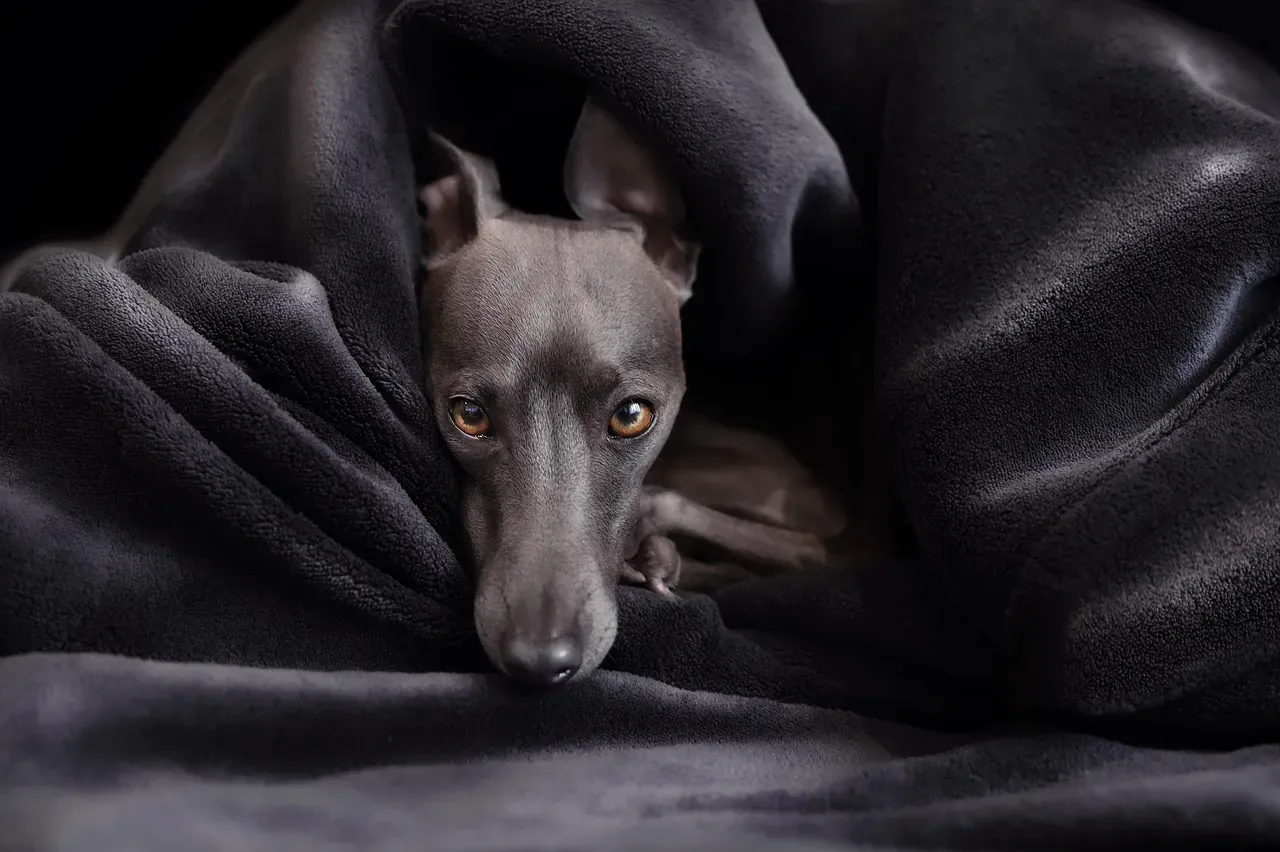
Italian Greyhounds might look delicate, and emotionally, they often are. Many of them bond intensely with one or two people and can become easily stressed when separated from their chosen humans. They are sensitive to changes in routine, harsh handling, and, very often, being left alone too much. What looks like a dainty little lapdog is often a bundle of nerves if their sense of security feels shaky.
That does not mean every Italian Greyhound will automatically have severe separation anxiety, but as a group, they are more prone to it than many sturdier, more independent breeds. They typically do best with people who are home a lot or can arrange work-from-home schedules, dog sitters, or daycare. If you want an Italian Greyhound, you are signing up not just for a pet, but for a deeply attached, emotionally tuned-in companion who will not thrive as an after-hours-only dog.
14. Labrador Retriever – Outgoing Family Dog That Can Still Struggle Alone
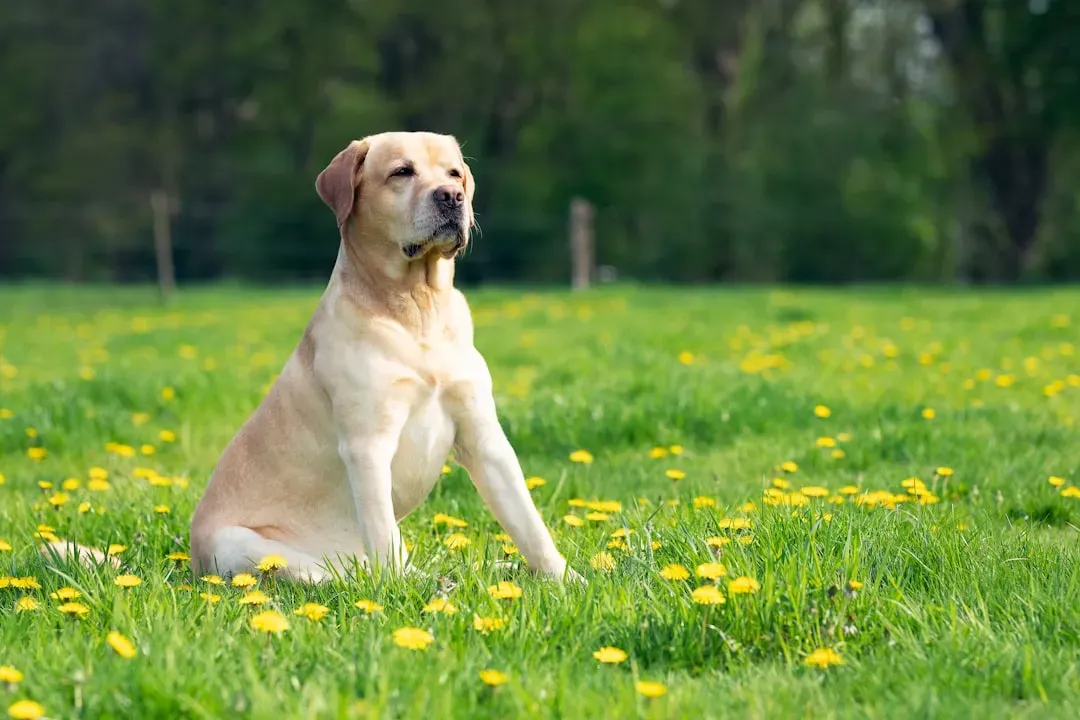
Labradors are among the most popular breeds in the world, and for good reason: they’re friendly, trainable, and usually great with families. But that big, open-hearted nature also means many Labs do not love being alone for long. They were bred to work closely with humans as retrievers, often in partnership, and many crave that interaction to feel balanced. When that social need goes unmet, you often see chewing, barking, digging, or escape attempts.
Yes, some Labs adapt better than others, especially with strong exercise routines and good training. But too often, people assume a Lab’s easygoing charm means they’re okay with anything. In reality, a bored, under-stimulated Lab left alone all day is a recipe for frustration. If you want a Lab and know you will be gone a lot, you need a real strategy – dog walkers, daycare, serious daily activity – or the dog pays the emotional price.
15. Toy Poodle – Smart, Sensitive, and Often Deeply Attached
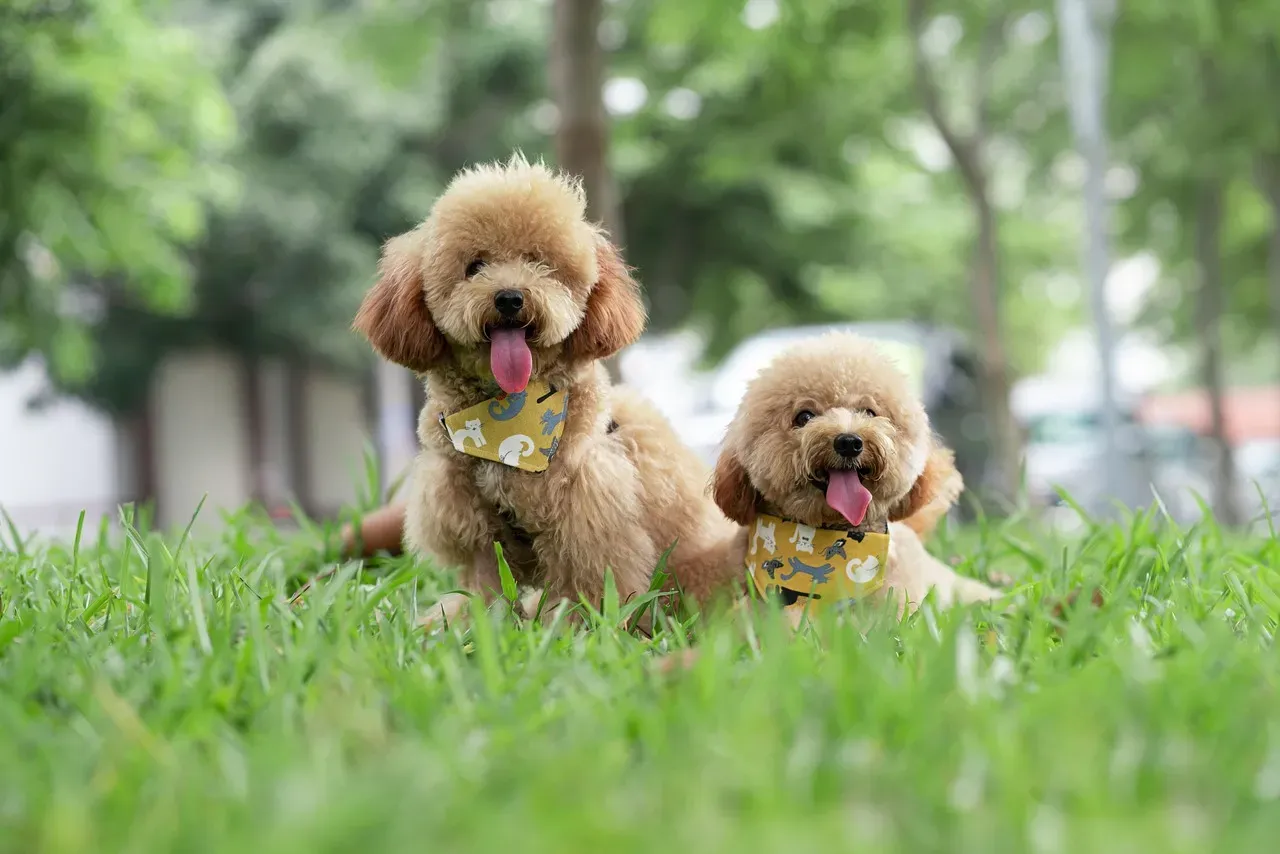
Toy Poodles combine high intelligence with a strong attachment to their people, and that can be a tough mix for long alone periods. They read human routines and moods quickly, and many become very tuned in to where their favorite person is at all times. When that person disappears for hours, particularly without a consistent pattern, these sensitive little dogs can easily become anxious, vocal, or destructive.
With careful socialization, training, and gradual alone-time practice, some Toy Poodles learn to handle separation better, but as a group they lean toward needing a lot of contact. They are happiest when they can be near their humans, often literally on a lap or at their feet. If your daily reality involves long commutes and late nights, a Toy Poodle may not be the fairest choice for the dog – no matter how adorable that face is.
Conclusion – Matching a Dog’s Heart to Your Real Life
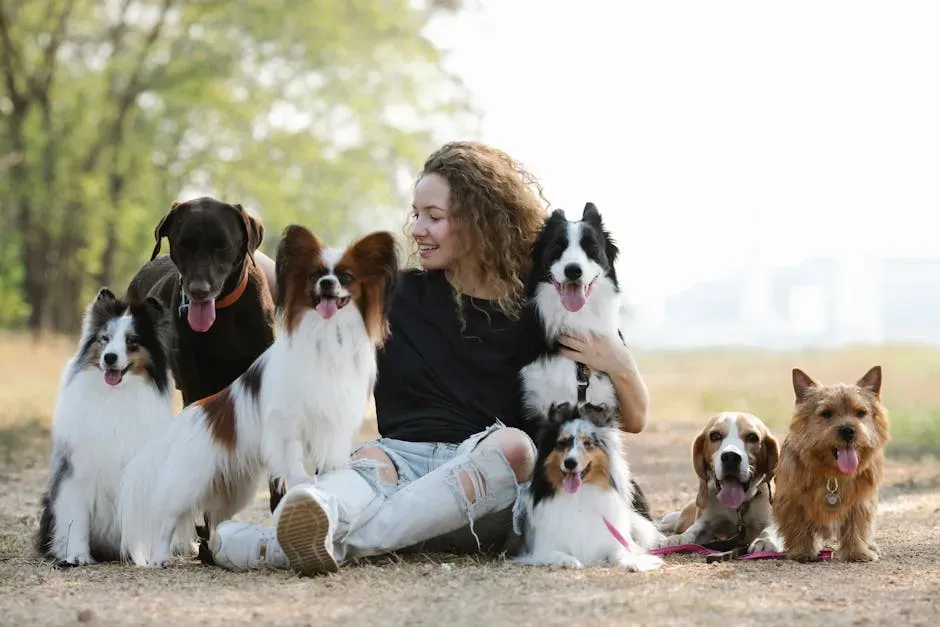
Underneath all the breed labels and stereotypes, what really matters is this: some dogs are wired to roll with alone time, and some are wired to feel it like a punch to the chest. Basset Hounds, Greyhounds, Shibas, and the other more independent breeds on this list are not “better” dogs; they are simply a better fit for people whose lives include unavoidable hours away. The Border Collies, Vizslas, Italian Greyhounds, and other separation-sensitive breeds are not “difficult”; they are honest about needing what they were bred for – connection, work, and near-constant partnership.
My own bias is pretty clear: I think it is kinder, and frankly more responsible, to choose a breed whose emotional needs line up with how you actually live, not how you wish you lived. If you are out of the house ten hours a day, getting a high-need Velcro breed because it is cute on social media is, in my view, setting both of you up to suffer. On the flip side, if you work from home and crave a shadow at your feet, an independent dog might leave you oddly lonely. The real question is not just “Which breed do I love?” but “Which breed can truly thrive in my world?” – and did your answer today surprise you at all?