
15 Things About You That Make Your Dog Feel Like They Belong Somewhere
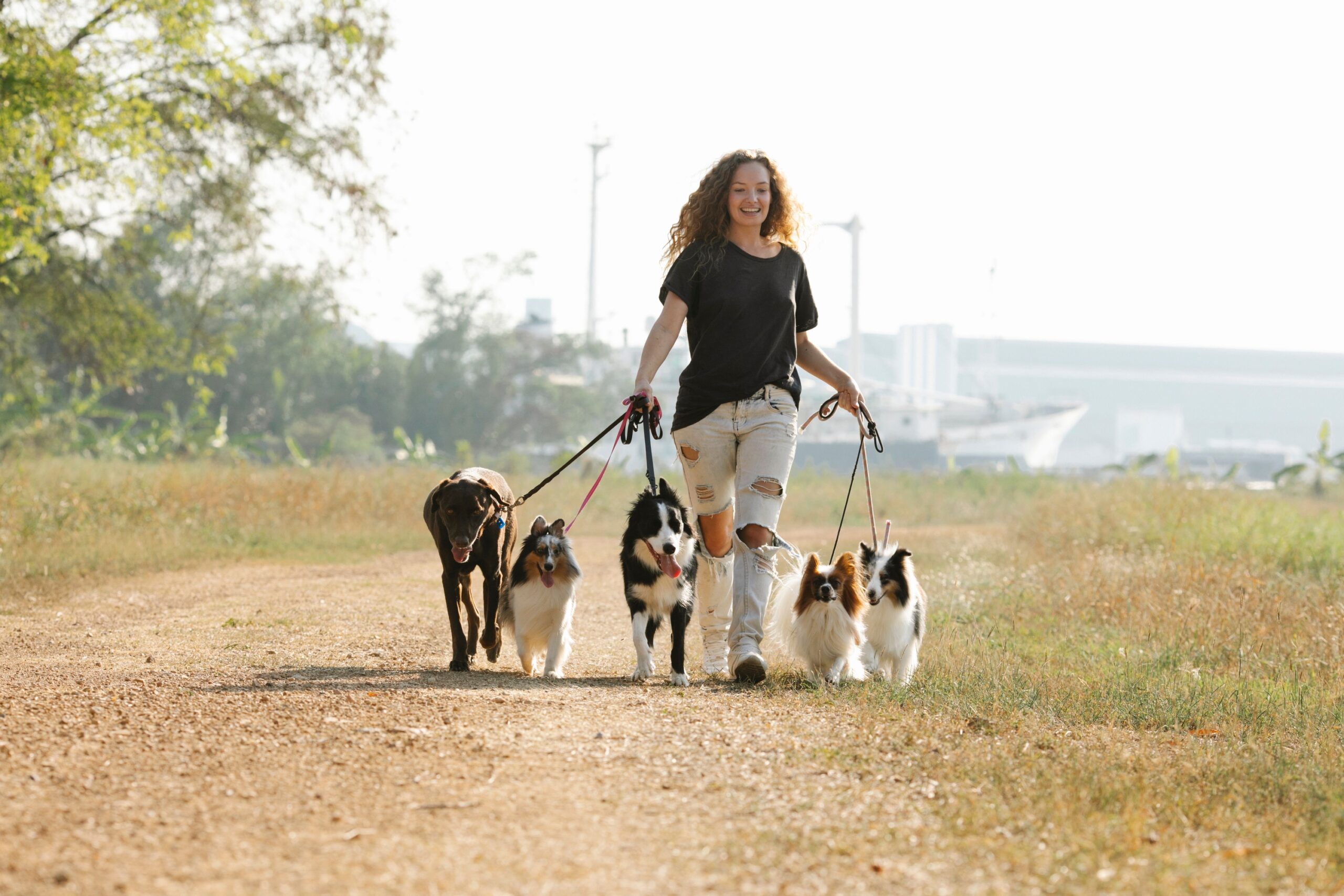
There’s a quiet kind of magic in the way a dog looks at their person. Tail loose, eyes soft, body finally relaxing after a long, confusing day in a human world that doesn’t fully make sense to them. To a dog, you’re not just the one with the food and the leash; you’re the closest thing they have to a map, a safety net, and a home all rolled into one.
What’s wild is that many of the things that make your dog feel like they truly belong are probably habits you barely think about. The way you say their name. The routes you walk. The way you argue on the phone and then laugh five minutes later. To you, it’s just life. To your dog, it’s the pattern that proves: this is my place, these are my people, I fit here. Let’s dig into the small, very human things you do that quietly tell your dog they belong in this world, and especially, with you.
1. The Way You Say Their Name (And How Often You Use It Kindly)
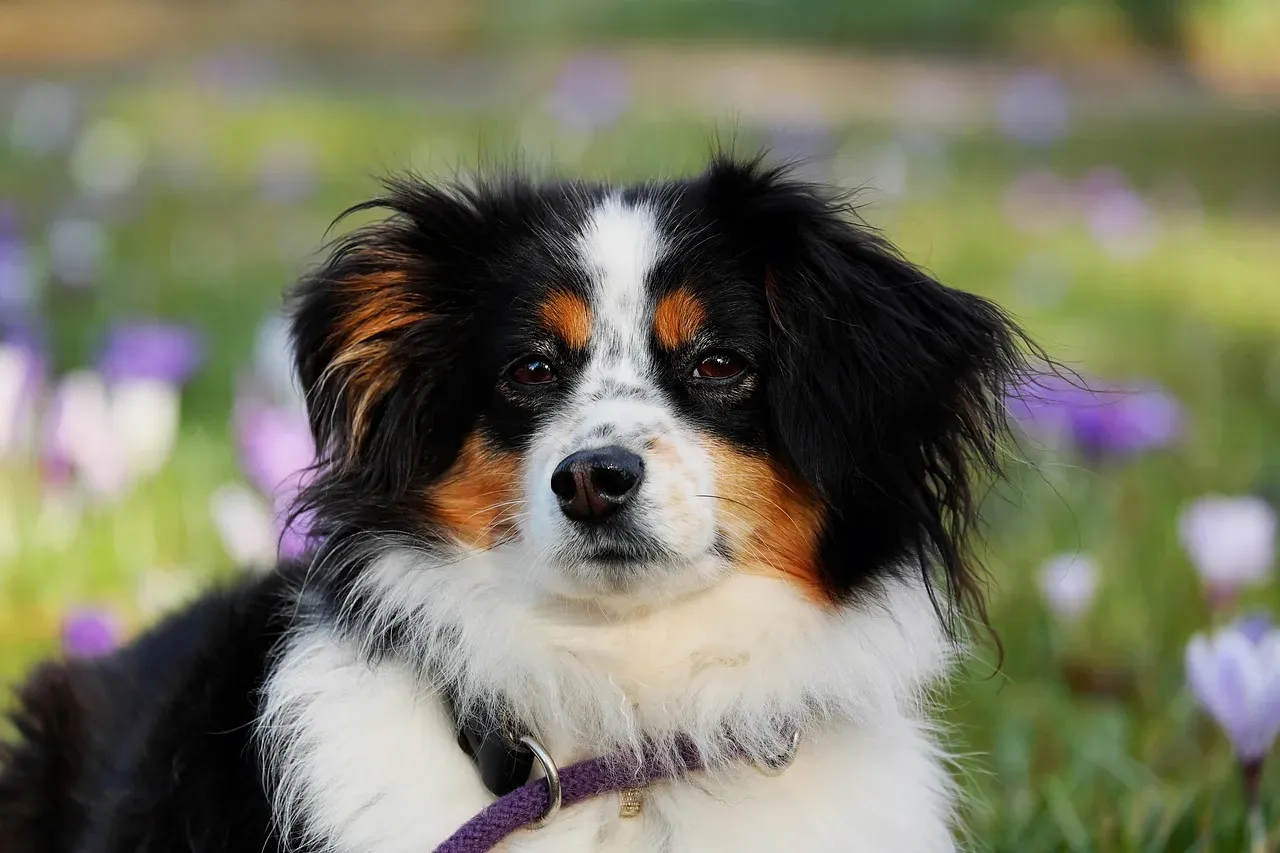
Your dog doesn’t understand every word you say, but they absolutely know their name and the tone wrapped around it. When you say their name in that sing-song, warm voice, it becomes more than a label; it’s a promise that what comes next is usually good or at least safe. Over time, their name paired with your gentle voice tells them: you’re seen, you’re important, you’re part of this family circle.
On the flip side, if their name only shows up when you’re annoyed, frustrated, or shouting across the yard, it can start to feel like a warning instead of a welcome. Using their name often in positive moments – play, praise, snuggles, meals – turns it into a kind of emotional anchor. It tells your dog that in the chaos of the day, they still have a place with you, and that hearing their name means they belong, not that they’re in trouble.
2. Your Daily Routines That Give Their World Predictability
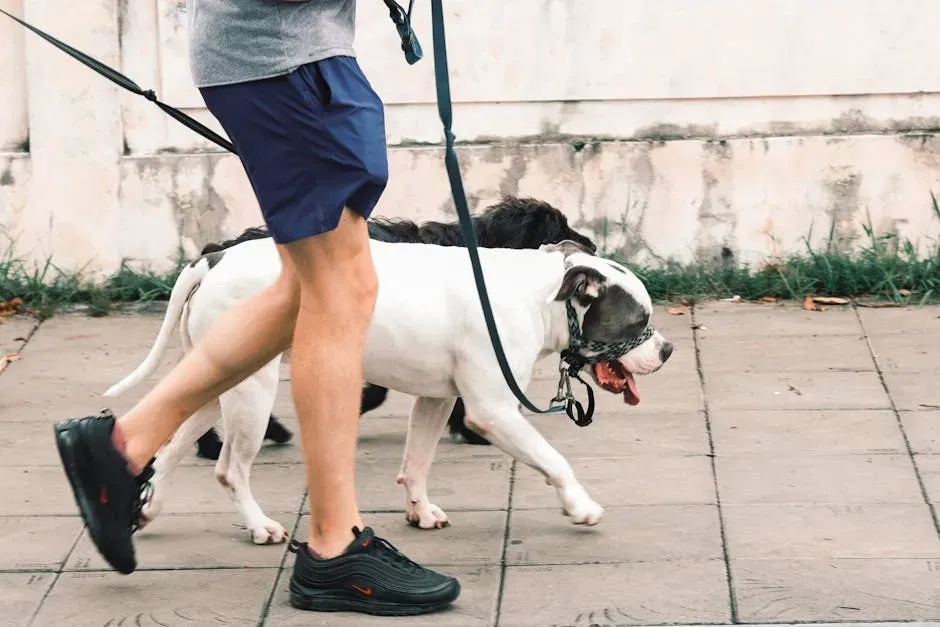
Dogs may not know what day of the week it is, but they are experts at routines. They notice what time you usually get up, when the coffee machine starts, when shoes go on, and when you reach for the leash. Those repeated patterns make their life feel understandable in a world they don’t control. Predictability for a dog is like a soft blanket: not flashy, but deeply comforting.
Even if your life is messy or your schedule changes, the small consistent things you do – feeding at roughly the same times, regular walks, a bedtime ritual – give your dog a sense of “this is how things are here.” It helps them relax instead of constantly guessing what’s next. That predictability is a quiet way of saying: this is your home base, and you don’t need to worry about every little thing.
3. Your Voice As Their Emotional Weather Report
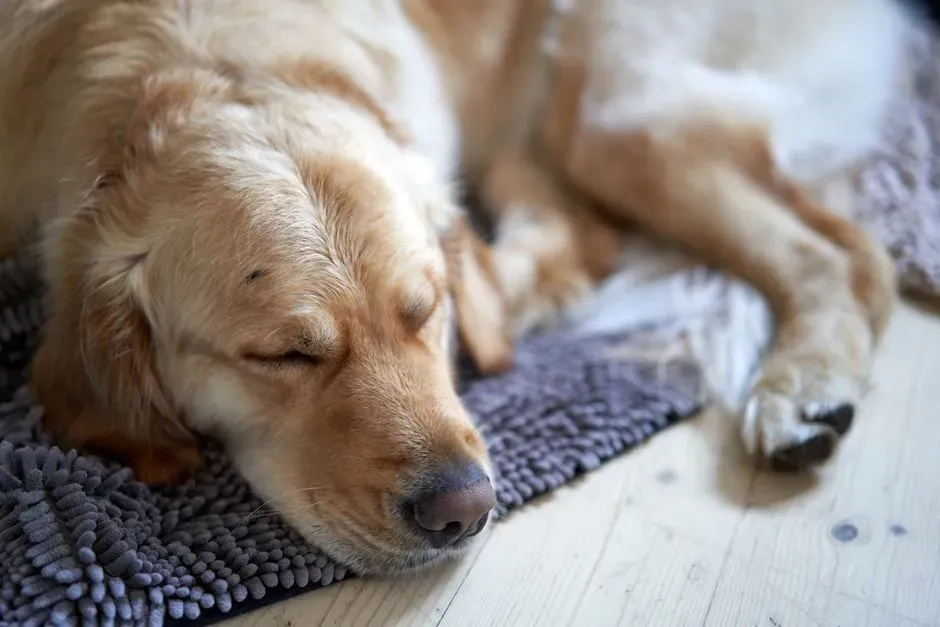
Your dog reads your voice like a weather forecast. They might not know what you’re ranting about in that text exchange, but they know if your tone is tight, soft, scared, or cheerful. Over time, they learn that your voice is reliable: if you sound calm, the world is probably safe; if you sound tense, they might stay closer or on higher alert. You are, in a way, their emotional barometer.
When you intentionally soften your voice around them – during storms, vet visits, or after a loud argument at home – you’re basically telling them, “You’re still safe. You still belong here.” That doesn’t mean you have to be endlessly cheerful; dogs can handle your full range of feelings. But the fact that you talk to them at all, and try to bring them into your emotional circle instead of shutting them out, makes them feel included instead of like background noise.
4. Your Scent That Tells Them “This Is My Person”
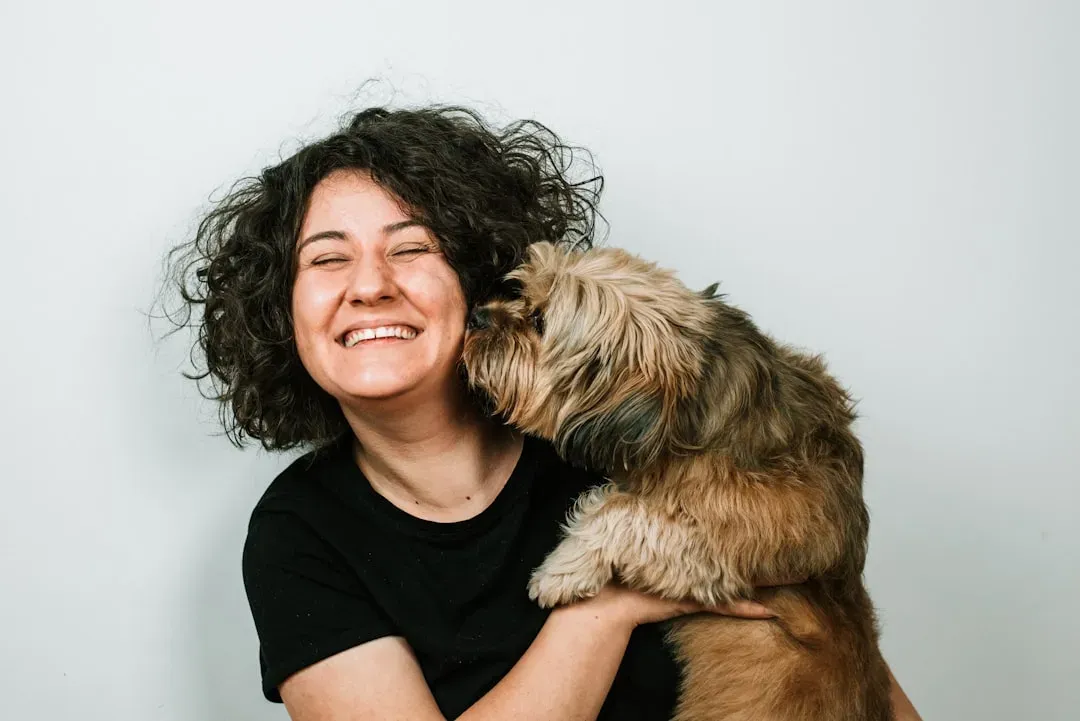
To your dog, your smell is like your personal signature. Your hoodie on the couch, your pillow, the spot on the rug where you always sit – these are like glowing landmarks in their sensory world. When you leave the house, those scents linger and act as proof that you exist, even when you’re not physically there. It’s one of the reasons many dogs nap on your clothes: it’s the closest thing to resting in your orbit.
When you come home from work, the grocery store, or even a trip, your dog often greets your smell before they fully process your face or your words. That familiar scent says, “The center of my universe is back.” You don’t do anything special to create this; it just happens by being you. But to your dog, your everyday human smell is a huge signal that they’re not alone, they have a person, and that person keeps coming back.
5. Your Willingness To Learn Their Language, Not Just Teach Yours
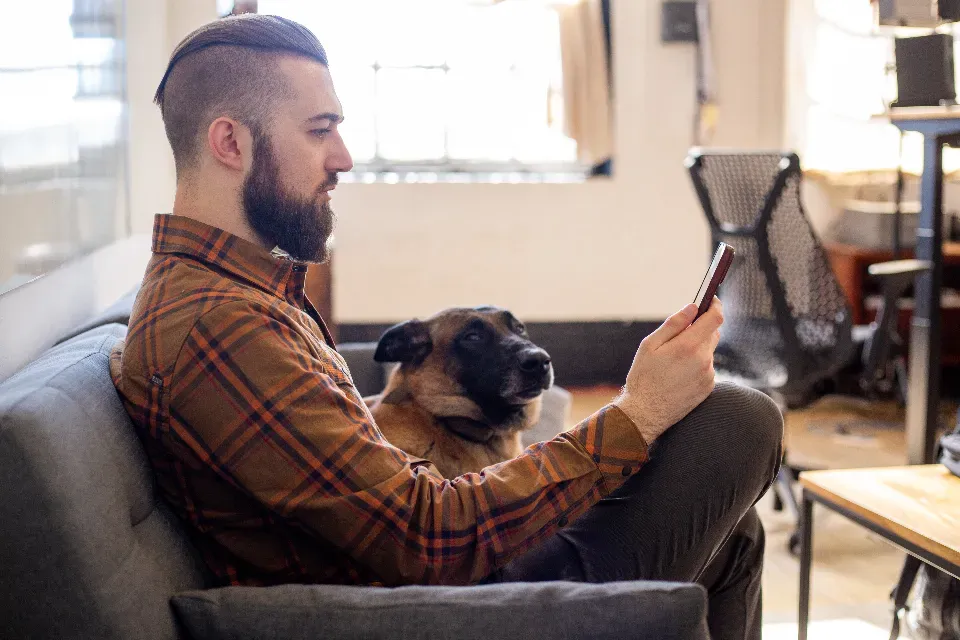
Most people expect dogs to learn human cues – sit, stay, come here. But the dogs who feel like they truly belong usually have humans who also make an effort to learn dog language. When you notice the lick of the lips, the yawn when they aren’t tired, the way their ears pin back when a stranger leans in, you’re showing them that their feelings matter. You’re not just a boss; you’re a partner paying attention.
When you adjust your behavior because they’re telling you they’re uncomfortable – maybe you give more space, end a hug they clearly hate, or stop that roughhousing that pushed them a bit too far – you’re sending a powerful message: your voice counts here. For a dog, that is belonging in its purest form. They are not just an accessory; they are a being whose signals actually change what happens next.
6. Your Patience When They Get It “Wrong”
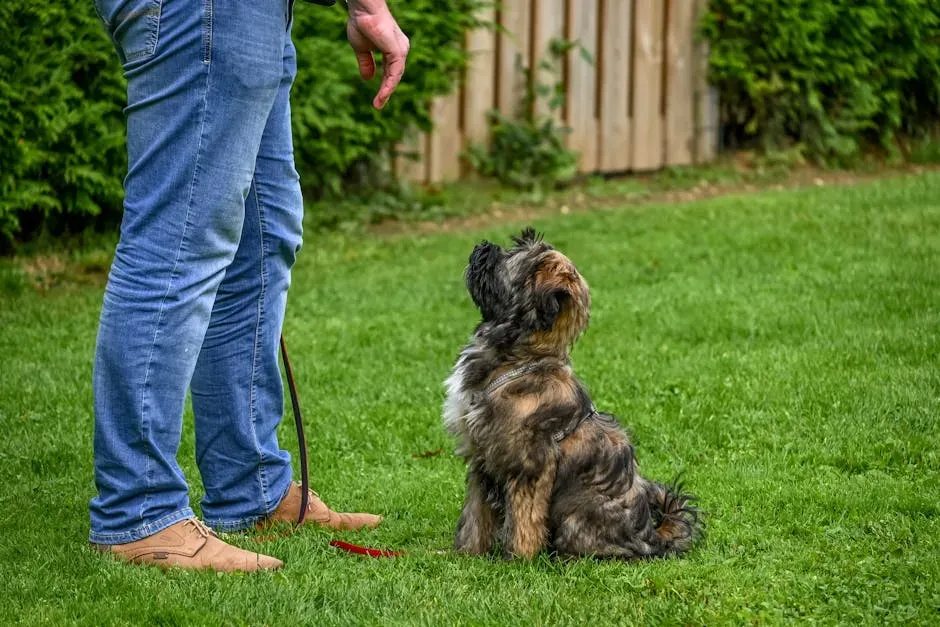
Dogs mess up. They chew the shoe, bark at the wrong time, forget the training, or freak out over the vacuum again even though it’s been years. What you do in those moments teaches them a lot about whether this home is a safe place or a landmine field. When you correct calmly, redirect, and move on instead of exploding, you show them that mistakes don’t make them unwanted.
Over time, that patience becomes a kind of emotional safety net. Your dog learns that even on bad days, they are still yours. That doesn’t mean never setting boundaries – dogs need clear rules to feel safe. But when those rules are enforced with patience instead of rage, your dog learns that this is a place where they can keep trying, where imperfect is still loved, and where they don’t have to be perfect to belong.
7. The Space You Make For Them In Your Physical World
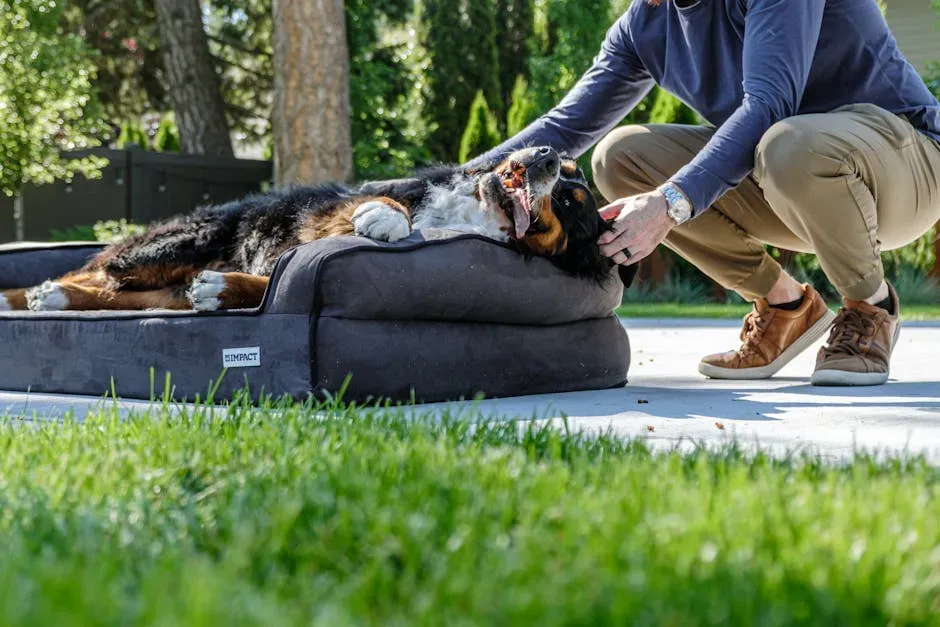
Belonging is not just emotional; it’s physical. The bed you bought, the worn-out blanket they drag from room to room, the way you make space on the couch or at the end of your bed – these small choices tell your dog, “There is literally room for you here.” Many dogs learn the layout of a home quickly: where their bowl goes, where the water is, which door leads to walks, which spot catches the most sun in the afternoon.
When you keep those things consistent and treat their spaces with care – washing their bedding, refreshing their water, letting their toys pile up in a basket that’s always accessible – you reinforce the message that they are not a guest. They live here. They have a spot that is theirs, in a house that is yours, and that combination makes them feel woven into the fabric of everyday life.
8. Your Shared Rituals, From Walk Routes To Bedtime Habits
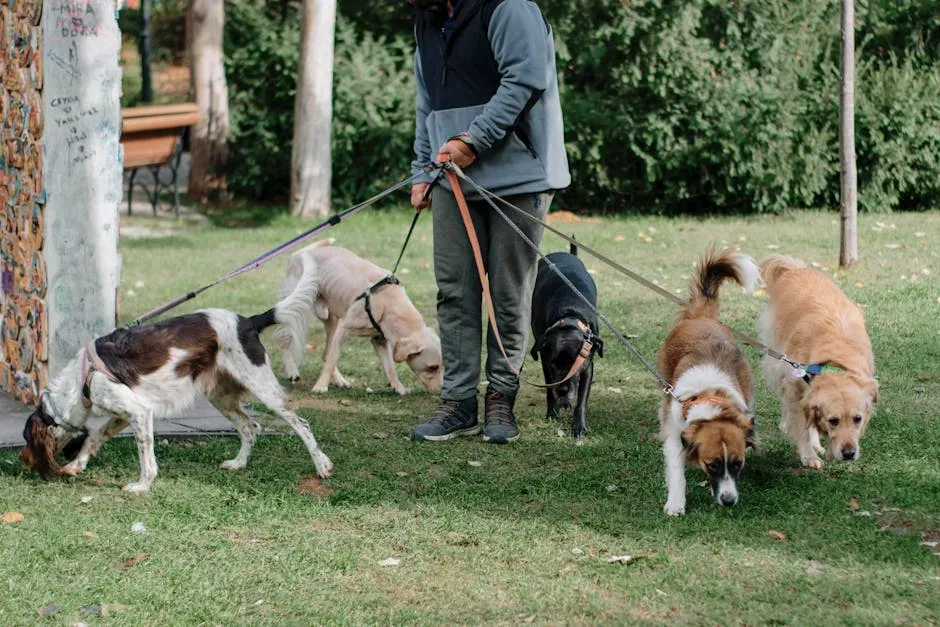
Every household with a dog has rituals, even if nobody calls them that. Maybe you always scratch their chest before you get out of bed, or they know that after dinner you both end up on the sofa, or there’s a particular route you almost always walk. These rituals become the spine of their day, small repeating moments that help them feel anchored and included.
When you keep those rituals going – even during stressful weeks, even when life is weird – you give your dog something steady to hold onto. A walk that happens “no matter what” or a bedtime cuddle that’s almost never skipped tells your dog that they aren’t an afterthought. They’re part of how your day is structured. That sense of rhythm is a huge piece of why they can relax and feel that they truly belong in your routine, not just around it.
9. The Way You Let Them Watch Your Life Unfold
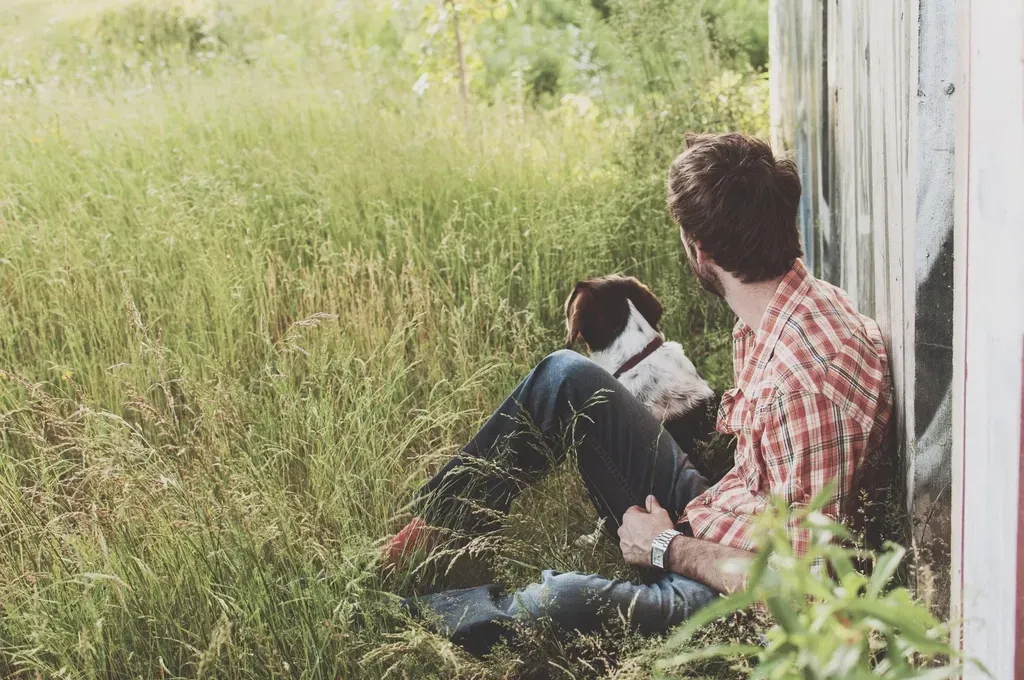
Dogs are professional observers. They watch you cook, clean, argue, laugh, scroll your phone, and dance badly in the kitchen. You might think they are just lying there bored, but they’re constantly taking in the pattern of your life. Every time you let them just be near you while you go about your business, you’re saying, “You don’t need to be useful or entertaining to be allowed here. You belong even when nothing is happening for you.”
Some of the strongest human–dog bonds are built not only on hikes and games but on plain, boring togetherness. When you move from room to room and casually check that they’re following, when you let them nap at your feet during work calls, they quietly stitch you into the same story. You’re living life side by side, and that co-existence is one of the deepest signals of belonging they’ll ever receive.
10. Your Willingness To Adjust The World A Little For Them
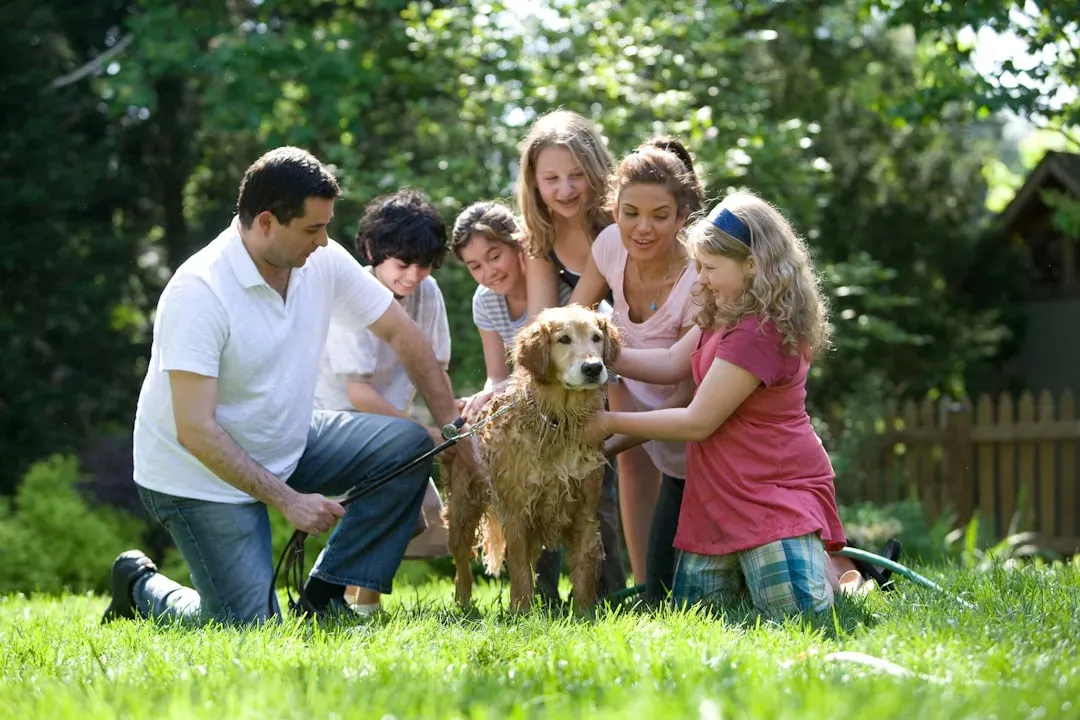
Dogs notice when you change your behavior because of them. When you shut the window during fireworks, skip a crowded event because they hate being left alone, or choose a rental that allows pets, you are bending your human world to make space for their needs. They may not understand the details, but they absolutely feel the difference between being dragged along and being considered.
Adjustments do not have to be huge. It might be learning to use a harness instead of a collar because they walk better that way, adding a rug so they do not slip on the floor, or moving the water bowl to a quieter corner where they feel safer. These small tweaks send a loud message: your comfort matters here. For a dog, that is what family feels like – a place where someone changes the setup a bit, just for you.
11. The Affection Style You’ve Built Together
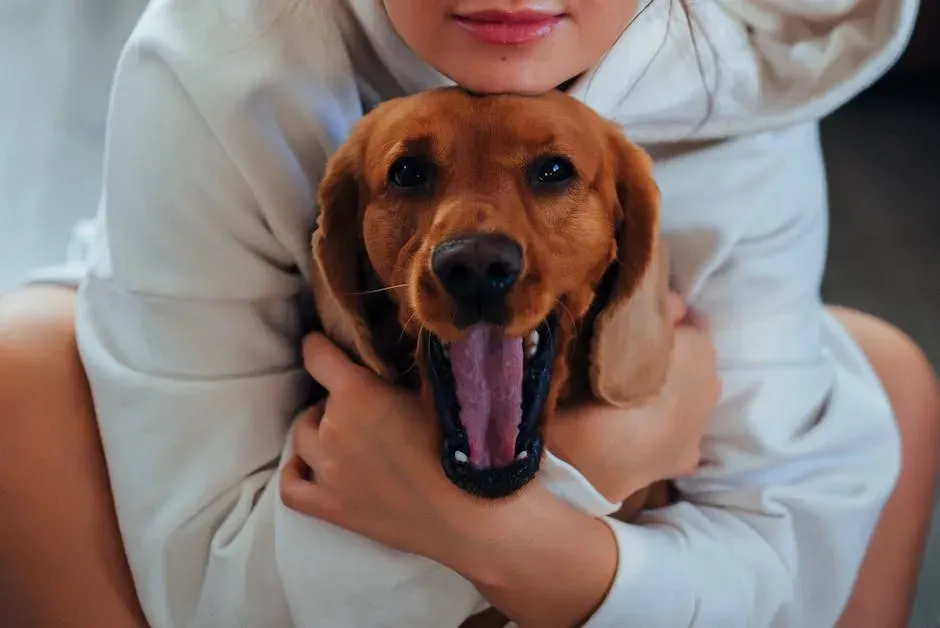
Not every dog loves the same kind of affection. Some melt into full-body hugs; others tolerate them at best and would rather have a gentle chest scratch or a calm shoulder rub. When you pay attention to how they actually like to be touched and loved, you show them you’re not just doing what works for you – you’re building a shared language of affection.
Over time, you probably have “your” thing together: maybe it is that goofy butt wiggle dance when you come home, or the way they lean hard into your legs, or the nose boops before bed. These patterns of touch and closeness become a personal handshake between you and your dog. That customized affection tells them they are not just any dog; they are your dog, and there is a kind of love here that exists nowhere else.
12. Your Consistent Boundaries That Make Life Less Confusing
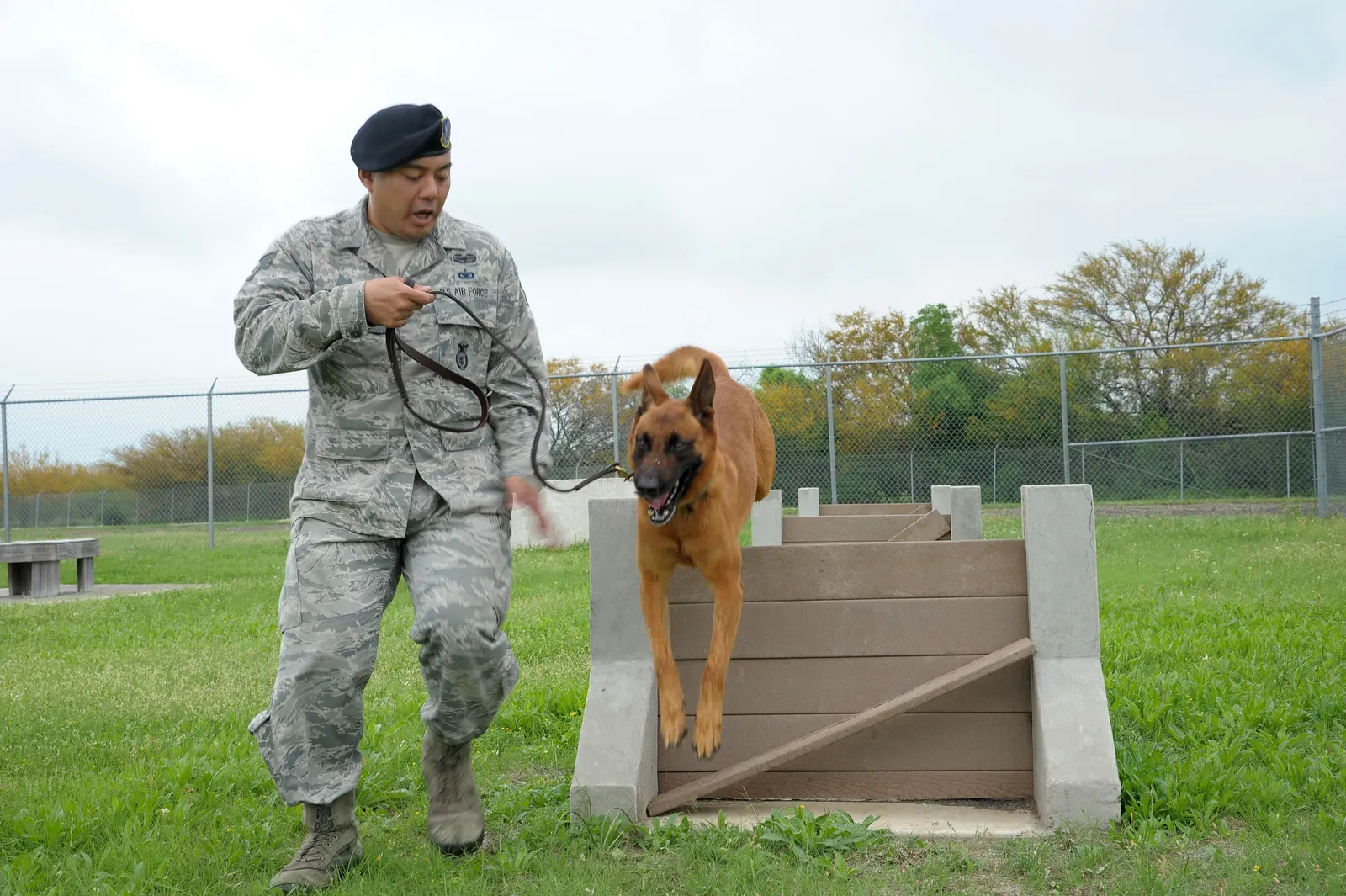
It sounds backwards, but clear, kind boundaries help dogs feel like they belong. When rules change constantly – couch allowed one day, banned the next, sometimes punished for jumping, sometimes laughed at – it’s like moving the walls of a house without telling anyone. Inconsistent rules can make a dog anxious and unsure of their place. Consistency, even when it means hearing “no,” is oddly reassuring.
When your dog knows what is allowed and what is not, and those rules stay mostly the same, they do not have to keep guessing how to be “good” in this family. They can settle in, understand the game, and relax inside it. You become not just the source of fun, but the steady structure that frames their world. That reliability is a form of belonging: they know how to fit here, and that feels safe.
13. The Adventures You Share Beyond The Front Door
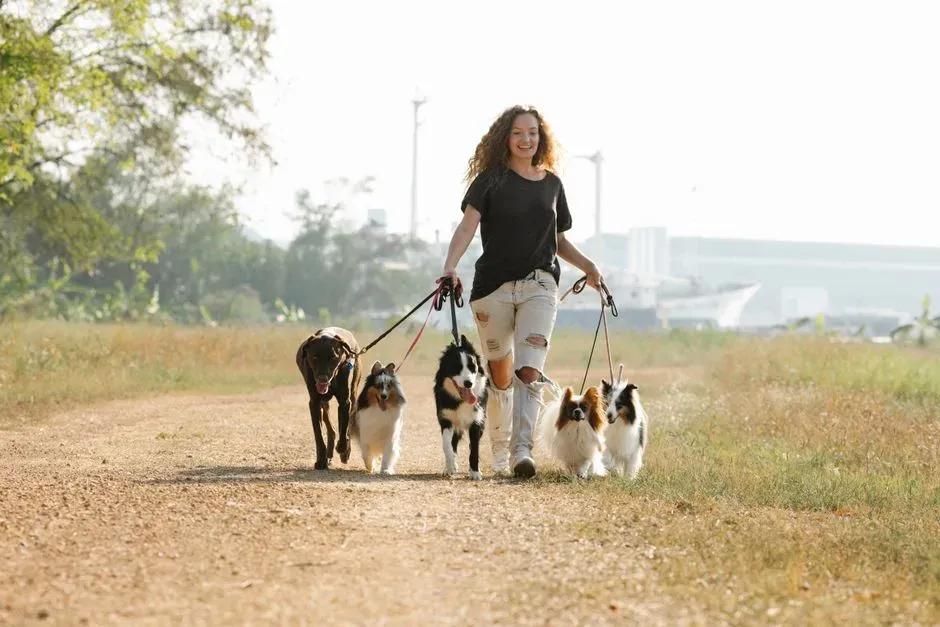
Dogs do not need glamorous lives to feel fulfilled, but they do thrive on shared experiences. Every time you clip on the leash and head out together – whether it’s a hike, a stroll around the block, a quick car ride, or a new park – you are building a shared history. You’re not just two beings in the same house; you’re teammates out in the world.
For many dogs, those moments outside are when they feel most vividly alive: new smells, new sights, new sounds, all experienced with their person nearby. When you notice what they enjoy – maybe sniffing every bush, maybe running, maybe calmly watching the world on a bench – and you let them have those pleasures, it adds another layer to their sense that they belong not only in your home, but at your side, wherever you go.
14. Your Reaction When They Are Afraid Or Overwhelmed
Fear is a big test of belonging. When your dog is scared – of thunder, strangers, loud noises, new places – they watch what you do next. If you get angry or dismiss their fear, the world can feel even more unsafe. But if you become their steady point – calm voice, gentle touch, maybe moving them to a quieter place – you turn fear into a chance to build trust.
Over time, if you consistently show up as their safe harbor when things are too much, they start to believe something huge: that no matter how confusing the world is, they don’t face it alone. Your presence becomes the constant that makes scary things bearable. That feeling, more than toys or treats, is what convinces a dog that they truly belong to someone who will not abandon them when life gets loud.
15. The Simple Fact That You Keep Choosing Them, Every Day

At the core of it all is this: you keep coming back. You fill the bowl again, open the door again, sit on the floor again, toss the ball again, say their name again. You might be tired, stressed, or distracted, but you still reach out your hand, still let them climb onto the couch, still tell them they’re a good dog, even on days when everything else feels like too much.
Belonging for a dog is not one grand gesture; it is a thousand small choices that all say the same thing: you are mine, and I am yours. You may not think of yourself as doing anything special, but to your dog, you are the center of the universe, the story they wake up inside every day. The fact that you continue to show up – imperfect, busy, very human – is what convinces them that this is home and that they have an unshakable place in it.
Conclusion: You’re Not Just A Pet Owner, You’re Someone’s Whole World
When you zoom out, none of these fifteen things are fancy. There’s no secret hack, no perfect training method, no requirement to be endlessly patient or joyful. What matters most is that you are there, paying just enough attention to shape your dog’s world into something understandable, safe, and full of small, shared moments. In a life where they control almost nothing, you give them a sense of control, comfort, and connection just by being consistently, recognizably you.
Here’s the opinionated part: we underestimate how much this matters. We talk a lot about being worthy of our dogs, but the truth is, the ordinary ways you show up – the routines, the boundaries, the walks, the silly nicknames – are already doing more for their sense of belonging than you probably realize. You don’t need to be perfect to be their home; you just need to keep choosing them, again and again. Knowing that, what will you do a little more intentionally the next time those eyes look up at you, waiting to see where they belong today?