
15 Small Moments That Mean Almost Nothing to You but Everything to Your Dog
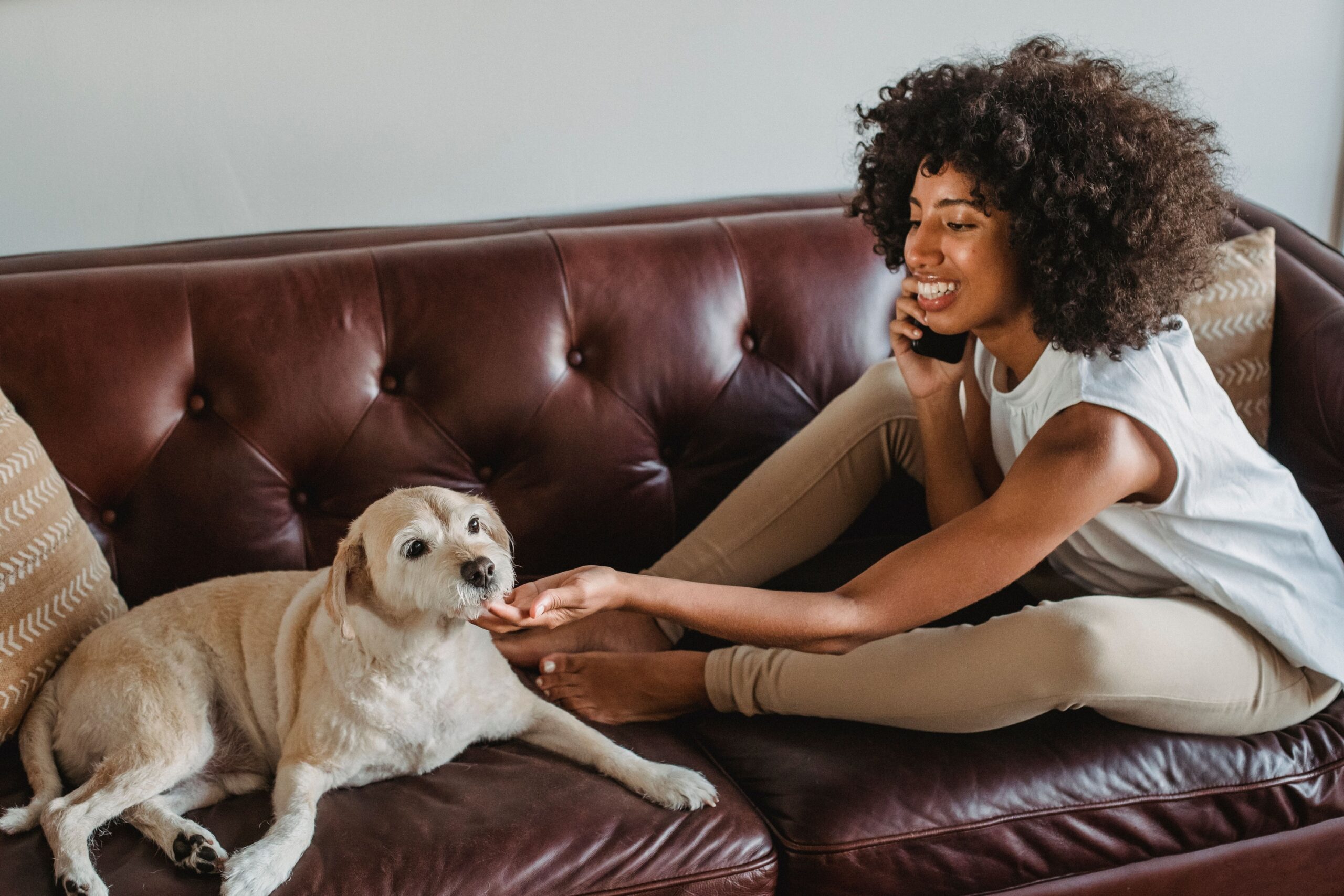
You probably think your dog’s favorite parts of the day are the big, obvious ones: the long walk, the new toy, the special treat. Those matter, of course, but for your dog, the tiny, blink-and-you-miss-it moments often carry the most emotional weight. The seconds when you glance down, say their name in a certain tone, or shift your body toward them can feel as meaningful as a love letter.
Dogs are experts at reading the world in micro-moments that humans often bulldoze past. They track your footsteps, your sighs, even the way you put your phone down, and they link those tiny signals to safety, affection, and belonging. Once you start noticing these “nothing” moments, it becomes a bit shocking how much your dog has been saying “I love you” in the background all along.
1. The Way You Say Good Morning
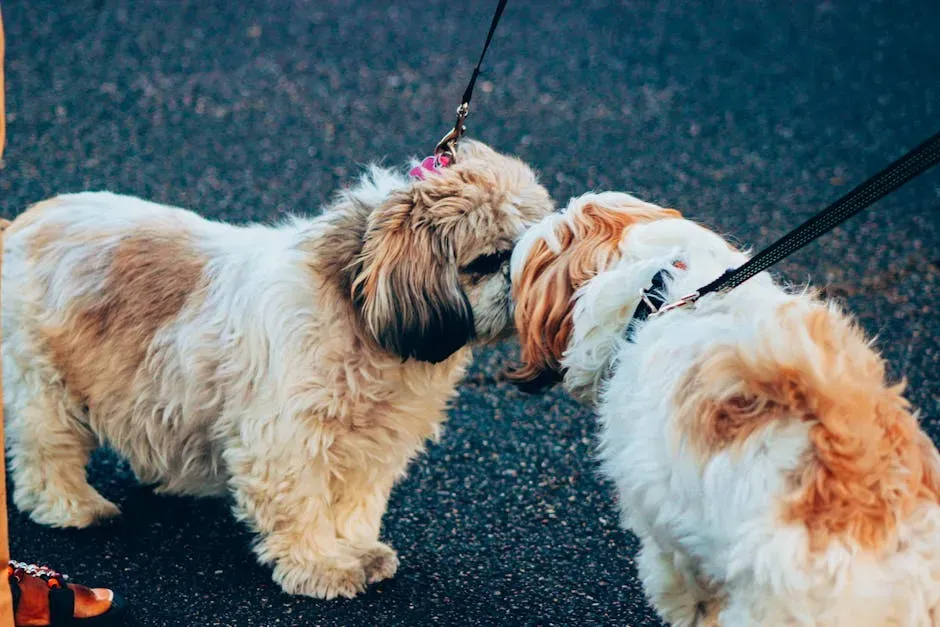
For you, mumbling “morning, buddy” as you shuffle to the coffee maker might feel like a throwaway line. For your dog, that first eye contact and warm tone are the official signal that their favorite person survived the night and the pack is still intact. Many dogs learn the sound of your morning voice and body language and will quietly wait for that first acknowledgment like it’s the opening note of their daily symphony.
Even if you are half-asleep and barely aware of it, that soft head pat, lazy smile, or quick scratch behind the ears helps regulate your dog’s emotions for the day. Dogs are highly attuned to your tone of voice, and a gentle, upbeat greeting can lower their stress and boost their sense of security. It’s like you’re emotionally turning the lights on for them with one simple “hey, pup.”
2. The Moment You Put Your Phone Down
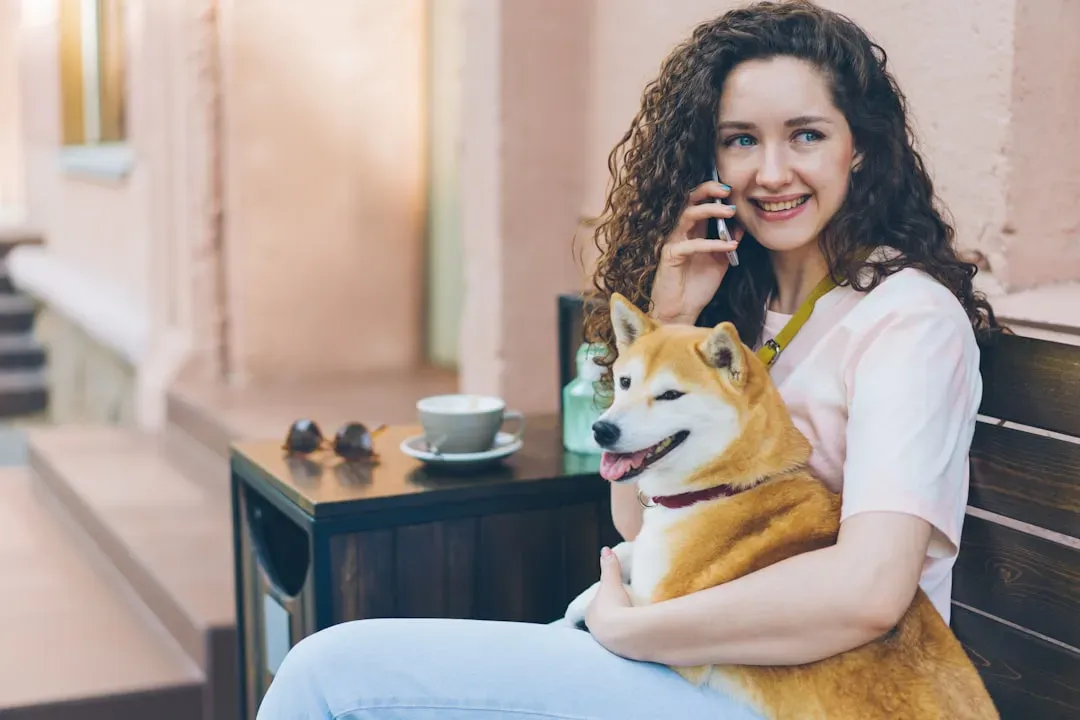
To you, setting your phone on the table is just a tiny habit between emails, messages, and scrolling. To your dog, that tiny click of glass on wood might as well be a starting gun that says, “Now I’m actually here with you.” Many dogs learn that when the glowing rectangle disappears, their chances of getting eye contact, touch, or playtime skyrocket.
You might notice your dog immediately shuffle closer, bring a toy, or just settle against your leg the instant your attention shifts off the screen. That movement is not random; it’s your dog seizing the rare, unoccupied version of you. In a world where humans are constantly distracted, those two or three phone-free minutes can feel like an entire holiday to a dog who has been quietly waiting on the sidelines.
3. When You Say Their Name for No Reason
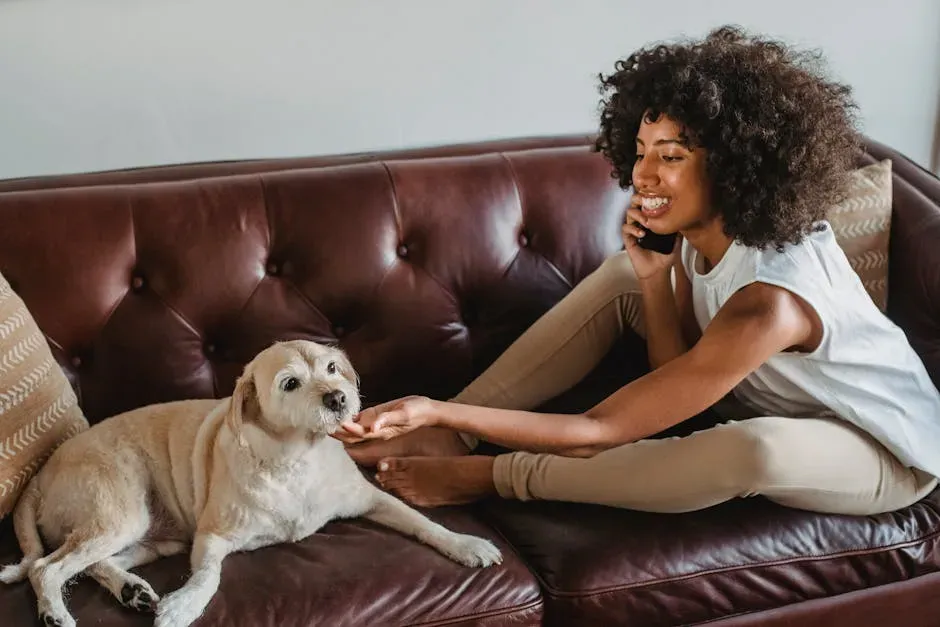
We say our dogs’ names all day long: calling them in from the yard, redirecting them from the trash, telling them to hop in the car. But every so often, you probably say their name just because they walked by or looked cute on the couch. That “Hi, Max” or “Hey, pretty girl” seems unimportant to you, yet for your dog it is pure social gold.
Dogs are wired to find meaning in being noticed by their group, and hearing their name in a relaxed, happy tone is like getting a small emotional treat. It tells them, “You are seen, you belong, and I like that you’re here.” Over time, those tiny verbal acknowledgments stack up into a powerful sense of security that no fancy dog bed could ever match.
4. The Quick Scratch as You Walk Past
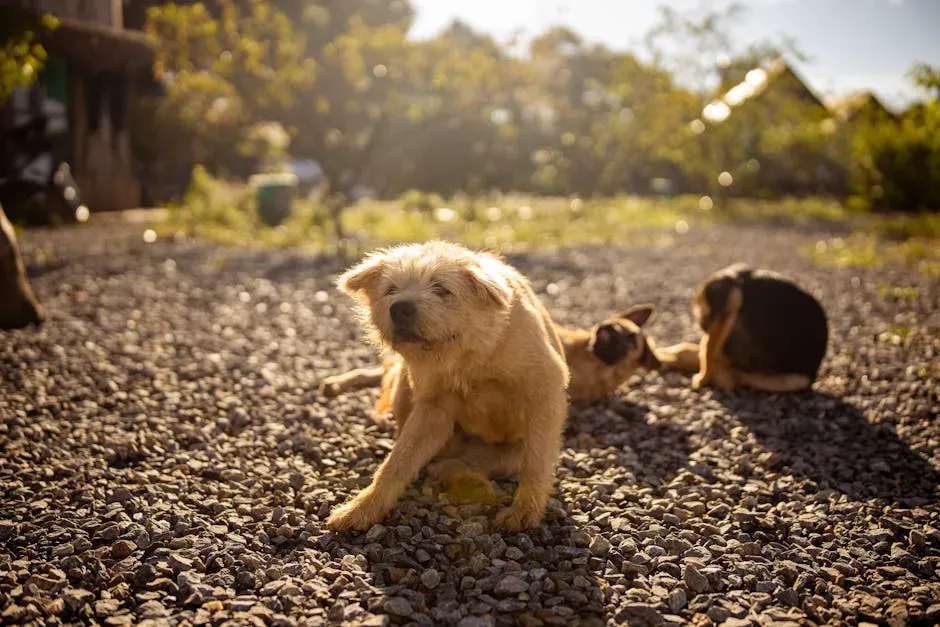
That absentminded scratch on their back as you pass from the kitchen to the hallway might not even register as a “real” interaction for you. But for your dog, that half-second of contact can be a mini reassurance that everything is fine between you. Touch is a massive social currency for dogs, much like a hug or handshake is for humans, and brief, gentle contact keeps the emotional bond topped up.
Many dogs actually position themselves strategically along your usual walking routes in the house because they’ve learned that being in your path increases their odds of these little love taps. They’re not just in the way for fun; they’re putting themselves where affection is most likely to fall, the way someone might sit closer to a campfire to feel the warmth without asking out loud.
5. The Sound of Your Keys… and Then You Coming Back
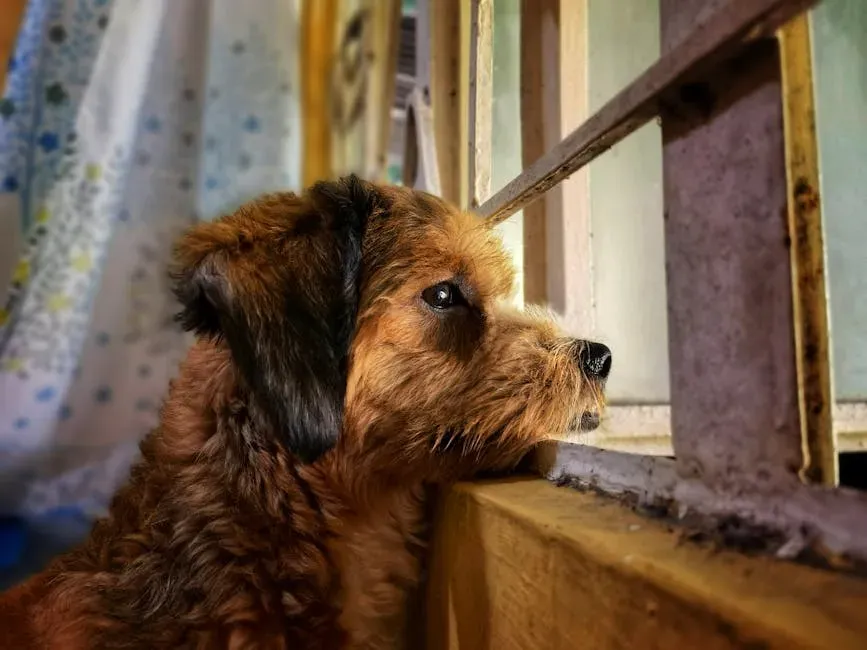
When you grab your keys, you might only be running to throw out the trash or pick up a package. For a lot of dogs, that jingle is associated with you leaving, and it can briefly spike their anxiety. So when you come back a minute later, even though it feels like absolutely nothing to you, it can be a small emotional roller coaster and a huge relief to them.
Over time, these “leave and quickly return” moments teach your dog that separations are temporary, not catastrophic. Every time you return calmly and act normal, you quietly train their nervous system to expect reunion after absence. To you it is a mundane errand; to your dog it is proof, again and again, that you always come back.
6. When You Laugh Out Loud
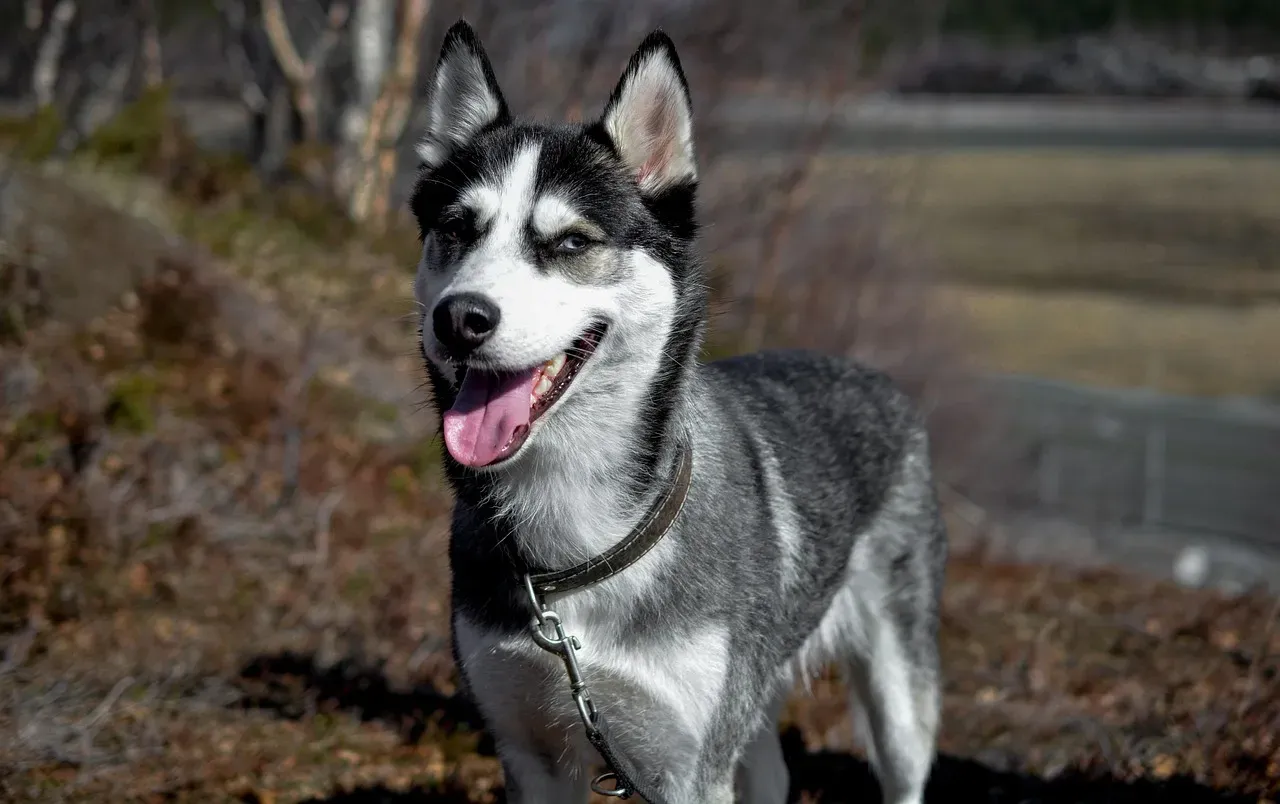
That random burst of laughter at a show, meme, or text barely registers as meaningful in your own day. But for many dogs, your laugh is like a sunny break in the emotional weather of the house. They read your body language, facial expressions, and tone constantly, and laughter is usually paired with relaxed muscles, softer eyes, and an overall lightness that signals safety.
Some dogs will rush over when they hear you laugh, wagging or play-bowing as if you just invited them into the fun. Others will simply breathe easier and settle more deeply at your feet. Your joy lowers the emotional “threat level” in their world, and even though they do not understand the joke, they understand the feeling behind it perfectly.
7. The Minute You Sit on the Floor
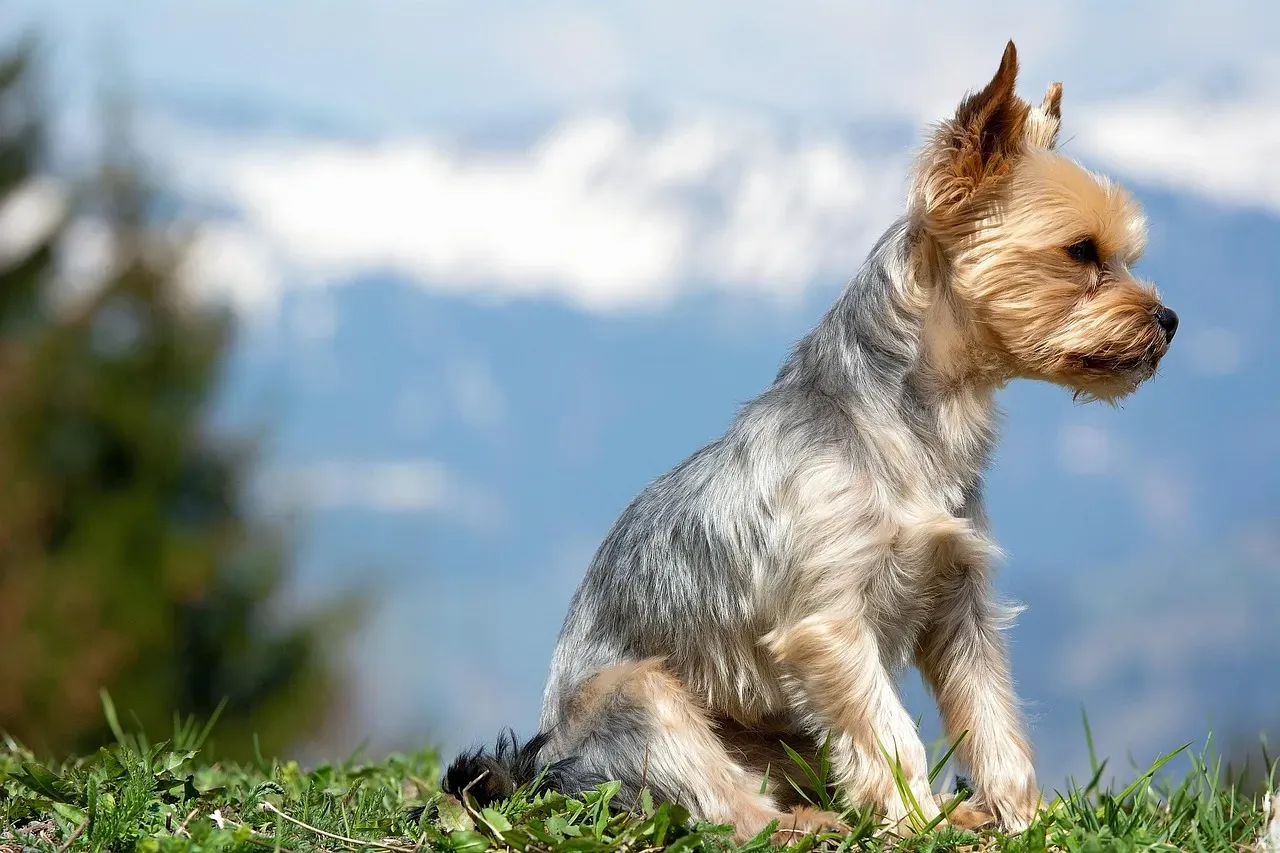
For you, dropping onto the floor might just mean stretching, looking for something under the couch, or sitting with your laptop for a change. To your dog, it is a rare and thrilling moment when the tall, busy human suddenly comes down to their level. Many dogs take this as an automatic invitation and will barrel straight into your space like you just opened the gates of an amusement park.
Being face to face with you changes everything for them. Your scent is stronger, your hands are easier to reach, and your body language becomes clearer. Even if you only intend to sit there for a short time, those seconds of closeness feel deeply intimate to a creature that spends most of their life looking up at you from the floor.
8. When You Come Out of the Bathroom
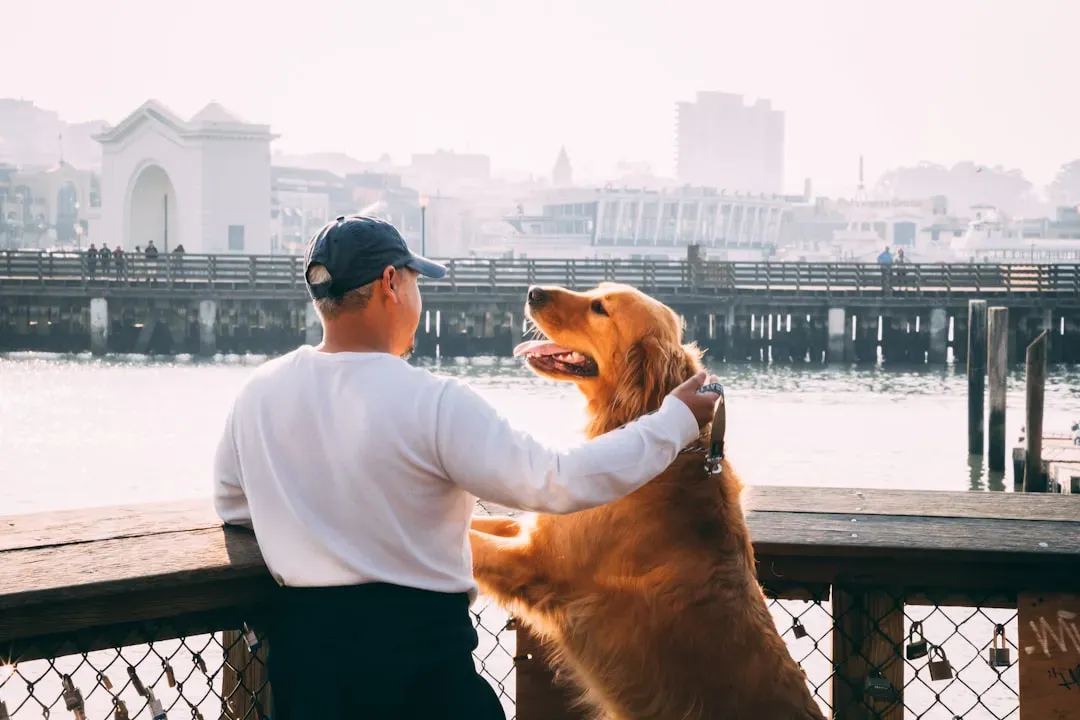
It is almost comical to humans how intensely some dogs greet them after a simple bathroom trip. To you, closing that door for a minute or two is so routine you barely think about it. To your dog, who has no grasp of how long you will be in there or why you vanished behind a barrier, your reappearance can feel like a mini reunion worth celebrating.
This is less about drama and more about attachment. Dogs are social animals that evolved to stick close to their group, and closed doors interrupt that closeness, even for a moment. When you open the door again, your dog’s little tail-wagging explosion is their way of saying, “Good, you’re safe, we’re together again,” even if you were gone for less than the time it takes to wash your hands.
9. The Exact Way You Prepare Their Food
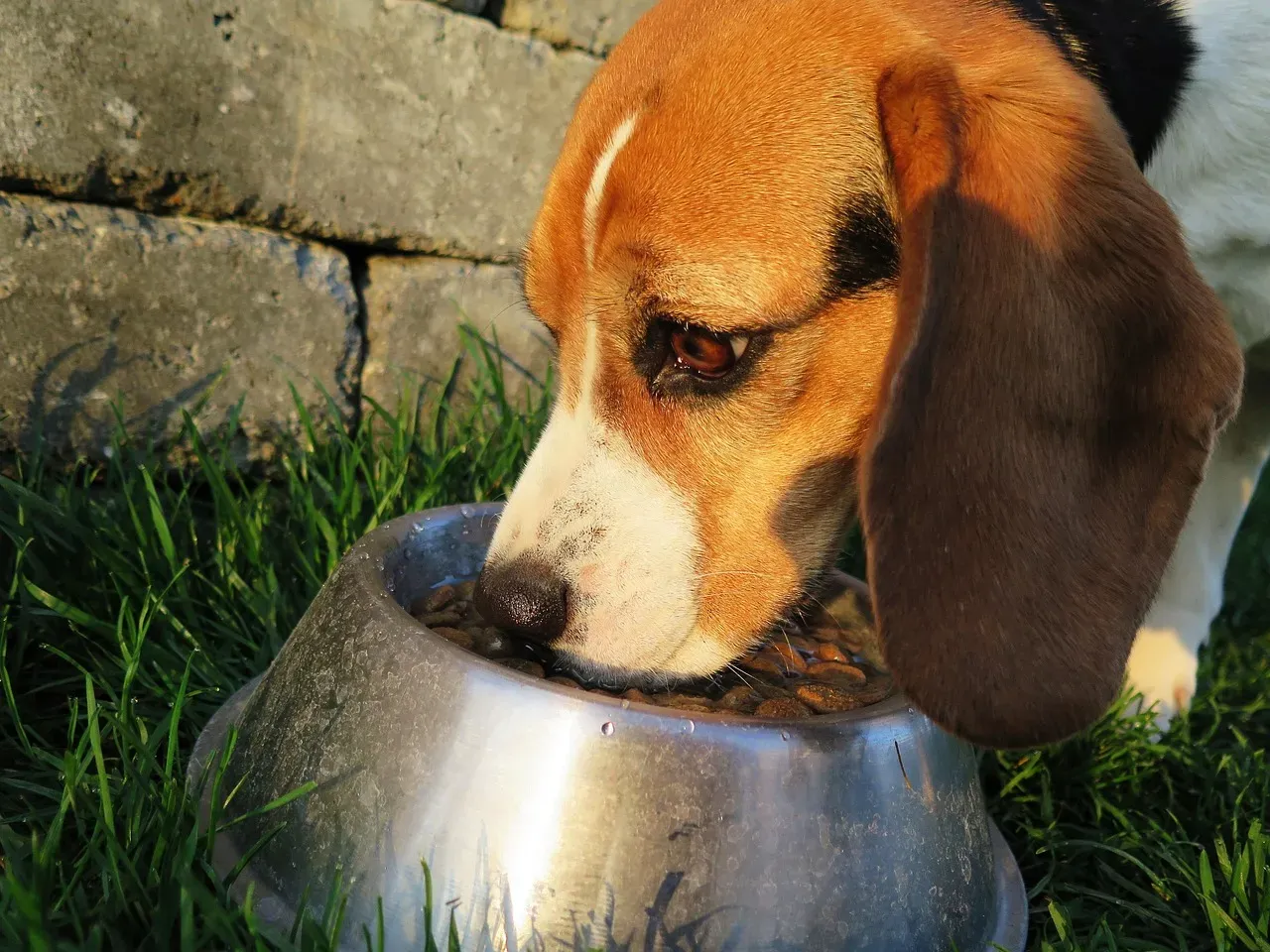
For you, scooping kibble and topping it with water or a spoonful of something tasty is muscle memory, a task you could almost do with your eyes closed. Your dog, however, is tracking every micro-step of that ritual: the sound of the cabinet, the clink of the bowl, the movement of your hand between bag and counter. This predictable sequence is one of the most reliable, comforting patterns in their entire day.
Dogs thrive on routine because it makes their world feel understandable and safe. The fact that you repeat the same food ritual, in almost the same way, at roughly the same time, provides a sense of structure that many human adults now pay for in the form of planners and wellness apps. To your dog, you are their living, breathing schedule, and that simple act of preparing dinner is a promise kept again and again.
10. When You Invite Them Onto the Couch or Bed
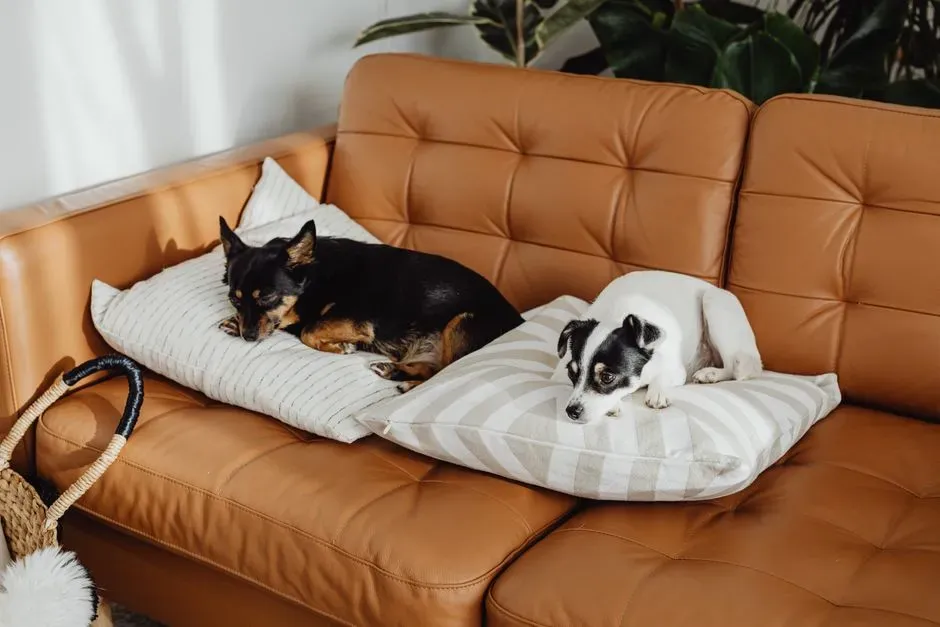
To you, patting the couch or lifting the blanket feels like an impulsive decision: sure, hop up, I guess. To your dog, that permission is a powerful signal that they are not just a pet who lives in your space, but a family member allowed in the soft, cozy heart of it. Many dogs understand perfectly well that furniture access is a privilege, and being invited up can send their emotional value meter sky-high.
Sharing a soft surface with you also means sharing scent, warmth, and heartbeat sounds at close range. That kind of physical closeness strengthens attachment in a way no training session ever could. Even if you only allow it sometimes, those rare, special invitations can be the highlight of your dog’s entire week, long after you have forgotten you even did it.
11. The Moment You Choose Them Over a Distraction
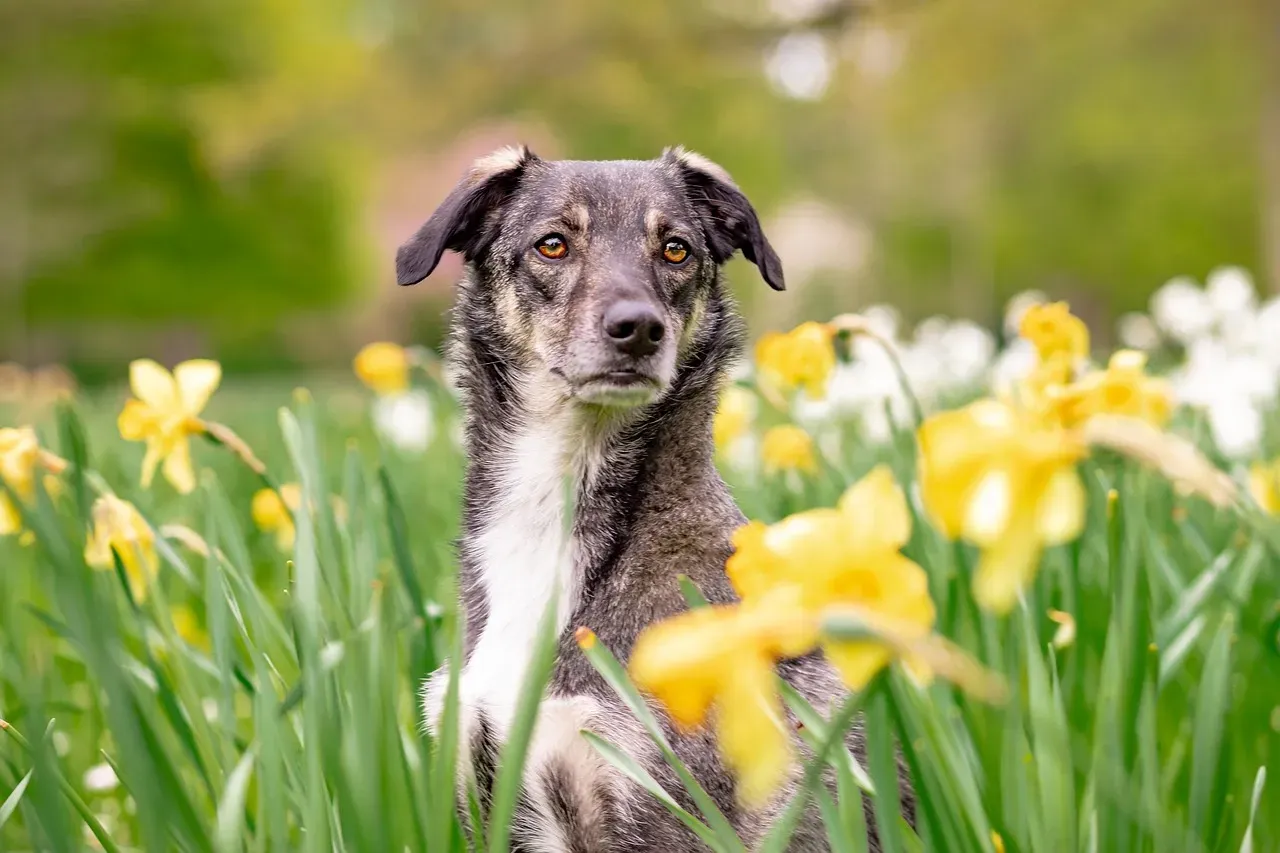
Think about the tiny decisions you make without noticing: closing your laptop instead of clicking the next video, muting the TV to throw the toy one more time, ignoring a non-urgent notification so you can keep scratching their ears. Those choices probably feel trivial or purely practical. To your dog, they are loud, clear messages that they matter more to you than the noise around you.
Dogs might not understand technology, but they quickly understand patterns. If they see that every time a certain sound plays you disappear into a screen, they feel that loss of attention keenly. So when you break that pattern in their favor, even once in a while, it is like telling them, “You win. You’re more important.” That is a small moment to you, but it shapes their entire sense of worth in your shared little world.
12. When You Come Home in a Good Mood
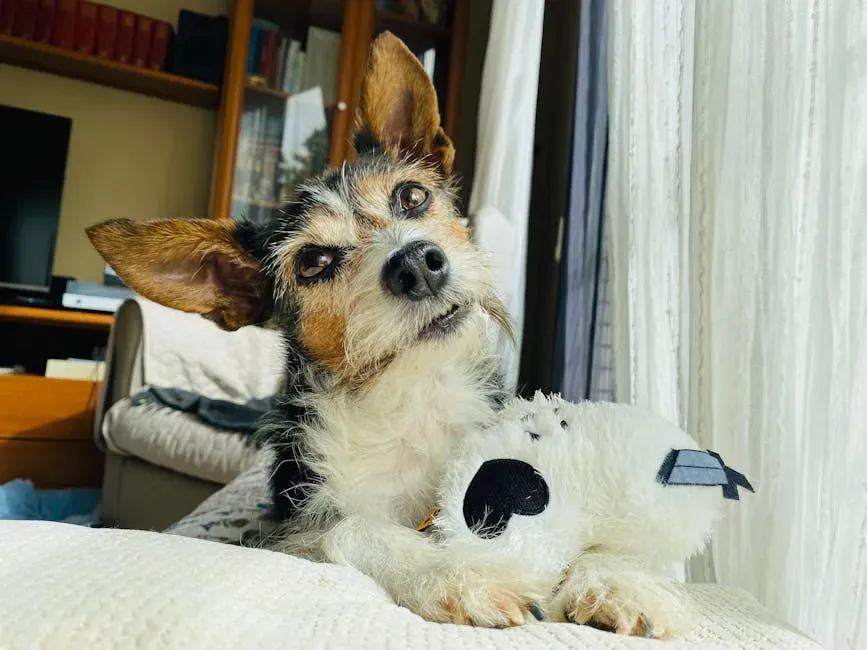
Walking through the door at the end of the day is such a normal event that you might not think about the emotional version of yourself that crosses that threshold. Your dog, on the other hand, reads your energy instantly. On the days you come home with light shoulders, a relaxed face, and an easy voice, you are not just returning; you are bringing sunshine into their universe.
Dogs are deeply influenced by the emotional climate of their humans. When you drop your bag, grin, and greet them with enthusiasm, you basically flip their internal switch to joy. On tough days, it is obviously not always possible, and that is okay, but the days when you do walk in happy create a powerful association: front door opening equals good things, safe feelings, and a life worth tail-wagging about.
13. The Little Training Cues You Use Without Thinking
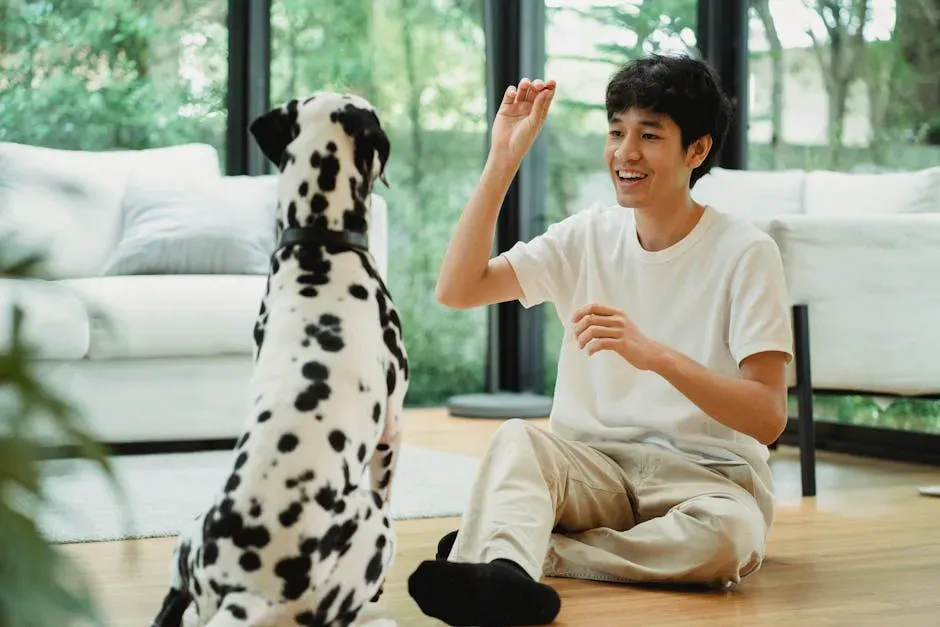
Maybe you say “wait” in a certain calm tone before opening the door, or “okay” before they eat. Maybe you snap your fingers when you want them to move aside. These habits become so automatic that they barely feel like training anymore. To your dog, though, these cues are a shared language that allows them to understand what you want and succeed at being part of your world.
Getting it right is a huge source of pride and relief for many dogs. When you give a cue they understand and then praise them, even lightly, it reduces uncertainty and builds confidence. These tiny, repeated successes are like daily little wins at work or school, except your dog’s entire resume is basically “I made my person happy.” That might sound simple, but for them, it is everything.
14. When You Notice They Are a Little Off
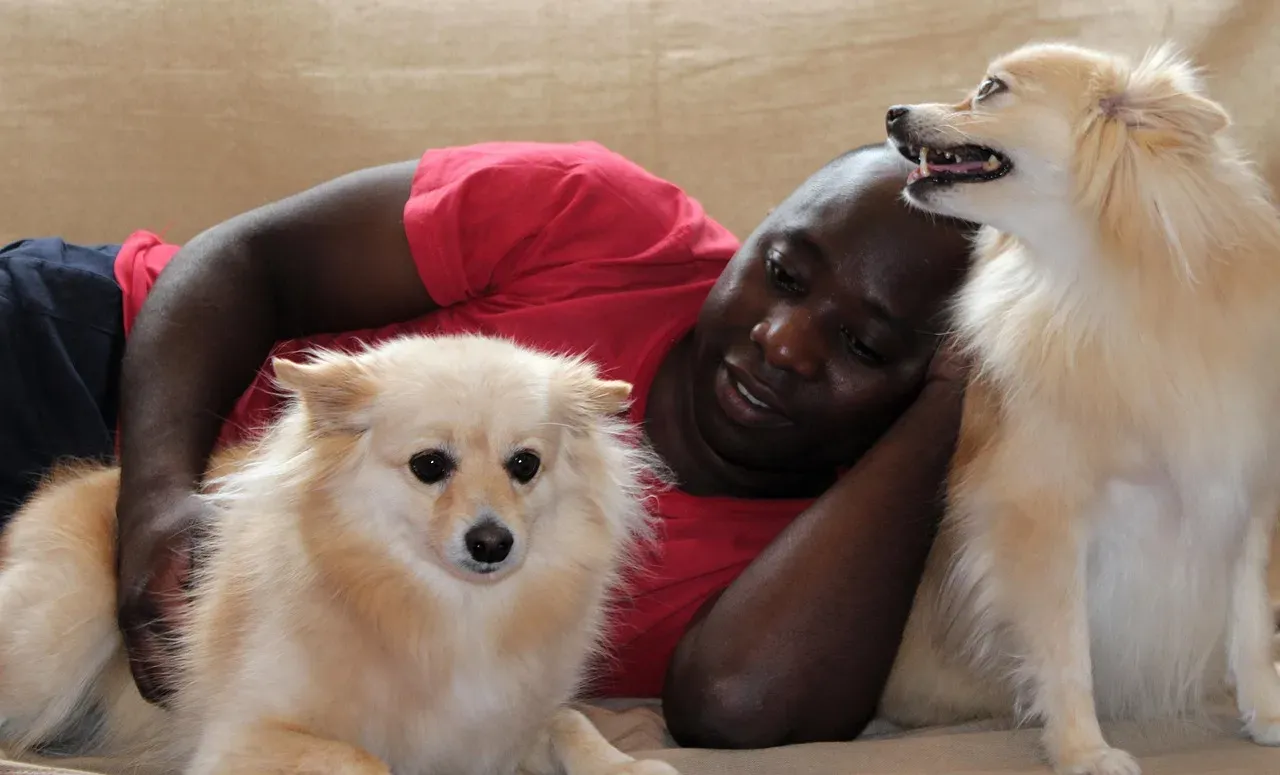
You might casually say, “You seem tired today,” or “You’re not as bouncy, huh?” and then move on with your evening. But simply noticing and responding to small changes in your dog’s behavior can be a huge deal. Dogs cannot tell you they are sore, anxious, or overstimulated with words, so when you read their signals and adjust, it is a powerful, trust-building moment.
Maybe you cut the walk short because they lag, skip the loud game because they seem overwhelmed, or just sit with them because something feels different. Those choices tell your dog that you are paying attention, that their comfort matters, and that you will adapt for them. For a creature who is entirely dependent on you for care, that quiet sense of being understood is priceless.
15. The Last Thing You Do Before Bed
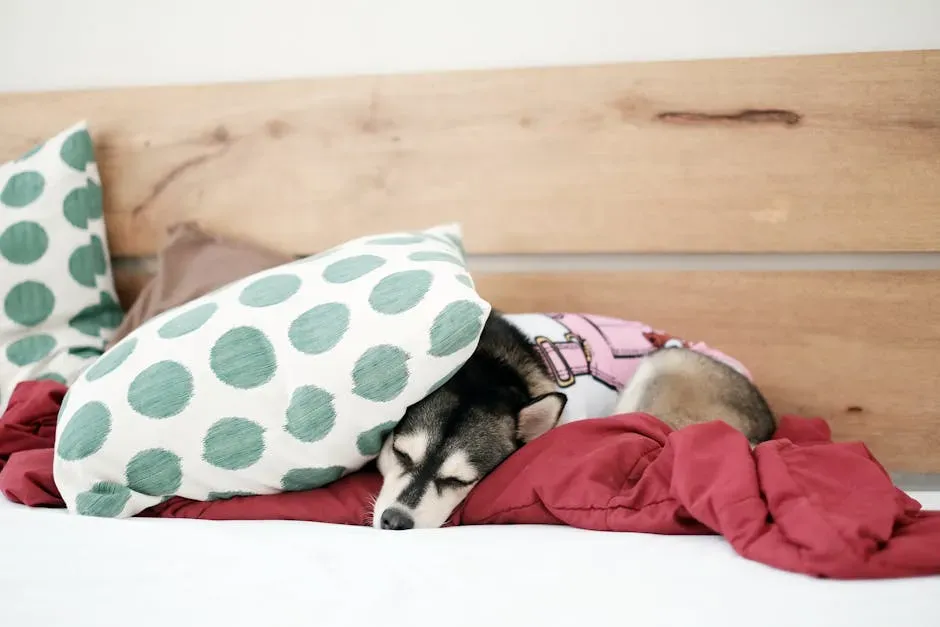
That final pat, soft word, or quick blanket adjustment before you turn out the lights might feel like a habit you barely registered when it started. For your dog, though, this moment is the emotional period at the end of their daily sentence. It signals that the day is officially over, the “pack” is settled, and they can fully relax without worrying about what happens next.
Whether you tuck them into their crate, straighten their bed, or just murmur their name as you walk past, you are quietly telling them, “We made it through another day together.” Dogs do not track time the way we do, but they absolutely track patterns. Ending the day with even a tiny act of affection becomes a ritual that wraps them in a sense of continuity and safety, night after night.
Conclusion: The Little Things Are the Whole Story
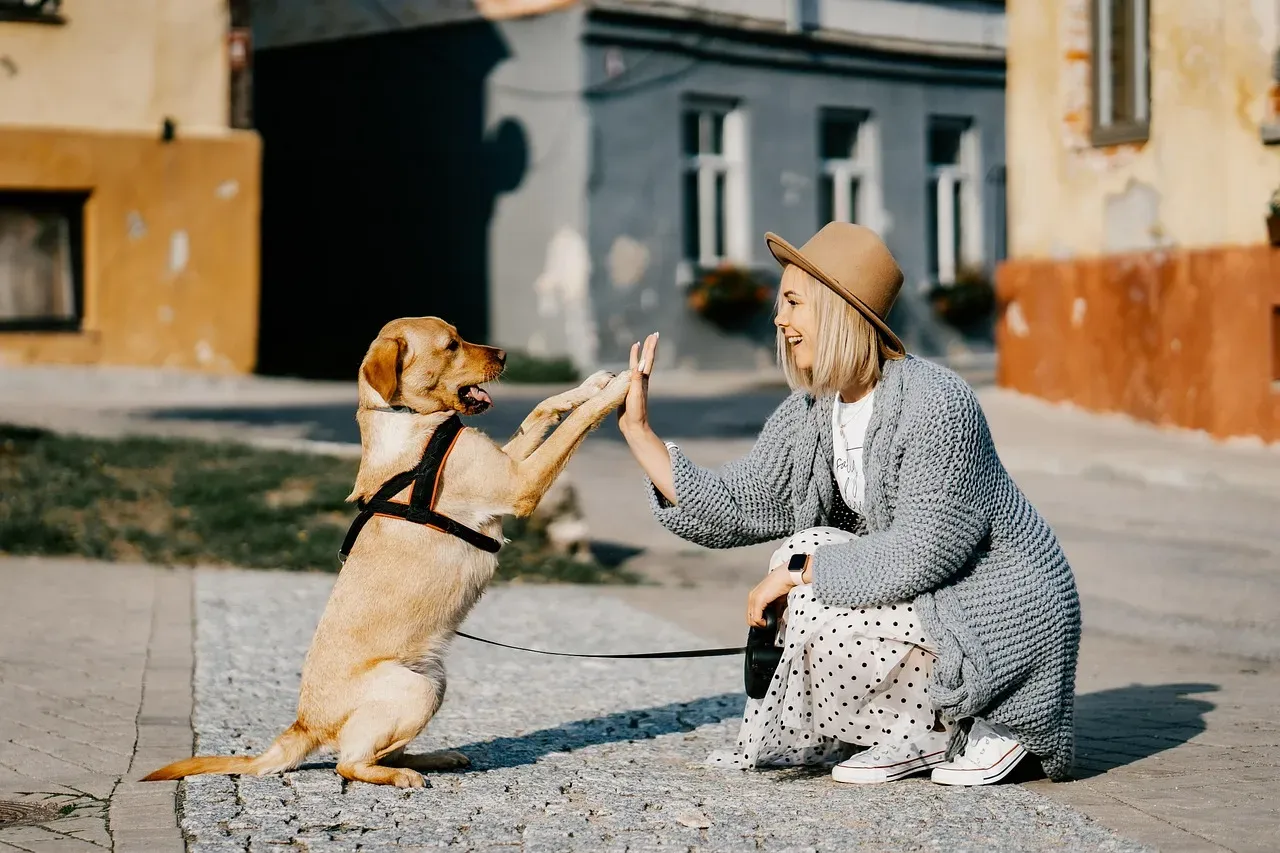
We like to think love lives in big gestures: the special birthday toy, the massive backyard, the perfect training class. Those things are wonderful, but your dog is mostly building their emotional life out of scraps of your everyday behavior. A glance, a laugh, a hand on their fur as you pass by the sink – these are the threads that quietly weave their entire sense of home and happiness.
I honestly think that is the most humbling and beautiful part of living with a dog: you do not have to be perfect, rich, or endlessly available. You just have to show up in small, consistent ways that tell your dog, over and over, “You matter to me.” The real question is, now that you know how big your tiny moments really are, which one are you going to start paying attention to today?