
10 Ways Your Dog Shows They Missed You Without Going Crazy at the Door
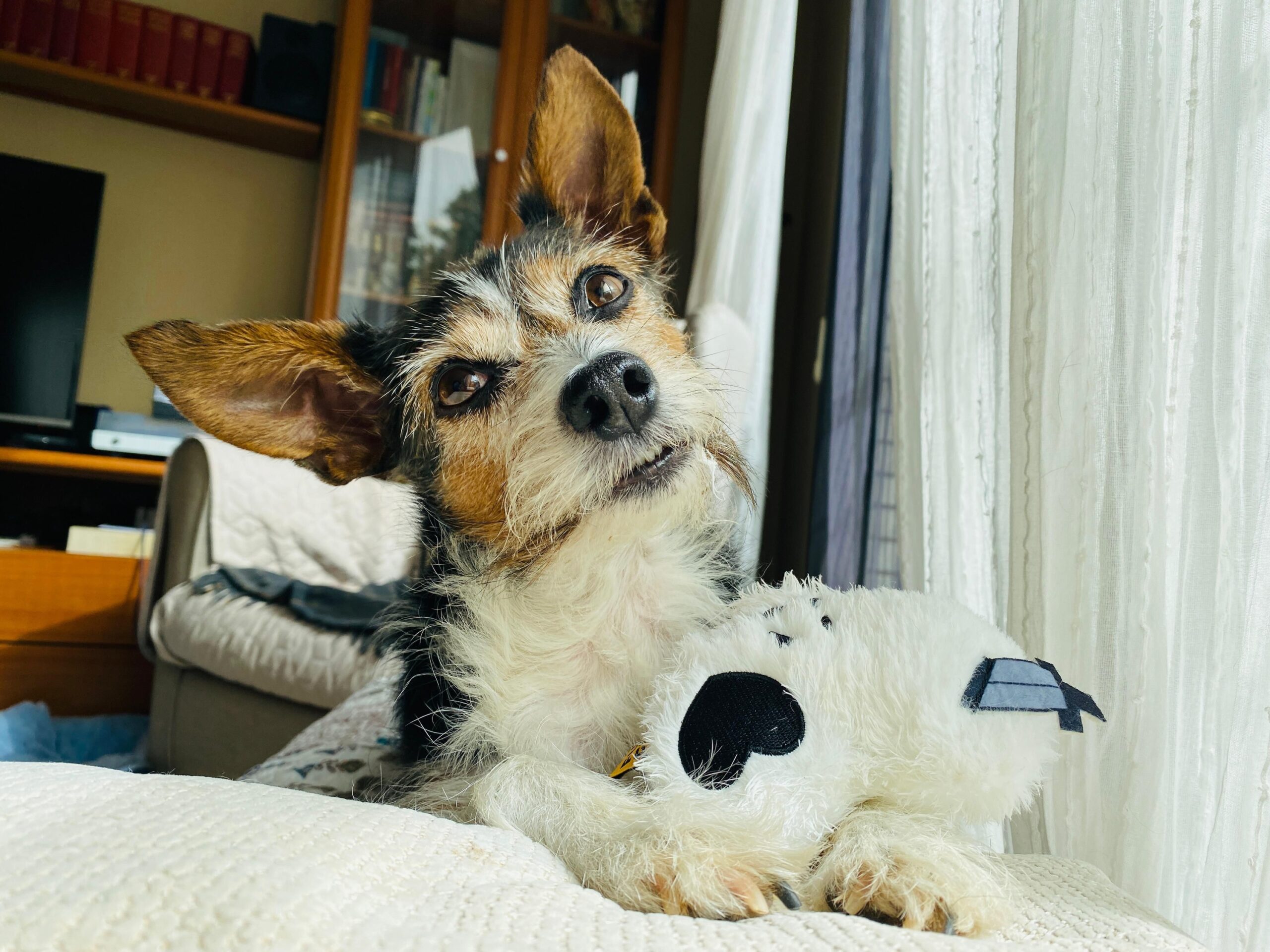
You know that warm little jolt you feel when you turn the key, step inside, and see your dog’s face light up? For a lot of people, that moment is pure magic. But not every dog is the type to bounce off the walls, body‑slam the door, or howl the house down. Some are much more subtle about it, and if you do not know what to look for, you might miss just how deeply they care that you are finally home.
This quieter kind of reunion is just as emotional, sometimes even more touching. It is written in tiny choices: where they stand, how they blink, the way they breathe when they settle near you. When you start noticing these small details, your everyday homecoming stops being a throwaway routine and turns into a little love story you get to rewatch over and over again.
1. The Soft “Shadow” Greeting: Calmly Following You From Room to Room
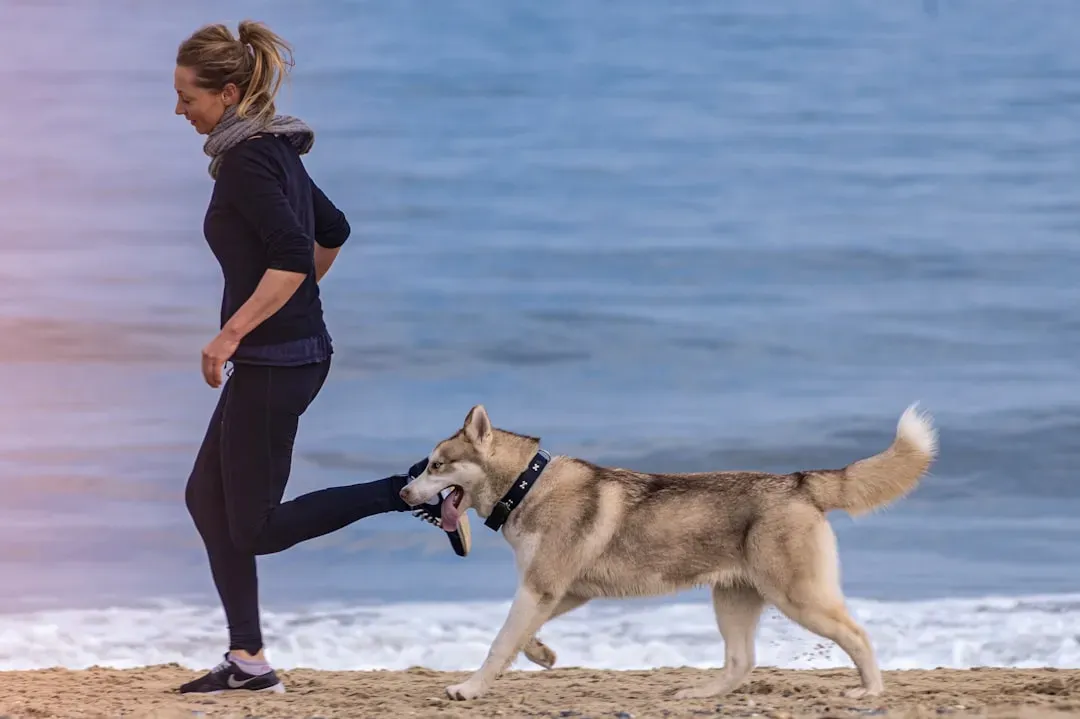
Some dogs do not explode with excitement; they simply become your shadow. You walk into the kitchen, they glide in behind you. You head to the bedroom, they quietly pad along, not demanding, just there. This gentle tailing is often a huge sign they missed you, but they have learned to keep it together instead of rushing the door like a freight train.
Think of it as their way of double‑checking that you are real and you are staying. They do not need to jump or bark; they just want to be in your orbit again. I had a dog who would pretend to be indifferent, then miraculously “need” something from every room I visited for the next half hour. It looked casual, but it was absolutely her version of a full‑body hug.
2. The Slow, Melty Eye Contact That Says “You’re Back”
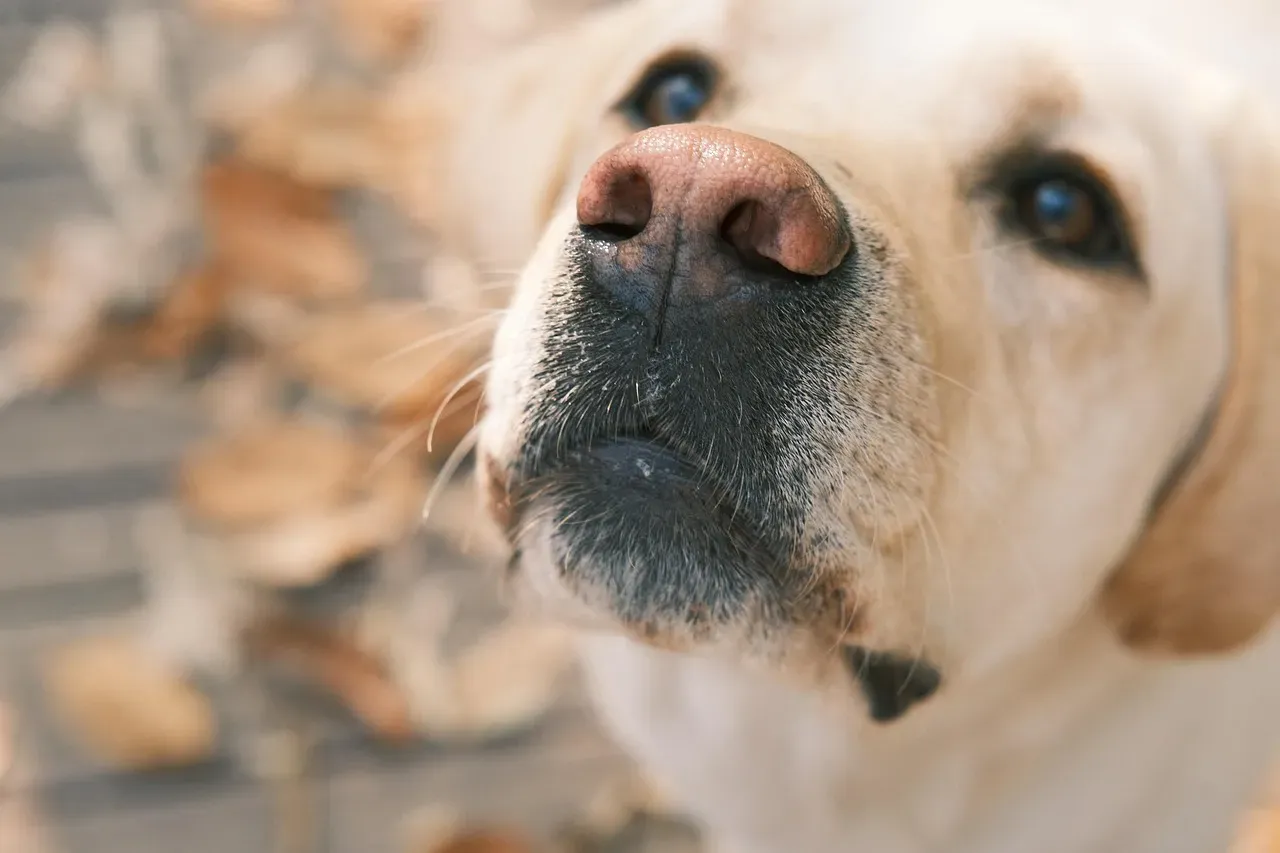
That soft, lingering eye contact when you first sit down after coming home is not random. Many dogs will lock eyes with you for a few seconds, blink slowly, and then relax their face and ears. It is not a stare‑down; it is more like the emotional equivalent of a deep sigh of relief. They are soaking in the fact that their favorite person is back in their line of sight.
Some dogs will even check your face repeatedly, almost like they are memorizing it all over again. This slow, melty gaze can seem small compared to a dog that screams the house down, but in dog language, relaxed eye contact is a strong sign of trust and emotional connection. It is your dog’s quiet way of saying they missed your presence, not just your food scoop.
3. The Gentle Lean or Subtle Body Contact
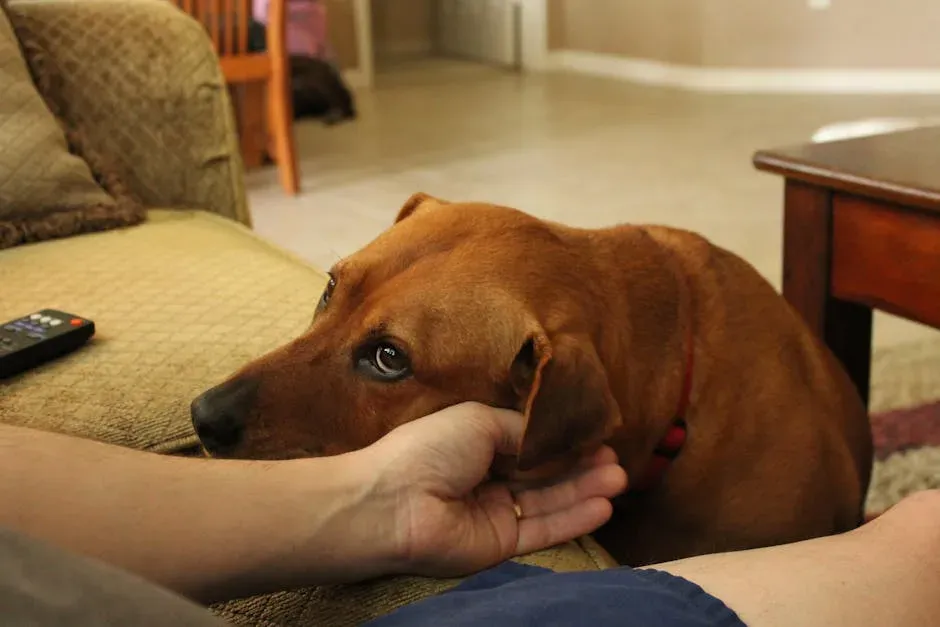
If your dog walks up after you get home, sighs, and just leans a bit of their weight against your leg or hip, that is not accidental. That gentle pressure is often a calming, grounding behavior. They are close enough to feel you, but not so in your face that they seem “crazy.” It is like the dog version of sitting shoulder‑to‑shoulder on the couch with someone you love.
Some dogs will slide a paw onto your foot, rest their chin on your knee, or sit with their back just barely touching your ankle. These tiny points of contact act like emotional anchors. They are reaffirming that you and they are a unit again. It is surprisingly easy to overlook, but once you notice it, those little leans hit you right in the chest.
4. The Calm Tail Language: Wagging From the Middle Back
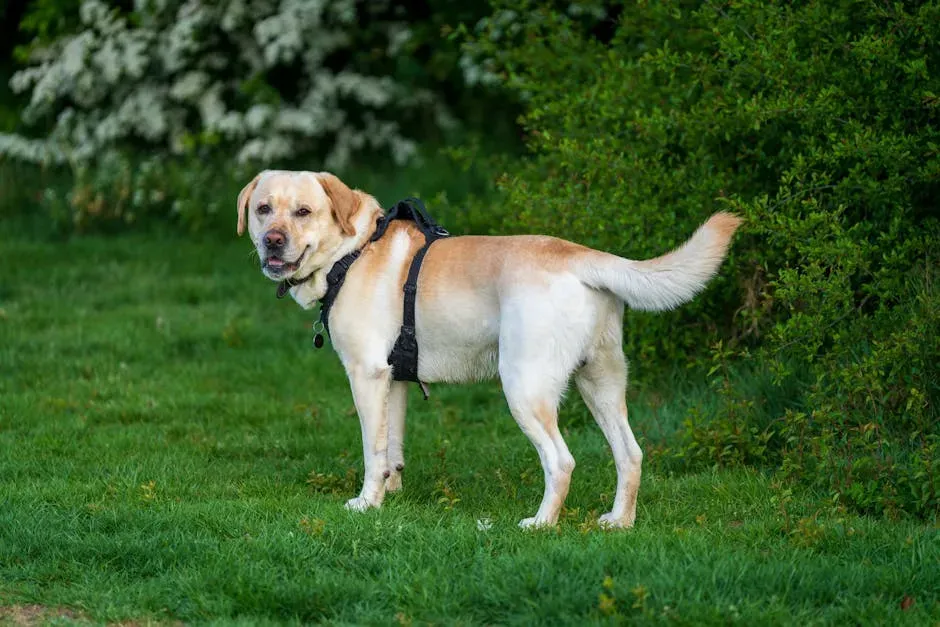
Not every “I missed you” looks like a helicopter tail that whacks the walls. A lot of relaxed, well‑adjusted dogs show their happiness with a moderate, rhythmic wag that starts at the middle of the tail and gently flows through the hips. The rest of their body looks loose and easy; they are not bouncing or pacing, just standing there radiating quiet joy.
Different dogs have different natural tail styles, so the key is the change from their normal resting pose. If your usually neutral‑tailed dog suddenly has a softly wagging tail, relaxed face, and wiggly body when you walk in, that is a clear sign they are happy you are home, even if they are not losing their mind. It is understated, but that makes it kind of beautiful.
5. The “Show and Tell” Ritual With Toys or Objects
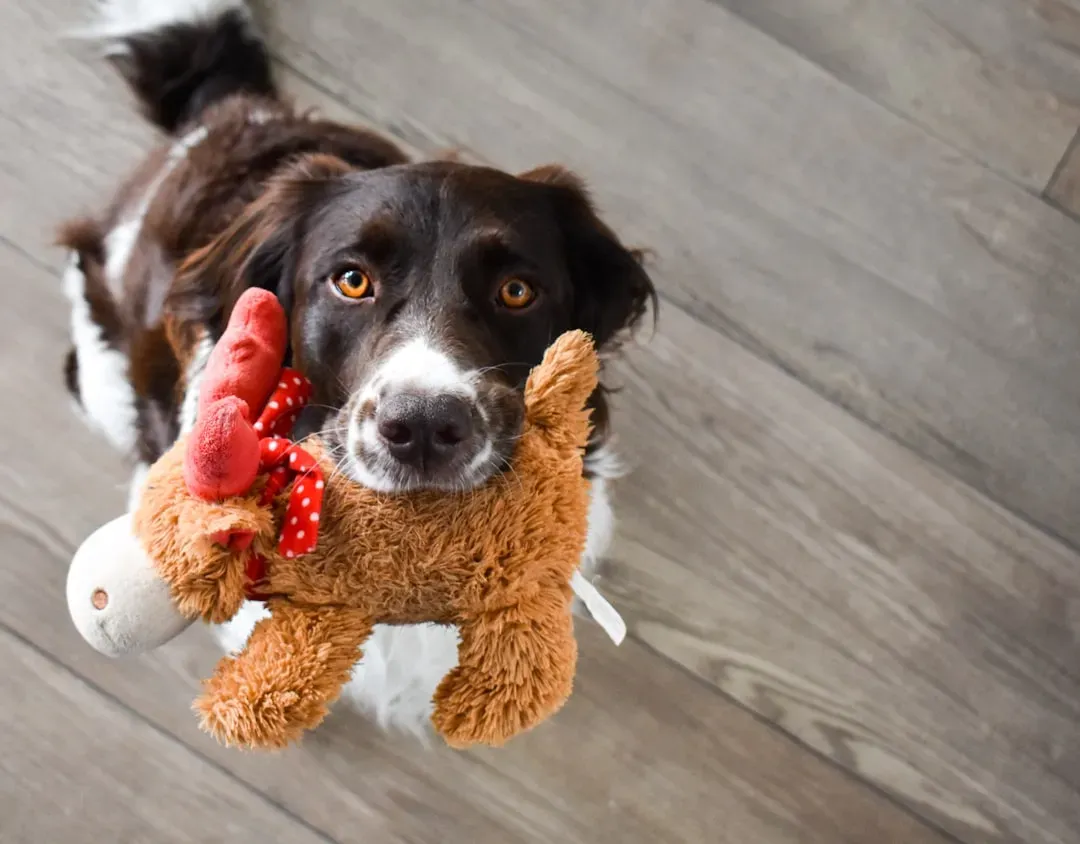
A lot of dogs greet their humans by trotting over with a favorite toy, sock, or suspiciously suspicious item they “found” in the laundry basket. This is not always about fetching or playing. Often, it is a ritual: you left, now you are back, and they are bringing something that matters to them into the shared space again. It is their way of including you in their little world.
Some dogs will not even drop the toy; they may just prance around you, head slightly low, tail wagging, showing off their prize. They are not going wild at the door, but that quiet excitement is written all over their body language. It is a mix of “Look what I have been doing without you” and “I want to share this with you now that you are home.”
6. The Nose‑First Check‑In: Calm Sniffing and Scent Reset
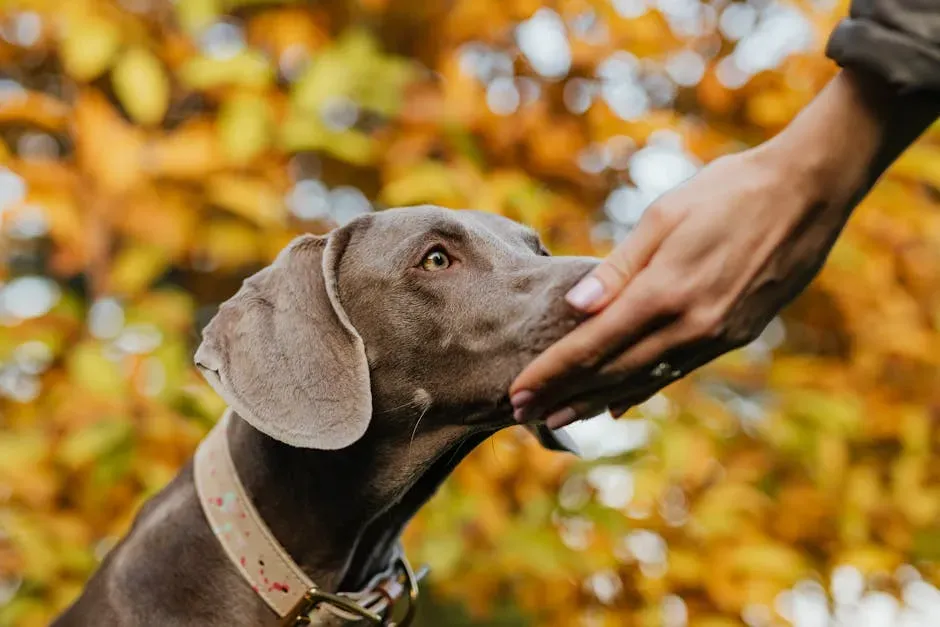
When you come home, your scent is different: car, office, gym, coffee shop, other dogs. A dog who missed you might come over and, instead of jumping, do a detailed, calm sniff of your hands, shoes, and clothes. It can feel a bit like being scanned by a very polite security guard. They are catching up on where you have been and updating their mental map of your day.
This sniffing is not just curiosity; it is emotional too. Dogs experience the world through smell, and your scent is their favorite playlist. When they investigate you calmly but thoroughly, they are reconnecting with the story of you. They are not barking their head off, but the intensity of that quiet sniffing says a lot about how much they care that you walked back through the door.
7. The Sudden Relaxation: From Alert Mode to Deep Chill
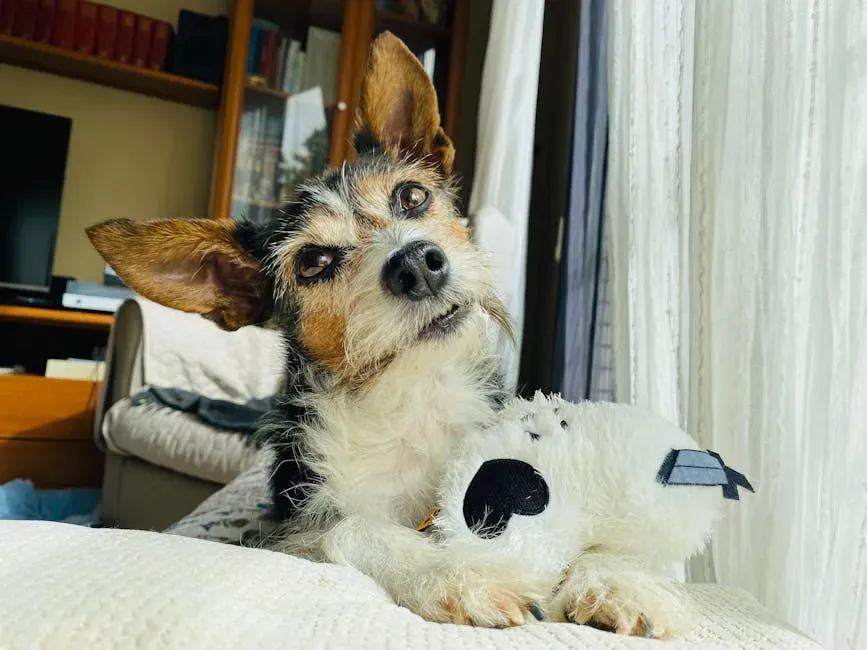
Many dogs hold a baseline level of alertness when their main person is gone, even if they nap. When you return, one of the clearest signs they missed you is how quickly they shift from that on‑guard energy to deep relaxation. They may circle once, check you over, then flop onto their side or back near you and finally sink into a proper, heavy sleep.
This is not laziness; it is trust. Your presence signals that the “watch” is over and the world feels safe again. I have seen nervous dogs that pace when alone, but once their person comes home and sits down, they practically dissolve into the floor. They might not sprint to the door when you arrive, but the way they finally let go once you are back is its own kind of love letter.
8. The Quiet Check‑Ins While You Settle Back In
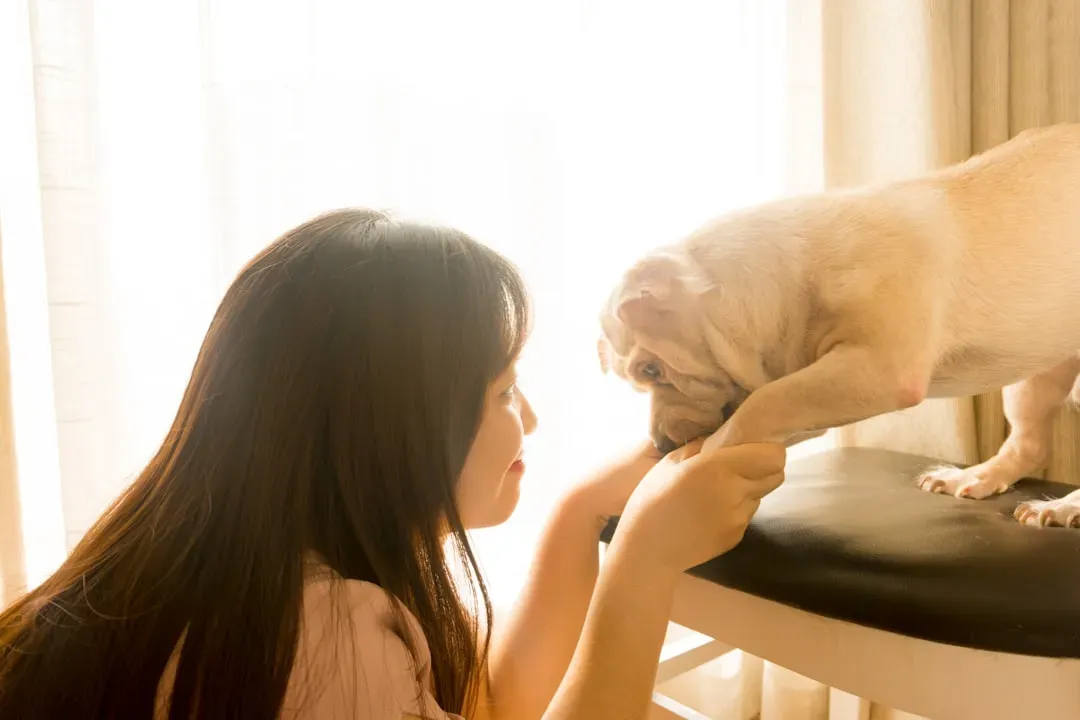
Picture this: you come home, put your bag down, head to the bathroom, start making a snack. Your dog does not crowd you, but every few minutes they wander over, make brief eye contact, maybe brush your leg with their nose, and then go lie down again. This pattern of repeated, gentle check‑ins is a big clue that they are happy you are home and are still emotionally processing it.
It is almost like they keep thinking, “Still here? Good. Just making sure.” These drive‑by moments can look casual, but they are intentional. Dogs that feel secure do not always express their attachment in big explosions. Instead, they weave it into the background of everything you do in those first few minutes back together, and those quiet touches are their way of stitching the bond back up after time apart.
9. The Change in Their “Neutral” Behavior After You Return
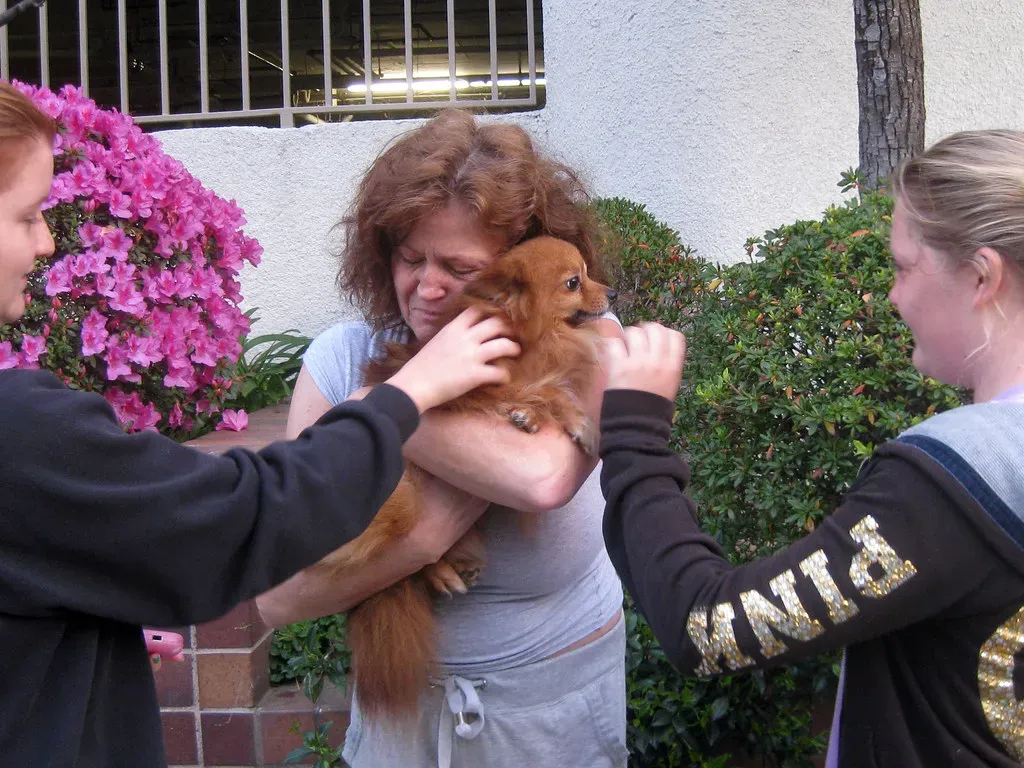
Sometimes the strongest sign they missed you is not a single greeting behavior at all, but the way their whole vibe shifts once you are home. Maybe while you were away they barely touched their toys, but once you return they start playing again. Or they might have been resting in another room, yet after you walk in, they choose a new spot that keeps you in sight.
Dogs are masters of routine, and your presence is often the centerpiece of that routine. When you see their normal habits snap back into place once you return, that is a subtle but powerful indicator that your absence actually mattered. They did not make a huge scene at the door, but their entire day just quietly re‑aligned around you like a compass finding north.
10. The Soft Vocalizations and Happy Little Sighs
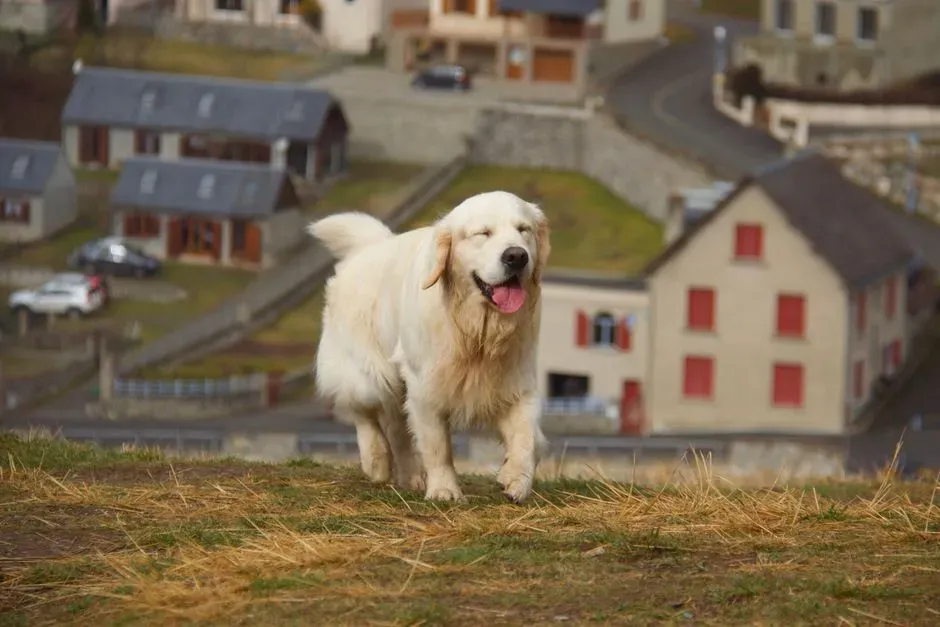
Not all vocal dogs go for loud barking when you come home. Some use softer sounds: a gentle whine, a tiny “woo,” or low, content grumbles when they stretch and roll near you. Others do not vocalize at all until you sit down, and then you hear that long, happy exhale as they curl up nearby. To a lot of dogs, those small sounds are part of their emotional language.
Pay attention to the difference between an anxious whine and a relaxed, wiggly little murmur paired with a loose body and soft eyes. Those quiet noises are often the soundtrack of reunion. Your dog is not going wild at the door, but they are absolutely telling you that your arrival just changed their emotional weather from cloudy to warm and sunny.
Conclusion: Subtle Love Is Still Loud to a Dog
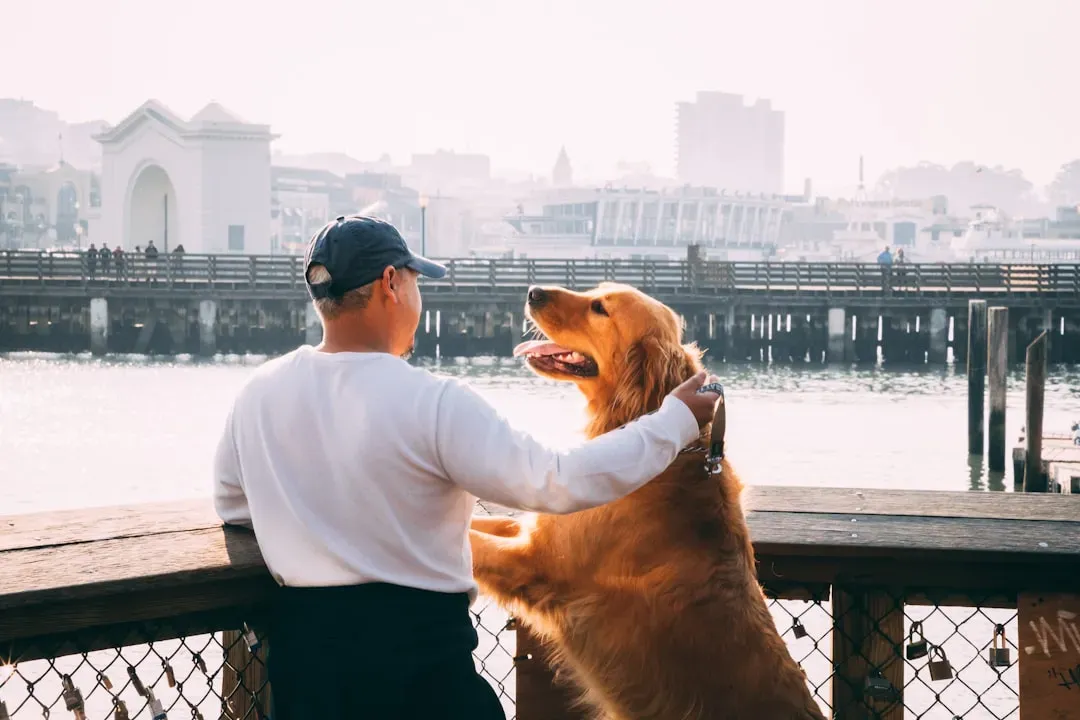
There is a strange pressure in dog culture right now to see over‑the‑top greetings as proof of how much your dog loves you. Honestly, that is not just wrong, it can be harmful. A calm, thoughtful dog that greets you with soft eyes, gentle contact, and steady body language is not “less attached”; they are often better regulated and more secure in the relationship than the dog who is spinning out at the door.
Once you start reading these quieter signs, your everyday reunions get a lot deeper. You stop measuring love in decibel levels or claw marks on the door and start noticing the way your dog silently rearranges their world around you the second you walk in. That kind of steady, grounded devotion is easy to miss and hard to forget. Now that you know what to look for, which of your dog’s little habits are suddenly making a lot more sense?