
12 Quiet Ways Your Dog Tries to Stay Connected to You Without Asking for Attention
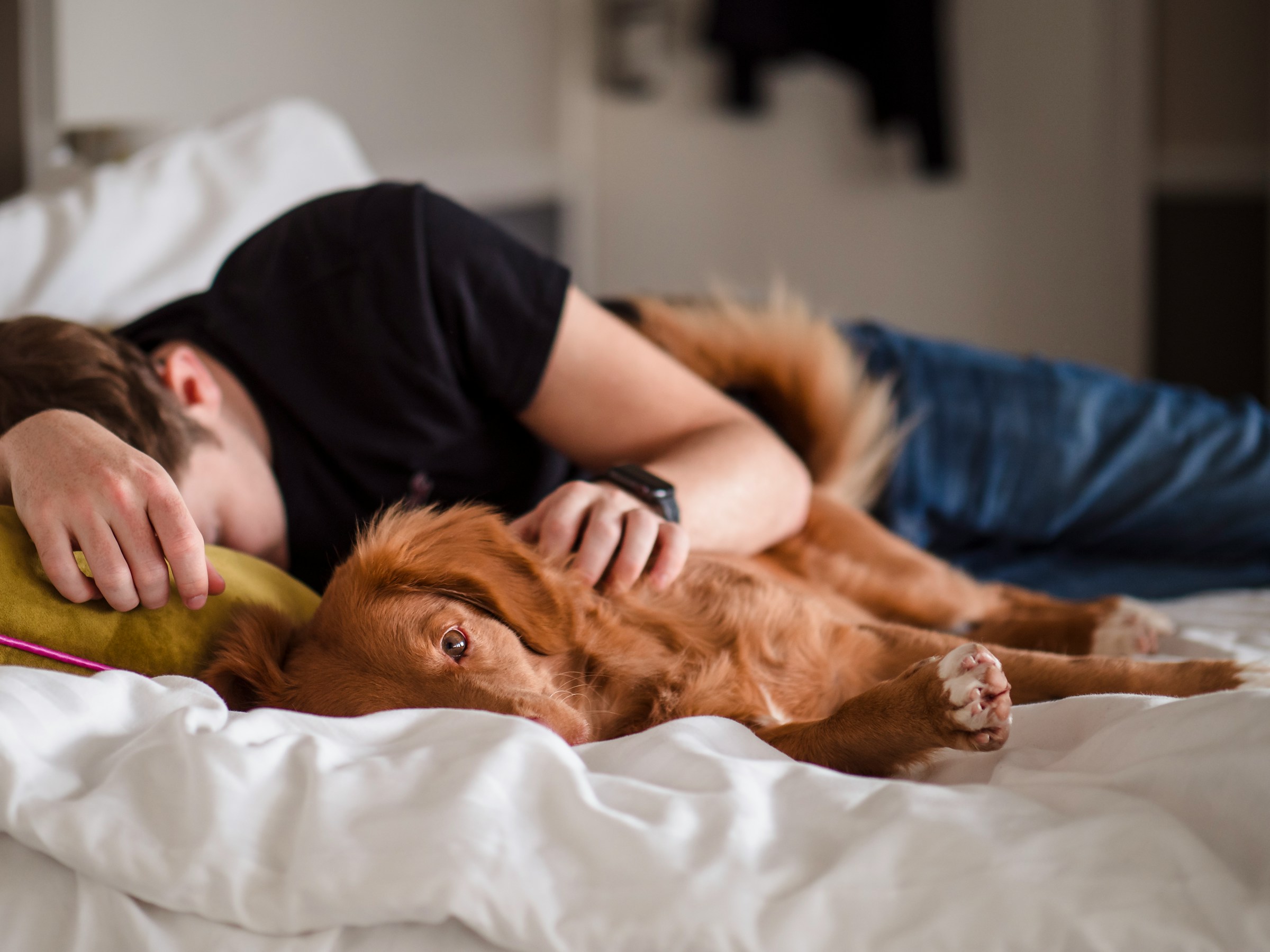
Dogs are famous for wagging tails, happy spins, and in-your-face kisses. But a lot of the time, the most meaningful ways they stay connected to us are almost invisible. They do it in little, quiet rituals that most of us walk past without really noticing, even though those tiny moments say more than the biggest zoomies ever could.
I still remember realizing my own dog had memorized the sound of my car and would quietly wander to the hallway five minutes before I opened the door. No barking, no drama, just… waiting. It hit me that dogs are constantly reaching out to us in soft, subtle ways, like a friend who sits next to you in silence because they simply want to be there. Once you start seeing these quiet signals, you’ll never look at your dog the same way again.
1. Shadowing You From Room to Room
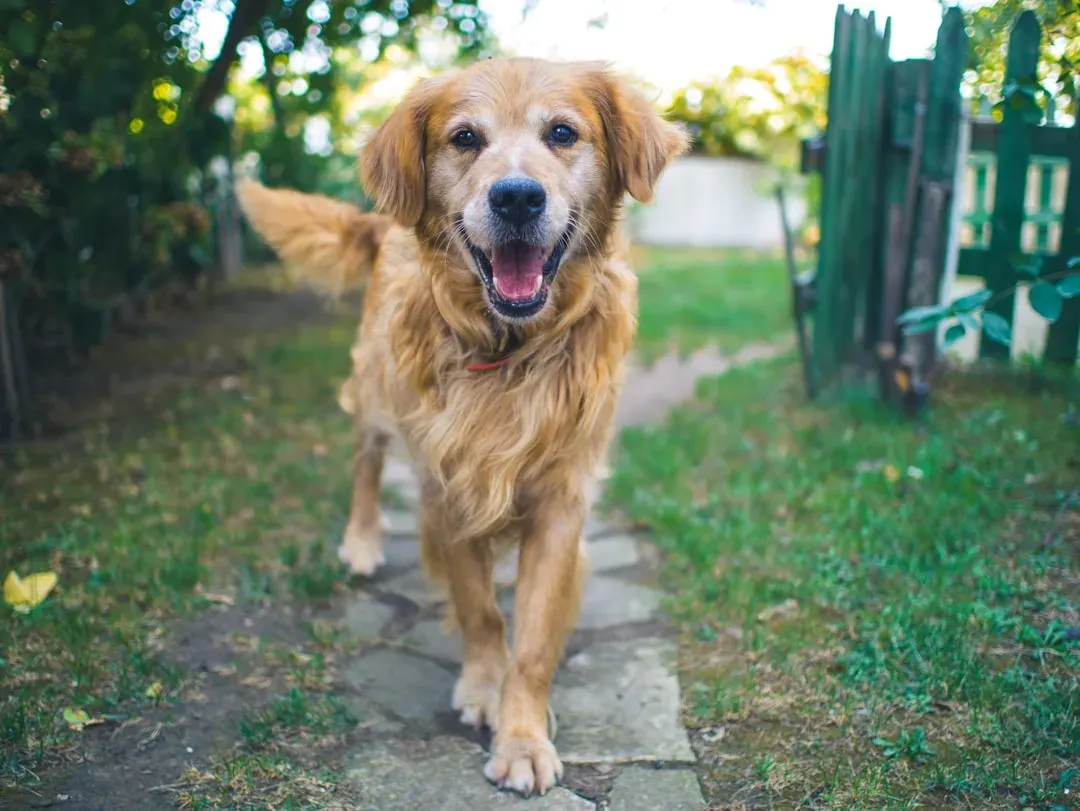
Have you noticed how your dog will quietly follow you around the house, not whining, not asking to play, just… there? That gentle shadowing is one of the clearest signs your dog is trying to stay emotionally synced with you without demanding anything. They’re checking where you are, what you’re doing, and whether you’re okay, like a soft little bodyguard who happens to have four paws and questionable drool control.
Even when they lie down a few feet away instead of right under your legs, they’re placing themselves where they can see or sense you. Many dogs evolved to stay near their humans as a kind of social anchor; being in your orbit simply feels safe and right to them. The next time you walk from the couch to the kitchen and hear those soft paws padding behind you, that’s not clinginess for the sake of it – that’s your dog quietly saying, “Where you go, I go too.”
2. Settling Nearby, But Not On Top of You
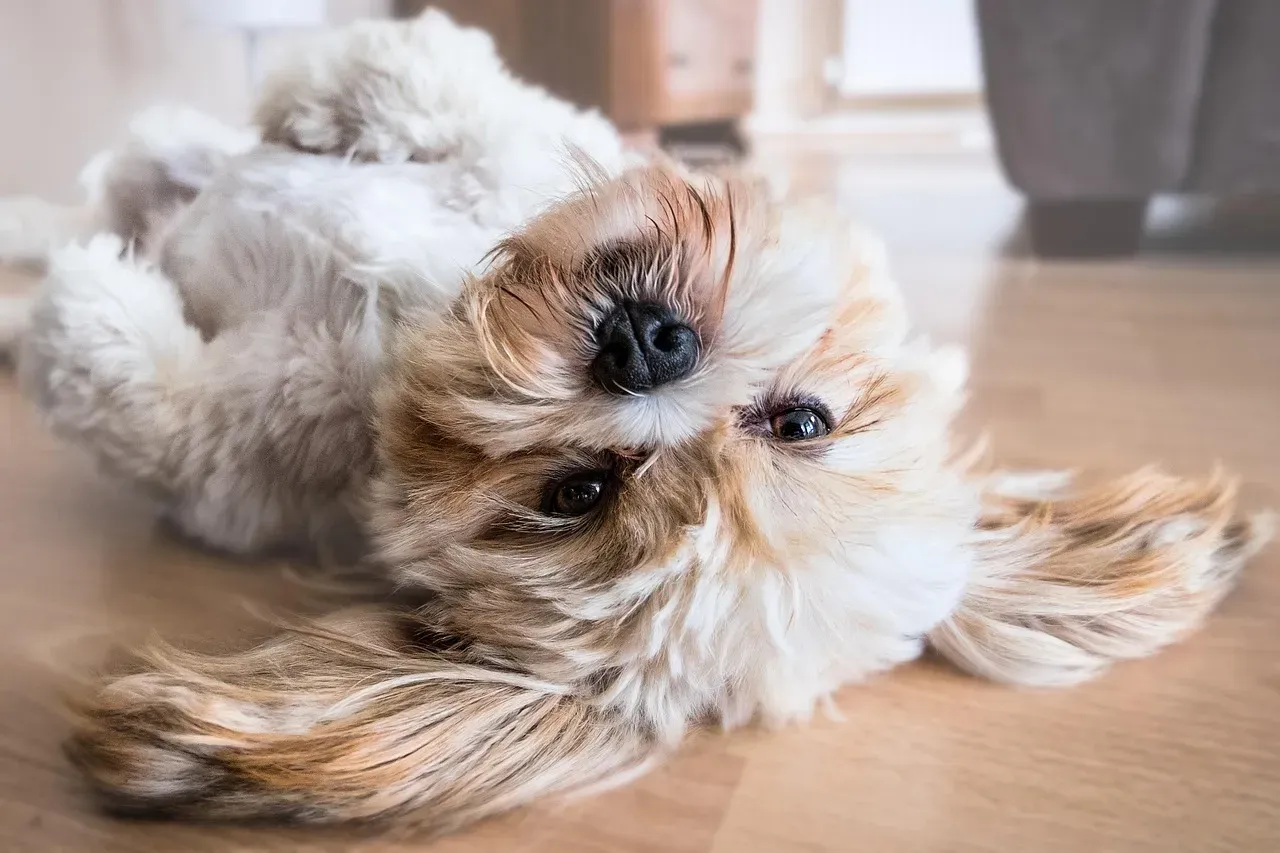
Everyone recognizes the lap-dog style of affection, but one of the most overlooked ways dogs stay connected is by lying near you, not necessarily right against you. Maybe they choose the rug by your desk while you work, or curl up at the far end of the couch instead of on your chest. It can look like independence on the surface, but it’s often a carefully chosen compromise between closeness and giving you space.
From a behavioral point of view, many dogs like to be close enough to sense your movements, voice, and even breathing rhythm, while still being able to stretch out comfortably. Think of it like a friend choosing the seat next to you in a coffee shop instead of at another table. They’re not asking for attention directly, but they’re quietly saying, “I want to share this moment with you, even if we’re doing our own thing.”
3. Soft Eye Contact From Across the Room
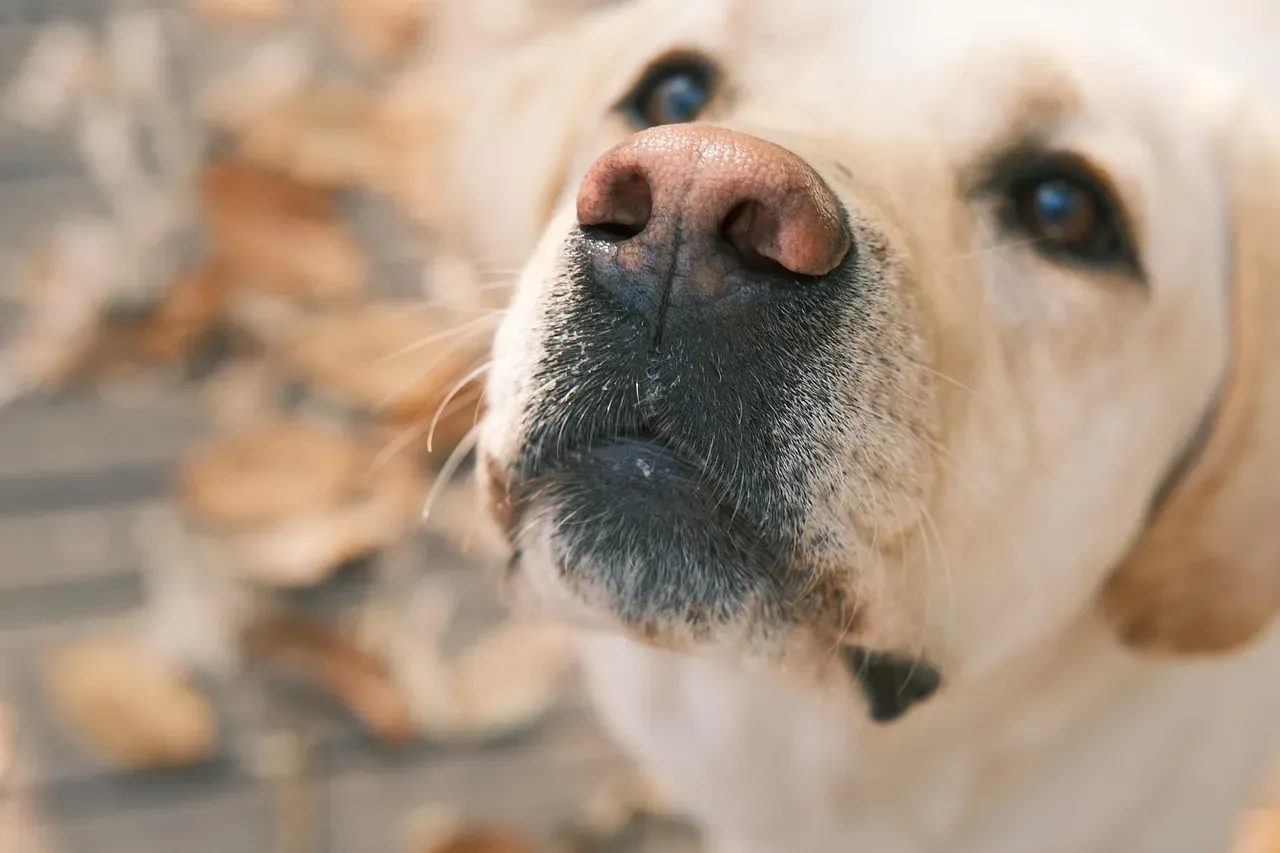
That moment when you look up and catch your dog already watching you with soft, relaxed eyes? That’s emotional gold. Gentle eye contact – not the hard stare of guarding or anxiety, but the slow, blinking, melty kind – is a quiet way dogs check in with you. It’s as if they’re asking, “You good? We’re good?” without moving a muscle or making a sound.
Some research suggests that this kind of mutual gaze can even boost bonding hormones in both humans and dogs, which might be why it feels so intimate and grounding. Notice how they often look away slowly or blink when you meet their eyes, almost like they’re being polite. That shy little glance across the room can be one of the most honest, low-key ways your dog holds on to the invisible thread between you.
4. Mirroring Your Movements and Routines
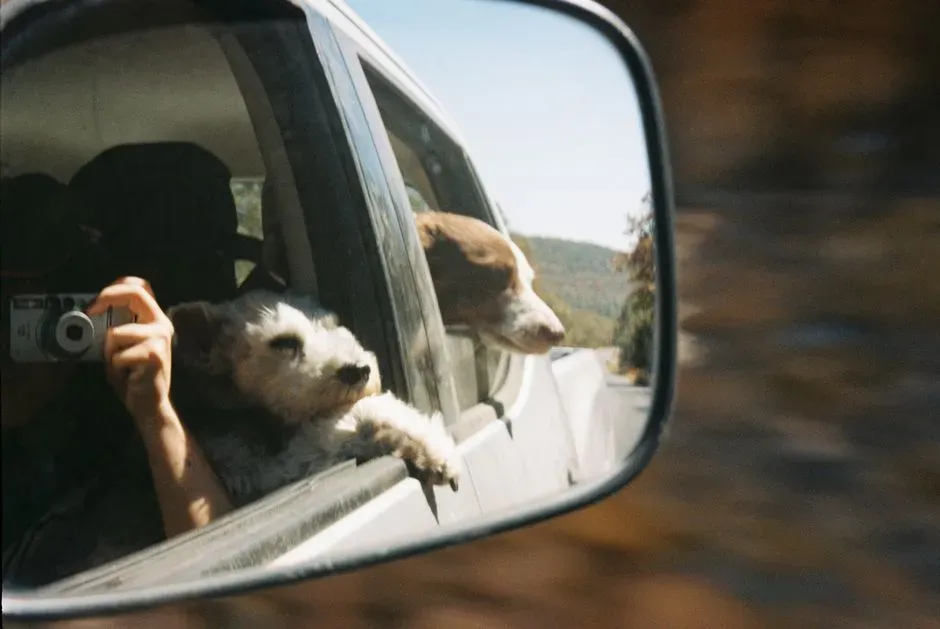
Ever notice how your dog lies down when you do, gets up when you stretch, or wanders to the kitchen right after you do? That’s not just coincidence. Many dogs naturally mirror the rhythms and patterns of their favorite humans. They sync their internal clock to yours, joining in your daily flow like a quiet dance partner staying in step without announcing it.
You might see it in small moments: they shift to the bedroom when you start your nighttime routine, or they settle in when you grab a blanket and remote. This kind of behavioral mirroring is a subtle form of connection, a way of saying, “Your life is my schedule too.” It’s not about begging for attention – it’s about staying emotionally aligned, so they never drift too far from your world.
5. The Slow, Contented Sigh When You Sit Down
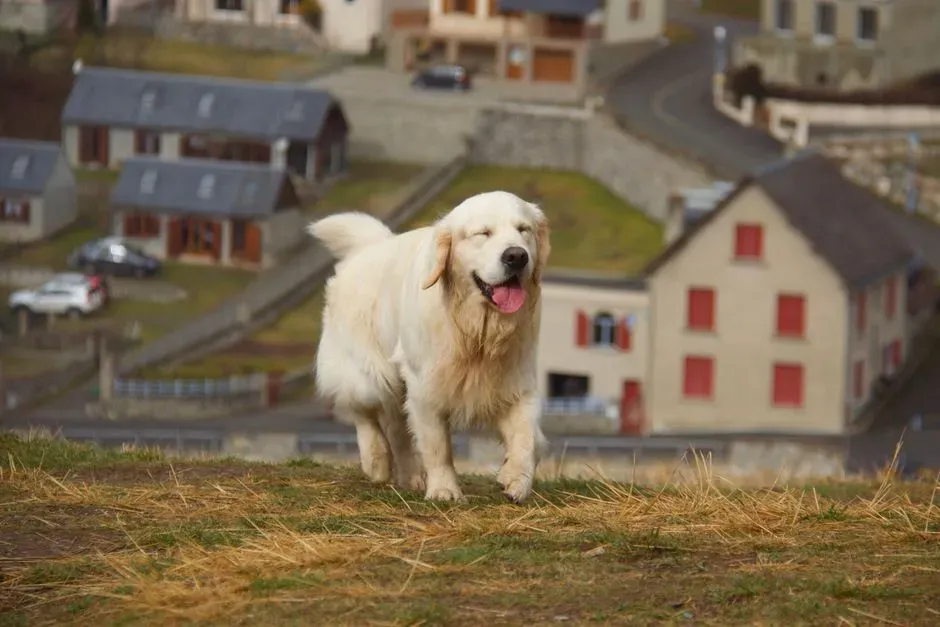
There’s something almost heartbreakingly tender about the way a dog lets out a long, deep sigh right after you finally sit or lie down. It often happens when they’ve been half-waiting for you to stop buzzing around, and once you do, their whole body softens. That sigh is more than just air; it’s a physical reset, a sign they feel safe, settled, and connected now that you’re at rest.
Many guardians mistake it for boredom, but the tone and timing matter. If they sigh, stretch, and then calmly curl up near you, that’s a dog exhaling stress and leaning into shared calm. It’s similar to the feeling of exhaling when you finally get home after a long day and see someone you love already on the couch. Your dog is basically saying, “Okay, you’re here. Now we can relax together.”
6. Sleeping With Their Back Turned, But Their Body Close
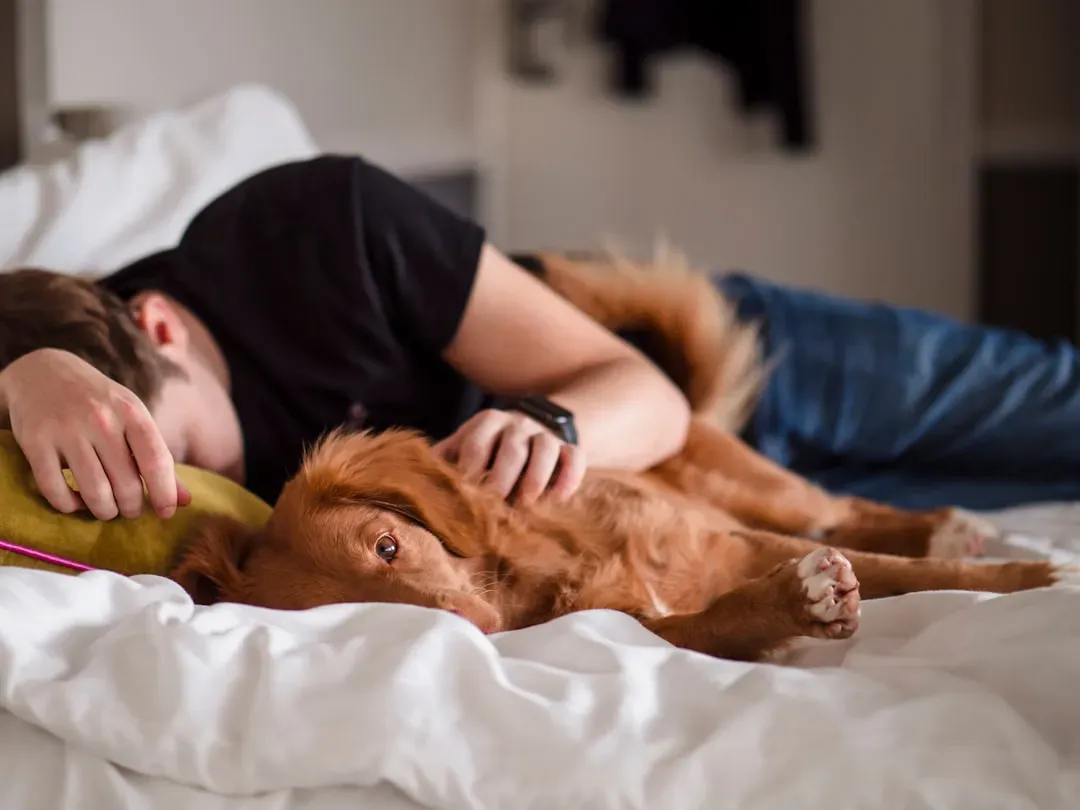
It can feel a bit rude when your dog lies down facing away from you, but this position can actually be a quiet sign of deep trust. In the animal world, turning your back is a vulnerable move. When your dog settles with their spine against your leg or their back pressed near your body, they’re trusting you to watch their blind spot while they rest.
At the same time, they’re still staying physically connected, even without eye contact or obvious affection. That shared warmth through a blanket or the light pressure of their weight says, “I don’t need to stare at you to feel close. I just need to know you’re there.” It’s a low-key, grown-up kind of closeness – less fireworks, more steady campfire.
7. Quietly Positioning Themselves Between You and the Door
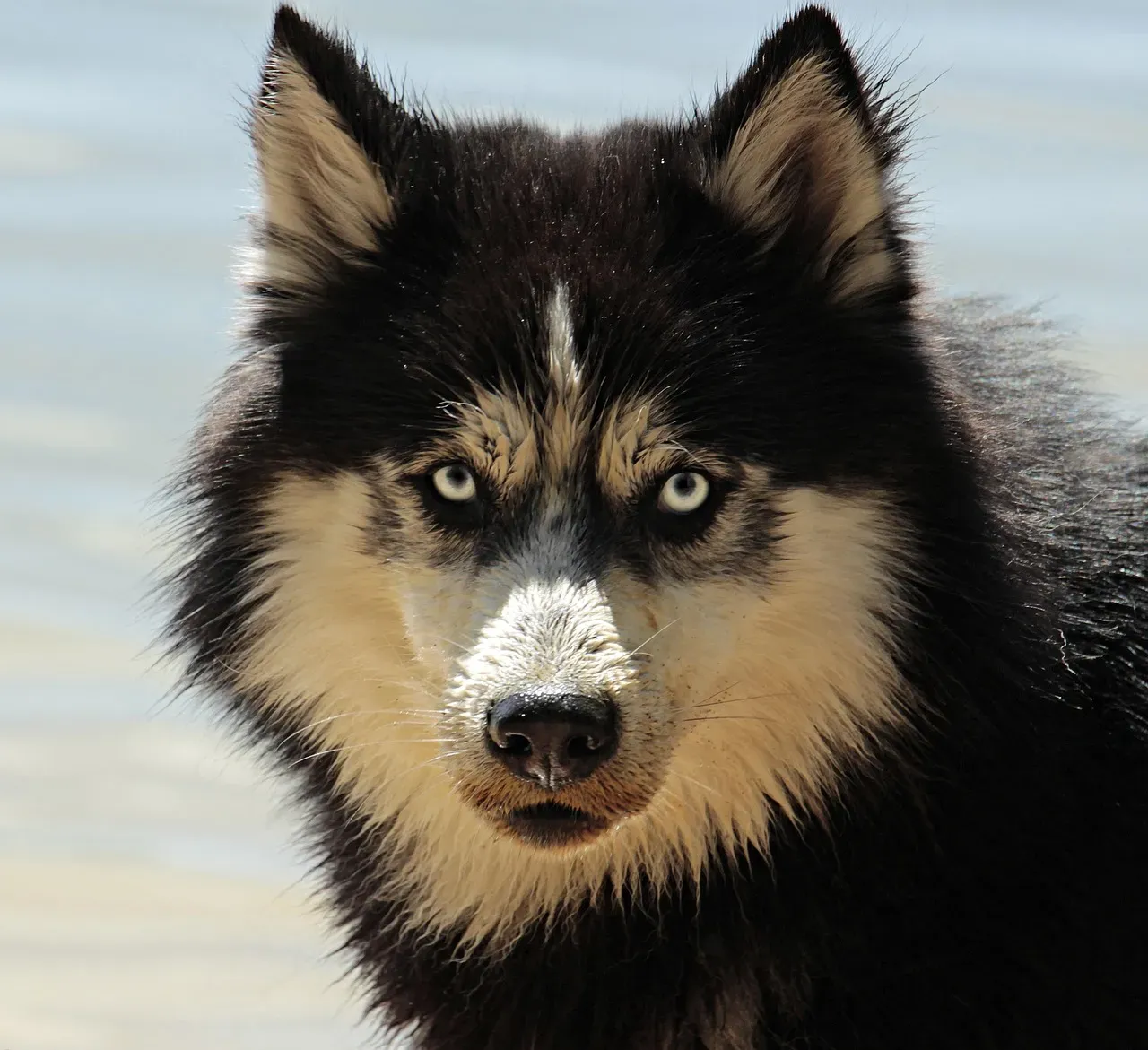
Some dogs naturally choose a spot where they can lie between you and the door, or at least where they can keep both in their line of sight. They’re not necessarily on high alert or guarding in a dramatic way; most of the time, they look half-asleep or totally relaxed. But make no mistake, they’ve picked that spot with purpose. It lets them monitor the environment while still staying anchored to you.
This kind of low-key watchfulness is a form of connection that often flies under the radar. Your dog is saying, “I’ve got this side of things covered,” without ever making a scene. It’s a quiet promise: if something changes out there, you won’t handle it alone. They’ve already placed themselves at the crossroads between you and the rest of the world.
8. Bringing You an Item, Then Just Lying Down
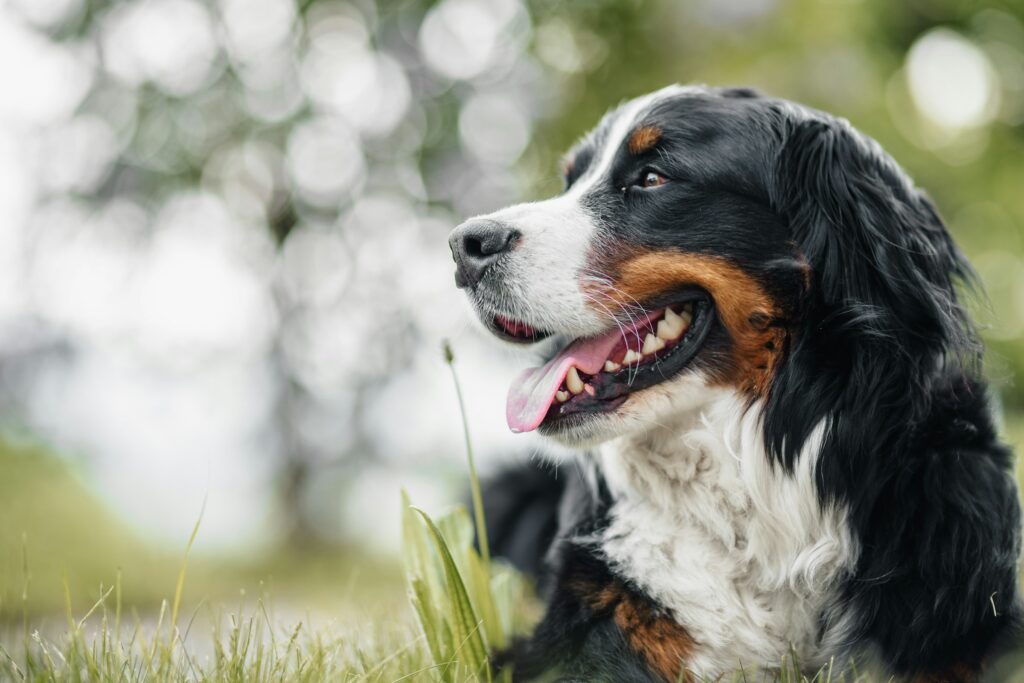
Not every object your dog brings you is a loud demand for fetch. Sometimes they’ll drop a toy, a sock, or even a random household item near you, give a little glance, and then simply settle down. It can look confusing – almost like they forgot what they were doing – but often it’s a subtle offering, a way to share their world without insisting on a game.
Dogs explore and express themselves through objects: toys, chews, stolen laundry trophies. When they bring something into your space and then calmly stay nearby, they’re including you in that little universe. It’s a muted, “Here, this matters to me, so I want it near you.” You don’t always have to turn it into a play session for it to count as real connection.
9. Checking In Briefly, Then Walking Away
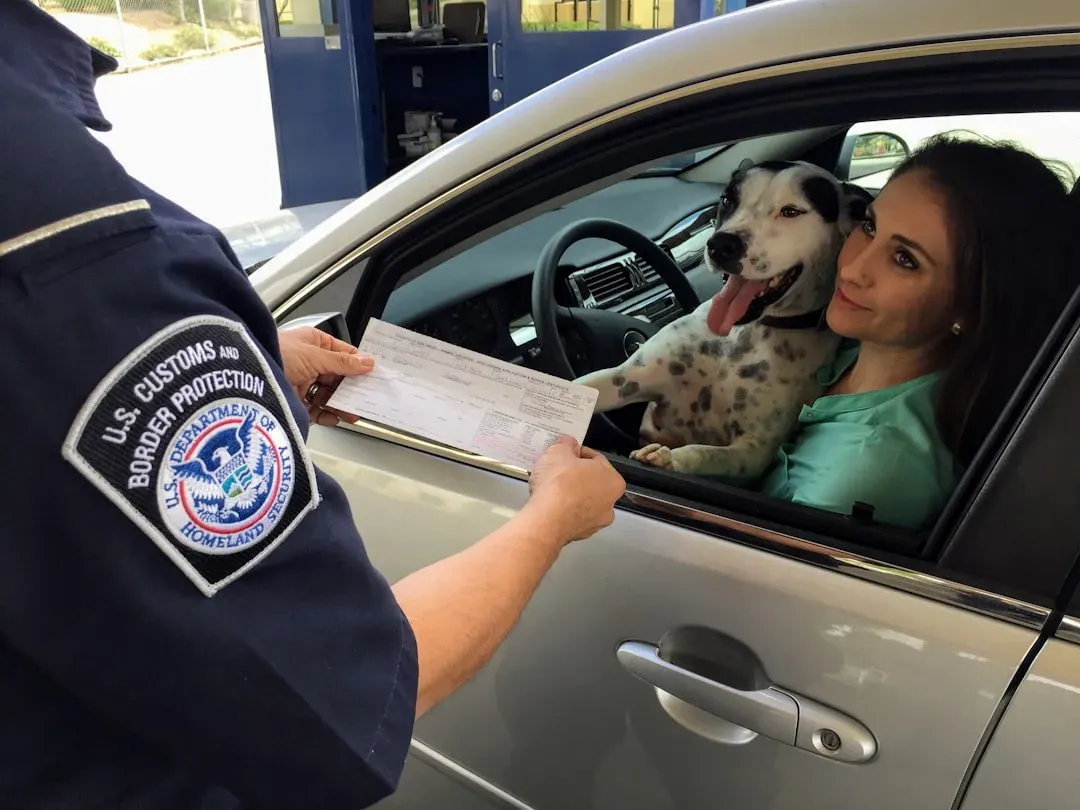
One of the sweetest, easiest-to-miss behaviors is the quick check-in: your dog walks over, lightly touches you with their nose or shoulder, maybe sniffs your hand or face, then quietly walks off and goes back to whatever they were doing. It’s so fast you could almost miss it, but emotionally it’s huge. They’re taking your “emotional temperature” without making it a big event.
These tiny drive-by moments say, “You’re still my person, right? Okay, cool,” and then they resume their nap or patrol. I’ve had my dog trot over while I’m deep in work, touch my knee, and leave again, almost like a passing hug in a hallway. It’s not neediness. It’s a confident dog maintaining a soft emotional tether that doesn’t require constant reassurance.
10. Matching Their Energy to Yours
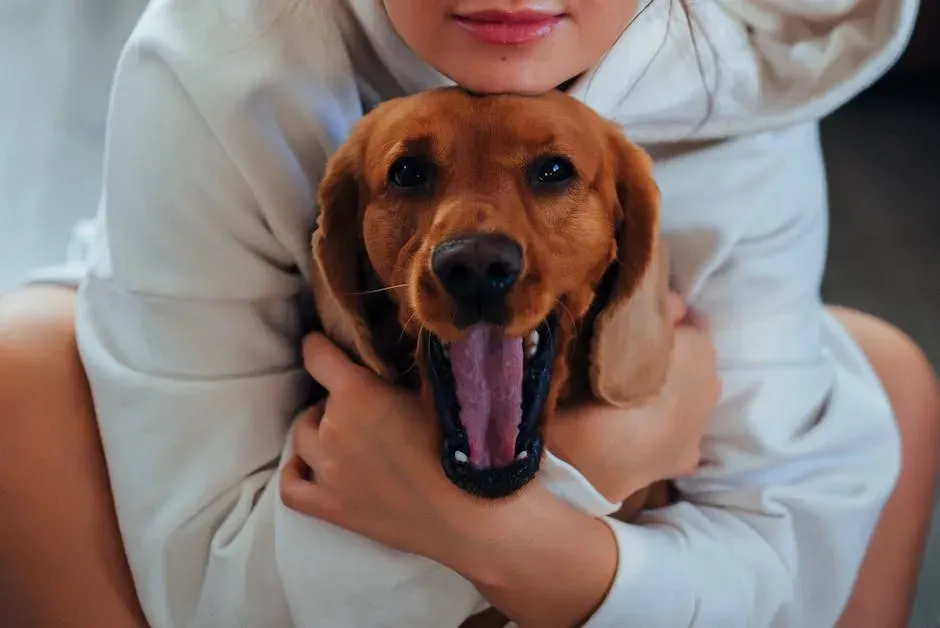
Have you ever noticed how your dog seems to dial down when you’re tired, or stay low-key when you’re sad, even if they were bouncy five minutes before? Many dogs are surprisingly good at reading human energy and quietly adjusting theirs to match. They may not know the reason behind your mood, but they react to your body language, tone, and overall vibe in real time.
On an easy, calm evening, they might stretch out and move slower. On a lazy Sunday when you barely leave the couch, they’ll often accept that and go into low-power mode as well. This energy-matching is a powerful form of connection that goes beyond tricks or training. It’s your dog saying, “I’ll be what you need today – even if that means doing almost nothing, right next to you.”
11. Listening For You, Even When They Seem Asleep
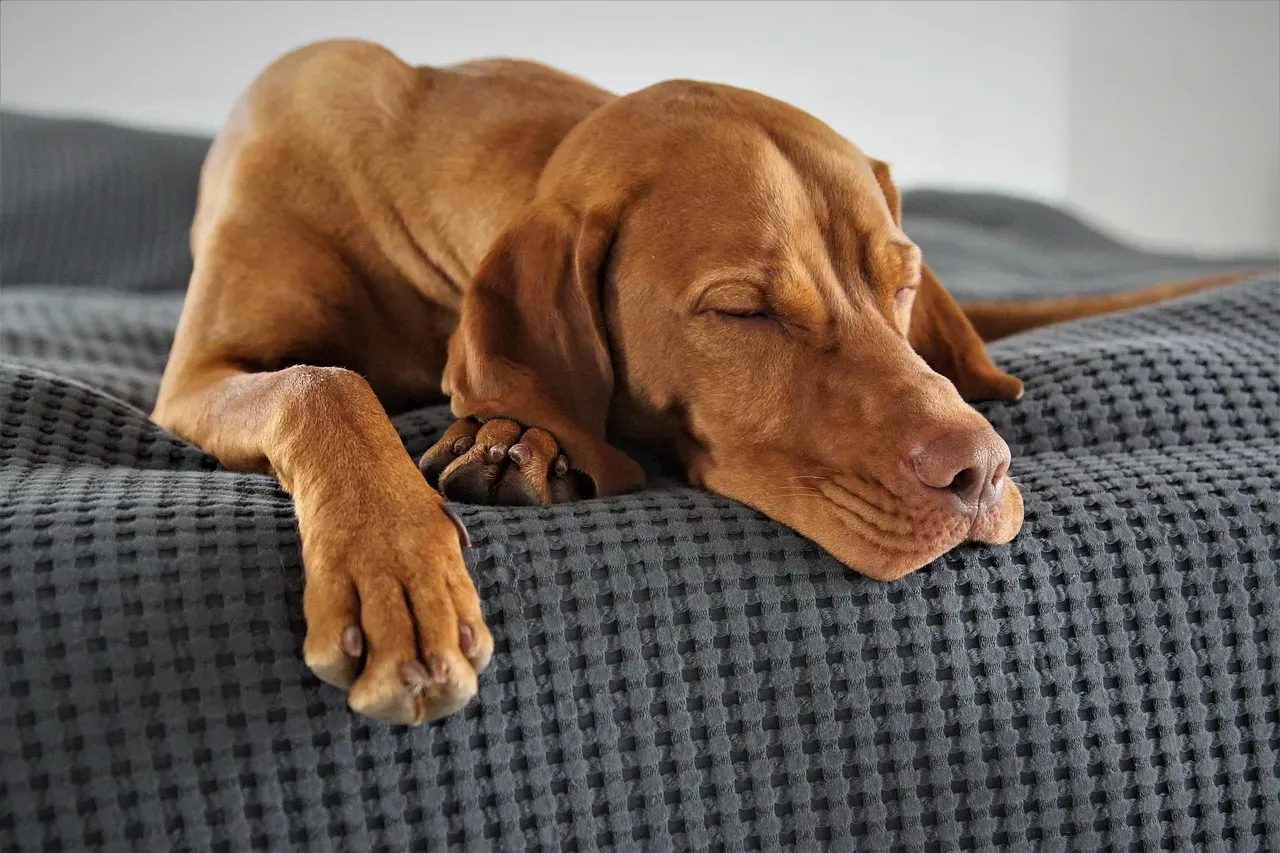
Dogs have an incredible ability to rest while still keeping part of their brain on “you radar.” That moment when you shift positions, whisper their name, or stand up, and their ears flick or head lifts just slightly – that’s them tracking you without demanding anything. They may not fully wake up, but they’re tuned in like a radio set to your personal station.
This partial alertness can be especially obvious with sounds: your footsteps in the hallway, the way you open a specific drawer, or the sound of your phone alarm. They know your patterns so well that their body reacts almost automatically. It’s a quiet kind of devotion, the same way a parent can sleep through noise but wake instantly at their child’s soft cough in the next room.
12. Waiting Patiently for You to Finish What You’re Doing
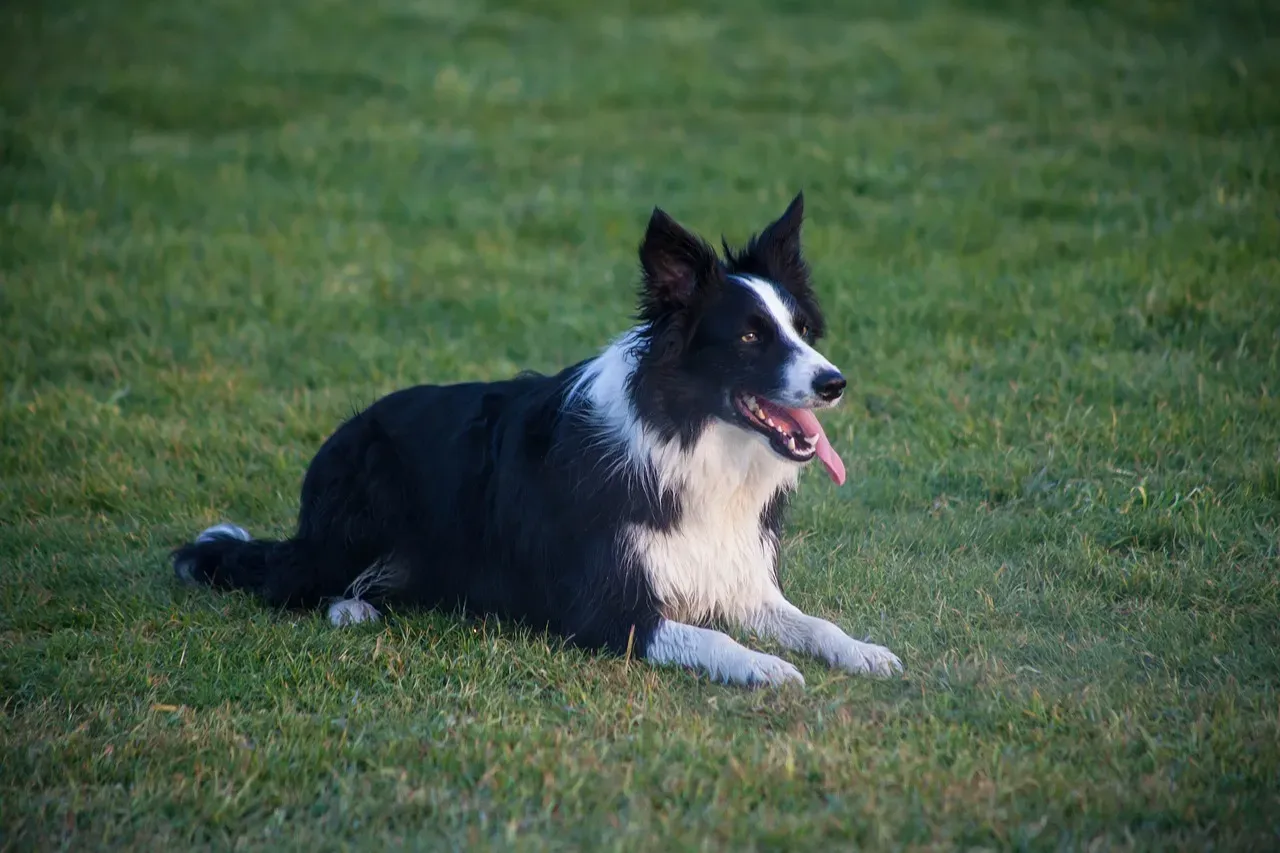
One of the most understated, respectful ways dogs stay connected is by simply… waiting. Maybe you’re answering emails, talking on the phone, or stuck in a long video call. Your dog might lie nearby, blink up at you, and then tuck their head back down, staying close without interrupting. That patience is its own emotional language: “I want you, but I can see you’re busy. I’ll just wait here until you’re ready.”
It can be easy to feel guilty in those moments, but in a healthy relationship, that mutual patience is actually a sign of deep trust. They believe that your attention will come back to them, so they don’t need to bark or paw at you to make sure of it. When you finally stand up and invite them for a walk or cuddle, the way they light up is the perfect payoff to that long, quiet wait.
Conclusion: The Love That Happens in the Quiet Spaces
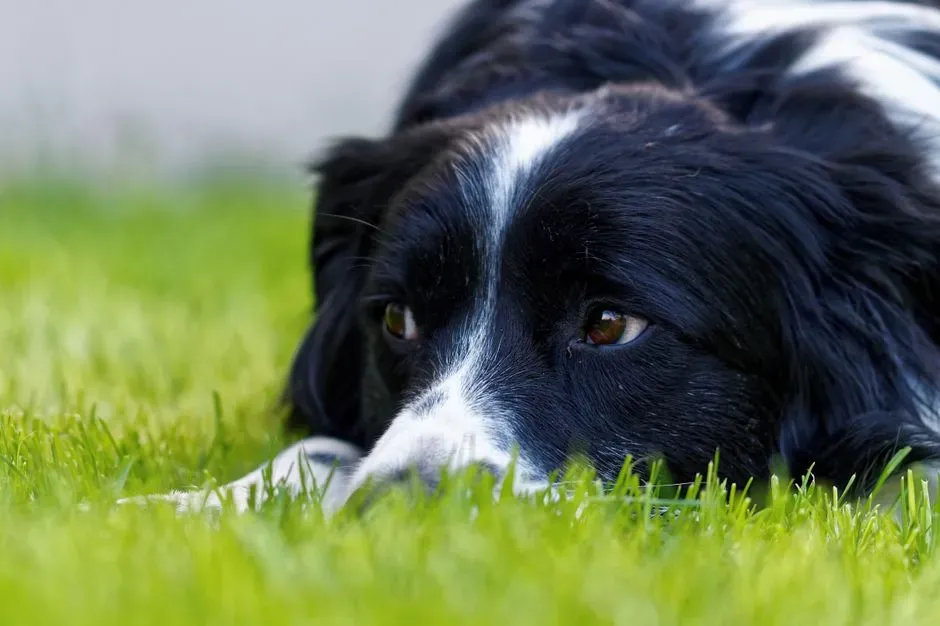
I think the most surprising thing about living with dogs is how much of their love shows up in silence. Not in the big Instagram-worthy moments, but in the quiet padding of paws behind you, the soft sigh next to your feet, the way they glance up from their bed just to confirm you’re still there. Those tiny, almost invisible behaviors are where the real depth of the relationship lives.
We spend a lot of time worrying about whether we’re doing enough for our dogs – enough walks, enough toys, enough training – but they’re often just craving shared presence and predictable, gentle connection. When you start noticing these subtle ways your dog is reaching out, you also start meeting them halfway: pausing to make eye contact, resting a hand on their back as you pass, or simply saying their name with warmth. In the end, maybe the real question is not how loudly a dog can love you, but how quietly you’re willing to listen. Did you expect so much to be happening in the moments when nothing seems to be happening at all?