
12 Moments Your Senior Dog Still Lives For Even When Their World Begins to Slow Down
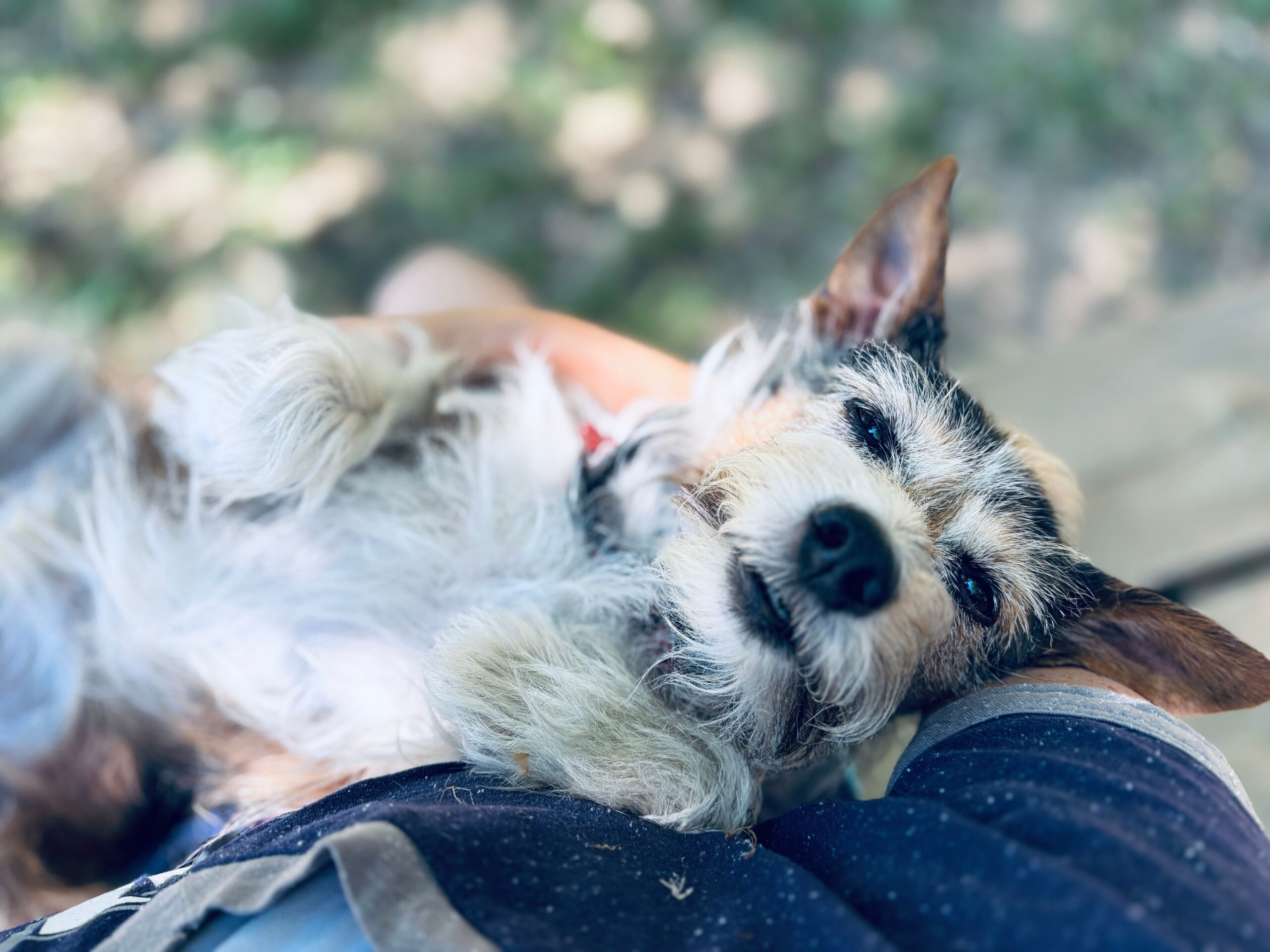
There’s a quiet kind of magic that shows up when your dog gets old. The wild zoomies fade, the hikes get shorter, and suddenly you’re counting grays on their muzzle instead of the number of miles you walked together. It can feel heartbreaking to watch their world shrink, but here’s the beautiful truth: your senior dog is still deeply, fiercely alive in the moments that matter most to them.
They may not chase every squirrel or leap into every lake anymore, but their joy has not disappeared; it has just changed shape. Older dogs often shift from thrill-seeking to connection-seeking, soaking up routines, tiny rituals, and familiar comforts with an intensity that can honestly put humans to shame. When you start to notice these moments, caring for a senior dog becomes less about mourning what’s gone and more about fiercely protecting what they still love.
1. The Slow, Sacred Morning Greeting
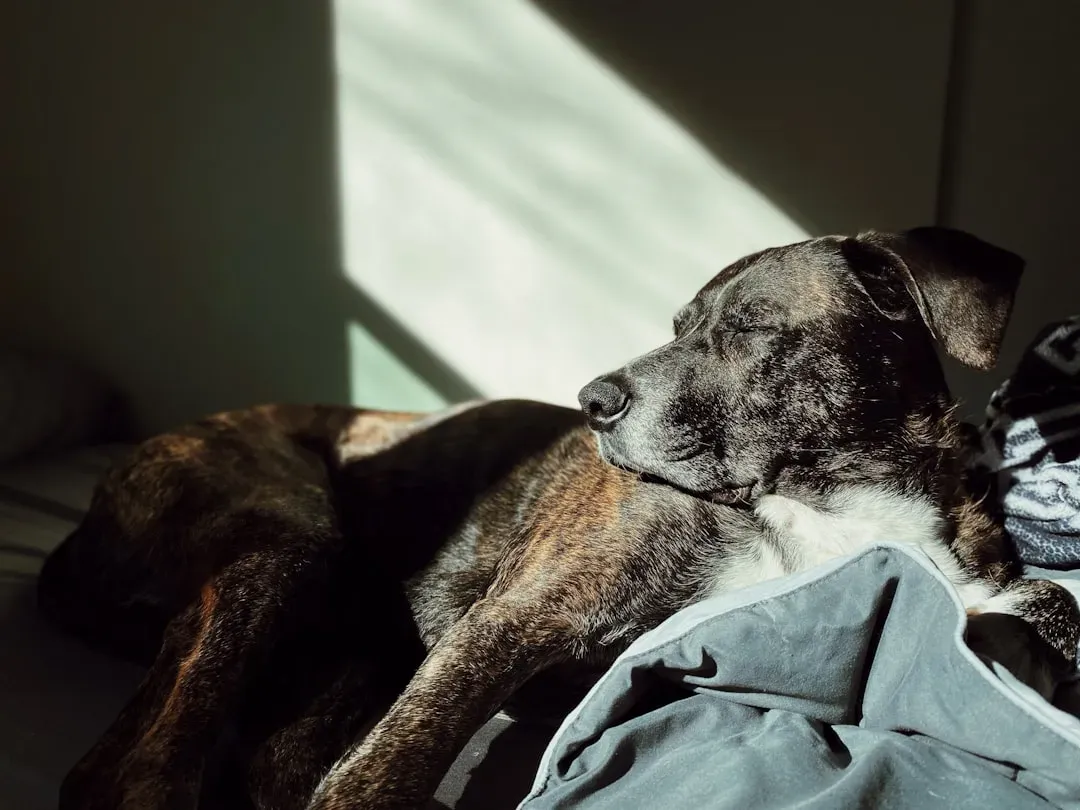
That clumsy puppy pounce at sunrise might now be a stiff stretch and a gentle tail thump, but your dog still lives for that first moment when your eyes meet in the morning. For many senior dogs, this daily ritual is like a quiet promise that they are still part of your day and your life, even if they move a little slower getting off the bed or out of their crate. You might notice they linger near your side of the bed, waiting not for a big fuss, but for that soft hand on their head and the familiar sound of your voice.
As dogs age, their sleep cycles can shift, and some will wake earlier, pacing or just quietly waiting for you to stir. Turning those early minutes into a calm, affectionate check-in can be incredibly grounding for both of you. A gentle ear rub, a slow stretch together on the floor, maybe even a small treat or their favorite toy by the bedside – these tiny acts tell them they are still safe, still loved, and still worth waking up for.
2. The Comfort of Familiar Walks (Even If They’re Short)
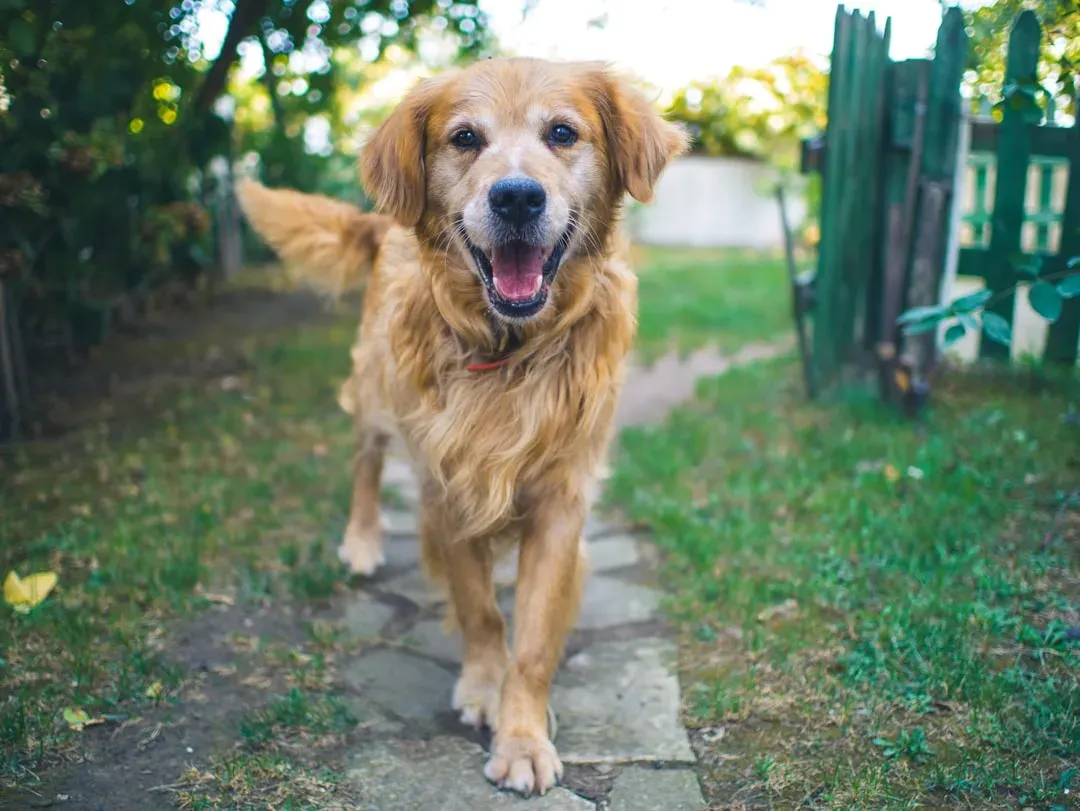
Your senior dog may not be up for three-mile adventures anymore, but they still live for that moment when you reach for the leash. The walk might now be just down the block and back, with frequent pauses to sniff every mailbox, tree, and mysterious invisible patch of grass drama. That slower pace is not a downgrade to them; it is a chance to read the neighborhood like a well-loved book they know by heart.
Short, predictable walks help older dogs keep their joints moving, their minds stimulated, and their sense of independence intact. They get to check on the usual smells, listen to familiar sounds, and feel the air shift with the seasons just like they always have. Letting them set the speed – stopping when they want, turning around when they’ve had enough – sends a powerful message: their comfort matters more than your step count, and they still get to participate in the world beyond the front door.
3. The Ritual of Mealtime (And Being Part of the Action)

For most dogs, food is life, and that doesn’t magically stop with a few gray whiskers. Senior dogs often live for the rustle of the food bag, the clank of the scoop in the bowl, or the sound of the fridge opening. Even if their diet has to change to softer food or smaller portions because of teeth, weight, or digestive issues, the emotional excitement of mealtime remains one of the biggest highlights of their day. They know the routine, they anticipate it, and they savor that feeling of “this is my moment.”
Older dogs may eat more slowly or need food elevated, moistened, or broken into smaller servings, but none of that takes away from the happiness of being included. Some will camp out in the kitchen while you cook, watching every move as if they’re judging your chopping skills, hoping for a safe little taste. When you take an extra minute to talk to them while you prep their bowl or to feed them gently by hand when they struggle, you turn a basic necessity into an act of love they can feel in every bite.
4. Quiet Cuddles and Heavy-Head Lean-Ins
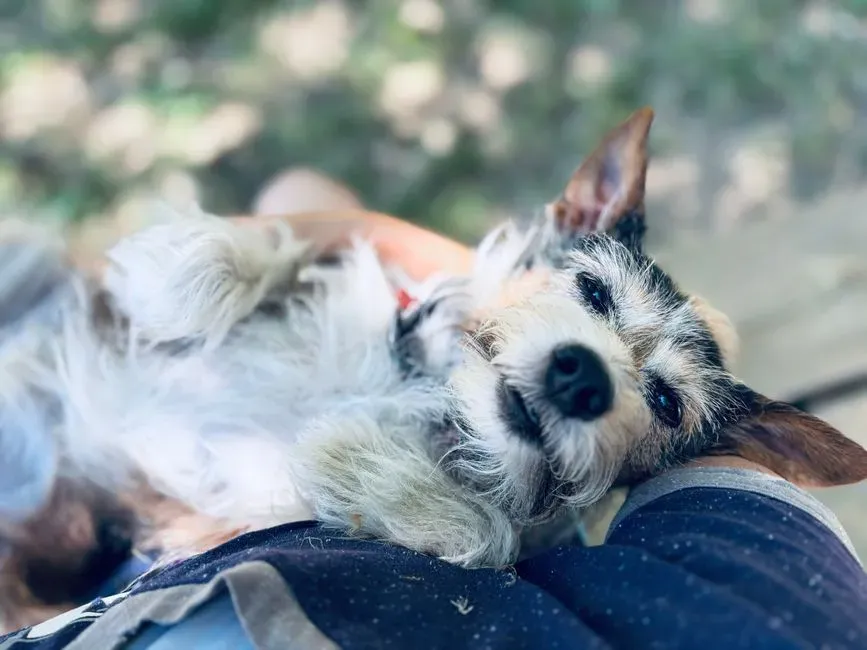
When dogs are young, affection can look wild and chaotic – full-body wiggles, jumping, licking, bouncing from one person to the next. Senior dogs often shift into a different style of affection, one that is quieter but somehow more intense. That heavy head that sinks into your lap or rests gently on your foot might be one of the clearest ways they tell you they are still deeply connected to you. They live for those long, unhurried cuddle sessions where nothing is required of them except to exist close to their person.
There is research suggesting that gentle petting can lower stress hormones in both dogs and humans, and with older dogs, you can almost see the tension leave their bodies when you stroke their face or chest. They often choose their favorite spot on the couch or bed and wait for you to join them, not to play, not to train, just to be. In those moments, the world shrinks to a small, warm bubble: your hand, their fur, their steady breathing, and the simple truth that this bond is still the center of their universe.
5. Car Rides and the Feeling of Going Somewhere Together
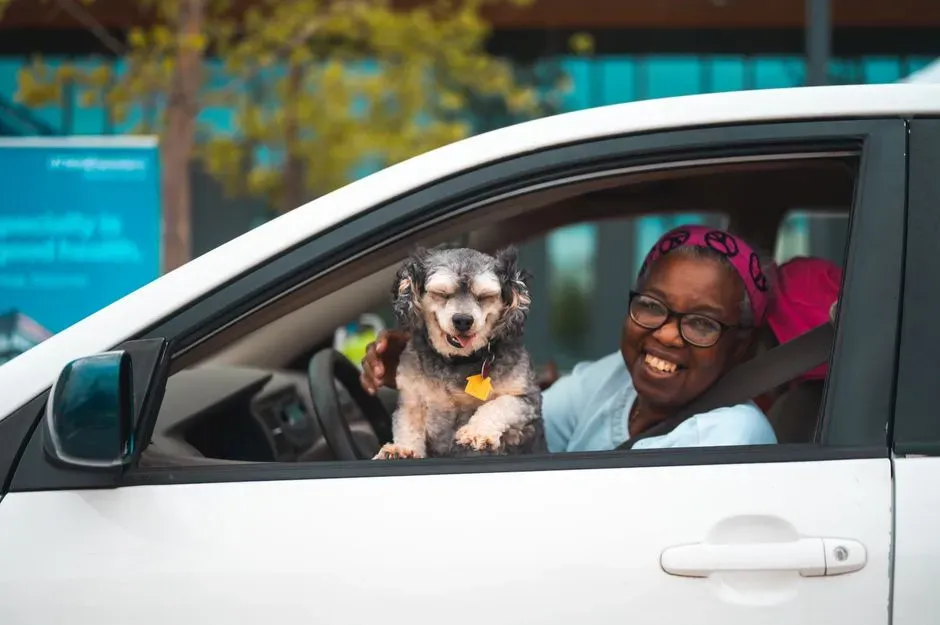
Your senior dog might not be jumping into the backseat like a rocket anymore, but the sound of the car keys still perks up a lot of older ears. Car rides become less about frantic excitement and more about shared journeys: a drive to the park, the pet store, a friend’s house, or even just a scenic loop around the neighborhood. The movement, the changing smells through the cracked window, and the familiar hum of the engine can be incredibly soothing and stimulating at the same time.
Of course, as dogs age, safety and comfort in the car matter more – ramps, harnesses, nonslip mats, and softer bedding can make a huge difference. But the emotional payoff remains the same: they are not being left behind; they are still part of the pack’s adventures. Even if the “adventure” now is just a short drive to get you a coffee while they supervise from the backseat, that sense of inclusion reminds them that life is still happening with them, not without them.
6. Sniffing the World Like It’s a Daily News Report
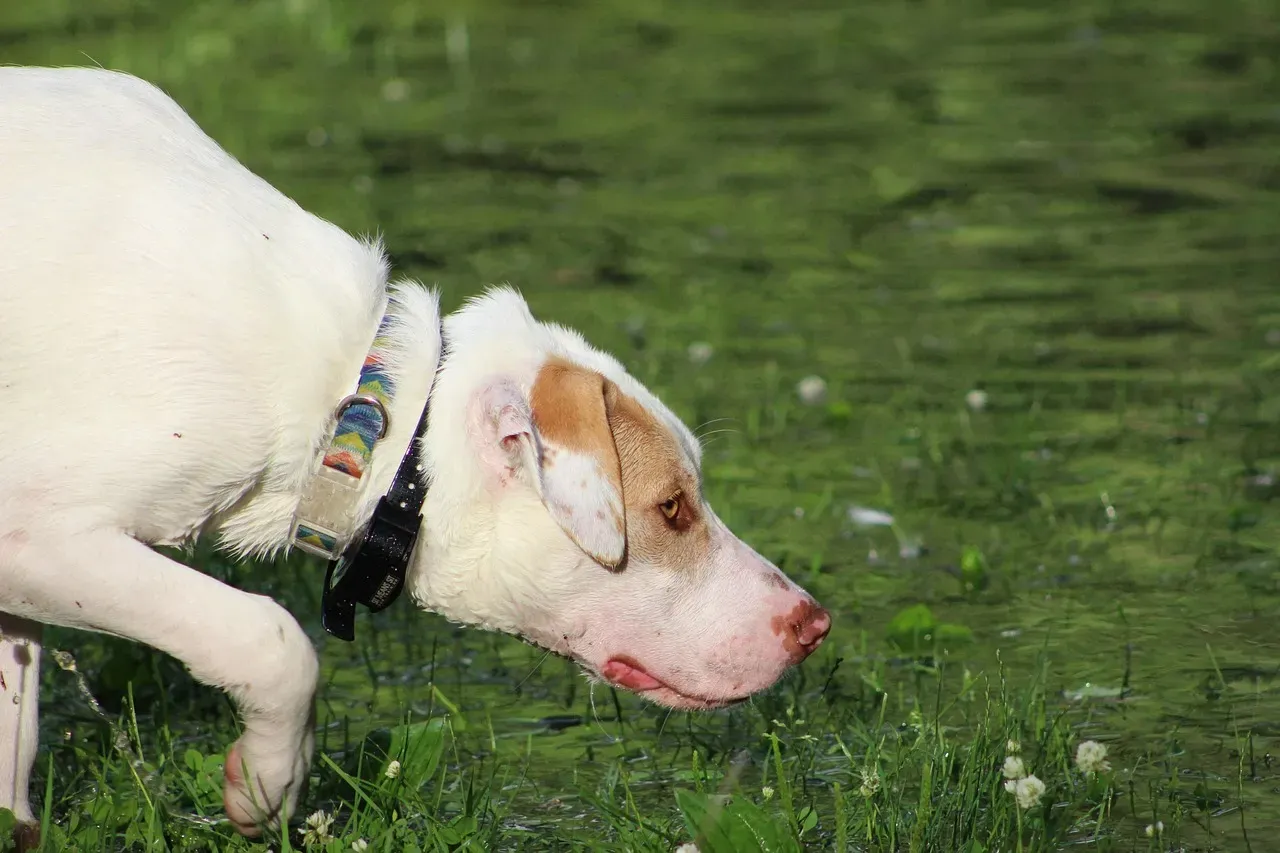
When a dog’s eyesight and hearing start to fade, their nose often steps up as the star of the show. Many senior dogs live for the chance to sniff around the yard, the sidewalk, or even a snuffle mat in the living room. Smell is how they read the world, and giving them time and space to “read” slowly can be one of the greatest gifts you can offer as they age. That extra-long pause at a bush you used to hurry past is not a delay to them; it is the canine version of catching up on every headline.
Enrichment through scent can be simple but powerful: scattering a few treats in the grass, hiding small rewards in a cardboard box, or letting them explore a new corner of the backyard at their own pace. For a senior dog whose body may not cooperate with intense physical exercise, nose work is both mentally exhausting and deeply satisfying. You can practically see their concentration as they follow tiny invisible trails, and even when their joints are stiff, their spirit lights up when their nose is allowed to do what it was built to do.
7. Being Included in Family Moments, Not Just Watching From the Side
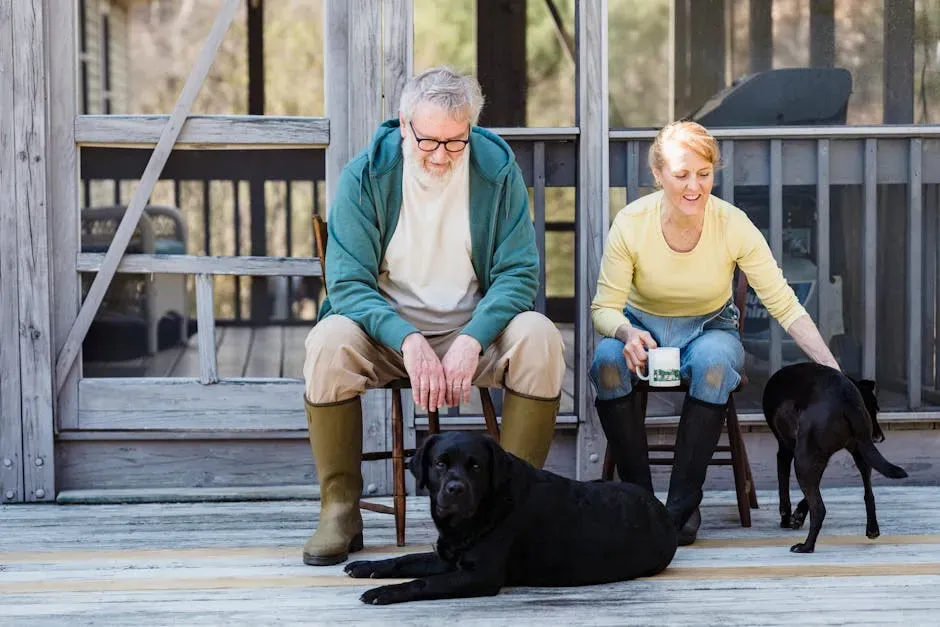
One of the most underrated joys for senior dogs is simply being in the middle of things. They may not race around during parties or family gatherings anymore, but they live for the feeling of being included in the noise, the laughter, and the shared space. Lying at your feet during movie night, resting by the table during dinner, or dozing on a dog bed in the kitchen while people cook and chat – these may look like calm, passive moments, but to your dog, they are proof that they still belong.
As mobility or stamina declines, it can be tempting to tuck older dogs away in quieter rooms “so they can rest,” but many of them would rather nap surrounded by their people than sleep alone in perfect silence. You can adapt your home slightly to keep them involved: a comfy bed in the living room, non-slip rugs along their usual paths, maybe a baby gate instead of banishing them behind a closed door. To a senior dog, being physically present in the center of family life can feel like the loudest possible declaration that they remain an essential part of the story.
8. Gentle Play and Soft, Silly Moments
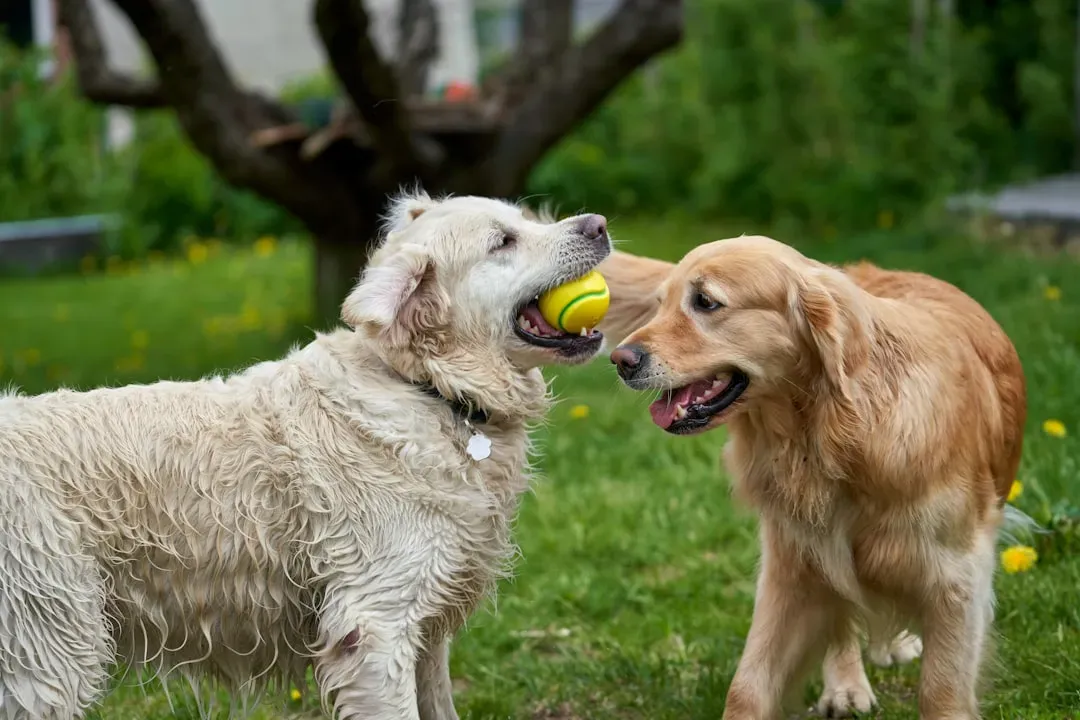
The days of flying Frisbees and full-speed fetch might be over, but that does not mean play disappears from a senior dog’s life. Many older dogs still light up for a soft toy, a slow game of tug with a light grip, or a low-impact round of “find the treat.” The style changes, but the instinct to play – this primal, joyful, social behavior – often sticks around long after their knees and hips have started complaining. You might even notice that their eyes get brighter and their tail wag loosens the second you adopt a playful tone.
Keeping play gentle and adapted to their abilities is the key. Short sessions, plush toys instead of hard ones, rolling a ball instead of throwing it high, and choosing games that focus more on thinking than jumping can all help. More than anything, play reminds them that they are not just patients to be managed; they are still your goofy companion who makes you laugh. Those silly little moments – a dog trying to fit two toys in their mouth at once, or proudly parading a stuffed animal around the room – can feel like sparks of pure joy in a body that is slowly, stubbornly aging.
9. One-on-One Time With Their Favorite Human
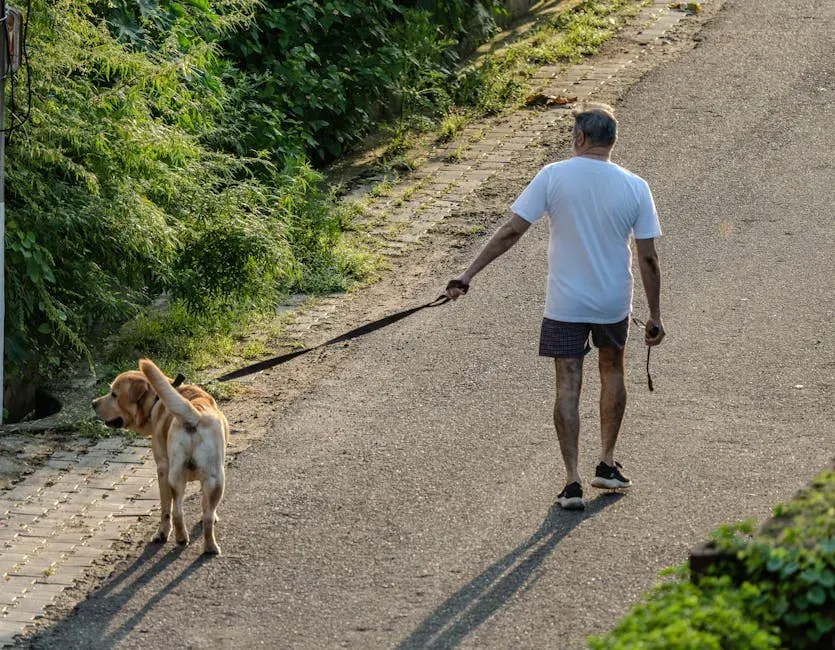
Most dogs bond closely with the people who care for them, but senior dogs often cling to that main connection in a deeper way. They live for those stolen pockets of time when it is just the two of you: a quiet sit on the porch, a slow grooming session, a short ride where no one else is in the car. You may notice that they follow you from room to room more than they used to, not because they are anxious, but because being near you is their preferred way to exist.
As their world shrinks, you can almost see their priorities sharpen, and the top item on the list is almost always you. Even a few minutes of undistracted attention – no phone, no TV, no multitasking – can make their whole day. Talking to them, massaging their shoulders, brushing their fur, or just resting your forehead against theirs turns routine care into emotional nourishment. That bond, which you built over years of walks, games, and shared life, becomes one of the last and strongest anchors they have.
10. The Security of Predictable Routines
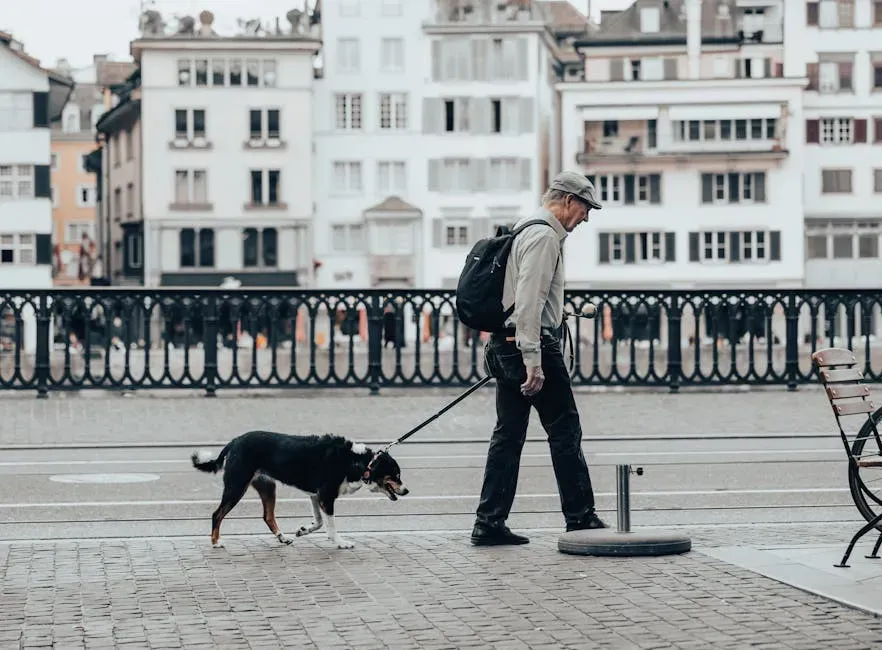
Change can be stressful for dogs of any age, but senior dogs often cling to routine like a lifeline. When bodies ache and senses fade, knowing exactly what happens next can be incredibly calming. They live for the comfort of predictable patterns: breakfast around the same time, walks in familiar routes, bedtime rituals that never really change. That steady rhythm helps them feel safe in a world that can sometimes feel confusing or overwhelming as their abilities shift.
If you have ever seen an older dog perk up at the sound of the evening news or your nightly alarm because it means “bedtime soon,” you have seen this in action. Routines, to them, are not boring – they are promises. While you cannot make aging painless or effortless, you can make it less frightening by keeping their days as consistent and gentle as possible. In return, you get to watch how they relax into those routines with trust, knowing that even as their body slows down, the story of their life with you still follows a reassuring, familiar beat.
11. Soft Beds, Warm Sunbeams, and Simple Physical Comfort
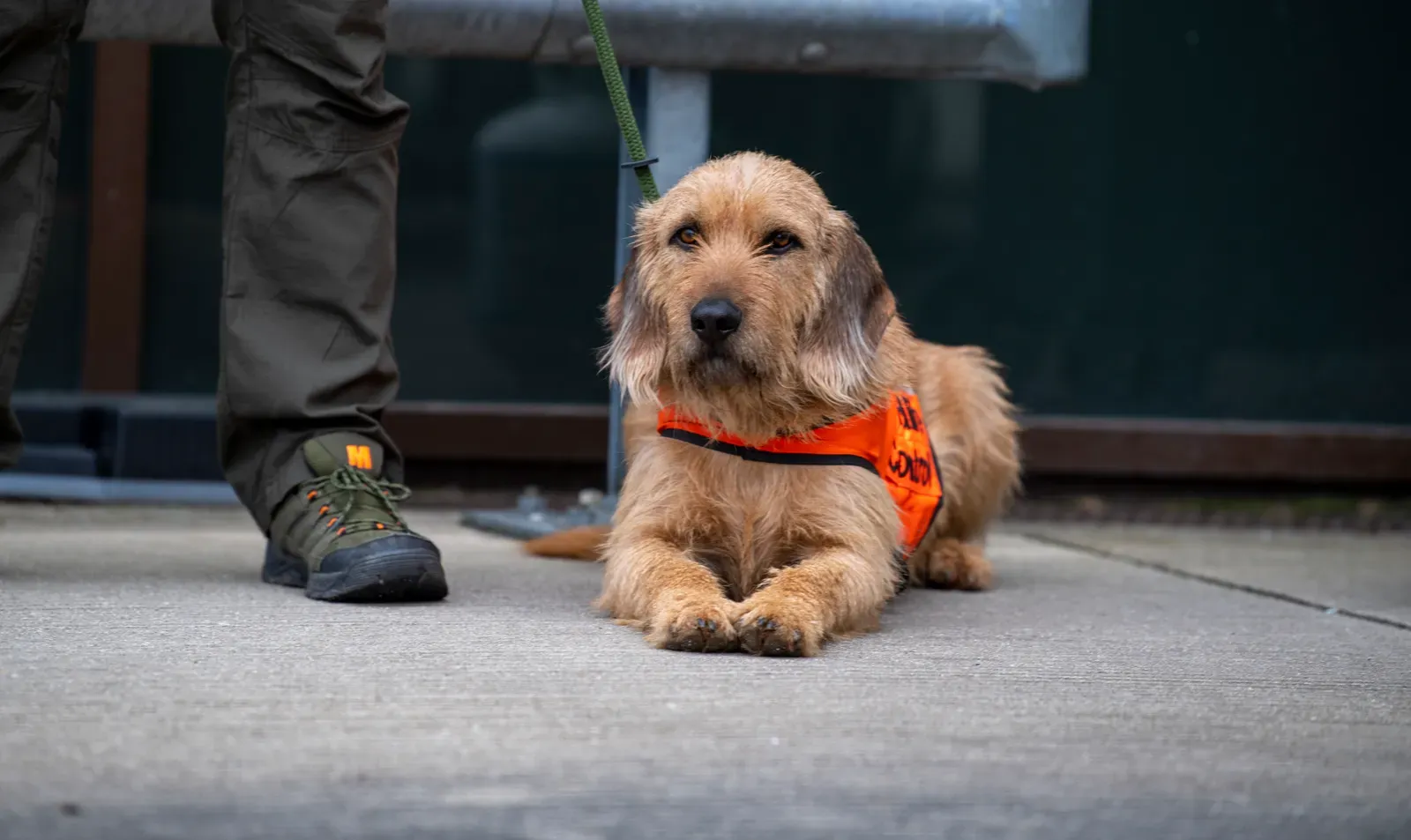
Your senior dog may no longer seek out the cold tile they loved as a pup; now they live for that perfectly squishy bed in the corner or that one sunbeam that drifts across the floor in late afternoon. As joints become stiffer and resting positions more carefully chosen, comfort stops being a bonus and becomes a daily need that brings real happiness. Watching an older dog sink into a supportive bed and let out that deep, satisfied sigh is one of the clearest signs that small physical comforts now carry huge emotional weight.
Adding things like orthopedic bedding, soft blankets, raised bowls, and warm, draft-free sleeping spots can transform their day-to-day experience. For dogs with arthritis or mobility issues, those changes are not pampering; they are relief and dignity. When you take care to make their world softer and kinder to their body, they respond with longer, deeper rest and often a calmer mood. It is almost like you are translating your love into textures and temperatures their aging body can actually feel.
12. Your Voice, Your Scent, and the Quiet Knowing You’re There
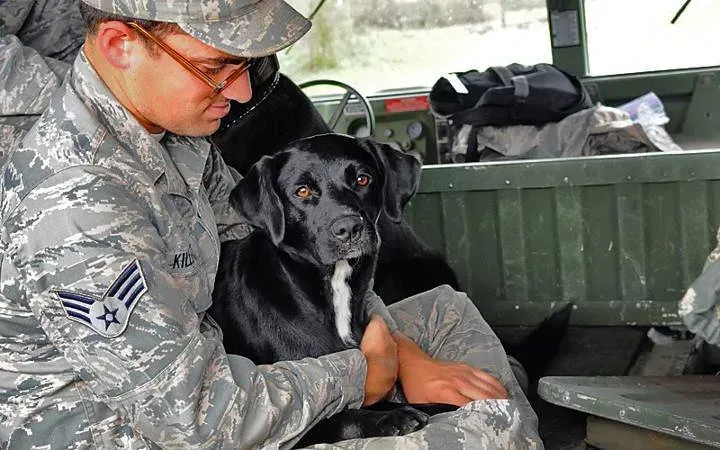
As the world narrows for a senior dog – less running, less seeing, less hearing – the core of their joy often distills down to something incredibly simple: you. Your scent on their bed, your voice drifting in from another room, your footsteps coming down the hallway – these become the signals that everything is still okay. Even dogs with serious vision or hearing loss will often relax the second they catch a whiff of their favorite human or feel the familiar vibration of you sitting down beside them.
One of the hardest but most beautiful parts of loving an old dog is realizing that your presence is now the center of their world more than ever. You may not be able to erase their pain or turn back time, but you can talk to them, touch them gently, and show up for them in a way that feels steady and reliable. In those quiet late-night moments when you find yourself just sitting on the floor next to their bed, listening to them breathe, it hits you: this is what they live for now, and honestly, it is what you live for too.
Conclusion: Why These Little Moments Matter More Than Big Adventures
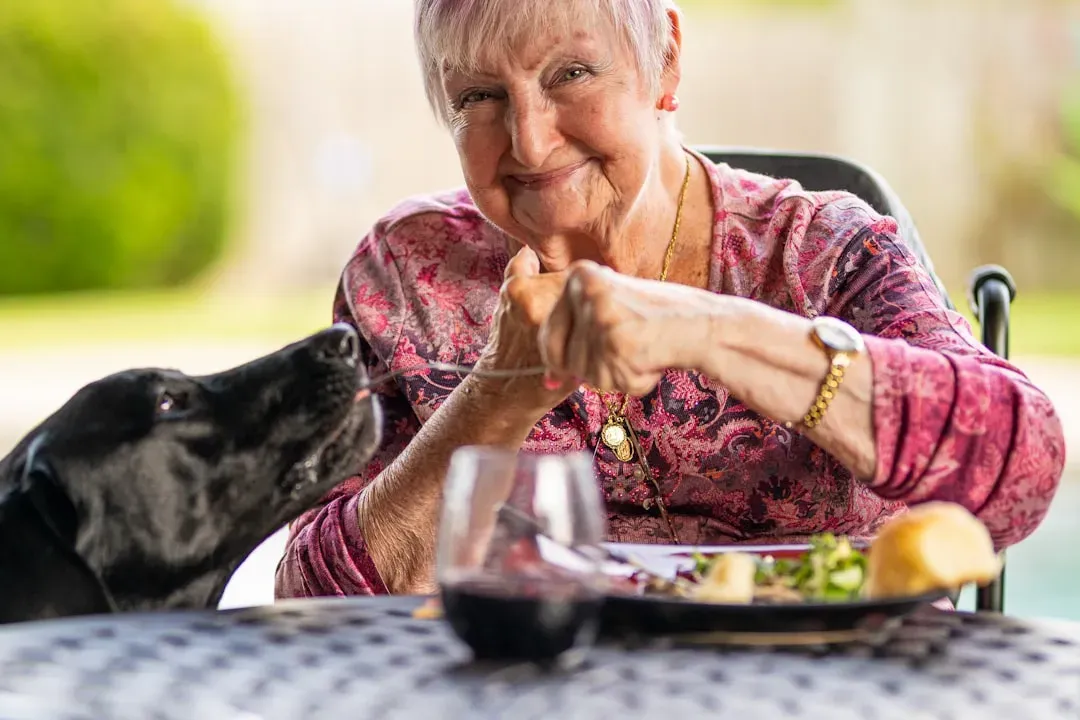
When a dog is young, it is easy to believe that the story is written in big adventures: road trips, hikes, beach days, dog park chaos, the kind of memories you could splash across a social media post. But when your dog becomes a senior, you start to see how wrong that assumption really was. The older they get, the more you realize that the true heart of your life together was always in the small stuff: the slow mornings, the shared routines, the quiet walks where nobody is trying to set a record.
In my opinion, that is the real privilege of loving an old dog – you are forced to stop chasing the highlight reel and lean into the ordinary, which turns out not to be ordinary at all. Your senior dog is not living for one more big adventure; they are living for one more gentle day with you, one more bowl of food, one more car ride, one more sunbeam, one more night falling asleep to the sound of your voice in the next room. Their world may be slowing down, but it is not empty; it is distilled. And maybe the braver question to ask yourself is not how much time they have left, but how fully you are willing to show up for all these small, sacred moments while they are still here.