
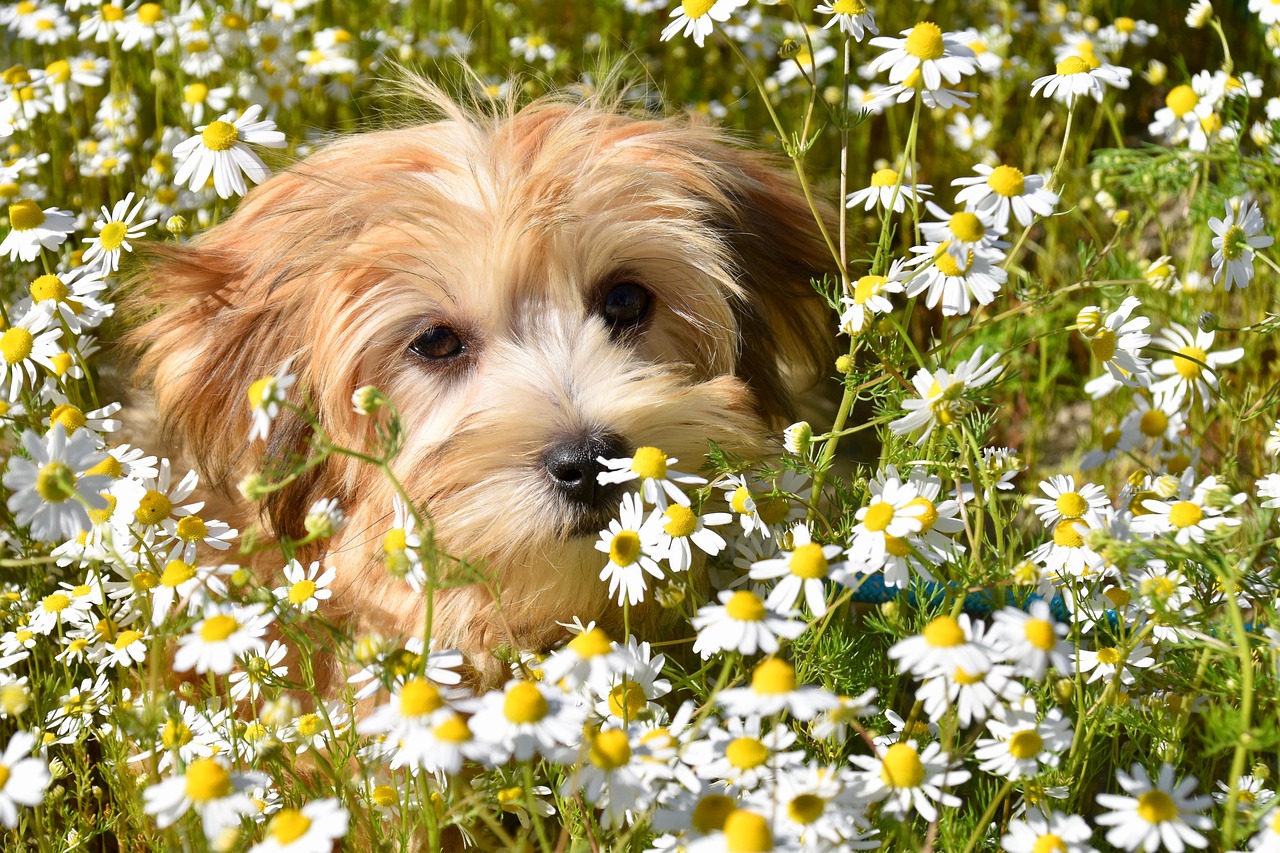
Retirement can feel strangely quiet. One day your schedule is packed with responsibilities, and the next, the hours stretch out like an empty road. A dog can gently fill that space with purpose, movement, and companionship. The trick is finding a breed that gets you off the couch without turning your golden years into a marathon.
The good news: there are breeds that are naturally moderate. They like walks, play, and mental stimulation, but they do not need you training for a triathlon. Below are ten dog breeds that often fit that sweet spot for many older adults – active enough to keep you moving, laid-back enough that you can still enjoy your coffee in peace.
Cavalier King Charles Spaniel: A Gentle Walking Buddy
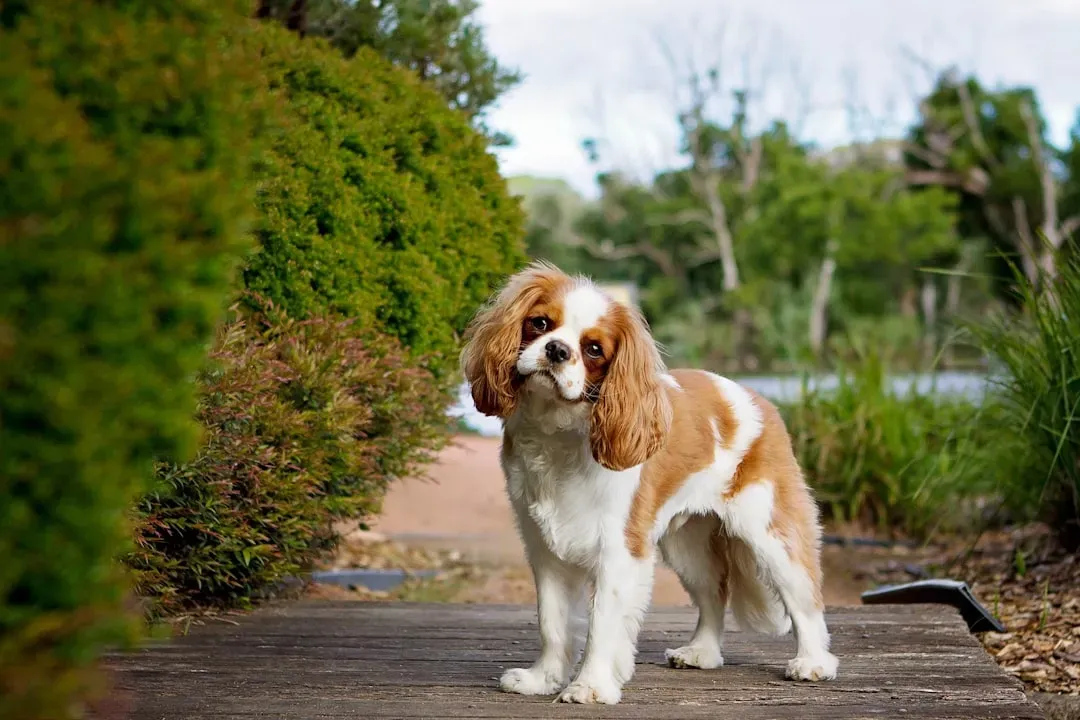
It surprises people how much a small, silky lap dog can encourage daily movement. Cavaliers are usually happy to go on relaxed neighborhood walks and short nature trails, helping you build a simple, consistent exercise routine. They are not built for intense sports, which makes them a good match if your goal is steady activity rather than high-performance workouts.
Because they tend to be very people-focused, they will follow you from room to room, gently nudging you to get up and move. At the same time, they are perfectly content to spend long, quiet stretches resting beside you while you read or watch a show. For many retirees, that combination of soft energy and affectionate closeness feels almost ideal.
Shih Tzu: Small Dog, Manageable Energy
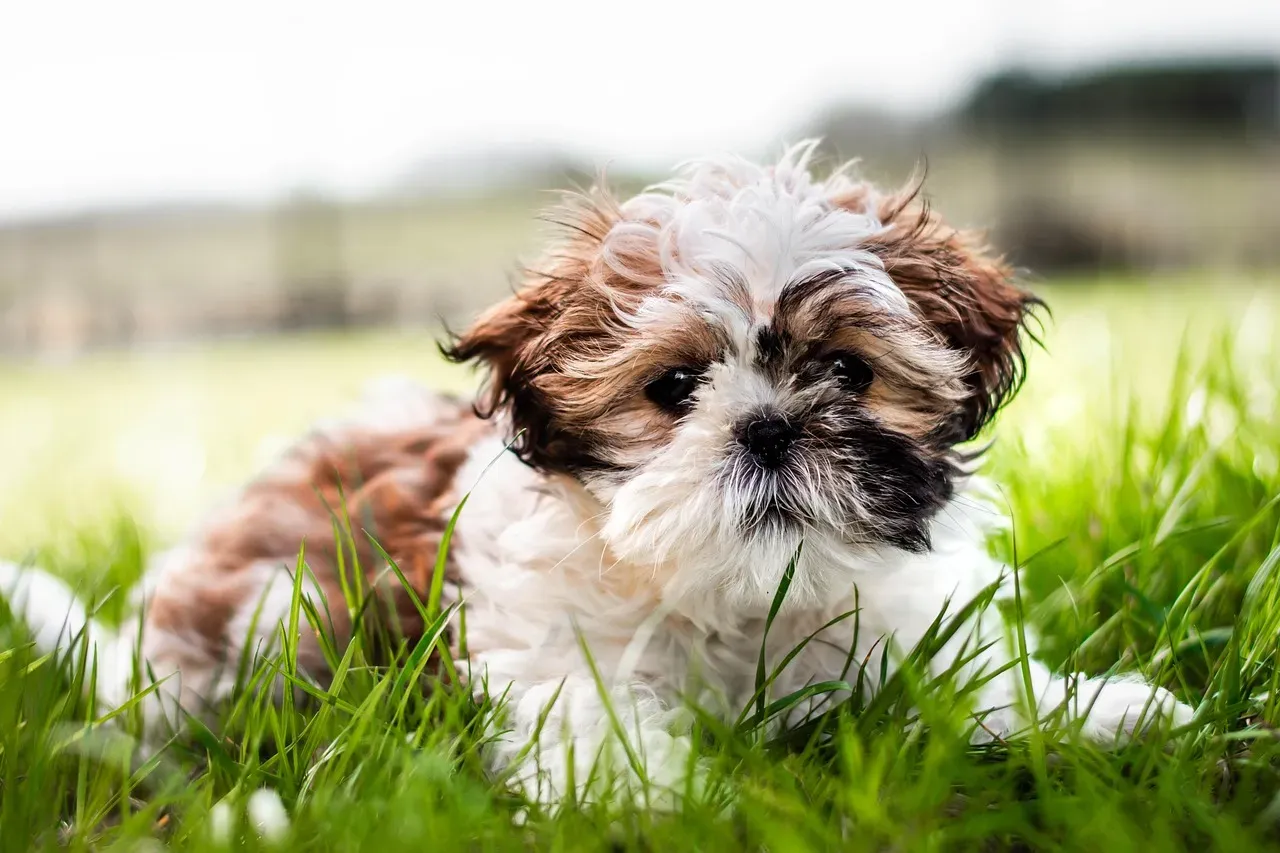
Shih Tzus were originally bred as companion dogs, and it shows in their day-to-day behavior. They enjoy strolls and light playtime, but they are not built to be endurance athletes. A couple of short walks and some indoor games usually meet their activity needs, which can be very manageable if you have joint issues or simply want to avoid long hikes.
Because they are small, they are easier to handle physically – less pulling on the leash, easier to lift if needed, and generally more manageable in tight spaces like apartments or condos. They still bring liveliness and personality into the home, but they are far less likely to leave you worn out at the end of the day.
Pug: Comical Companion With Moderate Demands
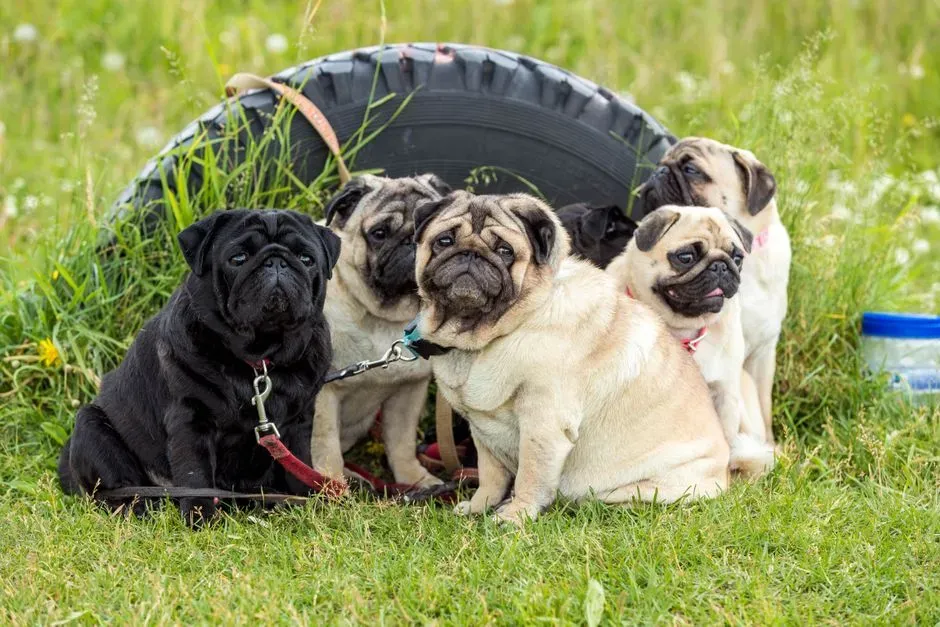
Pugs are often described as clowns in a dog’s body, and that playful spirit makes daily movement feel less like exercise and more like entertainment. They enjoy short walks, bursts of play, and tagging along for errands, which can gently increase your daily step count. Because of their flattened faces, long intense exercise is not a good idea, so their natural limit also protects you from overdoing it.
As a retirement companion, a pug’s main job is emotional support and comic relief rather than high-output activity. They like to be close, to nap, and to participate in daily life without needing elaborate exercise plans. If you want a dog that encourages you to get out for fresh air but also happily shares your afternoon naps, a pug can be a surprisingly good fit.
Cocker Spaniel: Cheerful Walker, Not a Drill Sergeant
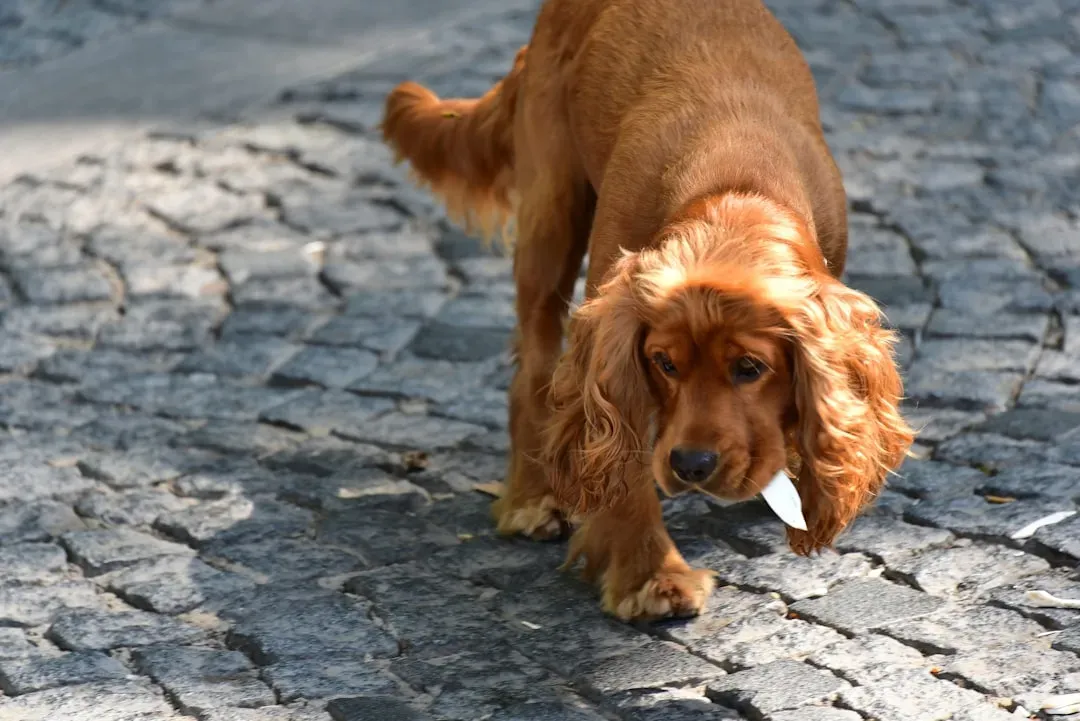
Cocker Spaniels tend to have a friendly, adaptable temperament that works well in quieter households. They enjoy regular walks and a bit of playtime, and their history as sporting dogs means they usually appreciate exploring parks and trails at an easy pace. For many older owners, this creates a rhythm of activity that is uplifting rather than exhausting.
Most Cockers are also very tuned in to their people, often preferring companionship over constant high-energy play. They can settle nicely indoors, especially after a walk, and their manageable size makes them easier to handle than some larger breeds. If you like the idea of a dog that looks athletic but lives at a moderate speed, a Cocker Spaniel might hit that balance.
French Bulldog: Short Bursts, Lots of Relaxing
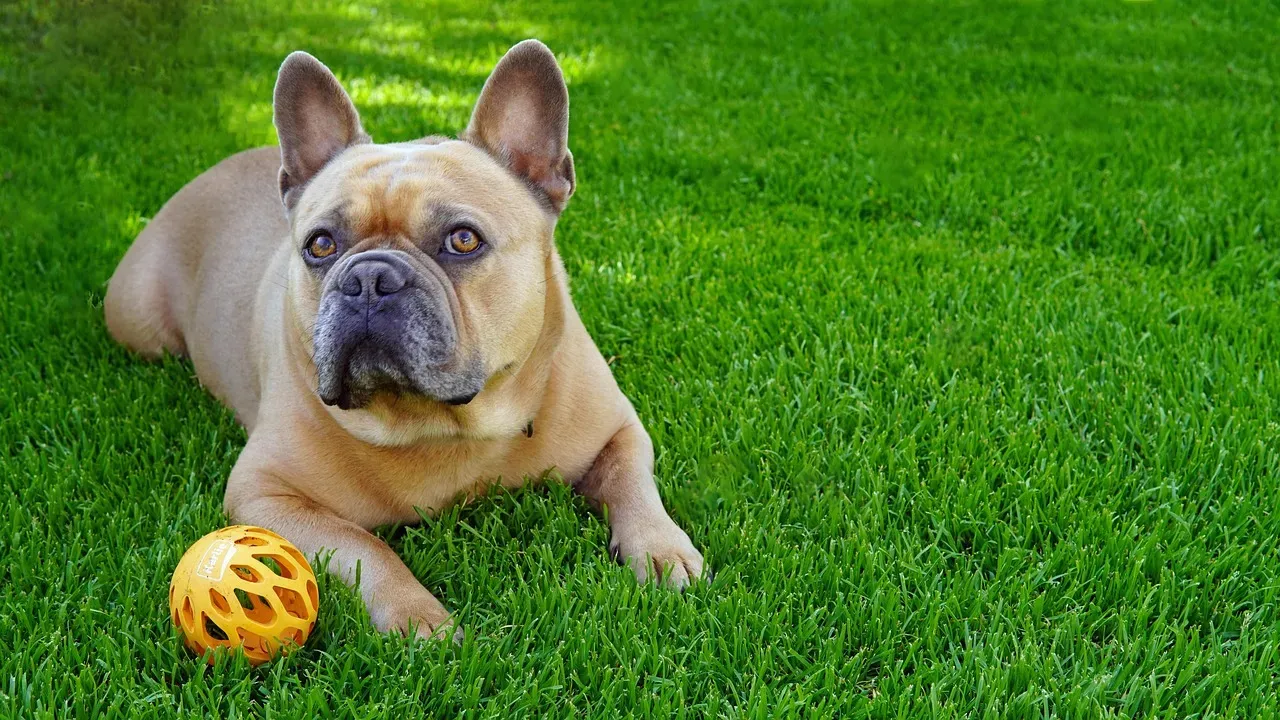
French Bulldogs are sturdy little dogs that generally thrive on short walks and brief play sessions. Their build and breathing structure make them less suited to intense or long-duration exercise, so they rarely drag their owners into overly demanding activity levels. For a retiree who wants to add more movement but not commit to an hour of hiking every day, that can be a real advantage.
They are also typically quite attached to their people and often want to be involved in everyday life, whether that is sitting at a café table or visiting friends. This social, go-along-with-you temperament can nudge you to get out of the house more often, without turning every outing into a workout. You get more steps and more social contact, but still plenty of time to sit and relax.
Bichon Frise: Playful Yet Easy to Live With
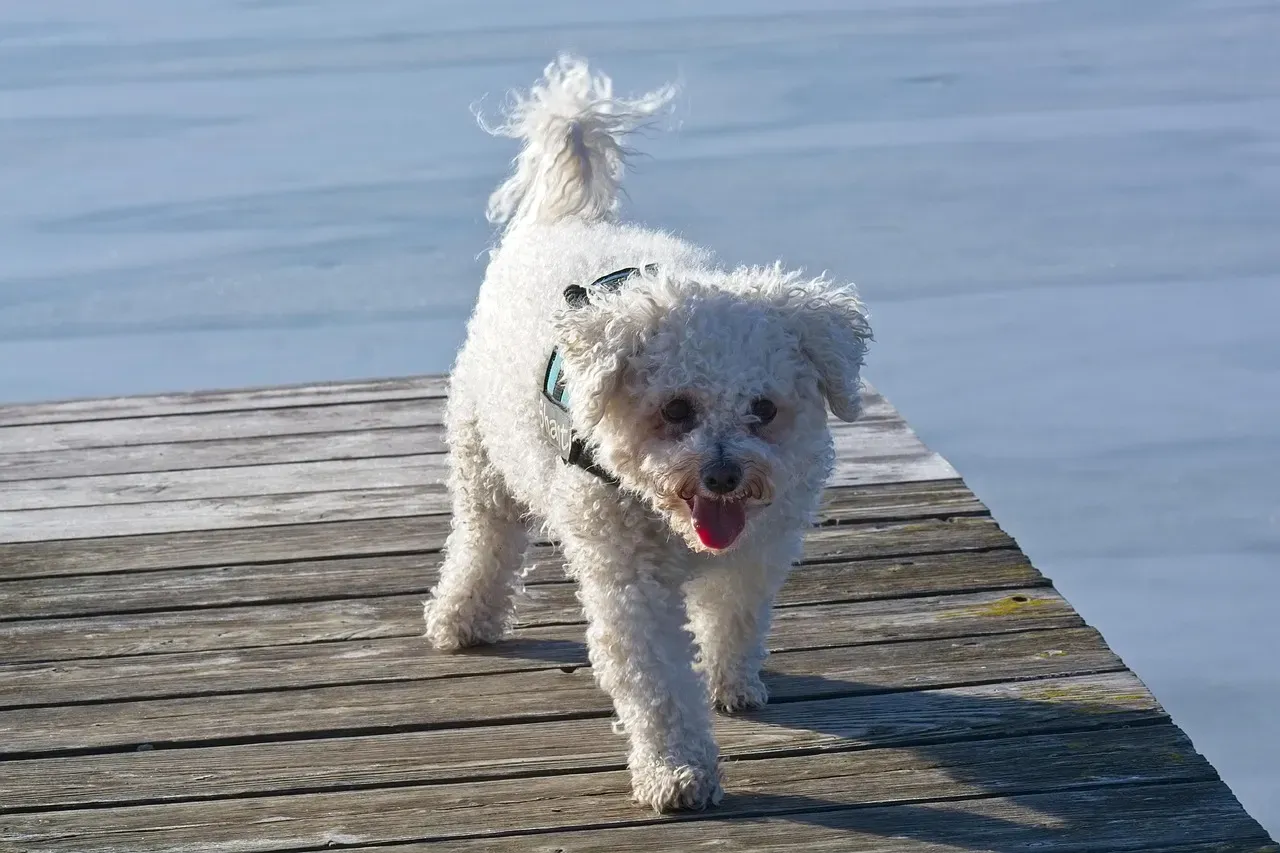
Bichon Frises are usually bright, playful dogs, but their activity needs are very manageable for many older adults. Regular walks and short play sessions, combined with some indoor enrichment like puzzle toys, tend to keep them content. Their small size and typically happy demeanor make physical handling and day-to-day care less intimidating.
Because they are often eager to please and responsive, they can be enjoyable to train, which adds mental activity for both you and the dog. A little trick training or simple obedience practice can be as mentally stimulating as a crossword puzzle, and it helps deepen your bond. In retirement, that sense of shared learning can feel surprisingly meaningful.
Pembroke Welsh Corgi: Active, But In a Compact Package
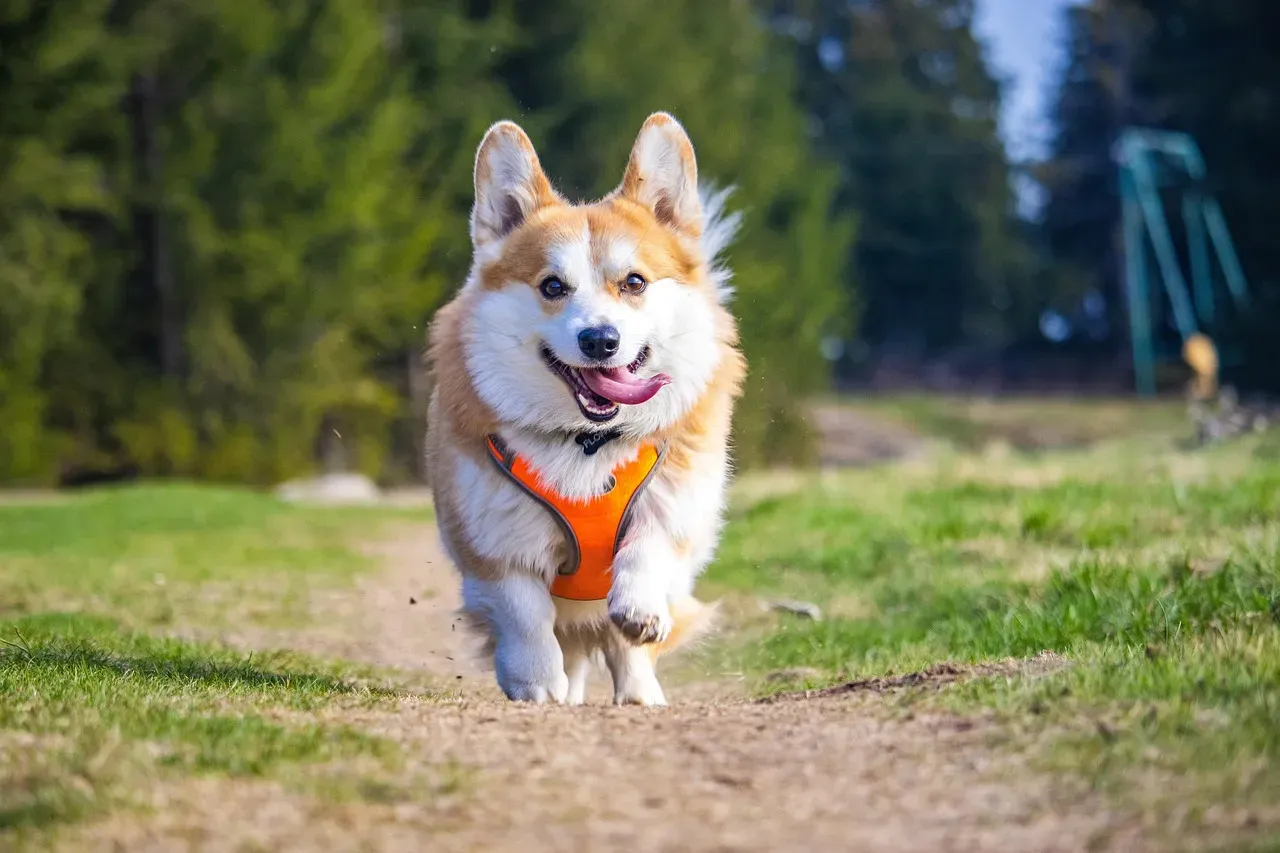
Pembroke Welsh Corgis are originally herding dogs, so they do have some energy, but their short legs and compact build naturally limit how fast and far they tend to go. Many enjoy frequent shorter walks or gentle adventures more than intense long-distance running. For a retiree who still likes to be out and about, that can translate into a pleasantly active but not overwhelming lifestyle.
They are also known for being quite intelligent and expressive, which makes mental stimulation as important as physical exercise. Games like hide-and-seek with treats, basic agility in the backyard, or simple training sessions keep them engaged without requiring you to be in peak physical shape. If you like a dog with personality and are willing to provide structure, a Corgi can keep you on your toes in a way that feels fun rather than exhausting.
Havanese: Velcro Dog With Balanced Energy
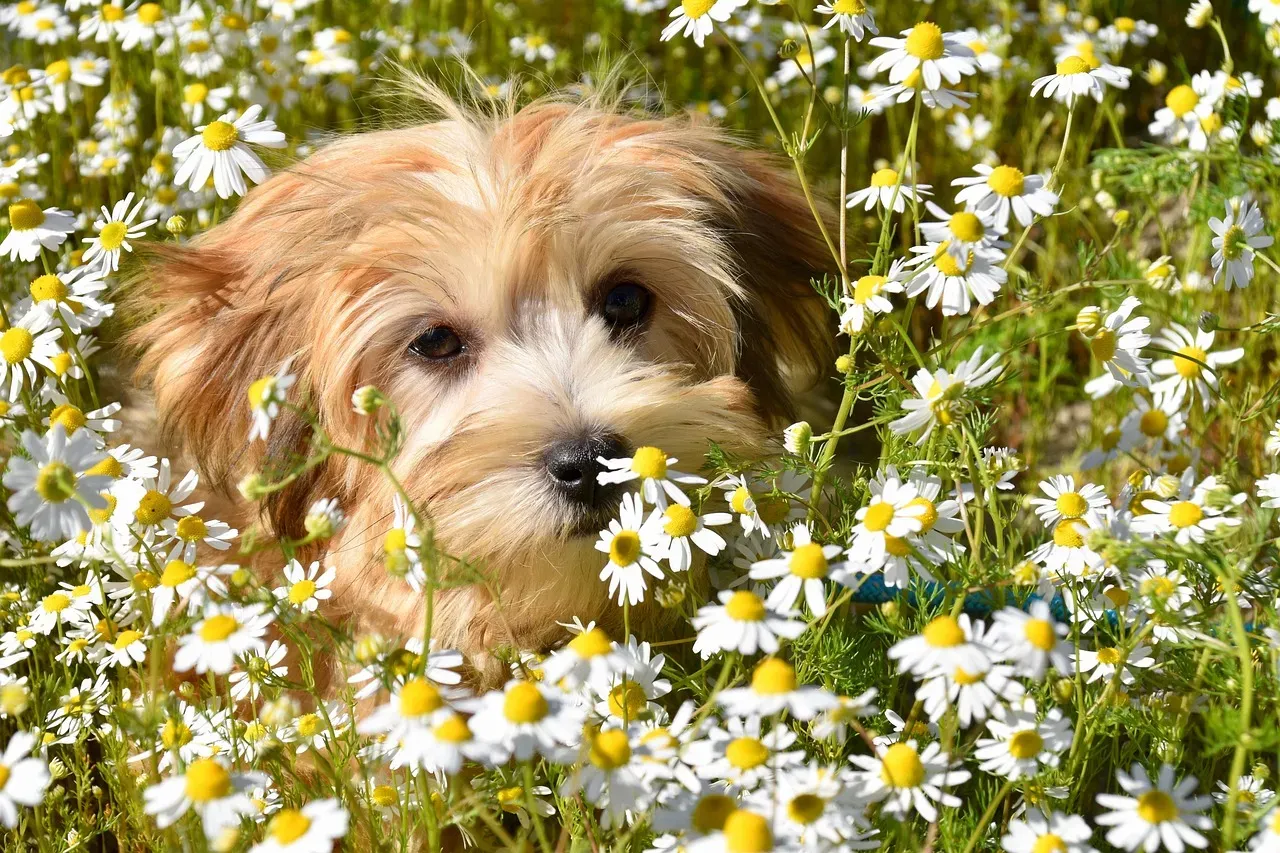
Havanese dogs often act like little shadows, following their people from room to room and joining in whatever is happening. They enjoy daily walks and some play, but they rarely demand hours of high-impact activity. Their moderate energy level can gently encourage you to get up and go outside while still letting you enjoy long stretches of calm time.
They are also known for being quite adaptable to different living spaces, from city apartments to suburban homes. This flexibility means you can match their activity to your current lifestyle and health, increasing or decreasing exercise within reason as your needs change. In retirement, that kind of adaptability can be extremely reassuring.
Beagle (From a Responsible, Moderate Line)
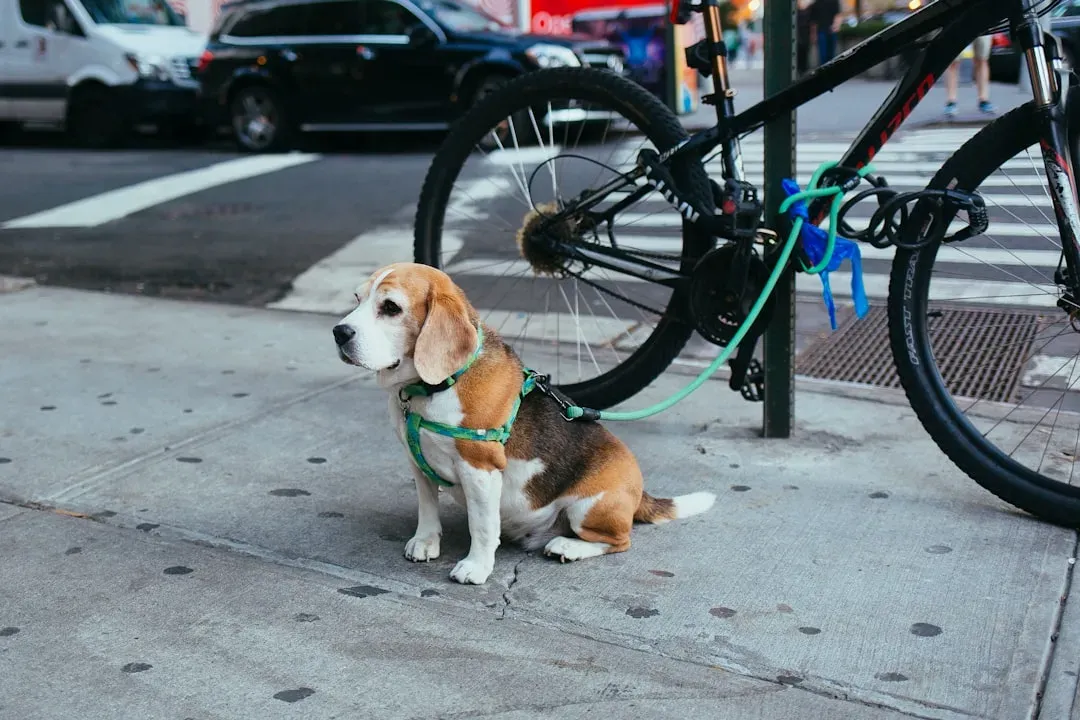
Beagles can vary in energy, but many from responsible breeders or rescues that understand their temperament end up being manageable, especially as adults. They like sniffing walks and leisurely explorations more than high-speed sprints, which can be ideal for adding gentle activity to your day. A slow loop around the neighborhood becomes more interesting when you are following a nose that wants to investigate every new scent.
Once properly exercised and mentally stimulated, many Beagles settle nicely at home, enjoying naps and family time. If you are willing to use a leash and do a bit of basic training, their curiosity can add structure and fun to your daily routine. For the right person, that mix of enthusiasm and eventual calm creates a satisfying, sustainable level of activity.
Boston Terrier: Bright, Social, and Not Over the Top
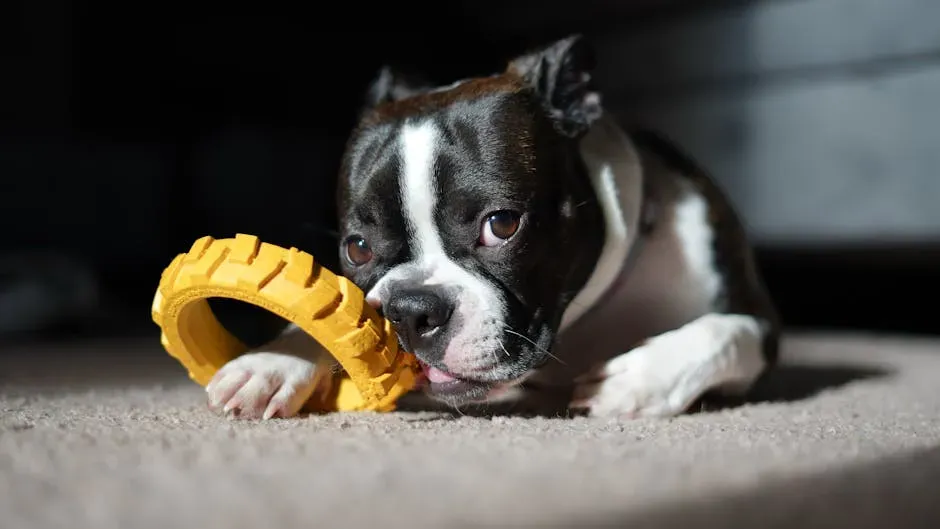
Boston Terriers are often lively and expressive, but their compact build and moderate size keep their exercise needs within reach for many older owners. They typically do well with daily walks and interactive play but do not usually require long-distance running or intense sports. That means you can be more active without feeling like you are trying to keep up with a professional athlete.
They tend to thrive on human interaction and enjoy being involved in social activities. Taking a Boston Terrier to dog-friendly shops, visiting friends, or sitting outdoors at a café can add both movement and social engagement to your days. In retirement, that social layer can be just as important for mental health as the physical exercise itself.
Conclusion: The Right Dog Makes Activity Feel Natural, Not Forced
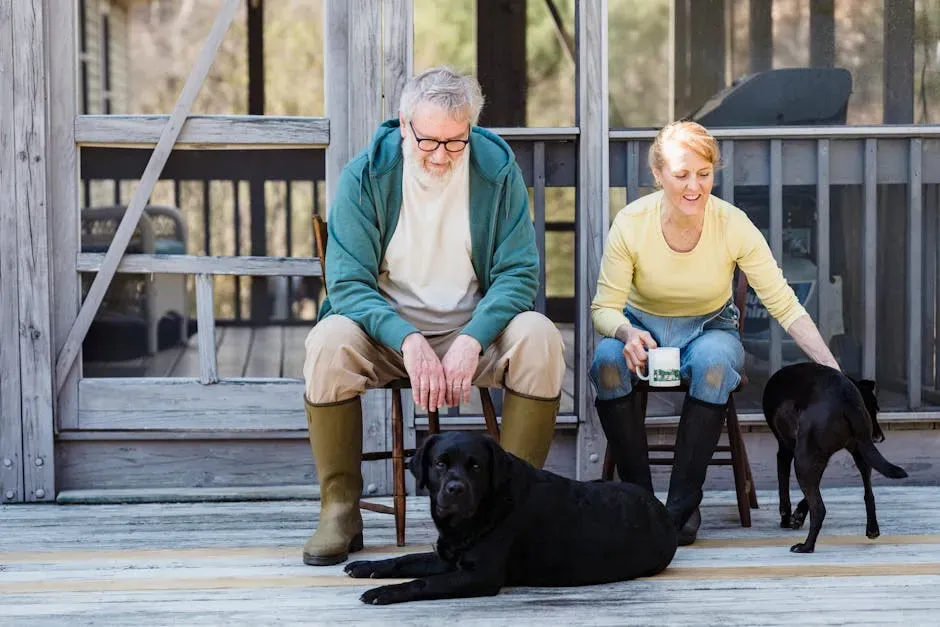
In my experience, the best retirement dogs are not the ones that push you to your physical limits, but the ones that gently invite you into a more active, intentional life. A short daily walk, a few minutes of training, and a bit of playful interaction can add up to a meaningful boost in physical and emotional well-being. When the dog’s energy level matches your real capacity – not who you wish you were ten years ago – you get all the benefits of movement without the constant guilt or fatigue.
If anything, these breeds remind us that an active retirement does not have to look like a fitness commercial. It can look like slow walks, soft fur, shared routines, and a reason to greet each morning with just a little more purpose. The real question is not whether you can keep up with a dog, but which dog will happily keep pace with the life you actually want now – so which one would you choose to walk beside you in this next chapter?


