
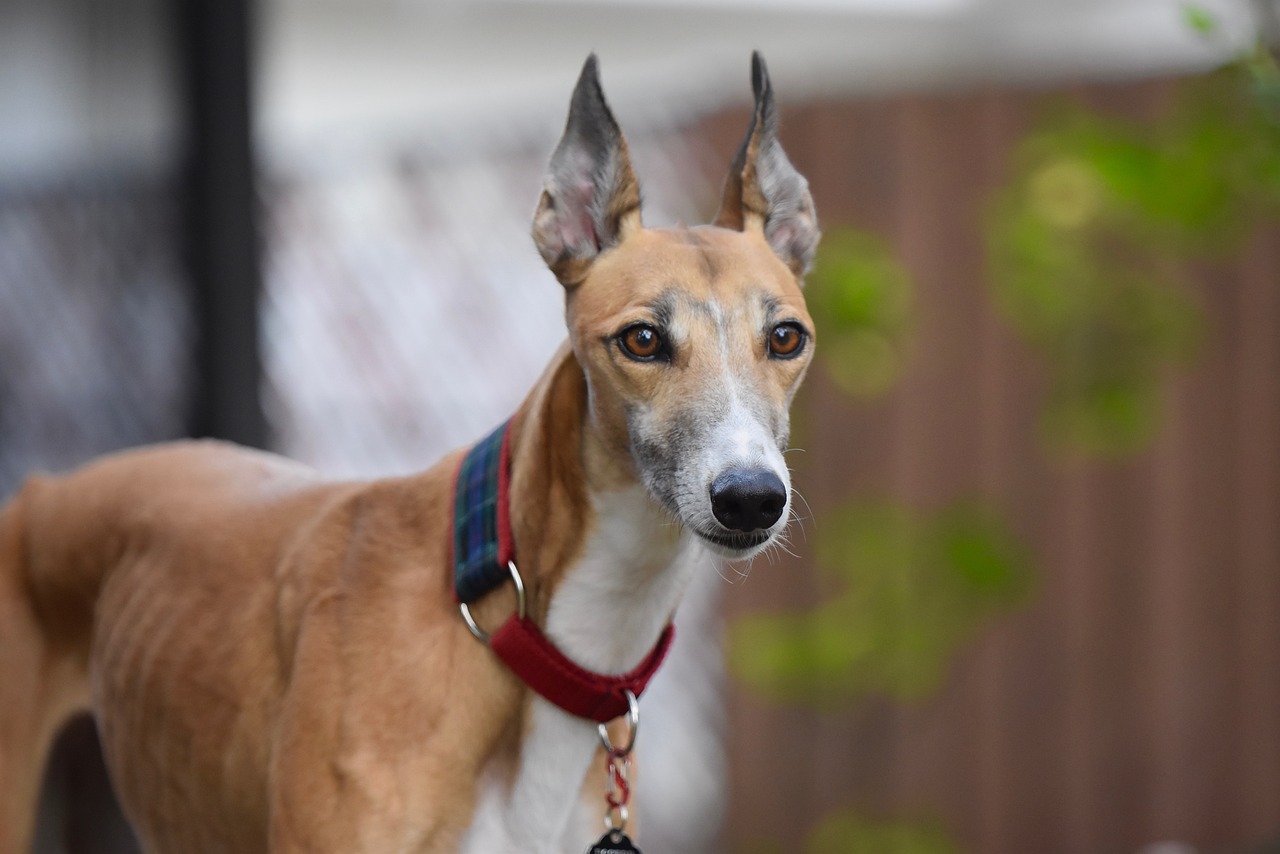
There’s something quietly magical about a dog that is thrilled to see you, but doesn’t require you to power-walk five miles at sunrise just to keep the peace. For many retirees, the dream is simple: warm companionship, a bit of gentle activity, and a furry friend who fits into your life instead of taking it over like a boot-camp instructor in a fur coat.
If you’re past the phase of chasing hyperactive puppies around the yard and you’d rather spend your mornings with a cup of coffee than a stopwatch, the dog you choose matters a lot. The good news is there are several breeds known for being affectionate, adaptable, and relatively low on the high-intensity exercise scale. Let’s walk through eight dog breeds that can make retirement sweeter, calmer, and a lot more fun – without feeling like you accidentally adopted a personal trainer.
Cavalier King Charles Spaniel: A Lap Dog With Just Enough Spark
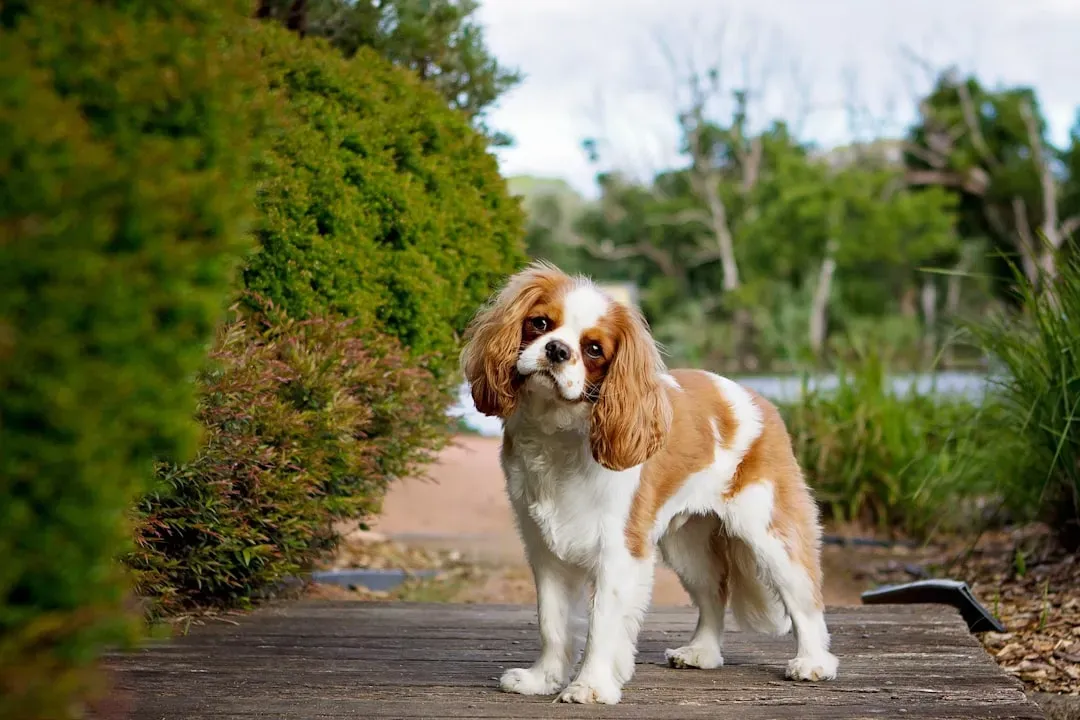
Cavalier King Charles Spaniels are often described as living, breathing mood boosters. They’re small, usually under twenty pounds, and bred for companionship, which means they tend to be happiest when they’re near their person – curled up on the couch, lounging in a sunbeam, or padding quietly from room to room. They do need daily walks and a bit of play, but they’re not built for intense endurance workouts, which makes them a nice match for slower, more relaxed routines.
What I like about Cavaliers is that they often adjust to the pace of the household. In a busy family with kids, they’ll romp and play; in a retired home, they’re more likely to enjoy short walks and long cuddles. They do have some known health concerns, especially heart and neurological issues, so it’s important to work with reputable breeders or consider rescue groups that screen carefully. For retirees who want a loving, gentle dog that’s more about closeness than constant motion, this breed can be a quietly joyful presence.
Shih Tzu: A Compact Companion Built for Indoor Life
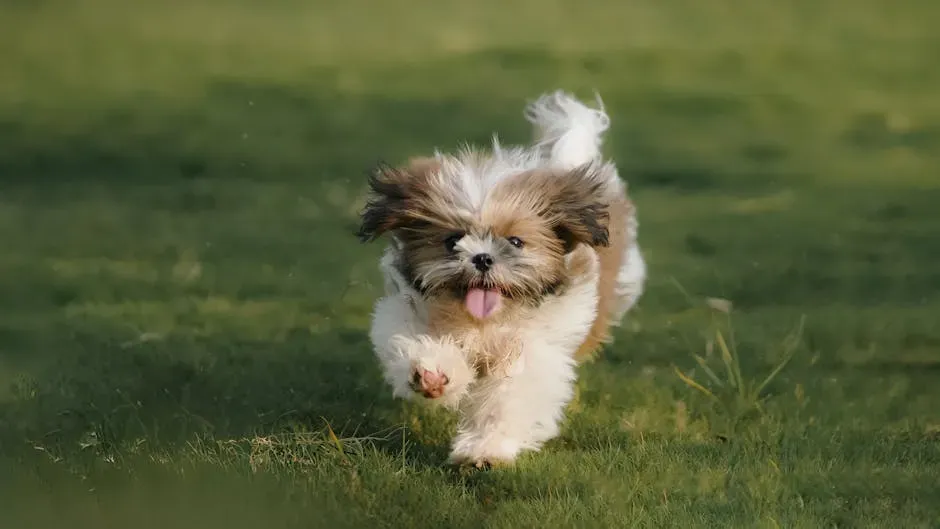
Shih Tzus were historically bred as palace companions, and honestly, they still act like it – but in a charming way. They’re small, sturdy lap dogs who are typically content with moderate activity: a couple of leisurely walks each day and some light indoor play usually keep them satisfied. Unlike high-drive working breeds, they’re not going to bounce off the walls if you skip a long hike or choose a calm day at home.
They’re also a good fit for apartments, condos, or homes without big yards, which is often the case in retirement communities. Their grooming needs can be real – those luxurious coats don’t maintain themselves – but many owners opt for a shorter “puppy cut” that’s easier to manage. In exchange for the brushing and occasional professional grooming, you get a friendly, affectionate dog that doesn’t push you into marathon-level exercise but still makes every day feel a little less quiet and a lot more connected.
Pug: A Clownish Soul With Modest Exercise Needs
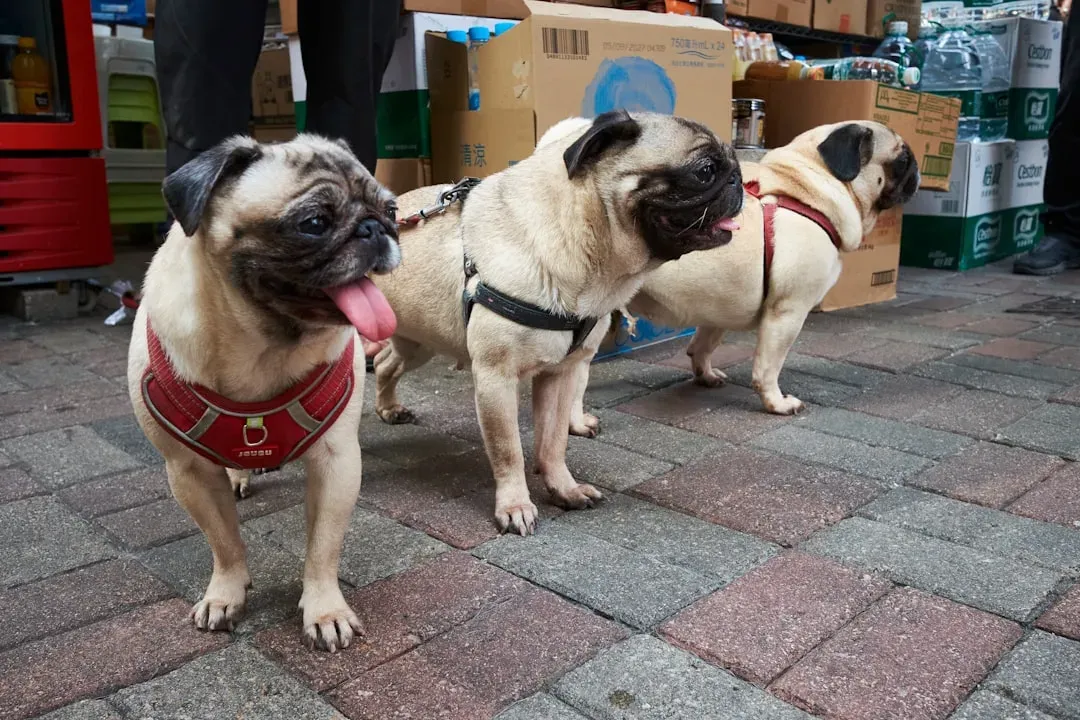
Pugs are famously expressive, with big round eyes and faces that seem to have opinions about everything. Underneath the comedy, they’re usually affectionate, people-oriented dogs that thrive on being near their humans. They enjoy daily walks and short play sessions, but because of their short noses and compact bodies, long or intense exercise can actually be unsafe in hot or humid weather. In other words, they’re built for moderation, not endurance challenges.
From a retiree’s perspective, that can be a plus – your pug is unlikely to lobby for mountain trails or long-distance jogs. Instead, they’re usually thrilled with a stroll around the block, some sofa time, and maybe a gentle game of tug. Their short muzzle does come with health considerations, especially breathing and temperature regulation, so they need a bit of extra care and common sense with exertion. If you want a dog that makes you laugh, follows you around like a little shadow, and doesn’t demand an athlete’s schedule, a pug can be surprisingly perfect.
Bichon Frise: Cheerful, Light, and Apartment-Friendly
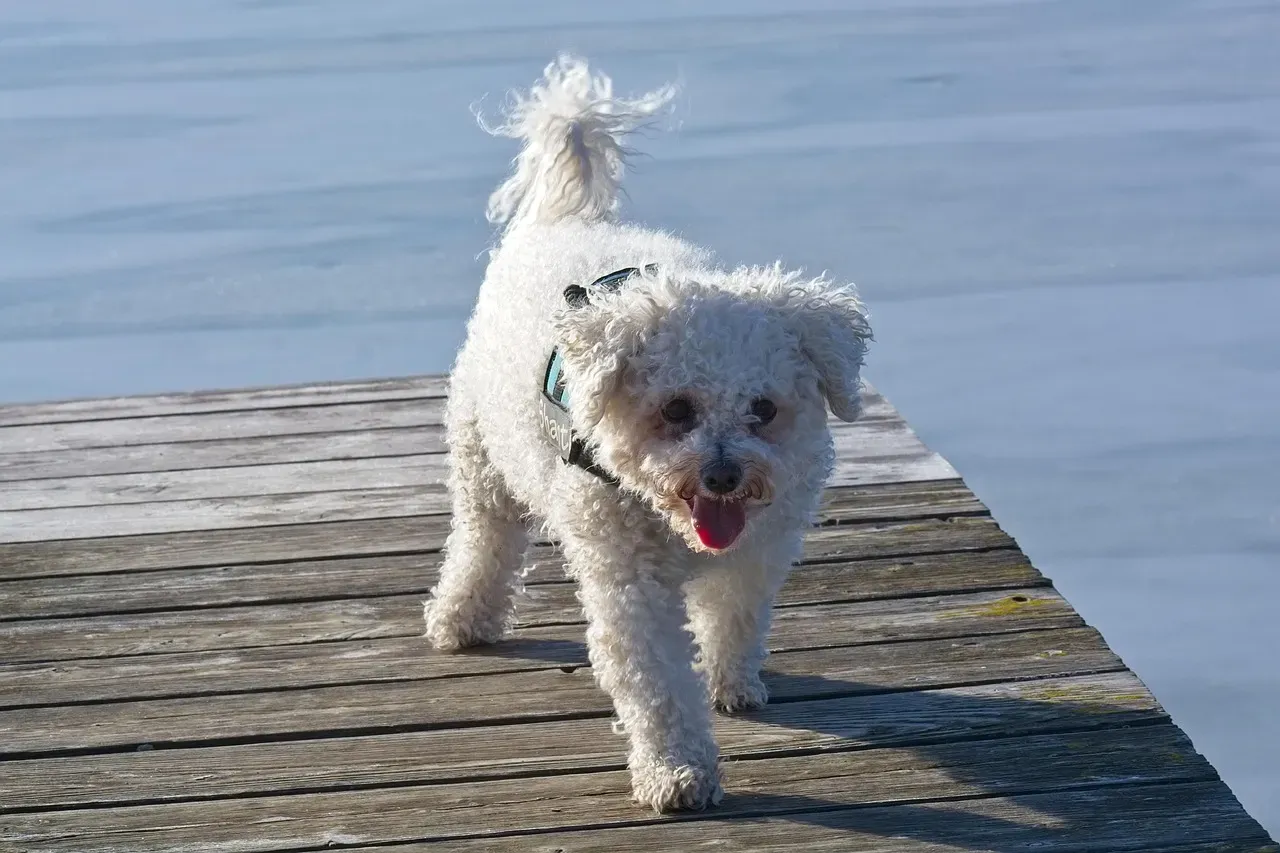
The Bichon Frise tends to bring sunshine into a room without bringing chaos. These small, white, fluffy dogs are known for their friendly, sociable temperaments and their love of human company. They do like daily activity – short walks, gentle play, maybe a bit of training to keep their minds busy – but they don’t typically require hours of hard exercise. Their moderate energy usually fits nicely with retired lifestyles that include short outings and plenty of home time.
One practical advantage is that Bichons shed very little, which can be helpful for people who prefer less fur on the furniture or who have mild sensitivities. The tradeoff is grooming: regular brushing and periodic professional grooming are important to prevent mats and keep them comfortable. Still, for retirees who enjoy a bit of routine and don’t mind a grooming schedule, the Bichon offers a mix of charm, light-hearted play, and manageable physical needs that feels balanced instead of exhausting.
French Bulldog: Low-Mileage Walker, High-Value Companion
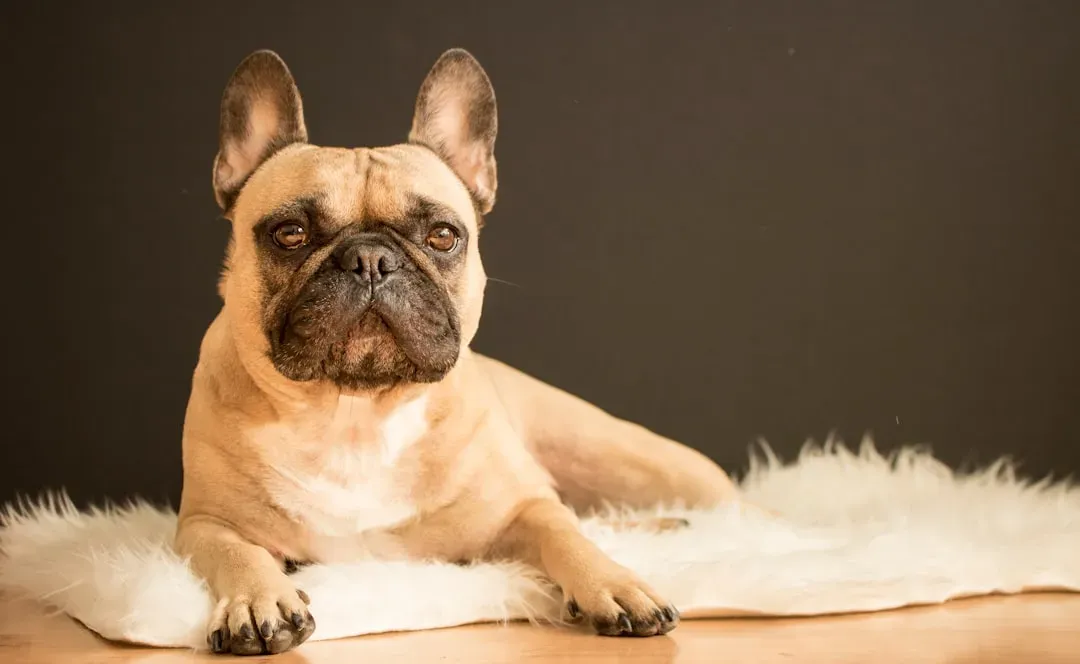
French Bulldogs have become wildly popular for a reason: they pack a ton of personality into a sturdy, compact body. They’re not natural endurance athletes; in fact, because of their short noses and stocky build, they typically do best with short, controlled walks and careful monitoring in warm weather. Many Frenchies are satisfied with a couple of relaxed strolls daily and some quiet indoor interaction, making them suitable for retirees who prefer shorter outings.
Emotionally, they tend to bond deeply and love being in the middle of household life. You’ll often find a Frenchie parked at your feet, beside your chair, or right in your lap if you allow it. That closeness can be incredibly comforting in retirement, when the house might otherwise feel a little too quiet. The flip side is that they can be prone to health issues, especially related to breathing and joints, so anyone considering a French Bulldog should be very selective about breeders and ready for potential vet care. If you’re comfortable with that responsibility, the emotional return can be huge.
Maltese: Gentle, Portable, and Happy With Short Walks
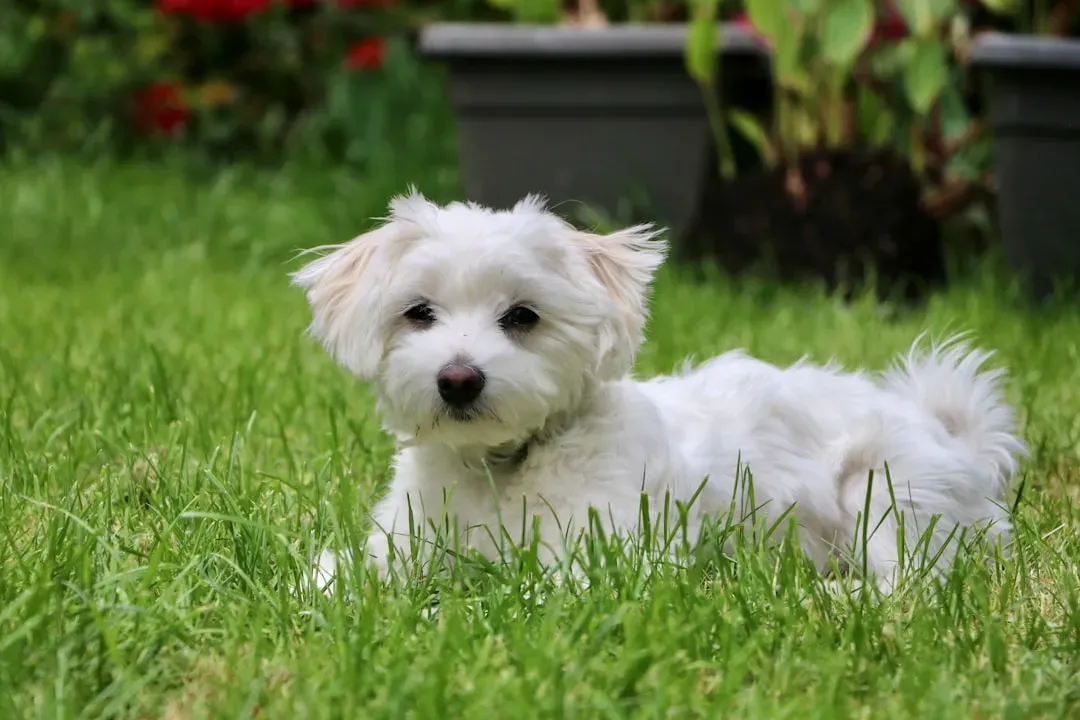
The Maltese is one of those breeds that seems tailor-made for companionship. Small, light, and usually very affectionate, they’re often content with modest exercise – short daily walks, some indoor play, and plenty of time glued to their favorite human. They are not built for high-impact sports or endless fetch sessions, which fits well with a slower, more measured rhythm of life.
Because they’re so small, they’re easy to manage physically, even for retirees with reduced strength or mobility. Lifting them into a car, onto a grooming table, or away from a tricky situation is simply more manageable than with a larger dog. Their long, silky coat can demand consistent grooming, but many owners keep it in a shorter, practical style. If you’re looking for a dog that is more about emotional presence than physical demands, a Maltese can feel like a calm, steady little heartbeat in the home.
Greyhound (Retired Racer): The Surprisingly Low-Energy Couch Potato
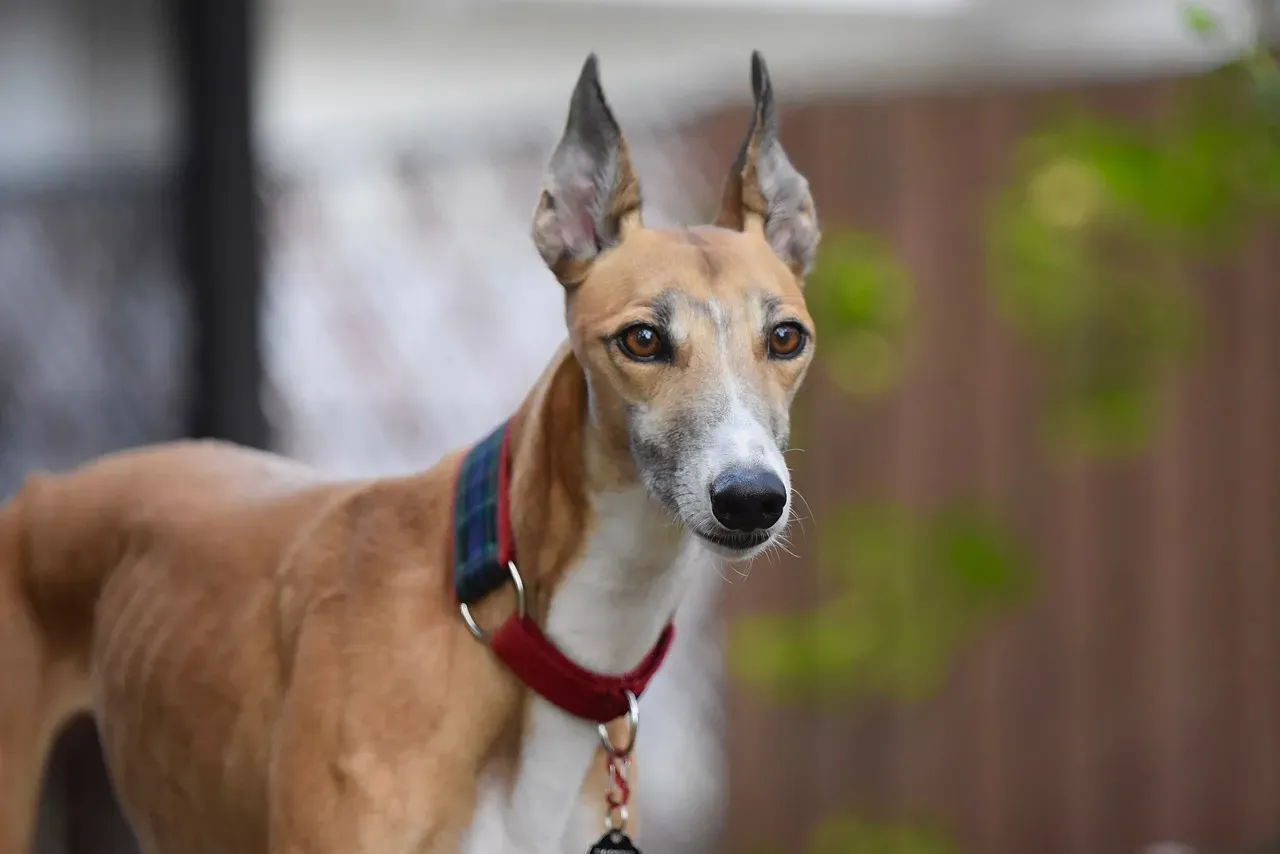
It shocks people, but many retired racing Greyhounds are some of the biggest couch potatoes in the dog world. Yes, they are built for speed, but they’re sprinters, not marathoners. Once adopted into a home, a lot of them are perfectly satisfied with a couple of decent walks per day and occasional chances to stretch their legs in a secure area. The rest of the time, they’re often draped across a bed, quietly snoozing like oversized house cats.
For retirees who want a calm, elegant dog without a high-energy lifestyle, a Greyhound can be an unexpectedly good fit. They’re usually gentle, sensitive, and responsive to a peaceful home environment. Their size can be a factor for some people, especially in small spaces, but they tend to be indoor loungers rather than hyperactive roamers. If you like the idea of adopting an adult dog and skipping the chaos of puppyhood, working with a Greyhound rescue can be both rewarding and surprisingly practical.
Cocker Spaniel: Balanced Energy and Sweet-Tempered Company
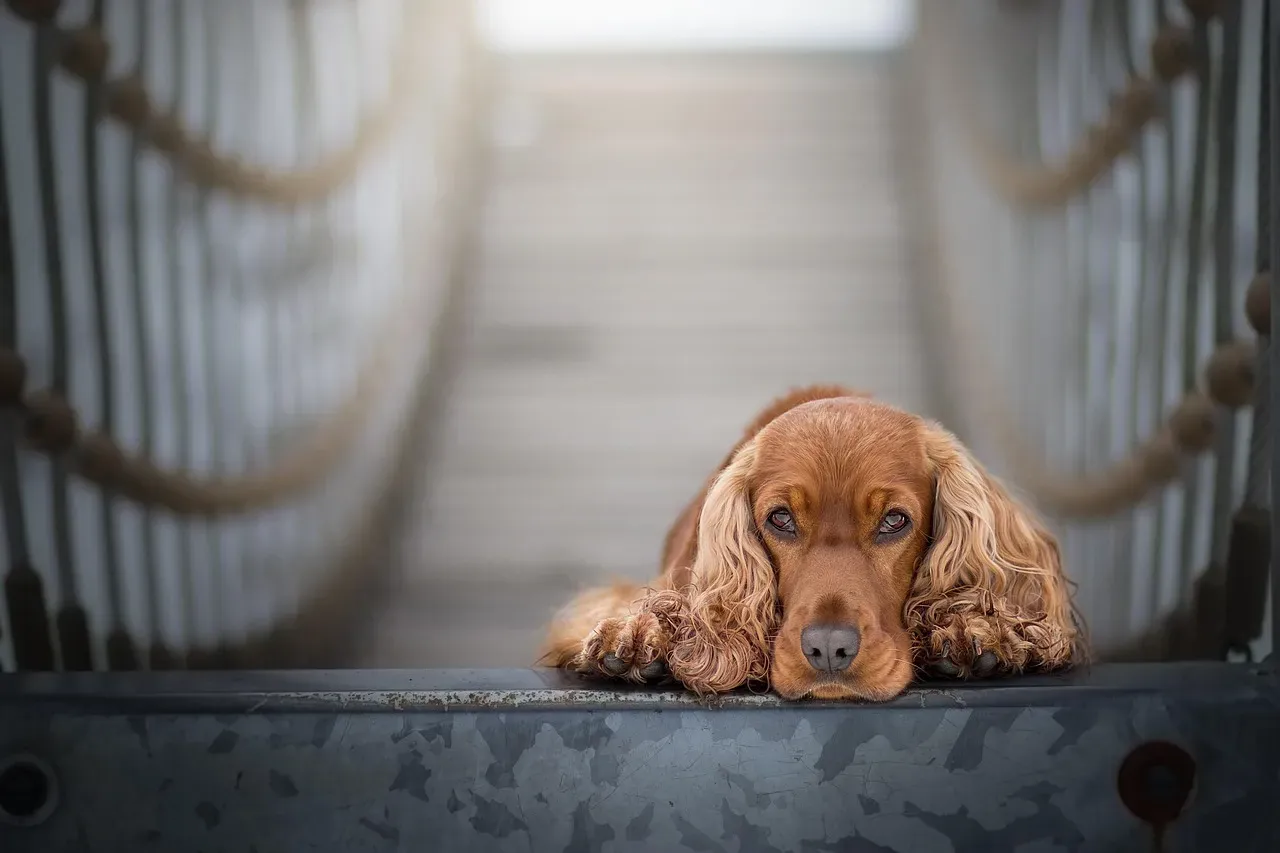
Cocker Spaniels sit in that middle zone that many retirees actually prefer: they like activity, but they don’t require a relentless pace. Regular walks, some playtime, and perhaps a little light training or nose work can usually keep them content. They were originally bred as hunting dogs, so they do have some natural curiosity and drive, but most pet-bred Cockers adapt well to suburban or even urban life, especially if their minds and senses are gently engaged.
Temperament-wise, they tend to be affectionate and people-focused, often forming strong bonds with their families. That combination of emotional warmth and moderate energy can work very well for retired owners who still enjoy getting out and moving, but not at a breakneck speed. Grooming and ear care are important, so they’re better for people who are comfortable with a bit of routine maintenance. In return, you get a dog who brings life and affection into the home without demanding that every day become a fitness challenge.
Miniature Schnauzer: Alert, Engaged, and Manageable
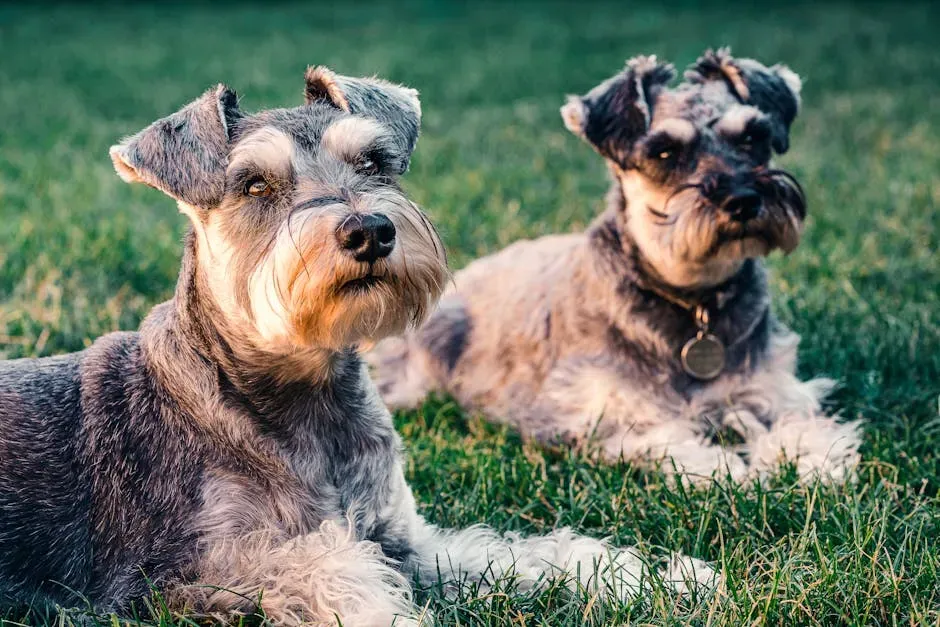
Miniature Schnauzers are small but sturdy, with enough personality to fill a room. They’re more alert and terrier-like than some of the pure lap dogs on this list, so they do appreciate regular walks and mental stimulation. That said, they do not usually require extreme exercise; consistent, moderate activity tends to suit them just fine. A couple of good walks and some interactive play or training can meet their needs without turning your schedule inside out.
They also shed very little, which many retirees appreciate for cleanliness and, in some cases, allergies. Their distinctive bearded faces and expressive eyebrows give them a serious look, but most are affectionate, playful, and quite attached to their people. For retirees who want a dog that feels a bit more alert and “on duty” without being physically overwhelming, the Miniature Schnauzer can hit a very comfortable sweet spot.
Conclusion: The Right Dog Should Fit Your Life, Not Redesign It
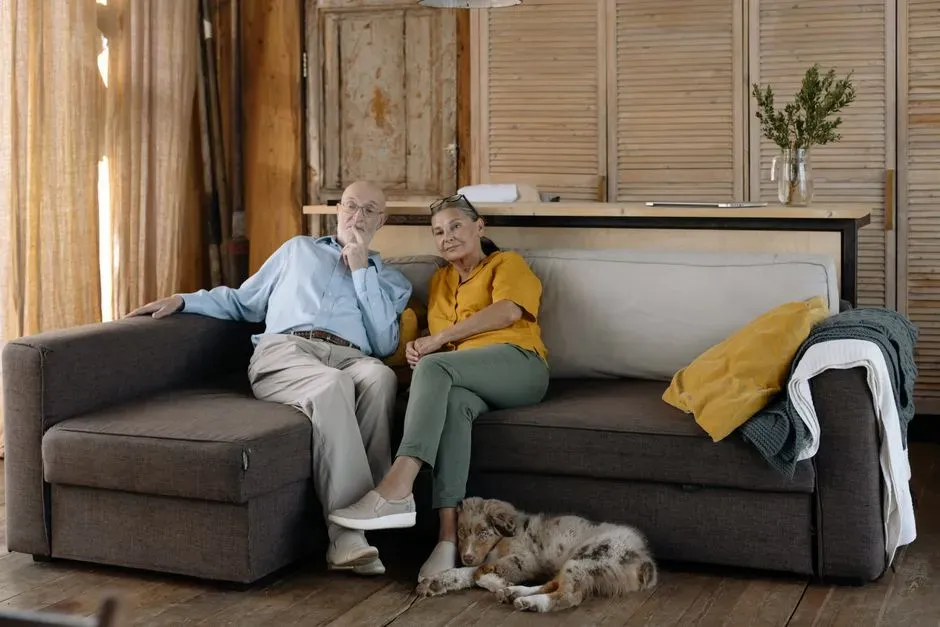
When you’re retired, your time becomes both precious and personal. The best dog for this chapter is not the one that drags you into a lifestyle you never wanted; it’s the one that quietly slots into your days, adding warmth, routine, and joy without demanding that you train for a marathon. Breeds like the Cavalier, Shih Tzu, Pug, Bichon, French Bulldog, Maltese, Greyhound, Cocker Spaniel, and Miniature Schnauzer each offer their own version of that balance: real companionship with realistic exercise needs.
My own opinion is that retirees are often pushed toward whatever breed is trendy, instead of what actually matches their energy, health, and living situation. That’s backwards. Start with your reality – your mobility, your space, your budget, and your idea of a perfect day – and then choose the dog that fits, not the other way around. In the end, the right dog in retirement is less about bragging rights and more about shared comfort: two beings simply moving through the day together, at a pace that feels kind. If you pictured a calmer, cozier life with a dog by your side, which of these companions sounds closest to the rhythm you truly want?


