
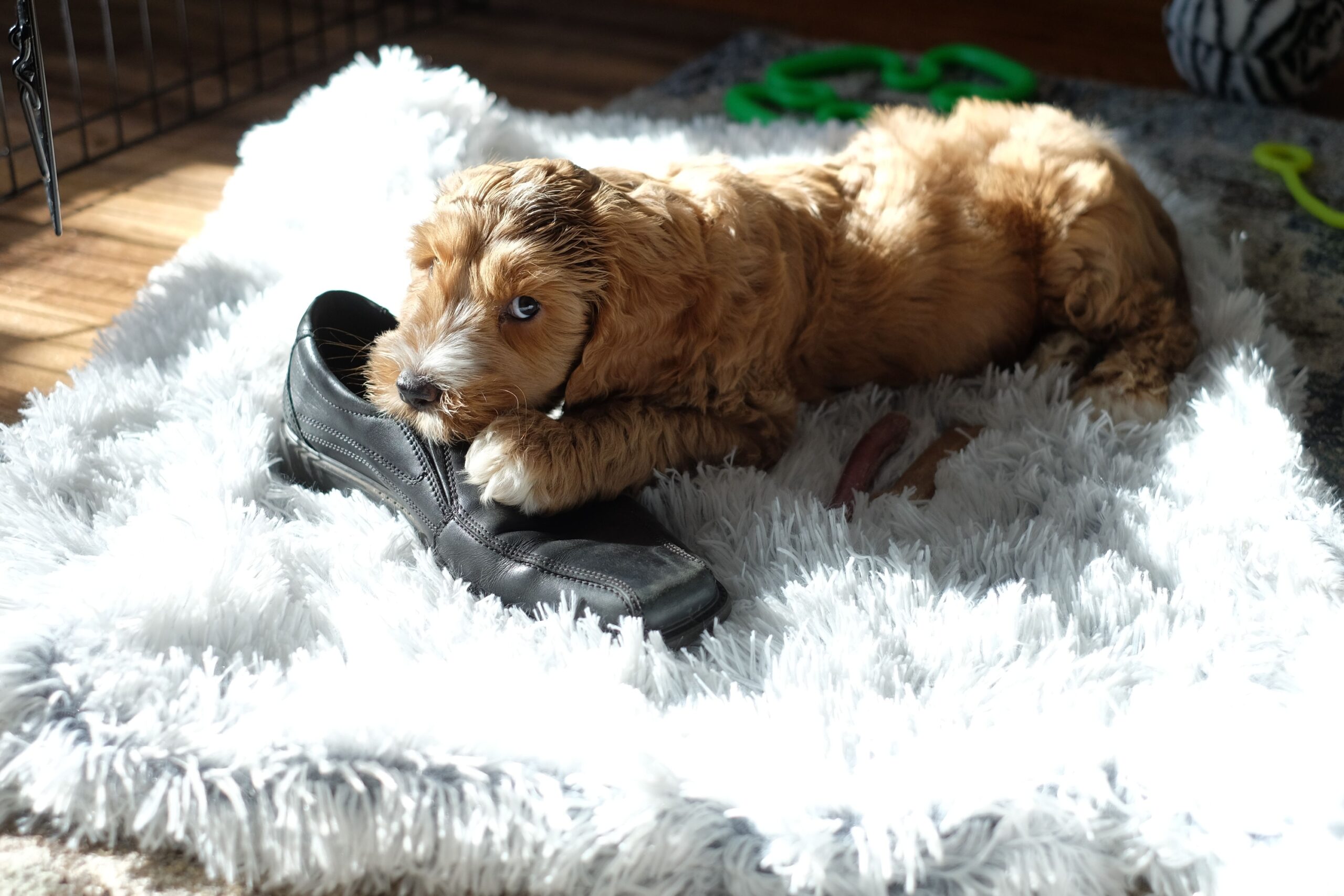
You know that moment when you’re scolding your dog and they suddenly glance away, lick their lips, or pretend to be fascinated by a random spot on the wall? It can feel infuriating, almost like they are tuning you out on purpose. But animal behavior science suggests something much more touching is happening: your dog may actually be trying to keep the peace, not blow you off.
Once you understand this, those “stubborn” looks start to feel different. Instead of seeing a dog who does not care, you begin to see a dog carefully navigating your emotions, doing everything they can to dial the tension down a notch. It is a quiet, subtle kind of emotional intelligence that many of us miss in the heat of the moment – and once you see it, you cannot unsee it.
The Surprising Truth Behind the Averted Gaze
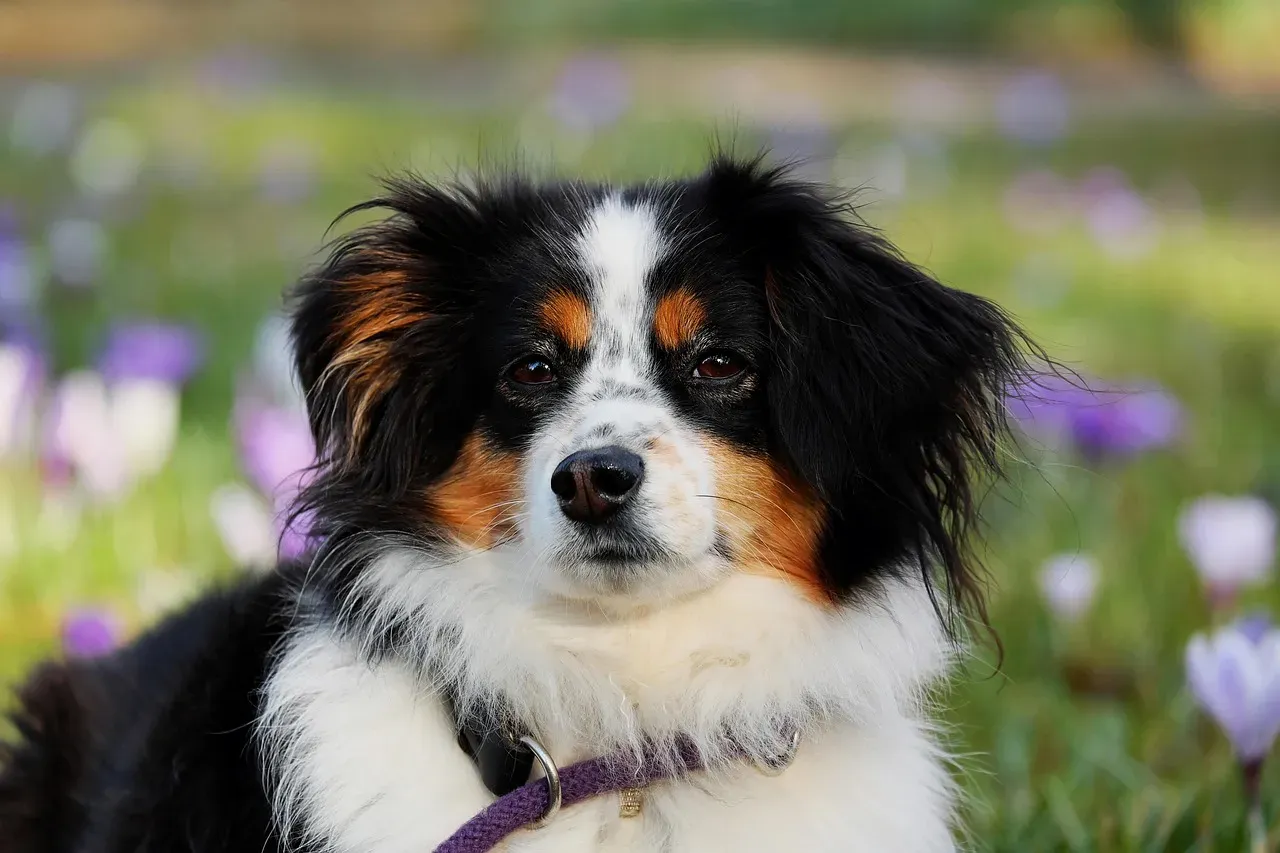
It is easy to assume a dog that looks away when you raise your voice is being disrespectful or defiant, because that is how we might interpret it in a human argument. In dog psychology, though, a turned head, soft eyes, or looking to the side is often a classic signal of de‑escalation. Dogs use these body language cues with each other to say something like: “I do not want trouble, let us calm down.”
When you are upset and your dog glances away, they may be reaching for the same social tool they would use with another dog who is getting too intense. It is less “I do not care what you are saying” and more “I sense you are stressed, I am trying not to make this worse.” Once you see that averted gaze as a peace offering rather than an insult, your entire reaction to it starts to shift.
Calming Signals: Your Dog’s Quiet Language of Peace
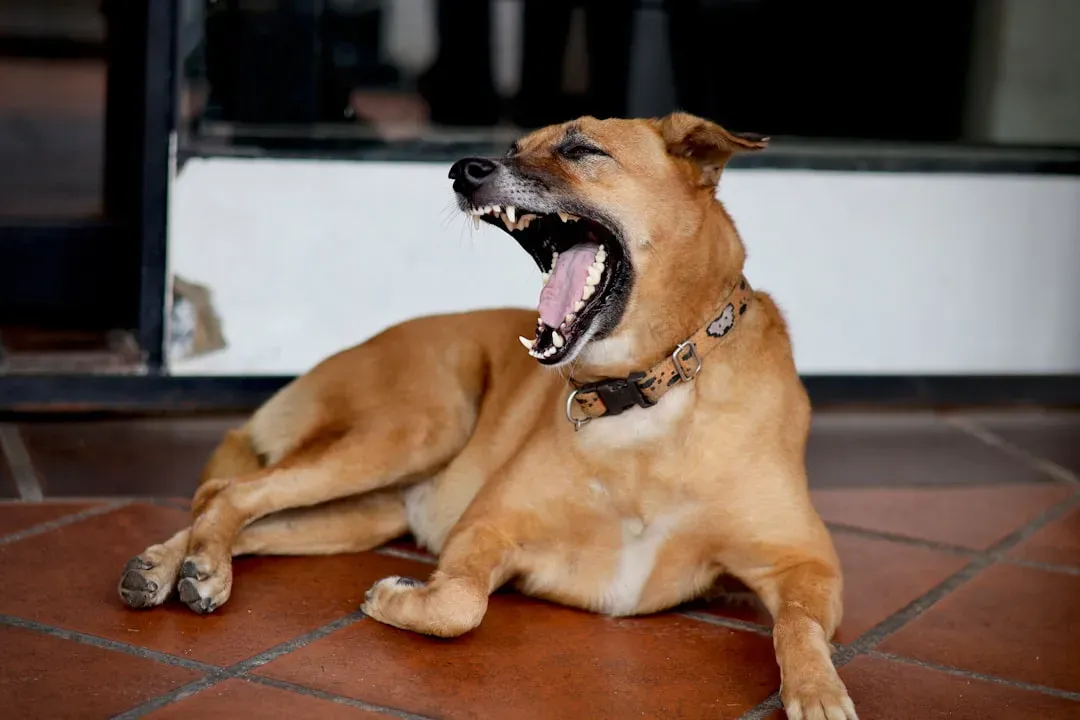
Researchers and trainers often refer to these subtle behaviors as calming signals: small, almost blink‑and‑you‑miss‑them gestures dogs use to soothe themselves and others. Looking away is a big one, but it usually does not come alone. You might see lip licking, slow blinking, a gentle yawn, or even a casual sniff of the ground that seems totally unrelated to anything happening around them.
Imagine two dogs meeting at a park: one freezes a bit, the other turns their head slightly, blinks, and looks off to the side. That second dog is not being rude; they are telling the first dog that they are friendly and not a threat. When your dog does the same thing to you, they are applying dog‑dog etiquette to a human‑dog situation, doing their best with the language they have. It is their version of taking a deep breath and changing the subject before things explode.
Why Staring Feels Threatening in Dog Culture
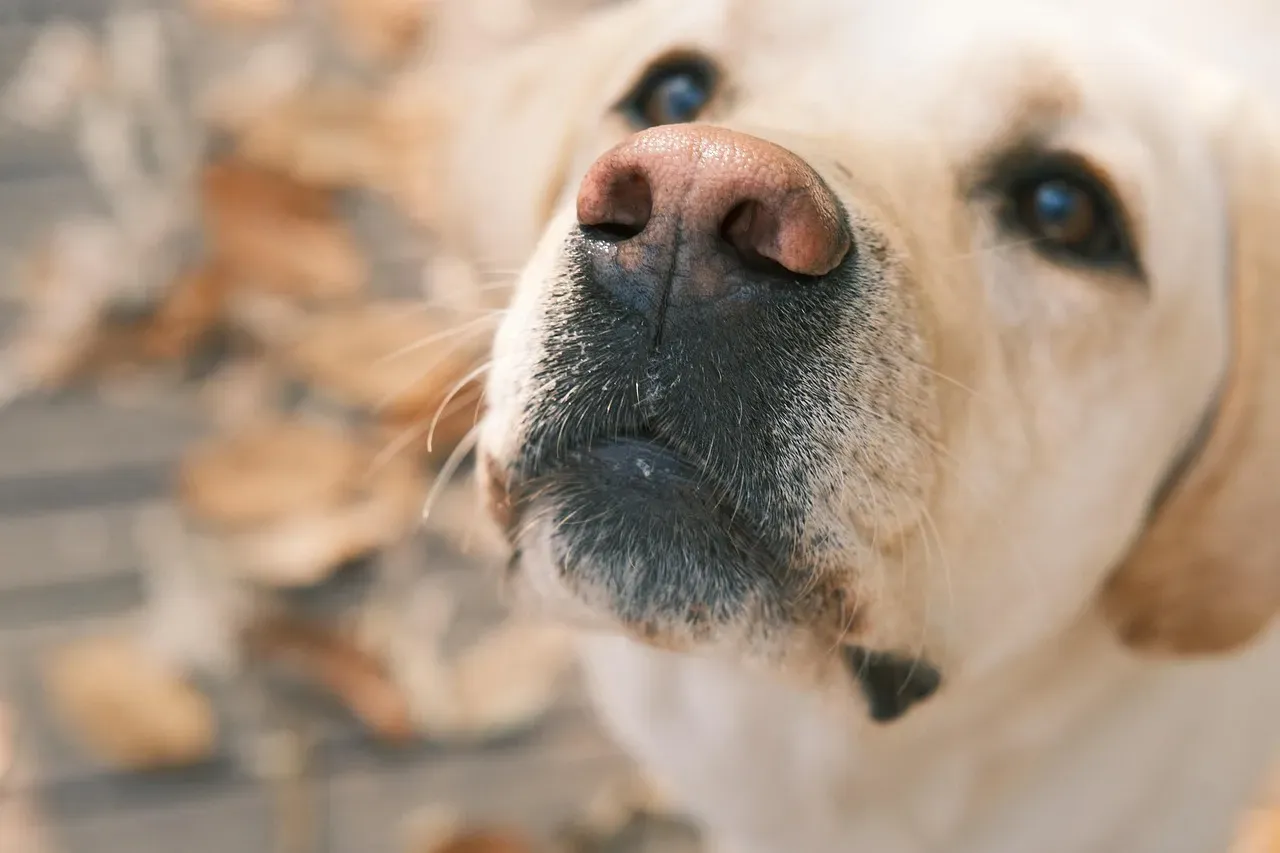
Part of why “looking away” is calming is that, in dog culture, direct, hard eye contact is often a challenge. Among dogs, a long, intense stare can be a prelude to a fight, especially if paired with a stiff body and tight mouth. Wild canids like wolves and coyotes show similar patterns: sustained staring can signal tension or dominance, while looking away is a safety valve that diffuses it.
We humans, on the other hand, have decided that eye contact equals honesty, respect, and attention. So when we lean in and demand our dog “look at me,” we are accidentally layered in mixed signals. To your dog, softening their gaze or glancing away might be the polite, safe move, while to you it feels like an insult. Recognizing that cultural mismatch is a small shift that can dramatically change how you handle conflict with your dog.
Stress, Fear, and the Myth of the “Guilty” Dog
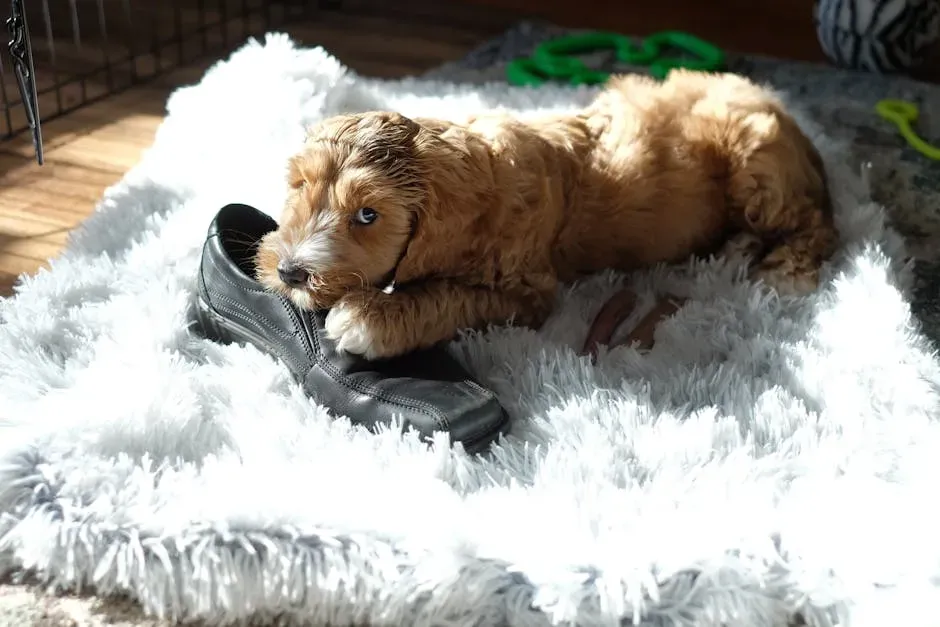
Many people swear their dog “knows they did wrong” because the dog looks away, avoids eye contact, or slinks off after doing something like shredding the trash. In reality, studies suggest that what we call the “guilty look” is much more about the dog responding to our anger and body language than reflecting on their past actions. That averted gaze and hunched posture are signs of stress and appeasement, not confession.
I remember walking into my own living room and finding pillow stuffing everywhere, and my dog would not look at me, eyes darting sideways, ears low. I used to think, “See, she knows.” Over time, I realized she had simply learned that my raised voice and tense posture predicted something unpleasant, so she preemptively switched into conflict‑avoidance mode. The so‑called guilt was really her reading me like a book – and trying desperately to turn down the emotional volume.
How Your Emotions Shape Your Dog’s Reactions
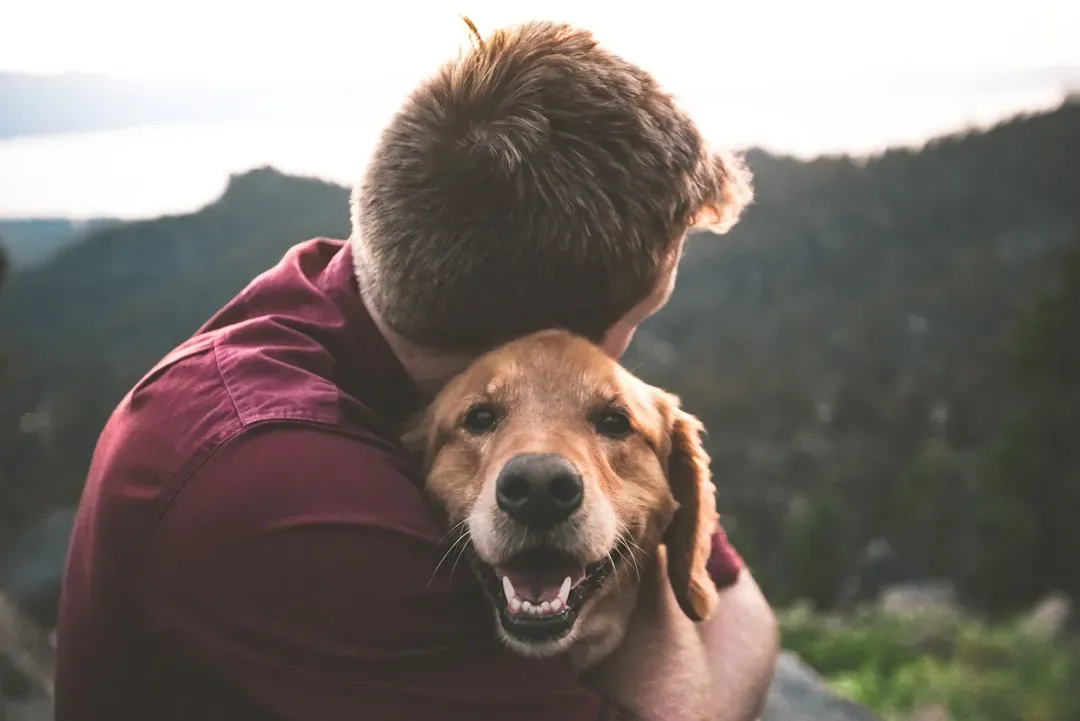
Dogs are shockingly good at picking up on human emotional cues: tone of voice, facial expressions, posture, even how quickly we move. When our energy spikes – frustration, anger, or stress – their nervous systems feel it. Looking away becomes a way to manage that flood of tension, a bit like a child staring at the floor while a parent scolds them because direct eye contact feels too intense.
That means your dog’s seeming “ignoring” might actually be them saying, on a deeper level, “You’re really upset right now, and it is overwhelming.” They are not trying to win or outlast you; they are often just trying to emotionally survive the moment by shutting down stimulation. When you soften your tone, unclench your jaw, and relax your shoulders, you will often see your dog’s eyes and body soften too, almost like a mirror coming back into sync with you.
Responding Better: What to Do When Your Dog Looks Away
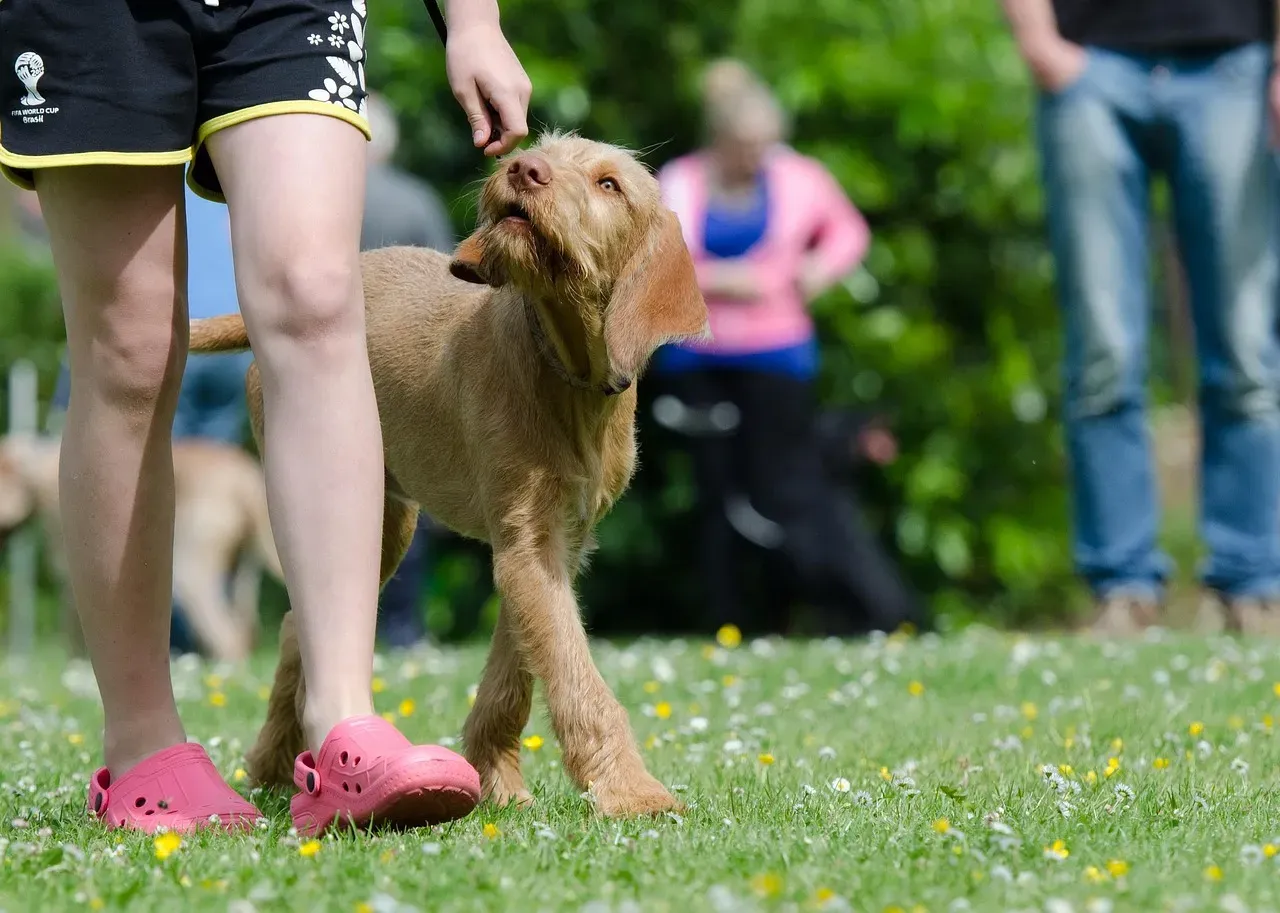
When your dog looks away during a tense moment, instead of doubling down on the scolding, try pausing. Take a breath, lower your volume, and give them a moment to regroup. You can redirect the situation by calmly guiding them to do something they know well: a simple sit, a recall, or moving to another room to reset the energy.
Training based on rewards and clear communication works far better than punishment when a dog is already showing signs of stress. If you catch undesirable behavior, calmly interrupt it, manage the environment so it is less likely to happen again, and reinforce what you do want. Over time, your dog will start to associate you less with unpredictable emotional storms and more with clarity and safety – and you will probably see fewer of those anxious, averted eyes.
Building Trust by Reading the Whole Dog, Not Just the Eyes
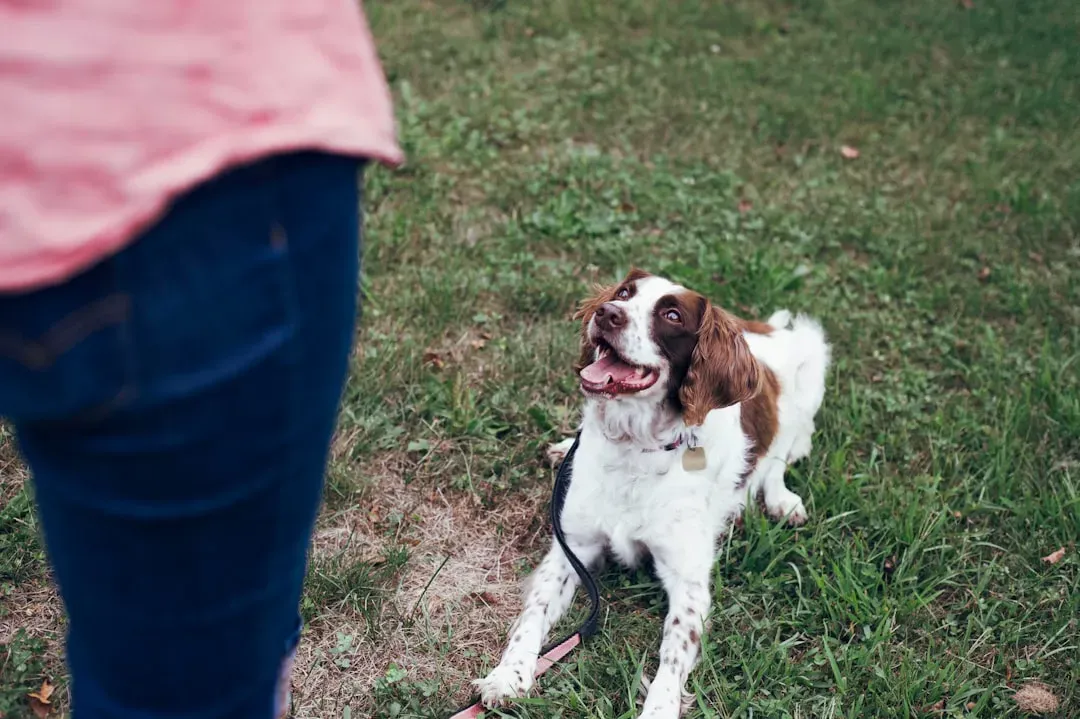
To really understand what is going on when your dog looks away, you have to zoom out and watch the whole body. Are their muscles loose or stiff? Is the tail neutral, tucked, or wagging low and slow? Are the ears pinned back, or relaxed? A turned head paired with soft, floppy body language might signal mild discomfort, while the same gaze with a tucked tail and tense posture screams, “I am overwhelmed.”
Learning this bigger picture body language is like finally getting subtitles on a movie you have been guessing your way through for years. Once you can read those signals, you can adjust faster, step in sooner, and help your dog feel safer before things escalate. Over time, your dog learns that when they send you these tiny signals, you actually listen – and that is the foundation of real trust, not forced obedience.
Rethinking “Respect”: Why Conflict Avoidance Is Not Disobedience
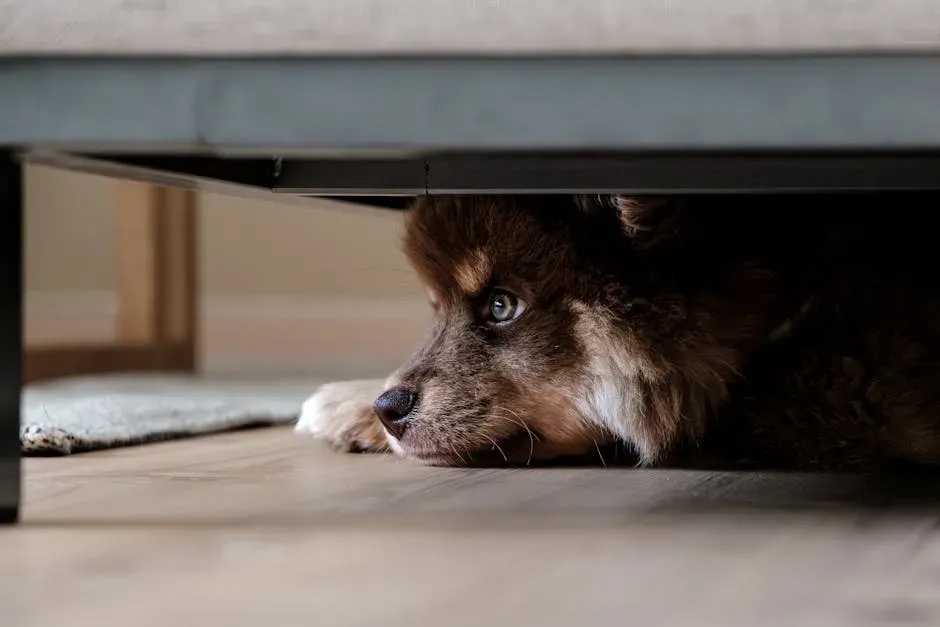
There is a stubborn myth that a dog should stare at you on command, hold eye contact no matter what, and never look away during correction if they “respect” you. That idea leans more on human ego than dog behavior science. When you see that looking away is often a social safety tool, punishing it starts to feel unfair, almost like punishing someone for using a calm, quiet voice instead of shouting back.
In my view, a truly respectful relationship with a dog allows for these natural coping strategies. A dog who feels safe enough to say, through their body, “This is a bit much for me,” and gets a kinder response instead of harsher discipline is a dog who will trust you more deeply. Respect is not about crushing their instincts; it is about understanding them and working with them, even when your first reaction is annoyance.
Conclusion: The Quiet Bravery in Your Dog’s Averted Eyes
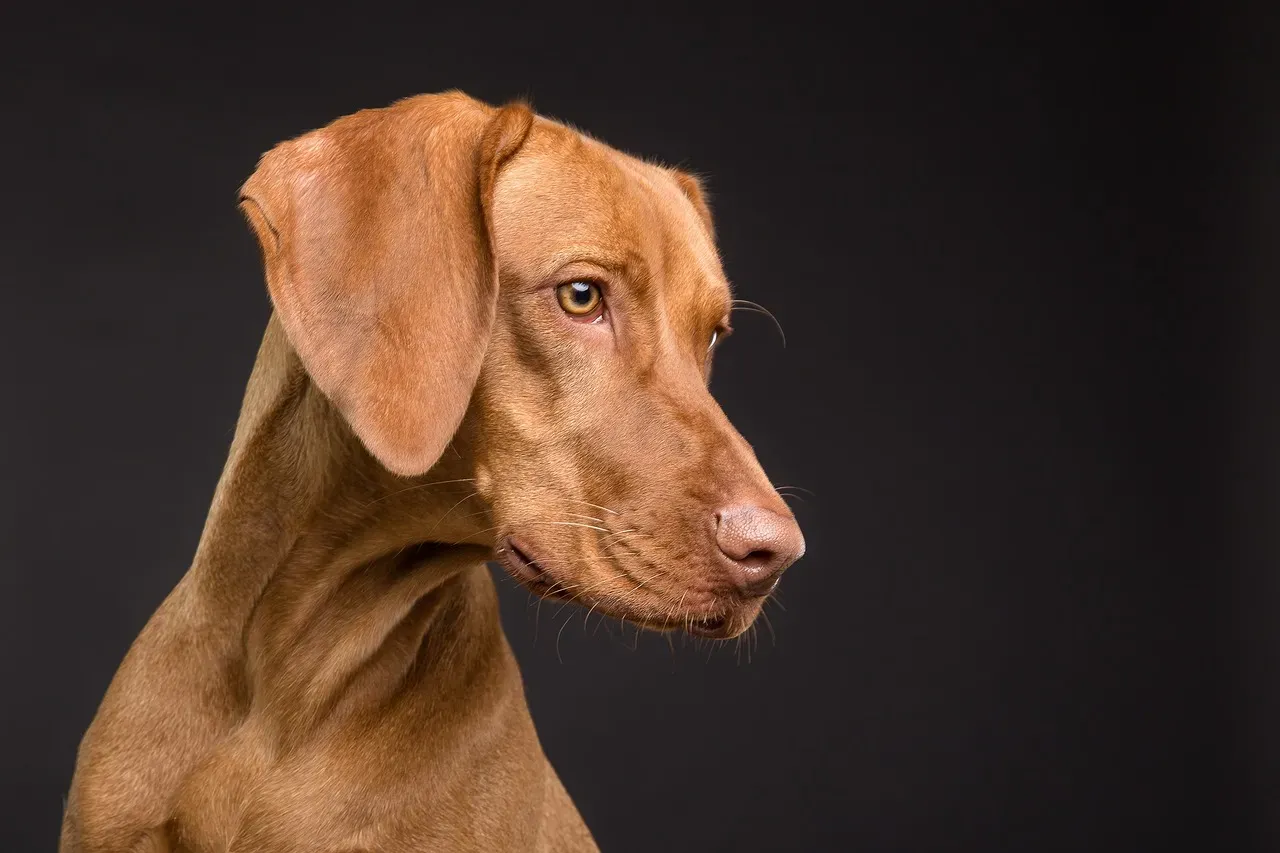
Once you see your dog’s averted gaze as an attempt to keep the peace, it is hard not to feel a little humbled. In tense moments, many of us raise our voices, tighten our bodies, and lean in, while our dogs quietly try to de‑escalate with the only language they have. To me, that is not disobedience at all – it is a kind of quiet bravery, a soft refusal to let the moment turn into a full‑blown conflict.
If anything, the science behind these calming signals exposes how unfair some of our old ideas about dominance and “respect” really are. Your dog is not ignoring you; they are working overtime to live peacefully alongside a species that often sends mixed signals. The next time your dog looks away when things feel heated, what happens if you treat it not as defiance, but as a truce offer – and meet them halfway?


