
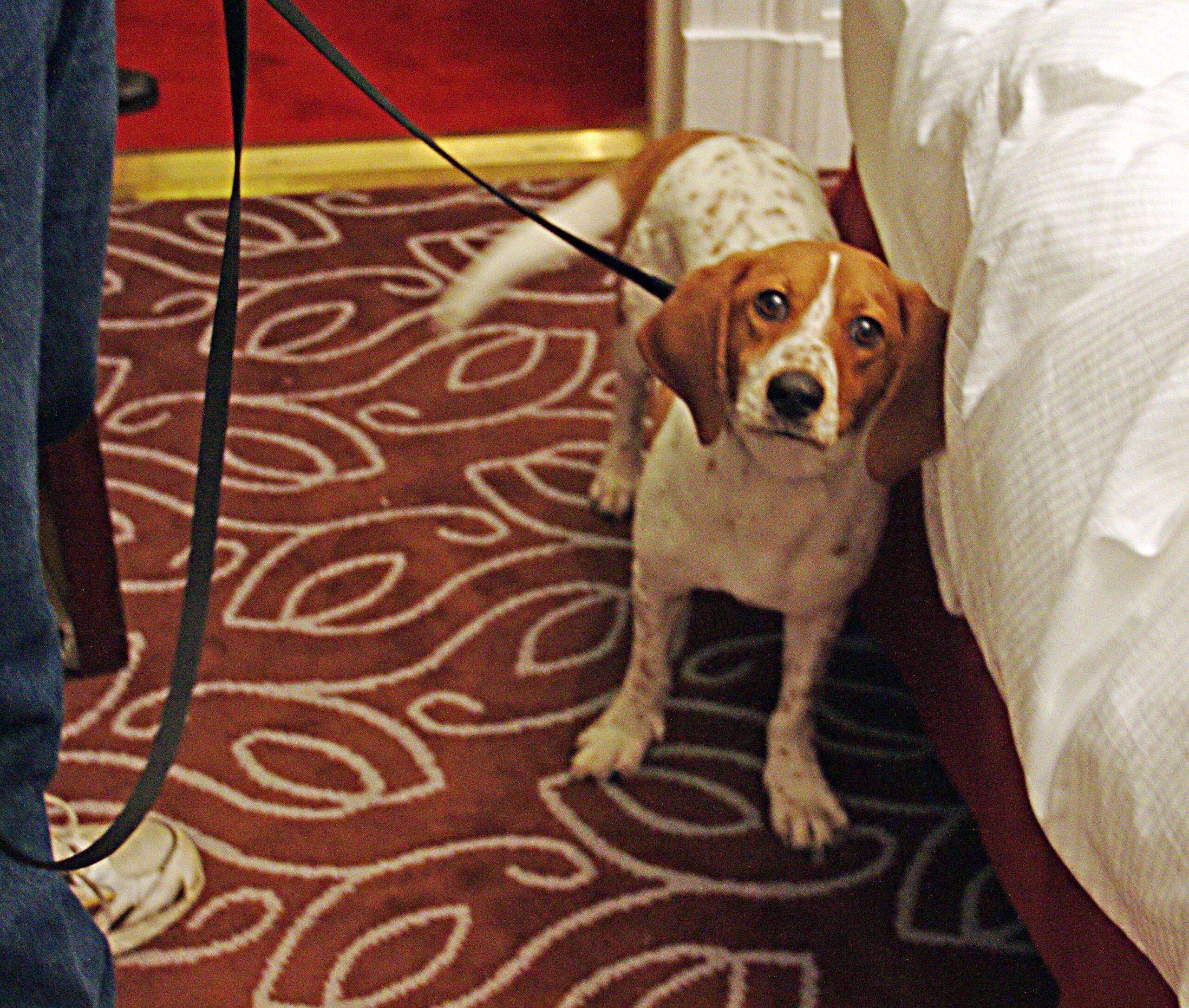
Watch a dog for five minutes and you’ll see something wild: this animal is constantly reading us. A tiny nod toward the door, a half-raise of an eyebrow, the jingle of keys, even the way we shift our weight in a chair – dogs notice and react. Modern animal science has been steadily showing that dogs are unusually good at understanding human gestures, sometimes even better than our closest primate relatives. Yet for all this, we are surprisingly clumsy at reading what dogs are trying to tell us back.
That mismatch can have real consequences. We praise a dog that is actually stressed, punish a dog that is actually afraid, or call a dog “stubborn” when it’s just confused. The result is a relationship full of love but also full of avoidable misunderstandings. When you dig into the research, a clearer picture appears: dogs are expert observers of people, and we owe it to them to get better at returning the favor. Once you start seeing your dog through that scientific lens, it changes how you look at every tail wag, every bark, every side-eye glance.
Dogs Are Surprisingly Good At Reading Our Gestures
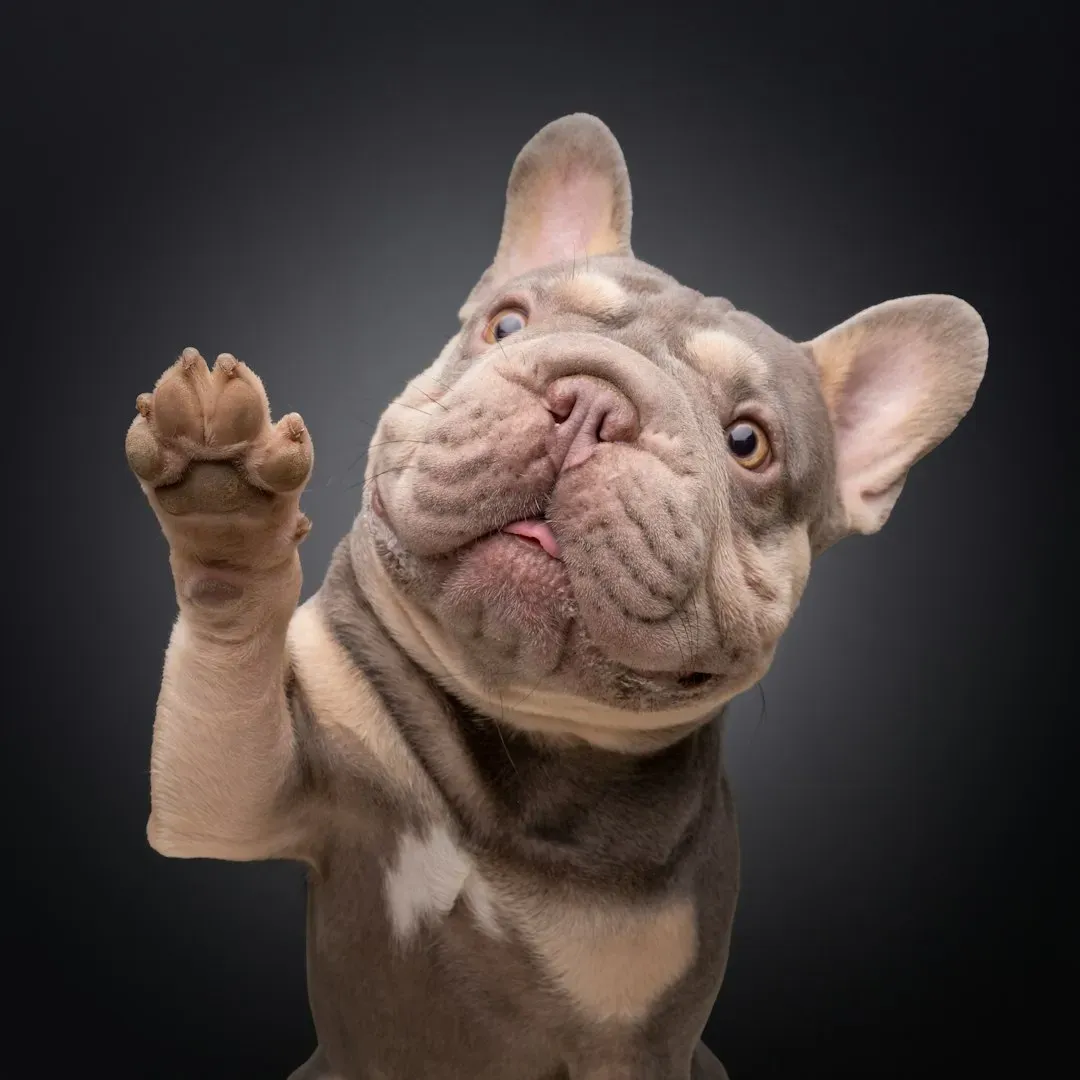
One of the most striking findings in animal behavior research is how reliably dogs follow human pointing. Even very young puppies, with minimal training, will track a person’s finger toward hidden food in a way many other species fail to do. This shows that dogs are not just watching where our hands move; they are inferring that our gesture is meaningful, almost like a shared secret code. For a nonhuman animal, that is an astonishing level of social understanding.
Researchers have compared dogs with wolves raised by humans and even with chimpanzees, and dogs often come out ahead when it comes to reading human body direction and gaze. That suggests this sensitivity is not just about being a carnivore or a clever mammal, but about a long history of evolving alongside us. What feels to us like a simple point toward the leash hook or treat jar is, to a dog, a powerful social signal that shapes decisions: should I run to the door, search the floor, or anticipate play?
Domestication Tuned Dogs’ Brains To Human Social Cues
Dogs did not always live inside our homes, sleeping on our couches and staring into our eyes for answers. Over thousands of years, dogs that were more attentive to human moods, routines, and gestures had an edge: they got more food, more protection, and more chances to survive and breed. Over many generations, that tiny advantage adds up, like compound interest on social intelligence. The result is an animal whose brain circuitry has been nudged and shaped around paying attention to us.
Today, brain imaging and behavioral experiments suggest that dogs treat certain aspects of human communication as deeply relevant information, not just background noise. Many dogs track where we look, respond differently to happy faces versus angry ones, and learn patterns in our daily habits with quiet precision. I sometimes joke that my own dog knows my calendar better than I do; he somehow anticipates the days I am more likely to leave early, pacing near the front door before I even grab my bag. That is not magic; it is a mind that has been selectively sculpted to notice the tiny, predictable ripples in human life.
We Overestimate Tail Wags And Underestimate Subtle Stress Signals
Here’s the uncomfortable truth: while dogs read us with impressive accuracy, we often treat their most obvious signals as the only ones that matter. Many people assume a wagging tail equals happiness, full stop. In reality, tail wagging can reflect excitement, arousal, uncertainty, or even tension. The speed, height, and stiffness of the wag all matter, as does the rest of the body. A rigid body with a high, fast wag is a completely different emotional landscape than a loose body with a low, swishy wag.
At the same time, we tend to ignore quieter stress signals: lip licking when no food is around, slow blinking, yawning in calm situations, turning the head away, lifting a paw briefly, or suddenly scratching. These can be the dog equivalent of saying this is a bit much or I am not comfortable right now. Because these cues are subtle and do not fit our cartoon idea of a distressed dog, many people miss them until the dog escalates to growling or snapping. From the dog’s perspective, they have been communicating all along; we just were not listening.
Common Human Misreads: “Guilty” Faces, “Stubborn” Dogs, “Aggressive” Growls
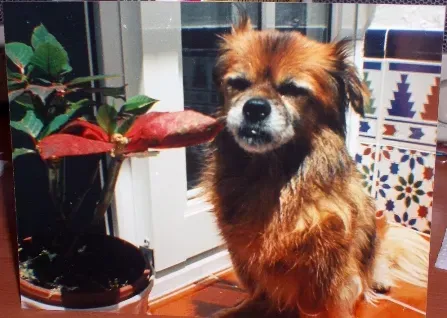
One of the most famous misunderstandings is the so-called guilty look. Many people are convinced their dog knows it did something wrong because it slinks away, squints its eyes, or crouches. But careful experiments suggest that this look appears most strongly when the dog is being scolded, not simply when it has broken a rule. In other words, the dog is reacting to our anger and tone of voice, not confessing to a crime. We project human ideas of guilt onto a dog that is likely just trying to appease and avoid conflict.
Another big misunderstanding is labeling dogs as stubborn or spiteful when they do not comply with a cue. Often the dog is confused, distracted, scared, or has never fully learned what we think we have taught. Think of being asked to solve a math problem in a language you barely understand while someone repeats it louder and louder as if volume alone will make sense. Similarly, growling is widely seen as aggressive and bad, when it is often a warning and an honest signal that the dog is uncomfortable. Punishing the growl may stop the sound, but it removes the dog’s early warning system, making bites more likely without any obvious build-up.
Why Dogs Understand Our Pointing Better Than We Understand Their Body Language
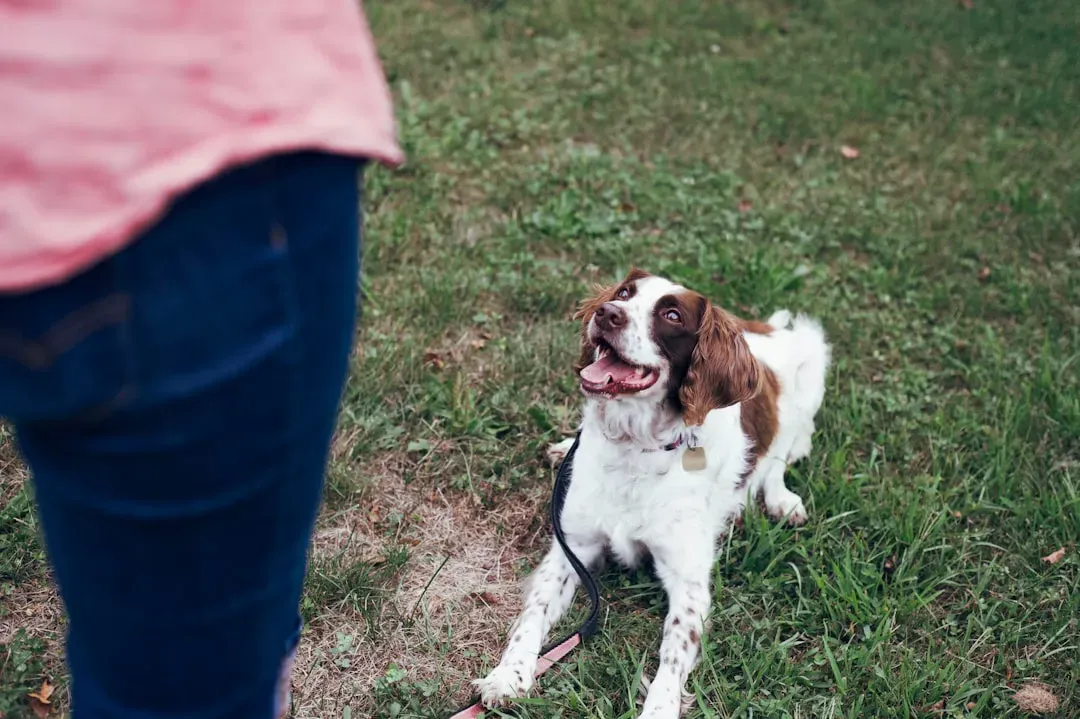
From a scientific lens, there is a sharp asymmetry: dogs are tested again and again in labs and consistently show that they grasp human gestures like pointing and gaze direction. Meanwhile, when people are tested on their ability to read dog body language from photos or videos, even experienced owners often misidentify signals of fear and anxiety. Many of us simply have not been taught this skill, and popular media has not helped, with endless images of hugging, cornering, or dressing up dogs without any mention of what those dogs might be feeling.
Part of the problem is that our own communication culture is heavy on words and light on subtle body signals. We are not used to staring at ear angles or noticing slight shifts in posture. Dogs, on the other hand, live in a world where body language and scent are front and center. So they meet us more than halfway, learning our clunky gestures and integrating them into their daily decisions. Meanwhile, we stay stuck at a beginner level with their language, assuming we know more than we do. It is like having a friend who speaks your language fluently while you barely remember a few phrases of theirs from a long-ago class.
Social Media Trends: Cute Content, Confused Communication
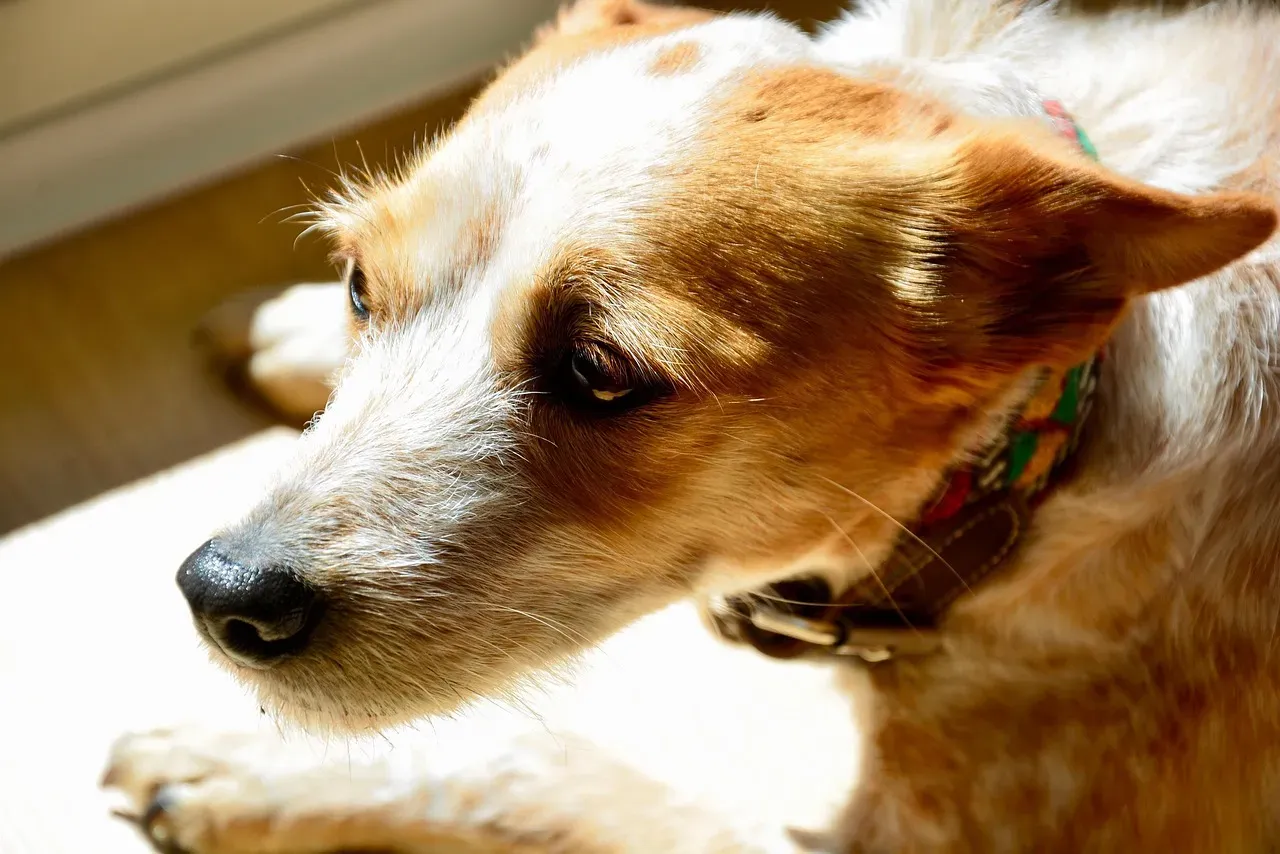
Scroll through any social feed and you will see endless videos of dogs doing adorable, hilarious, or seemingly dramatic things. Some of that content is harmless fun, but a lot of it normalizes misreading dogs. Clips of dogs “jealous” of babies, “plotting revenge,” or “being overdramatic” often show clear signs of stress that get played for laughs. When a dog freezes, shows the whites of its eyes, or stiffens under a hug, many viewers see it as quirky personality rather than a quiet plea for space.
At the same time, social media can be a powerful tool for education when trainers and behaviorists break down what a dog is really saying in a video. Once someone points out those lip licks, whale eyes, or stiff backs, it is hard to unsee them. I have had friends message me in shock after learning that their favorite “guilty dog” clip actually features a very anxious animal just trying to placate its human. The more we question the narratives slapped over these videos, the more we can shift from laughing at miscommunication to appreciating what dogs are genuinely expressing.
Practical Skills: How To Actually Get Better At Reading Your Dog
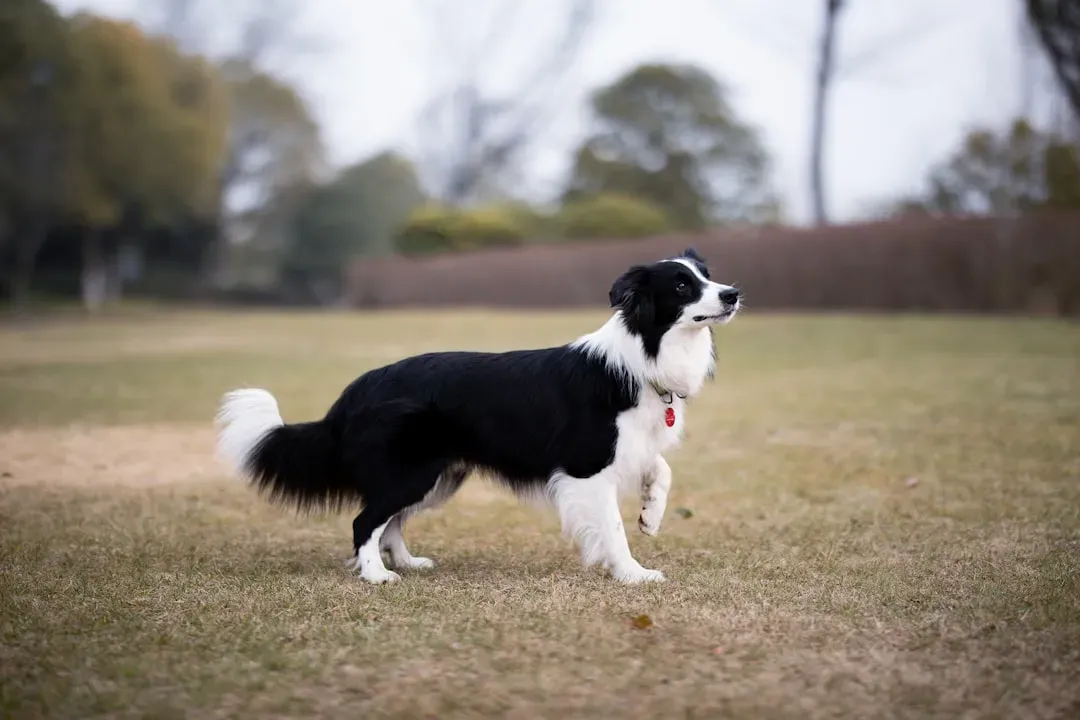
The good news is that reading dog body language is a learnable skill, not some mysterious gift. One practical step is to watch your dog in neutral, relaxed situations and really study what their baseline looks like: ear positions, tail carriage, mouth shape, and overall motion. Then notice what changes when they see another dog, meet a stranger, or hear a loud sound. Instead of immediately asking is my dog happy or sad, try more specific questions: is my dog looser or stiffer than a minute ago, moving closer or further away, breathing calmly or holding their breath?
Another simple but powerful habit is to give dogs the freedom to say no when possible. Invite them onto the couch instead of pulling them up, and see if they choose to come. Offer a hand to sniff rather than going straight for the head pat, and see if they lean in or lean away. If they pause or move off, respect that as communication, not disobedience. Over time, your dog learns that their signals matter, which can reduce anxiety and build trust. It’s a lot like learning a friend’s micro-expressions and quirks; the more you respect them, the more honest and relaxed the relationship becomes.
The Future Of Dog–Human Communication: Where Science And Empathy Meet
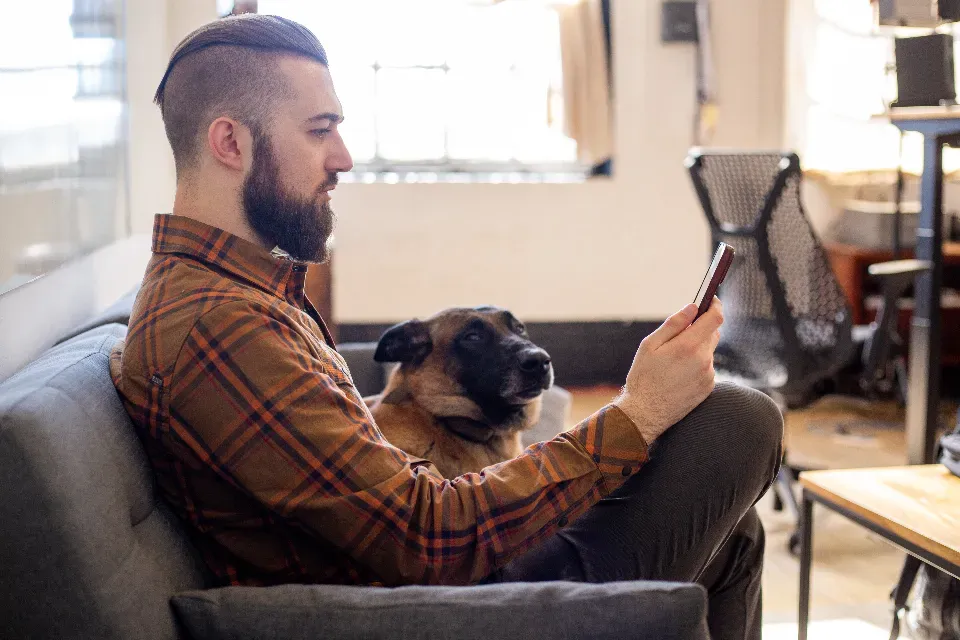
Researchers are pushing deeper into how dogs process our gestures and voices using better imaging tools and clever experiments. There is growing interest in how different breeds and individual personalities vary in their responsiveness to human cues, and how early life experiences shape that sensitivity. At the same time, more trainers are moving away from outdated dominance models and toward relationship-based approaches that treat dogs as partners rather than subordinates. That shift echoes what the science has been hinting at for years: dogs are not just reacting instinctively, they are interpreting us in surprisingly flexible ways.
Looking ahead, the real breakthrough might not be some fancy gadget that lets dogs “talk,” but a cultural change in how seriously we take their existing language. Imagine a world where kids learn to spot canine stress signals in school alongside basic safety rules, or where dog-related media is expected to get behavior right instead of just being cute. We owe dogs that much. After everything we have asked of them – guarding, guiding, comforting, working – learning to read their gestures with half the care they give ours feels like the least we can do.
Opinionated Conclusion: We Do Not Deserve Dogs Until We Learn Their Language
When you look at the science honestly, it is hard to escape a slightly uncomfortable conclusion: dogs are putting in far more effort to understand us than we are to understand them. They bend their lives around our schedules, decode our moods from our footsteps, and follow gestures that no other species reads as intuitively. Meanwhile, we still mislabel their warnings as bad behavior and their anxiety as comedy. In my view, that imbalance is not just a missed opportunity; it is a quiet ethical failing in how we treat our closest animal companions.
If we really believe dogs are family, then acting like it means investing time in their language the way we would for a human partner from another culture. Learning to see the difference between a loose, happy body and a tense, overwhelmed one is not a niche hobby; it should be a basic life skill for anyone living with a dog. The science has already done us the favor of proving how much effort dogs put into reading us. The next move is ours. Are we willing to meet them halfway – or will we keep letting the smartest listener in the room go unheard?


