
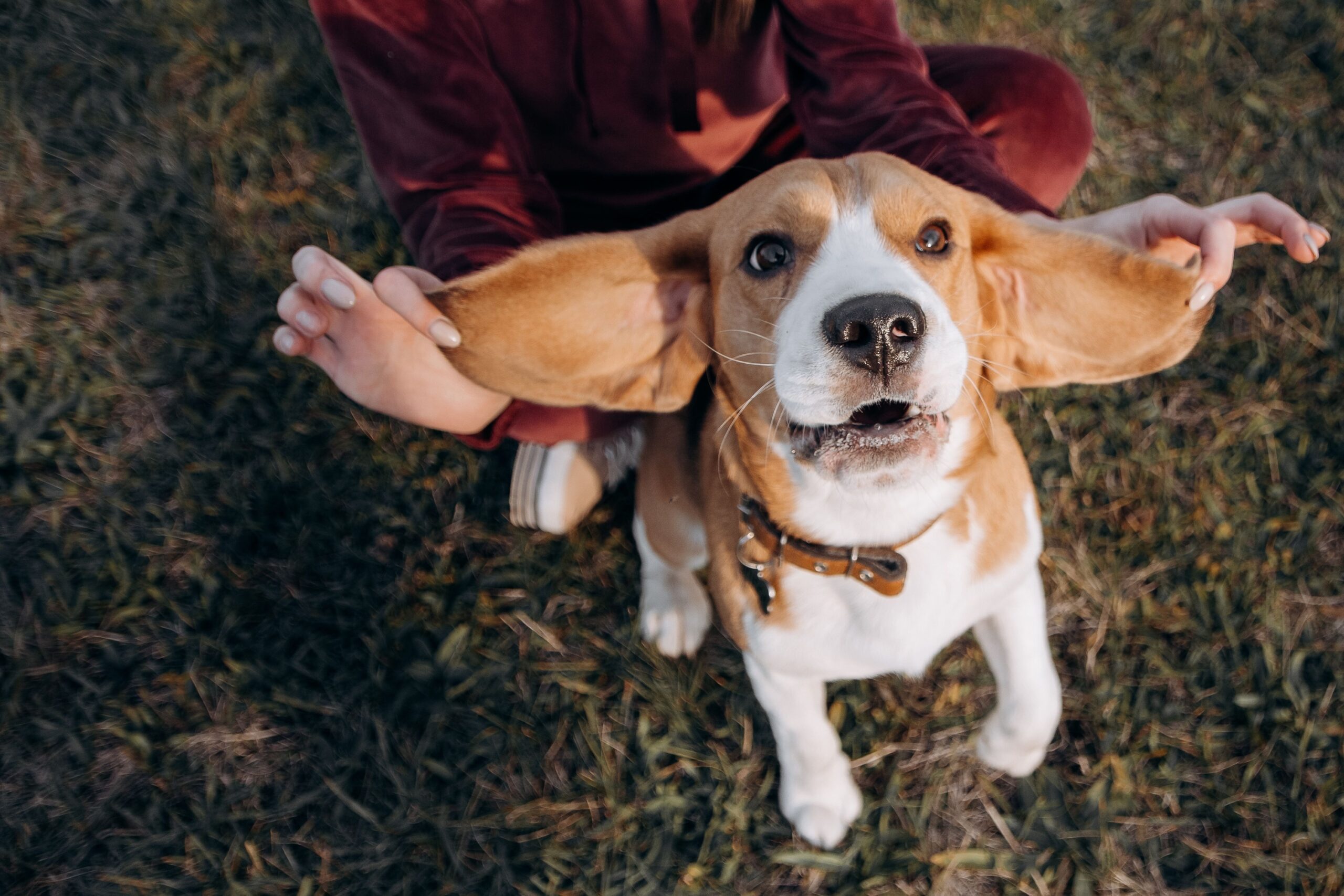
If you have a dog, you’ve probably sworn at some point that they somehow just know it’s you coming up the stairs or walking up the driveway. The door has not opened, nobody has spoken, and yet your dog is already at full-body wag, waiting like you just told them it’s dinner time. For a long time, people chalked this up to pure owner bias or wishful thinking.
Modern research, though, is catching up to what dog lovers have said for years: dogs are incredibly good at recognizing familiar humans by sound alone, including the unique pattern of their footsteps. What scientists are finding is not just cute trivia; it’s a window into how deeply dogs tune into us, and how our daily relationship with them actually shapes their brain and senses over time.
The Surprising Science Behind Canine Footstep Recognition

One of the most striking things coming out of dog cognition studies in the past few years is how easily dogs can match a familiar sound with a specific person. In controlled experiments, dogs are played recordings of footsteps, voices, or other human sounds, and researchers track where they look, how they move, and even their heart rate. Over and over, dogs react differently when the sound belongs to someone they know versus a stranger.
This is not just a mild preference. In many tests, dogs show clear anticipation behaviors when they hear their primary caregiver’s sounds: ears perk up, tail posture changes, and they orient themselves toward where they expect that person to appear. The fact that they do this using only audio, and often only a few seconds of it, strongly suggests dogs form a kind of mental profile of us that goes far beyond smell and sight. Footsteps, with their rhythm and weight, become part of that profile.
How Dogs’ Ears Turn Everyday Footsteps Into A Signal
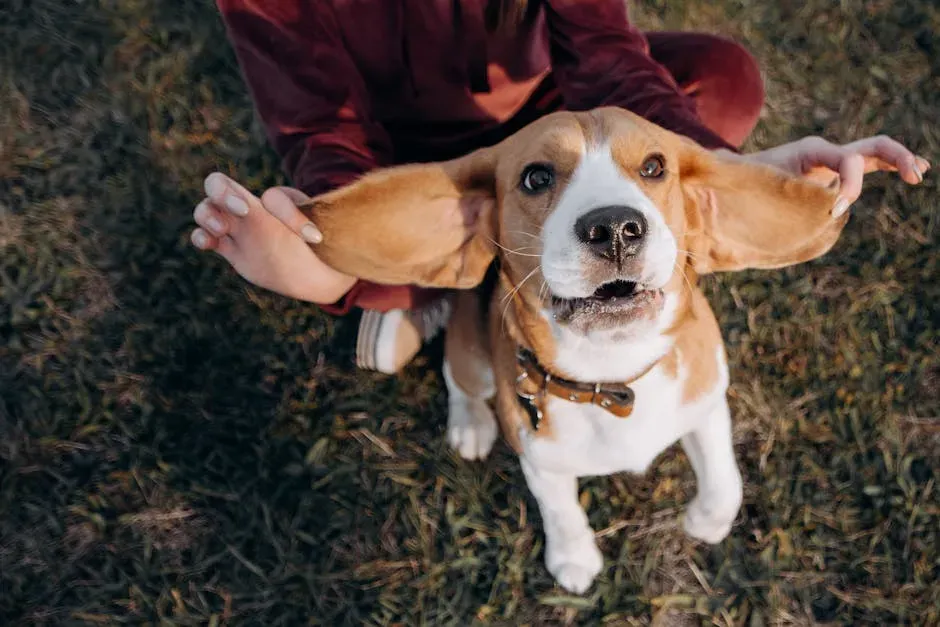
Dogs hear the world in higher resolution than we do. They pick up higher frequencies, detect smaller volume changes, and can pinpoint the direction of sounds with impressive precision. That makes your footsteps – something you probably barely notice in your own home – stand out to your dog like a personal ringtone. On a quiet evening, the slight difference between your stride and someone else’s can be enough to trigger a completely different reaction.
Researchers think dogs are sensitive not just to how loud your footfalls are, but to the timing, rhythm, and subtle scrape or creak patterns you produce as you move. Think about how you can sometimes tell which family member is coming down the stairs by their pace alone; dogs seem to do the same thing, just more consistently and at a greater distance. Over thousands of repetitions, your particular way of walking becomes a sound pattern their brain flags as important, comforting, and rewarding.
The Role of Learning, Routine, and Emotional Bonding
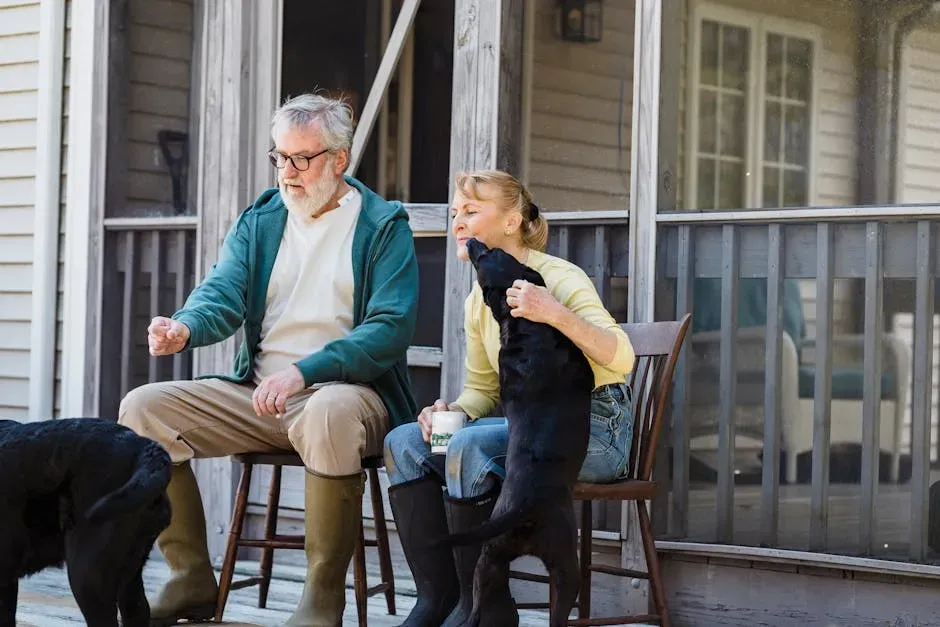
There is nothing magical about dogs reading footsteps; it is learning, practice, and emotion all wrapped together. Every time you come home from work, your dog experiences a predictable sequence: the sound of your car, then the gate, then your footsteps, then the door, then greetings, food, cuddles, or play. Over months and years, those cues stack on top of one another, and the earliest ones become powerful predictors of all the good things that follow.
That emotional charge matters. Dogs are more likely to remember and respond to sounds connected to important events for them, especially social contact and rewards. So when your footsteps always lead to attention and safety, those sounds get carved into their memory in a different way than, say, a random delivery driver walking past your house. In simple terms: your dog pays extra attention to you because you are the center of their daily story, and your footsteps are the opening lines.
Beyond Smell and Sight: Sound As A Hidden Super Sense
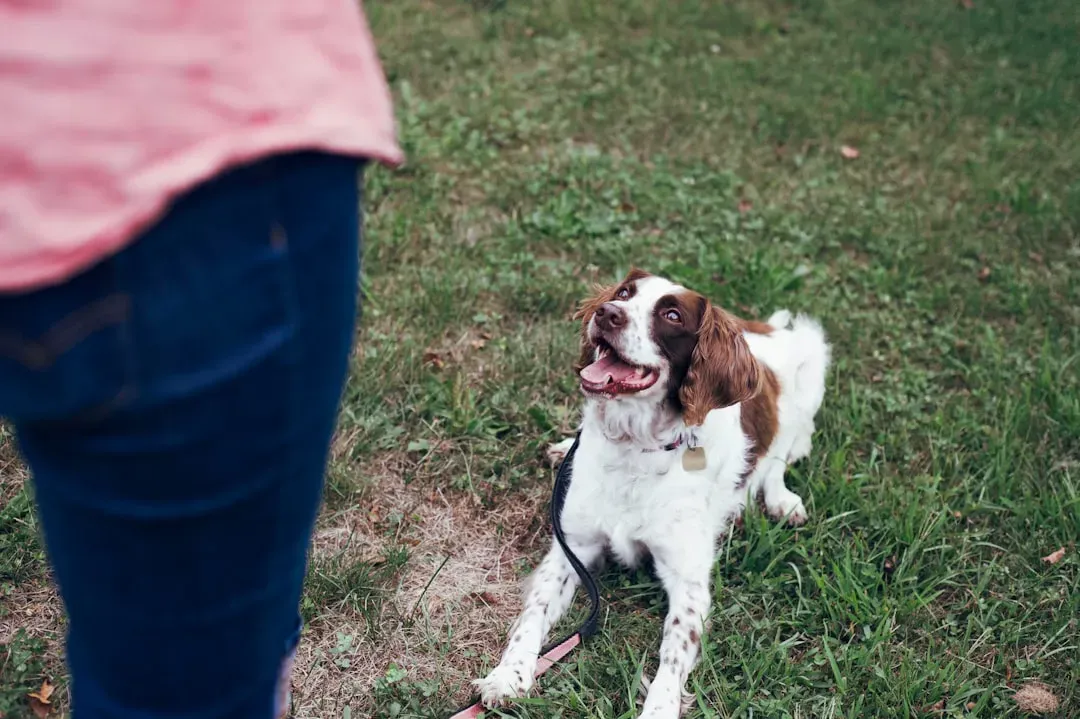
People often say dogs recognize us by smell first – and that is absolutely true. Their noses are phenomenally powerful. But what we are coming to understand is that sound sits right beside smell as a major channel of information. Footsteps, clothing rustle, keys, the particular way your hand hits the doorknob: all of these sounds combine into a rich acoustic signature that belongs to you.
In some experiments where vision and smell are limited or delayed, dogs still manage to show that they expect a particular person after hearing only that person’s sounds. When the person who appears does not match the sound they heard, some dogs visibly hesitate or look confused, as if the story suddenly broke its own rules. That mismatch tells scientists the dog was not just reacting to any human noise; they had a specific individual in mind.
What This Reveals About The Dog–Human Relationship
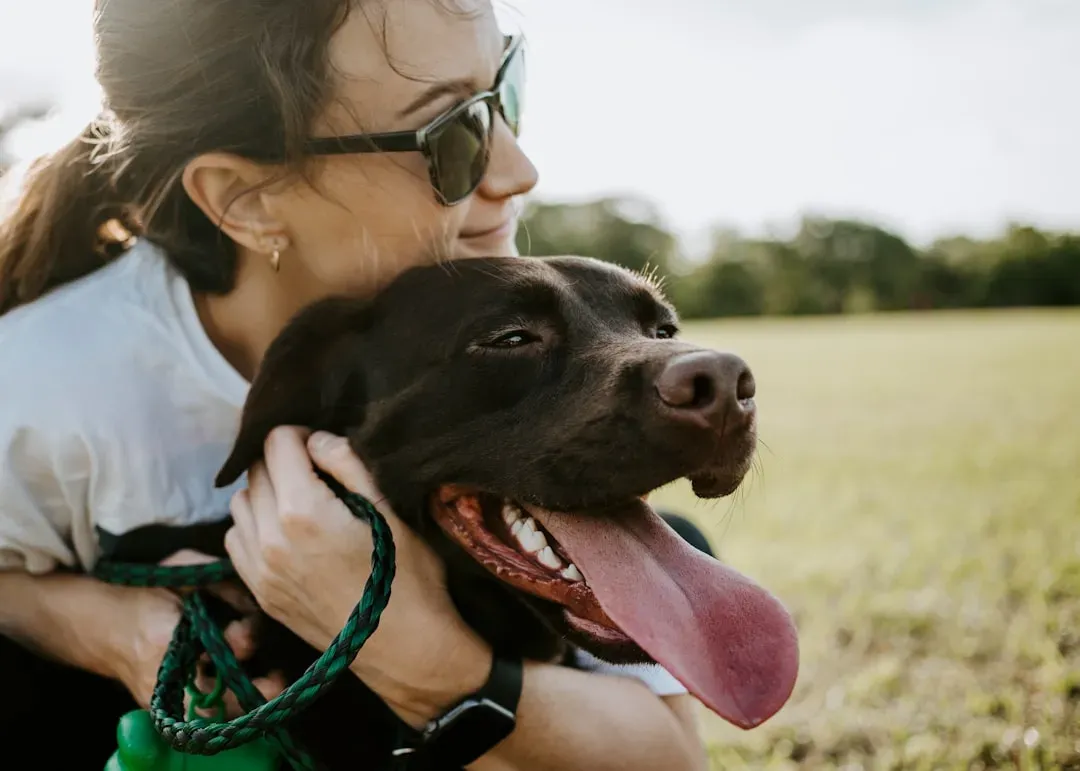
I remember staying at a friend’s apartment once and hearing her dog thud off the couch a full minute before she appeared at the door. The hallway outside was busy, footsteps all day long, but the dog only reacted once. That tiny moment captured something research keeps confirming: dogs are dangerously good at picking us out of the crowd, and they invest real mental energy in doing so.
This is not a neutral skill; it is a reflection of how much of their inner world is built around us. A dog that can recognize you by your footsteps alone is a dog that has been watching and listening, day after day, folding you into their sense of safety. To me, that is both beautiful and a little humbling. We sometimes talk about dogs like they are accessories to our lives, but the science makes it clear: to them, we are the main character, and they are always tracking our entrance cues.
Practical Ways You Can See This In Your Own Dog
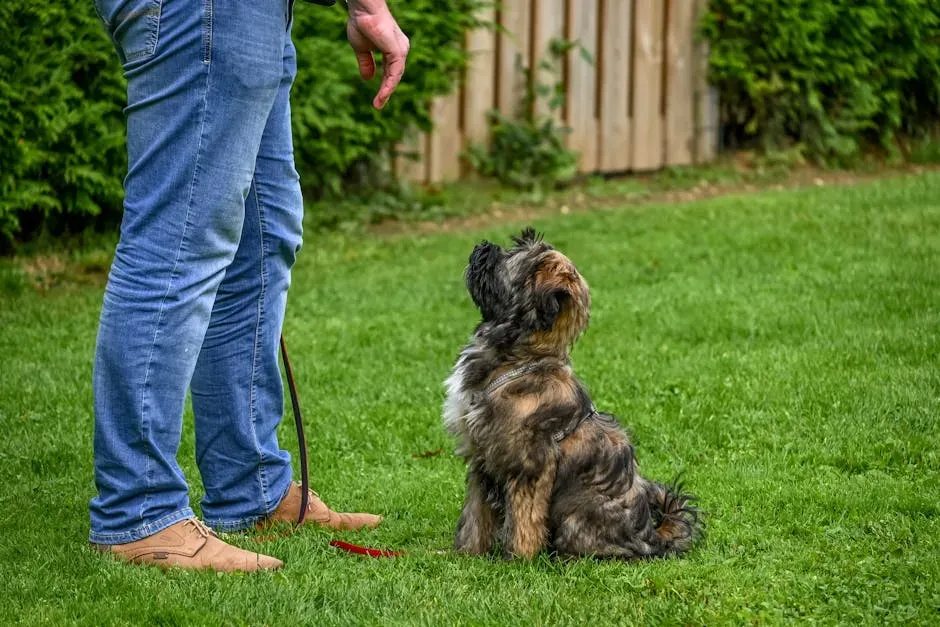
You do not need a laboratory to notice this ability; your living room is enough. Pay attention to when your dog gets up to wait near the door or the stairs. Do they react differently to your tread versus another family member’s or a stranger’s? If you live with someone else, try having them walk up the path first, then you follow, and see at what moment your dog shifts into their most excited, focused state.
You might also notice that certain sounds associated with your walking trigger their anticipation even when you are not physically visible yet. The jingle of your specific keys combined with your step pattern, or the way your shoes sound on tile versus carpet, can be enough to send them racing. Observing these patterns is a neat way to appreciate just how carefully your dog has studied you, and it might change the way you think about “just walking” through your home.
Why This Ability Makes Dogs Emotionally Powerful Companions

When a dog can tell it is you coming home just from the way you move, it does more than warm your heart. It means they live in a constant state of subtle attunement to you. They do not just exist in the same space; they are actively monitoring your comings and goings, predicting your arrival, and gearing up emotionally before you even touch the door. That level of attunement is rare in human relationships, never mind cross-species ones.
This is probably part of why so many people say their dog helps them feel grounded and seen. Walking up your own stairs can be a forgettable, automatic action to you, but to your dog, it is a small daily miracle they wait for: the sound that says their person is safe and the world is right again. In a time when so many parts of life feel distant and digital, there is something quietly profound about being recognized not by a password or profile picture, but by the simple rhythm of your feet.
Opinionated Conclusion: What Dogs’ Footstep Superpower Really Means
To me, the fact that dogs can recognize us by footsteps alone is more than a fun scientific tidbit; it is a gentle rebuke to how casually we sometimes treat their loyalty. They are not just hanging around for food and a yard. They are actively building a rich, multi-sensory map of who we are, down to how we sound when we walk, and using that map to anchor their day. That level of attention is something many humans never receive from other humans.
If a dog cares enough to memorize your footsteps, the least we can do is show up in a way that honors that devotion: with consistent care, patience, and time that is not constantly interrupted by screens and stress. Next time you hear your own shoes on the floor and see your dog already waiting, maybe take an extra minute on the doorstep and realize what that moment represents. They heard you, they chose you, and in their world, your returning steps are the best sound of the day – would you have guessed your walk could mean that much?


