
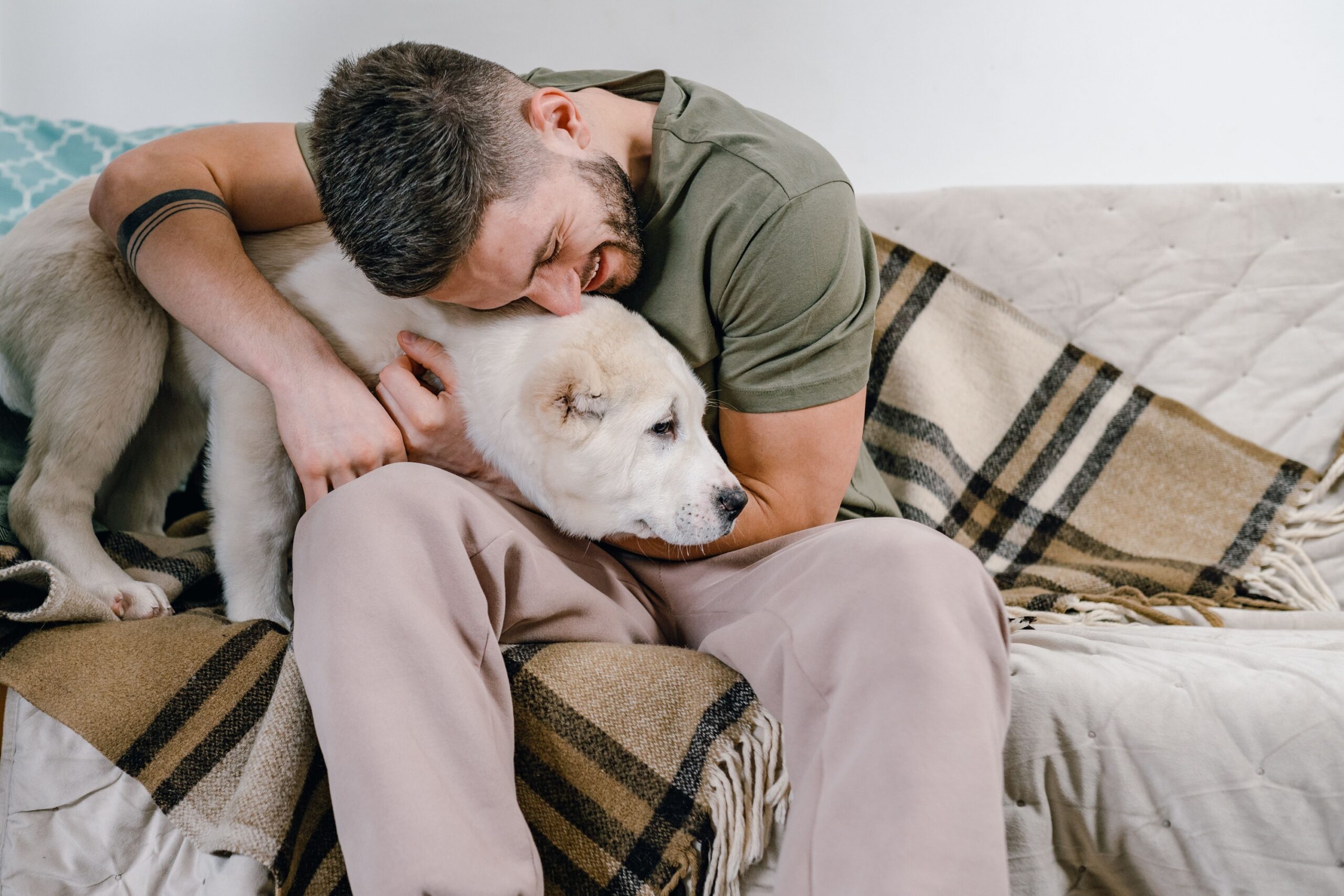
Sharing a home with a dog is like living with a fuzzy little psychologist who never stops taking notes. They cannot read your texts or listen in on your group chats, but they are constantly tracking your tone of voice, your routines, your body language, and even how you move when you are stressed or relaxed. Over time, they build up a surprisingly detailed picture of who you are.
Researchers have found that dogs can pick up on human emotions, distinguish between angry and happy tones, and even sync parts of their stress responses with their owners. But what does that actually look like in everyday life? Let’s walk through the kinds of things your dog quietly learns about you, just by being there, day in and day out.
1. How You Handle Stress And Conflict

Here is a slightly uncomfortable truth: your dog probably knows how you handle stress better than most of your friends do. Dogs are extremely sensitive to changes in breathing, posture, and muscle tension, and they quickly learn the subtle signs that mean you are about to snap, shut down, or start rushing around the house. Even if you never raise your voice, a dog can read the shift in your energy the way you might feel a storm in the air before it hits.
Over time, they connect these cues with what usually comes next: maybe doors slam, maybe everyone goes quiet, maybe you clean obsessively, or maybe you curl up on the couch. Dogs often react before anything “big” happens, because they have learned the prelude. Some will withdraw, some will get clingy, and some will turn into goofy clowns to diffuse the tension. In their own way, they are responding to your emotional pattern, which means they have already mapped how you cope with pressure and conflict.
2. Whether You Are Consistent Or Unpredictable
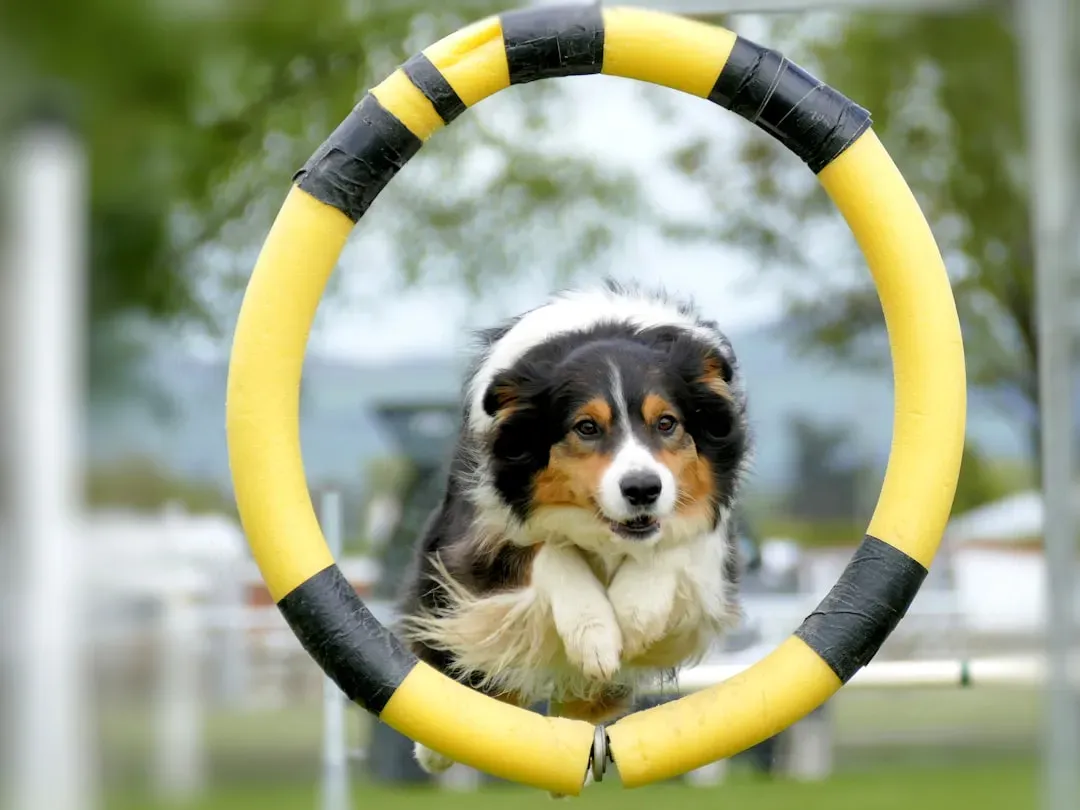
Dogs pay close attention to how predictable your behavior is. Do you enforce rules the same way each day, or do you sometimes laugh when they jump on the couch and other times get annoyed? That pattern teaches them not only what they can get away with, but also what kind of person you are to live with: stable and reliable, or more chaotic and changeable. Consistency feels safe to most dogs, and they tend to relax more around people whose reactions they can forecast.
On the flip side, if the rules and your moods are all over the place, dogs learn that, too. They might become more anxious, watchful, or hesitant, always checking your face before they act. That does not mean you are a bad person; it just means your dog experiences you as a bit like shifting weather. I have noticed this in my own life: on weeks when my routine is a mess, the dogs I have lived with have always seemed a little more wired, as if they were waiting to see which version of me they were getting that day.
3. How Patient (Or Impatient) You Really Are
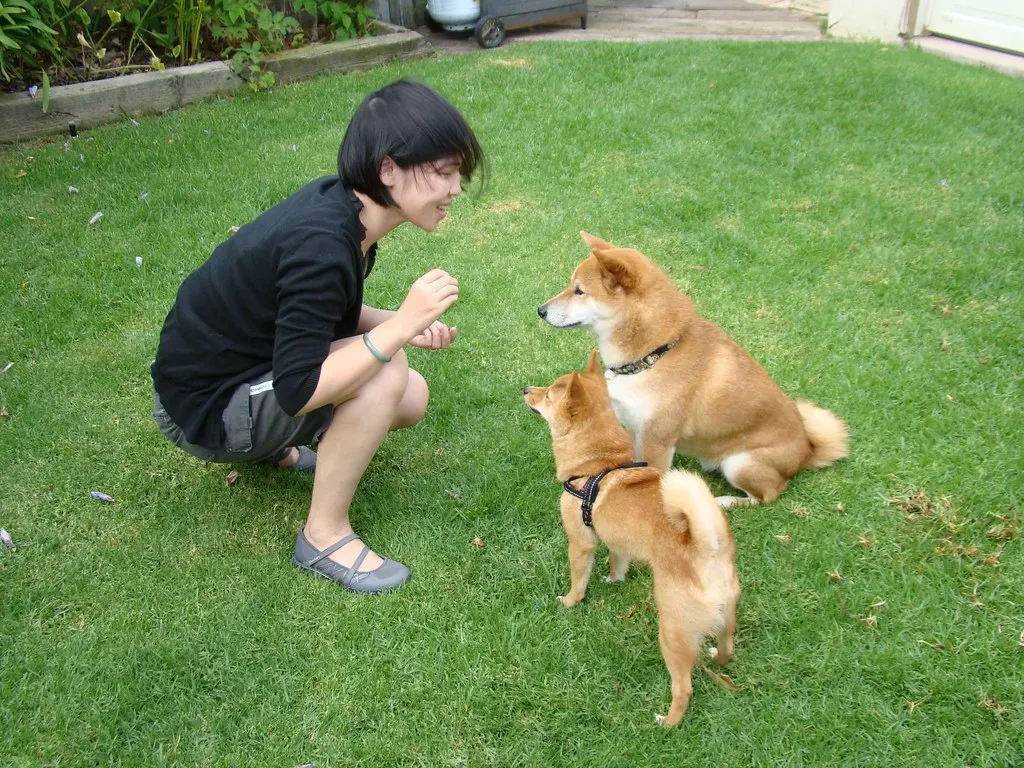
You can tell yourself that you are a patient person, but your dog keeps the receipts. Training sessions, leash walks, and those slow, distracted sniffs at every single lamppost reveal exactly how far your patience stretches. Dogs quickly learn whether you will wait while they process the world, or whether you are the type who tugs the leash and huffs under your breath after three seconds.
They respond accordingly. With patient humans, dogs often take more social and environmental risks: they sniff more, explore more, and check in confidently because they do not expect to be rushed. With impatient humans, they may speed everything up, pee quickly, and rush home because that is the version of life they have adapted to. Without ever using words, your dog has learned where your patience runs out, and shapes their behavior around that invisible line.
4. How Emotionally Available You Are
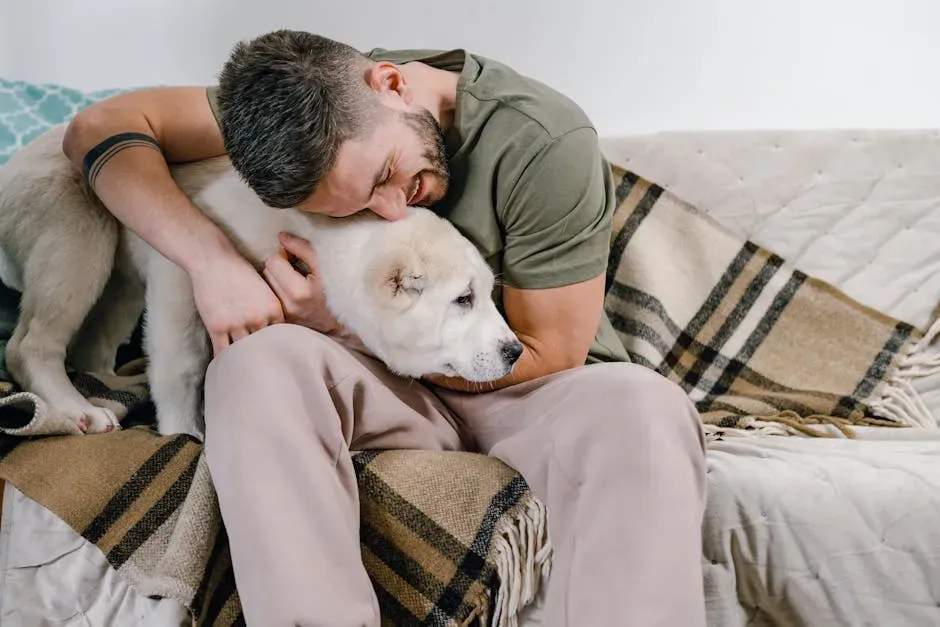
Dogs are astoundingly good at figuring out whether you are someone they can turn to when they are unsure or scared. If, when they flinch at a loud noise, you instinctively comfort them, they start filing away the idea that you are an emotional safe base. If you tend to ignore their distress or get irritated when they seek contact, they learn not to “bother” you with those feelings, and may turn inward instead.
This is not about being perfectly calm all the time. It is about how often you meet their emotional bids with warmth versus dismissal. Over months and years, your dog builds a quiet profile of you as a caregiver: soothing, distracted, irritable, playful, or somewhere in between. They might not understand your work deadlines or your family drama, but they definitely know whether your heart is usually open or usually closed when they come looking.
5. Your Energy Level And Daily Rhythm
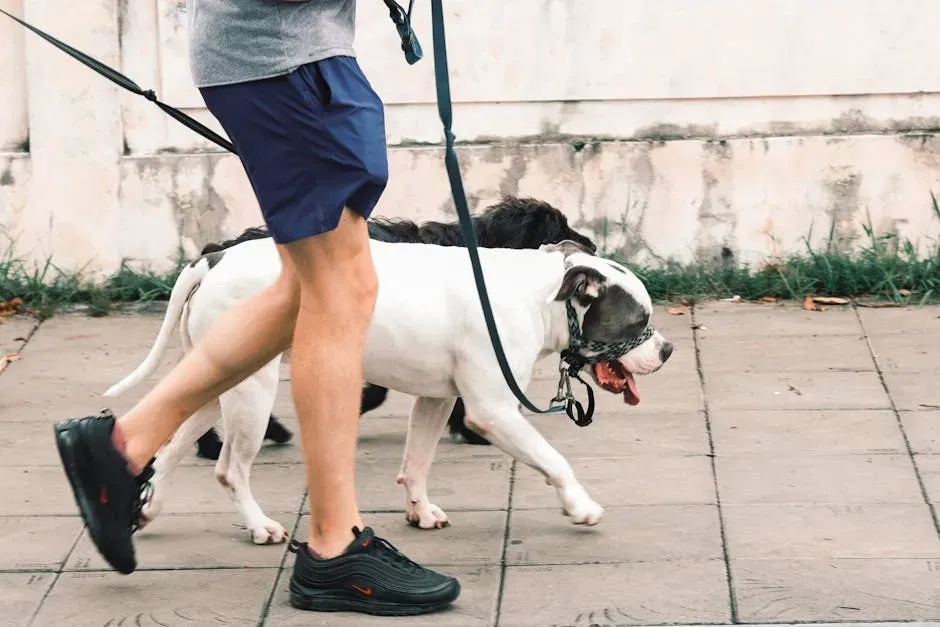
Dogs live in rhythms: sleep, play, walk, eat, repeat. They learn your rhythm by watching when you wake, when you slump, when you light up. An early riser with a morning jog routine feels like a completely different personality to a dog than a night owl who comes alive after dinner. Your dog tracks how often you move, how long you sit, and when you become animated, and they adjust their own energy waves around that pattern.
Many dogs will start anticipating your bursts of activity before you even stand up. They might fetch the toy right around the time you usually take a break, or wander to the door a few minutes before your regular walk. If you suddenly change jobs, start night shifts, or go from super active to mostly sedentary, they notice. To them, your schedule is part of who you are, like a heartbeat that tells them when life is exciting and when it is time to nap.
6. Whether You Are Gentle Or Heavy-Handed
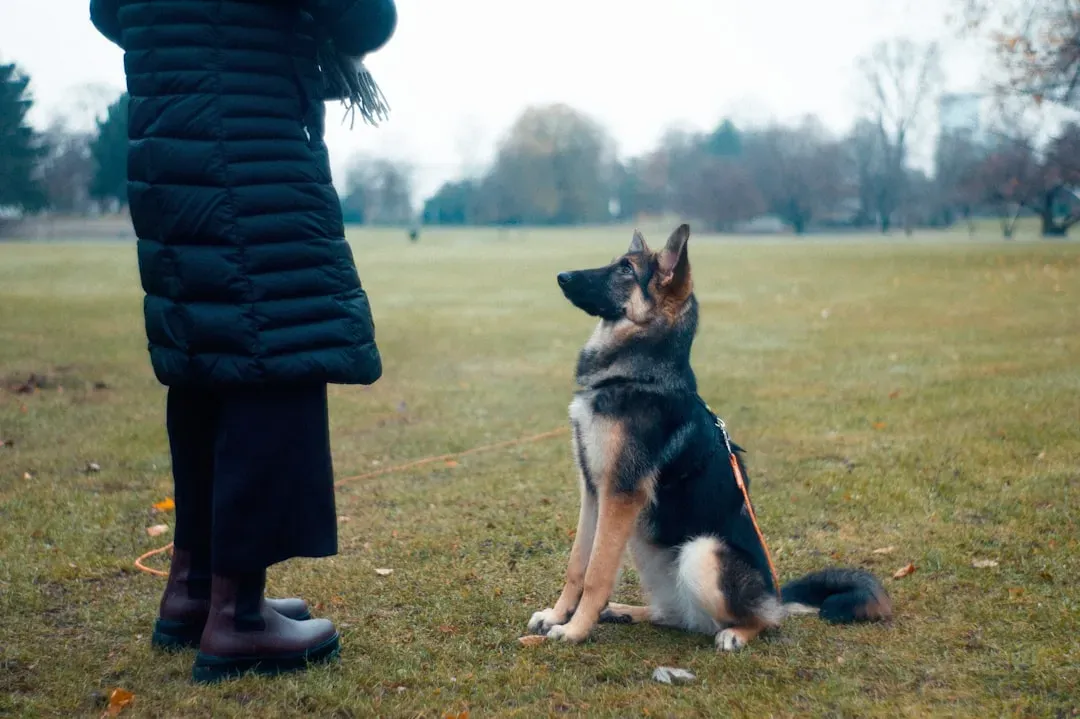
Physical touch is a huge channel of information for dogs. They learn quickly whether your hands are usually soft and calm or quick and abrupt. Even something small, like how you clip on the leash or guide them through a doorway, teaches them about your baseline temperament. Gentle people often have dogs who melt into touch, lean into them, and seek out contact because they have learned that being handled feels safe.
If you are rough without meaning to be, often hurried, or easily frustrated, dogs can become flinchy or stiff around your hands. They might still love you, but their body tells the truth about how your touch feels. Over time, they come to see you as either a source of comfort or something they should brace themselves for. That is a pretty direct window into your personality, and dogs are quietly reading it every single day.
7. Your Tolerance For Imperfection
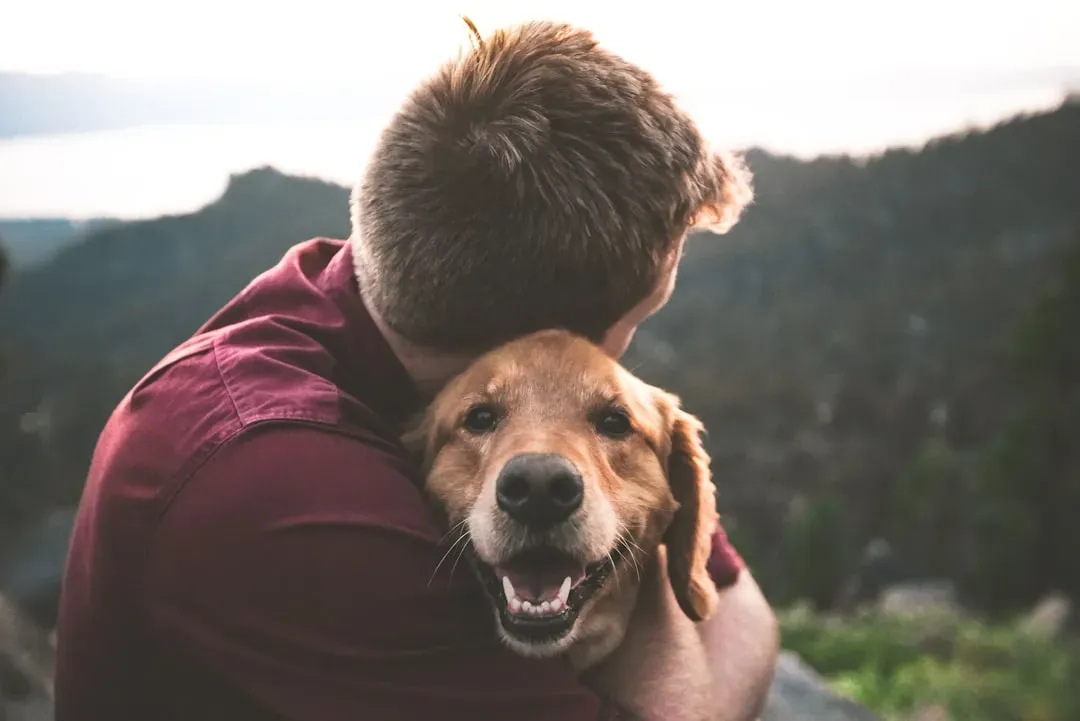
Dogs make mistakes all the time: they chew the wrong thing, bark at the wrong moment, have accidents, ignore cues. The way you respond to those everyday slipups teaches them how forgiving you are as a person. Someone who laughs, cleans up, and adjusts the environment sends a message of flexibility and acceptance. Someone who explodes, holds grudges, or punishes harshly signals that small errors come with big consequences.
This does not just shape their training; it teaches them whether you are the kind of personality that can roll with life’s mess, or the kind that needs everything just so. Many dogs start tiptoeing emotionally around people who expect perfection, checking faces before they move, freezing if they think they did something wrong. Others blossom when they live with someone who treats mistakes as information, not moral failures. In a very real way, your dog is constantly learning how kind you are to people who mess up – including yourself.
8. How Social Or Private You Are

Your dog gets a front-row seat to your social life. They see how often people come over, how you greet strangers on walks, and whether you tend to linger in conversation or avoid eye contact and keep moving. Over time, they learn whether you are outwardly social, selectively friendly, or mostly private and reserved. They may even start mirroring that vibe, becoming more outgoing or more aloof depending on how you regularly interact with the world.
Interestingly, dogs often notice the gap between how you act in public and how you are at home. Maybe you are charming at parties but collapse in silence afterward, or maybe you are awkward with strangers but endlessly goofy and talkative in the living room. Your dog sees both sides, and builds a deeper, more nuanced version of you than most people ever will. To them, your social style is not just introvert or extrovert; it is a whole pattern of when you open up and when you retreat.
9. How Much Control You Need
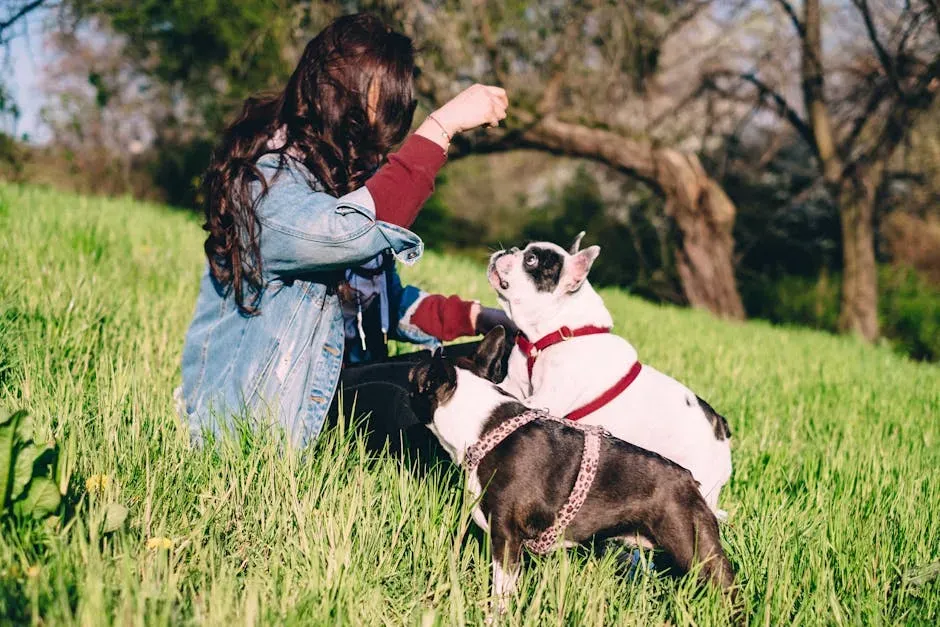
Many of us do not realize how much we like to be in control until we live with a creature who has their own agenda. Dogs learn quickly if you are someone who micromanages every step, every interaction, every sniff, or if you are more relaxed and willing to let them make choices. A highly controlling personality might constantly correct, redirect, and structure everything, while a more easygoing person may shrug and let the dog set the walking pace or pick the sleeping spot.
Your dog reads all of that. When they are never allowed to choose, they often become hesitant to offer behaviors on their own, waiting for instructions. When they are encouraged to explore and make small decisions, they can become more confident and independent. Neither extreme makes you a villain or a saint, but your dog absolutely learns whether you are a “my way or the highway” human or someone who can share control without feeling threatened.
10. Your Emotional Stability Day To Day
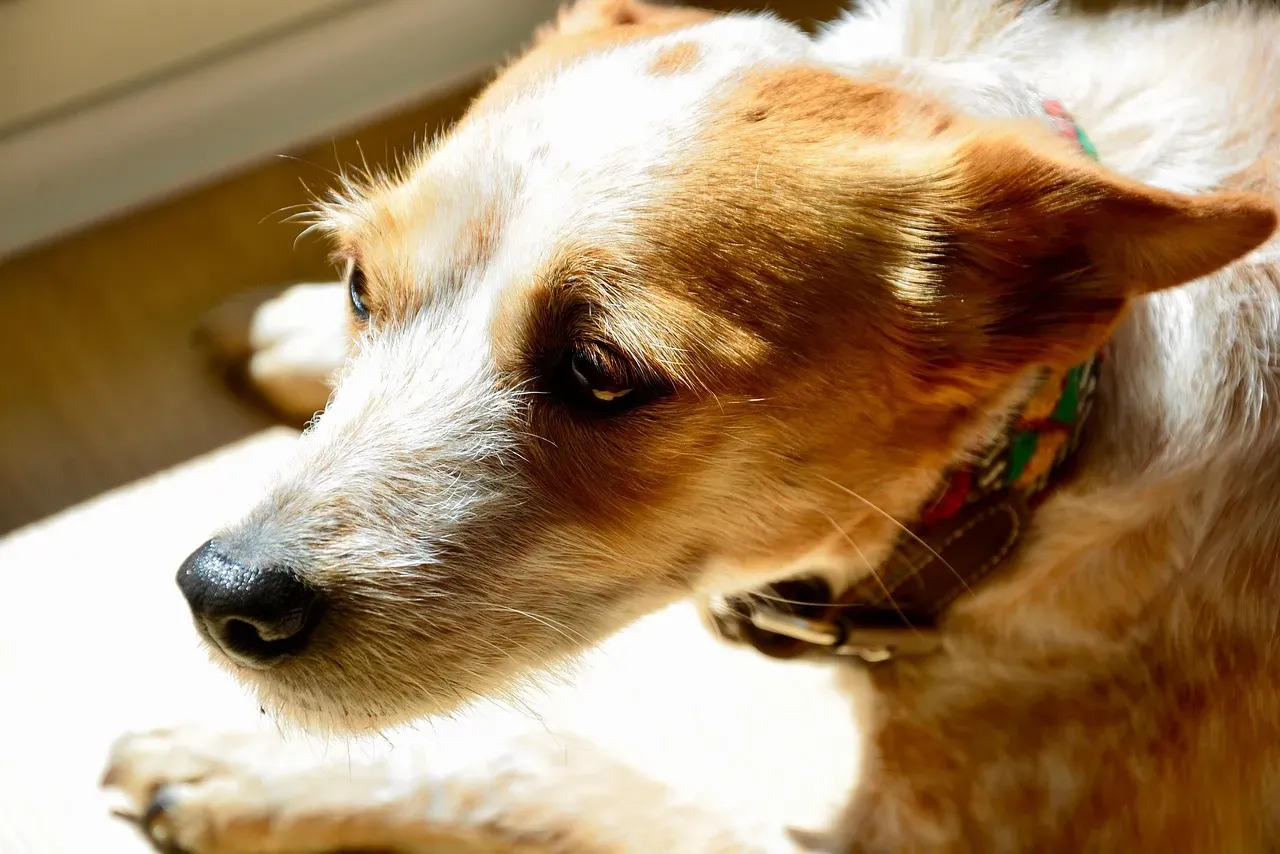
Dogs are particularly sensitive to emotional whiplash. If your mood swings wildly from day to day, they pick up on the volatility long before you might admit it to yourself. A few rough days are normal; life happens. But if your dog regularly experiences you as peaceful one hour and raging the next, or affectionate one day and cold the following, they start organizing their behavior around that emotional instability.
Some dogs will try desperately to smooth things over, becoming clingy, appeasing, or almost comically silly, as if they could hold your mood together with their antics. Others will emotionally shut down, going quiet and trying to stay out of the way. In both cases, they have already drawn a conclusion: you are emotionally unpredictable. That is not a judgment, but it is a powerful reflection, and for many people it is more honest than what any human friend would dare to say out loud.
11. What Truly Makes You Happy
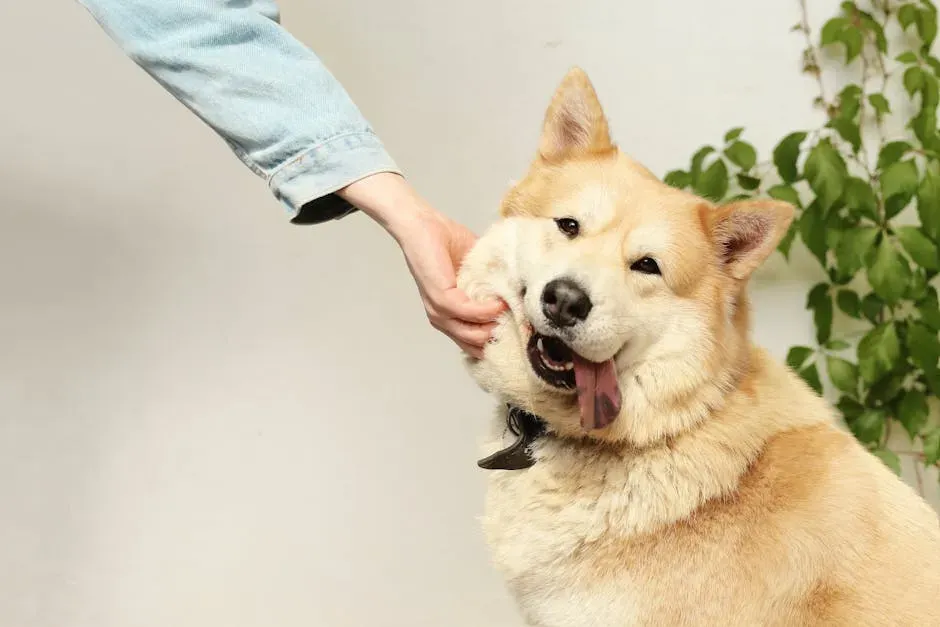
If there is one thing dogs are world-class at, it is spotting what lights you up. They may not understand your bank account or your career path, but they absolutely track which activities make your whole body relax and your voice soften or brighten. Maybe that is reading quietly with them at your feet, hiking on a trail, playing fetch in the park, gaming on the couch, or cooking with music on. To your dog, those are the moments when your real self leaks through the noise.
They start nudging you toward those joys. A dog who sees you happiest outside may bring you the leash. One who notices you laugh the most during play will shove toys into your lap right when you look drained. They become small, furry reminders of the version of you that is most alive and authentic. In a strange way, they often know what actually feeds your happiness better than you do, because they are watching your reactions, not your stories about yourself.
12. How Deeply You Are Attached To Them
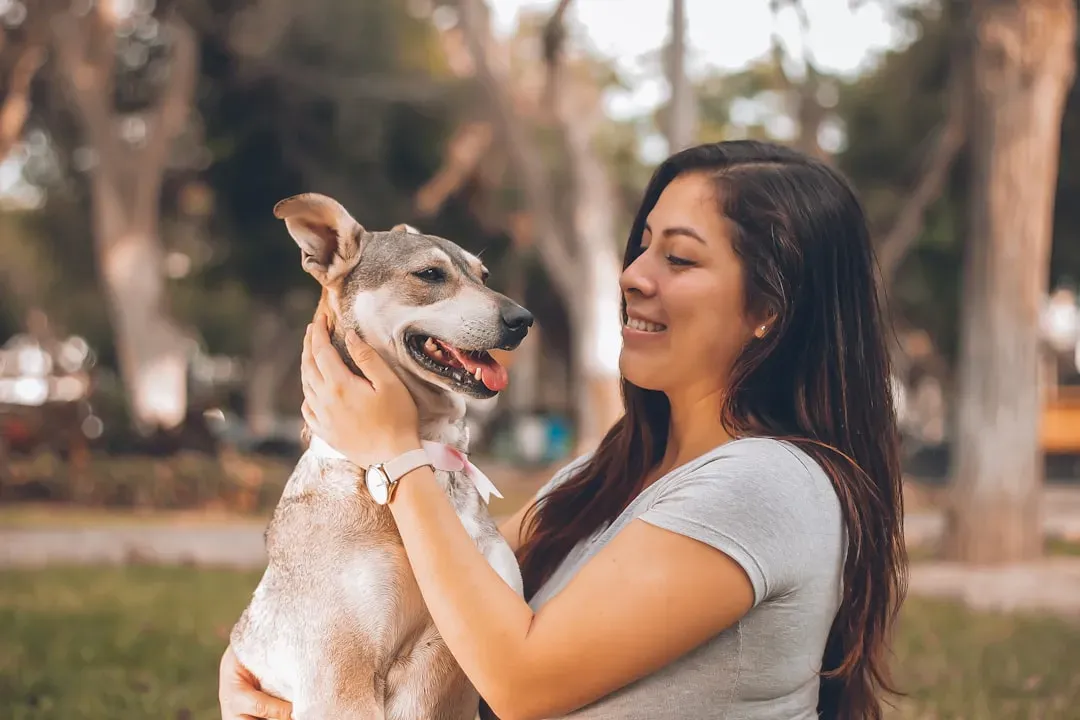
Finally, and maybe most beautifully, dogs learn how much space they occupy in your inner world. They feel the difference between being an accessory and being family. Do you make time for them even on bad days, or only when life is easy? Do you talk to them, include them in routines, notice when they are off, or do they mostly orbit around the edges of your life? Over time, they form a clear picture of whether they are central to your heart or just background noise.
Dogs also pick up on how you behave when you are scared for them, when they are ill, or when they age. The care you give then teaches them the true depth of your attachment far more than treats or toys ever could. They respond by either leaning into you as their anchor or learning to self-soothe because you are not really available. It is a quiet, profound assessment they make, and they live their entire lives based on what they have learned about the size of their place in your soul.
Conclusion: Your Dog Is A Mirror You Cannot Argue With
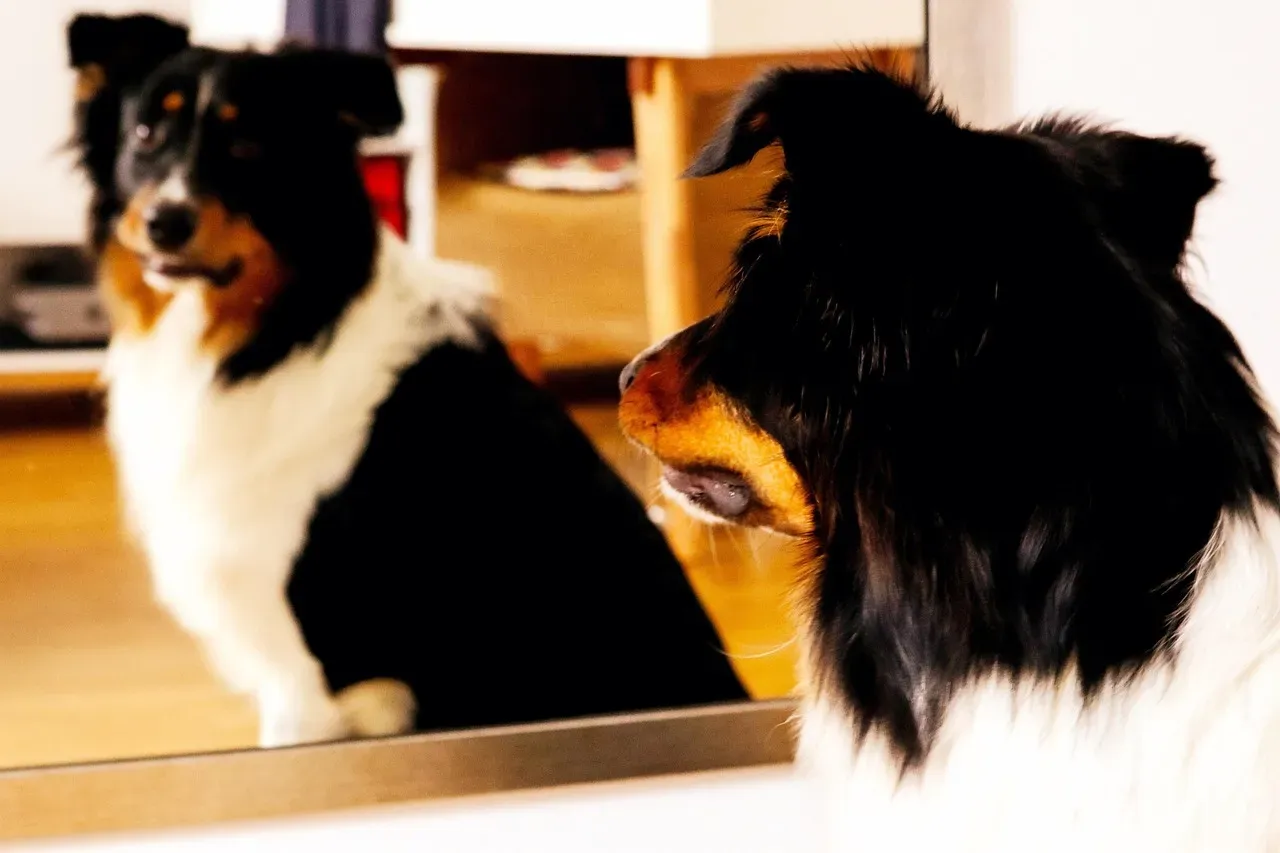
Living with a dog is like living with a mirror that reflects your habits, moods, and character traits in real time. They do not care about your job title, your curated online persona, or the version of yourself you describe to new people. They care about how you act when you are tired, how you touch when you are rushing, how you react when they make mistakes, and whether you show up when they need you.
That can be confronting, but it is also an invitation. If you do not always like what your dog has learned about you, you can change the story starting today: slow down a little, soften your hands, laugh off the small stuff, and let them make a few more choices. In the end, the personality they see is probably the truest one you have. The real question is: if your dog could describe who you are, would you be proud to hear the answer?


