
I still remember a neighbor’s Border Collie sitting at the front gate for weeks after his owner died, staring down the road like he was waiting for a car that never came. It was raw, quiet grief you could feel from across the street. Stories like that are the reason people say dogs have the purest hearts, and why the idea of them mourning us hits so hard.
Some breeds, because of how closely they bond and how their brains and bodies are wired, seem to show that loss in more obvious and longer‑lasting ways. They pace, they whine, they stop eating, they sleep in their person’s spot for months. Science is still catching up to what we see every day, so we need to be careful not to project human feelings onto them. But if you’ve ever watched certain dogs after a loss, it’s pretty clear: some struggle a lot more, and they take their time coming back to themselves.
Labrador Retriever: The Shadow That Suddenly Has No Sun
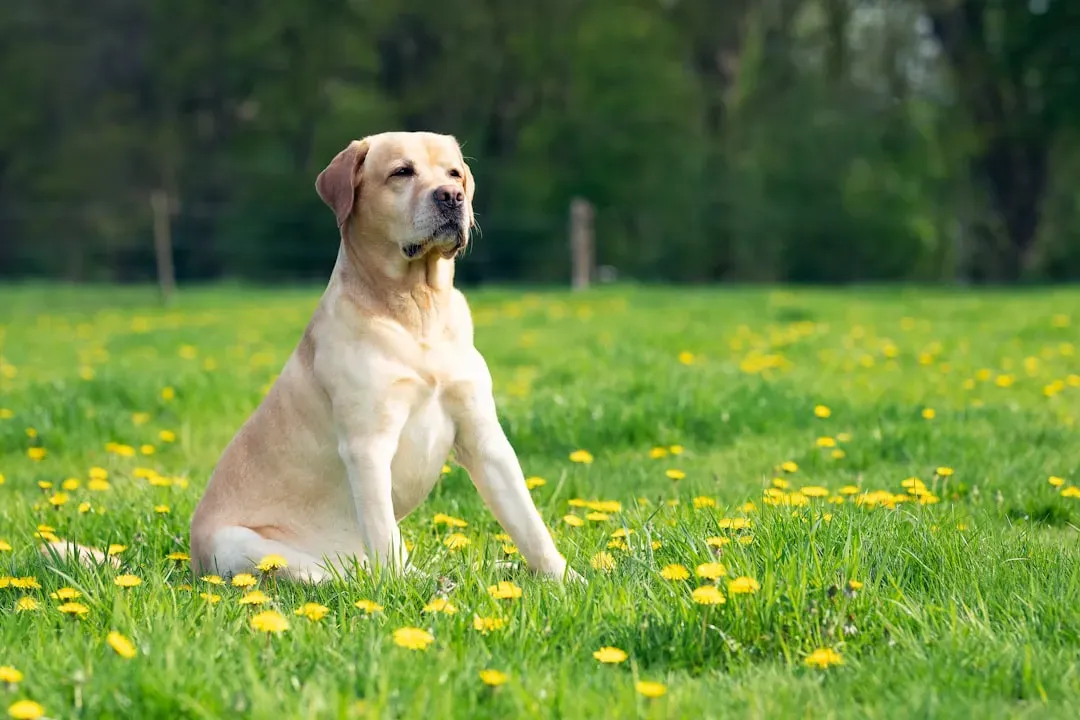
Labradors are often called velcro dogs, and that is not an exaggeration. These dogs are bred to work right alongside humans, reading our cues, matching our pace, and checking in constantly. When their person dies, they do not just lose a family member; they lose their job, their routine, and the center of their world all at once.
It is common for Labs in mourning to wander the house looking for their person, wait at doors, or lie in places where that person used to sit. Because they are generally emotionally open and expressive, you can often see the change very clearly: the playful, goofy Lab becomes quieter, sleeps more, eats less, or seems disinterested in games they once loved. They usually do recover, but it can be a slow climb that depends heavily on gentle structure, patient new bonds, and time.
German Shepherd: The Guardian Without a Mission
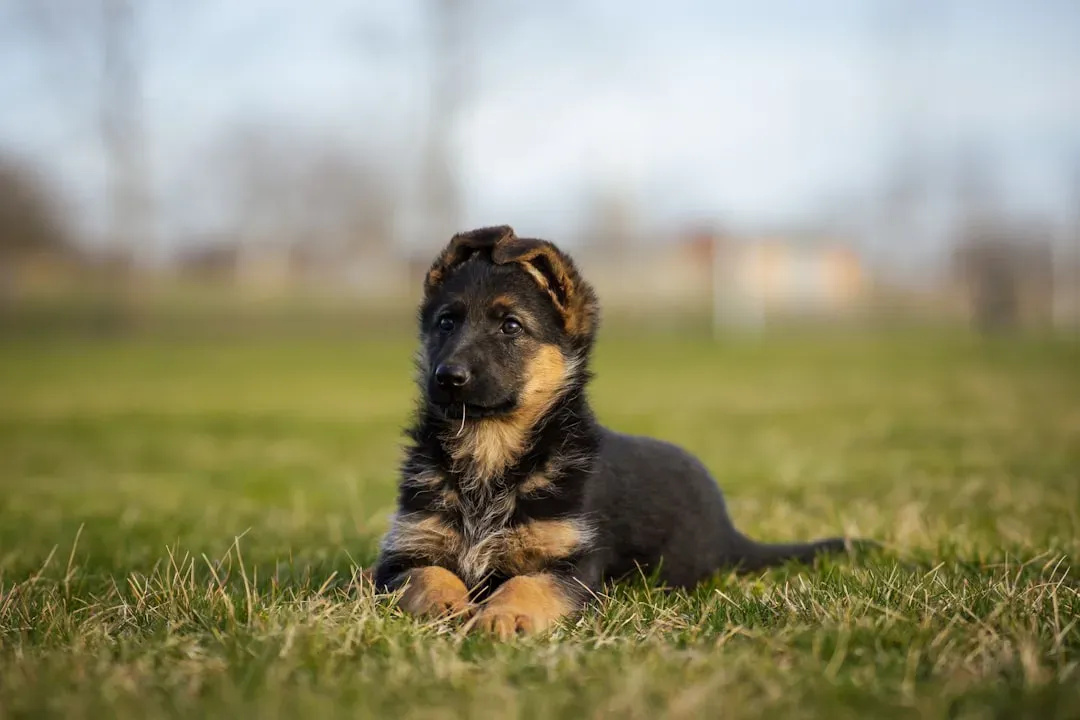
German Shepherds are intensely loyal and purpose‑driven. Many are working dogs or natural protectors of their families, which means their relationship with their primary person is wrapped up with a strong sense of duty. When that person dies, it can feel like the job they took so seriously has been ripped away with no warning and no way to fix it.
In mourning, a German Shepherd might become restless, pacing and checking every room, or strangely withdrawn, spending long stretches lying in the same spot. Some become clingier with whoever is left, while others almost seem to shut down for a while. Because they are sensitive to emotional tension and change in the household, they may take longer to stabilize, especially if everyone around them is grieving too. Consistency, calm leadership, and new “work” like training or scent games can slowly help them find their footing again.
Border Collie: The Overthinker of the Dog World
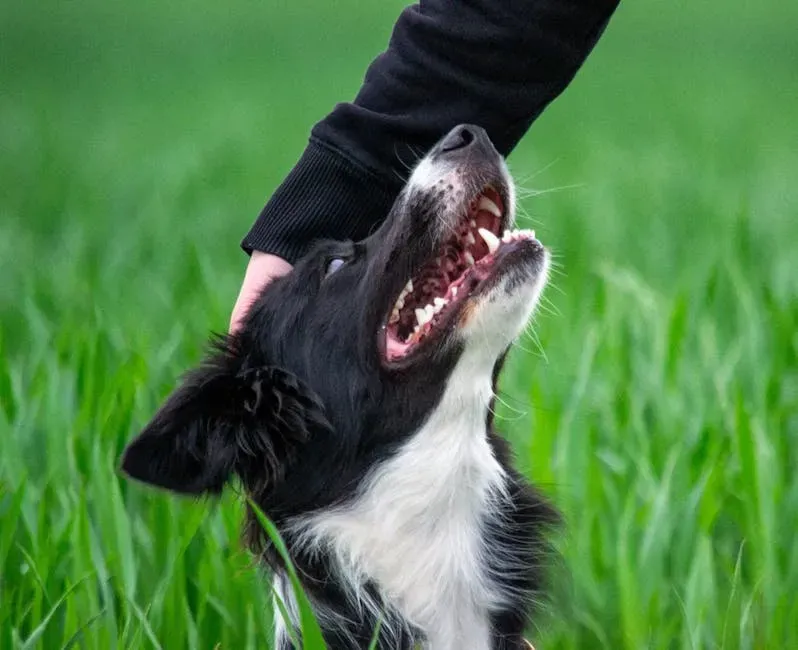
Border Collies are brain on legs. They are bred to be hyper‑attuned to a handler, reacting to subtle signals and working in tight partnership. That sharp focus and sensitivity can become a double‑edged sword when their person dies. They notice every change: the missing footsteps, the silence at certain hours, the shift in routines.
This can turn into visible anxiety, obsessive searching behavior, or a loss of interest in activities that used to excite them. A Border Collie that once lived for agility or fetch might stand in the yard and simply stare at nothing for long stretches, as if waiting for a cue that never comes. Because their minds run fast, they often need structured mental work to survive grief: new training, problem‑solving games, or a new sport. Even with that, it can take months before they look and act like themselves again.
Golden Retriever: The Empath Who Feels Every Vibe
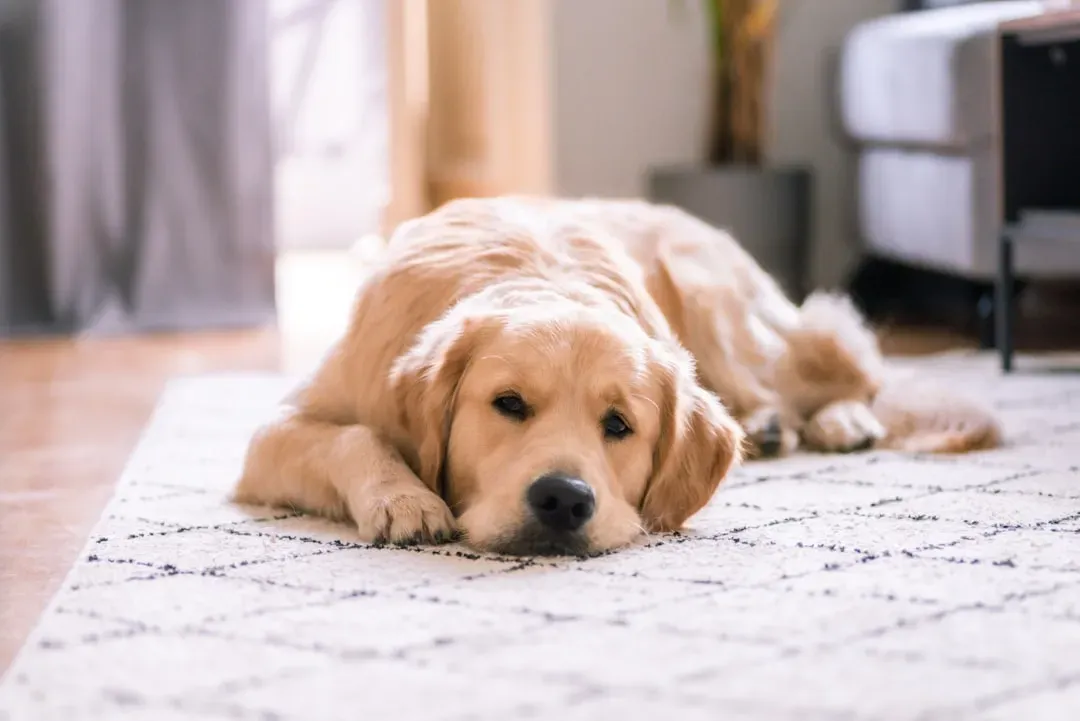
Golden Retrievers are famous for their gentle, people‑focused temperament. They soak up human emotions like sponges, which is beautiful when a household is happy and stable, but can be brutal in the middle of tragedy. When their person dies, they are hit not just by their own loss, but by the shock and sadness of everyone around them.
Many Goldens visibly droop during grief: the wag slows, their eyes look duller, and some may become less playful or more reluctant to eat. Because they are so tuned into affection and closeness, losing the person they cuddled with, slept next to, or followed from room to room can leave a large emotional hole. With time, extra affection, and predictable new routines, they typically find a way to adapt, but their grief can be gentle and drawn‑out, like a light slowly turning back on rather than a switch suddenly flipping.
Cavalier King Charles Spaniel: The Lap Dog Left With an Empty Chair

Cavaliers are bred to be companions, plain and simple. Many of them spend most of their day in physical contact with their favorite human, whether that is on a lap, tucked under an arm, or curled against a leg in bed. When that person is suddenly gone, the absence is not abstract; it is literally a cold space next to them that stays empty.
Grieving Cavaliers may sit in their person’s favorite chair, wait by a bedroom door, or seem unsure of where to settle. You may see them whining softly, following remaining family members obsessively, or sleeping more than usual. Because they are small and often a bit fragile emotionally, changes in appetite and energy can last a long time. Slow recovery for a Cavalier often involves lots of gentle touch, soft voices, and helping them form a new primary attachment without forcing it.
Akita: The Stoic Heart That Breaks Quietly
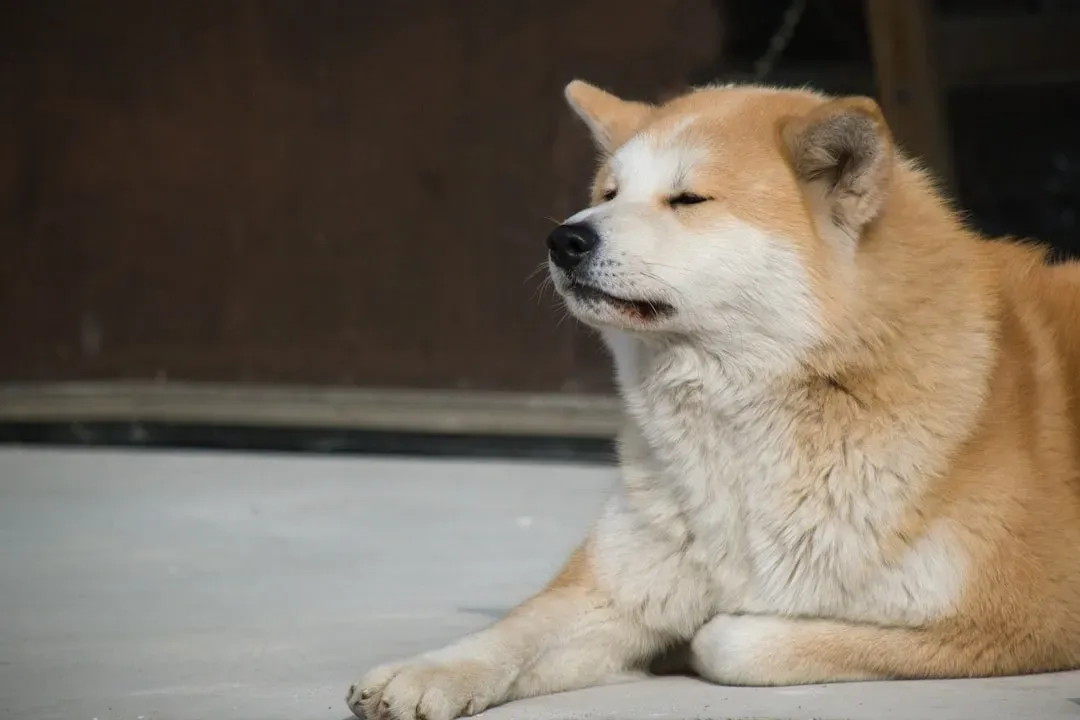
Akitas are known for their calm, reserved loyalty, and that loyalty can go extremely deep. The famous story of Hachikō, the Akita who waited at a train station for his deceased owner every day for years, is an extreme example, but it captures something real about their nature. They may not always be dramatically expressive, but their attachments are intense and enduring.
When an Akita loses their person, the grief can look subtle on the surface: more time spent lying near doors, staring out windows, or staying close to one particular spot. They might refuse food, ignore visitors, or seem indifferent to things that usually interest them. Because they are naturally slow to warm up to new people, they may take a long time to redirect that bond. Helping an Akita through mourning means respecting their quiet way of processing while gently offering consistent presence and new purpose, not rushing them to “get over it.”
Beagle: The Social Soul Who Loses Part of the Pack
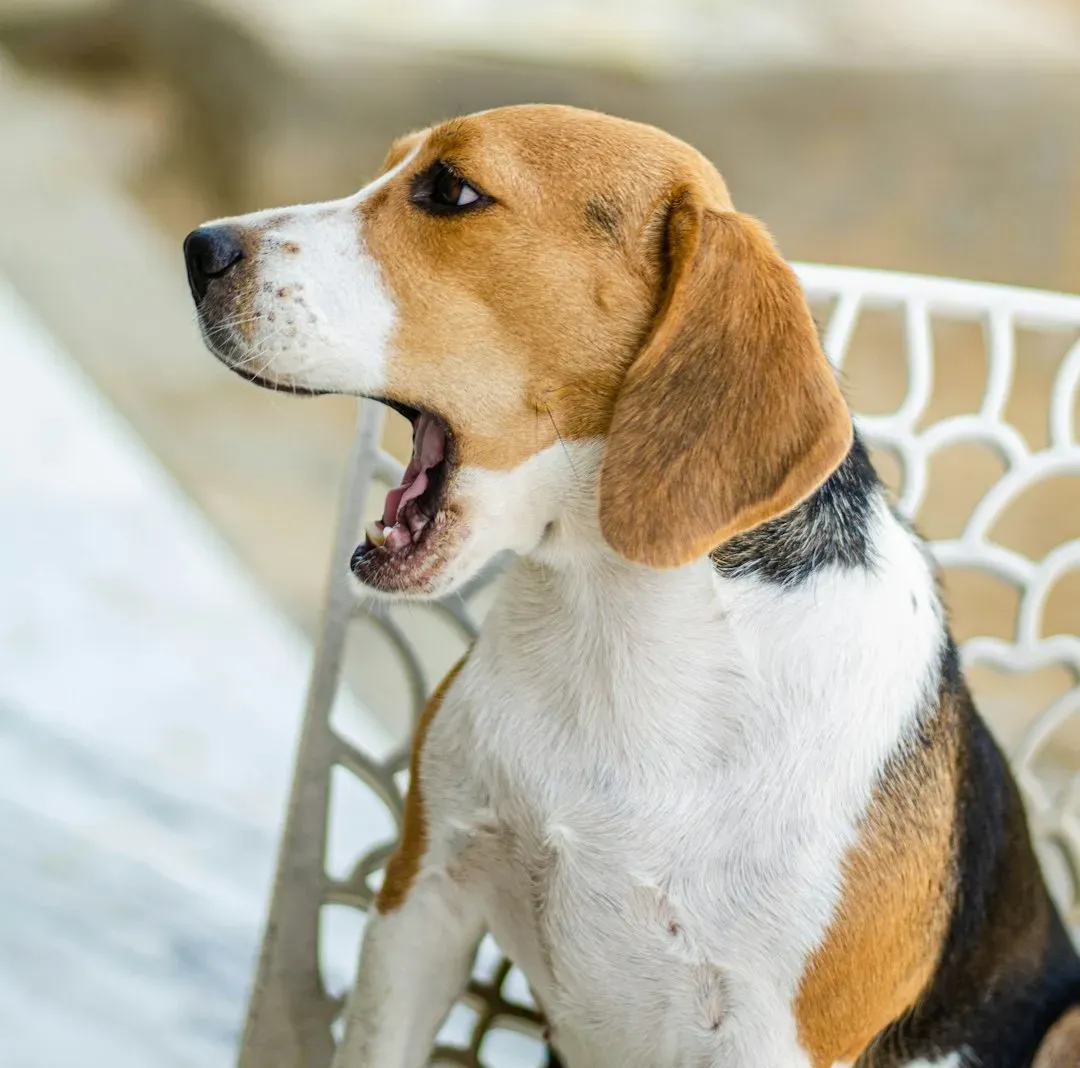
Beagles are pack animals to their core. They thrive on company, whether it is other dogs or humans, and many form especially tight bonds with one particular person. When that central pack member is suddenly missing, Beagles can show distress in surprisingly intense ways for such a cheerful‑looking breed.
Some grieving Beagles howl more, roam the house sniffing obsessively, or become destructive when left alone, as if they are trying to call or search for the one who is gone. Others go the opposite way and seem strangely quiet, curling up in hidden corners or refusing to engage. Because their sense of security is tied to group harmony, a disrupted home can keep them off‑balance for quite a while. Time, steady routines, and plenty of social contact – with humans and, if possible, other dogs – help, but their adjustment is often gradual rather than quick.
Jack Russell Terrier: The High‑Energy Dog Suddenly Out of Sync
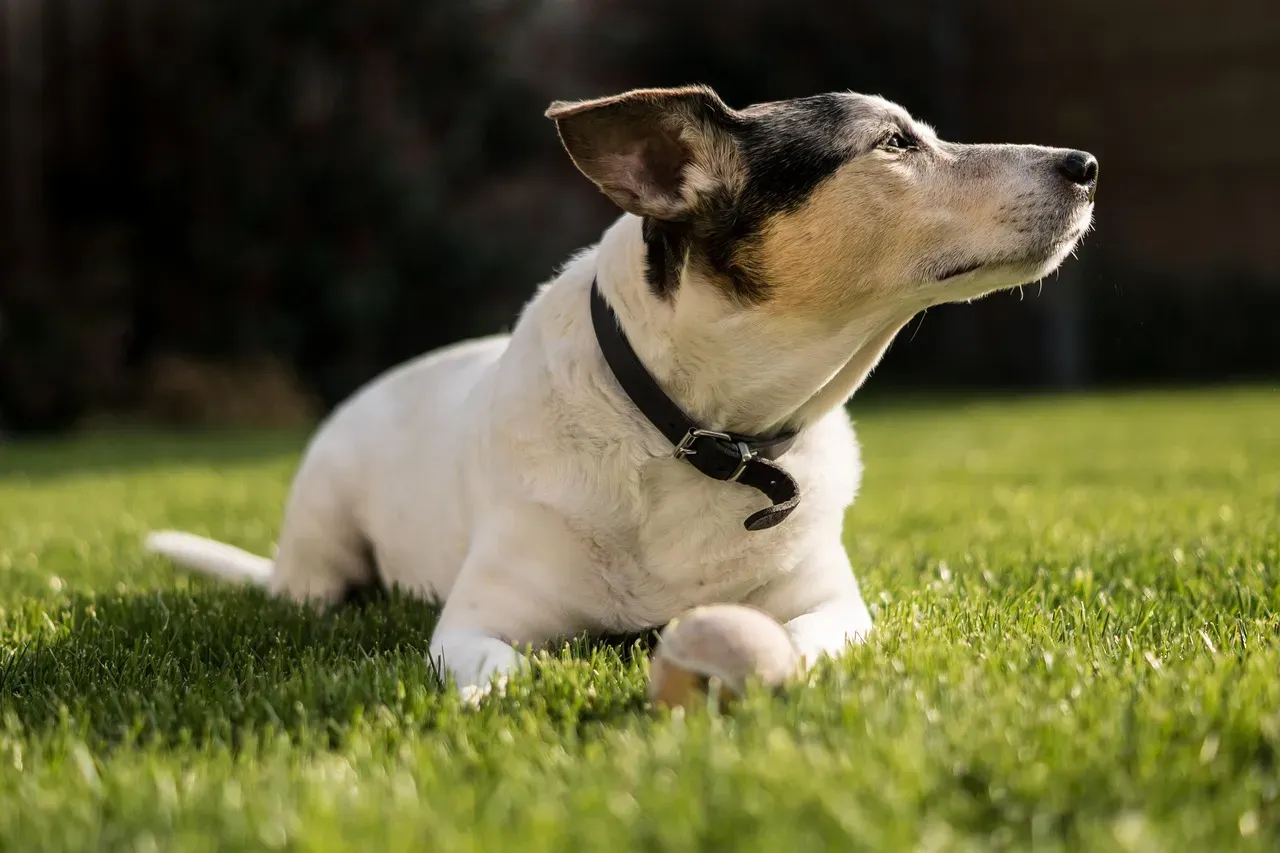
Jack Russells are like walking fireworks: high energy, sharp, and driven. Underneath all that fizz, many of them bond hard to their main human, especially if that person was the one who played, trained, and adventured with them. When that person dies, the dog does not just lose companionship; it loses its main outlet and partner in chaos.
Grief in a Jack Russell can show up as agitation, aimless zooming, digging, or barking that seems to have no real target. Others may do the opposite and become unusually still, staring at doors or windows as if waiting for their person to reappear. Because they are so wired for activity, simply “waiting it out” rarely works; they tend to need new ways to burn energy and a new person to connect that energy to. Even with that, the emotional lag can be long, and they may keep certain habits – like visiting their person’s old spot – well into their slow recovery.
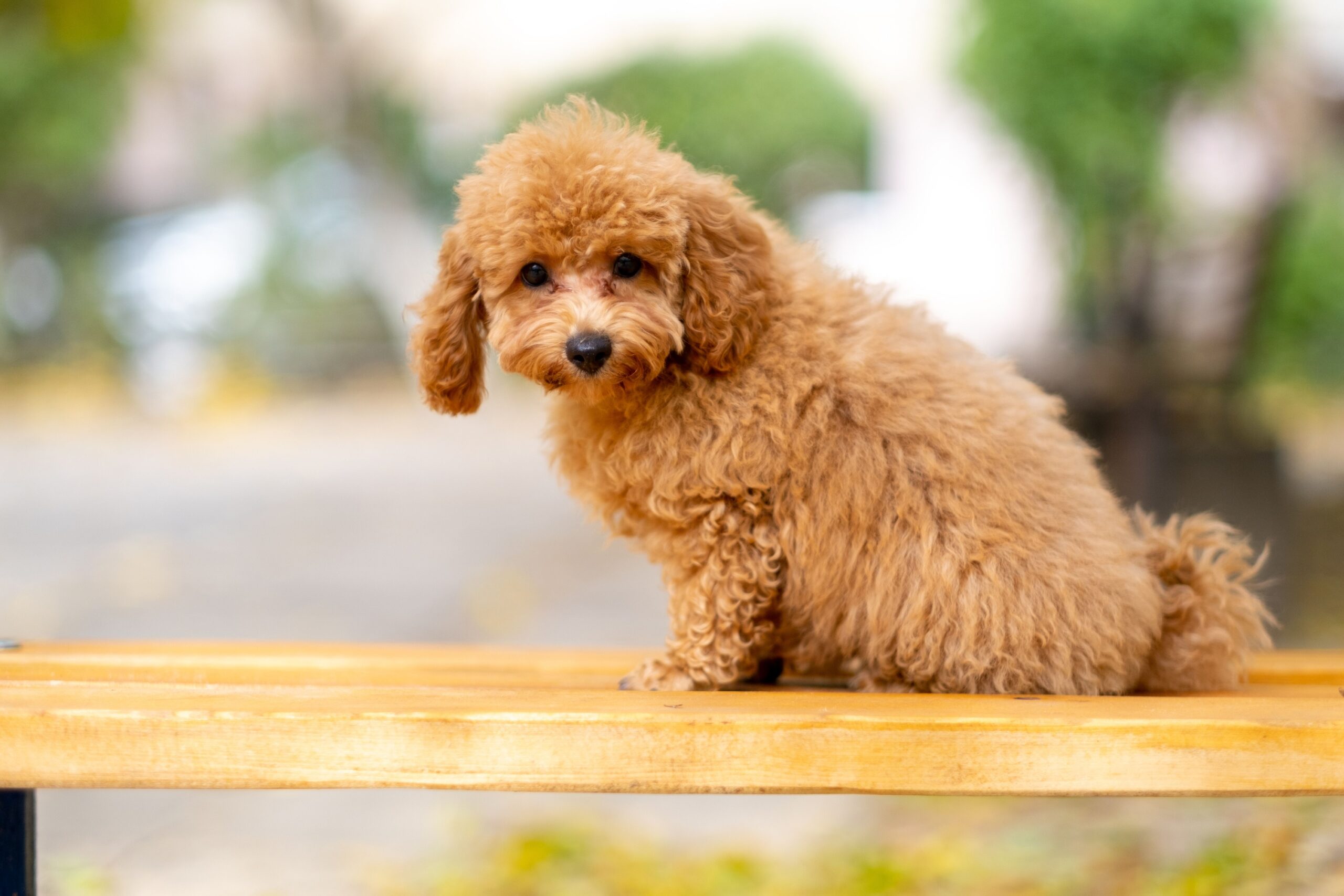
Poodle (Standard and Miniature): The Sensitive Thinker
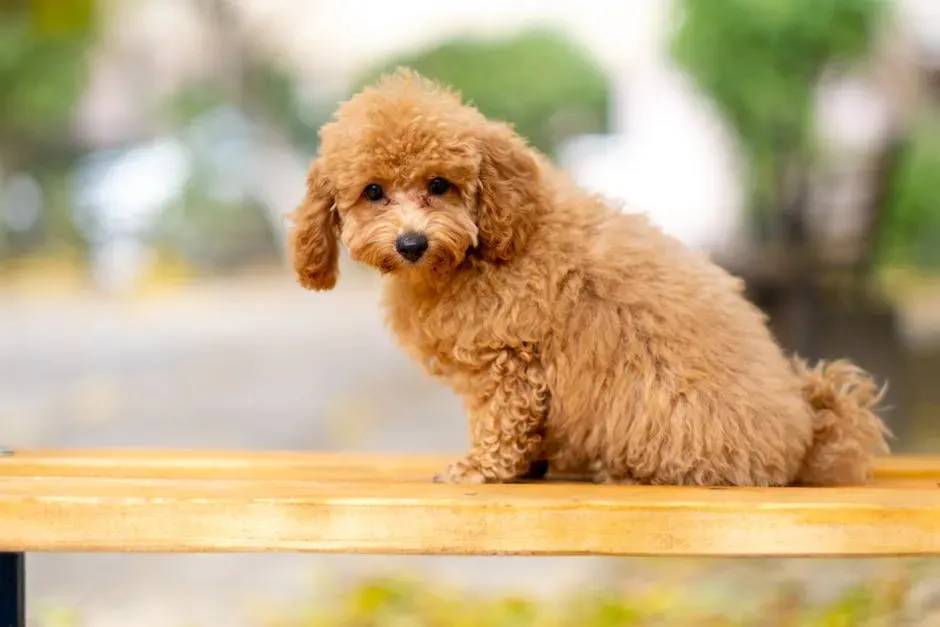
Poodles are often among the most intelligent dogs in the room, and they usually know far more about what is happening in a household than people realize. Their close observation and sensitivity mean that a major loss hits them on several levels at once: routine disruption, changes in mood, and the raw absence of their favorite human.
Many grieving Poodles become clingy with whoever is left, following them from room to room and panicking when they leave, as if they fear another disappearance. Others appear depressed – sleeping more, playing less, and losing interest in learning new things. Because their brains crave stimulation and stability, grief can stretch out if their world stays uncertain for too long. They tend to do best when given both emotional comfort and structured tasks, like obedience work or gentle new tricks, to rebuild confidence and a sense of normalcy over time.
Shih Tzu: The Homebody Who Loses Their Anchor
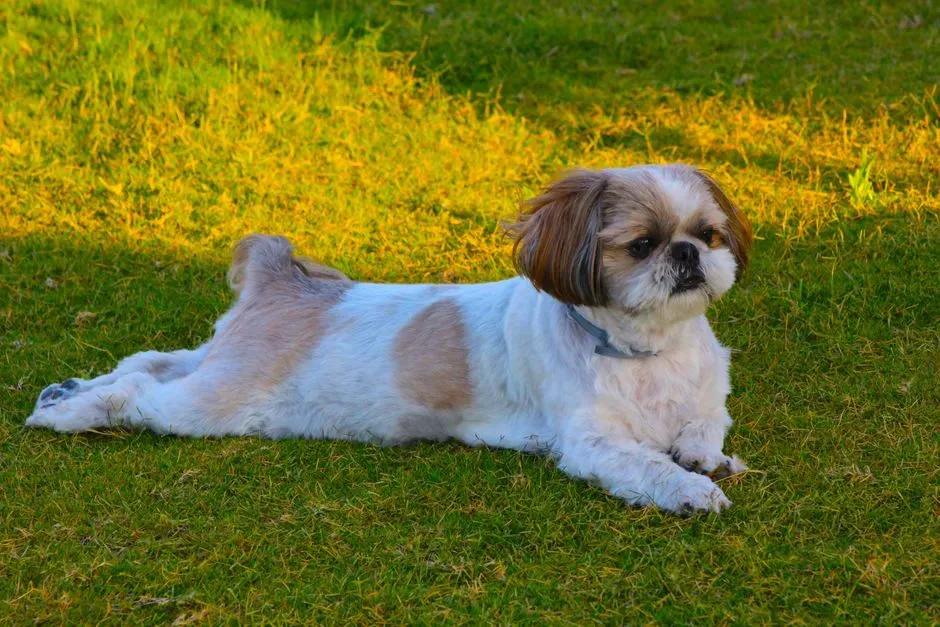
Shih Tzus were bred as companion dogs in royal courts, and that history still shows in how they relate to people. Many choose one person as their primary anchor, the lap they prefer, the footsteps they trail, the bed corner they claim. Take that anchor away, and you often see a dog that looks genuinely lost, even if the rest of the household is still there.
After a loss, a Shih Tzu might spend long stretches waiting outside a bathroom, bedroom, or front door, or retreat to clothing and blankets that still smell like their person. Changes in appetite, house‑training slip‑ups, and extra vocalizing are not unusual as they struggle to adapt. They usually come back slowly, especially if someone steps into a gentle caregiver role without pushing too hard. But like a person who keeps setting one extra place at the table out of habit, some Shih Tzus will quietly hold on to their patterns for a long time before their hearts finally catch up.
Conclusion: Grief Is Real, But It Is Also Personal
Looking at these breeds, it is tempting to declare that certain dogs always grieve harder or longer, but reality is messier than that. Breed tendencies matter – some dogs are simply more people‑focused, more sensitive, or more loyal in that close, almost obsessive way. But individual personality, past experiences, the strength of the bond, age, and even the emotional storm inside the household all shape how a dog mourns and how slowly or quickly it recovers. One Labrador might bounce back in weeks with the help of a new routine, while another Beagle or Akita seems to carry the absence for years.
Personally, I think the most important takeaway is less about ranking breeds and more about respecting what dogs show us when their world breaks. The pacing, the waiting by the door, the refusal to leave a favorite chair – these are not just quirks; they are their version of wearing black, rereading old messages, or sleeping on one side of the bed. We owe it to them to notice, to give them time, and to help them build a new normal instead of expecting them to snap back like nothing happened. In the end, their slow recovery is a strange, bittersweet gift: proof that the bond was real and deep. Knowing that, how could we ever say they “were just a dog”?


