Adopting a dog is a heartwarming journey, but for some breeds, the path to a forever home is fraught with challenges. Despite the best intentions and loving environments, certain dogs struggle to adapt to new homes, leaving both the pet and owner in distress. Let’s delve into ten dog breeds that often find it difficult to settle into new households, regardless of the kindness extended to them.
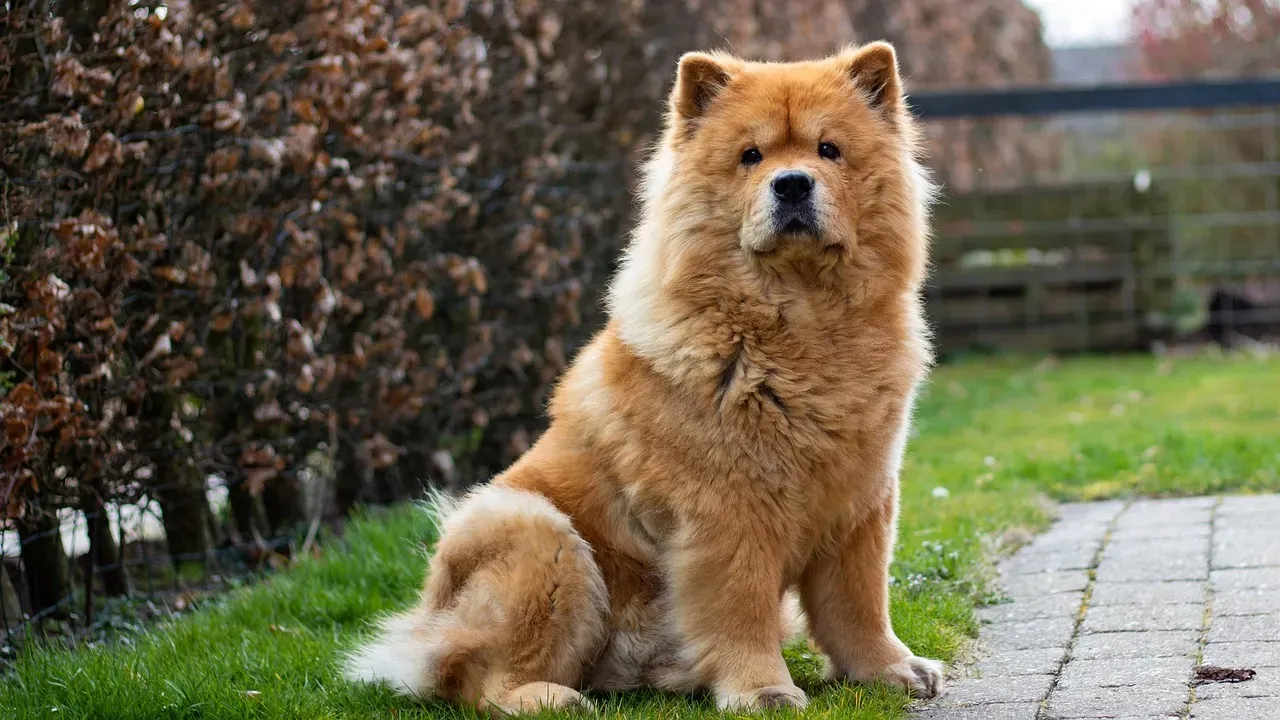
Chow Chow
Chow Chow (Image Credits: Pixabay)Chow Chows are known for their lion-like mane and aloof demeanor. Originating from China, they were bred for guarding and hunting, which contributes to their independent nature. This independence can make them less inclined to bond with new owners, often leading to a prolonged adjustment period.Their strong-willed personality requires an experienced handler who can provide consistent training and socialization. Without this, Chow Chows may remain distant, making it challenging for them to feel at home in new environments.
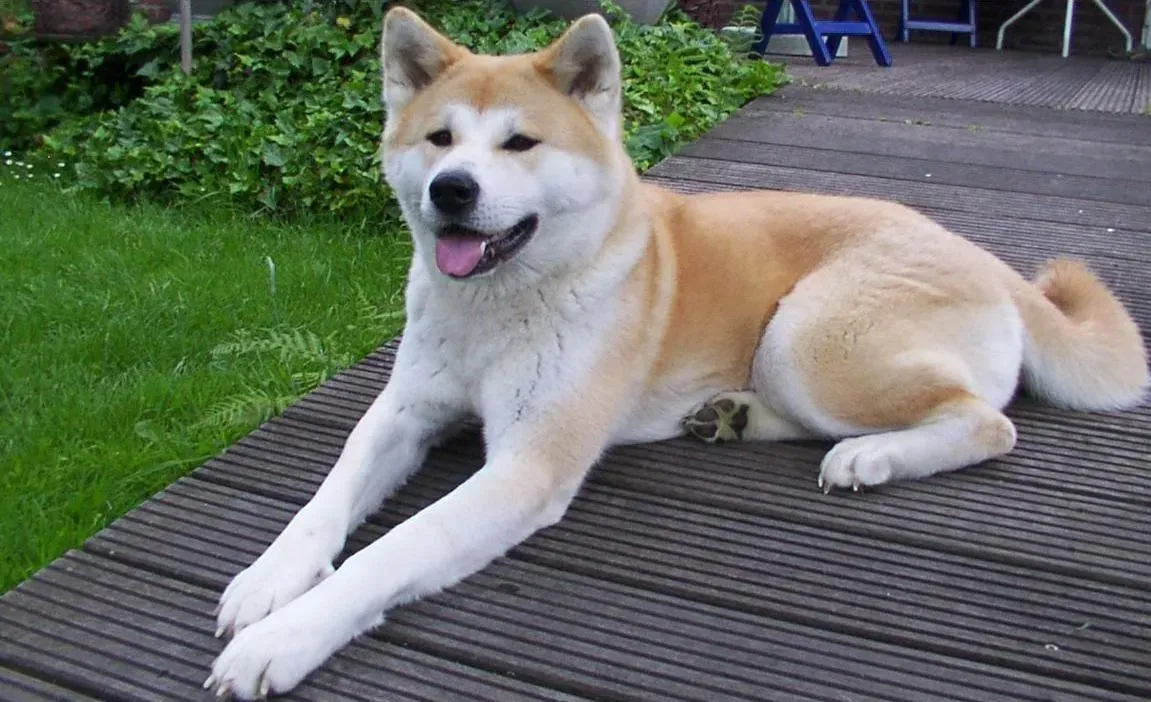
Akita
Akita (From nl.wikipedia, originally uploaded by B@rt., CC BY-SA 3.0)Akitas are revered in Japan for their loyalty and courage. However, this loyalty often translates into a deep attachment to a single owner or family. When rehomed, Akitas may struggle to transfer their allegiance, leading to feelings of confusion and detachment.Their protective instincts can also manifest as wariness towards strangers, including new owners. Building trust with an Akita requires patience and understanding, as they may take considerable time to accept a new home.
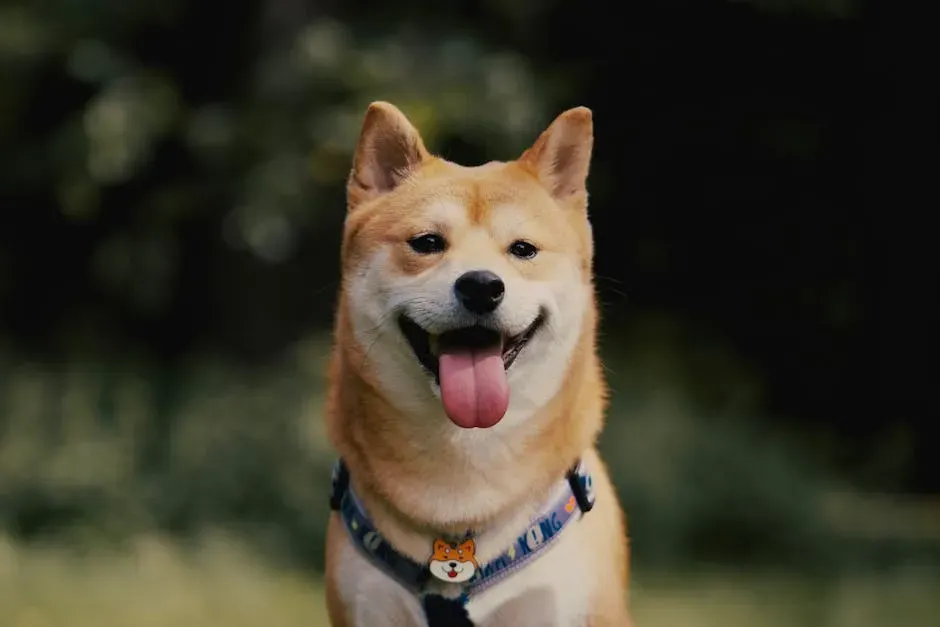
Shiba Inu
Shiba Inu (Image Credits: Pexels)Shiba Inus are small but mighty, boasting a spirited and independent nature. This breed is known for its strong sense of self, often leading to stubbornness. When placed in a new home, a Shiba Inu might resist authority and training, making integration a slow process.Their aloofness doesn’t mean they lack affection, but they prefer to show it on their terms. New owners might find it challenging to connect with a Shiba Inu, as the breed values its autonomy highly.
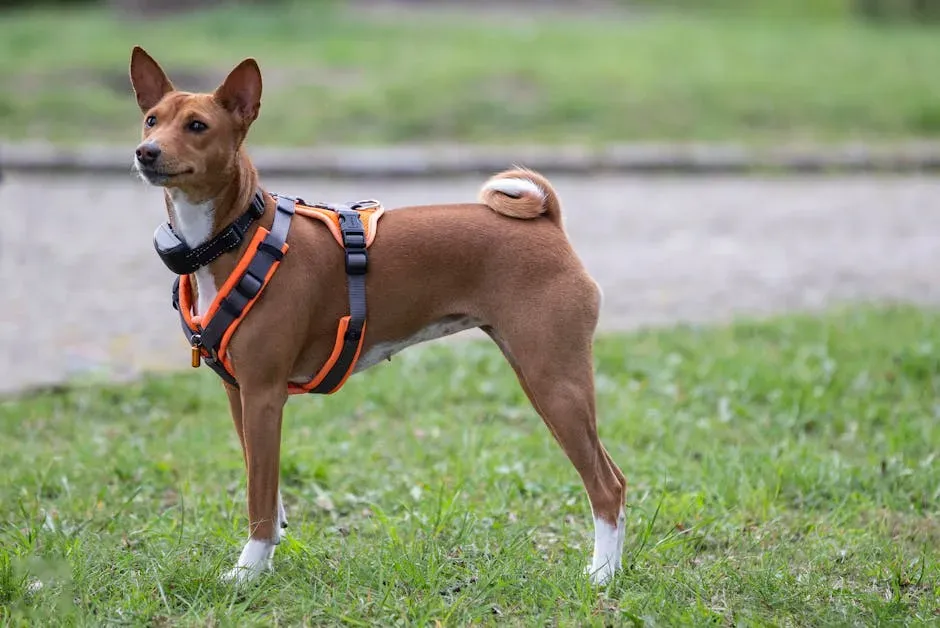
Basenji
Basenji (Image Credits: Pexels)Dubbed the “barkless dog,” the Basenji is known for its unique vocalizations and cat-like demeanor. This breed is highly intelligent and independent, often making decisions without seeking human approval. Such traits can make rehoming a Basenji particularly challenging.Their strong prey drive and tendency to be escape artists mean they require vigilant supervision. New owners may find it difficult to establish control and trust, leading to a prolonged adjustment period.
Afghan Hound
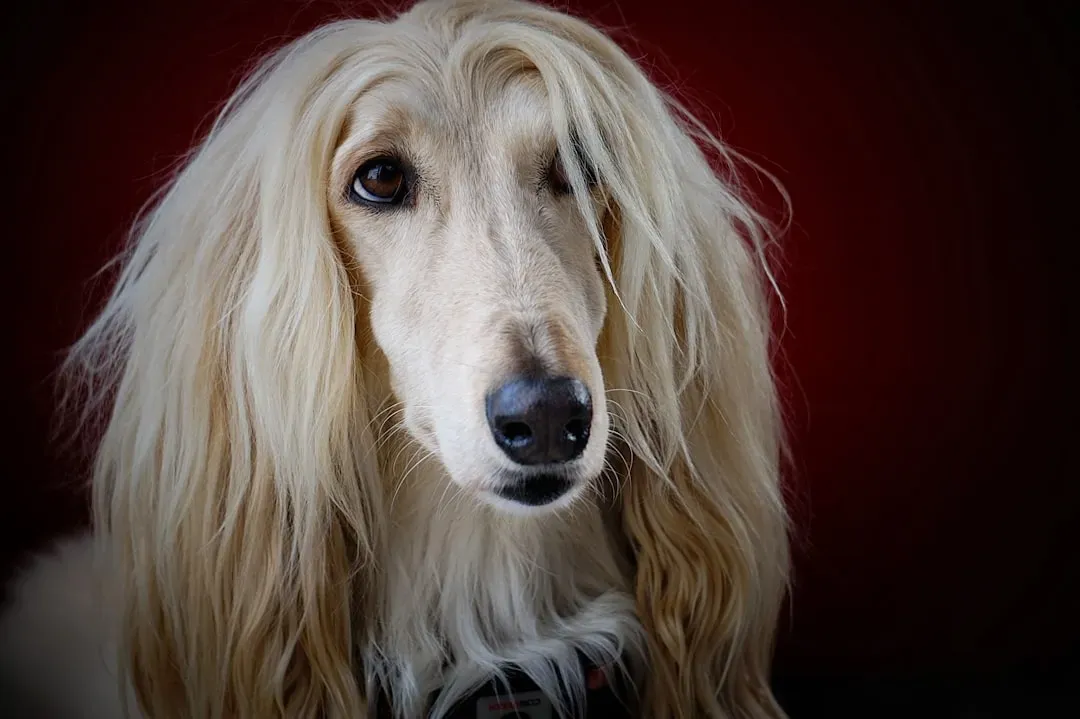
Afghan Hound (Image Credits: Unsplash)With their elegant appearance and aloof personality, Afghan Hounds are both captivating and enigmatic. They possess a strong independent streak, often making them seem distant or uninterested in human companionship. This can pose challenges when trying to integrate them into a new home.Their sensitivity to change means they may become anxious or withdrawn in unfamiliar environments. Building a bond with an Afghan Hound requires time, patience, and a gentle approach.
Shar Pei
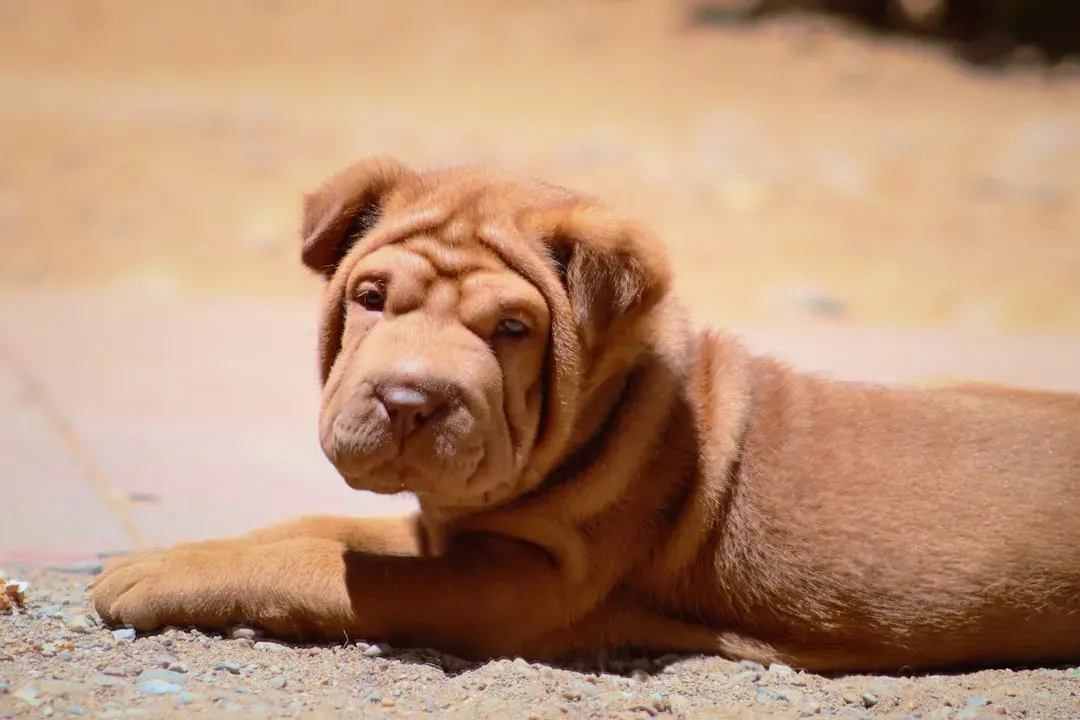
Shar Pei (Image Credits: Unsplash)The Shar Pei, with its distinctive wrinkled skin, is known for its reserved and independent nature. Originally bred for guarding, they can be wary of strangers and new environments. This wariness can make rehoming a Shar Pei a slow and delicate process.Their strong-willed personality demands consistent training and socialization. Without it, they may remain aloof and untrusting, making it difficult for them to feel secure in a new home.
Jack Russell Terrier
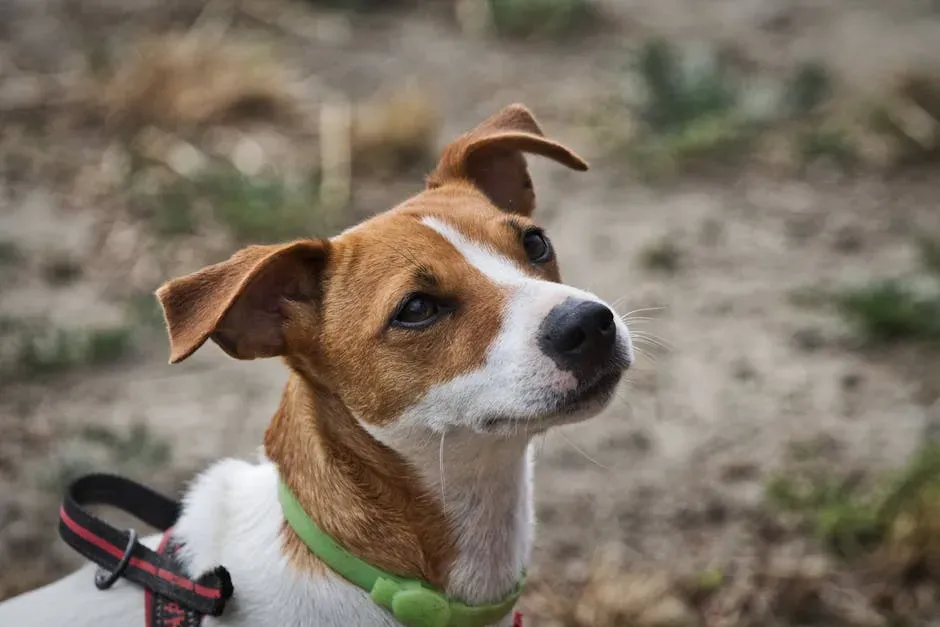
Jack Russell Terrier (Image Credits: Pexels)Jack Russell Terriers are energetic and intelligent, traits that can sometimes work against them in new homes. Their boundless energy and need for mental stimulation mean they can become restless and destructive if not properly engaged.Their strong prey drive and stubbornness can make training a challenge. New owners may find it difficult to channel their energy positively, leading to frustration on both sides.
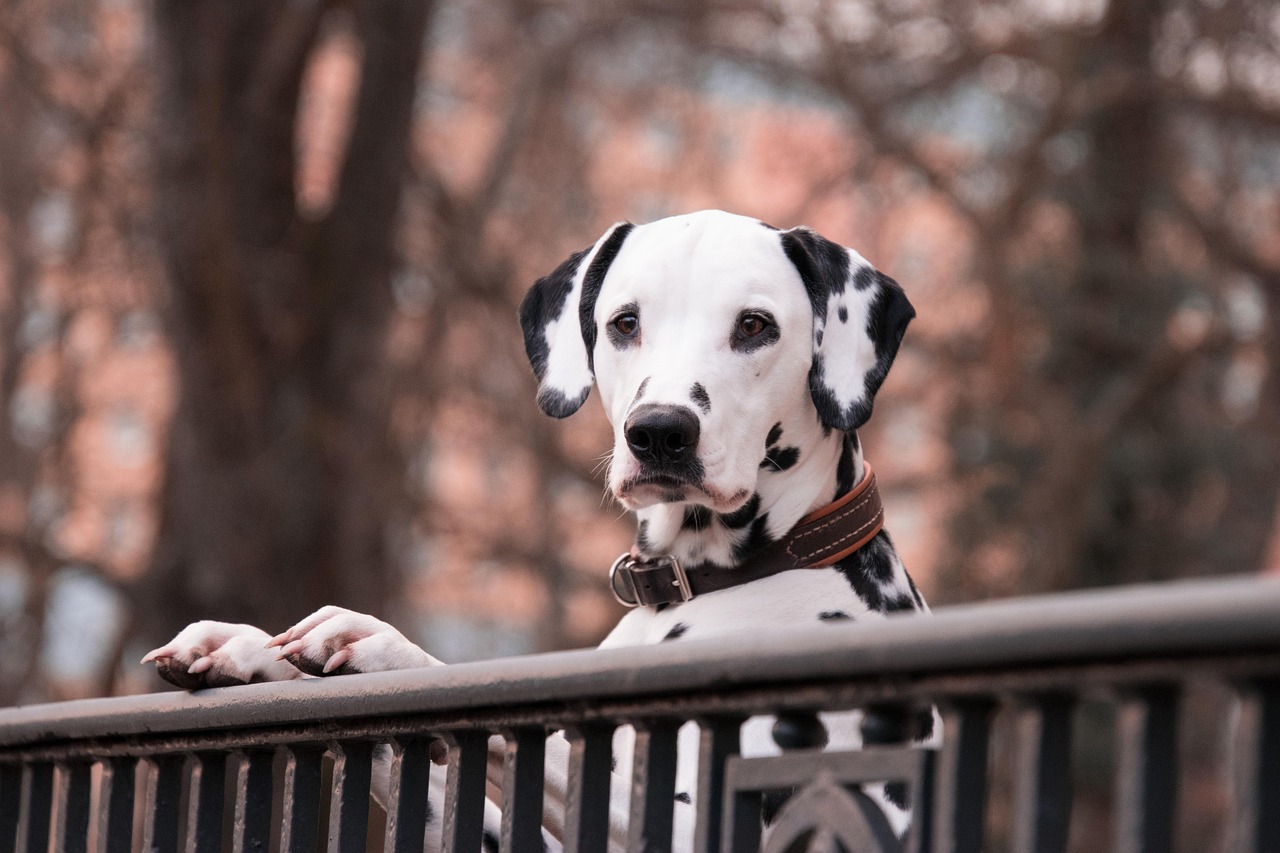
Dalmatian
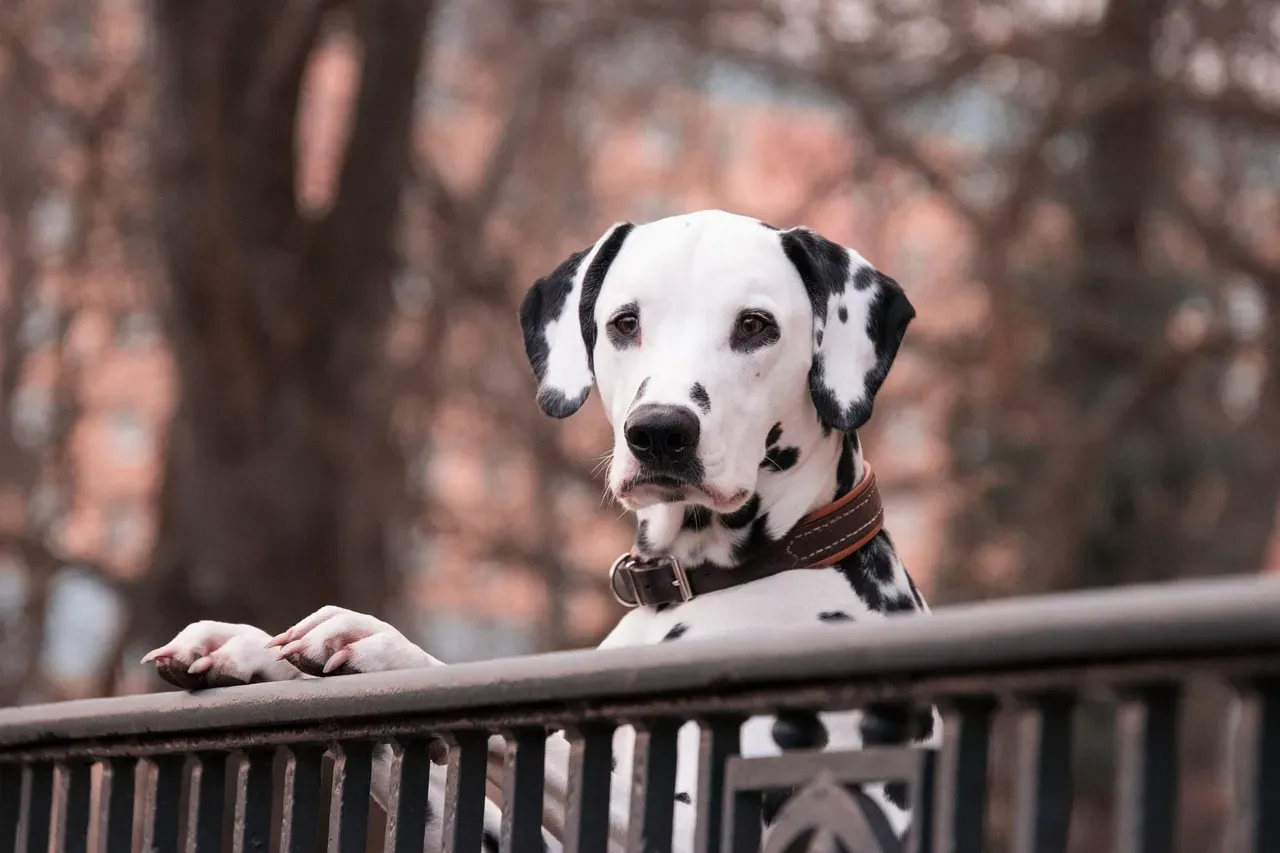
Dalmatian (Image Credits: Pixabay)Dalmatians are known for their distinctive spots and high energy levels. They require ample exercise and mental stimulation, and without it, they can become anxious and destructive. This need can make it challenging for new owners to provide an environment where a Dalmatian feels comfortable and secure.Their sensitivity to their surroundings means they can be easily stressed by change. Rehoming a Dalmatian requires a patient and active owner who can meet their physical and emotional needs.
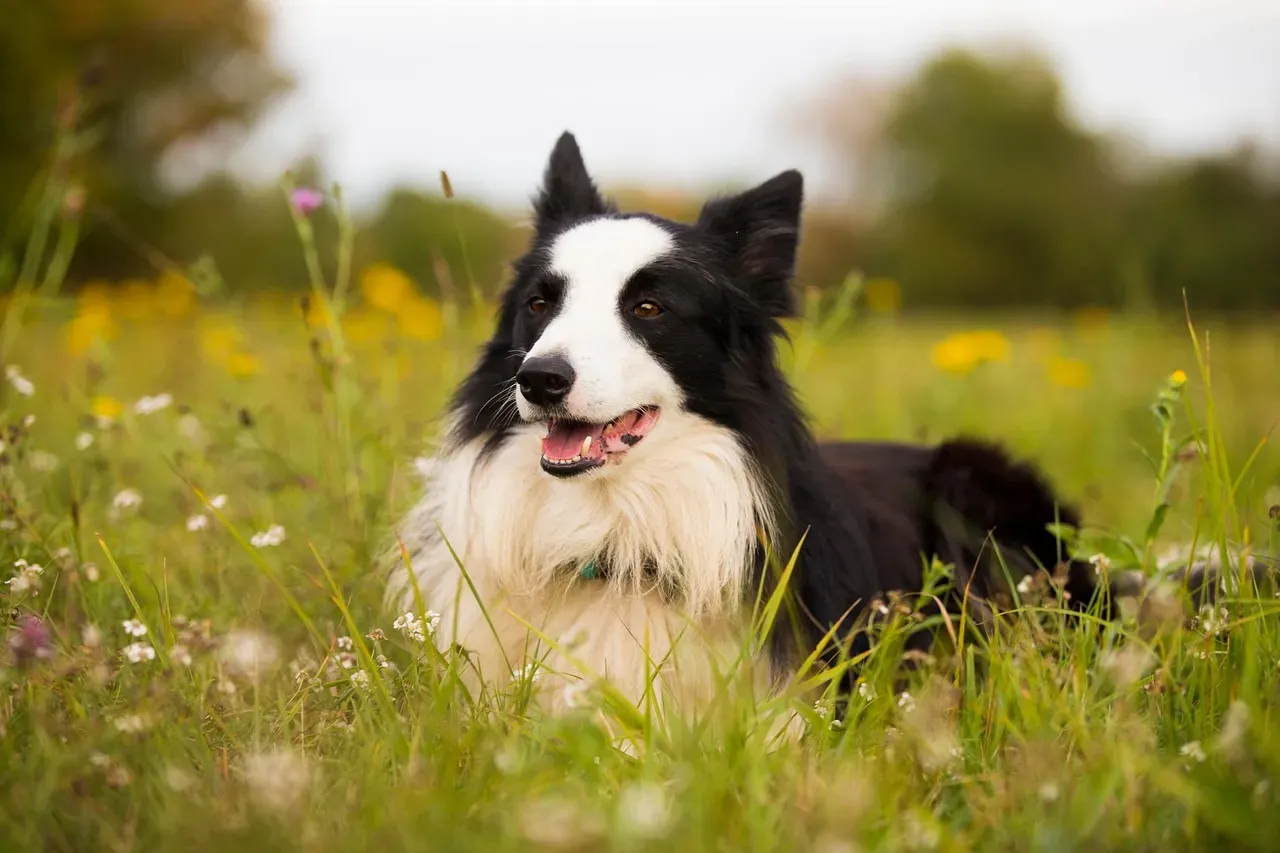
Border Collie
Border Collie (Image Credits: Pixabay)Border Collies are renowned for their intelligence and work ethic. However, this intelligence means they require constant mental and physical stimulation. Without it, they can become bored and develop behavioral issues, making rehoming a challenge.Their strong herding instincts can also lead to them trying to herd children or other pets, which can be problematic in a new home. New owners must be prepared to provide the engagement and structure a Border Collie needs to thrive.
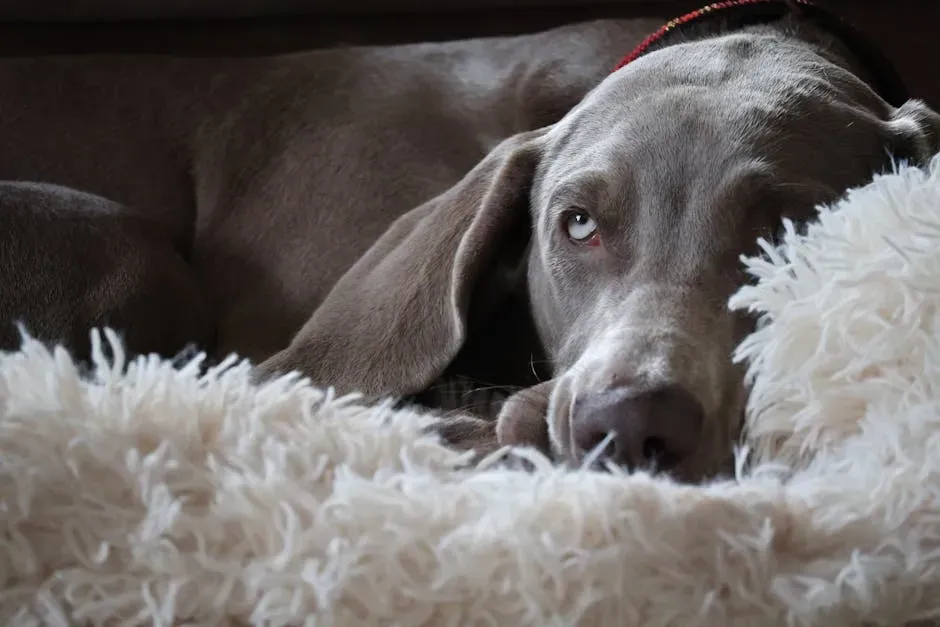
Weimaraner
Weimaraner (Image Credits: Pexels)Weimaraners are affectionate and energetic dogs that form strong bonds with their owners. This deep attachment can lead to separation anxiety when placed in a new home, causing stress for both the dog and the new owner.Their high energy levels require regular exercise and mental stimulation. Without it, they can become restless and destructive, making the transition to a new home more difficult.In conclusion, while these breeds possess unique and admirable qualities, their specific needs and temperaments can make rehoming a complex process. Prospective owners should thoroughly research and consider whether they can meet the demands of these breeds before bringing them into their homes. Understanding and patience are key to helping these dogs adjust and thrive in new environments.