
#1. Cooked Salmon

If you’re looking for one food that delivers results you can actually see, cooked salmon is probably it. Salmon stands out among foods for pets due to its exceptional omega-3 fatty acid content, particularly EPA and DHA. These essential fatty acids deliver benefits that owners can actually see and measure, with results for skin and coat health often appearing within weeks. Shinier fur, reduced shedding, and relief from dry, itchy skin are among the most commonly reported improvements.
Cooked, boneless salmon is a safe and healthy food for dogs. It’s a great source of omega-3 fatty acids, which are known to reduce inflammation and may help keep a dog’s skin and fur healthy and improve joint function. Always make sure it’s fully cooked, plain, and boneless. Raw salmon can carry parasites, so cooking is essential.
#2. Blueberries
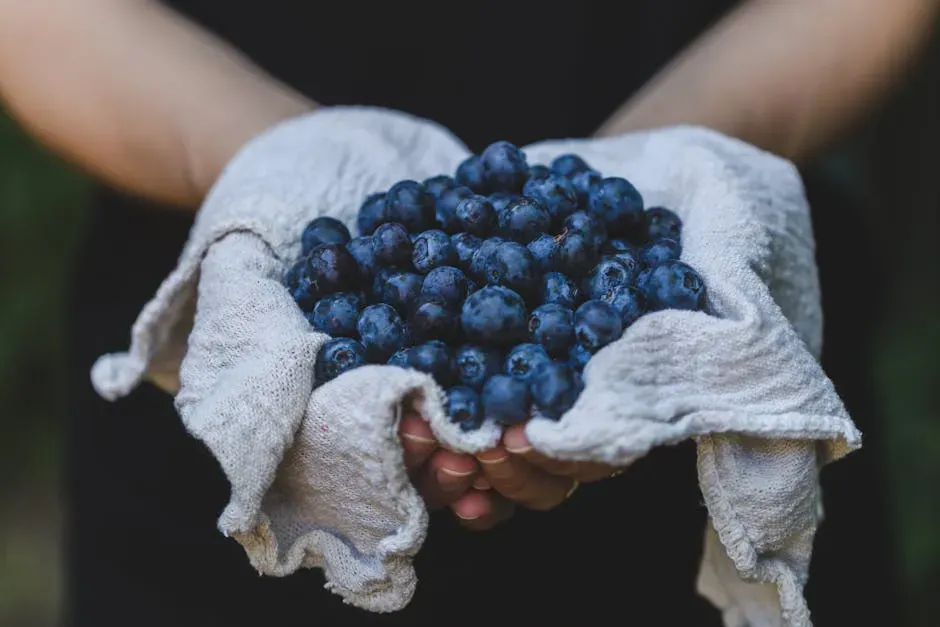
Blueberries are safe and nutritious for dogs to eat. They’re a rich source of disease-fighting antioxidants and provide a significant amount of vitamins, minerals, and fiber, all of which may benefit your dog. Blueberries are also low in calories and small in size, making them a good health-conscious treat.
Antioxidants are substances that reduce free radicals, which can cause oxidative damage to cells. They may help protect your dog from cancer and keep the brain healthy. Blueberries are infused with manganese, vitamin E, and vitamin C, and they also contain special phytochemicals called anthocyanins, which concentrate on the eyes and may improve eye health. Keep portions sensible, though. Blueberries are sugary, so you don’t want to add too many to their diet.
#3. Plain Pumpkin
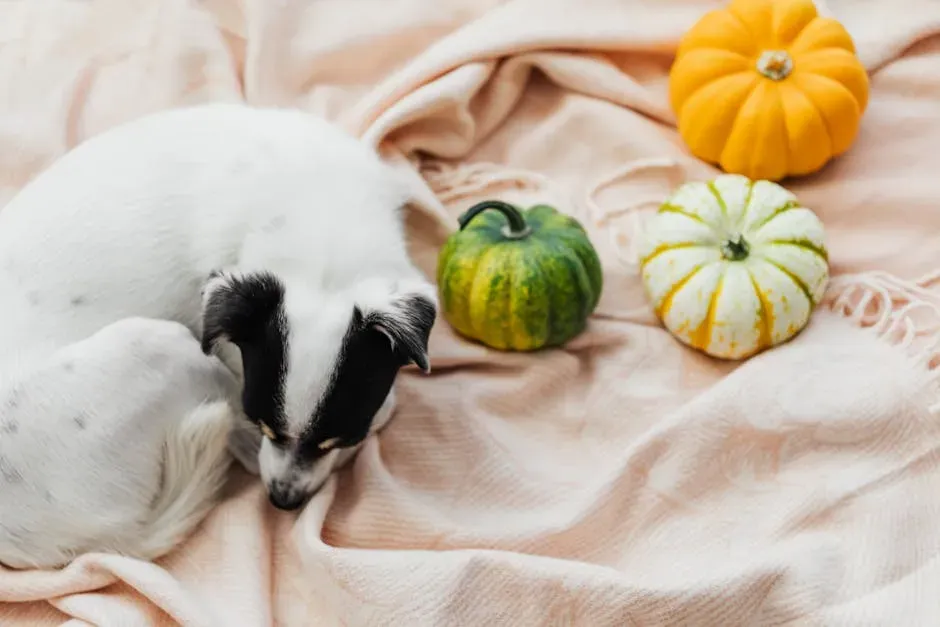
Pumpkin is typically used to help dogs with gastrointestinal issues, as the soluble fiber content improves healthy digestion. This fiber bulks up and lubricates the stool, so you can see improvement in diarrhea, constipation, and even anal gland problems. It also delivers a massive dose of beta-carotene, which helps a dog’s immune system, eye health, skin, and coat.
No matter how you serve it, pumpkin is a great source of nutrients, including vitamins A, C, and E, iron, potassium, and fiber. Pumpkin is also a great prebiotic, encouraging healthy bacterial growth in a dog’s digestive tract. Always serve plain, unseasoned pumpkin, and avoid canned pumpkins with extra ingredients or preservatives. The pumpkin pie filling sitting in your pantry is a firm no. It contains spices and sugar that aren’t appropriate for dogs.
#4. Cooked Eggs

Fourteen vitamins and 12 minerals are found in eggs, and along with the protein, this makes eggs one of the most nutritious foods. However, eggs can be contaminated with bacteria like Salmonella, so feeding them cooked is recommended. The preparation really is simple: scrambled, hard-boiled, or poached all work well.
Eggs are an excellent source of nutrients for dogs, including vitamins A, B, D, and K, selenium, calcium, zinc, and a significant amount of protein. One nice thing about eggs is how versatile they are: you can scramble them, hard-boil them, bake them, or poach them. Scrambled or boiled eggs with no added oil, butter, or seasoning provide good-quality protein and vitamins. Skip the butter and seasonings entirely.
#5. Carrots

Both raw and cooked carrots are safe for dogs to eat. Carrots are low in calories and a good source of vitamins, minerals, and fiber. Before feeding carrots to your dog, make sure to cut them into bite-size pieces to prevent choking. Raw carrots also make satisfying chew items for many dogs, which is a bonus in itself.
Cooked and chopped carrots are healthy treats for dogs. Cooked carrots are a great source of fiber, vitamin A, and beta-carotene. However, make sure that carrots are cooked sufficiently, as raw or semi-raw carrots can be difficult for some dogs to digest. Whether you serve them raw as a crunchy snack or lightly cooked and mixed into meals, carrots are one of the most consistently well-tolerated additions on this list.
#6. Sweet Potatoes
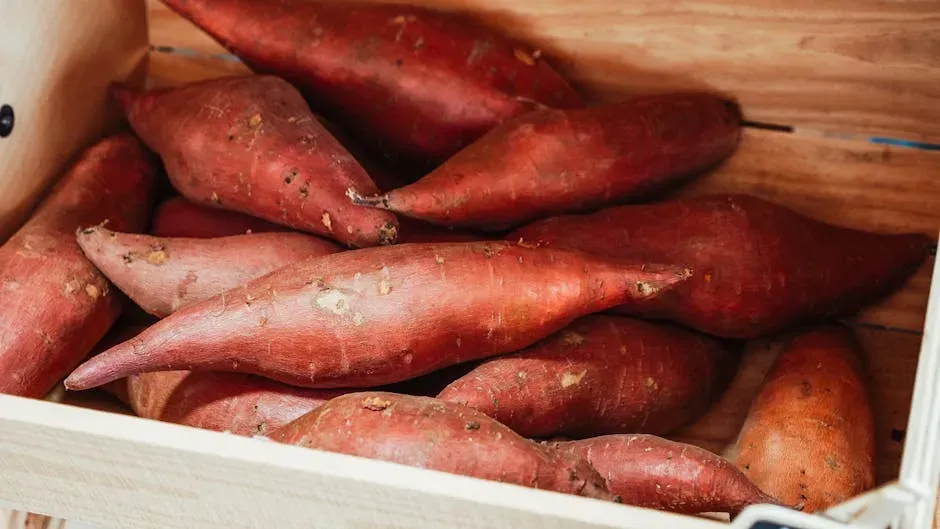
Sweet potato is notably high in beta-carotene, an antioxidant that supports a dog’s immune system, vision, and skin. Sweet potatoes are also an excellent source of digestion-boosting fiber. Only serve your dog plain, well-cooked sweet potato.
Sweet potato is packed with beta-carotene, vitamin B6, and fiber. It supports coat health and immune function. Dehydrated sweet potato slices also make a satisfying chewy treat. Sweet potatoes are high in vitamin B6, vitamin C, and beta-carotene, and should be peeled and cooked before serving. Skip the butter, brown sugar, or marshmallows that often appear on the human version of this dish.
#7. Plain Greek Yogurt
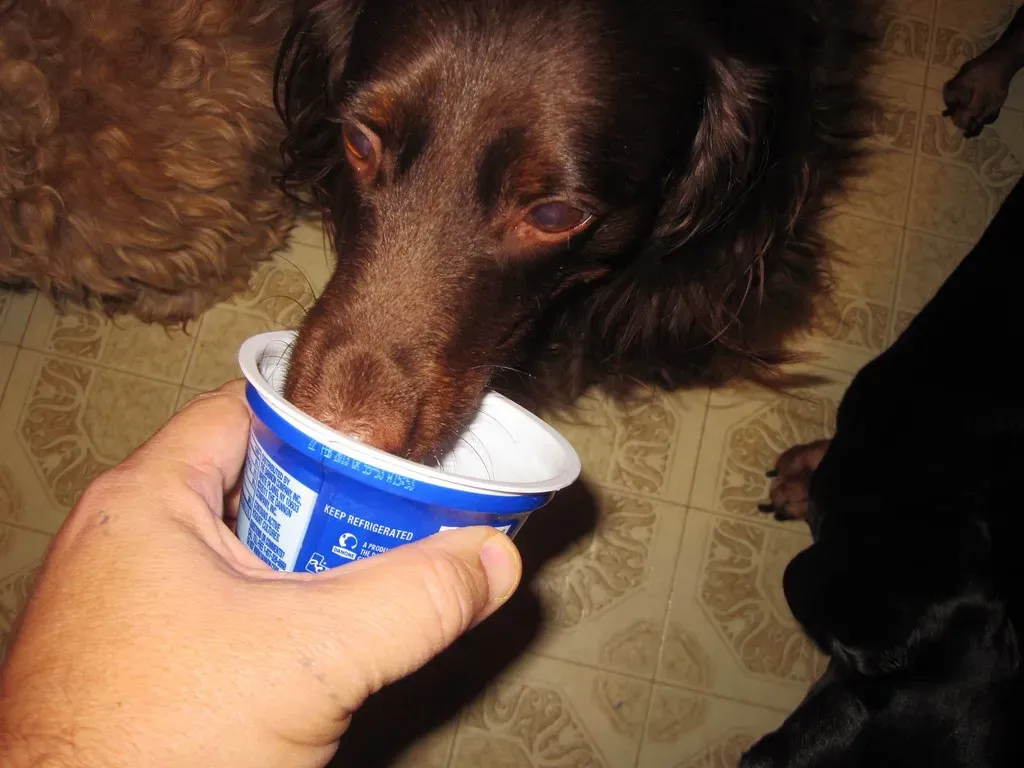
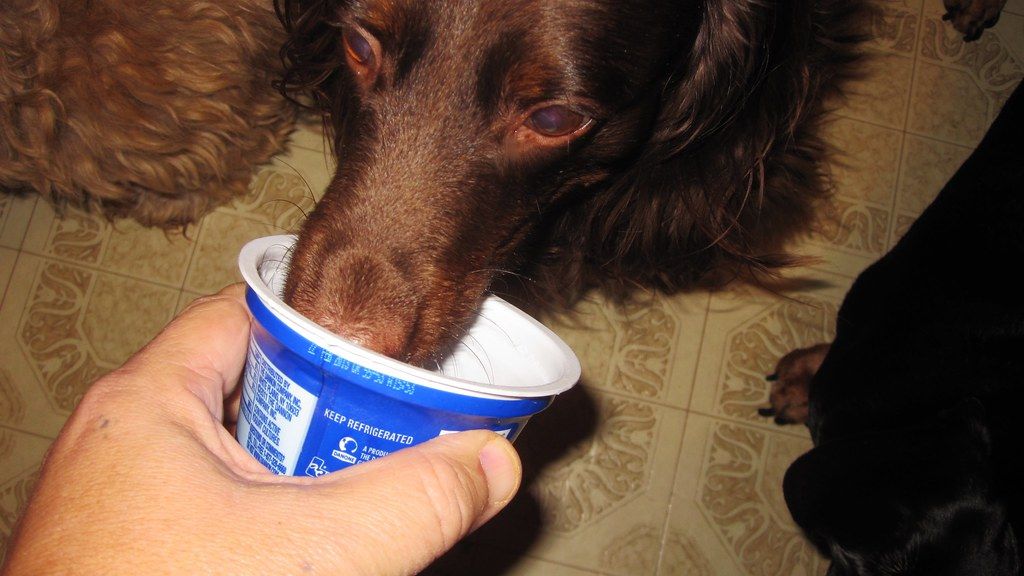
Dogs can eat yogurt, but only if it’s plain, unsweetened, and free from harmful additives like xylitol. Health benefits of yogurt include probiotics for gut health, calcium for bones, and nutrients like protein, zinc, and B vitamins. It’s a genuinely useful gut-support tool when used properly.
Plain, unsweetened yogurt may support digestive health through its natural probiotics. Greek yogurt is often a good choice due to its lower lactose content. The label check matters every single time you buy a new container. Certain types of yogurt can contain dangerous ingredients, like artificial sweeteners in sugar-free varieties. Always check the ingredients list to make sure the product doesn’t contain xylitol or any of its other names, like birch bark extract or birch sugar. Yogurt containing xylitol can cause serious health problems in dogs, including low blood sugar, seizures, and liver failure.
#8. Cooked Chicken
Chicken is high in protein, low in fat, and tasty for most dogs. Unseasoned chicken is recommended to keep sodium levels low. It’s also one of the most universally accepted foods across all breeds and sizes, making it an easy, reliable addition for picky eaters and enthusiastic eaters alike.
Plain cooked chicken or turkey, cut into pea-sized pieces, is high in protein, low in fat, and irresistible to almost every dog. When feeding your dog chicken, the biggest thing to watch out for is bones. Chicken bones are a choking hazard, and they can break apart and cause serious problems in a dog’s gastrointestinal system. Stick to boneless, unseasoned meat only.
#9. Oatmeal
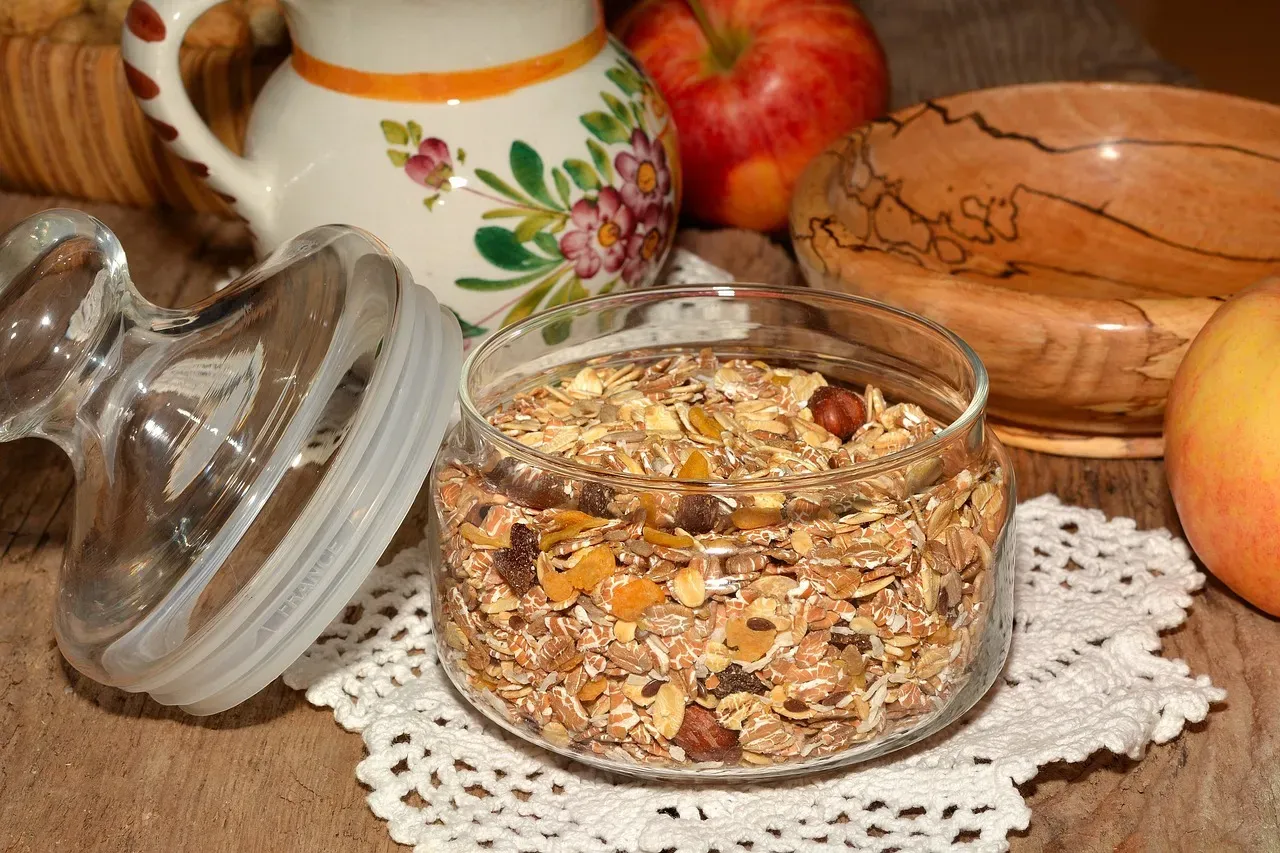
Oatmeal contains vitamin B, which helps maintain a healthy coat, and linoleic acid, a type of omega-6 fatty acid that helps maintain the strength of dogs’ skin. Thanks to its richness in soluble fiber, oatmeal has become an increasingly common ingredient in commercial dog food.
Oats are a wheat-free source of fiber and B vitamins, making them a smart base for dogs with grain sensitivities. Always serve plain, cooked oats with no added sugar, flavoring, or toppings like raisins or cinnamon. A small spoonful mixed into a meal a few times per week is more than enough to reap the benefits without pushing the calorie count too high.
#10. Green Beans
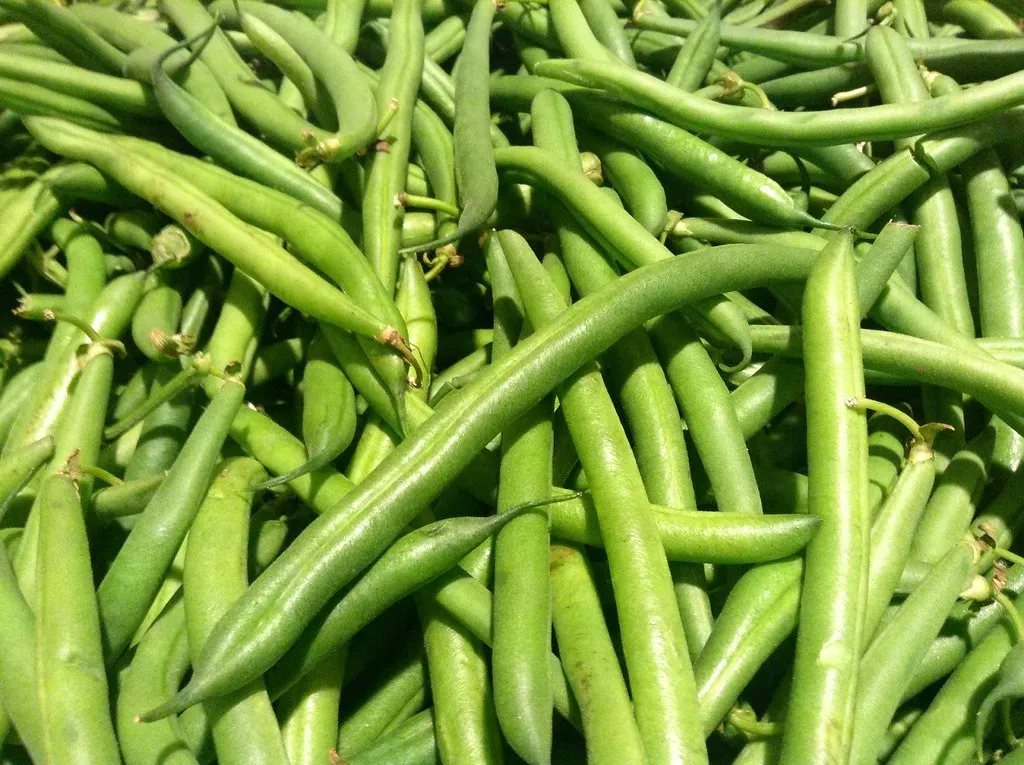
If your dog likes green beans, let them have some. Cooked green beans are a good source of fiber, vitamin C, and other nutrients that can help support your dog’s overall health. Green beans are also low in calories and fat. Like most of the vegetables on the list of safe foods for dogs, green beans are a particularly healthy option for dogs who are overweight.
Safe daily options include carrots, green beans, and zucchini in small portions. These provide fiber and vitamins without adding excessive calories to a pet’s regular diet. Green beans can be served raw, steamed, or cooked, as long as they’re plain with no added salt or seasoning. They’re one of the few additions that even weight-conscious dog owners can feel entirely relaxed about.
A Final Thought on Feeding Your Dog Better
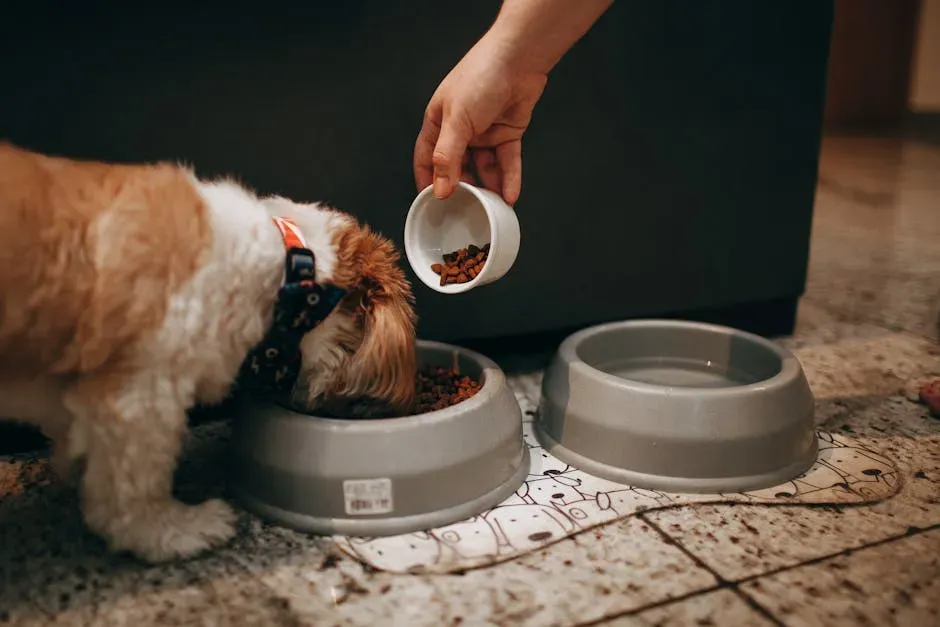
The foods on this list aren’t miracle cures or replacements for a well-formulated base diet. These foods do not replace your dog’s nutritionally balanced, AAFCO-compliant dog food. They can, however, serve as simple homemade treats or food toppers, especially for picky eaters. That framing matters.
As a general guide, treats and extras should make up no more than ten percent of your dog’s daily food intake. Small additions, done consistently and thoughtfully, are where the real value lies. Before introducing any new food into your dog’s diet, always check with your veterinarian.
What strikes me about this list is how ordinary most of these foods are. They’re not exotic supplements or expensive powders. They’re foods most households already have on hand. The gap between an adequate dog diet and a genuinely nourishing one is often smaller than people think, and sometimes all it takes is knowing which drawer in the kitchen to open.


