
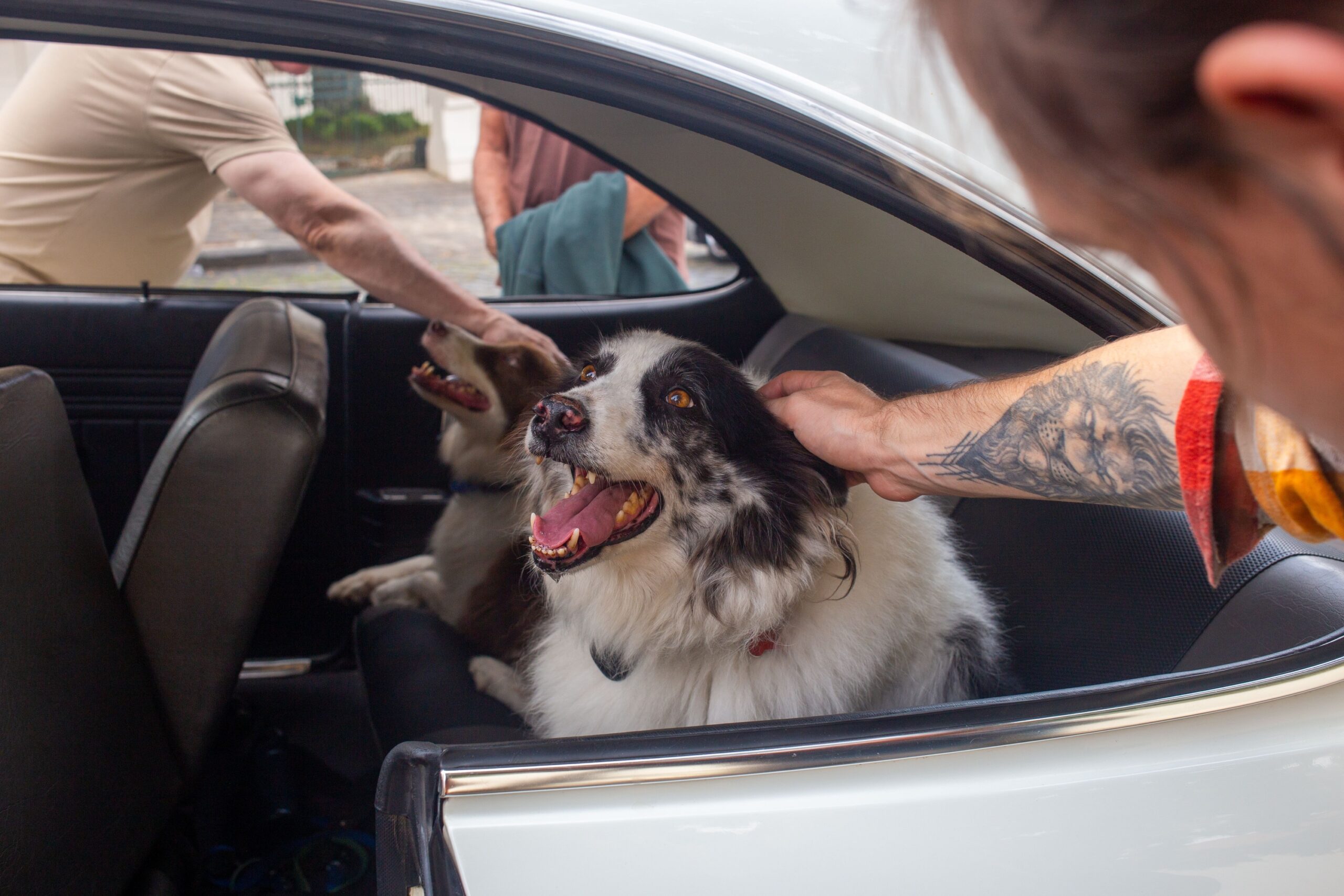
If you live with a dog, you already know this: they are always watching you. Your tone, your footsteps, even the way you pick up your keys becomes part of their emotional weather report. Animal behaviourists have been quietly mapping these tiny moments for years, and what they’ve discovered is both heartwarming and a little humbling: the habits that make dogs adore us are often small, repeatable things most people overlook.
When I first fostered a nervous rescue dog, I assumed toys and treats would win him over. They helped, sure, but the real breakthroughs came from how I moved, how I spoke, and how consistent I was from day to day. It felt less like “training a dog” and more like learning a shared language. Below are ten everyday habits, grounded in what behaviourists actually see in research and practice, that genuinely deepen a dog’s affection and trust for you.
1. Speaking In A Warm, Consistent “Dog-Directed” Voice
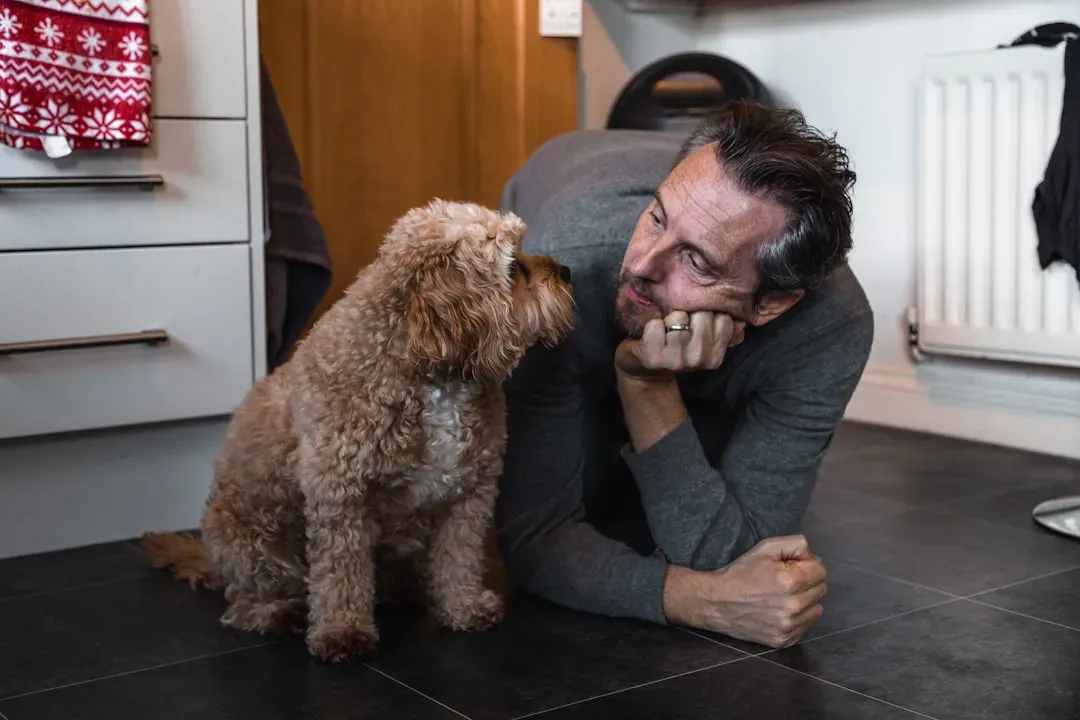
One of the simplest ways to make a dog feel safe and connected to you is to use a warm, slightly higher-pitched, sing-song voice when you talk to them. Behaviour researchers call this “dog-directed speech,” and it turns out dogs tend to pay more attention and show more affiliative behaviour when we talk to them this way compared with flat, adult-directed tones. It is similar to how we naturally talk to babies: a bit exaggerated, clear, and emotionally obvious.
What matters even more than pitch is emotional consistency. If your voice is gentle and predictable most of the time, your dog learns that you are a safe emotional anchor. On the flip side, regularly shouting or snapping, even if you feel justified in the moment, can erode that bond over time. Think of your voice as the soundtrack to your dog’s daily life: if it’s mostly calm and upbeat, they start to associate you with comfort, fun, and security, which looks a lot like love from a dog’s point of view.
2. Using Reward-Based Training Instead Of Punishment
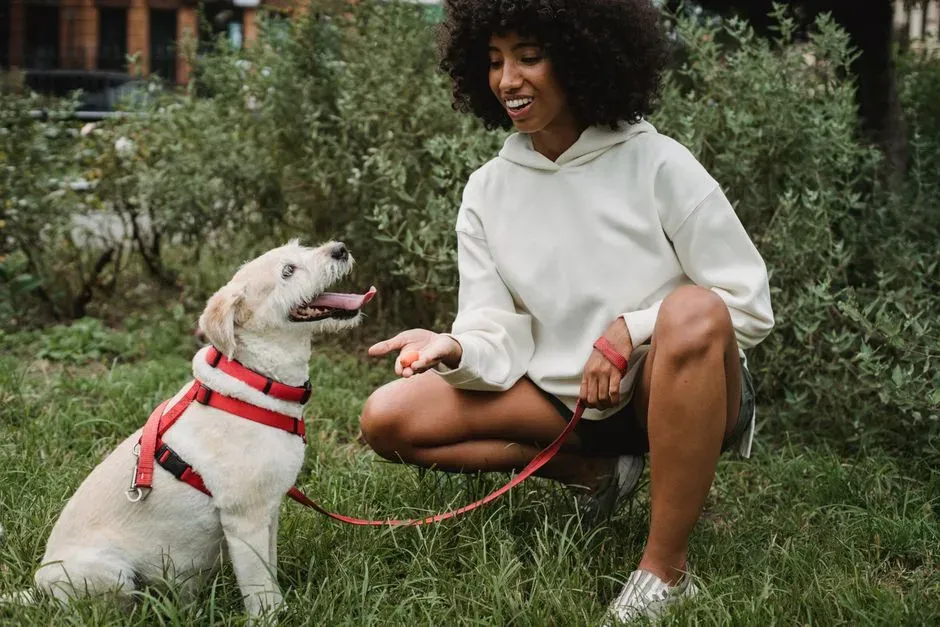
Animal behaviourists have been very clear on this for years: dogs learn best and bond most deeply when humans rely on reward-based methods instead of punishment or intimidation. Positive reinforcement training – rewarding the behaviour you like with food, play, praise, or access to something the dog wants – does more than teach manners. It turns you into a reliable source of good things, which is a powerful way to grow affection and trust.
Punishment-heavy approaches, especially those involving pain, fear, or equipment meant to startle or hurt, can make a dog anxious around you and less likely to offer natural, relaxed behaviour. Imagine trying to open up to someone who might randomly yell or hurt you for getting things “wrong.” When you flip that script and make training a series of small, winnable games, your dog starts looking at you the way a kid looks at a favourite coach: someone who makes challenges feel safe, fair, and rewarding.
3. Respecting Their Space And Reading Their Body Language
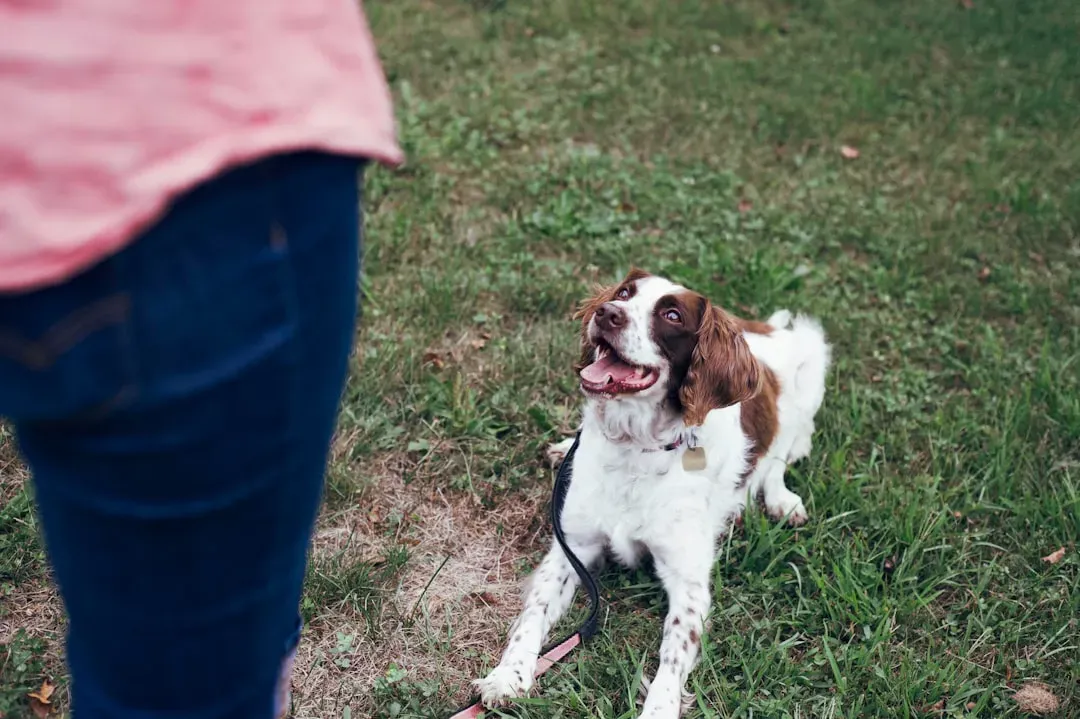
Many people try to show love to dogs in very human ways – big hugs, tight squeezes, constant touching – but dogs have their own social rules. Behaviourists emphasize that a dog who leans away, licks their lips repeatedly, yawns when not tired, turns their head, stiffens up, or shows “whale eye” (where you see the white of the eye) is asking for more space. Ignoring those signals can make your dog feel unheard and unsafe around you, even if you think you are being affectionate.
When you pause and actually listen to what their body is saying, something shifts in the relationship. You start to invite rather than insist: letting the dog choose to come to you for contact, stepping back when they look uncomfortable, and giving them a safe retreat spot in the house that is never disturbed. Strangely enough, the more we respect a dog’s boundaries, the more they tend to seek us out. Love, even with dogs, grows where there is choice and consent.
4. Keeping Routines Predictable (With A Little Fun Mixed In)
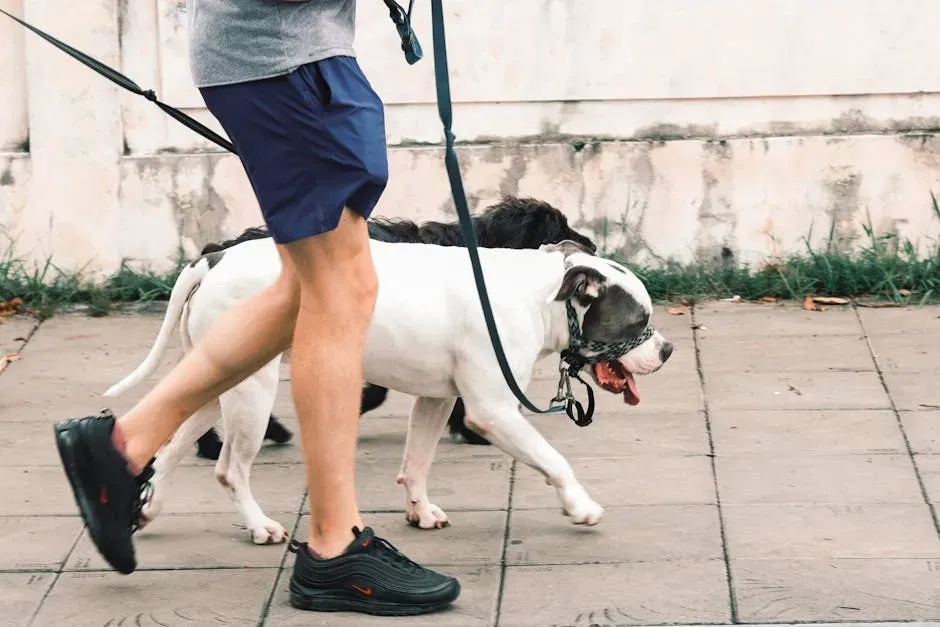
Most behaviourists will tell you that dogs are masters of pattern recognition. They quickly learn when breakfast happens, when you usually leave, and what your “getting ready to go out” sequence looks like. Predictable routines are not just convenient for you; they are deeply soothing for your dog. Knowing roughly when they will be walked, fed, and tucked in reduces stress and helps their nervous system settle, which makes them more relaxed and affectionate overall.
That said, predictable does not have to mean boring. You can keep key parts of the day – mealtimes, sleep, potty breaks – consistent while sprinkling in surprising little joys, like a new walking route or a few minutes of play in the middle of the afternoon. It is a bit like having a favourite daily rhythm with occasional plot twists. The dog learns they can count on you, but they also learn that hanging out with you brings regular, pleasant surprises.
5. Offering Quality Physical Touch The Way Dogs Actually Enjoy It
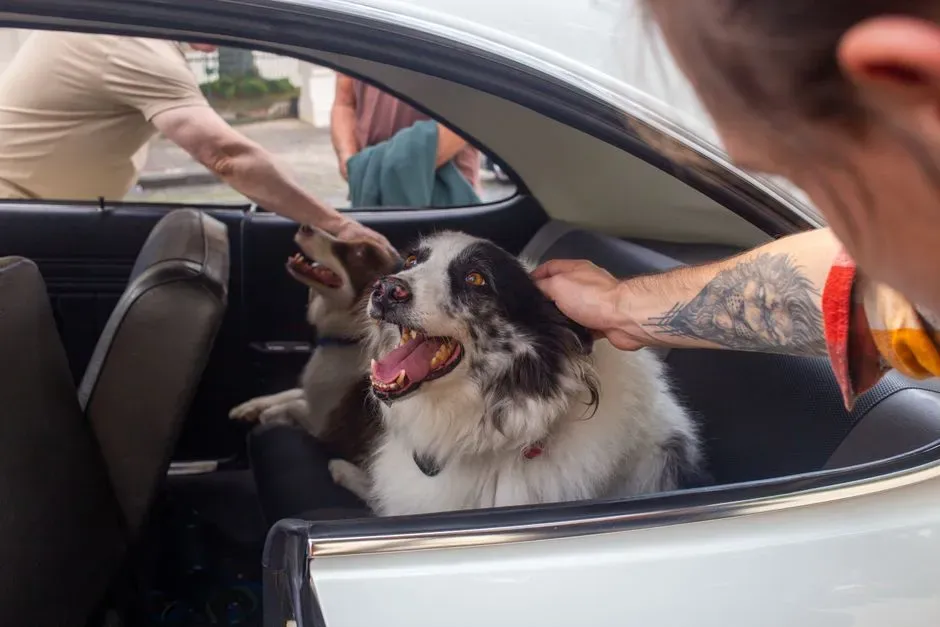
Not all petting is created equal. Behaviour research and practical observation both suggest that many dogs prefer calm, gentle strokes on the chest, shoulders, or base of the neck, rather than fast pats on the head or full-body bear hugs. Some dogs like a slow ear rub; others prefer a firm scratch along the side. The key is to watch how your dog responds: do they lean in, relax their face, and maybe softly close their eyes? Or do they freeze, look away, or move your hand with their nose?
One habit that makes dogs love you more is treating physical touch as a conversation, not a demand. Offer your hand, wait for them to approach, and occasionally stop petting to see if they nudge you for more or wander off. When they learn that you will not trap them in unwanted handling, their trust grows, and so does their desire to be close to you. Over time, many dogs become little gravity wells, pulling themselves into your side on the couch because your touch has consistently felt good and safe.
6. Making Eye Contact The Friendly, Soft Way
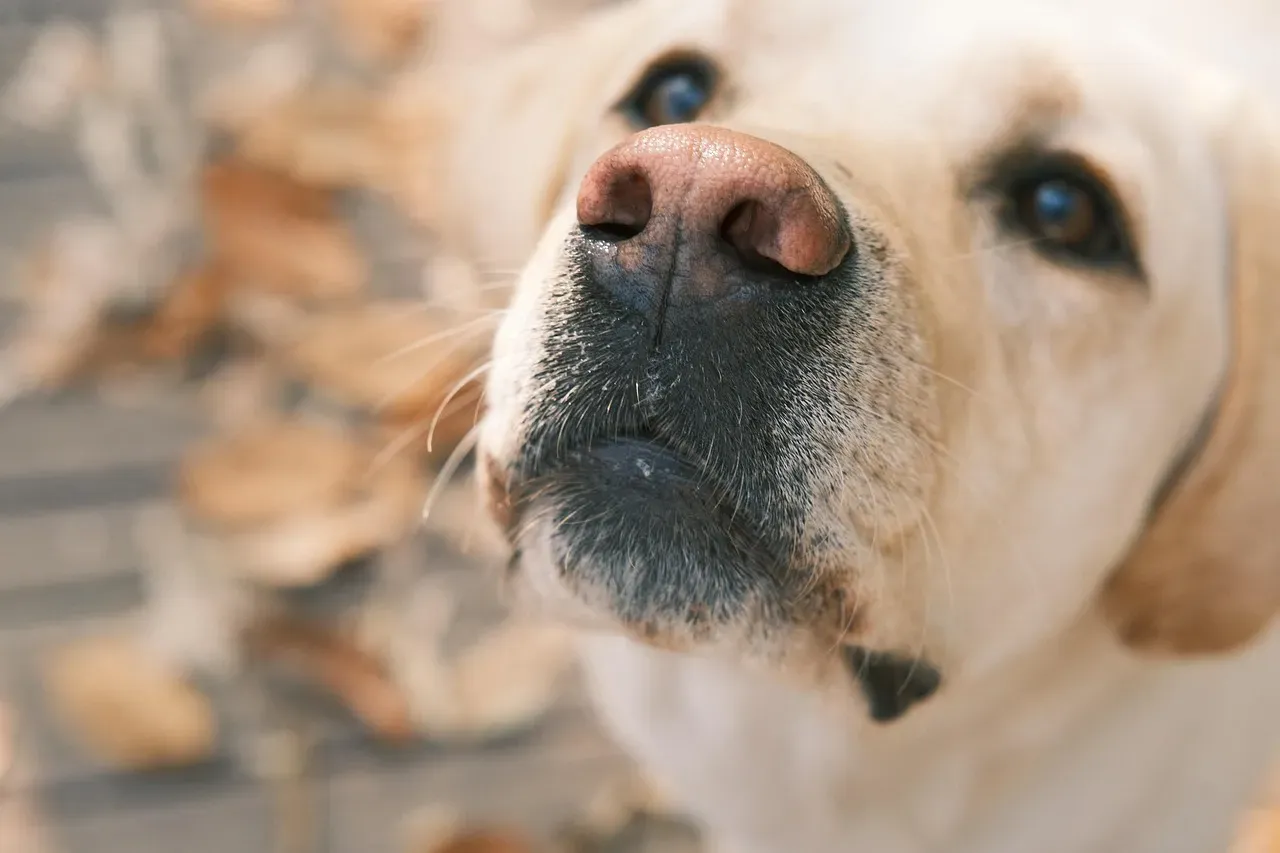
In dog language, hard, unblinking stares can be threatening, especially between unfamiliar dogs. However, with familiar humans, brief moments of soft eye contact can actually boost bonding. Studies have linked these gentle gazes to changes in both dog and human hormones associated with attachment and trust. The trick is the manner: relaxed face, slightly squinted eyes, and no looming over or trapping the dog while you stare.
A simple habit many behaviourists recommend is to catch your dog’s eye during calm, happy moments and then pair that eye contact with something positive – a smile, a kind word, a treat, or a slow chest rub. It becomes a quiet little ritual of connection. Over time, you may notice your dog seeking your gaze more often, checking in with you on walks and at home. That repeated, soft, mutual looking is a silent way of saying, “We’re on the same team,” and most dogs absolutely soak it up.
7. Playing In Ways That Match Your Dog’s Natural Style
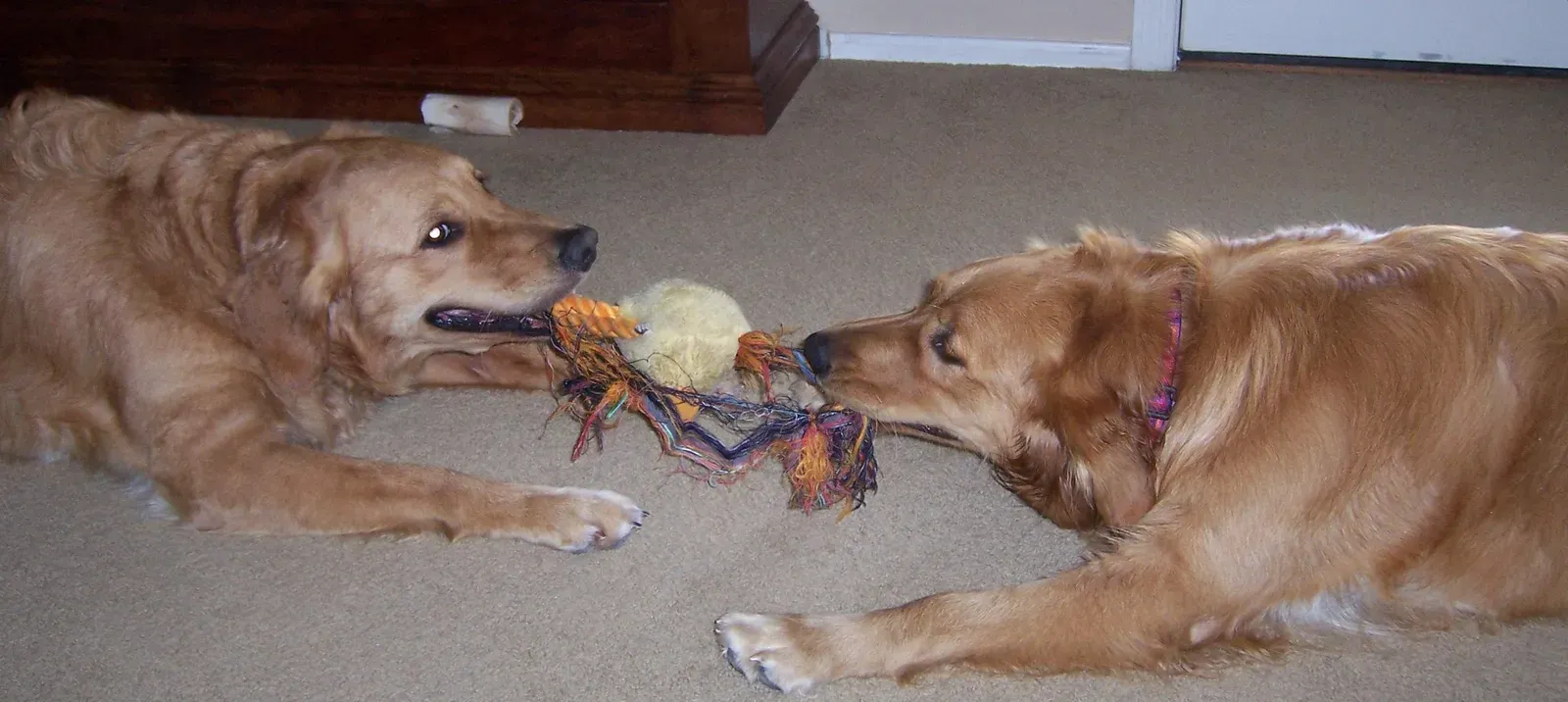
Play is not just a bonus; for many dogs it is a core emotional need and one of the strongest ways to cement a bond. Behaviourists often categorize play styles: some dogs are fetch-obsessed, some live for tug-of-war, some prefer chasing and being chased, and others love nose-based games like finding hidden treats. When you take the time to discover and nurture your dog’s favourite style of play, you are essentially speaking their love language.
It can help to think of play as shared joy rather than “exercise I must get done.” Instead of absentmindedly throwing a ball while scrolling your phone, you engage: cheering them on, using playful body movements, pausing to let them win the tug sometimes. You become a partner, not just a human ball launcher. Many shy or anxious dogs blossom when humans interact with them in a way that is light, silly, and attuned to what they actually find fun.
8. Meeting Their Physical And Mental Needs Every Single Day
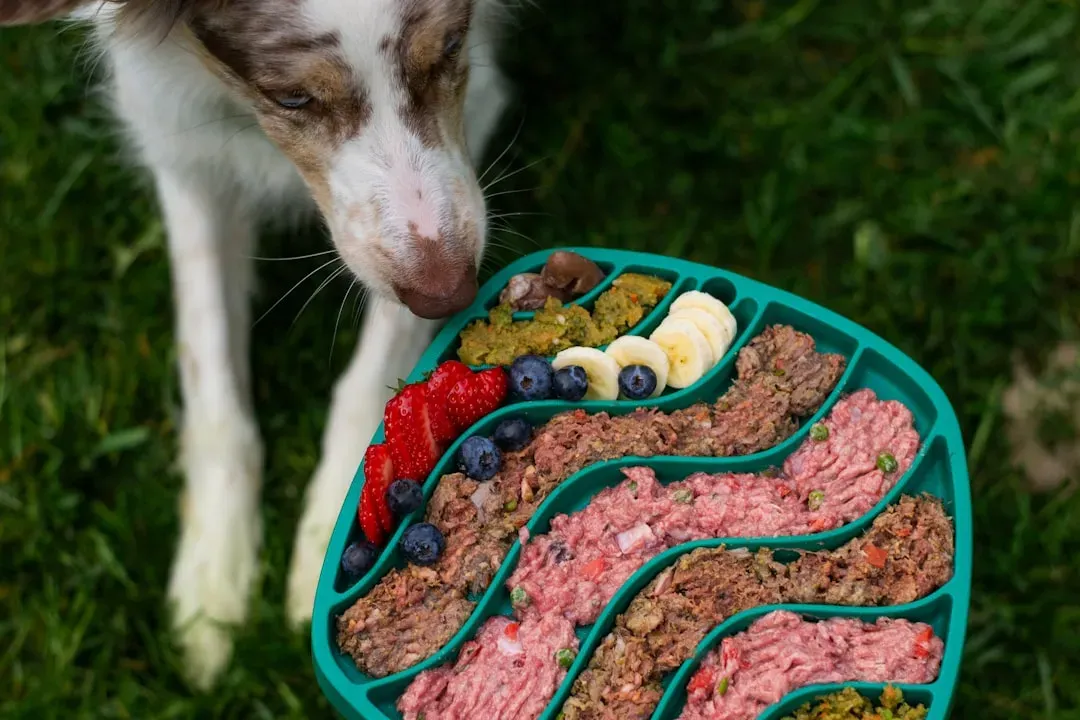
From a behaviourist’s perspective, many so-called “problem behaviours” are really unmet needs in disguise. A dog that chews shoes, barks relentlessly, or zooms around the house at night may simply be under-exercised, under-stimulated, or both. Making a habit of providing appropriate physical exercise and mental enrichment is one of the most loving things you can do. It tells your dog you see them as a whole creature with a brain and body that need to work.
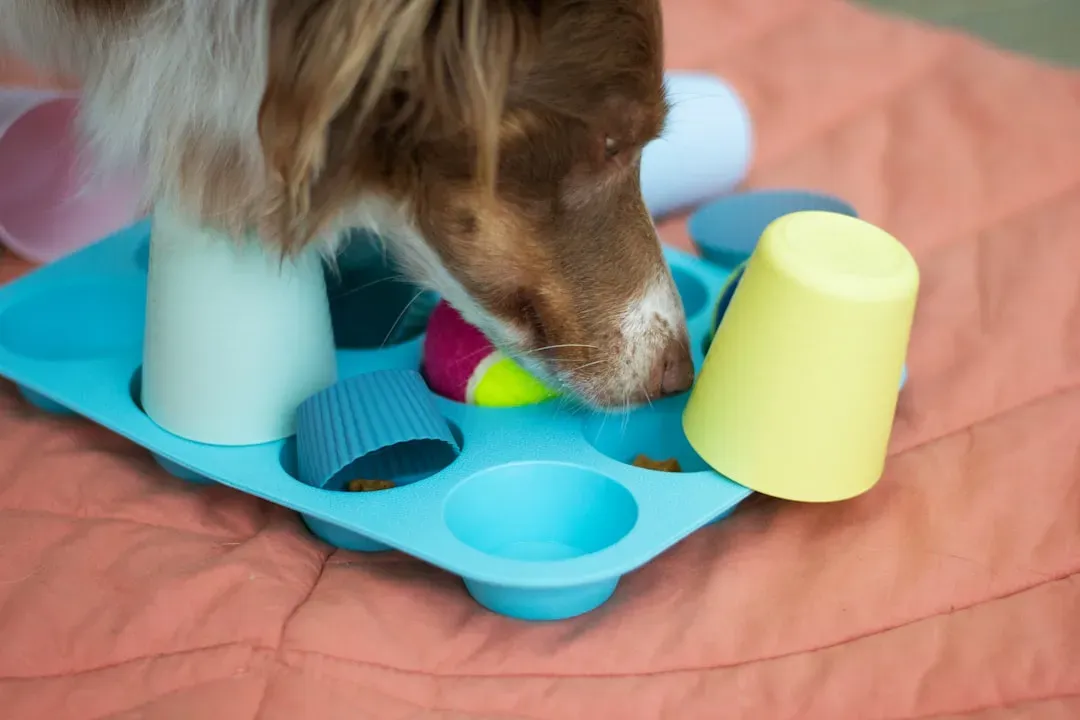
Mental work does not have to be complicated. Food puzzle toys, simple scent games, basic training refreshers, and changing up your walking route can all keep a dog’s mind engaged. Physical outlets, tailored to their age and breed type, help drain nervous energy and prevent frustration from building up. When those needs are met, dogs tend to be calmer, happier, and more affectionate. In my experience, nothing makes a dog melt into your side like the satisfied tiredness that comes after a well-structured, enriching day.
9. Staying Emotionally Steady – Being Their “Calm In The Storm”
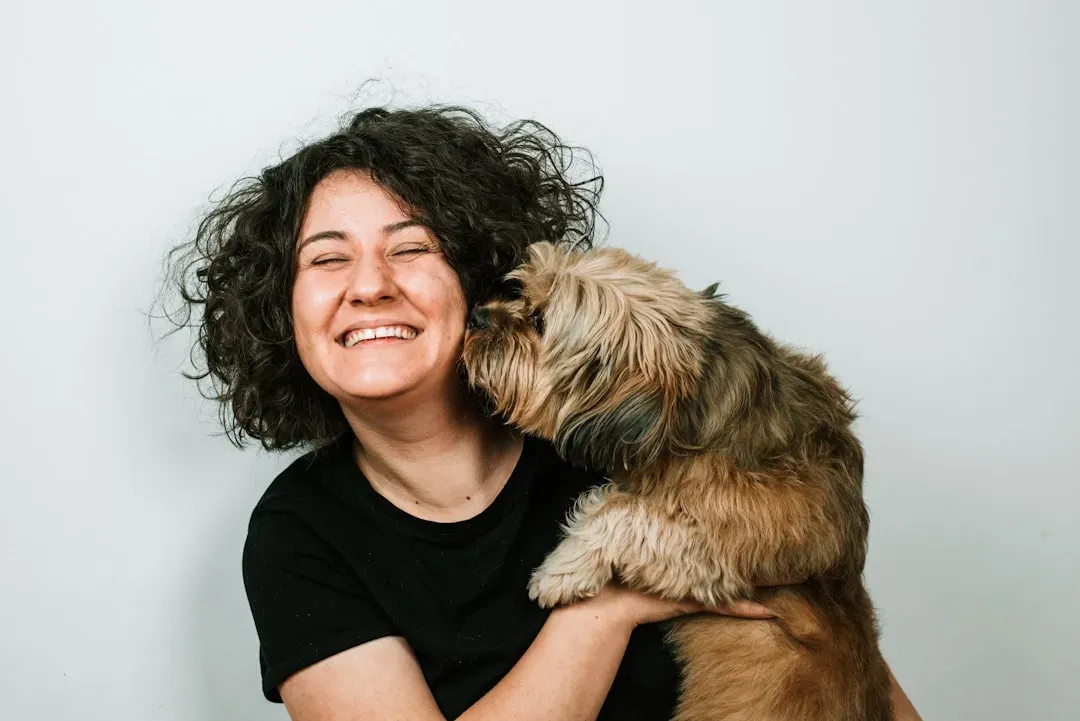
Dogs are surprisingly sensitive to our moods and micro-reactions. Behaviourists often talk about emotional contagion in dogs; they can mirror human stress and arousal, picking up on tense shoulders, sharp movements, or abrupt changes in routine. One habit that makes a huge difference is learning to be emotionally steady around your dog, especially when life gets chaotic. That does not mean pretending you are never upset, but it does mean avoiding sudden outbursts aimed at or around them.
Practically, this can look like taking a breath before responding to an accident on the carpet, keeping your movements smooth instead of jerky when you are running late, and maintaining roughly the same friendly rituals – like a short goodbye or a greeting – regardless of your inner state. Dogs learn over time that even when the world feels loud or confusing, you are a stable presence. That kind of reliability is magnetic; many dogs naturally gravitate toward the person who feels like emotional ground instead of emotional weather.
In some cases, it is worth giving yourself little “cool-down” moments before engaging with your dog after a stressful call or long commute. A calmer you is easier for a dog to read and relax around, which in turn deepens their sense of safety with you. Safety, in a dog’s brain, is indistinguishable from love.
10. Letting Them Be A Dog, Not A Perfect Accessory
Perhaps the most powerful habit of all is accepting your dog as the species-appropriate, slightly messy, sometimes inconvenient creature they are. Behaviourists consistently argue that welfare and agency – having choices and being allowed to express normal dog behaviours like sniffing, digging, and exploring – are central to a dog’s wellbeing. A human who always yanks the leash when the dog stops to sniff, who expects robot-like obedience, or who scolds for every tiny misstep, can unintentionally make the dog feel chronically frustrated.
On the other hand, the person who builds in sniff breaks, creates outlets for chewing and digging, and laughs off minor imperfections tells the dog something profound: you are allowed to be you here. Freedom within safe limits builds trust in a way no fancy gadget ever will. When your dog discovers that life with you includes rules but not relentless pressure to be perfect, you start to see softer eyes, looser bodies, and that easy, unguarded affection that can only come from genuine comfort.
Conclusion: Love, From A Dog’s Point Of View
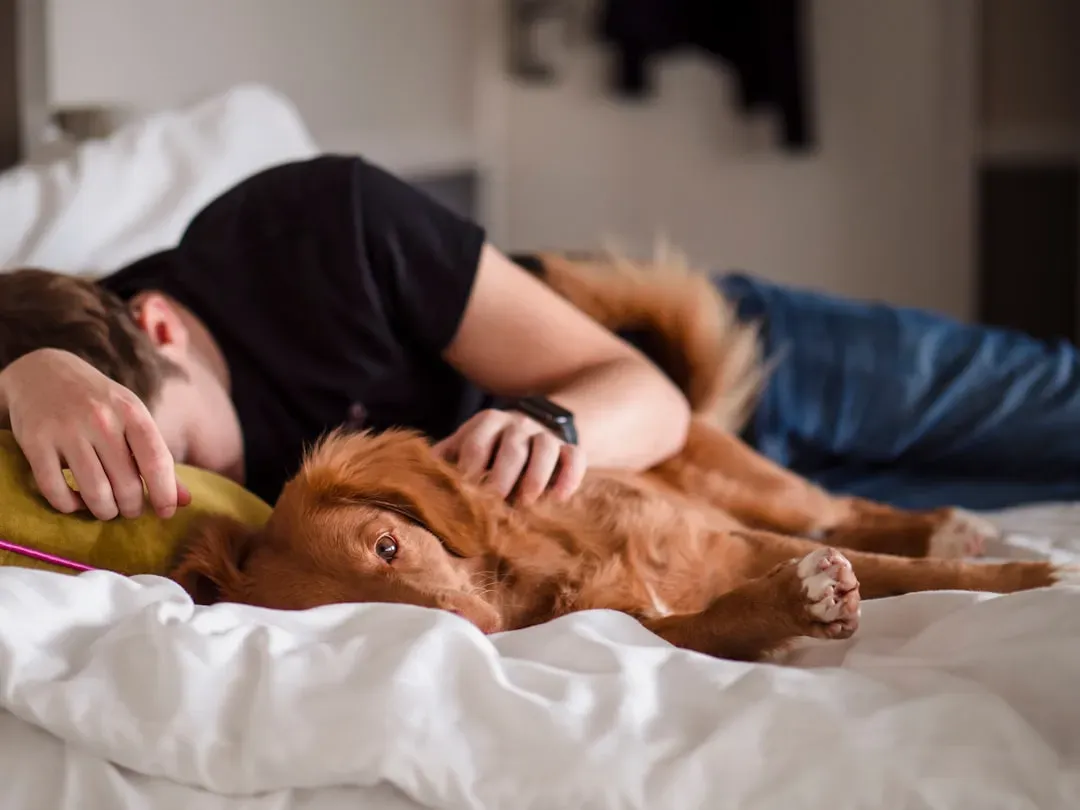
When you look at these habits together, a pattern jumps out: what makes dogs love us more is not dominance, clever tricks, or expensive gear, but a series of small, thoughtful choices we repeat day after day. Warm, predictable communication; gentle hands; fair training; room to be a dog; and a human who tries to understand instead of just control. Behaviourists give us the science, but living with dogs gives us the proof in real time: the shy dog who finally presses into your chest, the excitable pup who starts checking in with your eyes on walks, the old dog who sighs and falls asleep against your leg.
My own opinion, after years of watching people and dogs together, is that dogs do not fall in love with the person who is “perfect,” but with the person who keeps showing up in kind, predictable, slightly goofy ways. They forgive our clumsiness, but they never forget how we make them feel. If love is what you want from your dog, the most honest question to ask is this: in their everyday world, are you the source of safety, fun, and understanding – or just noise in the background?


