
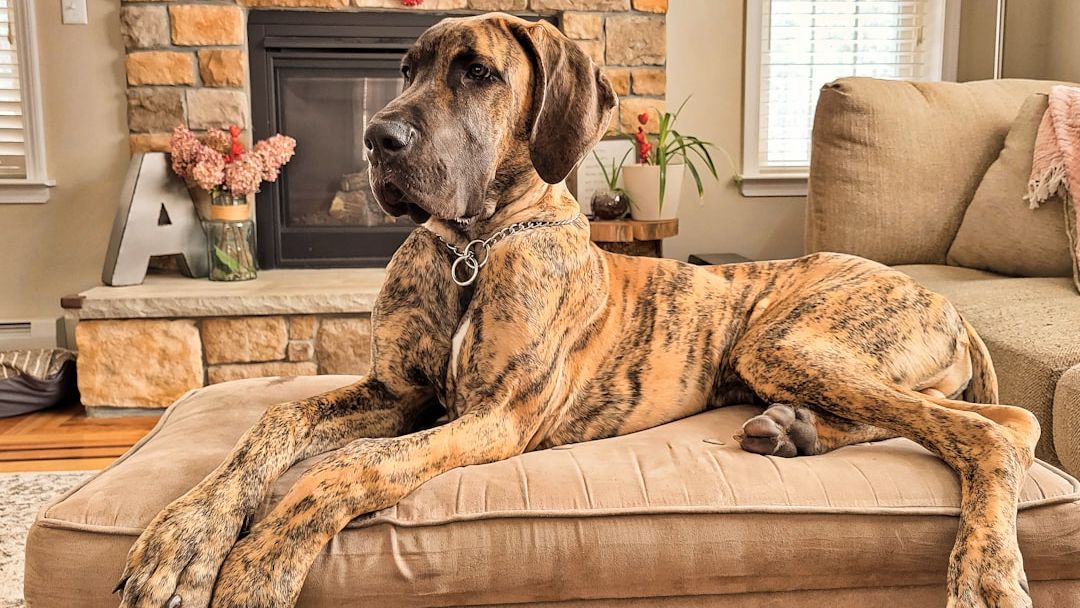
Dogs are one of life’s greatest companions, and for millions of seniors around the world, they represent love, comfort, and a reason to get up in the morning. The bond between an older adult and their dog can be genuinely life-changing. Still, not every breed is the right fit, and choosing the wrong one can quietly make everyday life harder, more stressful, and even dangerous.
Large dog breeds are quite a bit heavier, so there’s added potential for them to knock you over or roughhouse just a bit too hard if they get overly excited. Beyond the obvious size factor, there are issues of energy, stubbornness, grooming demands, and sheer physical force that can quickly become overwhelming. The ten breeds below aren’t bad dogs. They’re just the wrong dogs for most senior owners, and understanding why could genuinely protect someone’s wellbeing.
#1. Siberian Husky
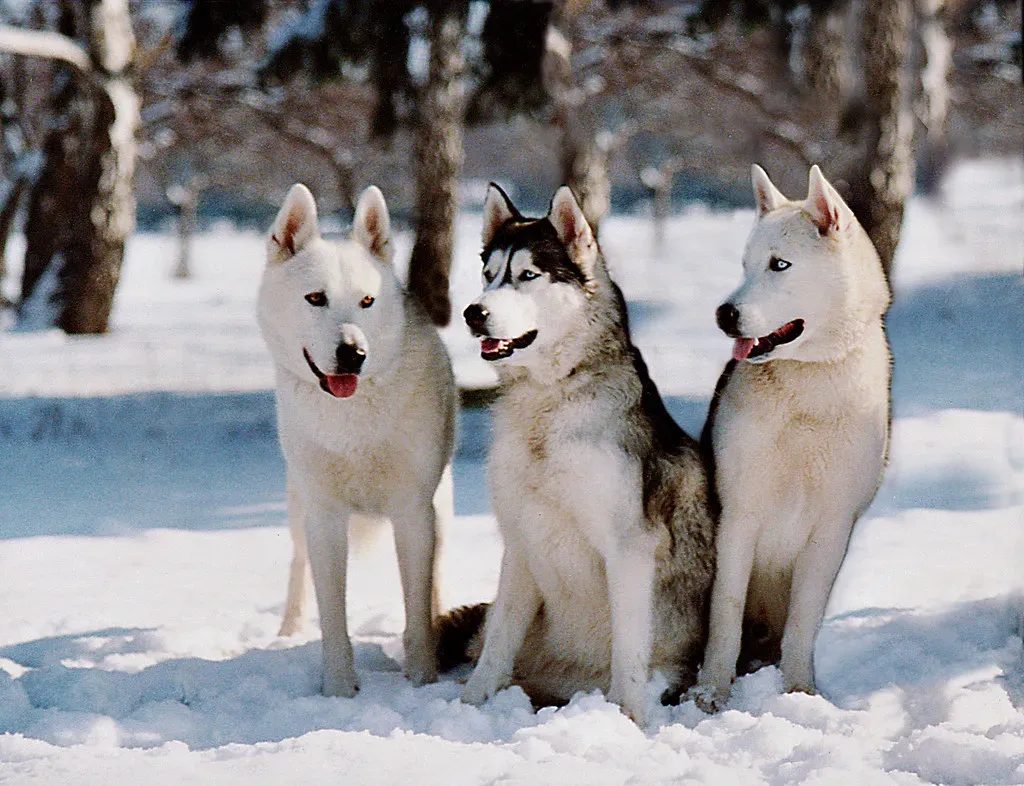
The Husky is undeniably beautiful, and it’s easy to see why people fall for them. Those ice-blue eyes and that thick Arctic coat have a way of making all practical sense disappear at the shelter. The reality of ownership, though, is a different story.
Siberian Huskies tend to enjoy being outside where they can run and play as they please, and it’s difficult to contain their exuberant energy. They require a fair amount of playtime and can become unhappy without adequate exercise and activity. For a senior with any degree of limited mobility, that daily demand is genuinely exhausting.
Siberian Huskies are independent, energetic dogs known for their strong prey drive and stubborn personality. They require consistent training and long walks, which may be too physically demanding for many seniors. Additionally, their tendency to escape or roam makes them a challenging breed for those who cannot provide strict supervision. A dog that bolts the moment a gate is left open is a source of constant anxiety, not comfort.
#2. Rottweiler
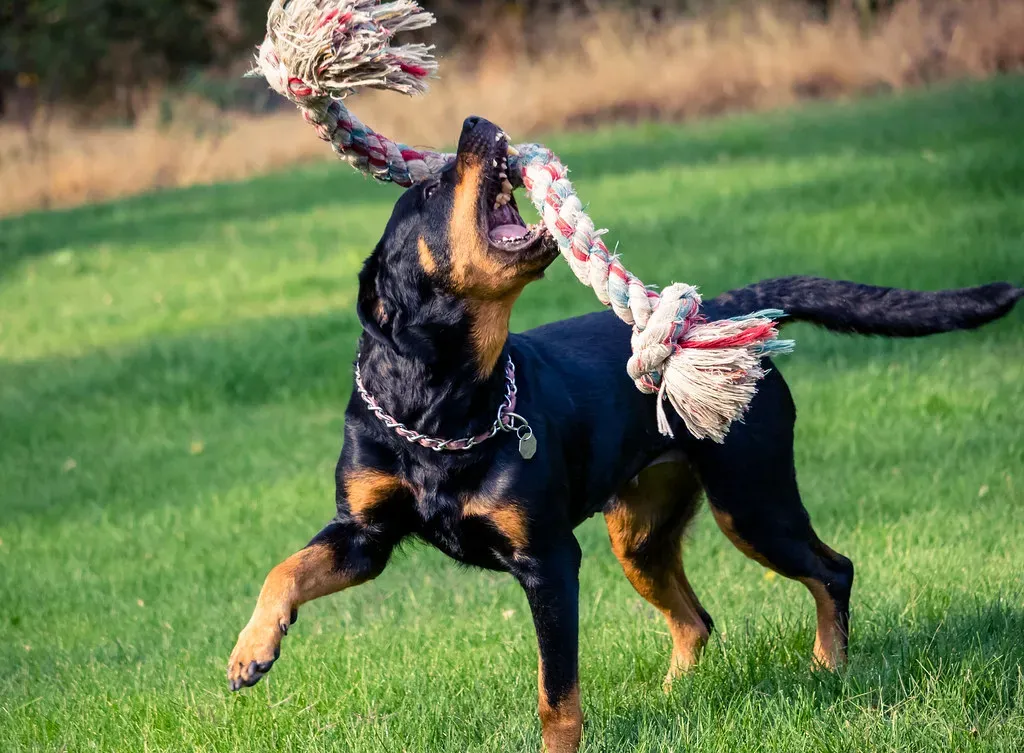
Rottweilers are fiercely loyal and genuinely loving with their families. Many Rottweiler owners will tell you with complete sincerity that their dog is a big softy at home. That’s often true. The problem isn’t their heart, it’s their body.
Rottweilers are devoted, protective, and extremely strong dogs. They serve as excellent guard dogs, but their aggression and strength can be too much for seniors to handle. These dogs need firm handling and proper training along with socialization to keep them always under control, and seniors cannot put in this much effort consistently.
Rottweilers are large dogs with plenty of muscle. This strong breed has the instinct to be protective of their family and devotes themselves to their owners. These are hardworking dogs, but they are gentle and soft around their loved ones. Due to their size and strength, though, this breed is not ideal for seniors. Even an affectionate lunge from a Rottweiler can send an older person to the ground.
#3. German Shepherd
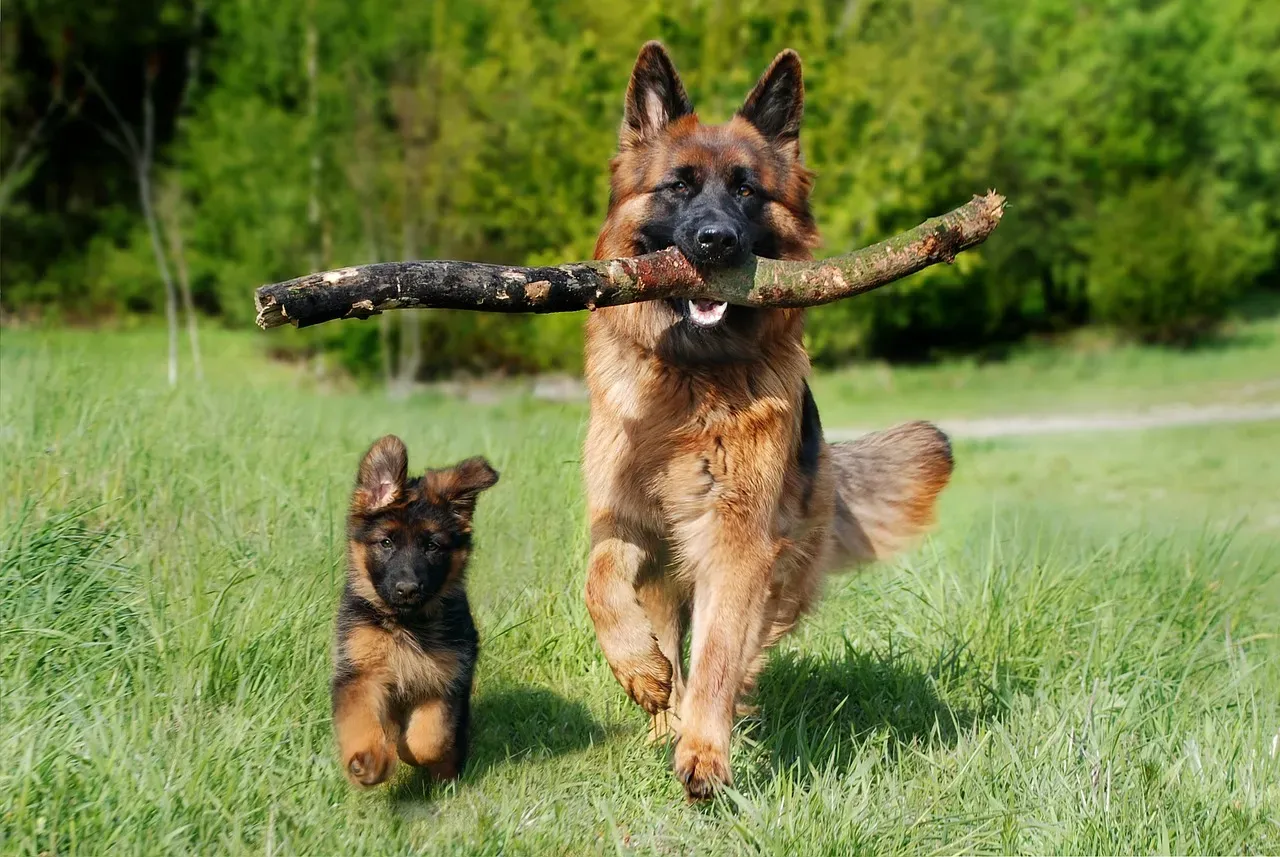
The German Shepherd is one of the most popular and recognizable breeds in the world, trusted by law enforcement and adored by families everywhere. Their intelligence is remarkable, and their loyalty is legendary. Those very qualities, however, come packaged with a set of demands that most seniors simply cannot sustain.
While loyal and protective, German Shepherds are large and can be intense. They require a lot of exercise, mental stimulation, and training. Their size and strength might make them difficult for some seniors to handle comfortably.
A German Shepherd that doesn’t receive sufficient physical and mental engagement can become anxious and difficult to manage. Large and strong dog breeds can be physically demanding for seniors, especially those with limited mobility or strength. These breeds may require more physical control during walks or activities, and their size can pose challenges for grooming and general care. A bored German Shepherd is a problem no senior should have to navigate alone.
#4. Great Dane
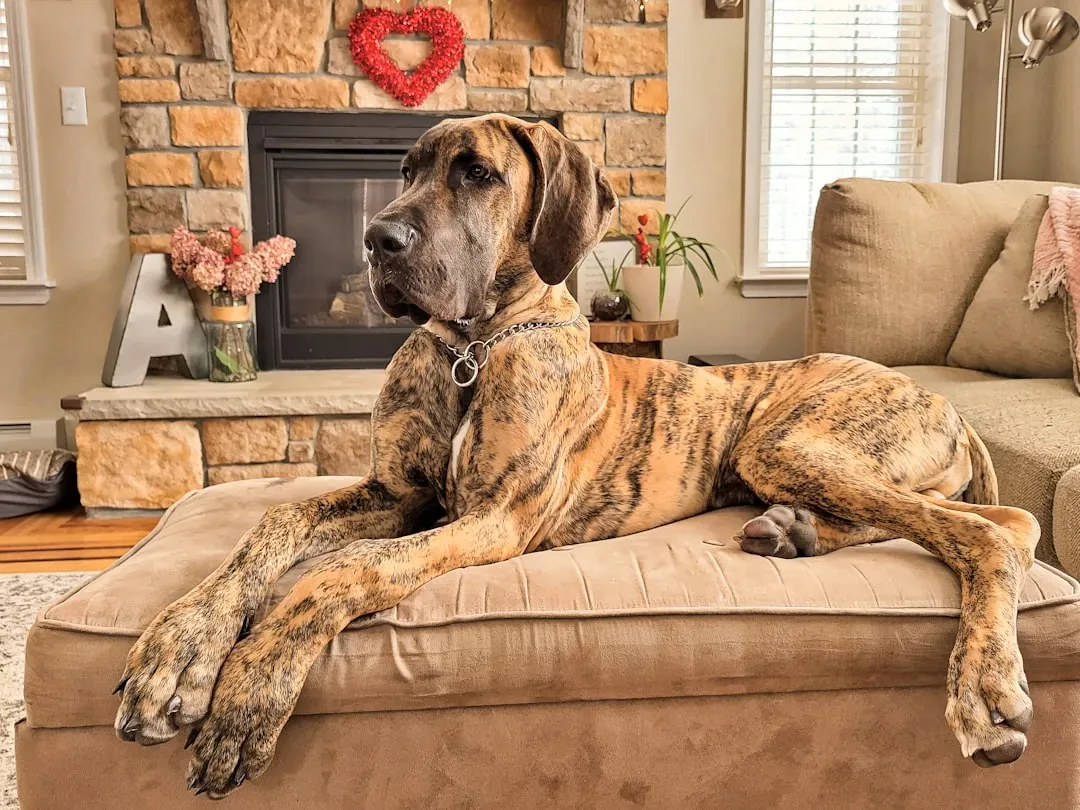
There’s something almost mythical about the Great Dane. They’re enormously gentle and often genuinely sweet-natured dogs. Their sheer scale is the issue, and it’s not a minor one.
Though Great Danes are known for their gentle disposition, their immense size can be pretty difficult. Their substantial bulk requires a lot of space but also means they need more food, which can pose logistical issues. Additionally, their relatively short lifespan can be emotionally taxing, as they might not be with you as long as other breeds.
The problem for older owners is their size. The last thing you need is a 100-plus pound dog accidentally knocking you over or stepping on you. Great Danes also suffer from numerous health problems, such as bloat and hip and elbow problems, which will only increase your vet bills. The emotional and financial weight of that reality hits especially hard for those living on a fixed income.
#5. Doberman Pinscher
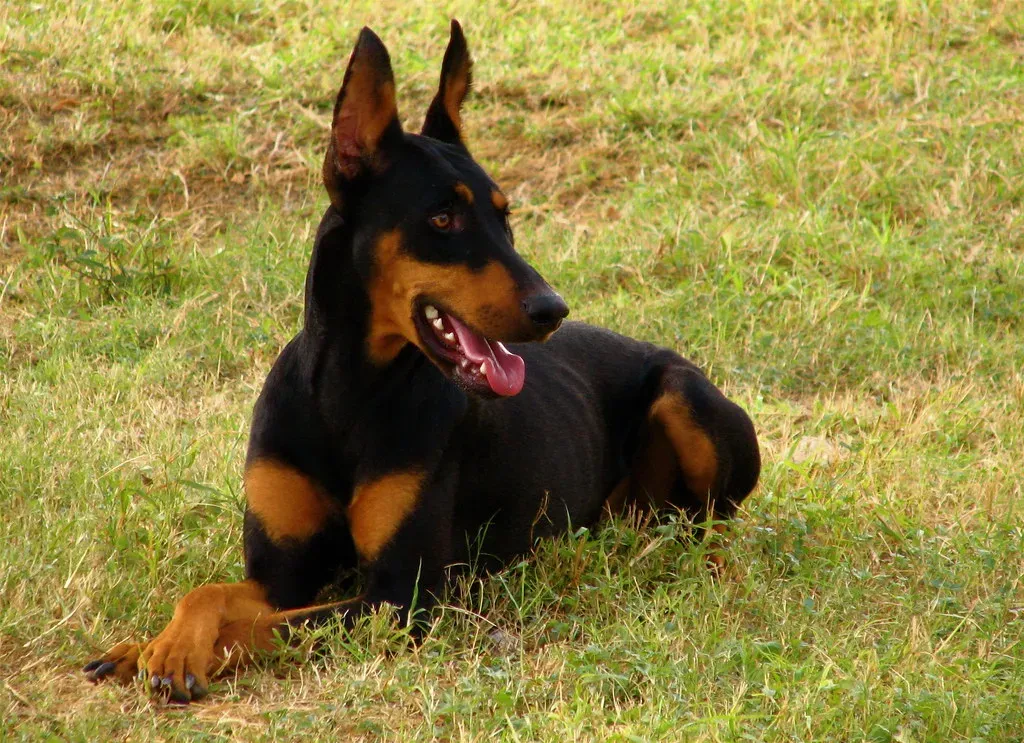
Few dogs carry themselves with as much presence as the Doberman. Sleek, alert, and powerfully built, they were literally bred to be guard dogs, and they take that job seriously. That drive and physical intensity is exactly what makes them a poor match for most elderly owners.
Doberman Pinschers are a powerful breed that is often used as a guard dog. Their muscular build and strength makes them less than ideal for seniors. Owners must be able to have control over their dog, and with a stronger breed, there is a chance they may have more power than some seniors. Other traits displayed by Dobermans may also make them hard to keep up with.
Due to their large size and high energy levels, two hours of daily exercise is required. It takes a lot for this breed to get tired, so they need a rigorous exercise routine for all their pent-up energy. Two hours of vigorous daily exercise is a tall order for anyone, let alone a senior managing arthritis, fatigue, or balance issues.
#6. Alaskan Malamute
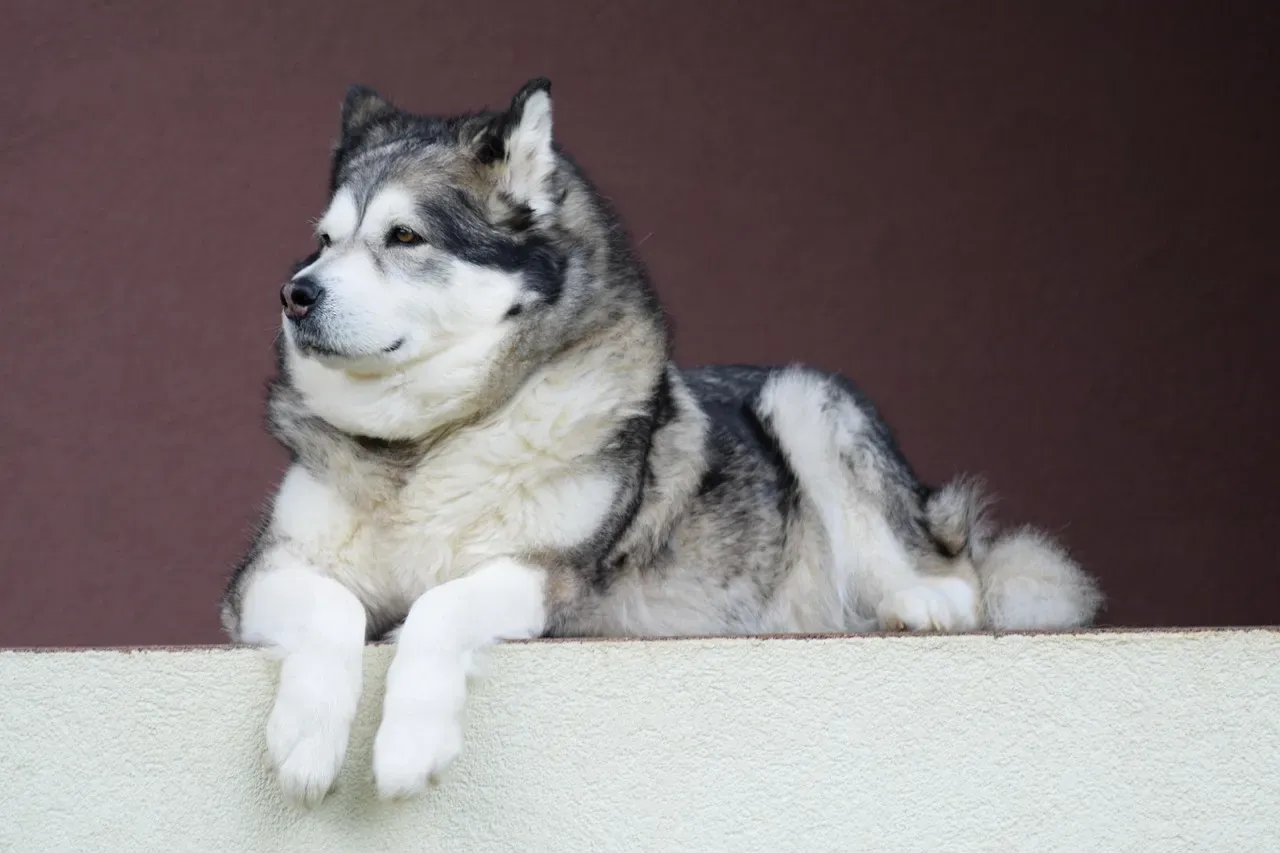
The Alaskan Malamute looks like a Husky’s tougher, bigger cousin, and in many ways, that’s exactly what it is. Built for hauling heavy sleds across frozen terrain, this breed has extraordinary physical endurance and an independent mind to match.
Everything about the Alaskan Malamute says strength and endurance. Alaskan Malamutes are independent dogs that require vigorous exercise. Seniors will struggle to handle this breed because of their stubbornness. Malamutes also have a strong prey drive and can be challenging to train. This is why an experienced owner with physical stamina is needed to meet their needs.
The combination of raw power and a stubborn temperament creates a daily management challenge that goes well beyond a casual walk around the block. A large dog pulling on a leash could lead to falls or injuries. With a Malamute, that’s not a hypothetical risk, it’s a regular reality.
#7. Belgian Malinois

The Belgian Malinois has risen dramatically in public visibility over recent years, partly thanks to their role alongside military and police units worldwide. That visibility has led some people to underestimate exactly how demanding this breed truly is as a companion animal.
Belgian Malinois are intelligent and intense working dogs that thrive in environments with constant training and activity. These dogs are tough and can be destructive if their needs aren’t met. This isn’t a dog that will settle for a short morning walk and a quiet afternoon on the couch.
Breeds with high energy levels, strong-willed personalities, or a tendency to be aggressive or dominant may pose more challenges for seniors who may have limited physical abilities or difficulty managing such behaviors. The Malinois checks virtually every one of those boxes. They need a handler who is physically confident and mentally engaged, and that’s a role most seniors simply aren’t positioned to fill safely.
#8. Labrador Retriever
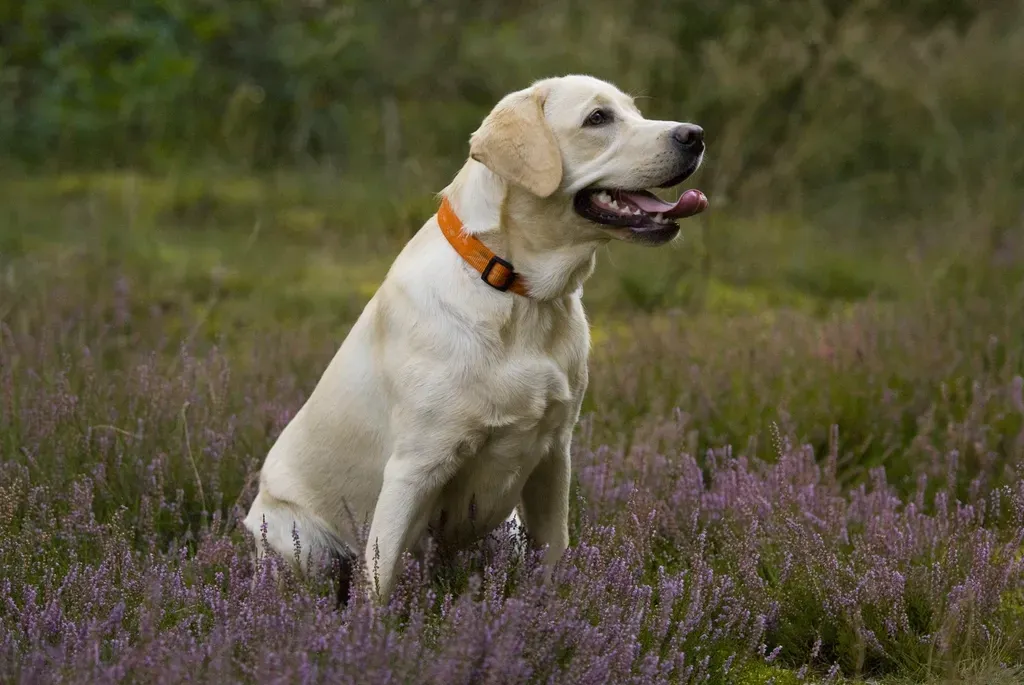
This one might surprise people. Labs are famously friendly, endlessly patient, and widely considered one of the most family-friendly breeds on the planet. They’re also enormous balls of energy that don’t fully settle down until well into adulthood, and even then, they retain a boisterous enthusiasm that can catch people off guard.
Labrador Retrievers, known for their friendly and outgoing nature, may not be the most suitable choice for seniors due to their high maintenance requirements. These dogs require a significant amount of attention, time, and exercise to stay mentally and physically healthy and happy. The energetic nature of Labrador Retrievers may be challenging for seniors to keep up with, especially if they have limited mobility or energy levels.
Labrador Retrievers, while known for their friendly and outgoing nature, may not be the best choice for seniors. These dogs require a lot of attention, time, and exercise to stay mentally and physically healthy. Seniors who may have limited mobility or energy levels might find it challenging to provide the necessary exercise and mental stimulation that Labrador Retrievers require. A well-meaning but under-exercised Lab becomes a whirlwind indoors, and that’s a recipe for accidents.
#9. Dalmatian
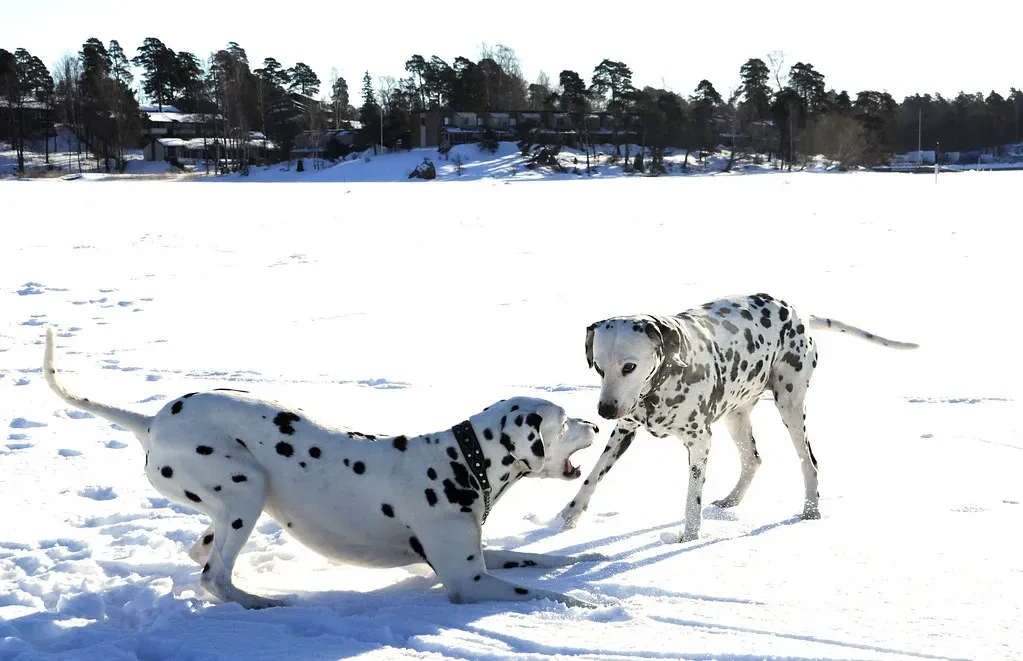
Dalmatians have one of the most iconic looks in the dog world, and their spirited personality tends to match that bold appearance. They were originally bred as carriage dogs, running alongside horses for miles at a time, and that heritage has never really left them.
Dalmatians are notoriously hard to train and they require a lot of outdoor exercise that would overwhelm most seniors. They have a stubborn temperament and they can be destructive if they don’t get enough exercise outdoors. Indeed, some dogs in this breed may be extremely fearful and overly aggressive, which is obviously not going to be a good fit for most seniors.
Considering Dalmatians are high-energy dogs, it’s tough for older pet owners to keep up with their needs. Dalmatians require extensive exercise and mental stimulation. Their strong-willed nature can make them difficult for seniors to manage, especially without daily physical activity. Additionally, their stubbornness and tendency to be aloof can pose challenges for seniors seeking a calm, easygoing companion.
#10. Saint Bernard
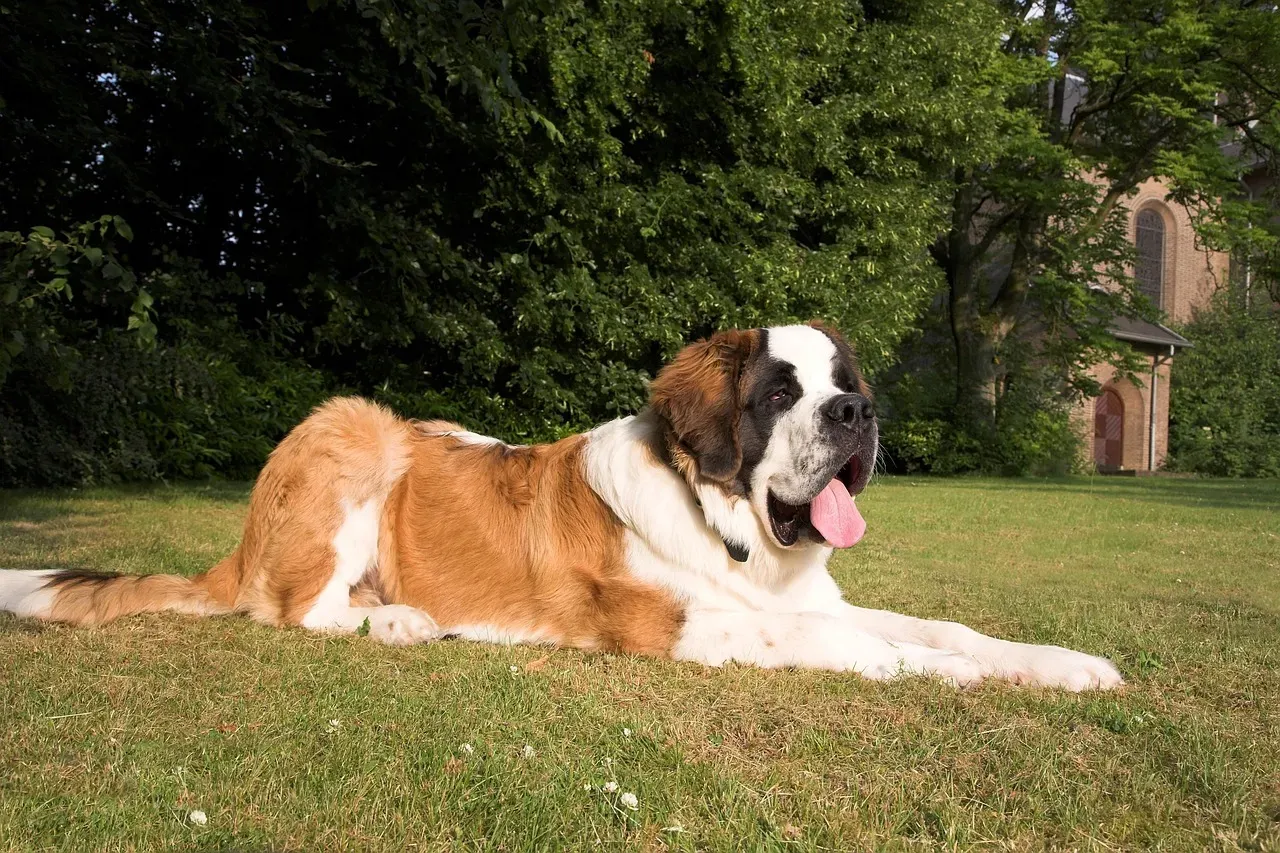
The Saint Bernard is the definition of a gentle giant, with a famously patient and warm-hearted temperament. In a perfect world, their sweet nature would be all that mattered. In the real world, their sheer mass creates a set of practical problems that are genuinely difficult for older adults to manage.
Saint Bernards are characterized by their kind-hearted nature, but their sheer mass can be overwhelming. These gentle giants also tend to drool excessively and require frequent grooming, adding to their maintenance needs. Their stature can make them difficult to transport and manage, especially for seniors with physical limitations.
Breeds like the Saint Bernard, Great Dane, and Rottweiler are known for their size and strength. While they might not require as much exercise as high-energy breeds, their sheer size can make them difficult to manage. A large dog pulling on a leash could lead to falls or injuries. Similarly, these breeds often require more food, larger living spaces, and can be more challenging to transport due to their weight and size.
The Bottom Line: Match the Dog to the Life You Actually Live

None of the breeds on this list are villains. Every single one can be a wonderful dog in the right home with the right owner. The point isn’t to shame anyone’s breed preference. It’s to be honest about a mismatch that can genuinely harm both the senior and the dog.
Breeds with high energy levels, strong-willed personalities, or a tendency to be aggressive or dominant may pose more challenges for seniors who may have limited physical abilities or difficulty managing such behaviors. That’s not a judgment, it’s just physics and biology working against each other.
While dogs can bring good times and great memories, it’s important for seniors to choose a breed that aligns well with their lifestyle and physical capabilities. Breeds that are high-energy, large, high-maintenance, susceptible to health issues, independent, or hyperactive may not be the most suitable choices. Those same individuals should consider calm, manageable breeds that offer companionship without undue stress.
There’s a dog out there for every senior, and finding that right match makes all the difference. Choosing wisely isn’t settling, it’s one of the most loving things a person can do for themselves and for the animal in their care. A dog that suits your life will thrive in it, and so will you.


