
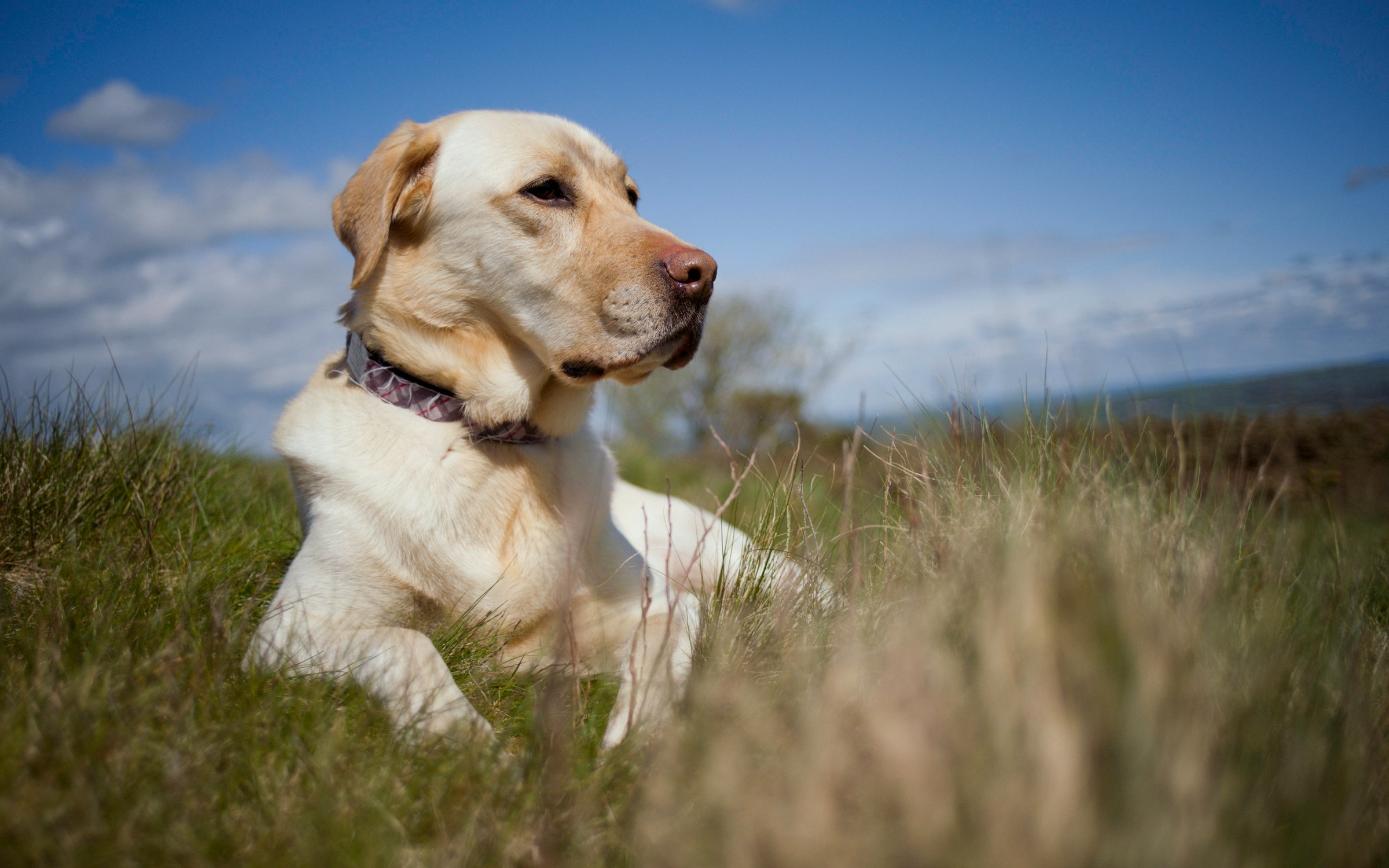
There’s something magical about a big dog padding around the house, leaning into your legs, and looking at you like you’re their whole world. But if you imagine retirement as slow mornings with coffee, gentle strolls, and plenty of quiet time, some large breeds can turn that dream into a full‑time cardio workout. A lot of people fall in love with a fluffy face or a puppy at the shelter, only to discover later that their new companion is basically a professional athlete in a furry costume.
I learned this the hard way when a relative in her seventies adopted a gorgeous “calm” rescue, who turned out to be a young working‑breed mix. Within a week, her neat living room looked like a tornado of squeaky toys and torn-up paper. She loved him, but it was clearly a mismatch in energy and strength. That experience is why I’m blunt about this topic: some big dogs are simply too intense for most seniors who want a quiet, low‑key lifestyle.
1. Border Collie
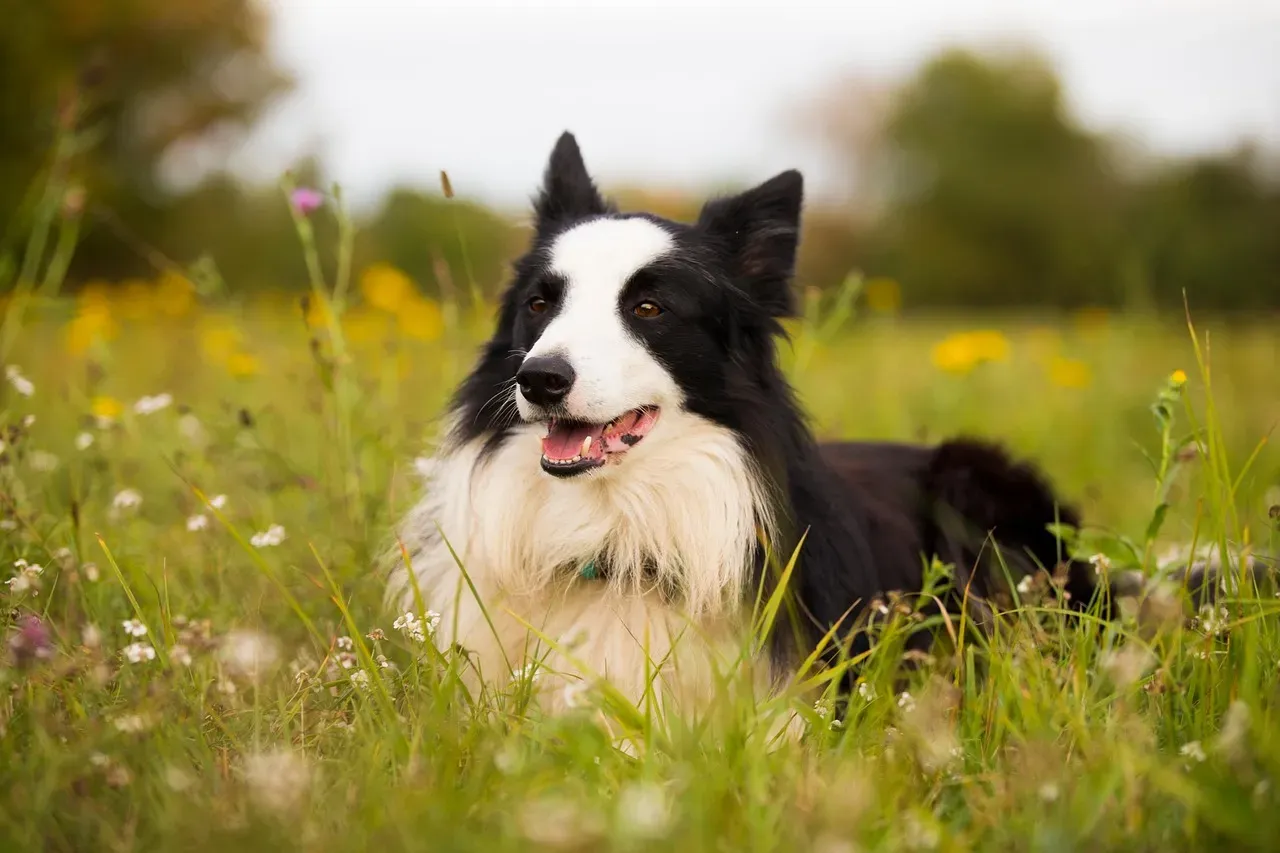
Surprising as it may sound, the elegant, smart Border Collie can be one of the worst matches for a calm retirement home. This breed was developed to work sheep all day in tough terrain, and that instinct does not just fade because they now live in a quiet suburb. Even as adults, many Border Collies crave constant mental challenges, fast-paced play, and long, purposeful walks or runs.
For a senior who prefers leisurely activities, that need for nonstop stimulation can quickly become exhausting. These dogs are known to invent their own “jobs” when under-stimulated, which can look like obsessive chasing, herding people, or destructive chewing. They are brilliant and sensitive, which makes them amazing partners for active handlers, but for a quiet, older person, their intensity can feel like living with a hyper-focused personal trainer who never clocks out.
2. Belgian Malinois
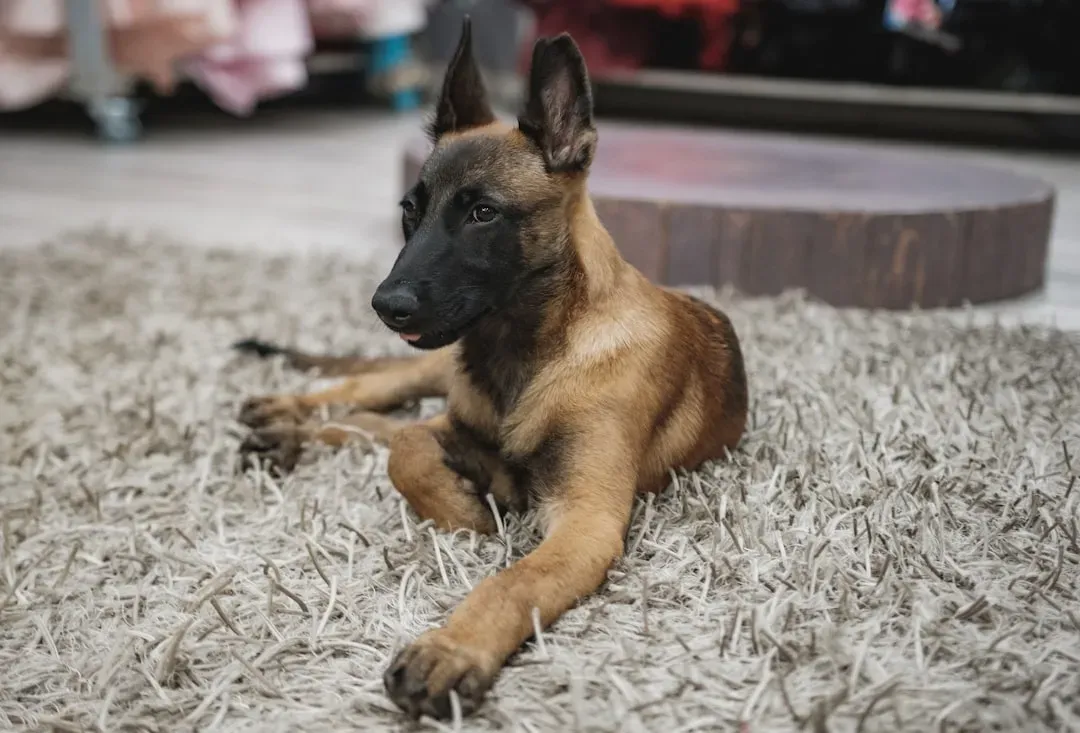
If dogs had special forces units, the Belgian Malinois would be at the top of the list. Often used in police and military work, this breed is built for drive, speed, and serious work under pressure. That same power shows up in everyday life as extremely high energy, strong prey and chase instincts, and an almost endless desire to do something, anything.
For a senior hoping for gentle walks and calm evenings, a Malinois is usually a recipe for burnout or even injury. They are athletic jumpers and pullers, and can easily drag someone off balance if a squirrel appears. Mentally, they need structured training, jobs, and clear boundaries. Without that, they can become frustrated, anxious, and destructive. Unless the senior is unusually fit, experienced, and eager to train daily, this breed is simply too much dog for a quiet lifestyle.
3. German Shepherd Dog
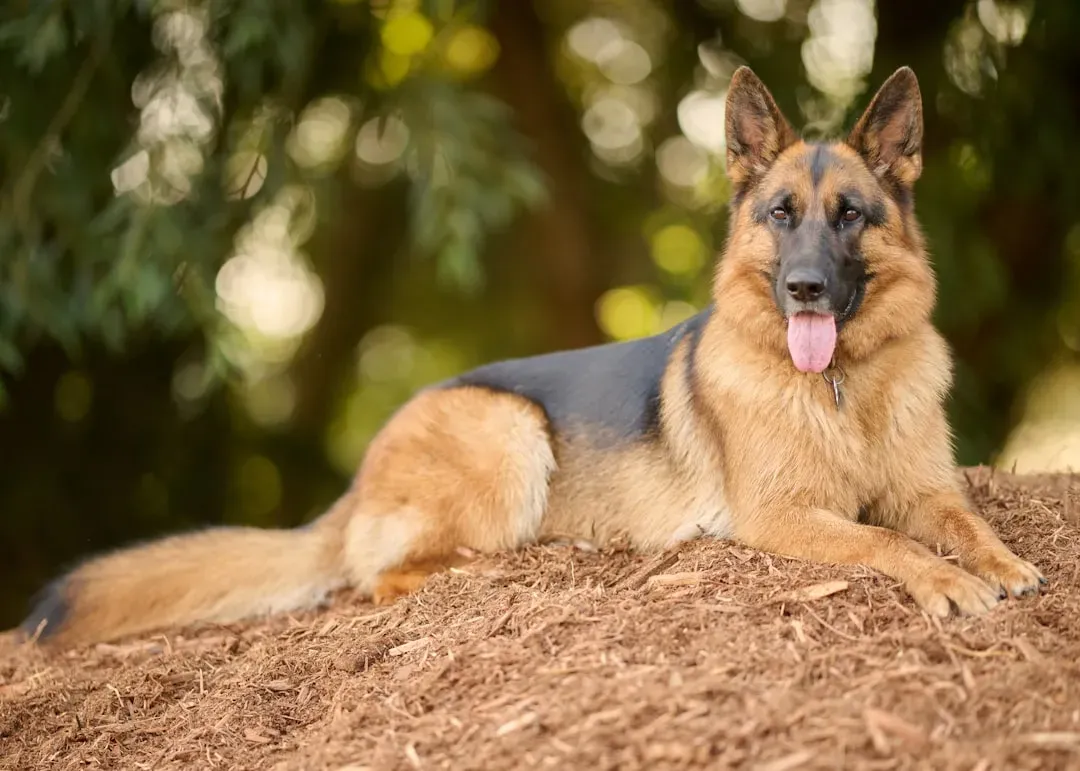
German Shepherds are popular for good reasons: they are loyal, intelligent, and deeply bonded to their families. But people often underestimate how much consistent activity and mental engagement they require, especially in their younger years. Many lines are bred for work, meaning they are wired to patrol, track, and protect with serious intensity.
For an older person seeking a low-stress companion, that combination can be overwhelming. German Shepherds often need daily training, varied exercise, and careful management of their guarding instincts. A bored or under-exercised shepherd may pace, bark at every noise, or become reactive on leash. They can be wonderful in the right home, but they are often too demanding for seniors who want peace, predictability, and physically easy walks.
4. Siberian Husky
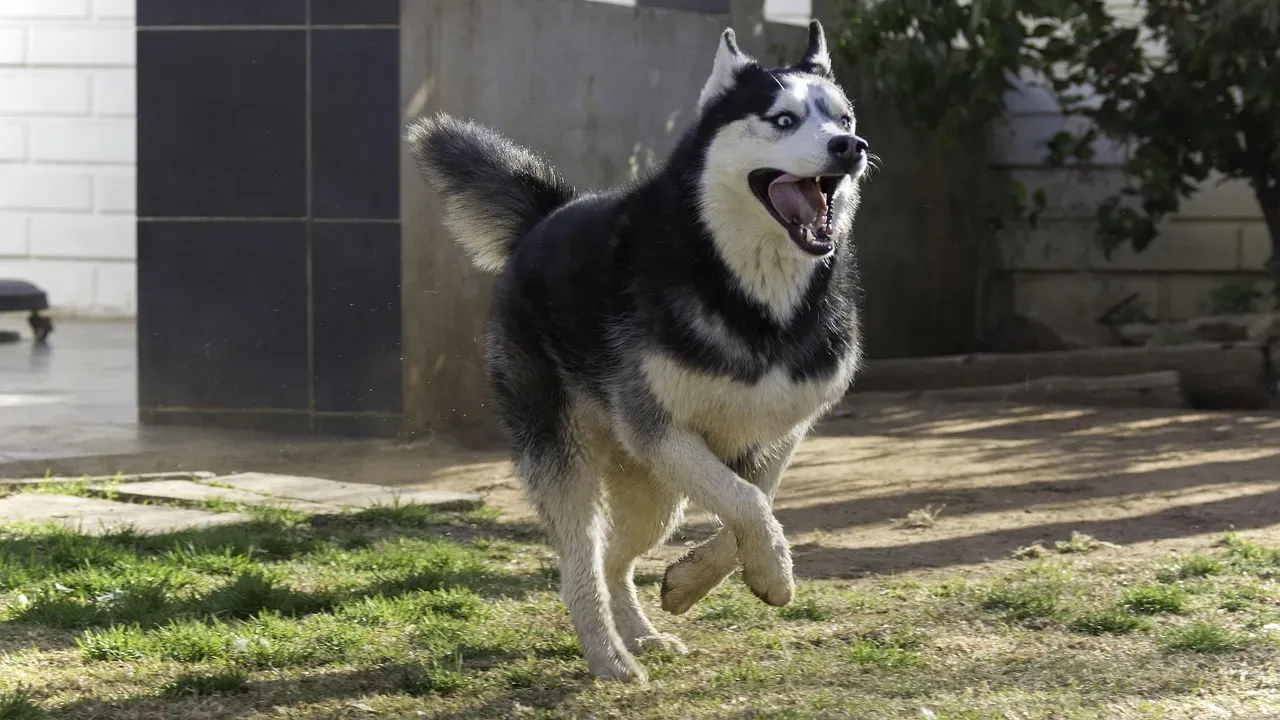
Siberian Huskies look like living snow wolves, and that beauty pulls a lot of people in. But underneath the stunning coat and blue eyes is a distance runner designed to pull sleds over long distances in harsh conditions. Many huskies have an almost comical need to move, and a fifteen‑minute stroll around the block barely counts as a warm‑up.
On top of the high energy, huskies are famous escape artists and enthusiastic pullers on leash. For a senior with balance issues, limited strength, or joint problems, one strong lunge can mean a dangerous fall. Their independent nature can also frustrate owners who expect instant obedience. In a quiet senior household that prefers doors and gates left casually ajar, a husky can quickly turn into a recurring missing‑dog alert rather than a relaxing companion.
5. Weimaraner
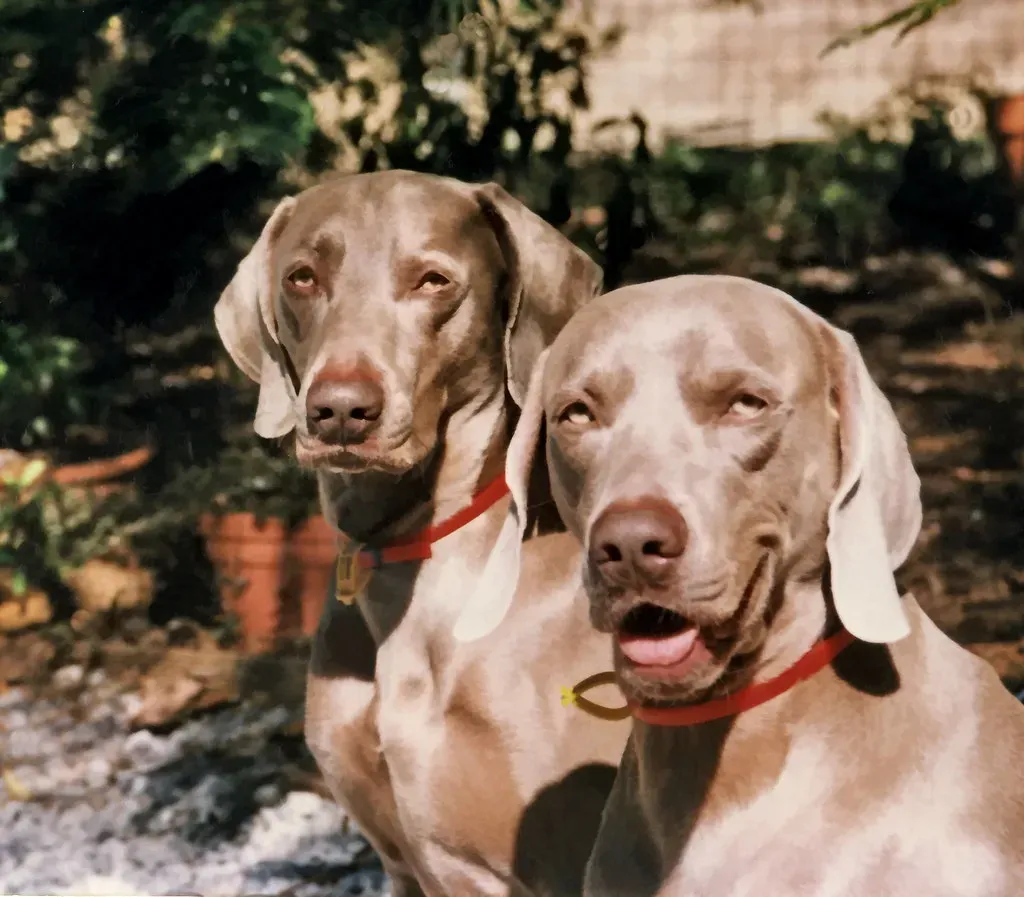
Weimaraners are sleek, athletic hunting dogs originally bred to pursue large game over long distances. That heritage still shows in their need for vigorous physical exercise and close human involvement. They often behave like intense “velcro” dogs, always attached, always watching, and always ready for the next activity.
For a senior who loves calm routines, this constant demand for action and attention can feel draining rather than endearing. Weimaraners that do not get enough mental and physical outlets may resort to destructive chewing, digging, or frantic pacing. Their enthusiasm can be physically overwhelming as well; an excited Weimaraner can easily knock into someone, tangle a leash, or drag a person forward when a bird, jogger, or bicycle passes by.
6. Dalmatian
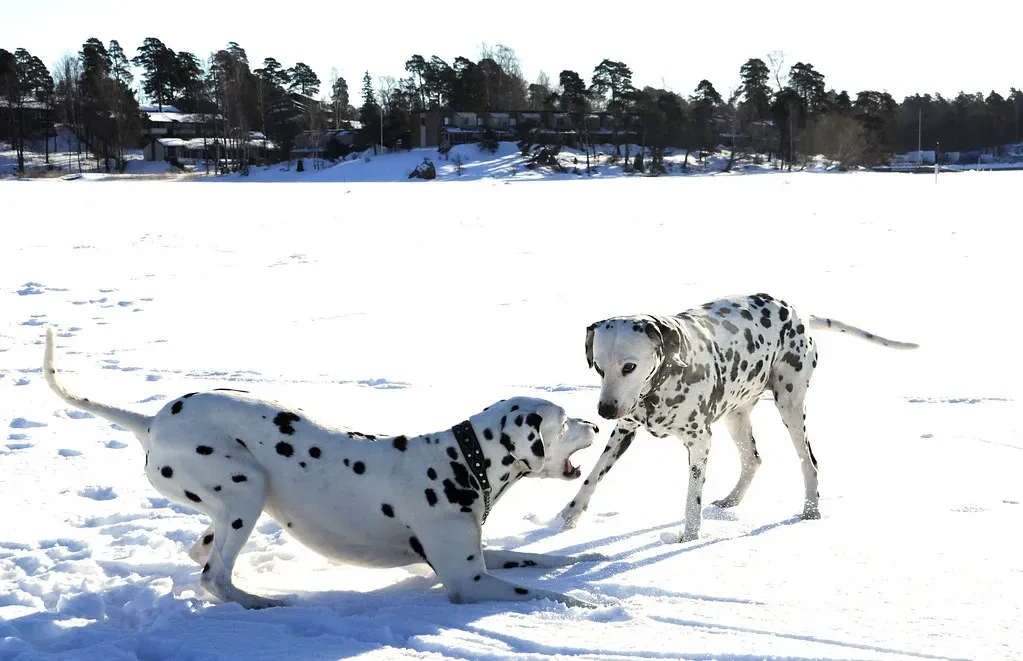
Thanks to old movies and their striking spots, Dalmatians are often seen as charming family dogs. Historically, though, they were carriage dogs, trotting for long periods alongside horses and vehicles. This background explains why a typical Dalmatian often seems like it runs on an internal motor that rarely shuts off, especially in its younger years.
For seniors who mostly stay indoors or enjoy gentle, short outings, keeping a Dalmatian content can be extremely challenging. Without significant daily exercise and mental tasks, they can become restless, vocal, and destructive. They are also sometimes a bit boisterous and clumsy in close quarters, which is not ideal around fragile joints, walkers, or cluttered living spaces. Their energy level tends to clash with the slower, quieter pace many older adults prefer.
7. Labrador Retriever (Field Lines)
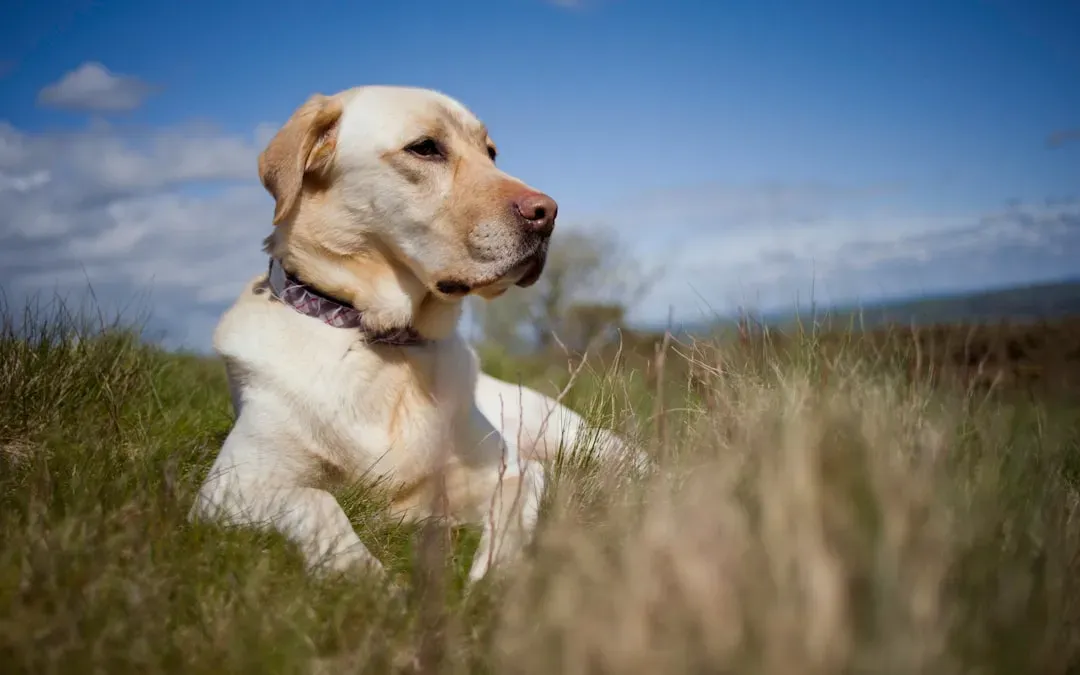
This one surprises people, because Labradors are often advertised as the ultimate easygoing family dog. The reality is more complicated. Many modern Labradors, especially those from hunting or field lines, are serious working athletes bred for all‑day retrieving in rough conditions. As youngsters, they can be bouncy, mouthy, and endlessly energetic.
For seniors envisioning a mellow, sleepy Lab at their feet, a high‑drive field‑bred Labrador can be a rude shock. These dogs often need sustained, vigorous exercise, ongoing training, and plenty of object play to feel satisfied. Without it, their enthusiasm can turn into jumping, counter surfing, pulling on leash, or chewing. A carefully selected, older, calmer Lab from a known background can be a fantastic senior companion, but the typical young, high‑energy Lab is a lot of dog for a quiet, retired lifestyle.
8. Boxer

Boxers are often described as perpetual puppies in muscular, medium‑large bodies. They are playful, clownish, and extremely people‑oriented, which is charming but also physically demanding. Many adult Boxers still bounce, wiggle, and launch themselves into play like oversized toddlers on a sugar rush.
For an older person with fragile bones or balance issues, that joyful exuberance can quickly become a safety hazard. Boxers need solid daily exercise and structured play to stay mentally and physically balanced. When bored, they may jump on people, dash around furniture, or engage in rough play that is simply too much for many seniors. Their enthusiasm is endearing from a distance, but living with it full‑time is another story.
9. Rhodesian Ridgeback
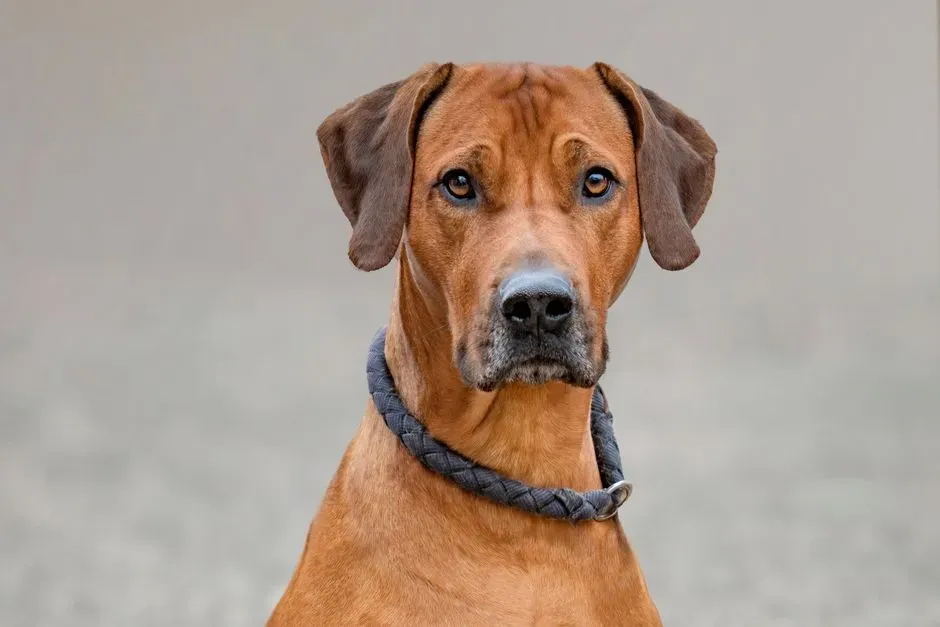
Rhodesian Ridgebacks were originally bred in southern Africa to accompany hunters over long distances, often in hot conditions, even tracking large and formidable game. That background means many Ridgebacks are powerful, athletic, and independent, with an impressive ability to cover ground. While some individuals are calm indoors, their overall physical strength and drive are not an easy match for someone who wants low‑effort walks.
For a senior living alone, handling a strong, independent Ridgeback can be intimidating and even risky. They can be quite determined when they see something worth chasing, from wildlife to neighborhood cats. Their size and strength amplify any leash pulling or sudden lunges. They also benefit from clear training and confident handling, which can be tiring for someone who prefers a more laid‑back relationship with their dog.
10. Australian Shepherd
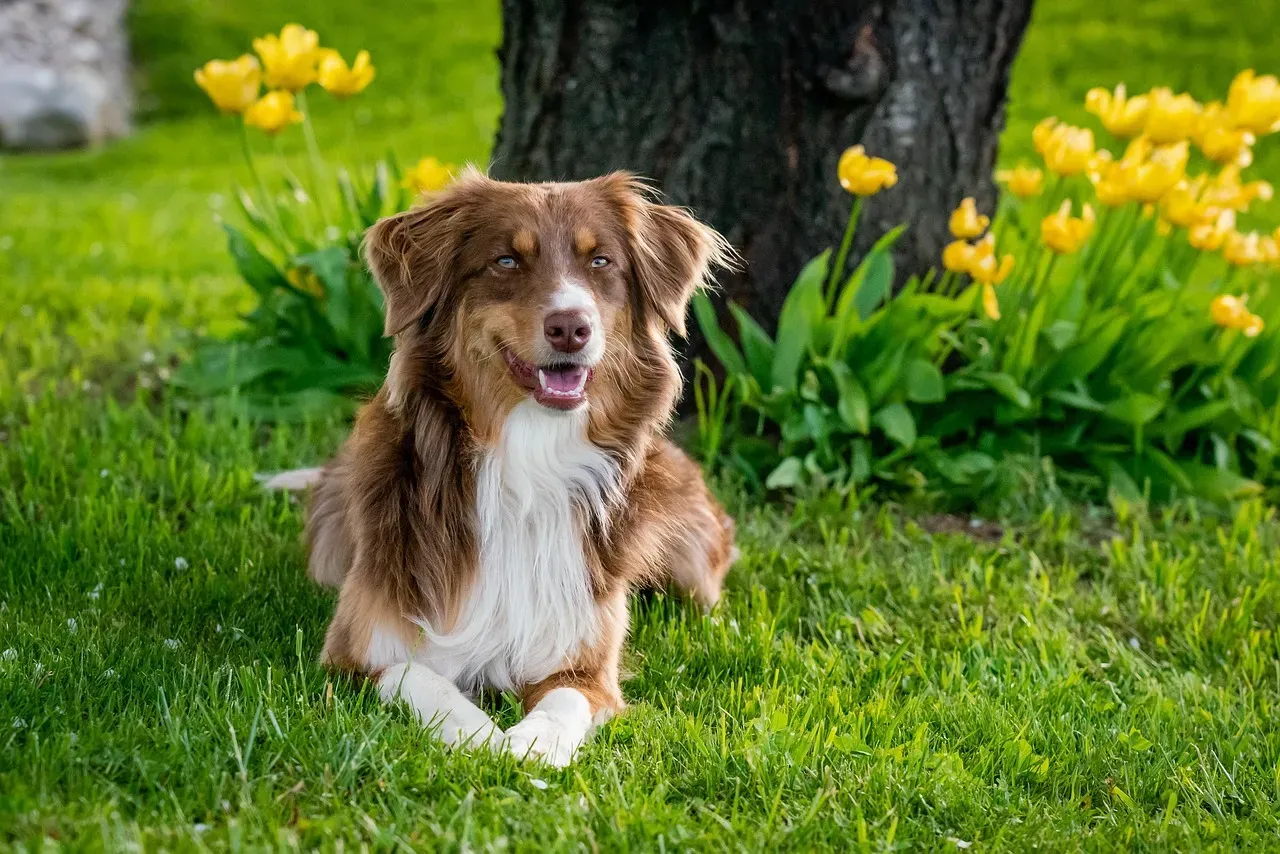
Australian Shepherds are beautiful, bright, and extremely trainable, which tempts many people into thinking they will be easy companions. In reality, this is another high‑drive herding breed that thrives on complex tasks, active sports, and busy environments. Many Aussies become restless or even anxious if they do not have enough outlets for their energy and intelligence.
For a quiet senior home, that restlessness can show up as constant pacing, trying to herd people, chasing cars or bikes, or vocalizing for attention. Even with daily walks, many Aussies need structured training games, puzzle toys, and varied activities. Without those, both dog and owner end up frustrated. They are incredible partners for active owners who love training and outdoor adventures, but usually too much of a whirlwind for someone who wants calm company and predictable routines.
How Seniors Can Still Enjoy Big Dogs Without the Chaos
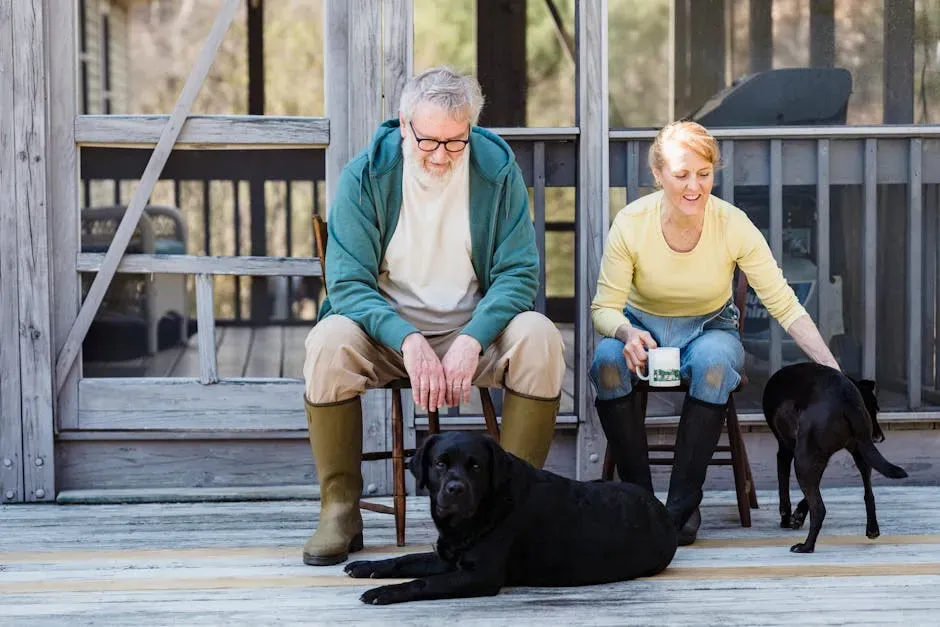
Reading all this, it might sound like large dogs and seniors simply do not mix, but that is not true at all. The key is matching energy levels and choosing individuals, not just breeds. Older, already‑calm dogs, mixed breeds with moderate energy, or naturally laid‑back large breeds can be wonderful fits. Adopting a mature dog whose temperament is already clear is often a safer choice than rolling the dice on a high‑octane puppy.
It also helps to be brutally honest about your own health, balance, and daily routines. If a twenty‑minute walk leaves you tired, you probably do not want a dog that truly needs an hour of fast-paced exercise every day. I personally think seniors deserve dogs that bring comfort and joy, not guilt and stress because they are hard to keep up with. In my view, forcing a working‑level athlete into a sedentary home is unfair to both sides, no matter how cute the dog is.
Conclusion: The Right Dog Should Make Life Easier, Not Harder
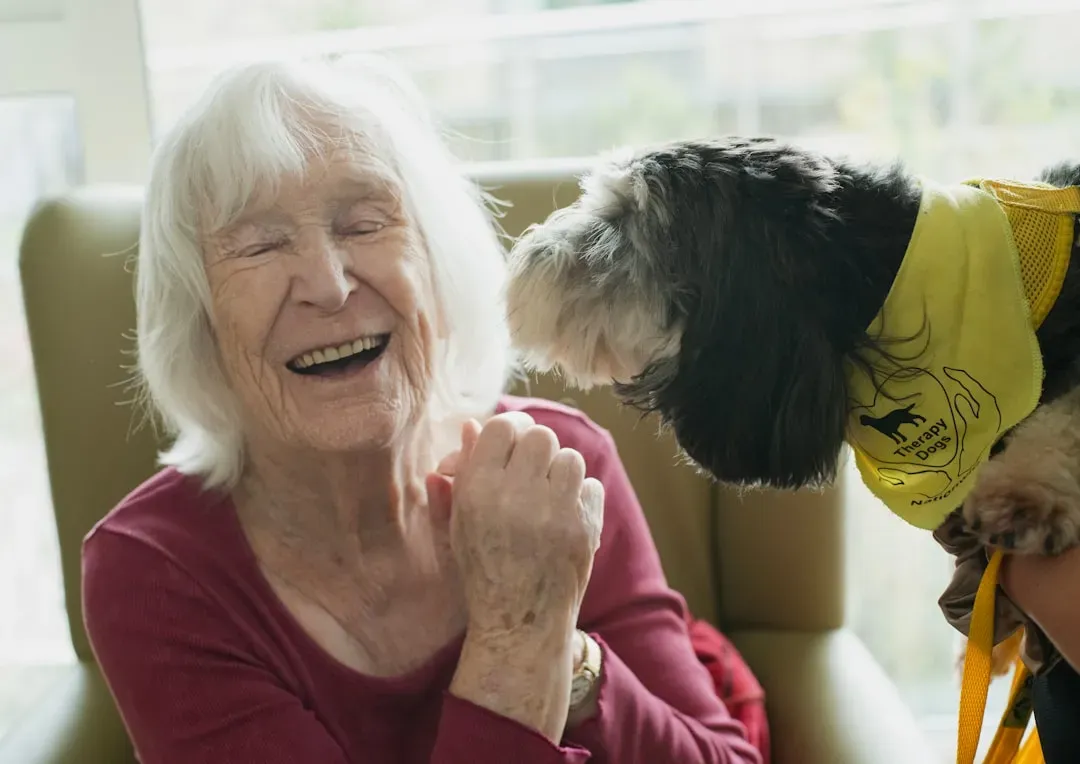
At the end of the day, the breeds on this list are not “bad” dogs at all; they are simply built for a different lifestyle than what many older adults want or can safely provide. A Belgian Malinois that thrives running detection drills or an Aussie that lives for agility competitions is not going to be happy as a couch‑side ornament. And a senior who just wants peaceful walks and a warm presence nearby should not feel like they accidentally adopted a turbocharged personal trainer in a fur coat.
If there is one opinion I feel strongly about, it is this: choosing a dog should be an act of kindness to yourself and to the animal, not a test of how much chaos you can tolerate. Seniors have earned the right to a bit of peace and comfort, and high‑energy, large working breeds usually pull in the opposite direction. When you picture your ideal day and your ideal dog fits into it as a gentle, manageable partner instead of a constant challenge, that is when you know you have chosen well. So looking at this list, which would you rather have in your living room: a calm, steady friend or a four‑legged hurricane?


