
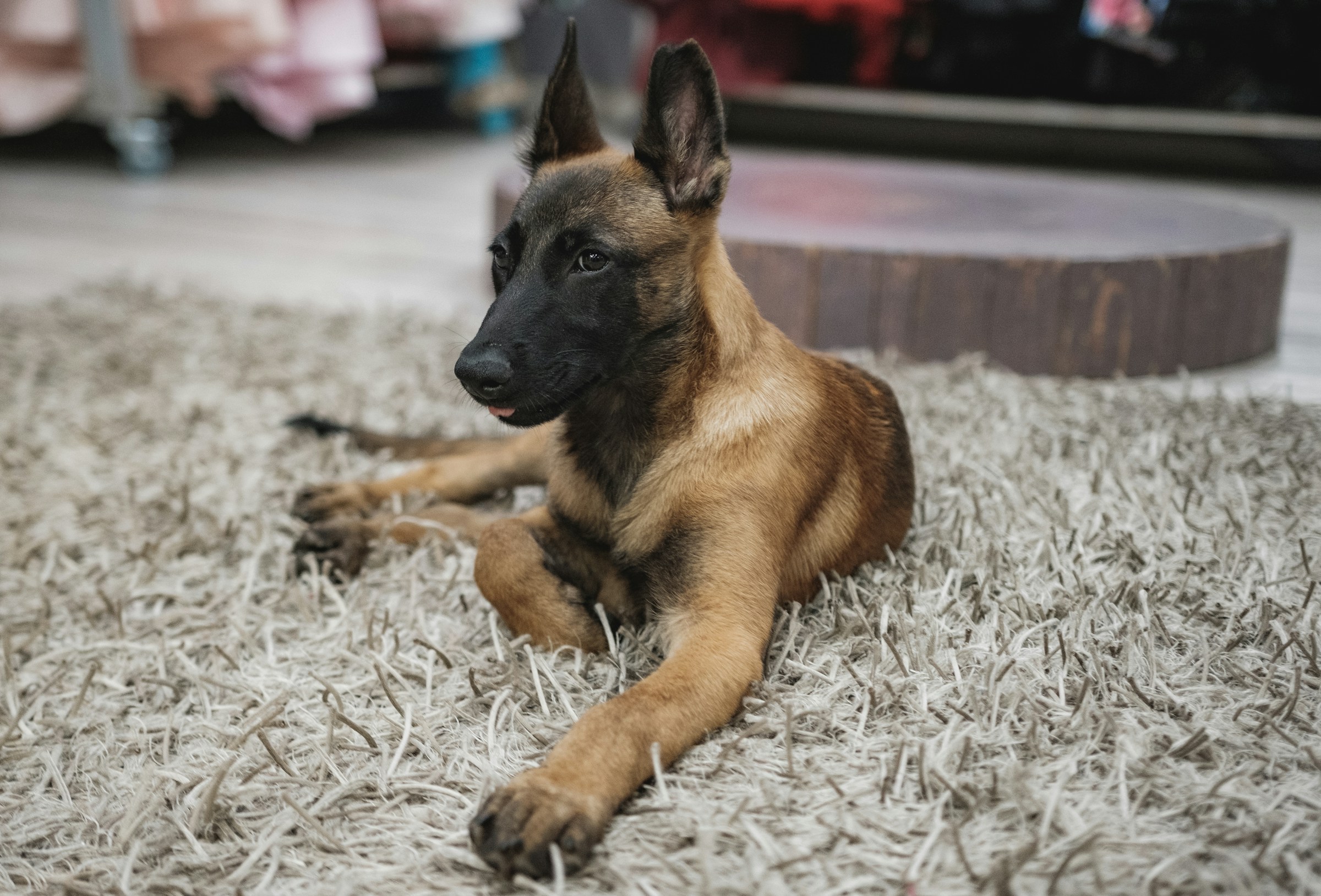
If you picture your golden years as slow mornings, peaceful afternoons, and a dog snoozing at your feet, the wrong breed can turn that dream into a full‑time cardio workout. Many large dogs are lovable, loyal, and gorgeous – but some are like having a personal trainer with fur and four legs who never takes a day off.
In this article, we’ll walk through ten big breeds that are amazing in the right homes, but often a mismatch for seniors wanting a calm, low‑key life. None of these dogs are “bad.” They’re just wired for high drive, heavy exercise, and constant stimulation. Think of it as choosing between a race car and a comfy sedan: both can be great, but only one fits a relaxed Sunday drive.
1. Border Collie: A Genius Trapped in a Fur Rocket
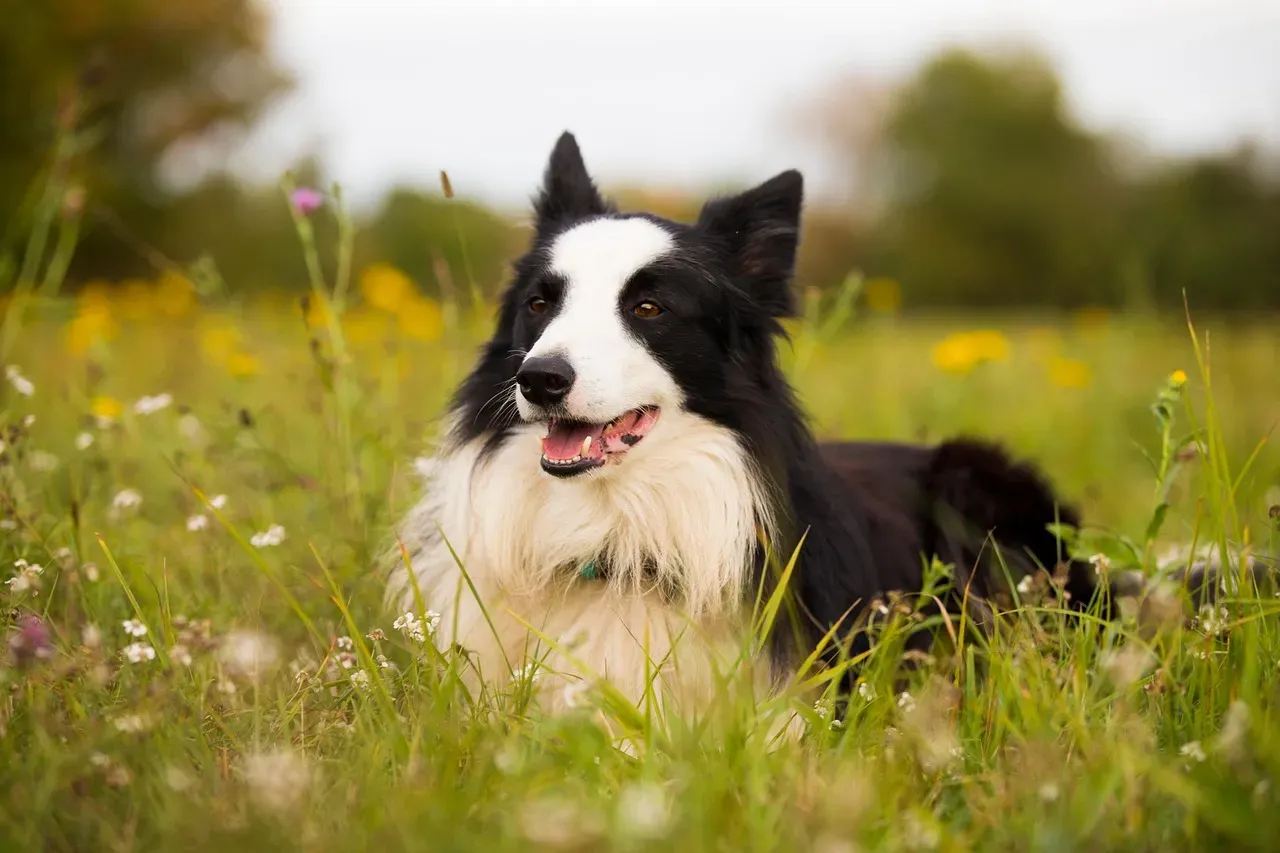
Border Collies are often called one of the most intelligent dog breeds, and that’s not just flattery. They were developed to work sheep all day in tough terrain, reacting instantly to whistles and subtle body cues, and that work ethic is still deeply built into their brains and bodies. Even in a modern living room, many Border Collies behave as though their job never ends.
The result is a dog that usually needs a serious combination of daily physical exercise and mental work: running, agility, herding games, trick training, puzzle toys, you name it. Without that outlet, they can develop anxiety, obsessive behaviors, and destructive habits like nipping, chasing, or chewing. For a senior who wants slow walks and long naps, a Border Collie can feel more like a restless coworker constantly asking, “What’s next?”
2. Siberian Husky: Marathon Runner in a Senior’s Living Room
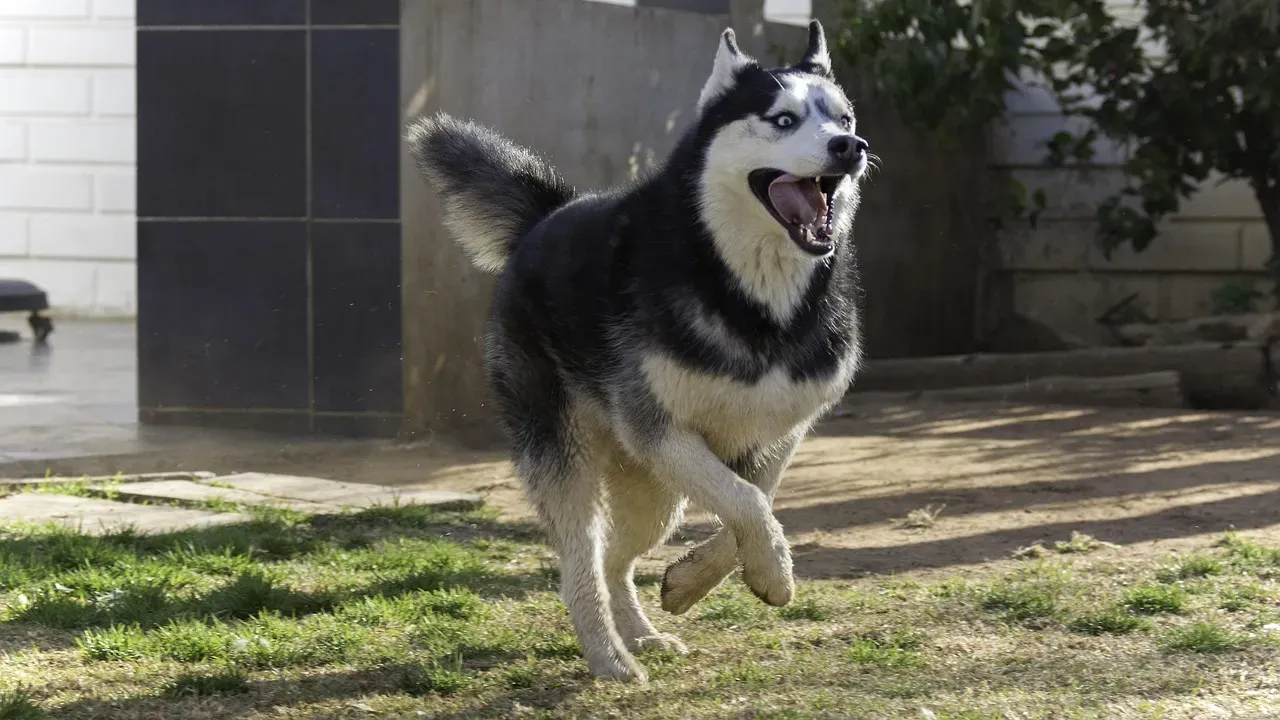
Siberian Huskies were bred to pull sleds over long distances in freezing conditions, which means they’re basically furry endurance athletes. Most healthy Huskies need longer, brisk walks or runs, along with plenty of time to explore and play, just to stay balanced. A short stroll around the block might barely register as a warm‑up to them.
They’re also notoriously independent and often stubborn, which can make training and recall a real challenge, especially for someone who doesn’t want to wrestle with harnesses and leashes every day. Their strong prey drive and escape‑artist tendencies mean you have to be constantly on guard. For seniors who crave predictable, low‑energy companionship, a Husky’s powerful drive, vocal nature, and need for adventure can quickly feel overwhelming.
3. German Shepherd: Brilliant, Intense, and Always “On Duty”
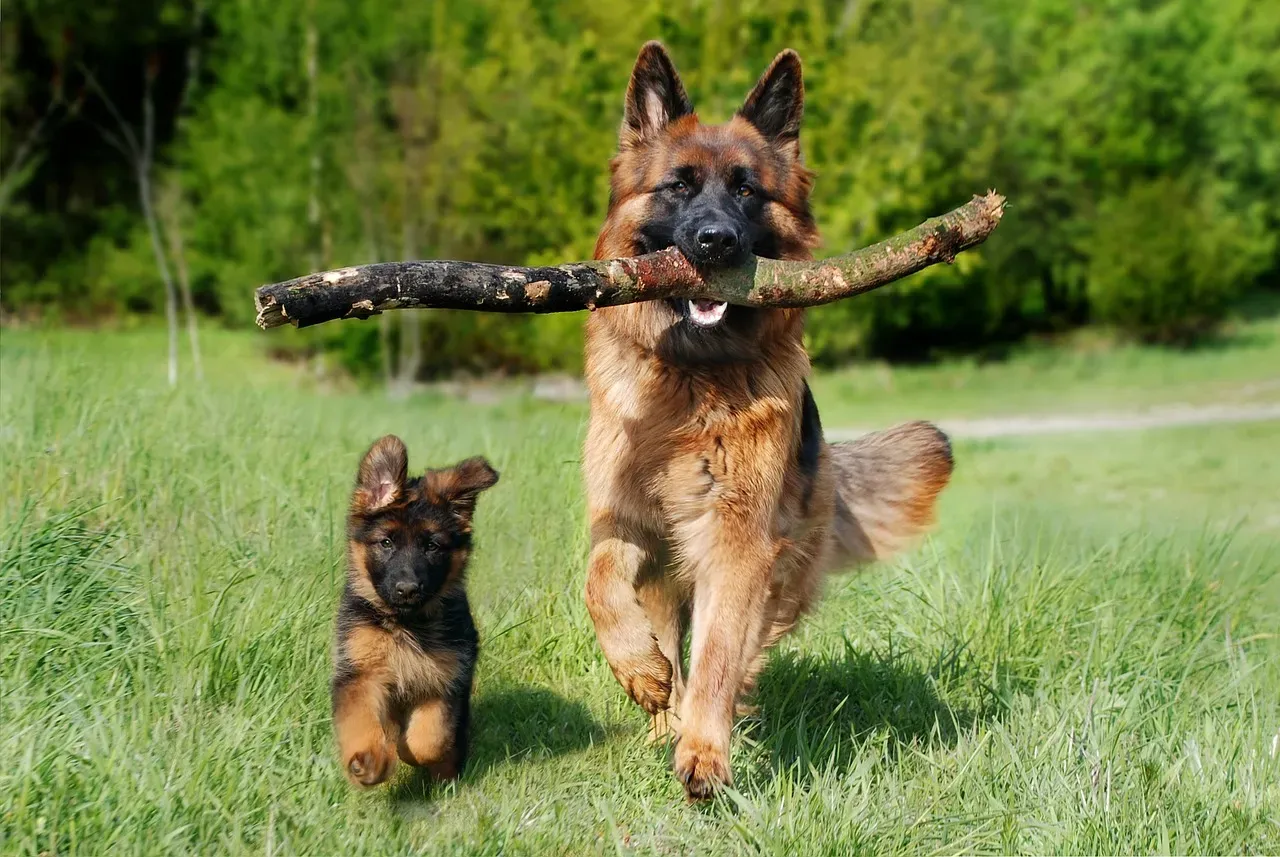
German Shepherds are incredible working dogs used in police, military, and search‑and‑rescue roles for a reason. They combine high intelligence with strong protective instincts and a near‑constant readiness for action. That intensity does not disappear just because they’re living in a quiet neighborhood or a small home.
To stay healthy and well‑balanced, most German Shepherds need structured training, clear boundaries, and regular vigorous exercise, not just casual strolls. Without clear leadership and enough activity, they can become reactive, anxious, or overly protective, which is stressful for both dog and owner. For a senior wanting a laid‑back, low‑stress companion, managing that level of drive and responsibility may feel less like retirement and more like a demanding full‑time job.
4. Belgian Malinois: The Special‑Forces Athlete of the Dog World
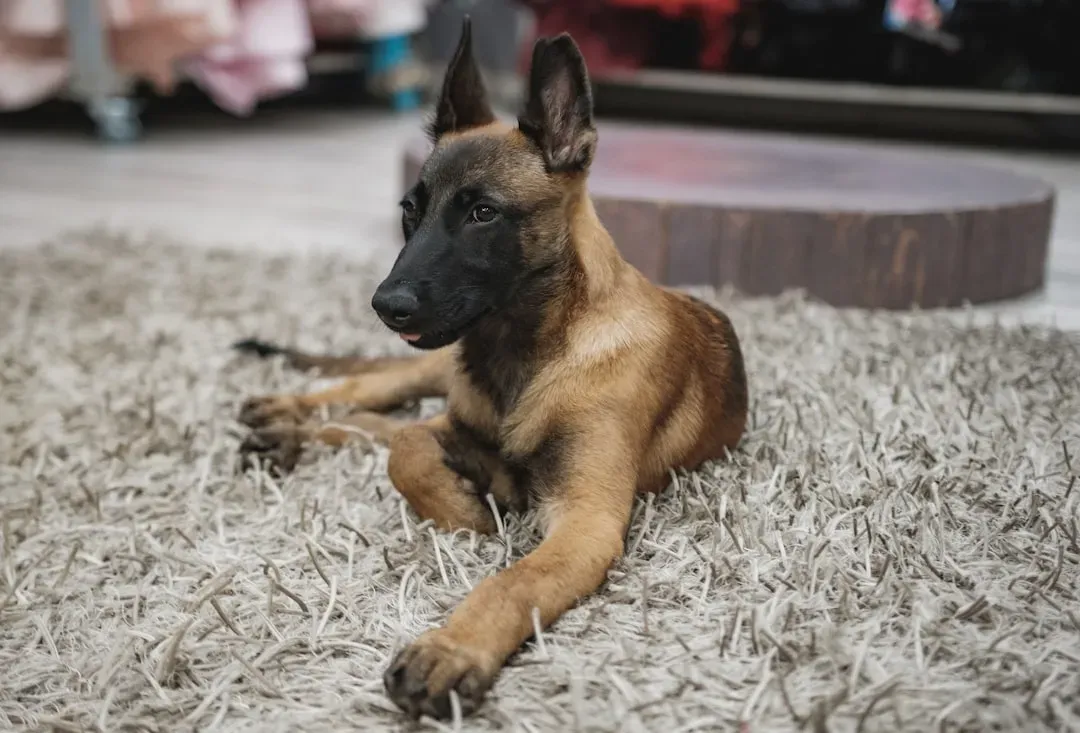
If there’s any large breed that is almost always “too much” for a quiet, retired lifestyle, it’s the Belgian Malinois. These dogs are used in elite military and police units because they have sky‑high energy, laser‑focus, and an almost obsessive drive to work. Many Malinois will happily run, jump, and train for hours and still be ready for more.
Living with one usually means constant engagement: advanced obedience, protection sports, agility, scent work, or other intense outlets. Without that, they can become frustrated and may channel their energy into destructive or even dangerous behaviors. For a senior who just wants a calm dog to cuddle and walk, trying to meet a Malinois’ needs can feel like raising an extreme athlete who never learned the meaning of the word “relax.”
5. Labrador Retriever (Field Lines): The Friendly Dog Who Never Stops Moving
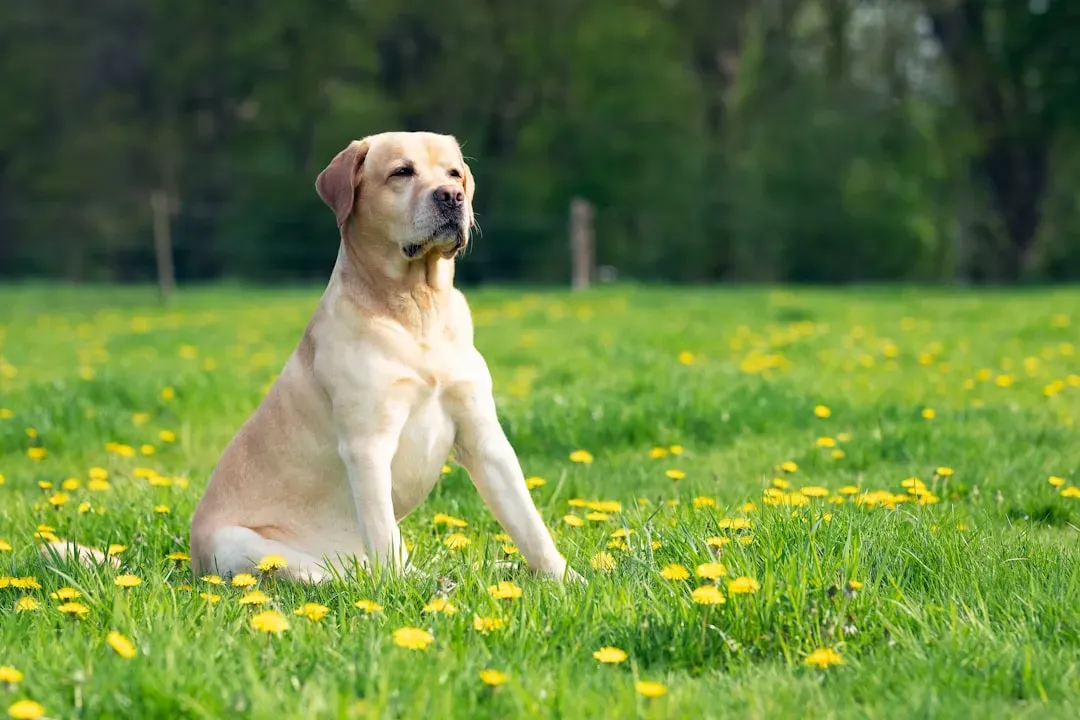
Labs have a reputation as perfect family dogs, and in many ways that’s deserved. But there’s a big difference between calm, show‑line Labradors and high‑drive field or working lines bred for retrieving all day in hunting environments. Those working Labs tend to be energetic, excitable, and always ready to go, especially in their younger years.
They often need long daily walks or runs, regular play sessions with fetching or swimming, and solid training to keep their enthusiasm in check. Without that, they can become mouthy, bouncy, and a bit like a friendly bowling ball crashing through the house. For a senior with limited mobility, arthritis, or balance issues, a large, enthusiastic Lab that greets you by launching its whole body at you can be a risky and exhausting mismatch.
6. Weimaraner: Velcro Athlete With Endless Stamina
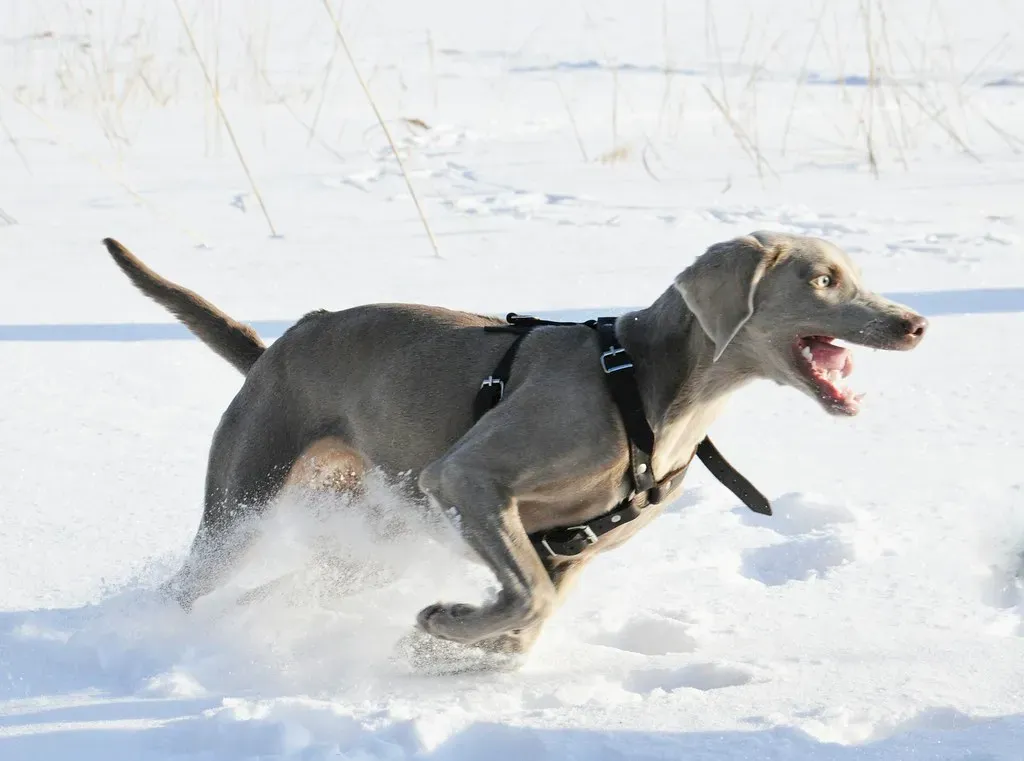
Weimaraners were developed as hunting dogs, built to cover ground and stay alert for long hours alongside their human. That heritage shows up today as intense loyalty, high energy, and a strong need to be both physically and emotionally close. They’re often called “velcro dogs” because they want to be attached to you, but unlike a calm lap dog, they bring a powerful body and buzzing energy.
Most Weimaraners need vigorous daily exercise like running, hiking, or long, purposeful walks, plus mental stimulation through training, games, or scent work. If they do not get that outlet, they can easily become anxious, destructive, or hyper‑attached, which can be draining for any owner. For seniors wanting independence, downtime, and gentle companionship, living with a restless Weimaraner can feel more like sharing space with an overcaffeinated shadow.
7. Dalmatian: Spotted Powerhouse With a Racing Past
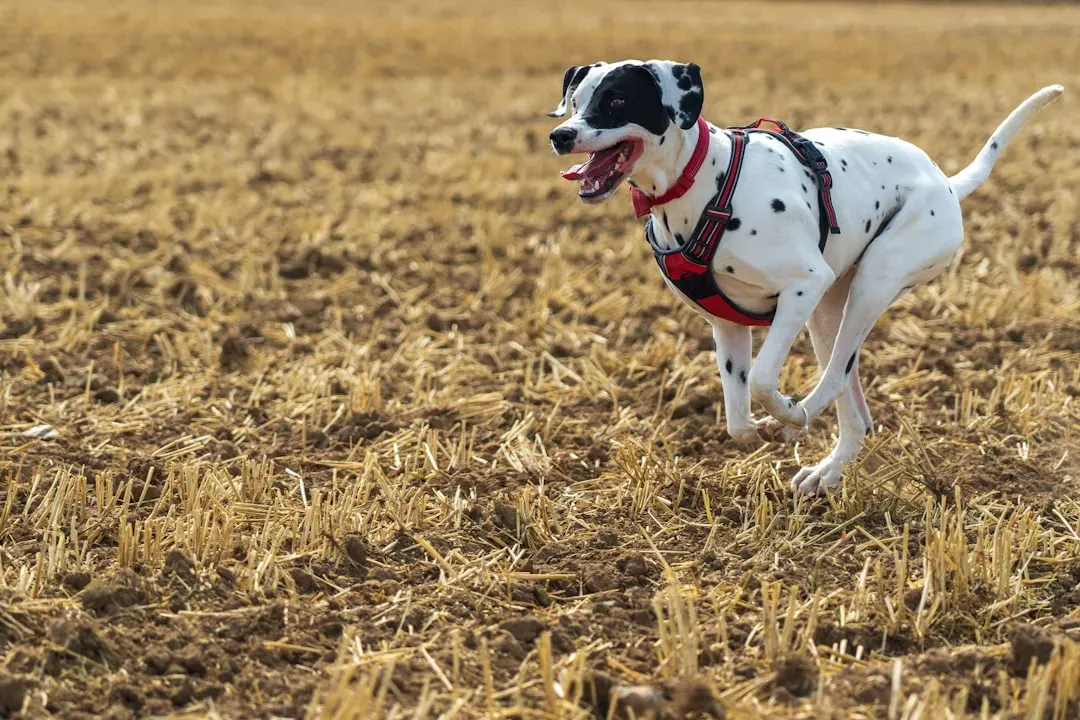
Dalmatians have a long history as carriage and coach dogs, trotting alongside horses for miles, which means they come naturally equipped with serious stamina. Many modern Dalmatians still have that go‑go‑go attitude, needing more than a quick walk to be satisfied. They often thrive on running, advanced training, and structured games that challenge both mind and body.
They can also be sensitive, easily bored, and sometimes prone to mischief when not properly exercised. A restless Dalmatian may turn to chewing, digging, or hyperactivity that’s hard to live with in a quiet home. For seniors hoping for a peaceful, predictable routine, this spotted athlete is often just too intense, more like having a fitness buddy who never stops nagging you to go faster.
8. Boxer: Playful Clown With a High‑Octane Engine
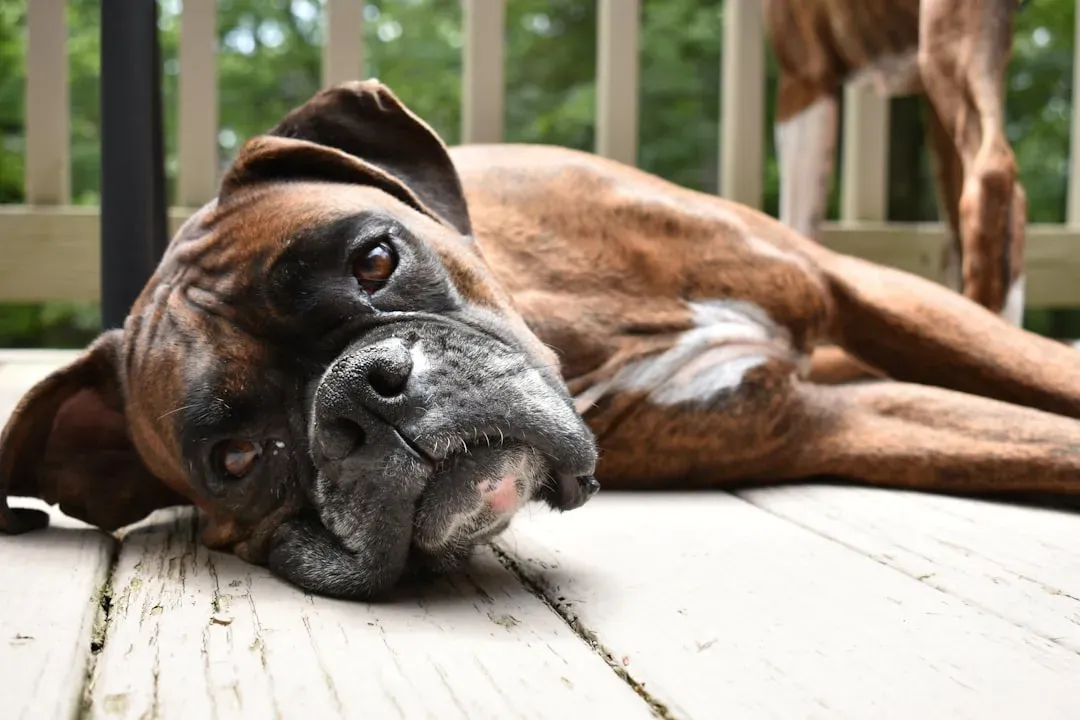
Boxers are famous for their goofy personalities, expressive faces, and bouncy play style. Underneath that clownish charm, though, is a muscular, athletic body that wants to move, jump, and wrestle. Many Boxers stay puppy‑like and energetic far longer than people expect, well into what should be their calmer adult years.
They usually need substantial daily exercise and interactive play, not just casual pottering around the yard. Their enthusiasm can easily knock over someone unsteady on their feet, and their need for engagement can be exhausting if you’re looking for a dog that’s content to just nap by your side. For a senior who values tranquility and a more predictable pace, a Boxer’s combination of power and playfulness can feel like too much of a good thing.
9. Rhodesian Ridgeback: Quiet at Home, Sprinter in the Field
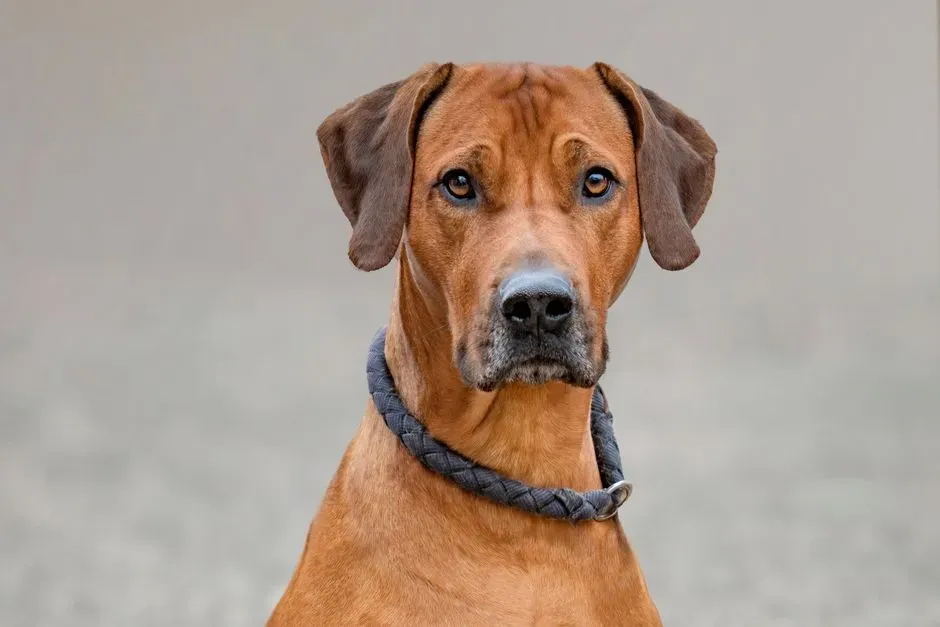
Rhodesian Ridgebacks can appear deceptively calm indoors, which can mislead people into thinking they’re naturally low‑energy. But these dogs were bred to cover long distances and handle tough conditions, originally in hunting roles. Beneath that dignified exterior is a powerful athlete who often needs regular off‑leash running or very long walks to truly be satisfied.
They’re also independent thinkers, sometimes aloof and not always eager to obey just because you asked nicely. Managing that combination of strength, independence, and athleticism can be physically demanding and sometimes intimidating. For seniors who do not have access to large, secure spaces or the stamina for longer outings, a Ridgeback’s exercise needs and physical power can quietly but consistently outpace their lifestyle.
10. Vizsla: Sensitive Soul in an Energizer Body
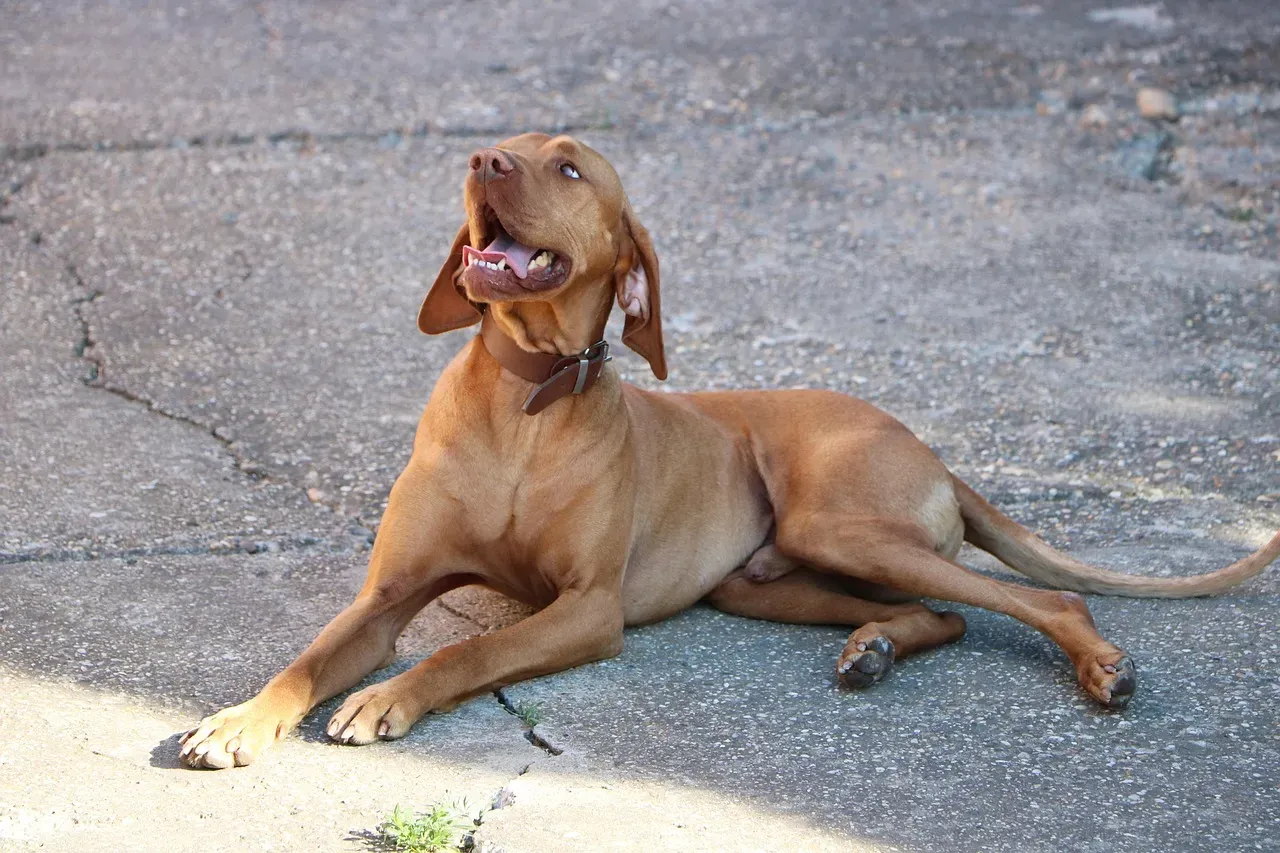
Vizslas are affectionate, sensitive, and deeply bonded to their people, which makes them emotionally appealing to many. But they’re also high‑energy hunting dogs originally bred to work closely with humans in the field. That means they typically need lots of structured exercise, running, and engaging training sessions to stay balanced.
Without enough activity and mental stimulation, many Vizslas become clingy, restless, and prone to anxiety or destructive behaviors. They do not usually thrive on a slow, under‑stimulating routine and can become a constant source of guilt for an owner who simply cannot keep up. For seniors hoping for calm companionship and relaxed days, this sweet but intense “velcro athlete” is often just more dog than they realistically want or need.
Conclusion: When Loving Dogs Means Choosing the Right One
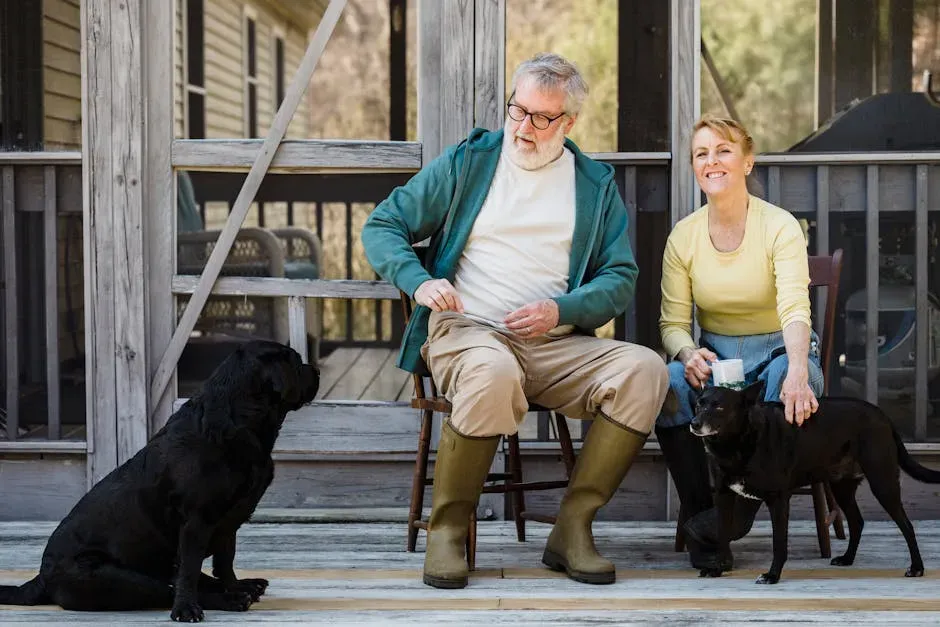
Looking at these ten breeds, there’s a clear pattern: they’re smart, athletic, and capable of incredible things, but that greatness comes with serious energy and maintenance. I love many of these dogs personally, but I also know from experience that when their drive collides with an owner’s quieter lifestyle, everyone ends up a little frustrated and tired. Choosing against them for a senior home is not a criticism; it’s an act of honesty and kindness.
For a peaceful retirement, it often makes more sense to look for calmer temperaments, lower exercise needs, and dogs that are content with slow walks and long naps. That way, the relationship becomes about shared comfort, not unmet expectations and constant compromise. In the end, the kindest choice is the one where both human and dog can truly relax together – and for many seniors, that simply is not a high‑octane working breed. If you imagine your ideal day ten years from now, does the dog in that picture look like a marathon runner, or a quiet friend dozing by your chair?


