
Walk into a home with a small dog and you’ll quickly realize something slightly shocking: many of these pint‑sized pups are absolutely convinced they own the deed to the place. They patrol hallways like security guards, hog pillows as if rent is due, and give you that side‑eye when you dare to move “their” blanket. For such tiny bodies, the sense of entitlement can be hilariously huge.
But not all small dogs are little dictators. Some are surprisingly chill roommates who are genuinely happy to share their space, their bed, and even their favorite human. In this article, we’ll look at ten small breeds with big “this is my house” energy, and five that are usually delighted to coexist. None of this is absolute – personality and training matter a lot – but certain patterns show up again and again. Let’s dive into the drama.
1. Chihuahua – Pocket‑Sized Ruler Of Every Room
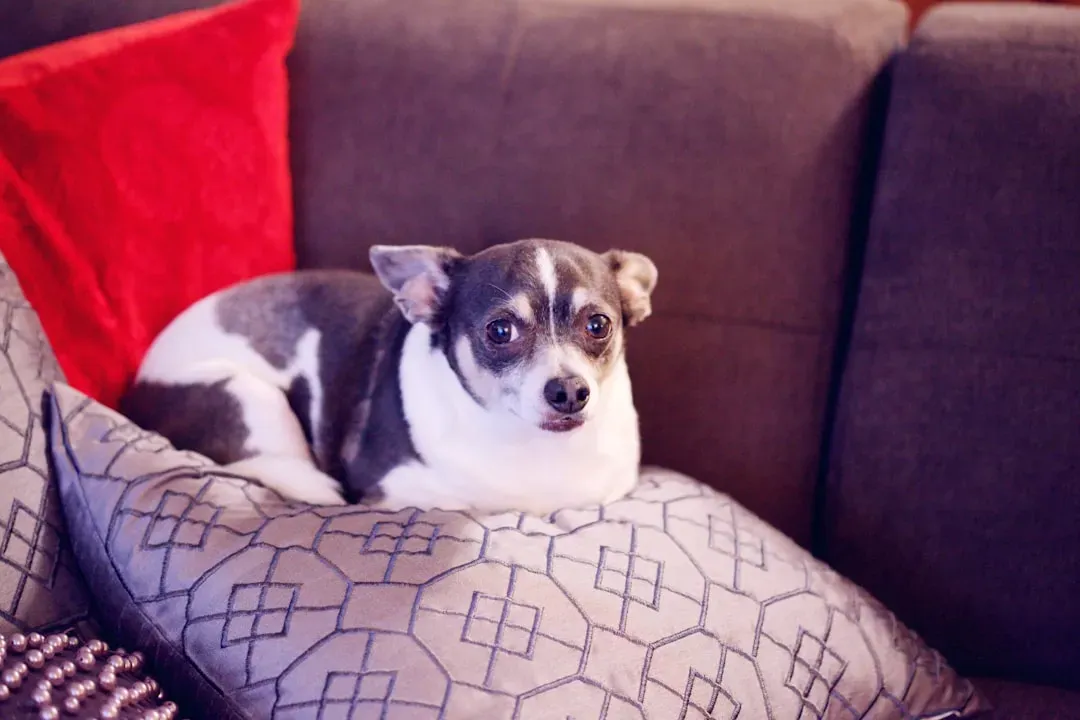
The Chihuahua might be the smallest dog in the world, but nobody told them that. Many Chihuahuas act like they own not just the couch, but the entire neighborhood, too. They’re famous for being bold, vocal, and hyper‑aware of anything that dares move within their line of sight, which makes them feel like self‑appointed house managers.
Because they’re so bonded to their favorite person, they can be a bit territorial about laps, pillows, and even doorways. I’ve met Chihuahuas who would squeeze their whole body into the crook of your arm and then glare at anyone who walked past the sofa. With good socialization and boundaries, they can learn to relax, but left unchecked, they’ll confidently claim every soft surface as theirs.
2. Dachshund – The Long‑Bodied Landlord
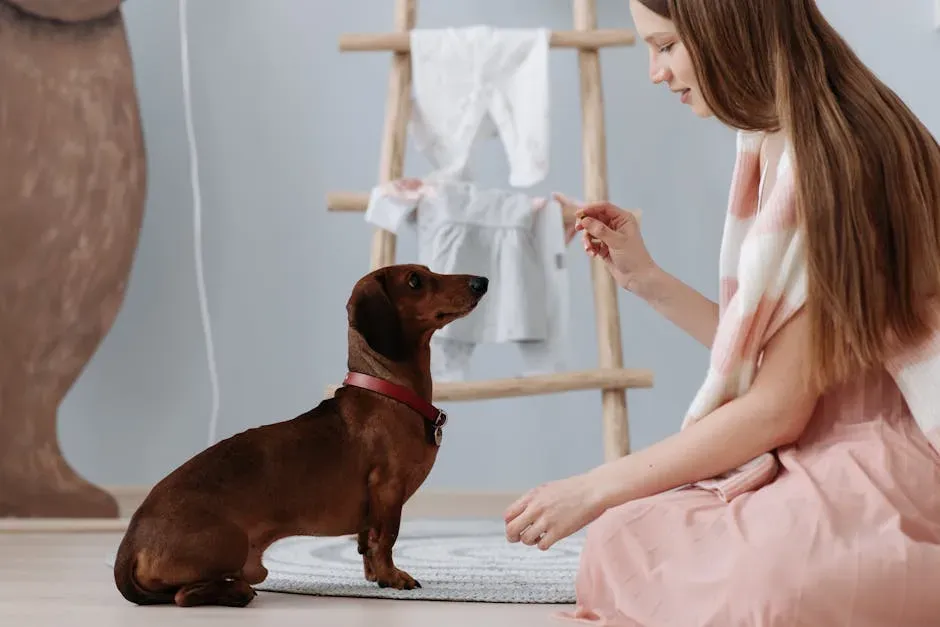
Dachshunds were bred to go after badgers underground, which already tells you a lot about their courage and stubborn streak. That same fearless attitude often shows up at home as a kind of “I’m in charge here” mindset. Many Doxies stomp around their territory like proud little landlords collecting emotional rent from everyone.
They tend to pick favorite spots – like the sunniest patch of carpet or the warmest blanket – and defend them with surprising determination. I’ve seen Dachshunds wedge themselves under a blanket and growl softly when another dog even looked at “their” lump. Strong leadership, mental stimulation, and clear rules can turn that bossiness into endearing confidence instead of household drama.
3. Yorkshire Terrier – Tiny Body, CEO Energy
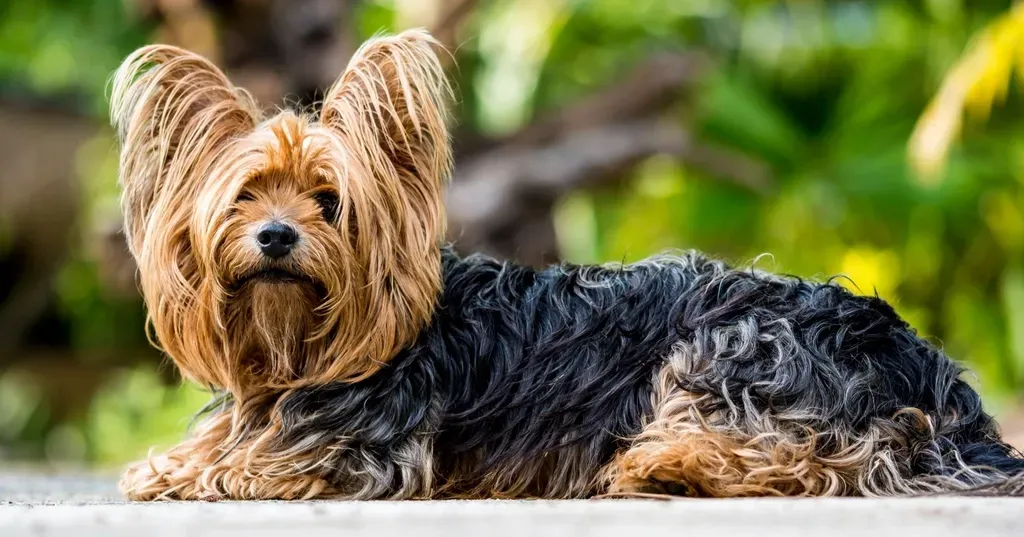
Yorkshire Terriers started out as rat hunters in English mills, and that working‑dog background still pops up in their strong opinions and high alertness. Many Yorkies walk into a room like a tiny executive late for a meeting, absolutely sure everything must adjust to them. They often attach strongly to their people and see themselves as part protector, part royalty.
Because they’re so sharp and observant, they quickly learn which behaviors get them what they want – barking at the door, commandeering your lap, or nudging your hand until petting resumes. Without structure, that confidence can morph into “this whole apartment is mine, and you’re just the help.” With training and boundaries, though, their boldness becomes charming rather than controlling.
4. Pomeranian – Fluffy Little Monarch
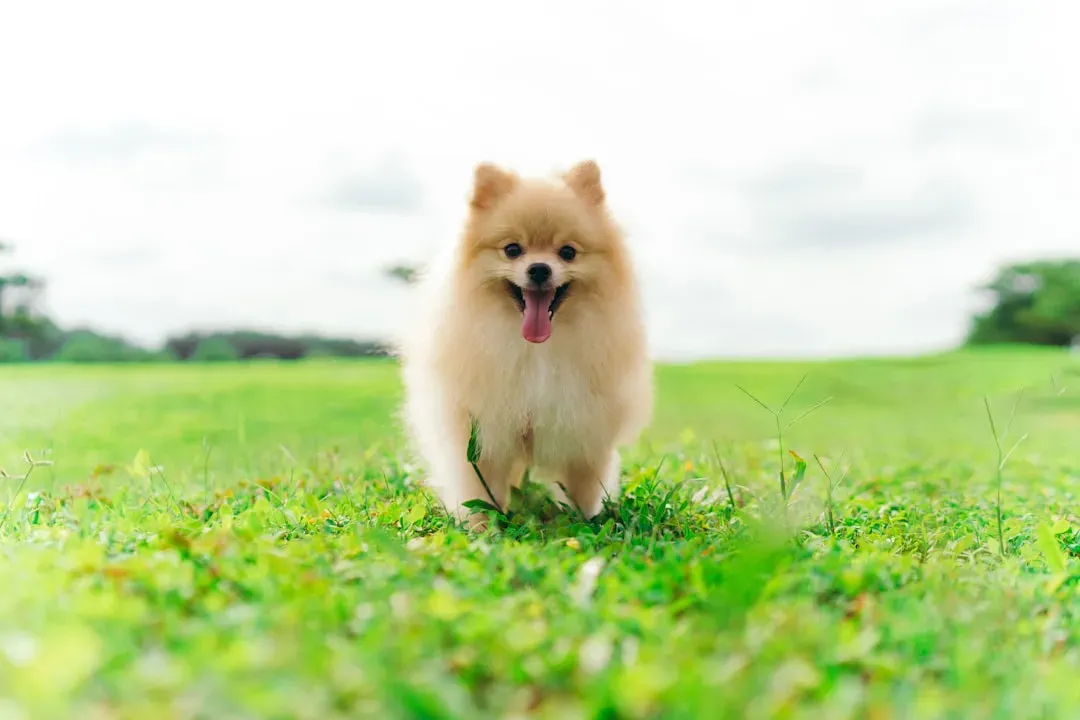
Pomeranians look like animated cotton balls, but do not be fooled – many have the attitude of a monarch on a velvet throne. Bred down from larger Spitz‑type dogs, they still carry that watchful, slightly aloof confidence that makes them feel like they’re supervising the household staff. Their constant awareness of noises and movement can translate into serious “this is my domain” behavior.
They’re often quick to bark at strangers, guard their favorite toys, and insist on the best seat on the couch. A Pomeranian will happily perch on the back of the sofa, surveying everything like a fluffy sentry. If owners reward that behavior without realizing it, they end up with a dog who genuinely believes every doorway, cushion, and human in the house falls under their jurisdiction.
5. Jack Russell Terrier – High‑Voltage House Commander
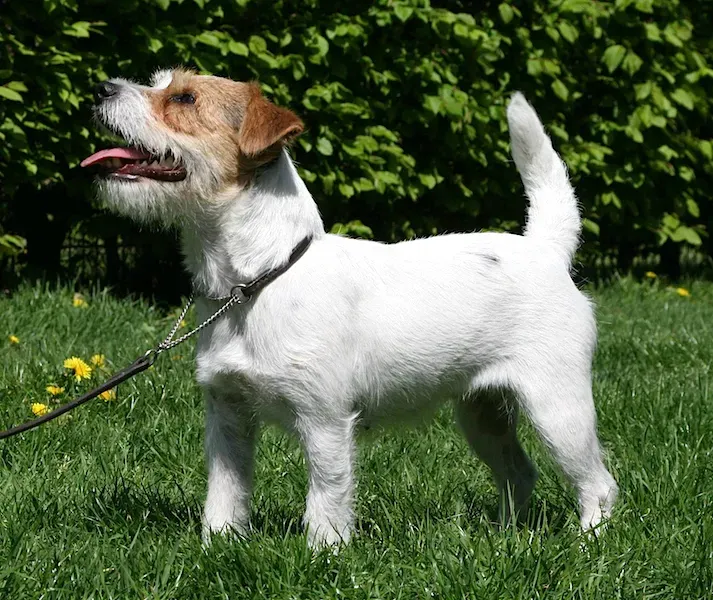
Jack Russell Terriers are all drive, all the time. Originally bred for fox hunting, they’re incredibly energetic, smart, and persistent. Put that much intensity into a small body, and you often get a dog that treats the living room like a personal action movie set – and themselves as the star and director.
They can become territorial about their toys, their yard, and even the route you walk around the kitchen. If they’re under‑exercised, that natural confidence can slide into bossy or even snappy behavior, especially with other pets. With enough exercise, brain games, and firm but fair rules, they can still feel important without acting like tiny tyrants running a chaotic kingdom.
6. Shih Tzu – Little Emperor Of The Sofa
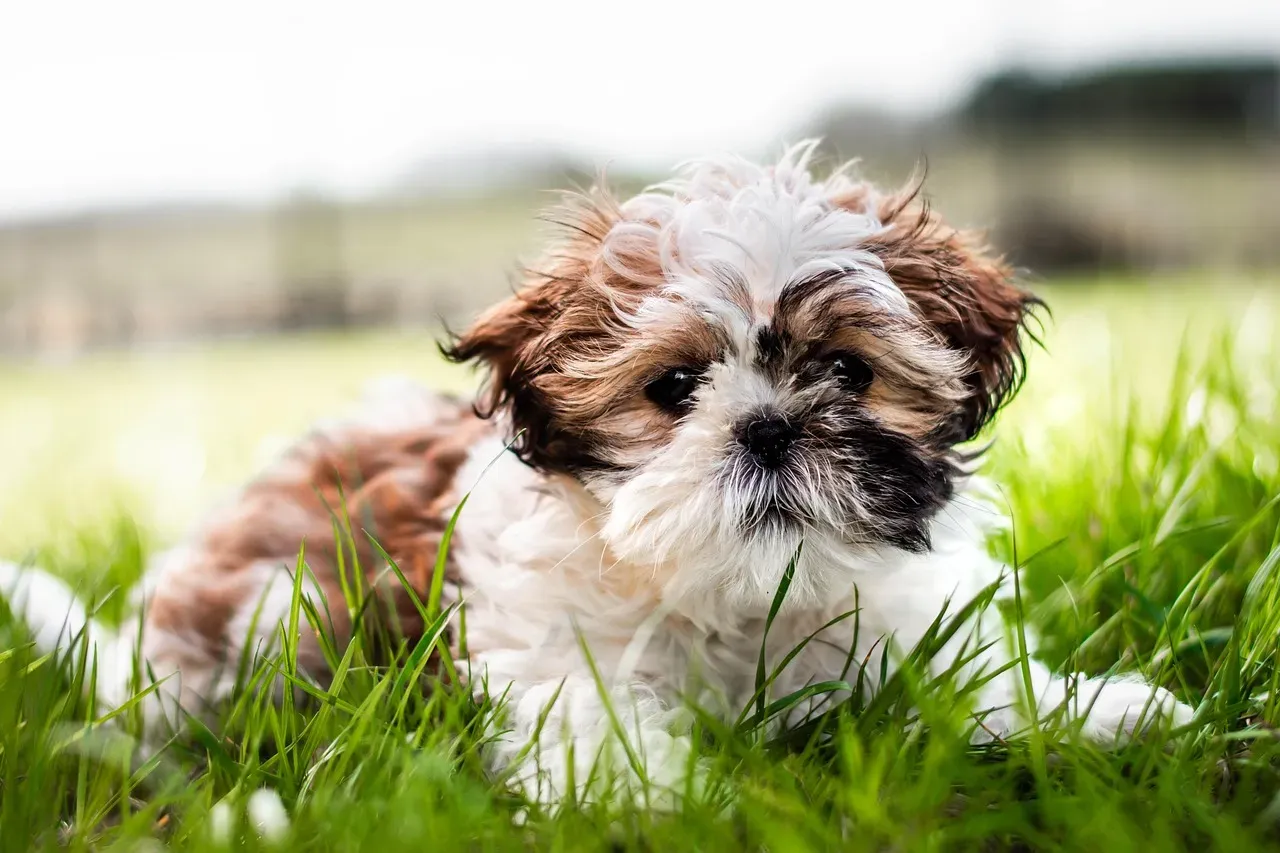
Shih Tzus were bred as companion dogs for Chinese nobility, and it really shows in the way many of them move through a home. They often have a relaxed, regal manner, like they fully expect the most comfortable spot in the room to be reserved for them. It is not unusual to see a Shih Tzu claim the center of the couch and sigh dramatically if moved.
They can be quite attached to their family and may become possessive of laps, beds, or even specific people. I’ve known Shih Tzus who would wedge themselves between their favorite human and any other dog, as if to gently but firmly say, “this person is taken.” With solid socialization and routines, their royal attitude becomes sweet rather than controlling, but the sense of entitlement is usually still there under the surface.
7. Miniature Pinscher – The Self‑Appointed House Marshal
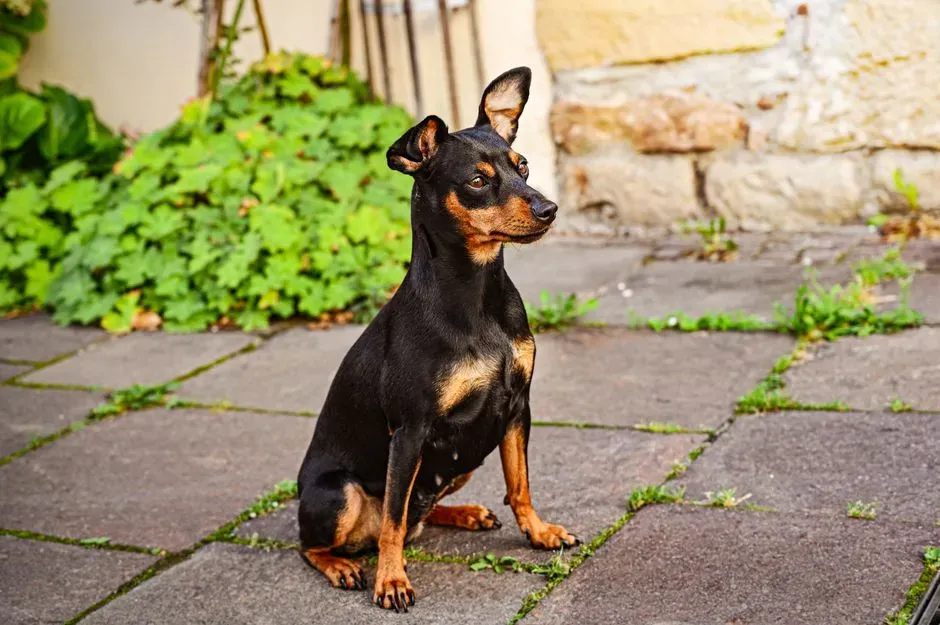
Despite the nickname “Mini Doberman,” Miniature Pinschers are actually an older breed with their own distinct heritage as alert little watchdogs. They are confident to the point of cocky, often strutting around the house with a high step like they’re inspecting the troops. Many owners describe their Min Pins as convinced they run security operations for the entire household.
Because they’re so alert and fearless, they tend to react strongly to movement at windows, doors, or even down the hallway. They may also guard favorite beds or people from other animals with a kind of intense seriousness you wouldn’t expect from such a small body. Training, impulse control games, and lots of structure are essential so they feel secure without trying to micromanage every corner of the home.
8. Lhasa Apso – Ancient Sentinel With Modern Opinions
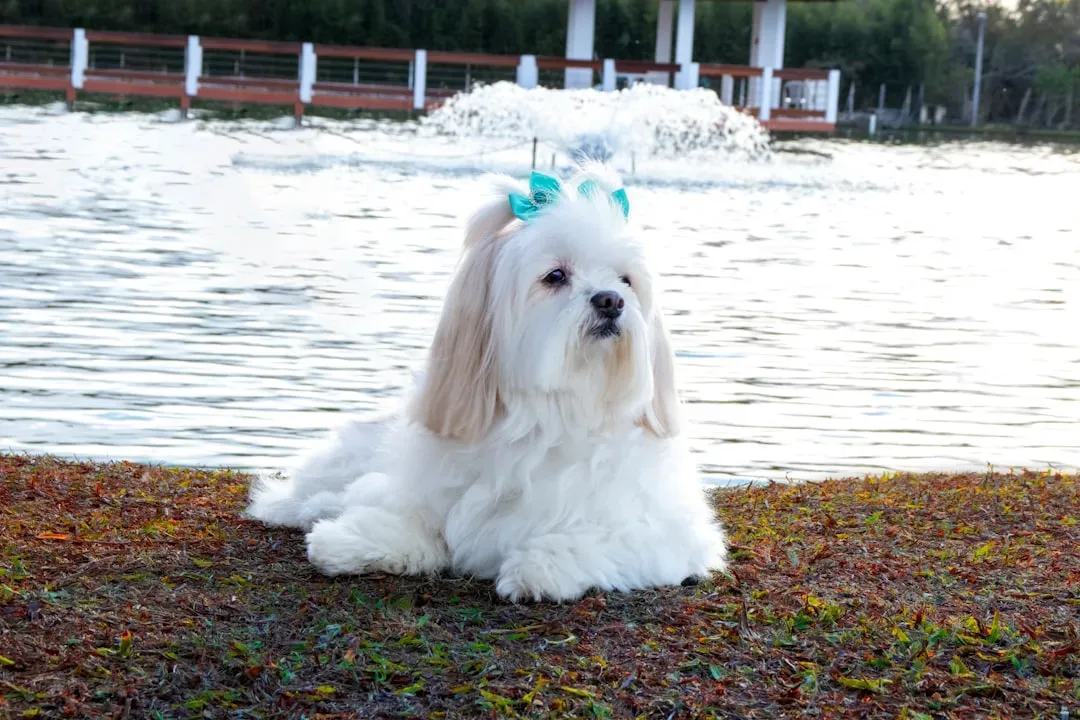
Lhasa Apsos were originally bred as sentinel dogs in Tibetan monasteries, which explains their strong guarding instincts and independent streak. Even today, many Lhasas behave like they’re guarding a sacred temple rather than a two‑bedroom condo. They often decide who is allowed near the sofa, the hallway, or the front door – and who gets the suspicious stare.
They can form deep bonds with their family and be surprisingly affectionate, but they typically like to control when and how that affection happens. I’ve seen Lhasas hop off a lap with a distinct air of “we’re done here” before patrolling to another room. With patient socialization and clear boundaries, they can be wonderfully loyal companions, but that guardian mindset means they often feel the house is fundamentally theirs.
9. Scottish Terrier – The Stubborn Little Property Owner
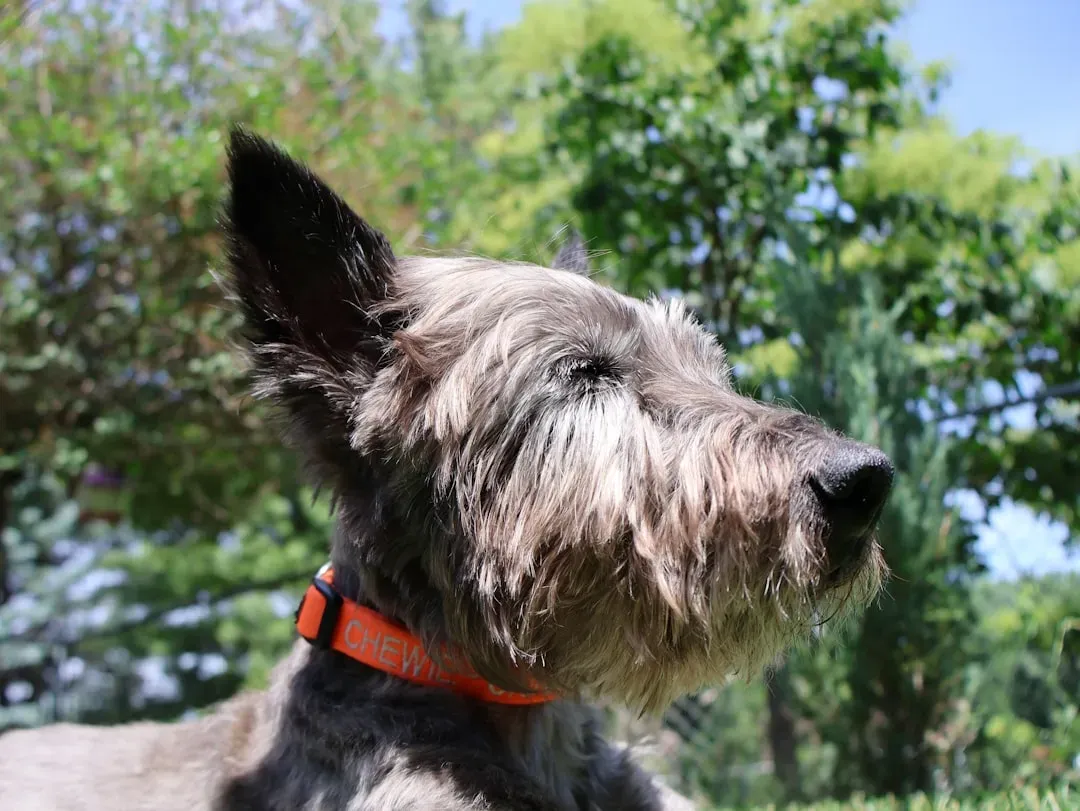
Scottish Terriers, or Scotties, were bred as independent hunters in rough terrain, which encouraged a lot of self‑confidence and determination. At home, that can translate into a dog who has very fixed ideas about who sits where, which toys belong to whom, and what the daily routine should be. They’re often quite serious and dignified, giving the impression they own the place and you’re lucky to be included.
Scotties can be reserved with strangers and may develop territorial behaviors, especially around doors and windows. With their strong will, they need consistent, respectful training – no harsh methods, but also no giving in just because they look adorable. When that balance is right, you get a loyal companion who still acts like a proud little property owner, but one who cooperates instead of argues.
10. Pekingese – Royalty On Four Short Legs
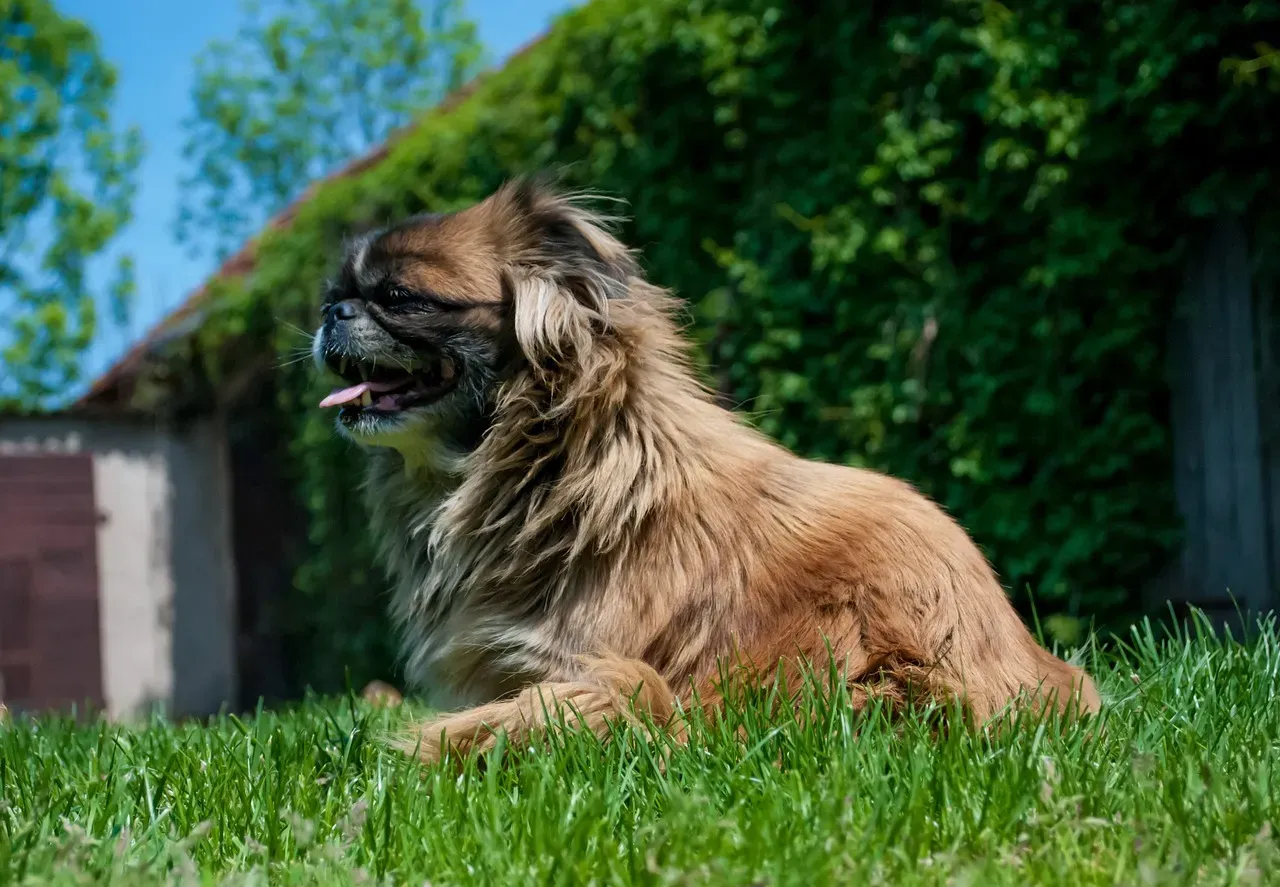
The Pekingese has one of the most obviously royal backstories of any small breed, developed as sacred lapdogs for Chinese imperial families. It is not hard to see that lineage in how many Pekingese behave at home. They often move slowly and calmly, like everything in the house is there to support their comfort, from rugs to pillows to humans.
They can be reserved, sometimes aloof with strangers, and quite particular about who is allowed to touch them and when. Some will guard their chosen resting places with surprising seriousness, clearly believing that certain cushions or chairs belong primarily to them. When well socialized and given respectful structure, they can be affectionate and loyal, but there’s usually still a hint of old‑world royalty in how they occupy space.
11. Cavalier King Charles Spaniel – The Gentle Space‑Sharer
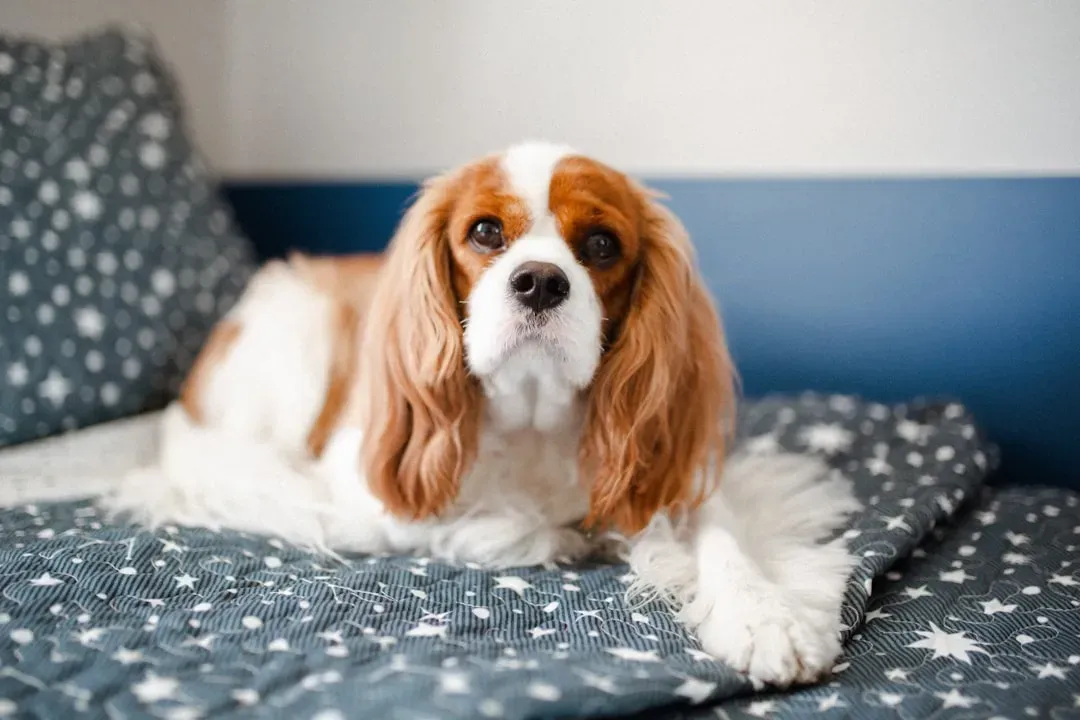
Now we move into the small dogs that, on average, are much more willing to share their space. Cavaliers were bred as companion dogs, and they seem almost purpose‑built for togetherness. Many are happiest when pressed against you on the couch, with zero sense of needing to “own” that spot beyond simply wanting to be close.
They tend to be sociable with people and other dogs, which makes them easier to integrate into multi‑pet households. Sure, individual Cavaliers can be clingy, but it usually feels more like a desire for company than a territorial claim. In my experience, they’re the kind of dogs that will scoot over on the bed rather than stiffen up when another pet climbs on.
12. Bichon Frise – The Social Butterfly Roommate
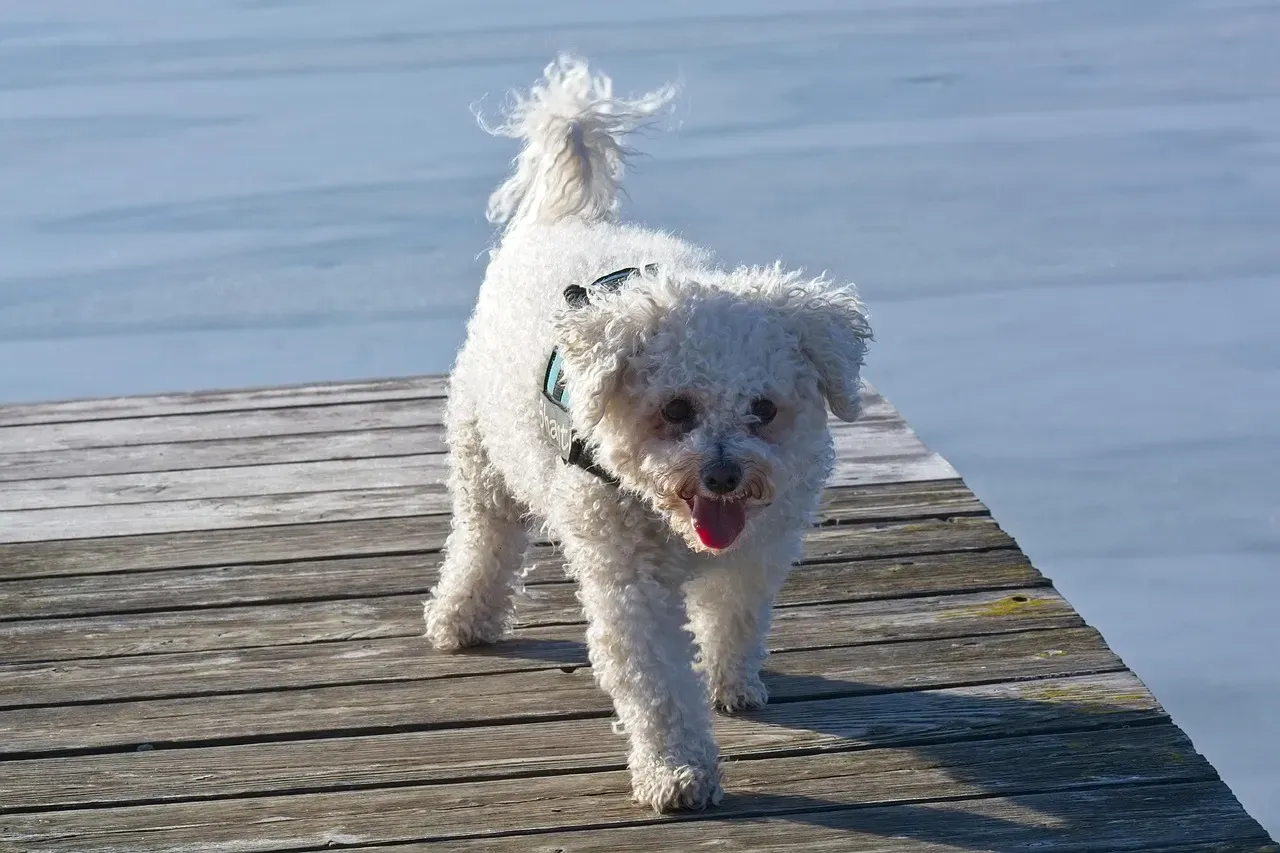
Bichon Frises were historically used as companion and performance dogs, often living closely with humans in busy environments. That long history of social living shows up as a friendly, outgoing personality that usually prefers shared spaces over solitary thrones. Many Bichons are thrilled to greet guests and are happy to make friends with other animals in the home.
They’re often more focused on interaction than ownership – playing, cuddling, and following people from room to room. While any dog can develop guarding issues, the typical Bichon temperament leans more towards “the more, the merrier” than “this is mine.” They can feel like cheerful roommates who just want to be part of whatever is happening, rather than little landlords enforcing rules.
13. Maltese – Velcro Lapdog, Not A Territory Boss
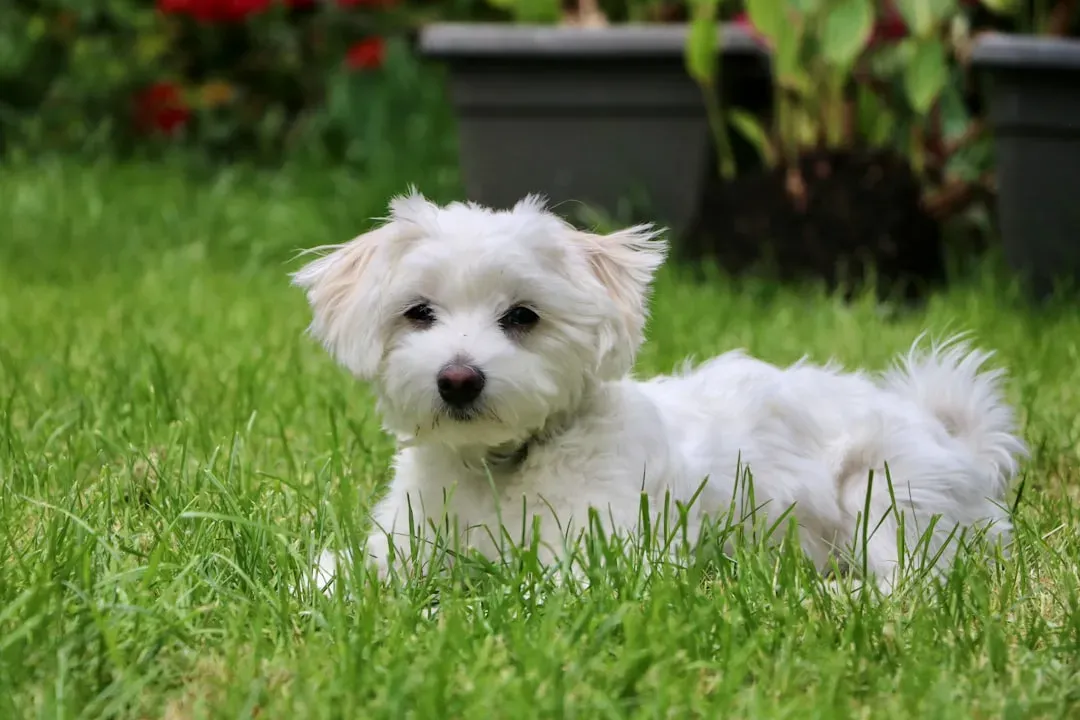
The Maltese has been a lapdog for centuries, but unlike some royal‑feeling breeds, many of them seem more interested in affection than control. They’re often gentle, playful, and people‑oriented, following their owners around like soft, fluffy shadows. Instead of guarding particular spots, they mostly care about where their favorite humans are.
They can be sensitive and do best with positive, kind training, which helps them feel safe without needing to claim territory. In multi‑pet homes, a well‑socialized Maltese often adapts well, learning to share beds, toys, and laps. If anything, they’re more likely to squeeze in wherever there is love and warmth available, rather than push others away to keep it for themselves.
14. Havanese – The Easygoing Family Comedian
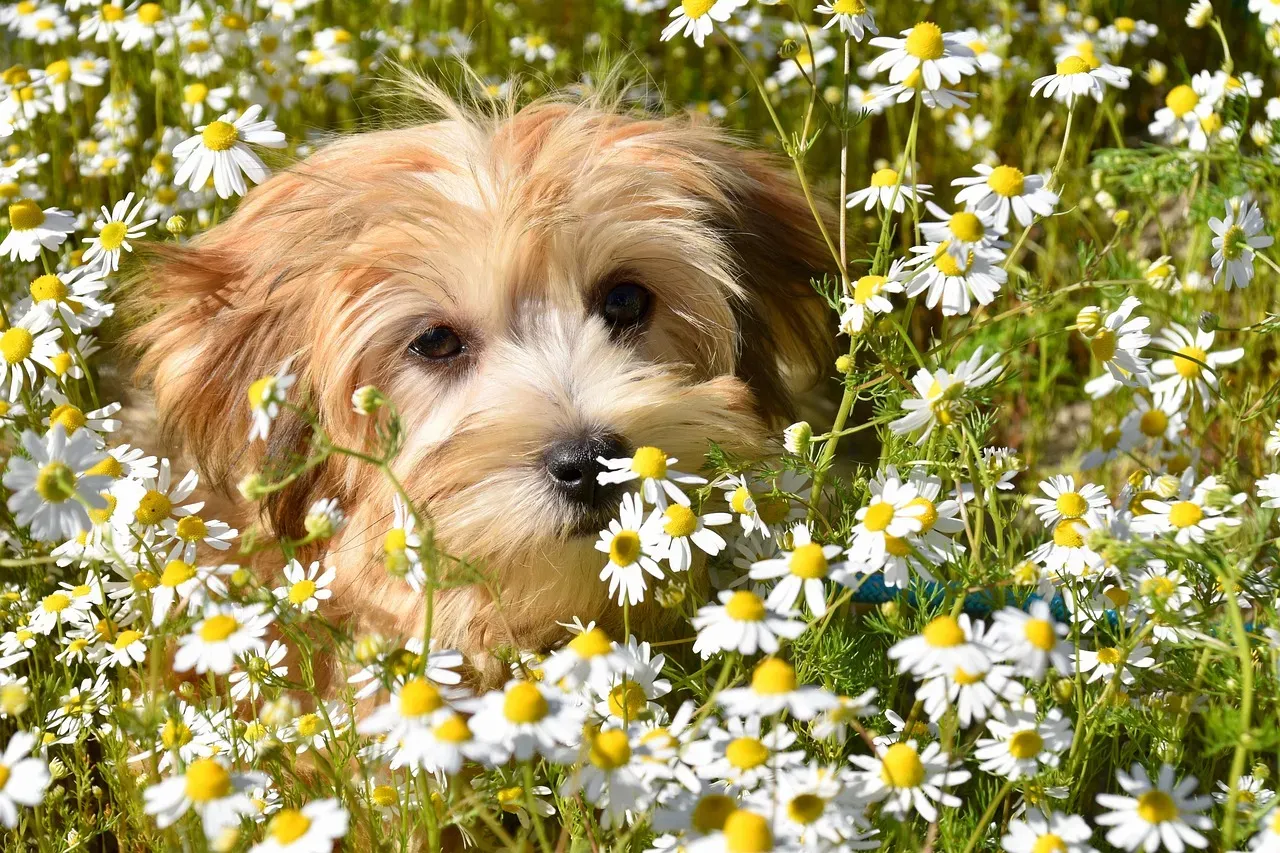
Havanese dogs were developed as companion animals in busy family environments, and they usually act like it. They’re playful, adaptable, and often downright goofy, more interested in games and cuddles than guarding a particular cushion. Their sociable nature makes them good candidates for homes with kids, visitors, and other pets.
Because they’re so people‑focused and eager to join the fun, they typically do not want to isolate themselves on “their” chair. Instead, they pop from lap to lap, happily sharing attention and space. When properly socialized, a Havanese feels more like the class clown of the household, not the strict headmistress enforcing territory rules.
15. Papillon – Alert But Surprisingly Willing To Share
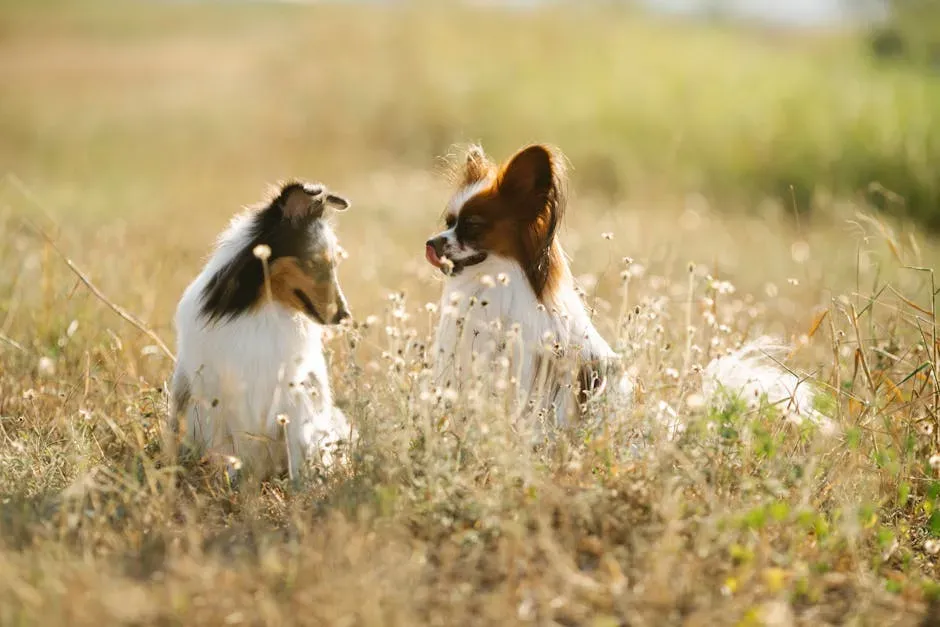
Papillons are small, elegant spaniels known for their big, butterfly‑like ears and quick minds. They are definitely alert and energetic, and they’ll notice every sound in the house, but many are more about interaction and play than owning specific spaces. They often excel in sports like agility, which channels that alertness into teamwork rather than territorial guarding.
While a Papillon can be protective of their people, their typical temperament leans toward confidence without excessive possessiveness. In homes with clear routines and good socialization, they usually adapt well to sharing beds and sofas with other pets. They come across less like tiny dictators and more like energetic friends who are happy as long as they’re included in whatever is going on.
Conclusion – It’s Not Just The Breed, It’s The Deal You Make
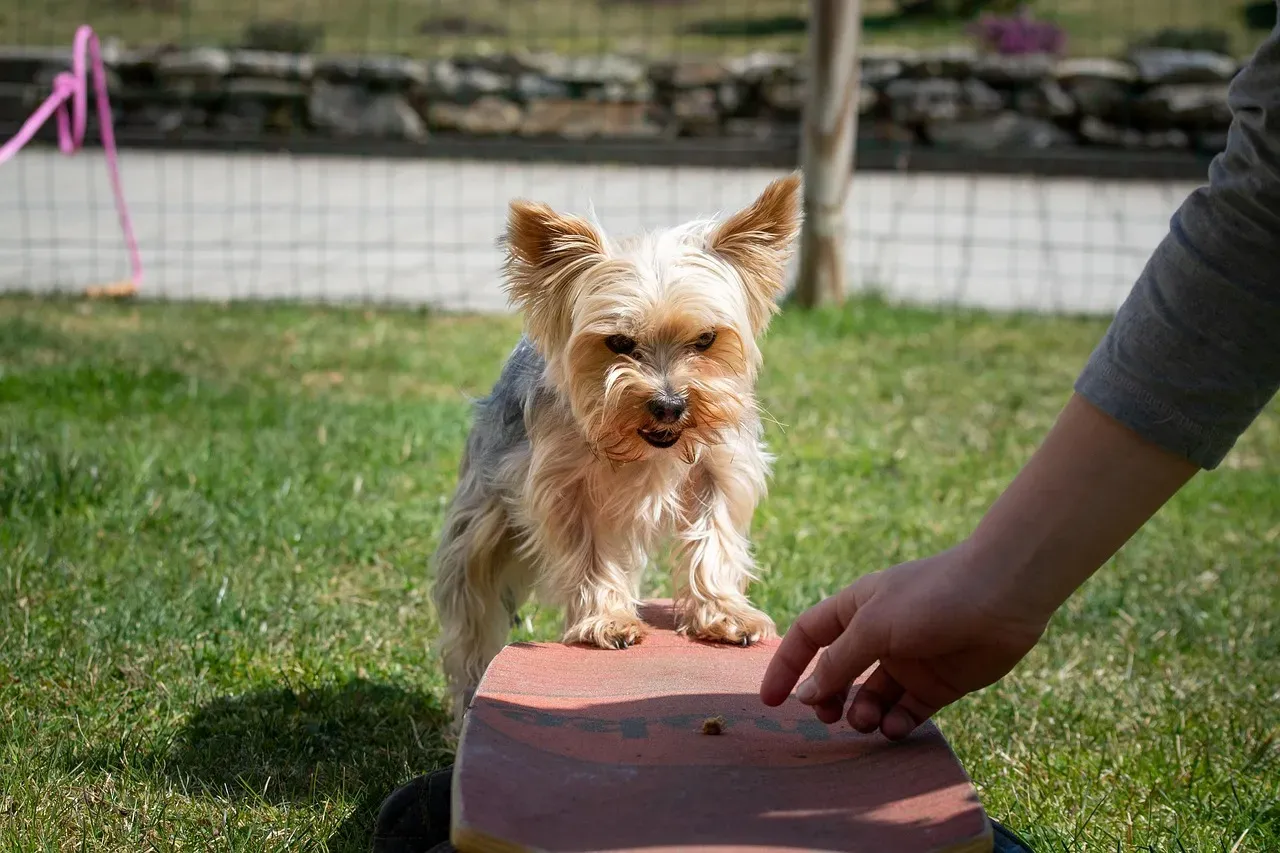
Looking across these breeds, a pattern emerges: many of the so‑called “bossy” small dogs were bred for guarding, hunting, or close watch duties, while the more easygoing sharers have long histories as pure companions. But here’s the part I feel strongly about: breed influences the script, yet you and your training write the final version. A Chihuahua can learn to be a gracious host, and a Cavalier can turn possessive if boundaries are never set.
In my view, small dogs often get away with behaviors that would never be tolerated in a big dog simply because they’re tiny and cute – so the house slowly, quietly becomes “theirs.” The magic balance is giving them structure, enrichment, and clear rules, while still honoring their big personalities. At the end of the day, the question is less “Which breed owns the house?” and more “What kind of roommate do you want to raise?”


