
Every dog owner eventually hits that moment: your dog does something that makes you furious or embarrassed, you react on instinct, and only later do you wonder if you actually made things worse. Many of the behaviors people punish in dogs are not defiance or “bad attitude” at all, but clumsy attempts to cope with stress, confusion, fear, or even love. When we miss the message behind the behavior, we end up shutting the dog down instead of helping them feel safer and understand what we want.
Once you start looking at your dog as a creature trying very hard to communicate in a second language, everything changes. What looked like stubbornness starts to look like anxiety, what seemed like spite turns out to be insecurity, and a lot of “misbehavior” becomes surprisingly logical. Let’s walk through twelve common behaviors that owners often punish, and unpack what your dog might actually be trying to say.
1. Barking at the Door or Out the Window
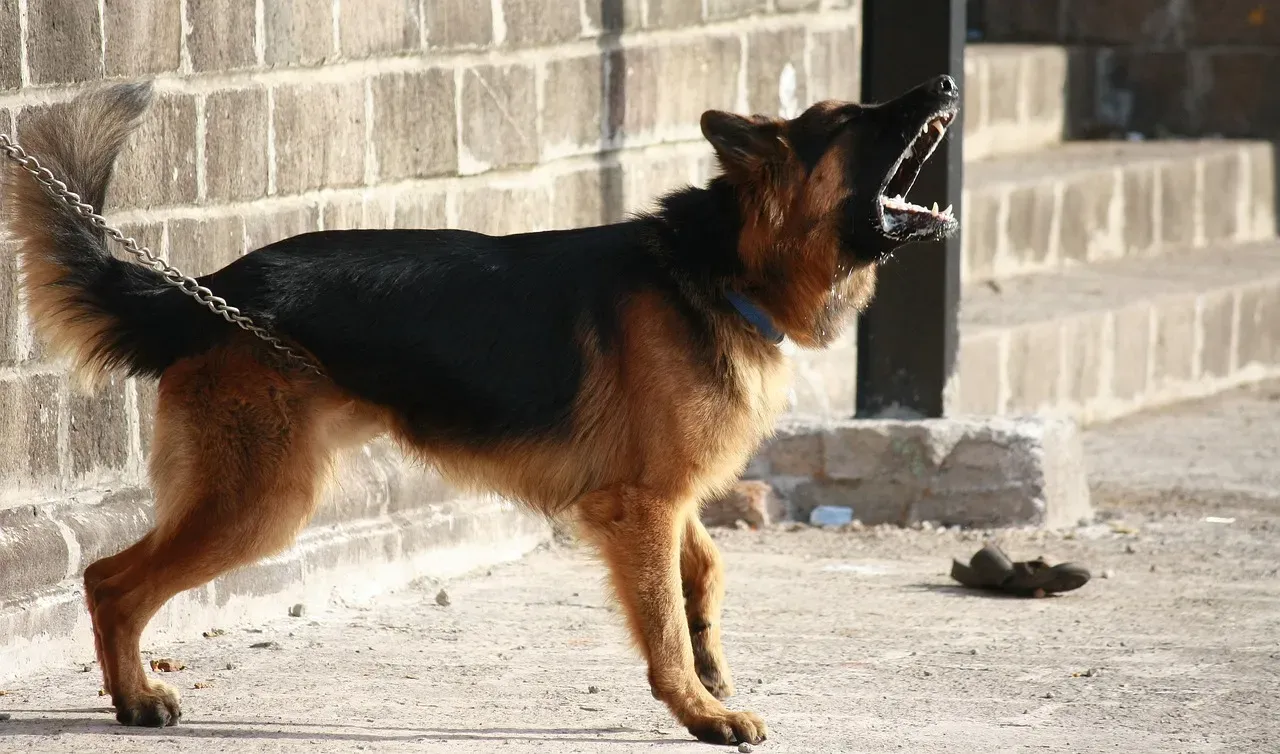
That burst of frantic barking when someone walks by the house is one of the fastest ways to annoy a human, but to your dog it often feels like essential security work. Many dogs are wired to alert their group to anything unusual, and the sound of someone on the porch or the sight of a stranger near the yard sets off that ancient alarm system. Punishing the barking without teaching an alternative can leave a dog confused, still on high alert, but now also worried about your reaction.
In a lot of cases, barking is not about dominance; it is about uncertainty. The dog sees or hears something, does not know if it is safe, and shouts the only word they have for “Hey, something’s happening!” Instead of yelling or punishing, you can step in as the calm security guard: thank the dog for the alert, then cue a behavior like “come” or “place,” and reward quiet. Over time, they learn that you handle the situation and they do not have to keep shouting about it.
2. Growling at People or Other Dogs
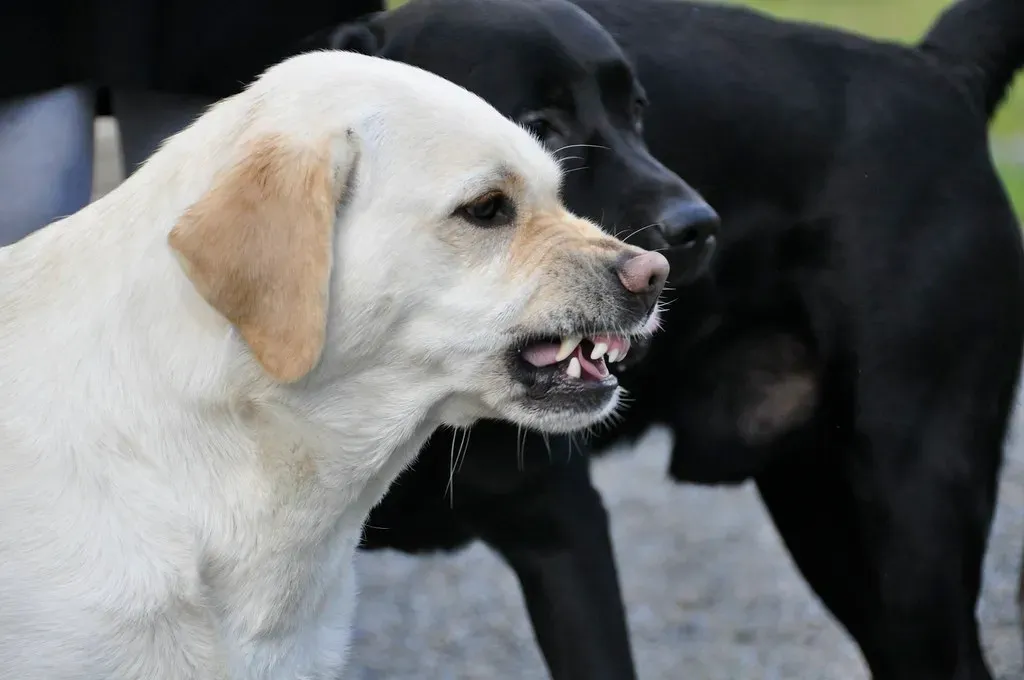
Growling can feel scary, especially if you are the one being growled at, so many people shut it down fast. But a growl is actually a warning signal, a dog’s way of saying they are uncomfortable and need space. When that signal gets punished, the dog does not suddenly feel better; they just learn that early warnings get them in trouble, and next time they may skip straight to a snap or bite.
If your dog growls, the safest and kindest response is to respect the message and create distance or change the situation. That might mean moving a child away, giving the dog a break from rough play, or leaving the park early. Later, you can work on gentle behavior modification with a professional if needed, pairing the scary trigger with good things at a distance the dog can handle. The goal is not to erase the growl; it is to reduce the need for it in the first place.
3. Pulling on the Leash
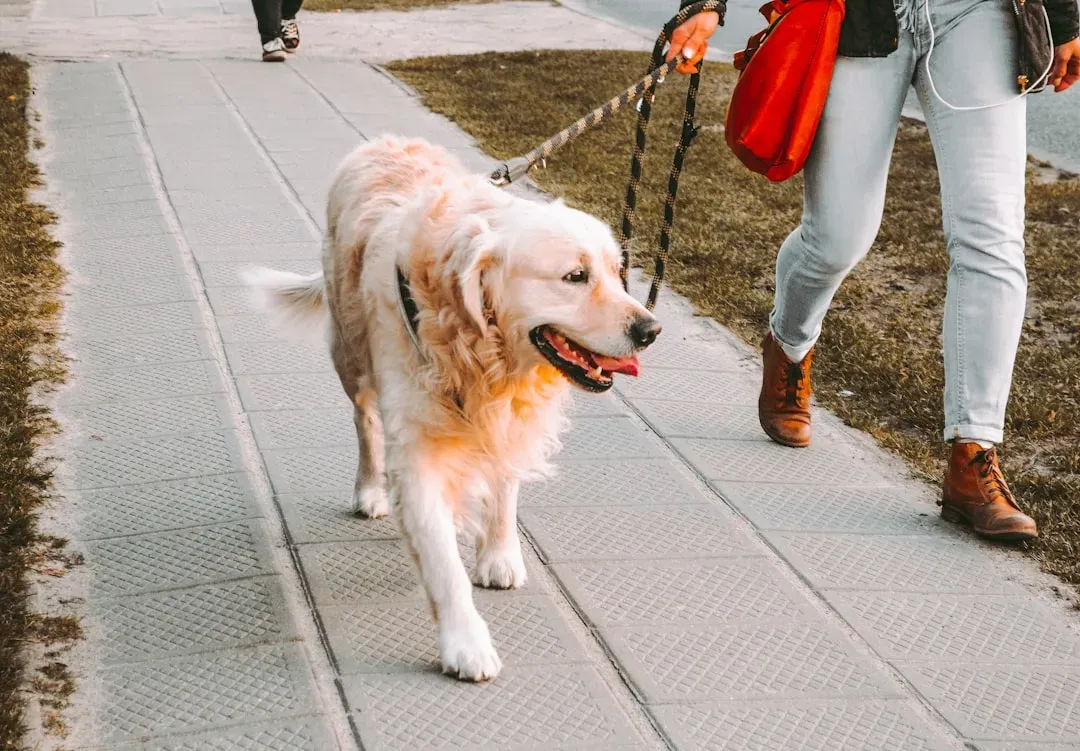
Leash pulling drives people nuts, and it is one of the most common things owners correct physically or angrily. From the dog’s point of view, though, walking into the world is like stepping into a theme park: new smells, sights, and sounds everywhere. Most dogs are never clearly taught how to walk on a loose leash; they simply learn that dragging forward works, because forward is where all the good stuff is.
Punishing a dog for pulling, especially with jerks on the collar, often just adds stress to an already overstimulating environment. Instead, think of leash training as teaching a slow dance. You reward when the dog is near you, change direction before the leash goes tight, and use food or toys to make your side of the leash worth staying close to. Over time, many dogs learn that the calm, connected walk leads to more freedom and fun than a frantic tug-of-war ever did.
4. Jumping Up on People
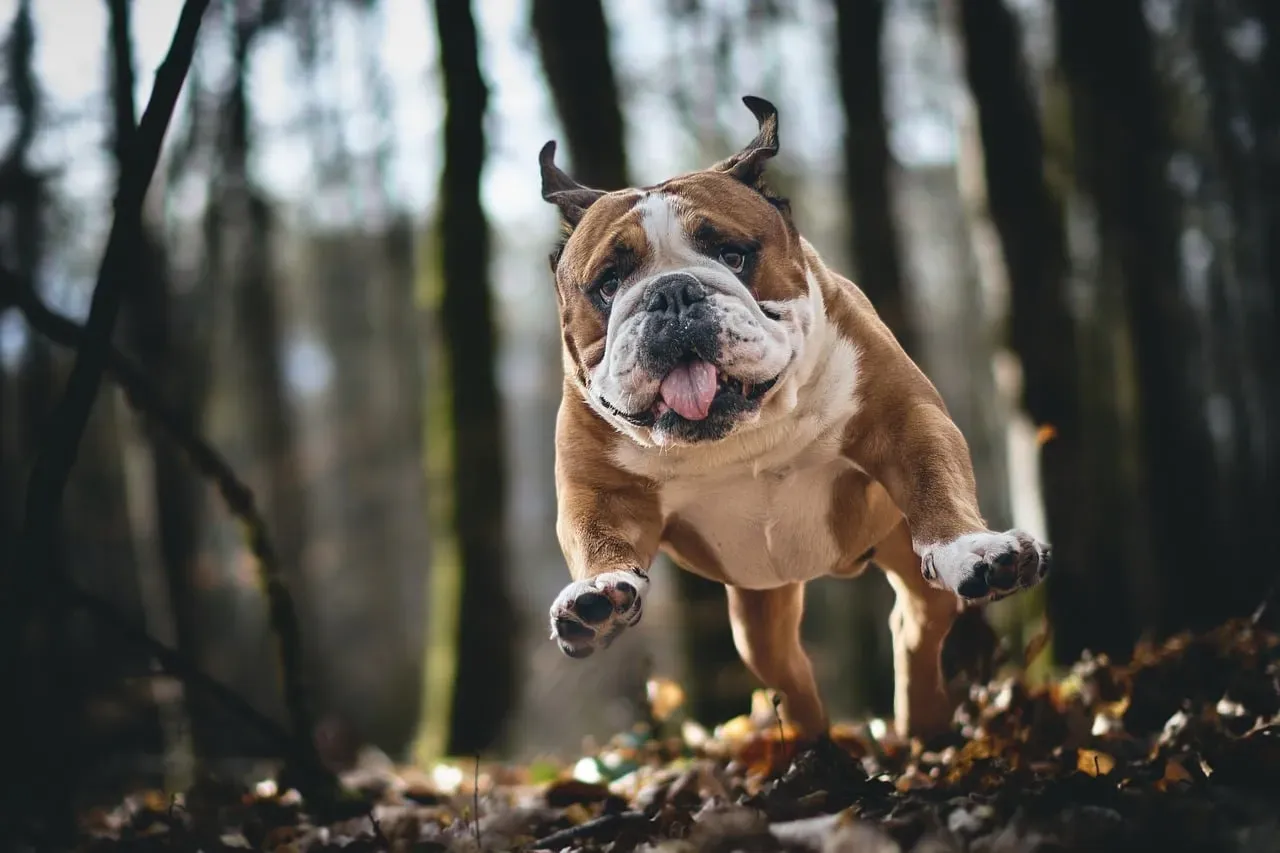
When a dog leaps at you right as you walk in the door, it is easy to label it as rude or disrespectful. From canine body language, though, jumping is often a greeting ritual, a way of getting their nose closer to your face where all your personal scent lives. Many puppies are unintentionally rewarded for it when people laugh, pet them, or bend down, so the habit becomes wired into their social playbook.
Scolding or kneeing a dog for jumping can be confusing, especially if sometimes they are allowed to jump on familiar people and other times they are punished. A clearer approach is to decide what you want the greeting to look like – maybe four paws on the floor or a sit – and pay heavily for that version every single time. If the dog jumps, you quietly remove attention until they reset, then instantly reward the calmer choice. Over time, they discover that keeping the ground beneath their paws is the magic key that unlocks affection.
5. Chewing Furniture, Shoes, or Other Objects
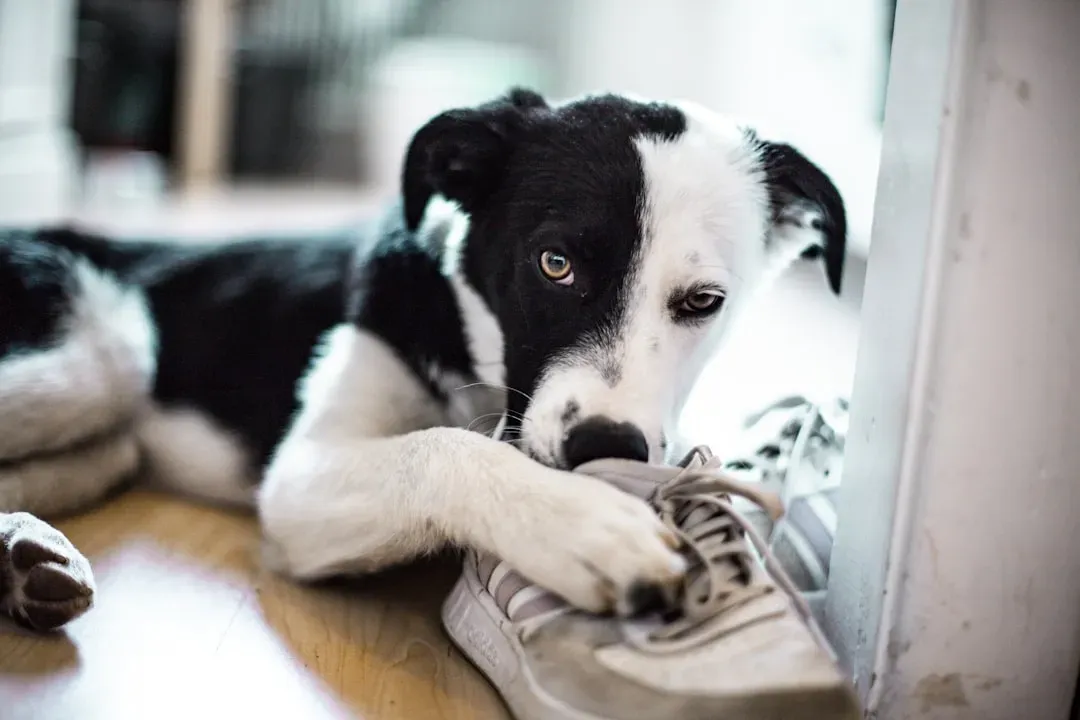
Finding teeth marks in your favorite shoes triggers instant anger, but chewing is a completely normal and necessary behavior for dogs. Young dogs especially use their mouths to explore the world, relieve teething discomfort, and self-soothe when they feel stressed or bored. From their perspective, many human objects are perfect chew toys: they smell like their favorite people, they are easy to reach, and nobody ever clearly told them the difference.
When owners punish after the fact – yelling at a dog after they discover the damage – the dog usually has no idea what the outburst is about. A more effective strategy is management and redirection: keep tempting items out of reach, offer a variety of appropriate chews, and praise or reward when the dog chooses those. Mentally and physically tired dogs are also far less likely to go hunting for trouble with their teeth, so a good walk and some training games can protect your furniture better than scolding ever will.
6. Peeing or Pooping in the House
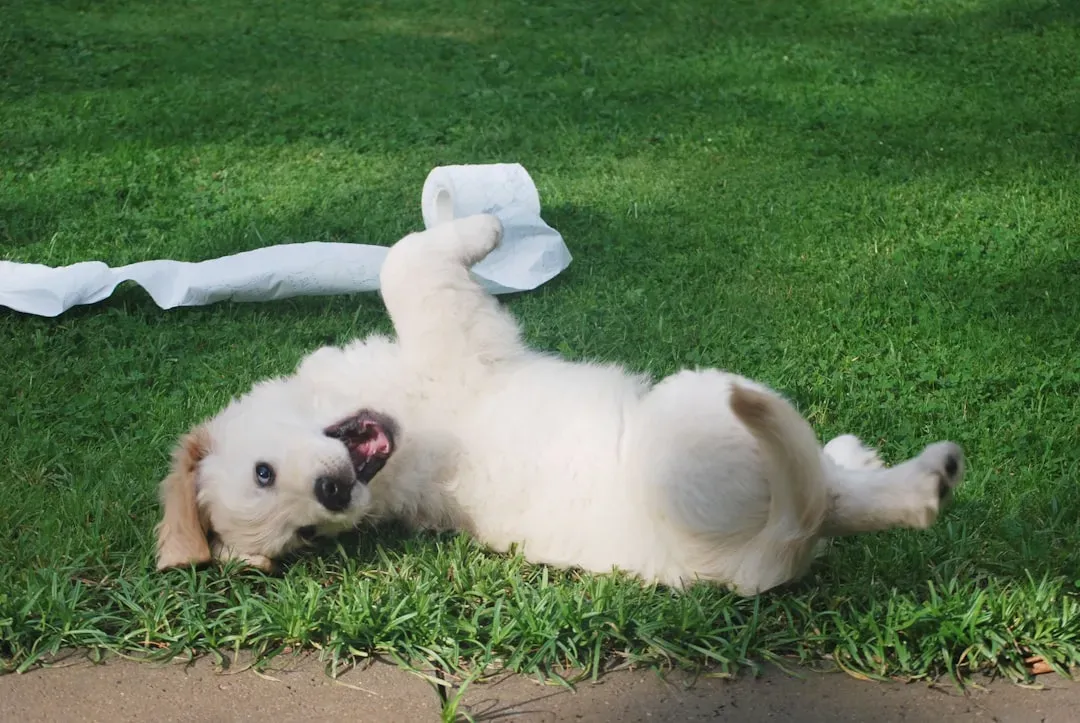
Indoor accidents are one of the behaviors most likely to get a dog yelled at, yet they often have the least to do with “being bad.” Puppies have small bladders and limited control; seniors may have medical issues; anxious or newly adopted dogs may mark or regress under stress. Sometimes a dog who is punished for accidents becomes afraid to eliminate in front of the owner, which can actually make house training harder.
If you catch a dog in the act indoors, calmly interrupt and guide them outside rather than exploding. If you find a mess after the fact, quietly clean it up with an enzyme cleaner and adjust your plan: more frequent potty breaks, better supervision, maybe a vet check if the issue is new. Think of accidents as communication: your dog is telling you their current schedule, environment, or health is not matching what their body needs right now.
7. Guarding Food, Toys, or Spaces
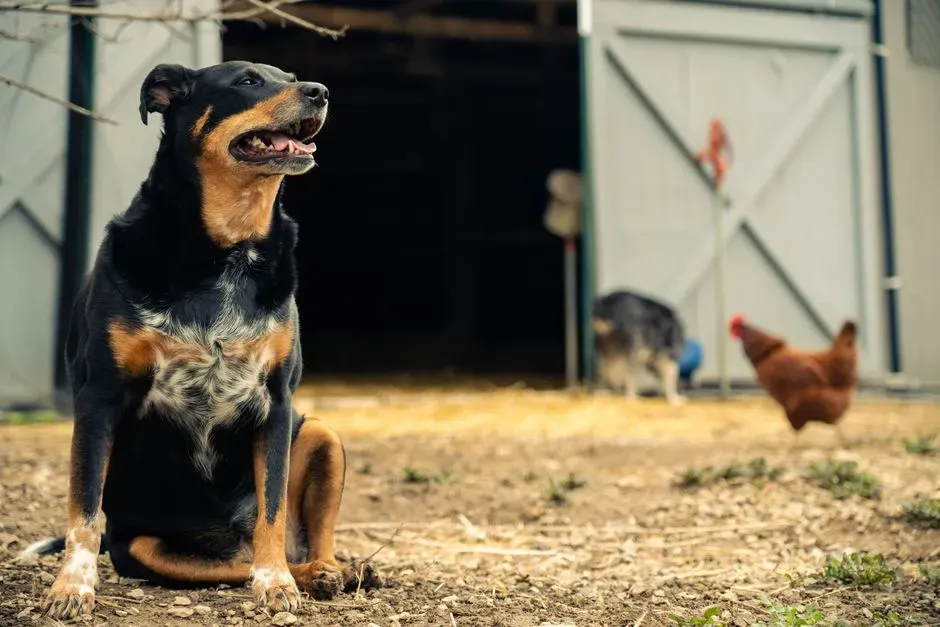
When a dog stiffens, growls, or snaps over a bone or their bed, many people see it as a power struggle that must be shut down. In reality, resource guarding is a deeply natural behavior driven by fear of losing something valuable, not a desire to control the household. If the dog has a history of people grabbing things away, chasing them, or punishing them around food, the guarding can intensify over time.
Punishing guarding behavior may stop the obvious signs in the moment but usually leaves the underlying fear unaddressed. A safer route is slow, thoughtful training that changes how the dog feels about people approaching their stuff. You can teach “trade” games where surrendering an item reliably leads to something even better, and protect the dog’s safe spaces so they do not feel constantly threatened. The message becomes, “Humans coming near your things is good news,” instead of, “Brace yourself, they are about to take it.”
8. Not Coming When Called
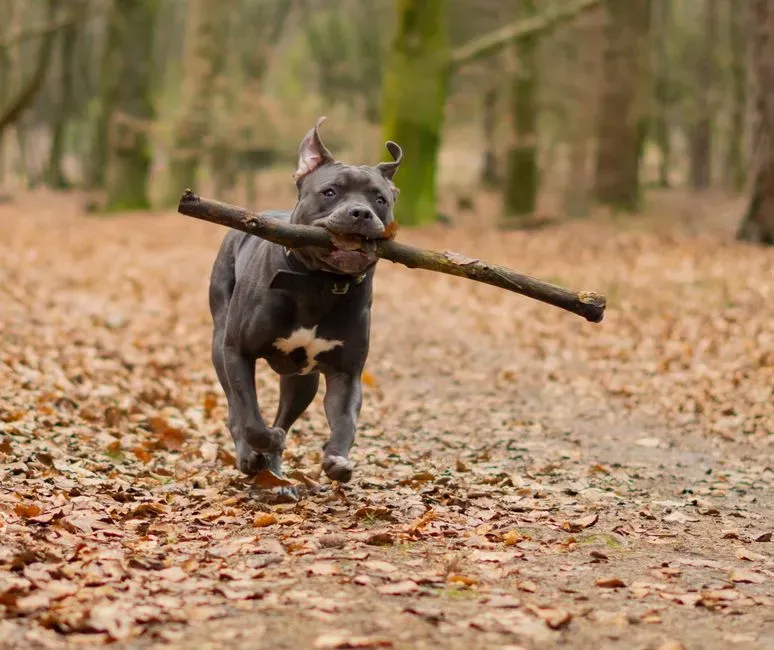
It is tempting to assume a dog that ignores recall is being defiant, but often they have been unintentionally taught that coming back is the end of fun. If “come” usually means the leash goes on, the park trip ends, or they get scolded, the dog learns to hesitate or run just a bit farther. From their point of view, staying out of reach keeps the party going and avoids your frustration.
Instead of punishing a slow return, you can turn recall into the dog’s favorite word. That means calling only when you can make it worth their while, paying with great treats, play, or even releasing them back to their fun afterward. It also means sometimes going to the dog rather than shouting from a distance where they are distracted and half-listening. Over time, a recall that predicts only good things becomes much stronger than one that has become a warning siren for disappointment.
9. Digging in the Yard or Garden
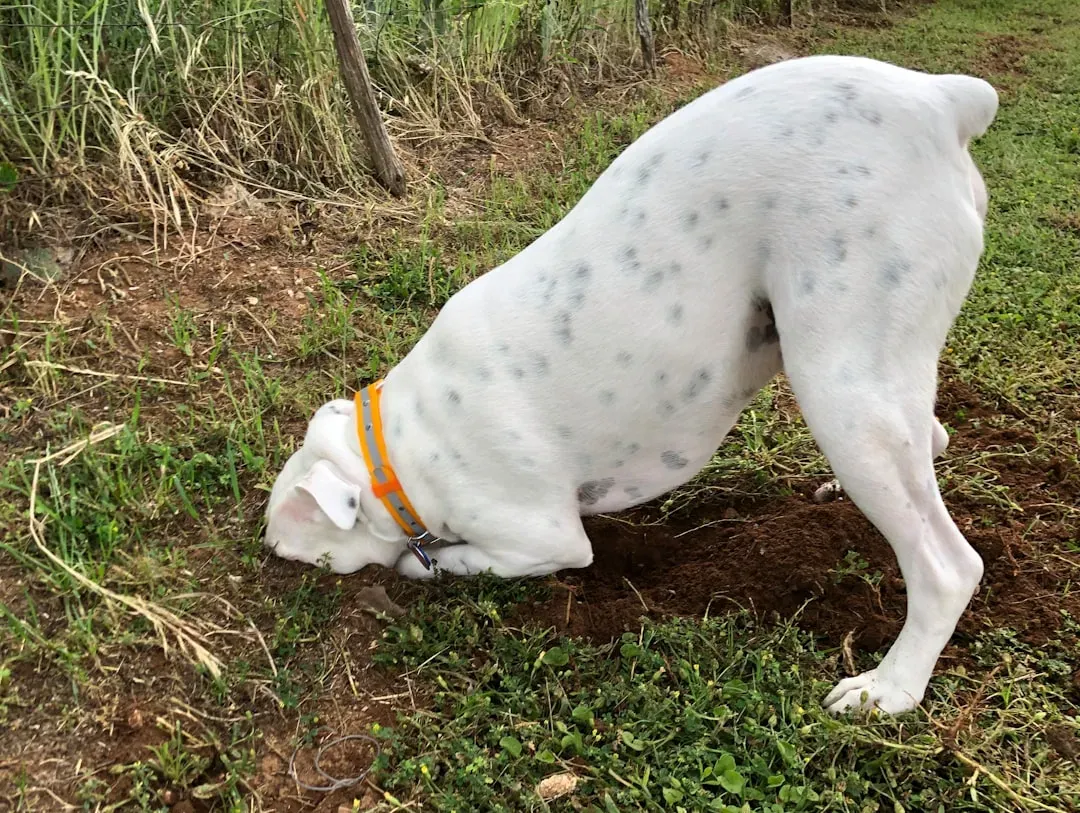
Freshly planted flowers torn up by energetic paws can feel like a personal attack, but to many dogs, digging is simply fantastic entertainment. It smells interesting, it changes the landscape, it feels cool on hot days, and sometimes it is a way to stash or uncover treasures. Certain breeds with a background in hunting underground animals are especially drawn to this kind of work, so a bare patch of dirt is an irresistible invitation.
Scolding or punishing after the hole is already there rarely changes the underlying motivation. A more realistic approach is to accept that digging is a natural dog hobby and channel it. You might provide a designated digging pit or sandbox with buried toys and treats, while blocking off delicate garden areas with fencing or supervision. When your dog learns that “dig here” gets applause and “dig there” quietly never pays off, the yard starts to survive and the dog still gets their earth-moving satisfaction.
10. Destroying Toys, Beds, or Household Items When Left Alone

Coming home to shredded cushions or clawed doors often leads owners to accuse their dogs of revenge, but dogs do not plan payback the way humans do. Destruction when alone is more often a sign of anxiety, frustration, or sheer boredom. A dog who panics when their person leaves may frantically chew, claw, or pace as a way to cope with overwhelming emotions and trapped energy.
Punishing after the fact does not connect for the dog, because the emotional storm already passed by the time you walk in. A better plan is to set them up for success before you leave: adequate exercise, puzzle feeders, safe chew items, and, for truly anxious dogs, careful desensitization to departures and returns. In some cases, involving a qualified behavior professional or veterinarian is kinder and more effective than assuming the dog is just being dramatic or destructive on purpose.
11. “Ignoring” Cues Like Sit, Down, or Stay
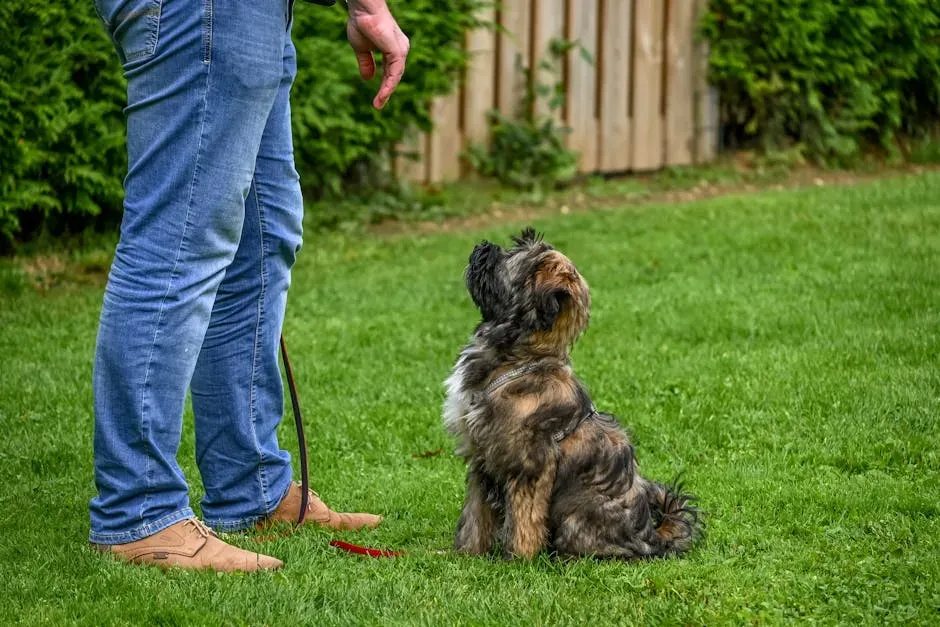
When a dog seems to blow off cues they know, it is easy to jump straight to punishment. But there are many reasons a dog might not respond: they might be overwhelmed, distracted beyond their current skill level, physically uncomfortable, or unsure what is being asked in that environment. Dogs do not generalize the way humans do, so a perfect “sit” in the kitchen does not automatically translate to a busy sidewalk or a park full of squirrels.
Instead of assuming attitude, it helps to treat noncompliance as feedback about your training. Does the dog actually understand the cue in this context? Are the distractions too big for the rewards you are offering? Are they tired, hot, or in pain? Scaling back, breaking tasks into smaller steps, and rewarding generously for even small efforts can rebuild trust and clarity far more effectively than corrections that leave both of you frustrated.
12. Licking, Pawing, or “Clingy” Attention-Seeking

Many owners get irritated when their dog constantly paws at them, nudges their hand, or insists on lying practically on top of them. It can look like pushiness, but often it is the dog’s way of saying they need reassurance, contact, or stimulation. Some dogs are naturally more tactile and social, and others have learned that persistent nudging is the only reliable way to get noticed in a busy household.
Rather than punishing a dog for asking, you can shape how and when they ask. Teaching an “on your bed” cue, setting up regular play and cuddle times, and rewarding calm presence instead of frantic pestering all give the dog a clearer script. At the same time, it is worth paying attention to sudden increases in clinginess, which can signal pain, illness, or growing anxiety. In my own life, the times my dog was extra attached often lined up with stressful periods I had not even acknowledged yet, a quiet reminder that sometimes our dogs are reflecting our own emotional weather back to us.
Conclusion: Listening Before You Correct
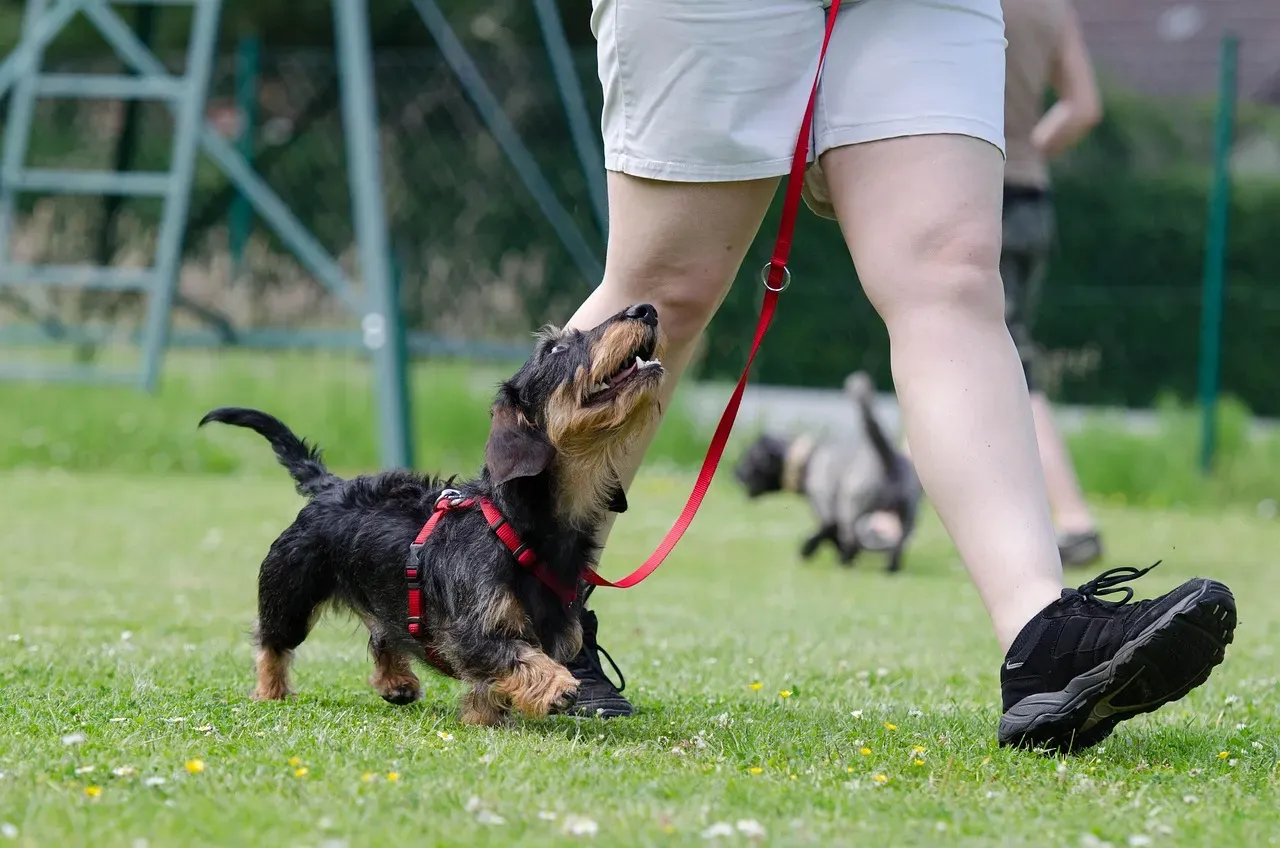
At the heart of all these examples is a simple but uncomfortable truth: a lot of what we label as bad behavior is really just dog behavior that clashes with human expectations. When we jump straight to punishment, we often shut down communication and increase fear, even if we stop the immediate action. Taking a step back and asking what a dog might be trying to cope with or express does not mean you let chaos reign; it means you guide with understanding instead of anger.
In my opinion, the most responsible thing we can do as dog guardians is to become curious translators rather than strict enforcers. That might mean investing time in training, adjusting our environments, or rethinking stories we were told about dominance and stubbornness. When we start listening to the message behind the behavior, our dogs tend to become calmer, more confident, and far easier to live with. The real question is not whether dogs can learn to fit into our world, but whether we are willing to learn enough of theirs to meet them halfway – are you?


