
10 Moments Your Dog Realizes You’re About to Leave Before You’ve Even Reached for the Door

You think you’re being subtle: no keys, no shoes, no “bye buddy.” But your dog has already clocked you. Long before your hand even twitches toward the doorknob, they’ve quietly run the math and decided something terrible is coming: you’re about to leave. It can feel almost spooky, like they’re reading your mind instead of your body language.
What’s really happening is less magic and more pattern recognition. Dogs are absolute pros at connecting tiny clues into a story: the way you stand up, the bag you reach for, the way your voice changes when you’re in a rush. I still remember realizing my own dog started pacing the second I put on “work socks,” even if I changed right back into lounge clothes. Let’s walk through the most common moments your dog figures it out, and why they so often seem one step ahead of you.
1. When You Change Your Walking Pace Around the House
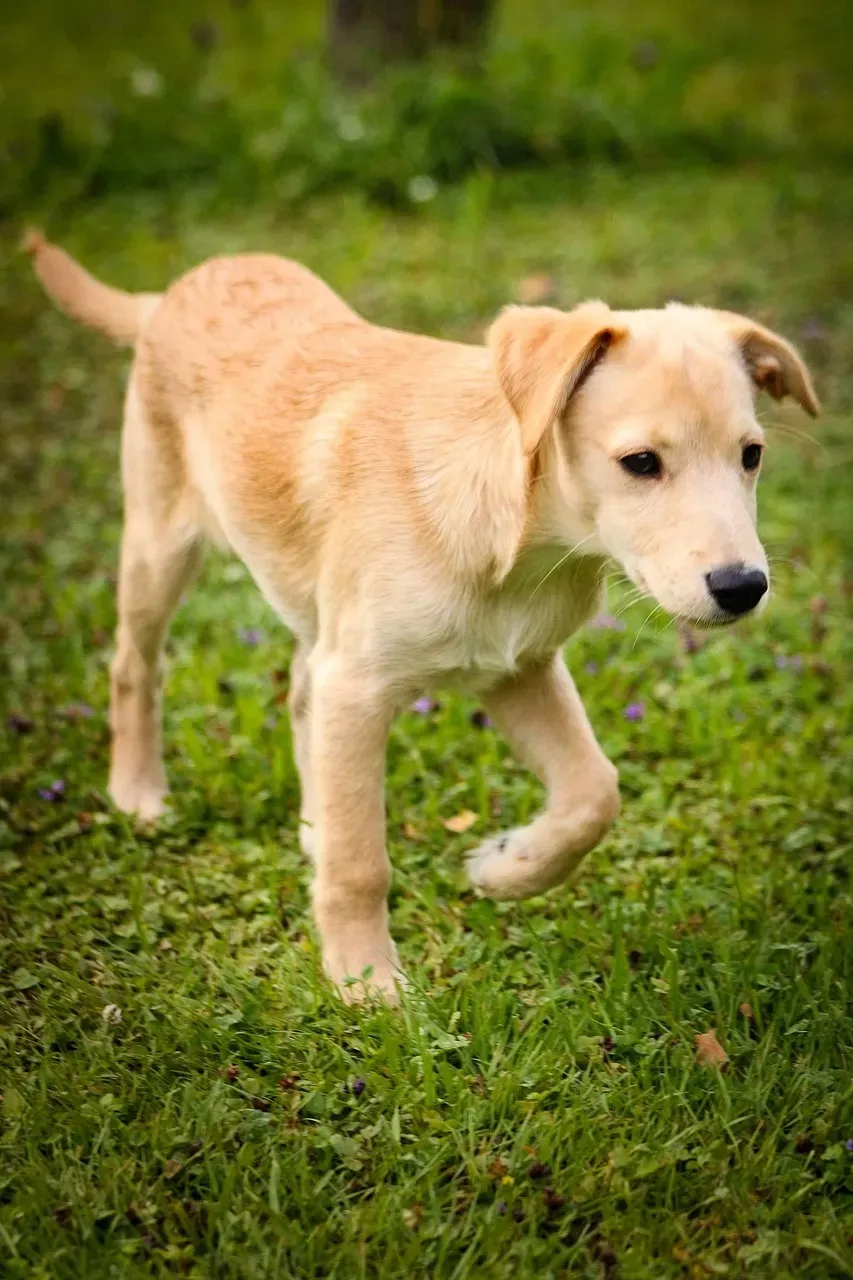
Ever notice how your dog’s head pops up the second you stop shuffling around and start moving with purpose? Dogs are incredibly tuned in to how you move, and a quicker, more focused stride often signals “leaving routine” instead of “we’re just hanging out.” To your dog, that shift from relaxed wandering to brisk walking is like a loud alarm bell.
They don’t need to see the door or your keys. They just feel the energy in the room change. One moment you’re meandering from couch to fridge; the next you’re making straight lines, grabbing items, checking the clock. To us, it’s background behavior. To them, it’s the opening scene of the “you’re leaving me” episode they’ve watched a thousand times.
2. When You Reach for Certain Clothes or Shoes
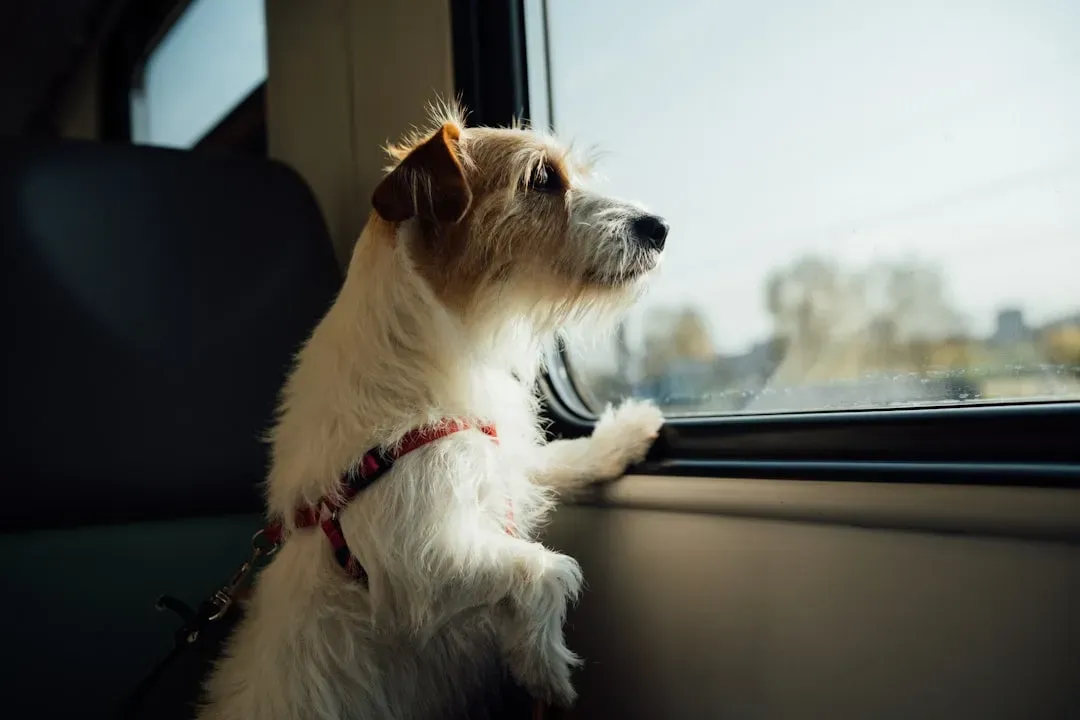
Dogs may not know the word “office,” but they absolutely know the difference between sweatpants and work pants. Many dogs react the second you grab your “leaving clothes” or your specific work shoes, long before you head toward the exit. It’s not about fashion to them; it’s about patterns that predict separation.
Over time, those shoes or that jacket become a giant flashing sign that says, in dog language, “I’m going away for a while.” You might even notice your dog nudge your leg or follow you more closely just as you’re tying laces or zipping a coat. They’re not being dramatic for no reason; they’re bracing for the moment you vanish on the other side of the door.
3. When You Grab the Same Bag, Keys, or Tech Every Time

Maybe it’s your laptop bag, your gym backpack, or that one tote that only comes out when you’re leaving for hours. To your dog, these items carry a clear emotional weight. The instant you reach for them, your dog may freeze, stare, whine, or suddenly become glued to your side, because they’ve learned that bag almost never means “fun together.”
The same goes for non-obvious items: headphones, car keys, work badge, or even a specific water bottle. These are your departure props, and your dog treats them like cues in a play. They don’t care what the objects do; they only care what always seems to happen right after you pick them up: you disappear, and the house goes quiet.
4. When Your Voice and Energy Shift Into “Rush Mode”
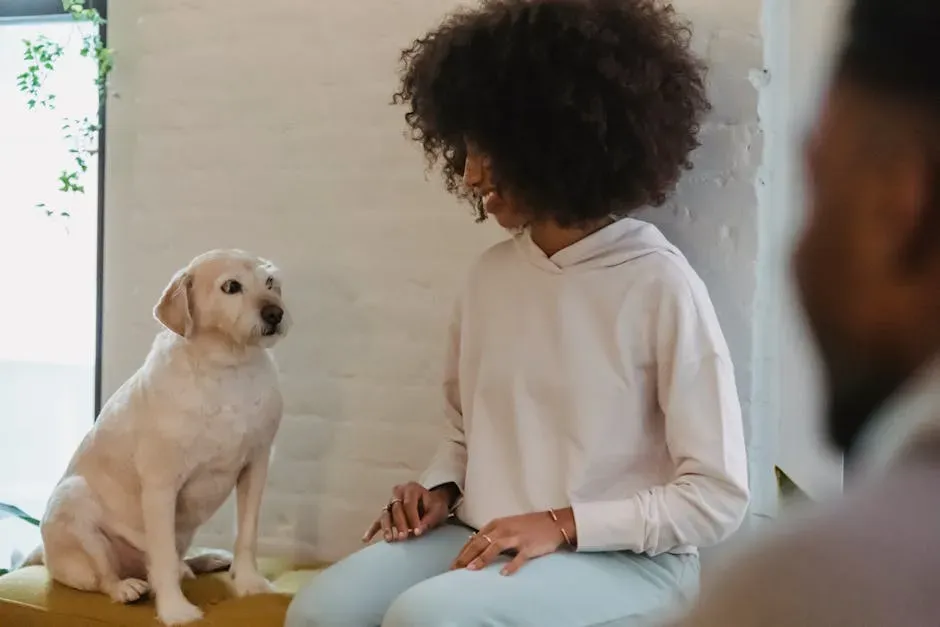
On days you’re running late, you probably talk faster, move sharper, and answer your dog more briefly. Dogs are emotional detectives; they pick up on the tiny edge of tension or hurry in your voice. That “not now” tone or half-hearted pat is very different from your weekend-slow, playful version of yourself.
To your dog, this emotional shift is a reliable warning sign. Even if you do not touch a bag or the door yet, they can feel that you’re mentally “elsewhere,” already halfway out in your head. That sudden mismatch – your body still in the room, your mind already outside – often makes dogs restless, needy, or anxious, because they know what usually comes next.
5. When You Start Ignoring Their Usual Invitations to Play
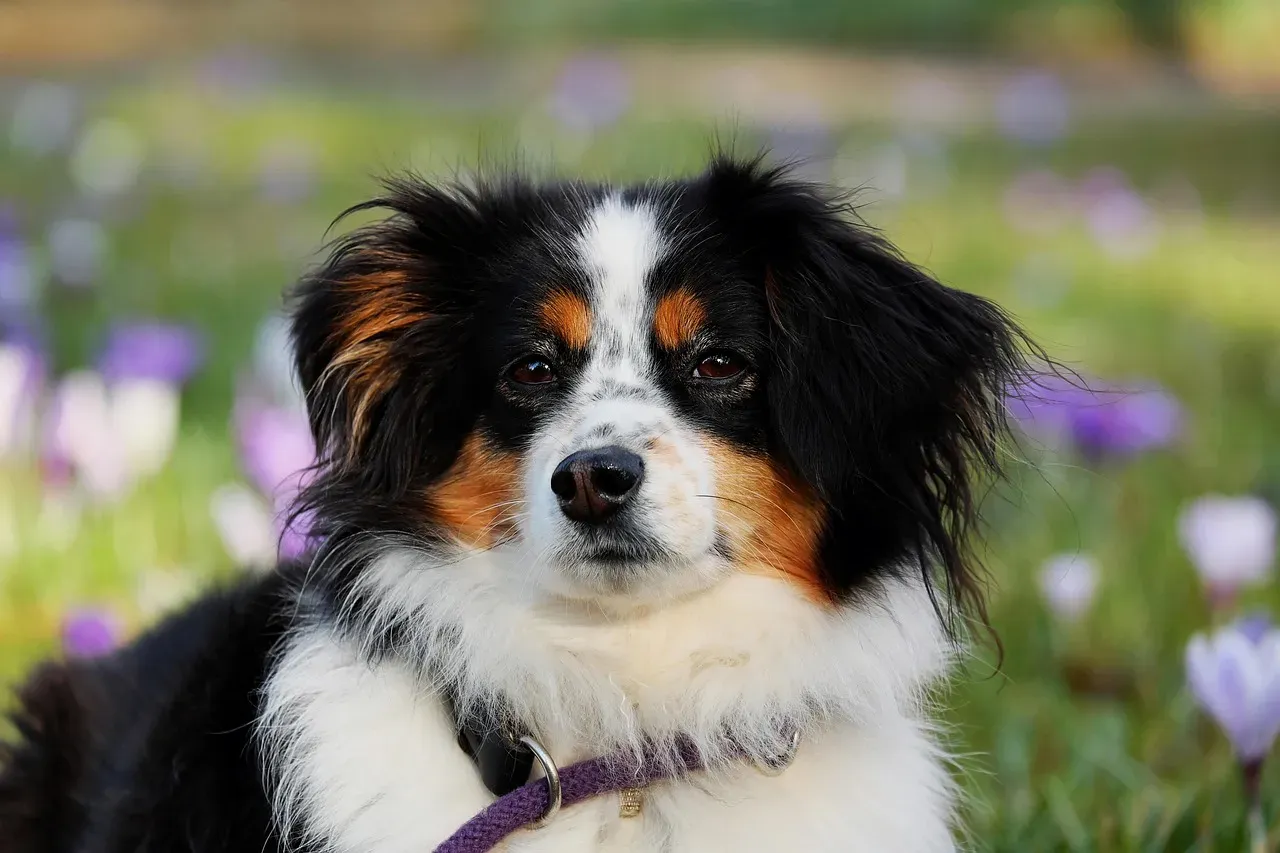
Most dogs have favorite ways to invite you to interact: dropping a toy, nudging your hand, rolling on their back, doing that little bow. On leaving days, you might gently brush them off more often: a distracted “later,” a half smile, a quick scratch instead of a full game. They notice this change long before you hit the doorway.
When those invitations suddenly stop working, your dog understands something serious is going on. They may try harder – bringing more toys, hopping on your lap – or they may retreat and start sulking or pacing. Either way, the broken pattern is the giveaway: the person who usually says “yes” to play is now emotionally stepping away, which usually means a physical goodbye is coming next.
6. When Your Pre-Departure Ritual Kicks In (Coffee, Makeup, Shower, or Scent)
Most humans run on autopilot routines: the morning shower with a certain shampoo, the specific perfume, the makeup sequence, the coffee at a certain time. Dogs build timelines out of these sensory details. As soon as the familiar chain starts – shower, then hairdryer, then that particular scent – they already “know” today is a leaving day, not a lazy one.
Smell is especially powerful here. That whiff of cologne you only wear to work travels through the house like a signal flare. You do not need to say a word; your dog’s nose is telling them exactly where this story leads. They may wander closer, sit in the doorway while you get ready, or quietly watch you in the mirror, silently counting down to your exit.
7. When You Check the Time or Your Phone in a Certain Way

This is one of those tiny human habits we barely notice in ourselves: you glance at the clock, check your calendar, or open a specific app, and your whole posture changes. Maybe you straighten up, sigh a little, or stand faster. Your dog does not understand screens, but they sure understand that “look, pause, move” pattern that follows them.
Over time, even the act of repeatedly checking your phone at a certain hour can become a predictor of absence. Dogs notice the cascade: you check the time, you get up, you grab your things, you leave. So eventually, they may start reacting at step one, becoming clingy or watchful the moment your eyes flick to the clock, as if they can feel the countdown starting.
8. When Your Scent and Body Language Say “I’m Already Halfway Out the Door”
Dogs read posture like a second language. When you’re geared to leave, your body often leans forward more, shoulders tighten, and your gaze is more focused on distant tasks rather than your surroundings. Even if you have not walked toward the door yet, that change in your physical “shape” and how you occupy space can feel cold and distant to a dog.
There’s also something subtler at play: your sweat and scent chemistry shift slightly with stress, time pressure, or anticipation. Dogs have a far more sensitive nose than we do, so that underlying change in your smell may become one more tile in the mosaic. Put together with your stiffer body language, it tells them everything they need to know: this moment is not about us; something outside is calling you away.
9. When Household Sounds Change: Drawers, Zippers, Lights, and Doors
The soundtrack of your departure is louder than you think: the bathroom drawer sliding, the closet door thudding, the zipper of your bag, the front blinds being adjusted, lights turning off room by room. Dogs learn this sequence like humans learn a favorite song. By the second or third note, they already recognize the tune.
That is why some dogs start pacing or whining at the first tiny sound in the chain, even if it is just your wardrobe door opening. The sound pattern is so deeply associated with being alone that they may respond emotionally even before the sequence is complete. To them, every click and thump is one more step away from safety and connection, so they react early, hoping you might still change your mind.
10. When You Give the “Too-Sweet” Goodbye Without Realizing It
Here’s the most ironic one: your attempt to be gentle about leaving can actually be the biggest giveaway. Maybe your voice gets extra soft, you bend down longer than usual, you say a drawn-out goodbye, or you offer a special treat “to make it easier.” You think you’re being kind in the moment. Your dog hears it as the final, inescapable confirmation that you’re about to walk away.
Dogs are masters of emotional tone. That overly warm, almost guilty energy is very different from your everyday affection. After a few repetitions, they stop feeling reassured by it and start dreading it, because it only ever shows up right before you disappear. In a way, you have created a farewell ritual that speaks louder than the sound of the door itself.
Conclusion: Your Dog Is Not Clingy, They’re Paying Attention
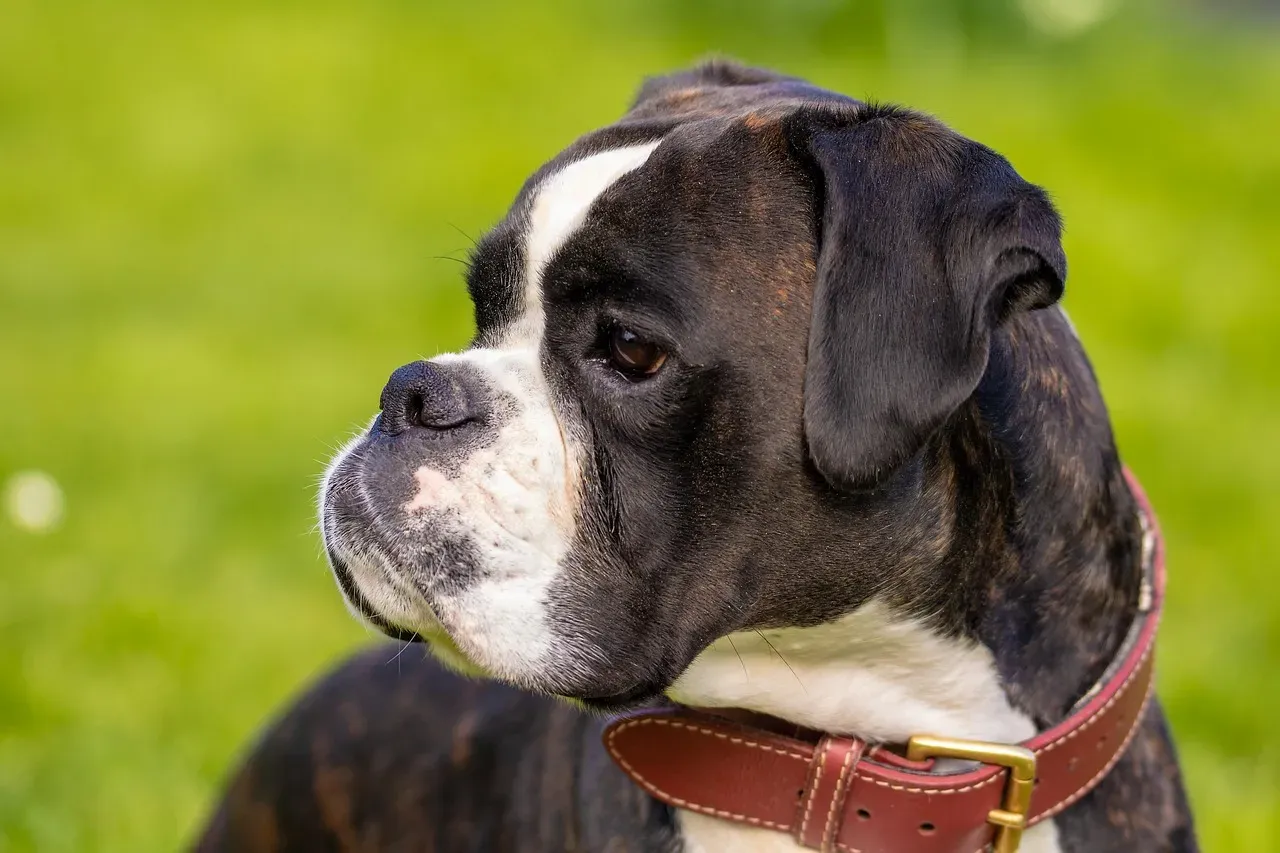
When you really look at all these tiny moments together, it stops feeling mysterious that your dog “just knows” and starts feeling almost inevitable. You are a walking bundle of habits, smells, sounds, and emotions, and your dog has quietly studied you like their favorite subject for years. From where I sit, that is not neediness or over-attachment; it is loyalty and attentiveness taken to a level most humans never reach with each other.
If anything, the fact that your dog senses your departure before you do is a reminder that they are fully invested in you, every minute you share a space. The real question is what you choose to do with that knowledge: can you soften some of those cues, make departures calmer, or build little goodbye rituals that hurt less and feel safer? Next time your dog’s eyes change before you even stand up, will you see it as drama – or as proof that someone in your house is watching you with their whole heart?