
Your Dog May Forget the Toy You Bought Them, but Familiar Experiences Can Shape How They Feel Around You for Years
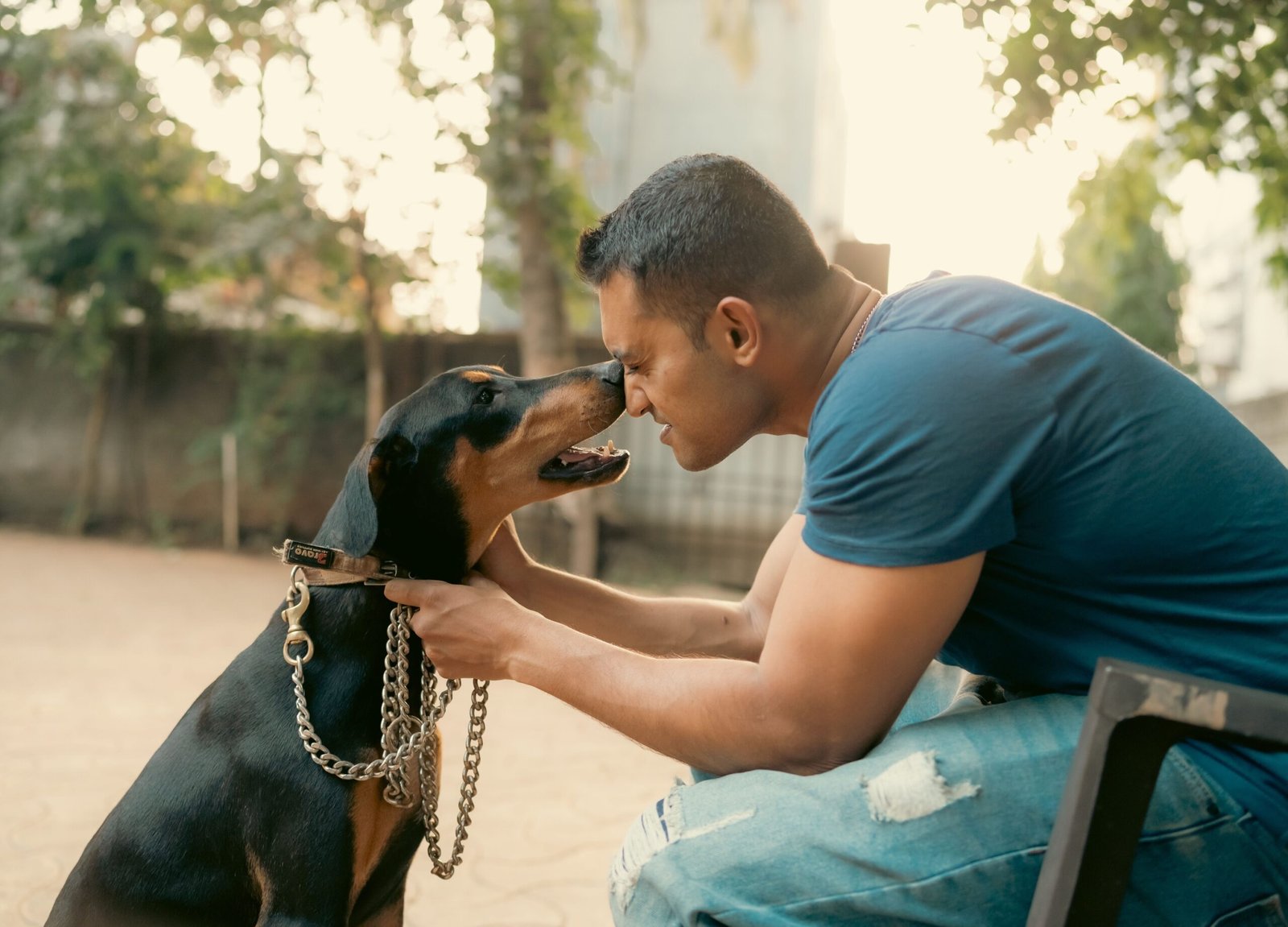
You probably remember the day you brought home that perfect toy for your dog – the one you were sure would change their life. A week later, it is under the couch, forgotten, while your dog is back to staring at you with those hopeful eyes. It is tempting to think the toy did not matter, that your dog just does not care. But on a deeper level, your dog is constantly filing away how you make them feel, and those emotional memories last far longer than any rubber bone ever will.
Dogs live in the now, but they are quietly shaped by the patterns of their days: who shows up, who is gentle or rough, who is predictable, who is not. Science suggests they may not recall specific events the way we do, yet familiar experiences can create powerful emotional grooves in their brain. Over time, those grooves can mean the difference between a dog that relaxes into your touch and one that subtly stiffens when you reach out. That is where the real story of your relationship lives.
Why Your Dog Forgets the Toy but Not the Feeling
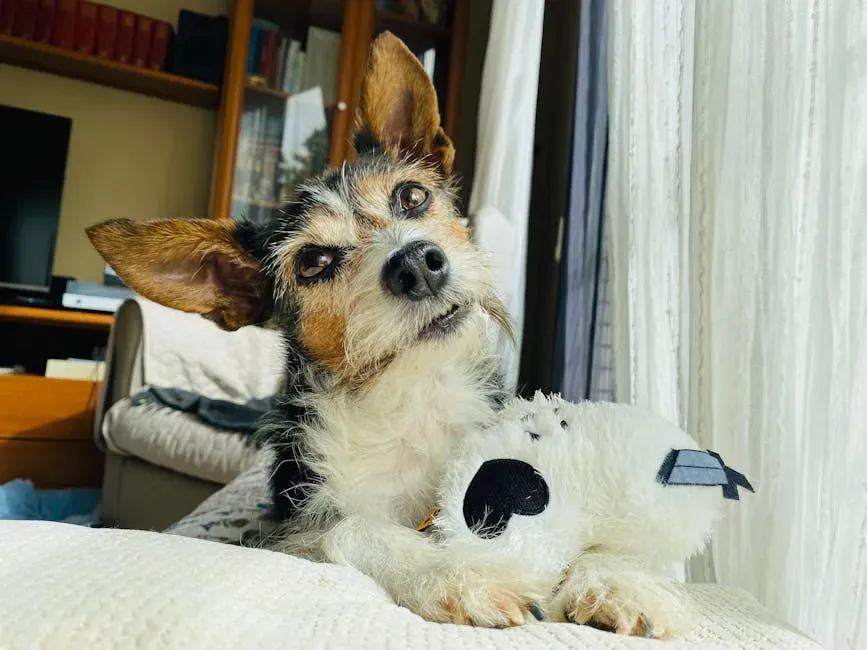
One of the most surprising things about dogs is how quickly they can lose interest in a brand-new toy, even if just days earlier they went wild for it. This is not a sign that your dog is ungrateful; it is more about how their brain prioritizes what matters for survival and emotional safety. A squeaky plush is fun, but it is not as important as learning whether the person holding the leash is safe, kind, and consistent.
Researchers studying canine memory suggest that dogs are not great at storing detailed, long-term memories of one-off events, like exactly which toy arrived on which day. What they do seem to retain is the emotional tone linked to you: whether time with you usually feels exciting, calming, scary, or confusing. So the toy might be forgotten, but the feeling of playing with you, the sound of your happy voice, and the sense of shared fun can linger for years in the form of trust and attachment.
How Repeated Experiences Quietly Rewrite Your Dog’s Brain
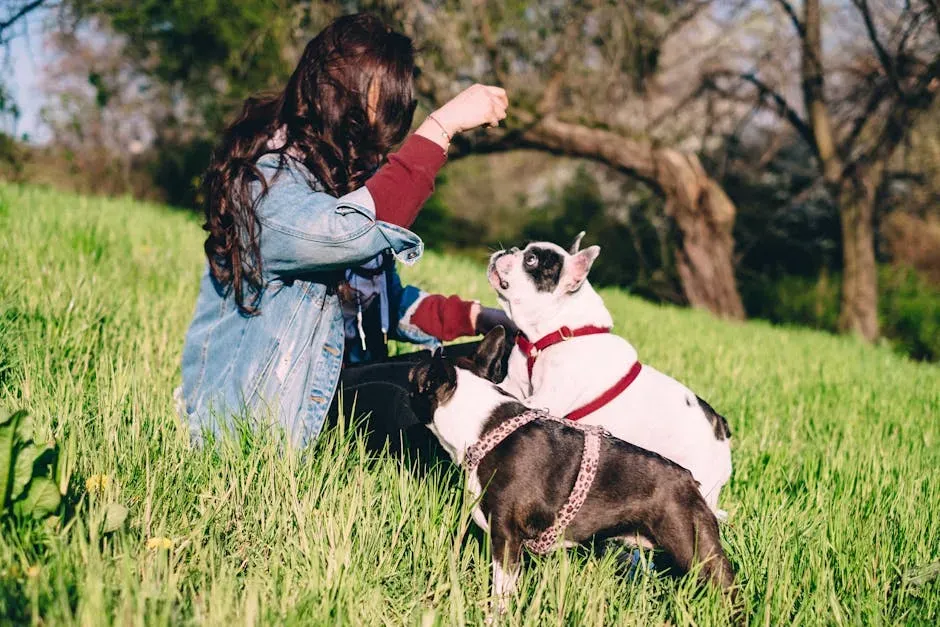
The more often your dog lives through the same kind of moment with you, the more those experiences shape their emotional wiring. Daily walks at roughly the same time, gentle handling during grooming, patient training sessions, even the small ritual of a bedtime cuddle – these are like tiny drops of color that eventually dye the whole fabric of your relationship. Your dog might not “remember” each walk as a separate episode, but their nervous system remembers the pattern: life with this person is predictable and safe.
On the flip side, repeated stress, shouting, or inconsistent rules can gradually teach a dog that people are confusing or unsafe, even if you also buy them expensive toys and treats. Brains – dog and human – are built to change in response to what happens over and over. That is why small, everyday experiences matter much more than rare grand gestures. A dog that has learned across months or years that you are calm and fair will often relax around you even when something new or scary happens, because their emotional memory is on your side.
Dogs Remember How You Make Them Feel, Not Every Little Detail
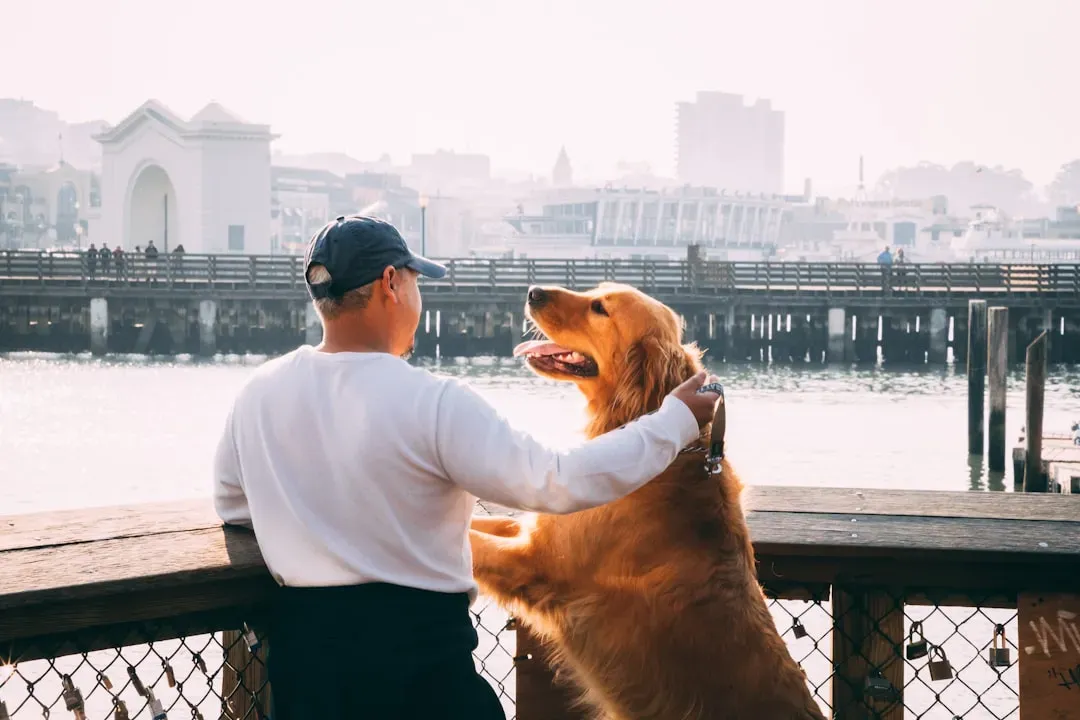
When people talk about memory, they often think of specific snapshots: the exact toy, the exact day, the exact words spoken. Dogs do not seem to operate that way. Instead of building a mental scrapbook of details, they store a kind of emotional summary of your shared life. The brain systems that support emotional memory and habit are especially strong in animals, which means what “sticks” is more about pattern and feeling than about precise scenes.
This is why a dog can happily greet a person they have not seen in years, suddenly wagging and wiggling as if no time has passed. They probably do not recall the exact park or the exact game from long ago, but their body remembers that this human meant fun, warmth, or safety. The same mechanism can unfortunately work in the other direction: a dog that has been roughly handled may tense up around someone with a similar build or voice, even if they have never met before. What lasts is the emotional template, not the fine print.
The Power of Predictability: Routines as Emotional Anchors
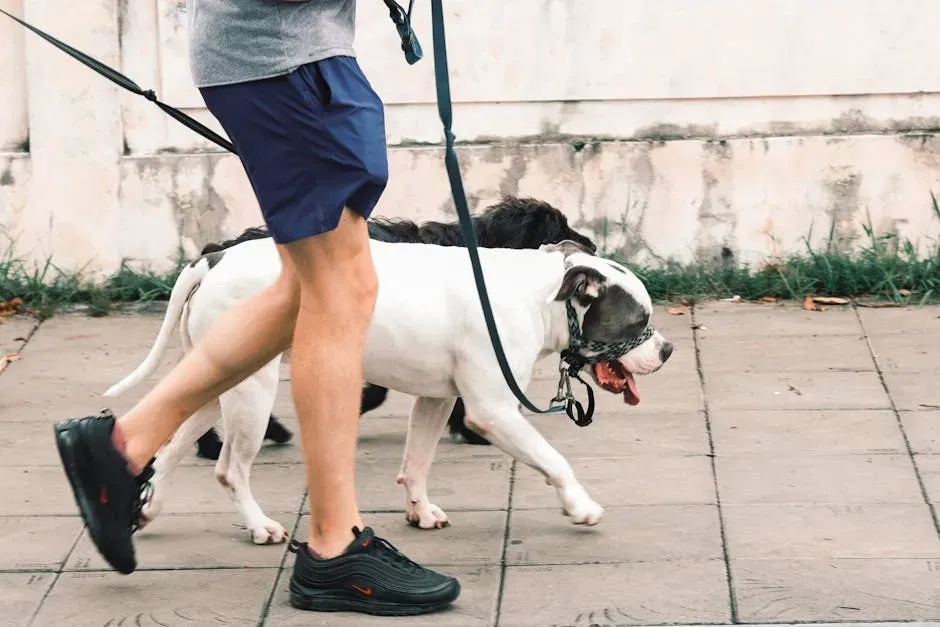
To a dog, a predictable routine is like a steady rhythm playing in the background of their life. Meals happening around the same time, walks following a loose pattern, and clear rules about what is allowed or not – all of this gives their nervous system something solid to lean on. When a dog can roughly guess what will happen next, they spend less energy scanning for threats and more energy resting, playing, and learning.
That does not mean you have to live like a robot or never be spontaneous. It just means that the big pillars of your dog’s life should be reasonably consistent. Over years, this consistency becomes a deep emotional memory: life with you feels safe and understandable. Even if you move houses, change furniture, or forget where you stashed the latest toy, the underlying pattern stays the same, and your dog’s trust travels with you.
Small Moments That Matter More Than Big Purchases
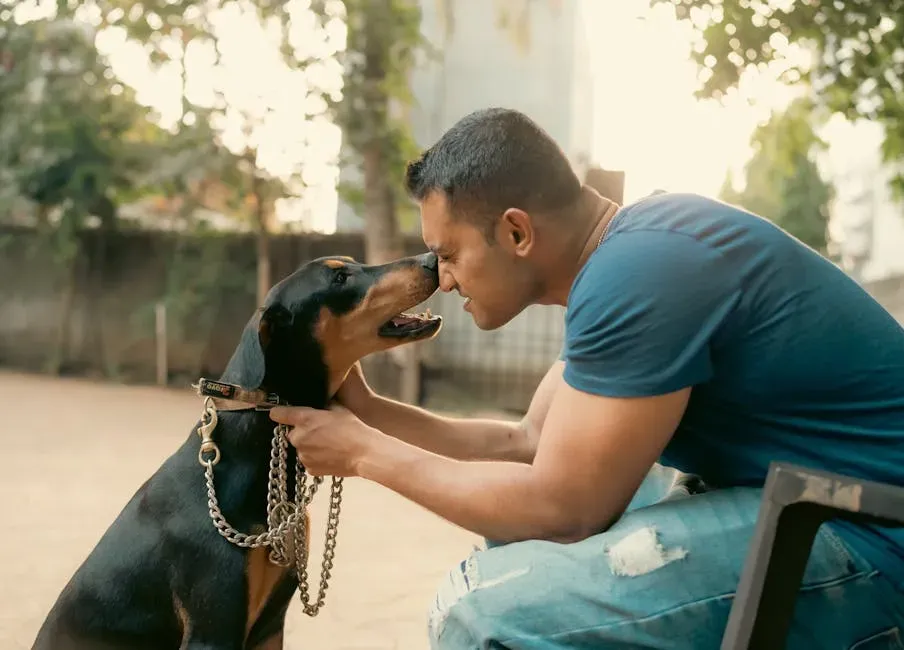
It is easy to feel guilty when you cannot afford the fanciest gear or spend a fortune at the pet store, especially when social media makes it look like every loved dog has a wardrobe and a subscription box. But your dog’s emotional world is not organized around price tags. A sloppy game of tug with an old rope, a five-minute training session in the kitchen, or a quiet moment scratching their chest on the couch can shape their feelings much more deeply than a designer bed ever will.
Think of it this way: a toy is a prop, but you are the story. Without you – your attention, your body language, your voice – the toy is just an object. When your dog looks at you with soft eyes after a long day, they are not thinking about what you bought; they are responding to the thousands of small experiences that have told them whether you are worth leaning on. Those tiny, often-overlooked interactions are what echo emotionally for years.
When Experiences Go Wrong: Fear, Mistrust, and How to Repair Them
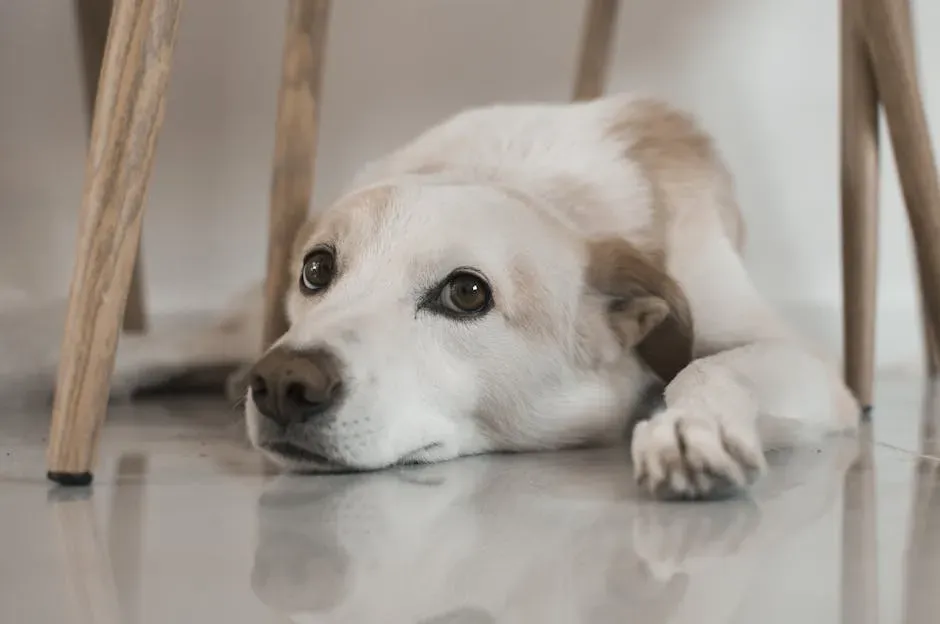
Not every familiar experience is a good one, and many dogs carry emotional scars from earlier chapters of their life. Maybe a previous owner yelled a lot, handled them roughly, or was simply cold and inconsistent. Those patterns can leave a dog anxious, jumpy, or shut down, even long after the actual events have faded. They might not recall a specific incident, but their body has learned to expect the worst.
The hopeful part is that emotional memory cuts both ways. New, kinder routines can gradually rewrite old expectations, although it often takes patience and realistic timelines. A dog that has lived for years in chaos will not magically relax after one calm week. But if you keep showing up with gentle handling, clear boundaries, and predictable care, you can slowly overwrite those old emotional grooves with new ones. It is not about erasing the past; it is about offering so many better experiences that, over time, your dog’s nervous system starts to believe you.
How to Intentionally Build the Feelings You Want Your Dog to Have
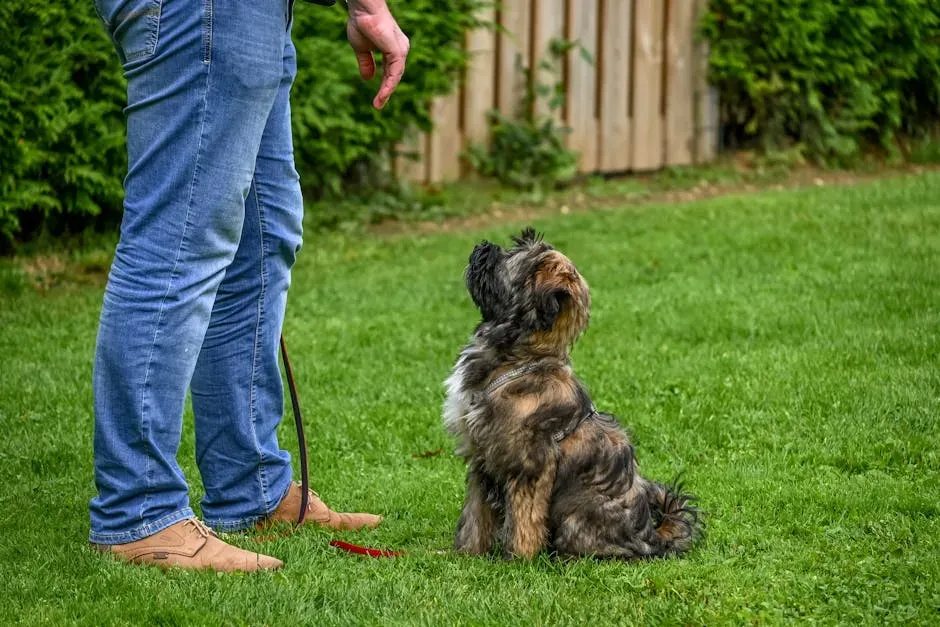
If toys and one-time gestures fade, then the real question becomes: what do you want your dog to feel when they think of you? Safe? Excited? Calm? Confident? Once you get honest about that, you can start to design daily experiences that match it. Want a dog who feels secure? Keep your tone mostly steady, your rules clear, and your corrections fair and proportionate. Want a dog who feels joy around you? Make time for play where you are fully present, not half-distracted by your phone.
This is where the unglamorous habits really matter. Showing up on time for their meals. Taking a breath before you react when they mess up. Ending vet visits with something comforting. Pairing scary things with treats and calm praise. None of this is flashy, and it will never go viral, but it gets stored inside your dog as a long-term sense of who you are. Over years, these experiences form a kind of emotional biography of you that your dog carries in their body every time they trot to your side.
Conclusion: The Emotional Legacy You Are Leaving With Your Dog
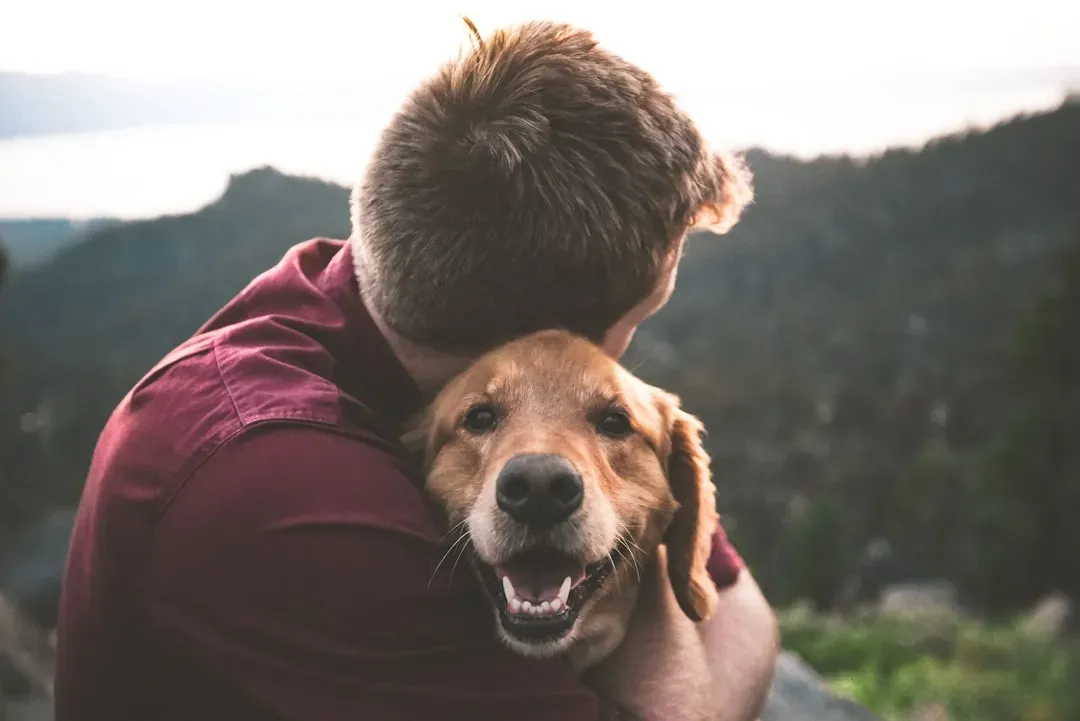
I think we drastically overestimate the importance of dog stuff and underestimate the power of dog experiences. The toy you bought last month will fall apart, be ignored, or end up in the trash, but the way you moved, spoke, and showed up around your dog this morning is quietly being written into their emotional memory. You are not just a person who buys things; you are the environment your dog lives in, the weather of their everyday life.
If that sounds like a lot of responsibility, it is – but it is also the good kind, the kind that gives you real power to make life better. You do not need to be perfect, and you will absolutely have off days, but if the long-term pattern is kindness, predictability, and genuine connection, your dog will feel it in their bones. Years from now, they will not care which toy you picked out; they will just know, deep down, what it felt like to belong to you. When you look at your dog today, what emotional story do you think you are writing for them?