
Dogs Who Suddenly Get Between Two Family Members Aren’t Always Being Protective – The Emotional Energy in the Room Can Matter
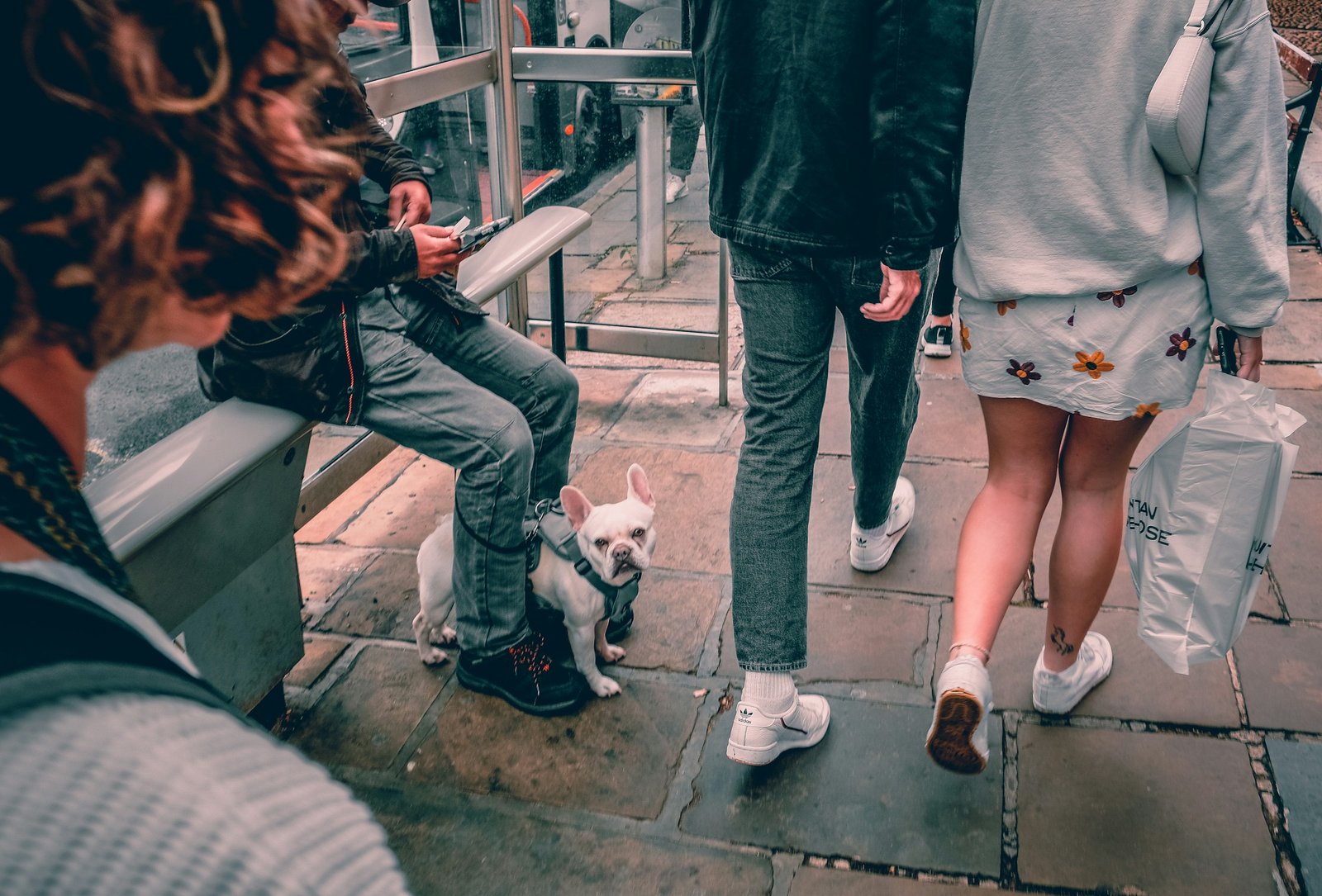
You know that moment when voices rise in the living room, tension hangs in the air, and suddenly the family dog wedges itself right between two people like an uninvited referee? Most of us rush to say the dog is being protective, a little furry bodyguard jumping into action. But what if something deeper and quieter is going on – something less about guarding your body and more about reacting to the emotional weather in the room?
Dogs live in a world of subtle signals we barely notice: shifts in breathing, muscle tension, the rhythm of footsteps, the way our scent changes when we’re stressed. When they slide between two people, they might not be thinking in heroic headlines like “must defend my human right now.” Instead, they could be responding to emotional pressure, confusion, or even their own discomfort. Understanding that difference can change how you see your dog – and yourself – during those heated moments at home.
Dogs Are Emotional Barometers, Not Just Bodyguards
Instead of thinking of dogs as tiny security guards on four legs, it’s more accurate to see them as living, breathing emotional barometers. They notice when the temperature in the room shifts from calm to edgy long before anyone slams a door. Raised voices, faster breathing, sharper movements, and even the way our sweat changes with stress can all signal to a dog that something is off, even if nobody is in physical danger.
From the dog’s point of view, it doesn’t really matter who’s “right” in the argument; what matters is that the environment suddenly feels unstable. Many dogs are uncomfortable when the emotional tone of the household spikes, especially if they’re sensitive or have a history of stress themselves. Sliding in between two people might be less about bravery and more about trying to stabilize a situation that feels scary or confusing to them.
Emotional Contagion: Your Stress Becomes Their Stress

Dogs are incredibly good at something scientists call emotional contagion, which basically means they can “catch” your feelings like they’re contagious, especially when it comes to stress and anxiety. If your heart is pounding and your body is tense during a disagreement, your dog’s internal system can ramp up too. They might not understand the words, but the tone, pace, and energy hit them like a wave.
Over time, dogs can start anticipating that certain tones or postures mean conflict is coming, even if it never turns physical. So when they rush between two people, they may be acting out of their own rising discomfort rather than a calculated plan to protect anyone. In that sense, they’re not just reacting to what you’re doing but to how you’re feeling – and often, they feel it almost as strongly as you do.
Why Getting in the Middle Feels Safer to Them
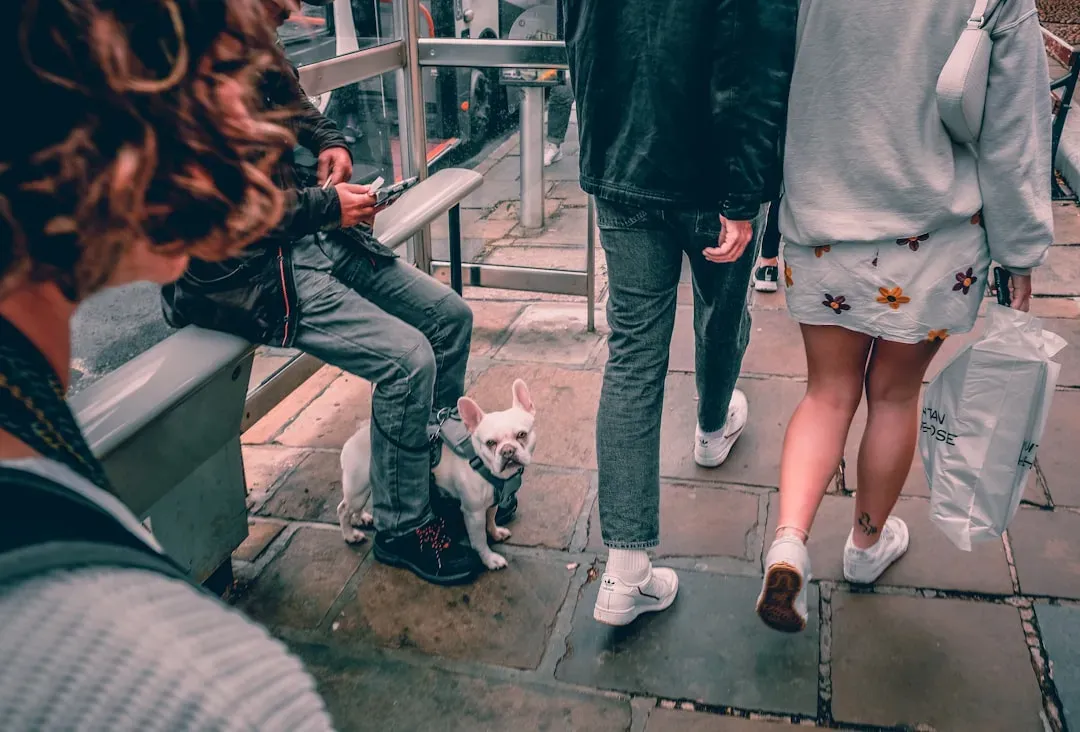
To us, a dog squeezing into the middle of a tense moment looks heroic; to the dog, it might just feel like the safest place to be. By planting themselves between two people, they can keep an eye on both at once, almost like standing in the doorway during a storm so they can see where the thunder is coming from. It is a spot of control in a moment that otherwise feels unpredictable.
Some dogs learn through experience that stepping in can shift the energy: voices soften, attention turns to them, and the moment de-escalates. From their perspective, “going in the middle” can become a strategy that seems to work. They are not reading relationship dynamics the way humans do – they’re doing what seems to reduce their own stress, which just happens to sometimes calm everyone else down too.
Not Every Dog That Steps In Is Truly Being Protective
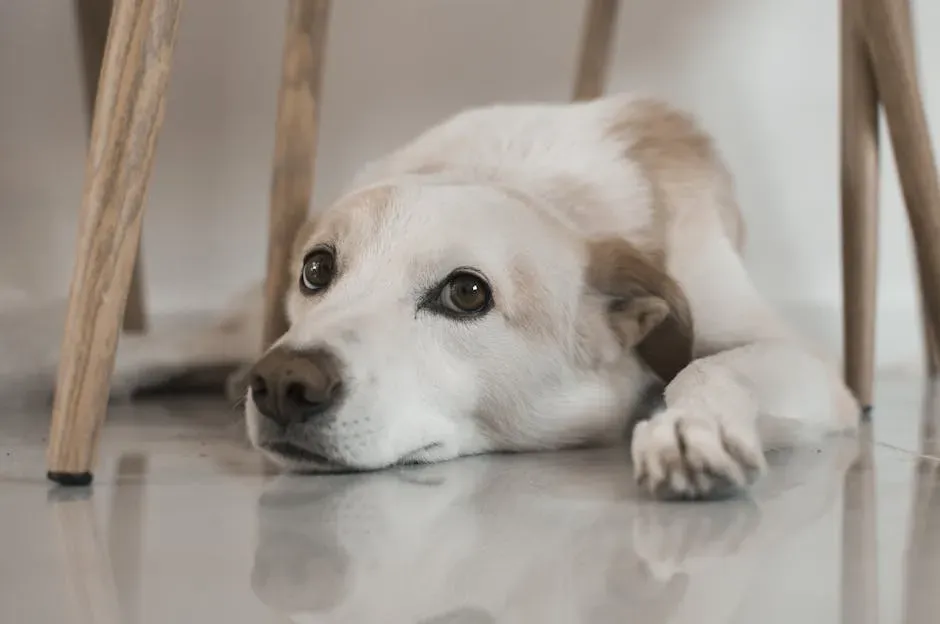
There absolutely are dogs that show clear protective behavior – blocking access to a child, standing over a person who has fallen, or barking at a real threat. But lumping every “getting between people” moment into the protective category can be misleading. A dog that licks its lips, yawns, looks away, or avoids eye contact while planting itself between two people is often anxious rather than heroically bold.
Misreading fear or anxiety as strength can cause trouble. If we tell ourselves the dog is a tough protector, we might miss signs that our dog is actually overwhelmed. Over time, that stress can build, which is unfair to the dog and risky if they ever feel cornered. Seeing their behavior as emotional coping instead of constant bravery helps you respond with more compassion and better decisions.
How Your Body Language and Voice Shape Their Reactions

Dogs are masters of reading body language, often far better than people give them credit for. Leaning in too close, pointing, pacing, or throwing your hands in the air can look huge and intense from a dog’s low vantage point. Combine that with a fast, sharp tone of voice, and your dog has a front-row seat to what feels like a potential storm brewing in their safe space.
On the flip side, when two people disagree but keep their bodies loose, their voices softer, and their movements slower, many dogs stay relaxed or barely react at all. That contrast alone shows how much they’re tracking energy more than the actual content of the argument. If you want fewer “dog-as-referee” moments, the answer often lies less in training the dog and more in softening your own delivery.
Helping Dogs Feel Safer When Tension Rises
One of the kindest things you can do for a dog that dives into conflict is to give them a safe alternative. That might mean teaching a reliable “go to your bed” cue paired with extra-great rewards so the dog sees it as a haven, not a punishment. If a disagreement is brewing, you can redirect them gently to that space before things heat up, sparing them from standing in the crossfire of emotional energy.
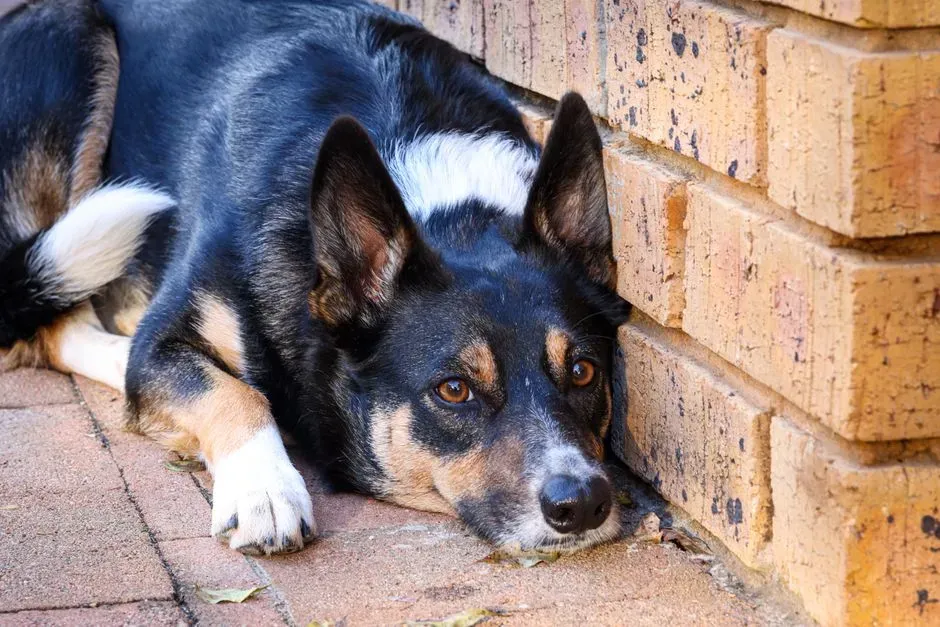
It also helps to watch for early signs that your dog is uncomfortable: pinned-back ears, tail tucked, pacing, or trying to leave the room. If you notice those cues, it might be a sign to take a breather, lower your voices, or move the conversation somewhere more private. When you consistently show your dog that their world stays mostly calm and predictable, they feel less pressure to jump in and “fix” situations they never truly understood in the first place.
Rethinking the Story We Tell About “Protective” Dogs
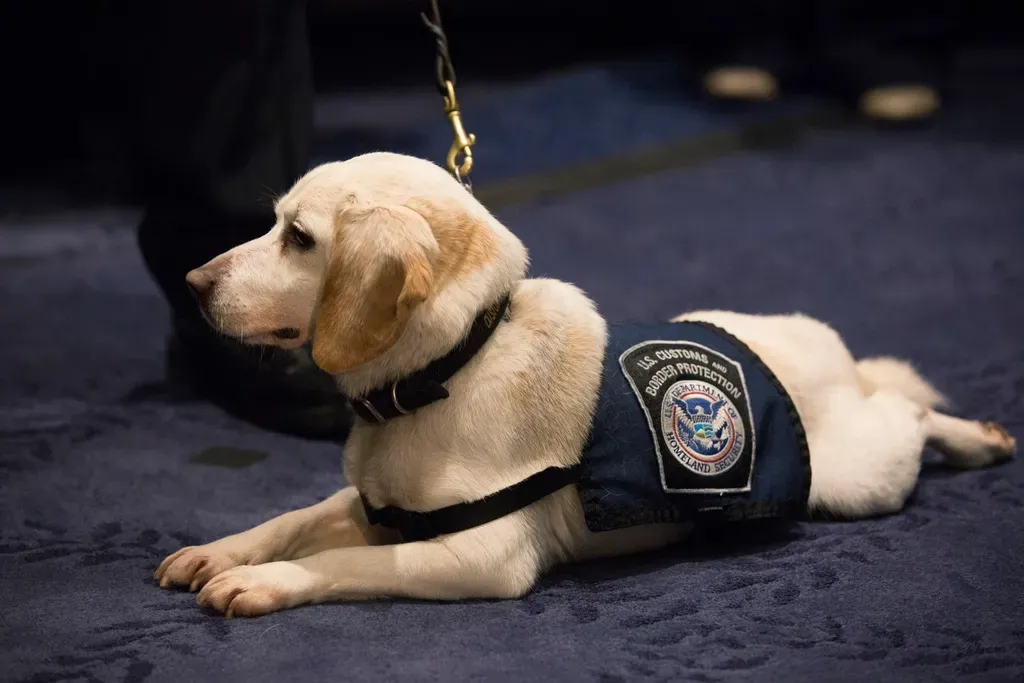
There is something deeply flattering about believing your dog would throw themselves into a situation just to guard you; it makes the bond feel cinematic and heroic. But in many everyday family moments, the story is less about protection and more about emotional overload, confusion, or a desperate attempt to restore peace. Personally, I think it is more respectful to see dogs as sensitive beings caught in the middle of our human storms than as constant warriors on silent duty.
When we admit that our emotional energy spills out into the room and into our dogs, we take more responsibility for what they are forced to live with. That shift in perspective does not make your dog’s love for you any less real; if anything, it makes it more meaningful. They stick by us even when our moods are messy and our voices too loud. Maybe the real question is not whether they are being protective, but whether we are doing enough to protect them from our own emotional weather. Did you expect that?