
Some dogs bounce through life like it’s one long game of fetch. Others? They’re more like roommates with feelings, opinions, and the occasional dramatic meltdown over a moved couch or a missed walk. Those are the moody ones: sensitive, intense, sometimes prickly, and often completely misunderstood.
Living with a moody dog can feel exhausting and magical at the same time. These dogs are frequently deeply loyal, astonishingly intuitive, and emotionally complex. With the right understanding and care, their moodiness becomes less of a “problem” and more of a personality trait you learn to navigate and respect. Let’s look at ten breeds that are famously a bit extra in the feelings department, and how to love them well without losing your mind.
1. Akita – The Proud Introvert With a Stormy Side
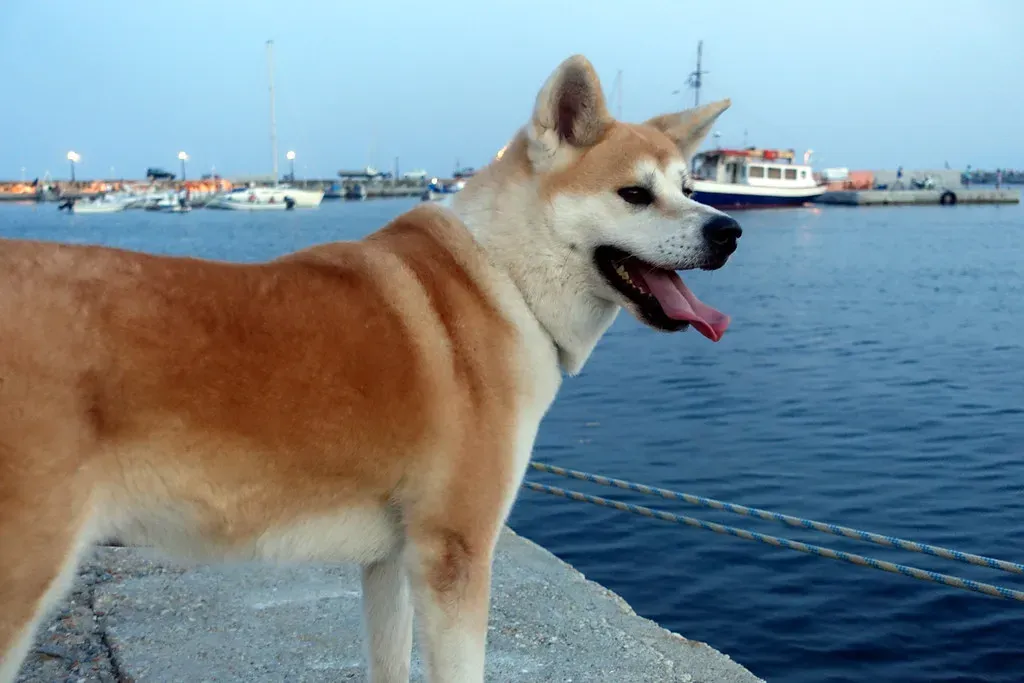
Akitas are often described as dignified and aloof, and that’s not just a fancy way of saying they ignore you. They tend to form very strong bonds with their people but can be reserved, even wary, with strangers and other dogs. That emotional distance can come across as moodiness, especially when they suddenly decide they’re “over it” and walk away from interactions.
Because Akitas are so independent, they may not appreciate constant fussing, hugging, or being pushed into social situations, which can lead to grumpy reactions or tense body language. Watch for stiff posture, a hard stare, or a tight mouth – those are early signs they’re uncomfortable. Consistent training, clear boundaries, and respecting their space go a long way. Think of them as the friend who loves you fiercely but needs alone time to recharge.
2. Chow Chow – The Fluffy Perfectionist With Opinions
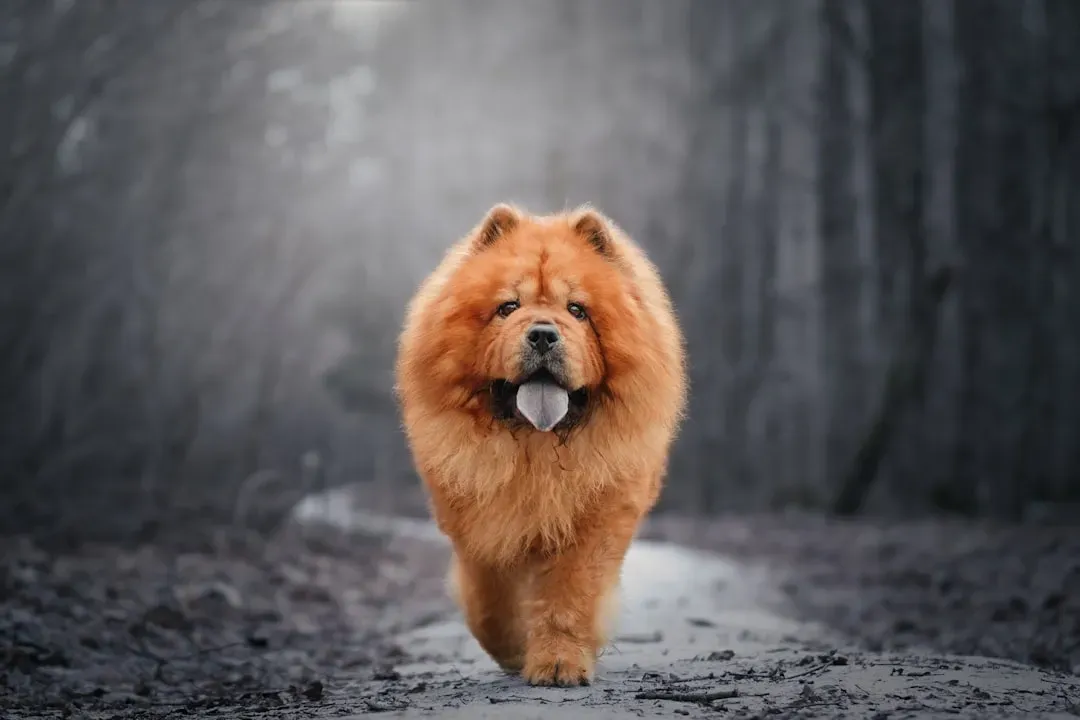
Chow Chows look like walking teddy bears, but anyone who has lived with one knows they can be pretty serious, even fussy, about how the world treats them. They tend to be very loyal to their family while remaining cool or standoffish with new people. When pushed beyond their comfort zone – like forced cuddles or chaotic environments – they can become cranky and reactive.
Chows often show moodiness through subtle signals before anything escalates: turning their head away, moving to another room, or freezing up when touched in ways they dislike. They do best with calm, predictable routines and guardians who read their body language and respect their boundaries. Early socialization, gentle handling, and predictable daily rhythms help keep that inner drama queen at a manageable level.
3. Cocker Spaniel – Sensitive Sweetheart on an Emotional Rollercoaster
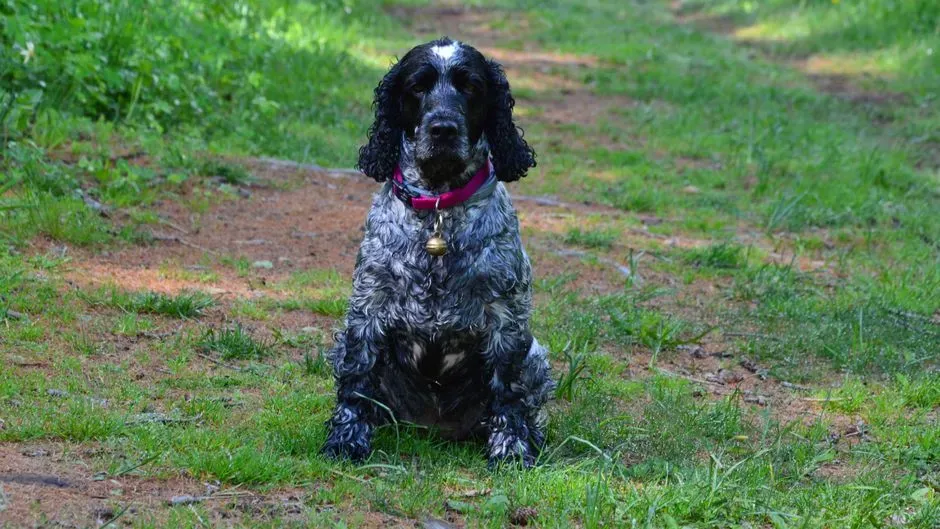
Cocker Spaniels are soft, affectionate dogs, but that softness often comes with a very sensitive nervous system. They can tip from happy and playful to anxious or snappy surprisingly quickly if they feel overwhelmed, startled, or in pain. Historically, some lines have also been linked to behavior issues when poorly bred or mishandled, which doesn’t help their reputation.
Watch for signs of emotional overload: lip licking, yawning when not tired, pinned ears, or hiding behind you. Cockers can be prone to ear infections and eye issues, and pain can absolutely fuel crankiness, so regular vet checks are crucial. Kind training methods, gentle voices, mental enrichment, and a stable routine often work wonders. Treat them like the sensitive friend who takes things to heart – they need reassurance, not harshness.
4. Dachshund – Tiny Body, Giant Feelings
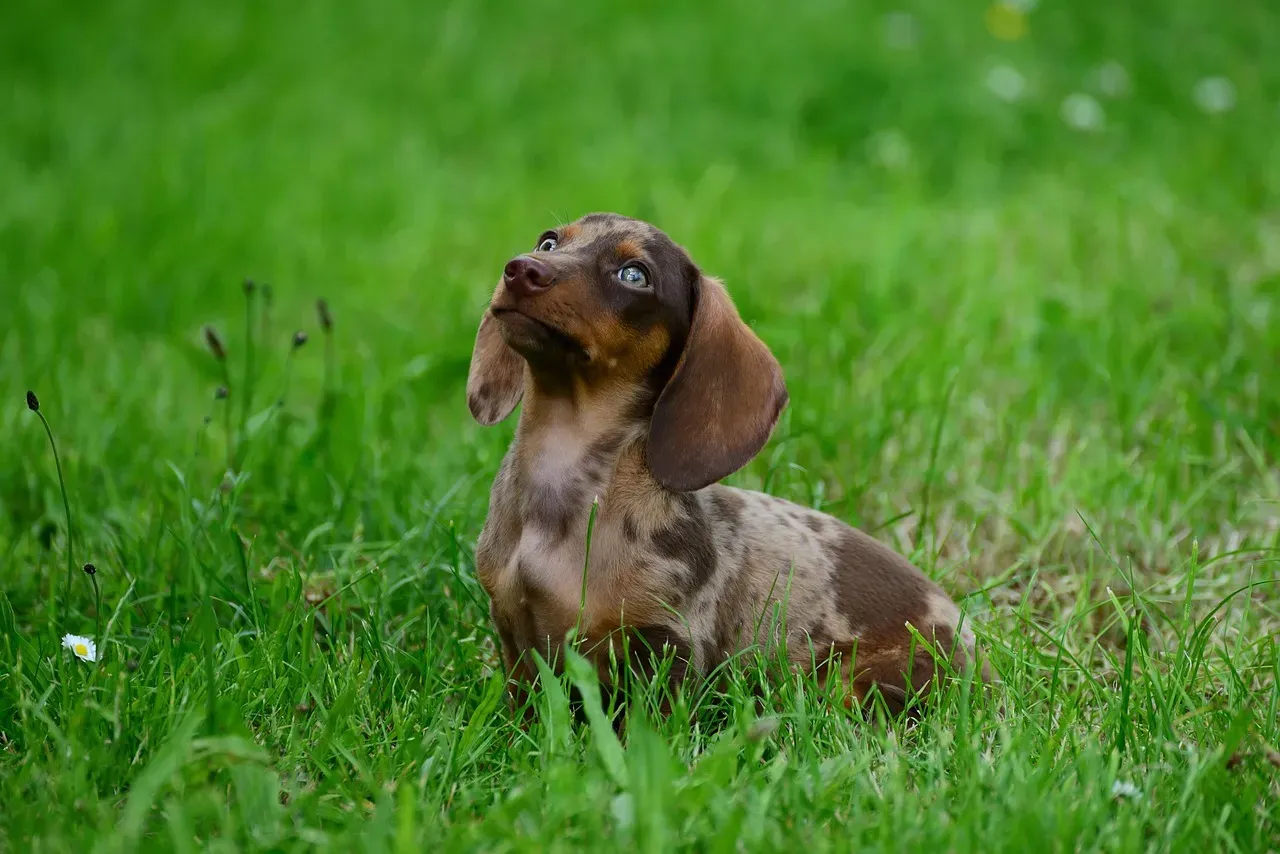
Dachshunds may be small, but they are packed with attitude and big dog energy. Originally bred to hunt badgers, they have a stubborn streak and a strong sense of their own priorities. When they do not get their way – or when their routine is disrupted – they can become vocal, sulky, or downright defiant.
Moodiness in Dachshunds can show as barking at every little sound, resisting handling, or guarding favorite spots on the couch. Because they’re prone to back problems, pain can also make them snappier or less patient, so any sudden change in behavior deserves a vet visit. Clear rules, positive reinforcement, and plenty of mental and scent-based games help channel their intensity into something constructive instead of constant drama.
5. Shar-Pei – The Stoic Worrier With a Short Fuse
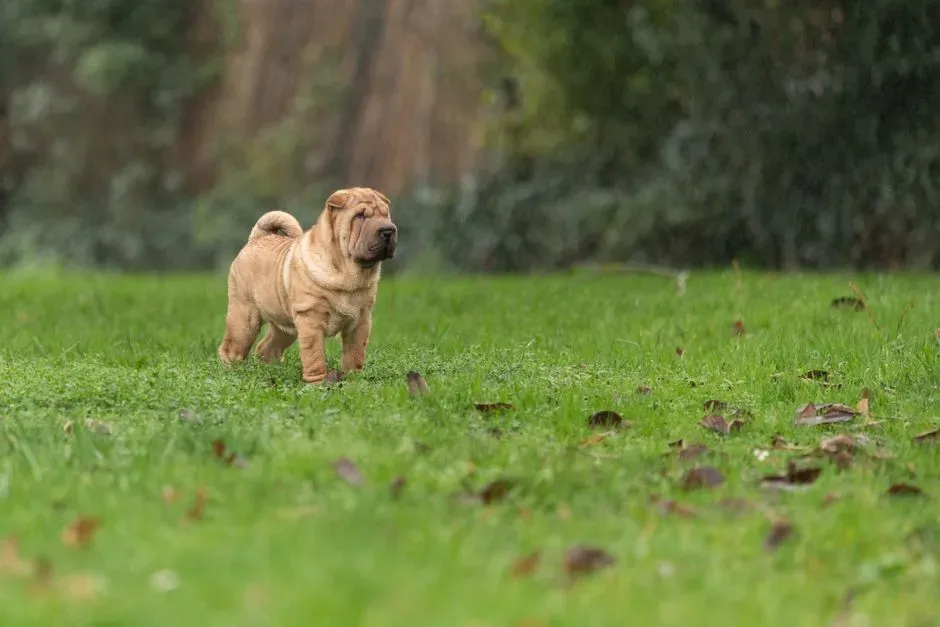
Shar-Peis often come off as calm and self-contained, but under that wrinkled poker face can be a dog that feels things deeply. Many are naturally suspicious of strangers and can shift quickly from relaxed to on-guard. If they feel threatened, cornered, or misunderstood, that internal worry can turn into snappy or defensive behavior.
Early socialization and careful exposure to new sights, sounds, and people are crucial for this breed. Watch for stress signals like stiff movement, lowered tail, or a slightly furrowed brow (yes, even more than usual) to catch tension early. Shar-Peis are also prone to skin, eye, and allergy issues, which can quietly fuel irritability. Calm leadership, gentle training, and staying on top of health problems can transform them from moody to quietly devoted companions.
6. Siberian Husky – The Drama Athlete With Loud Opinions
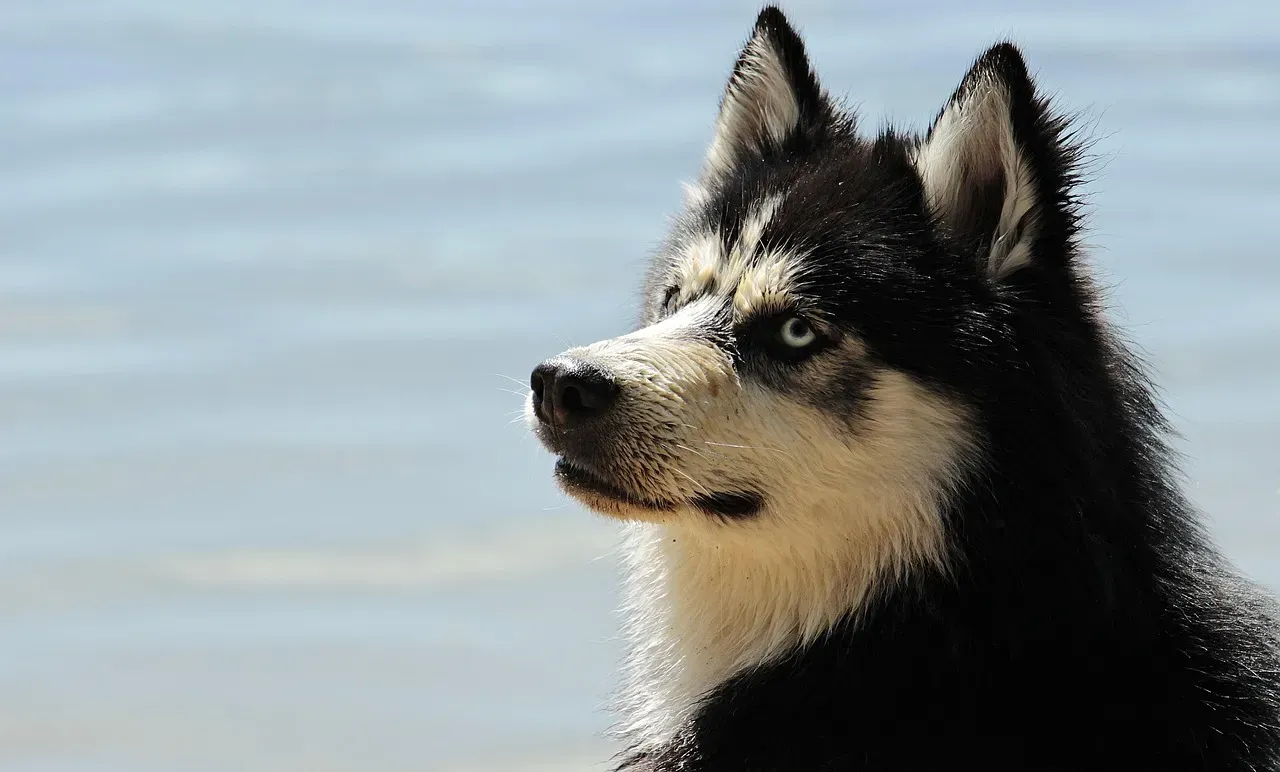
Huskies are energetic, social, and ridiculously expressive – sometimes to the point where they seem like toddlers throwing tantrums. When they are under-exercised, bored, or restricted too much, their “moodiness” tends to show up as howling, destructive behavior, or flat-out ignoring cues. It is less about aggression and more about feeling frustrated and misunderstood.
You will often see a moody Husky roll their eyes (almost literally), flop dramatically on the floor, or argue vocally when asked to do something they deem unreasonable. These dogs need a lot of mental and physical stimulation: long walks, running, pulling sports, puzzle toys, and regular training sessions. Guardians who embrace their loud personality and give them outlets for that intensity usually see far fewer “attitude problems” at home.
7. Shiba Inu – The Independent Free Spirit Who Hates Being Bossed Around
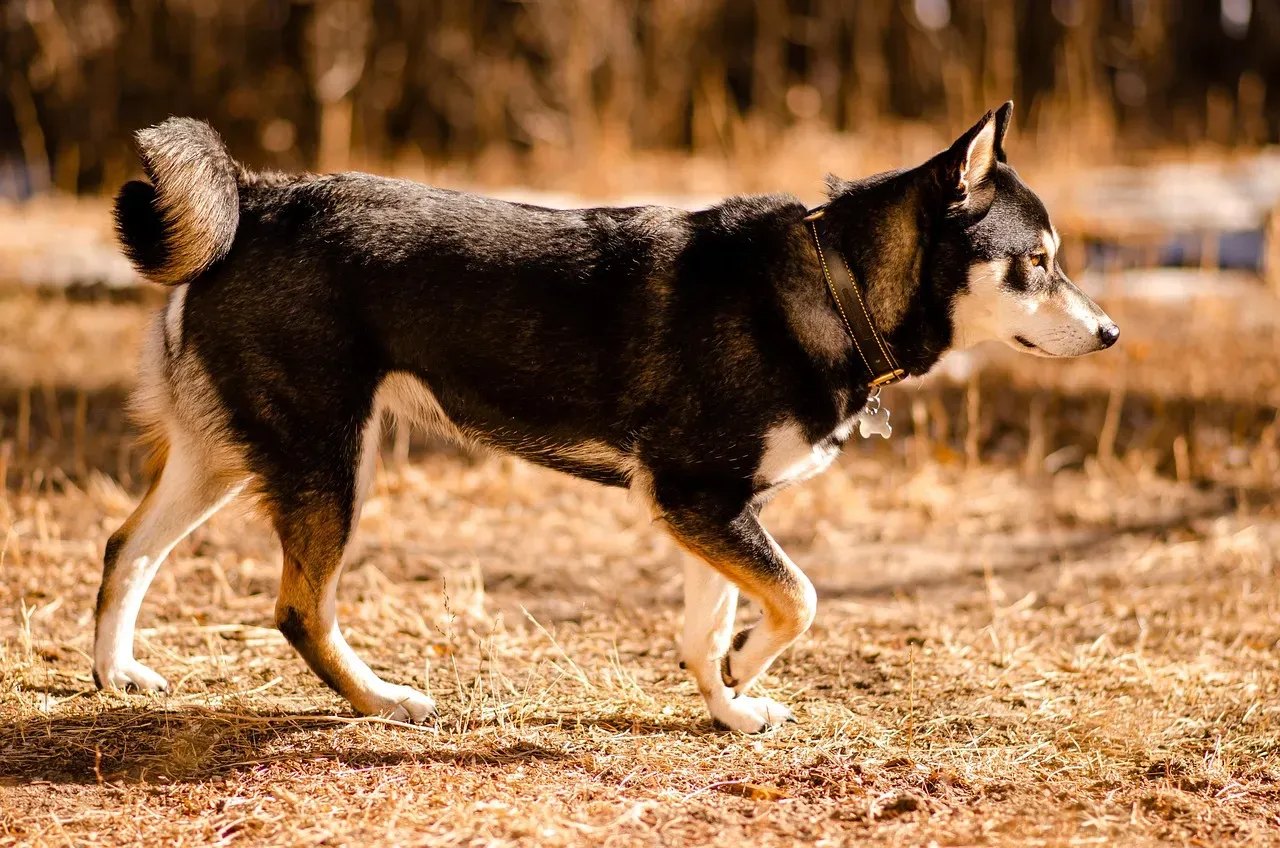
Shiba Inus have a reputation for being cat-like, and that is not far off. They are independent, opinionated, and often not particularly interested in pleasing humans just for the sake of it. When they are unhappy – say, with handling, grooming, or another dog in their space – they can become dramatically vocal or appear sulky and aloof.
You might notice the famous “Shiba scream” when they are restrained or forced into something they dislike, as well as side-eye, avoiding eye contact, or slipping out of reach when they are not in the mood. These dogs thrive with patient, positive training that gives them some choice and control. Instead of fighting their independence, work with it: use high-value rewards, short sessions, and routines that respect their need for space and autonomy.
8. Border Collie – The Overthinker Prone to Emotional Burnout
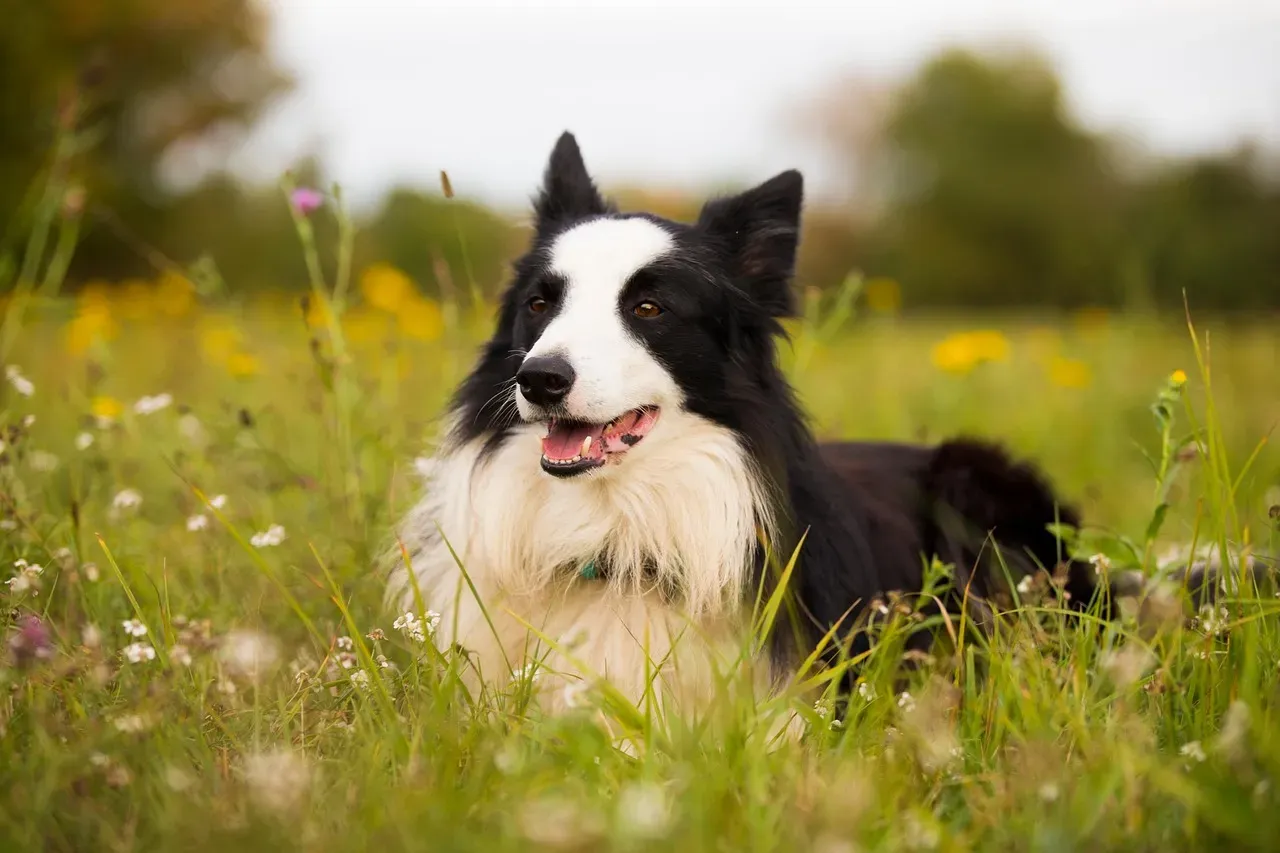
Border Collies are incredibly smart and sensitive, which is both their superpower and their weakness. They soak up every tiny change in your body language, tone of voice, or daily routine. When their brains and bodies are underworked or overstimulated, they may become restless, anxious, intense, or even snappy, especially around fast-moving things like kids or other animals.
Behaviors like obsessive herding, chasing cars or bikes, fixating on shadows, or sudden startle responses can be signs of a dog that is mentally fried or emotionally overloaded. They do best with structured outlets for their drive: herding sports, agility, obedience, scent work, or even just well-designed fetch games with clear rules. Think of them as high-performance athletes with feelings – they need both training and intentional rest to keep moods balanced.
9. Weimaraner – The Velcro Dog With Big Emotions
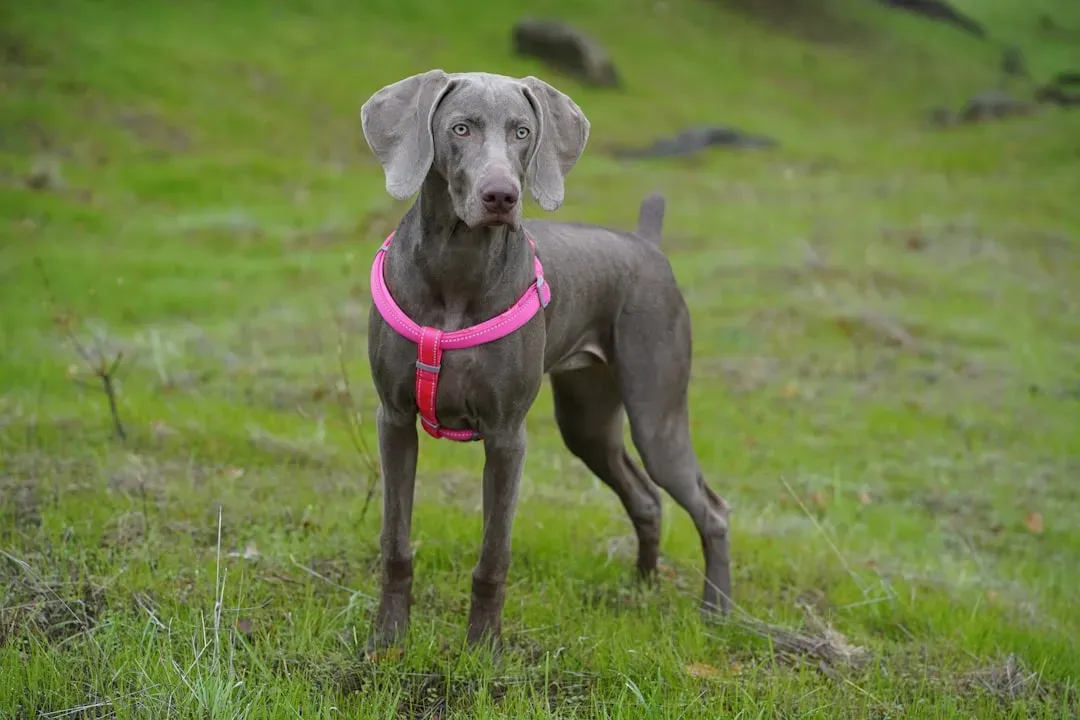
Weimaraners are often nicknamed “Velcro dogs” because they attach so strongly to their humans. That intense attachment can turn into anxiety, clinginess, or destructive behavior if they are left alone too long or not mentally engaged. Their moodiness often revolves around separation, boredom, or feeling ignored.
Signs of emotional distress in a Weimaraner can include pacing, whining, chewing doors or furniture, and shadowing you from room to room. They thrive in active homes where they can run, learn, and participate in daily life rather than being parked on a couch all day. Training that builds independence, gradual alone-time practice, and plenty of exercise and brain games can prevent that sensitive heart from tipping into full-blown drama.
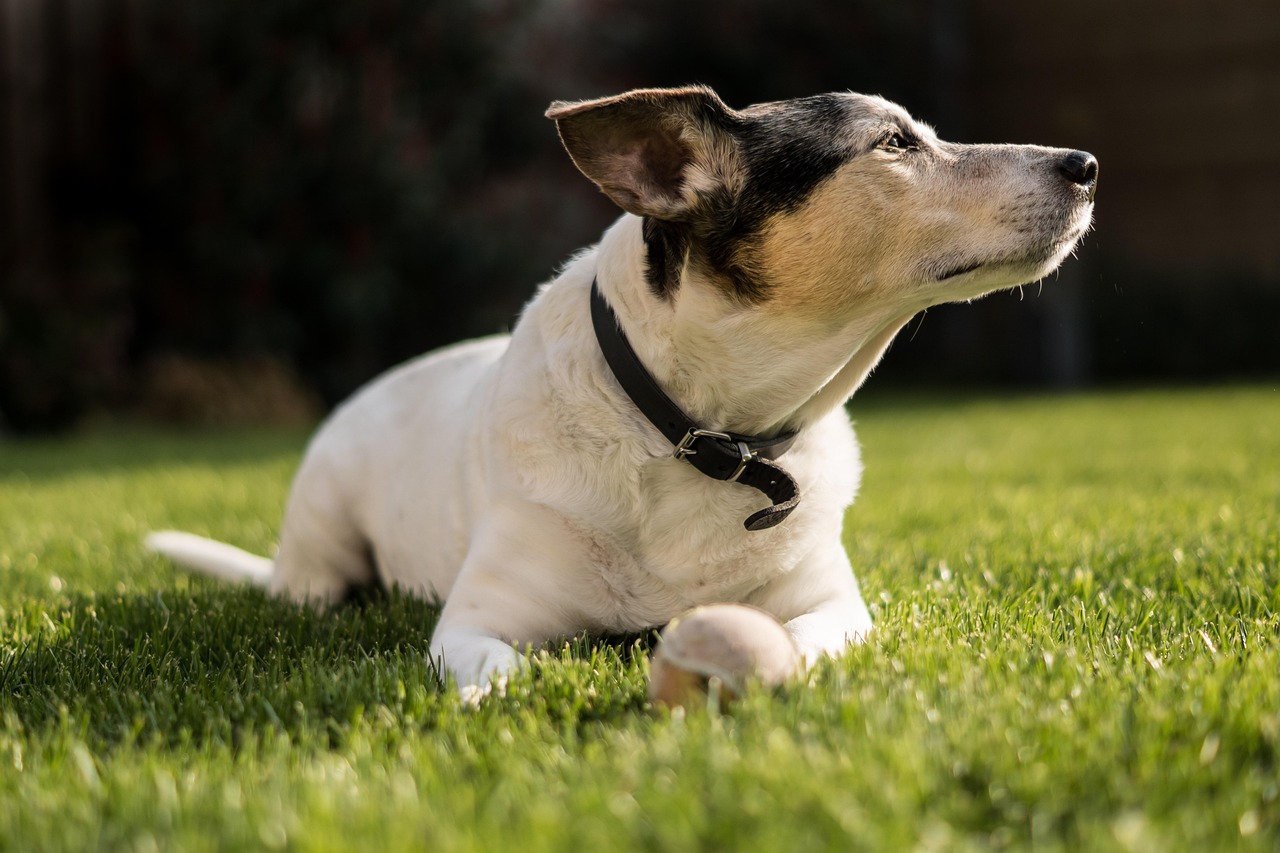
10. Jack Russell Terrier – The Fiery Spark Plug With Zero Chill
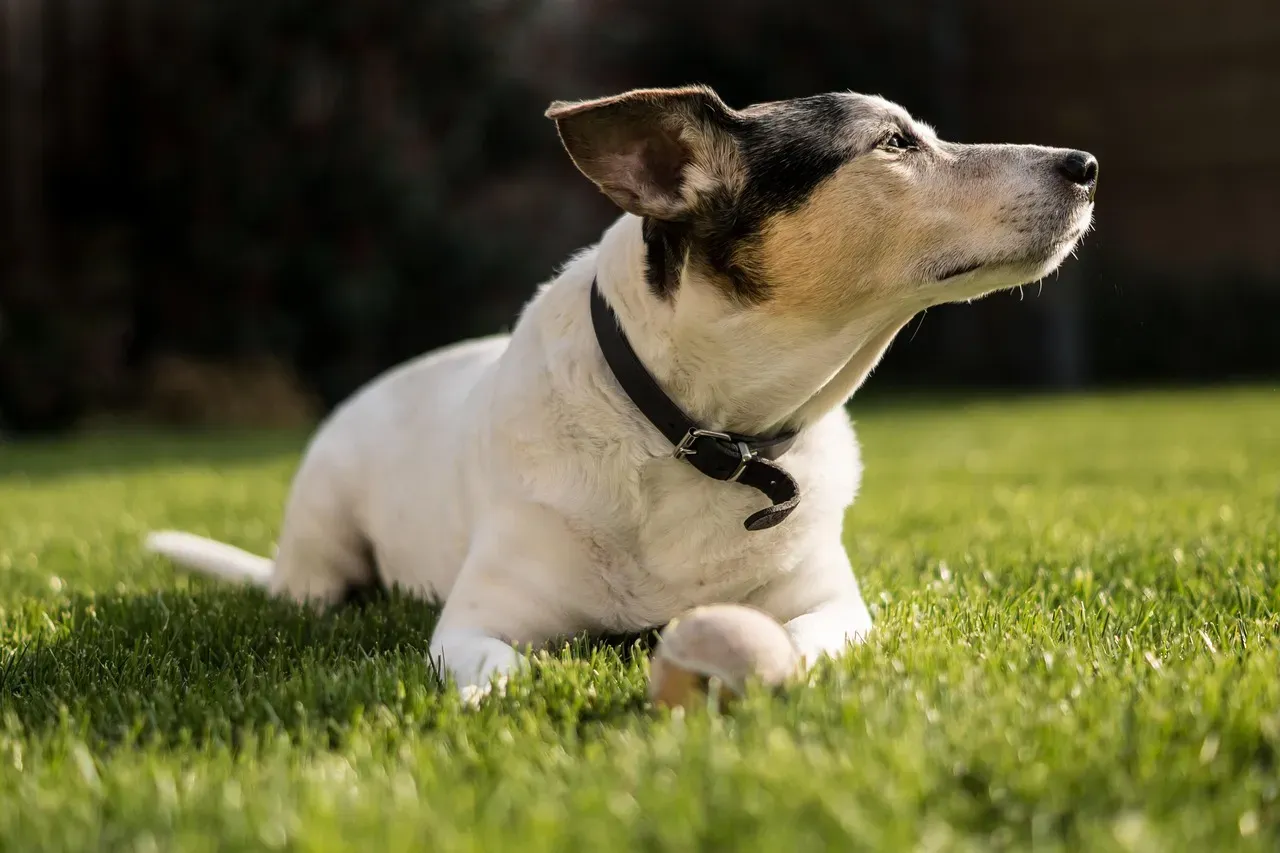
Jack Russell Terriers are small dogs with working-dog intensity, and when that energy has nowhere to go, it can look like pure chaos. They are quick, sharp, and driven, which sometimes comes across as impatient or short-tempered, especially around slow-moving or unpredictable situations. If their needs are not met, they may become snappy, noisy, or bossy with other animals.
Look for signs of mounting frustration: nonstop barking, spinning, pacing, or fixating on tiny movements outside the window. These dogs need structured outlets like agility, flyball, nose work, or plenty of digging and chasing games. When you give a Jack Russell a job and consistent boundaries, the mood swings settle, and you are left with a hilarious, intense, and deeply engaging little partner instead of a tiny dictator.
Living With a Moody Dog: Turning Challenge Into Connection
Sharing your life with a moody breed can be frustrating, especially on the days when you feel like you are walking on eggshells around your own dog. But often, what we label as “moodiness” is really sensitivity, unmet needs, pain, or confusion. Once you start looking at your dog’s behavior through that lens, everything feels a little less personal and a lot more solvable.
The real key is observation and empathy: noticing early body-language changes, honoring their preferences, ruling out health issues, and building routines that help them feel safe and understood. When we meet these emotionally complex dogs where they are, they often respond with incredible loyalty and connection. In the end, their big feelings can deepen the bond you share – because you have both learned to listen. Which of these big-hearted, big-feeling breeds reminds you of the dog you love?


