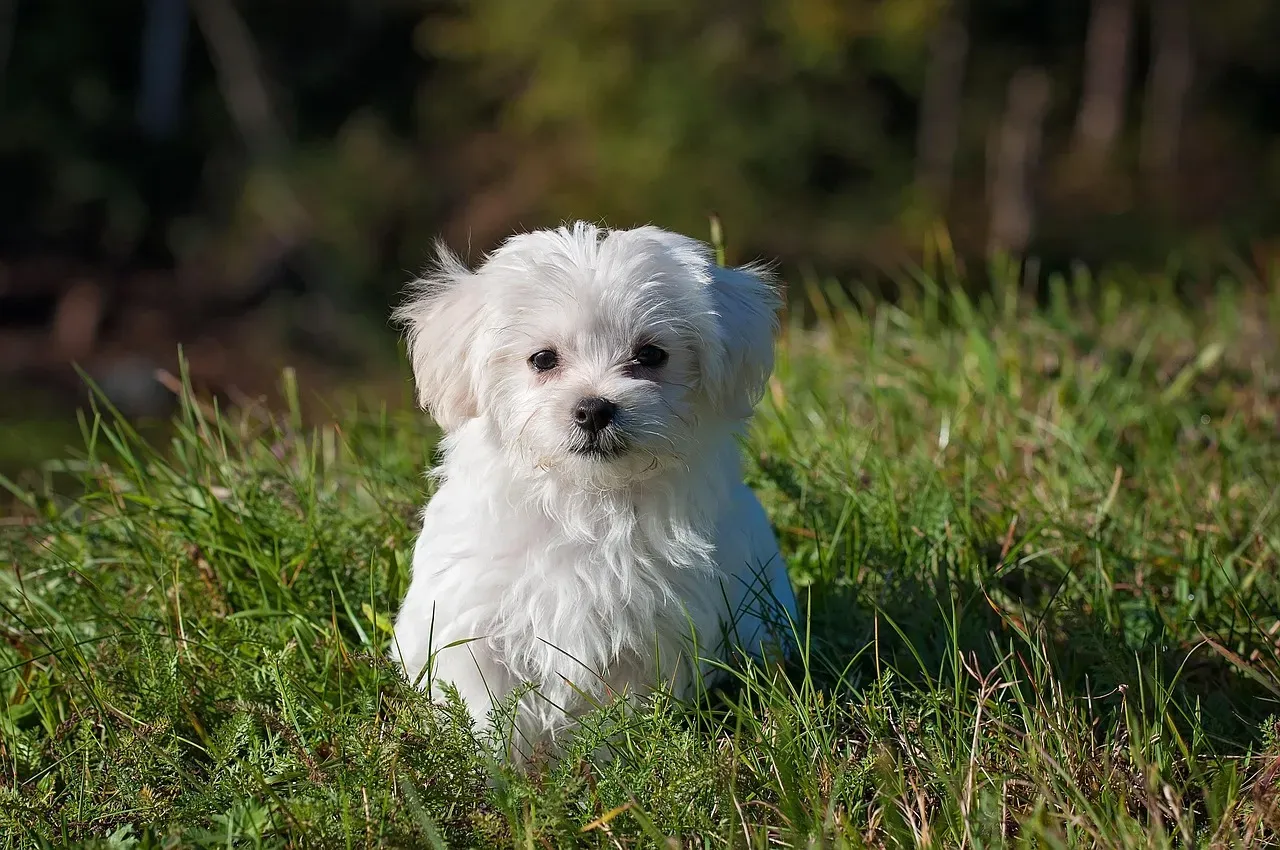
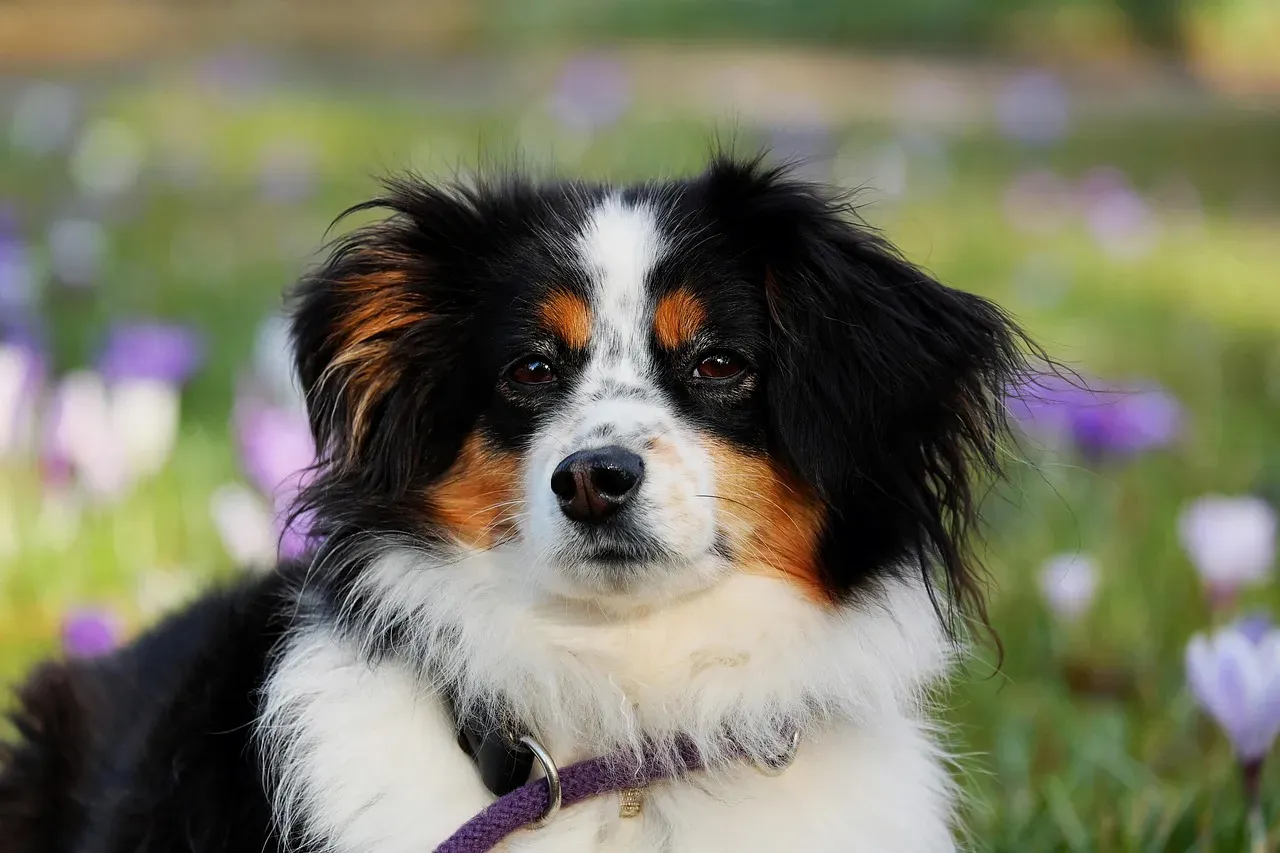
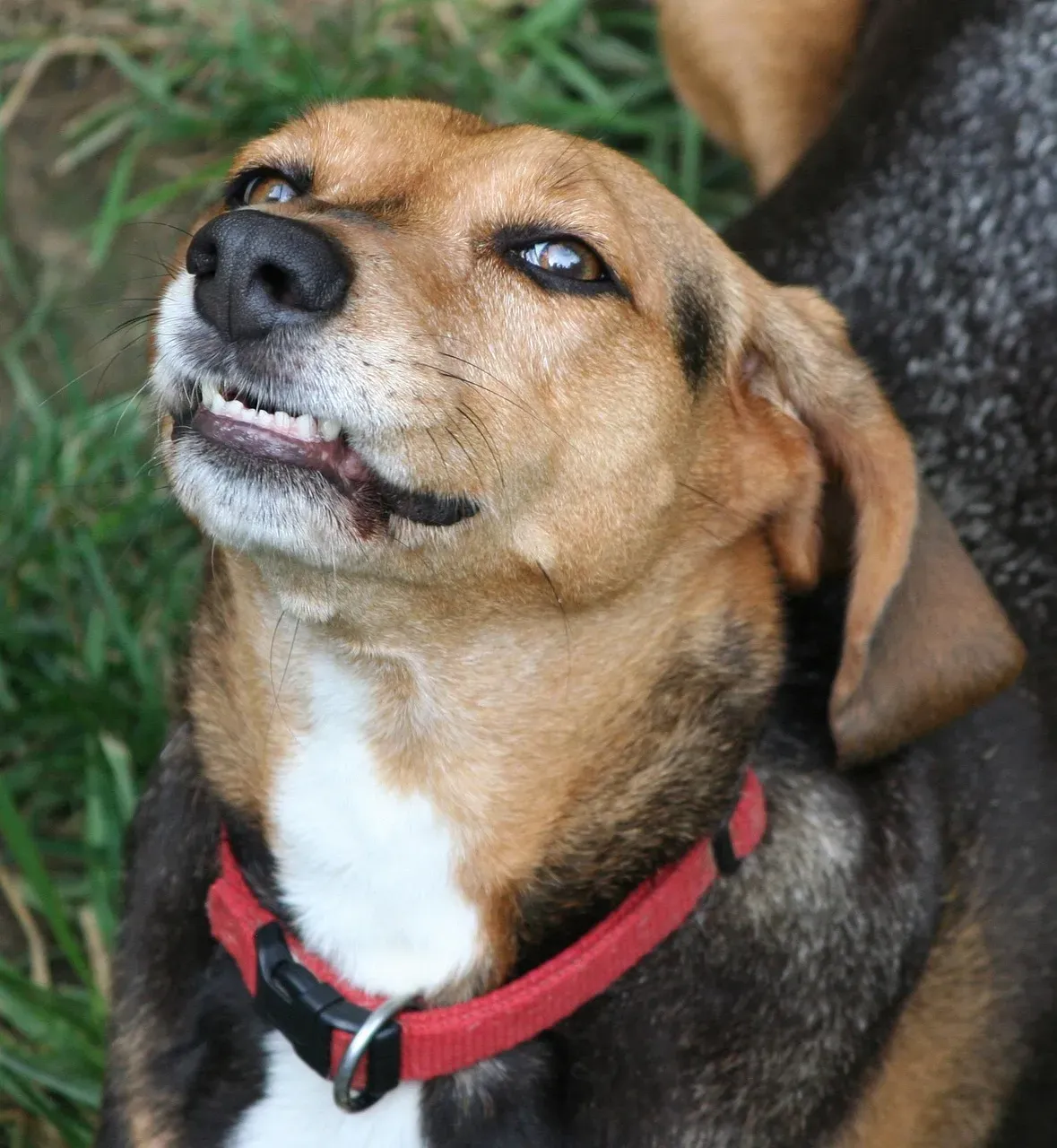
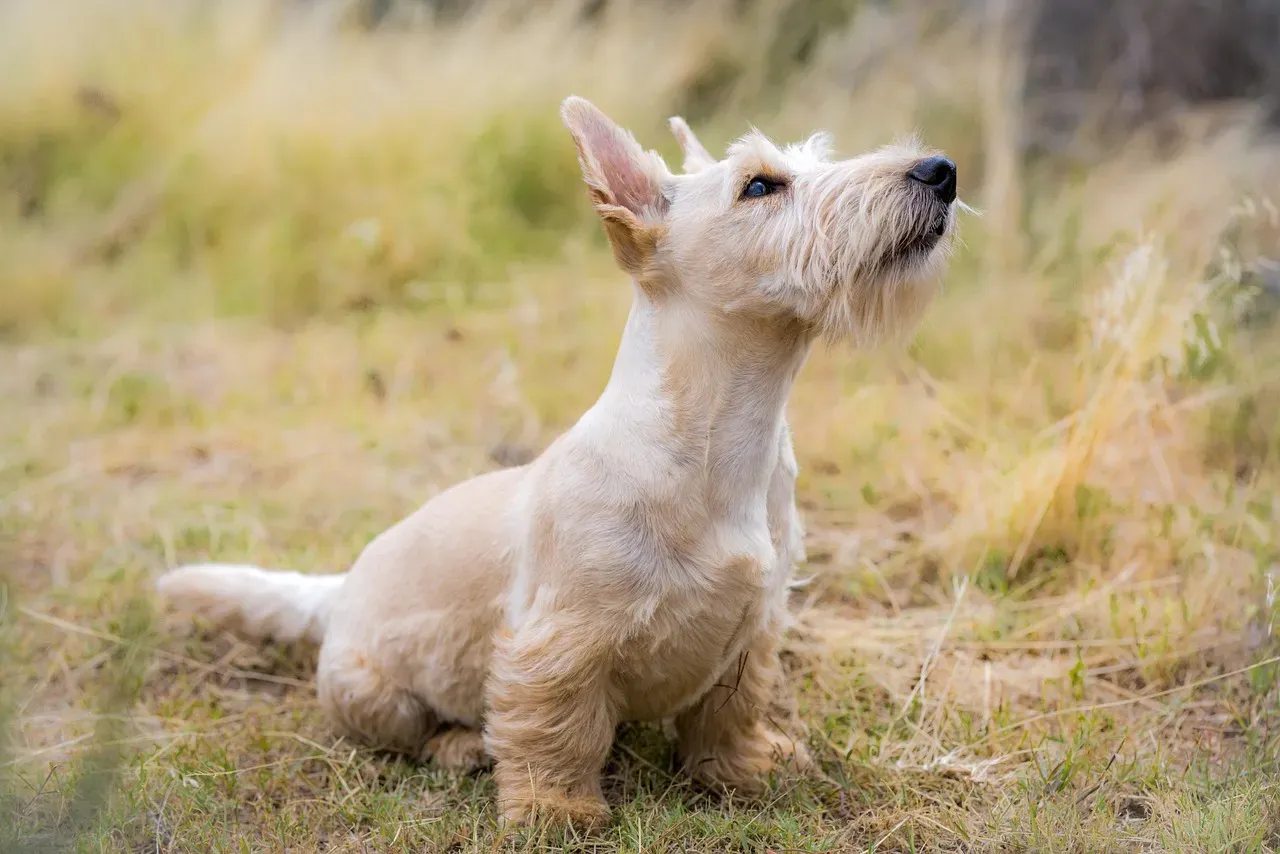
Small dogs often exhibit behaviors that may seem puzzling or even concerning. Understanding these actions can reveal a deep-seated desire for your attention and love. Here are ten signs that your petite pup might be feeling jealous and vying for your affection.
1. Interrupting Your Interactions
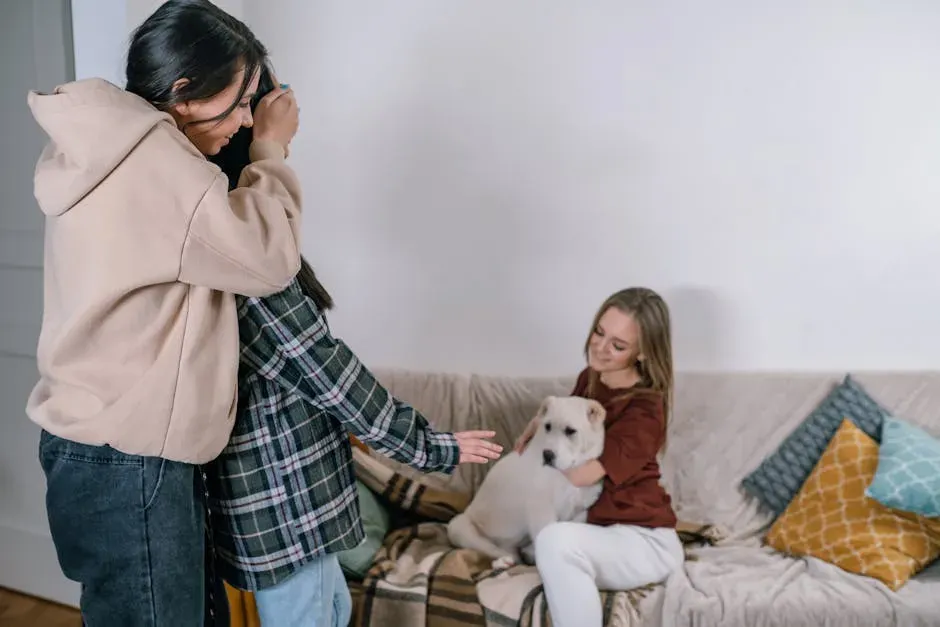
1. Interrupting Your Interactions (Image Credits: Pexels)Ever noticed your small dog wedging themselves between you and another person or pet? This behavior is a classic sign of jealousy. By physically inserting themselves, they’re attempting to reclaim your focus and ensure they’re the center of your world.This interruption isn’t just about attention; it’s a manifestation of their deep bond with you. They perceive any diversion of your attention as a potential threat to their special place in your life.
2. Excessive Barking or Whining
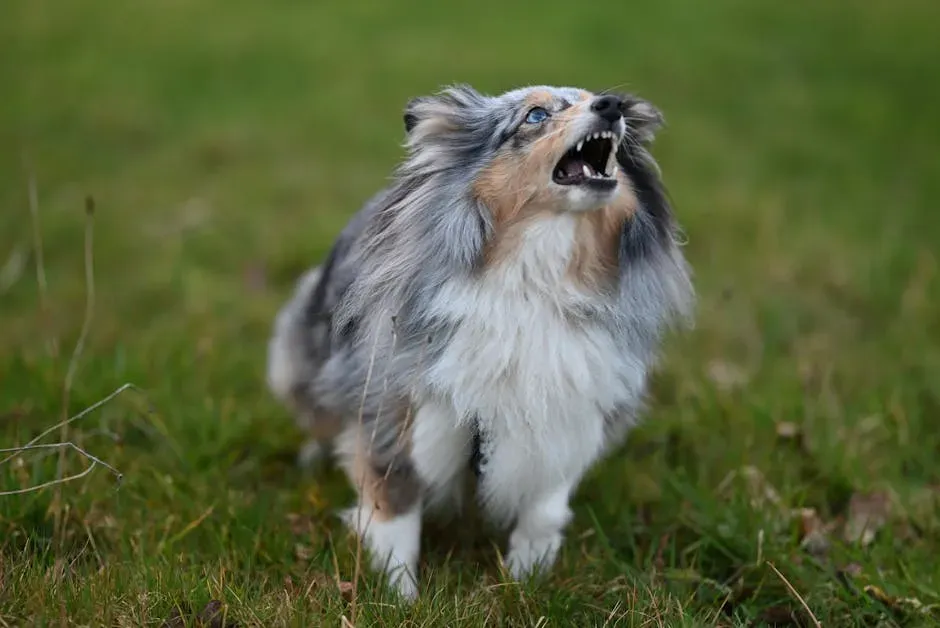
2. Excessive Barking or Whining (Image Credits: Pexels)If your small dog becomes particularly vocal when you’re engaged with others, it’s a telltale sign of jealousy. This vocalization is their way of expressing displeasure and attempting to draw you back to them.Such behaviors often stem from insecurity. They fear losing your affection and use their voice as a tool to regain your attention.
3. Displaying Aggressive Tendencies
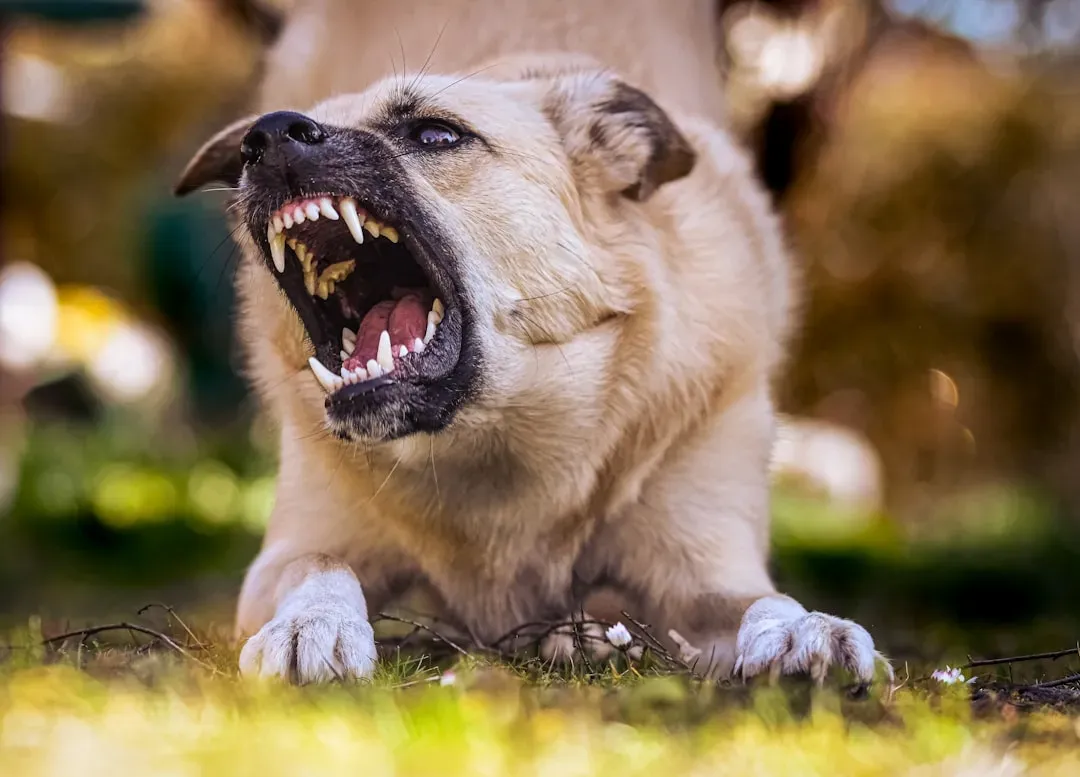
3. Displaying Aggressive Tendencies (Image Credits: Unsplash)Jealousy can sometimes escalate to aggression. Your small dog might growl, snap, or even bite when they feel their bond with you is threatened.This aggression is a defense mechanism. They aim to ward off perceived rivals and reestablish their position as your primary companion.
4. Clingy or Overly Attached Behavior
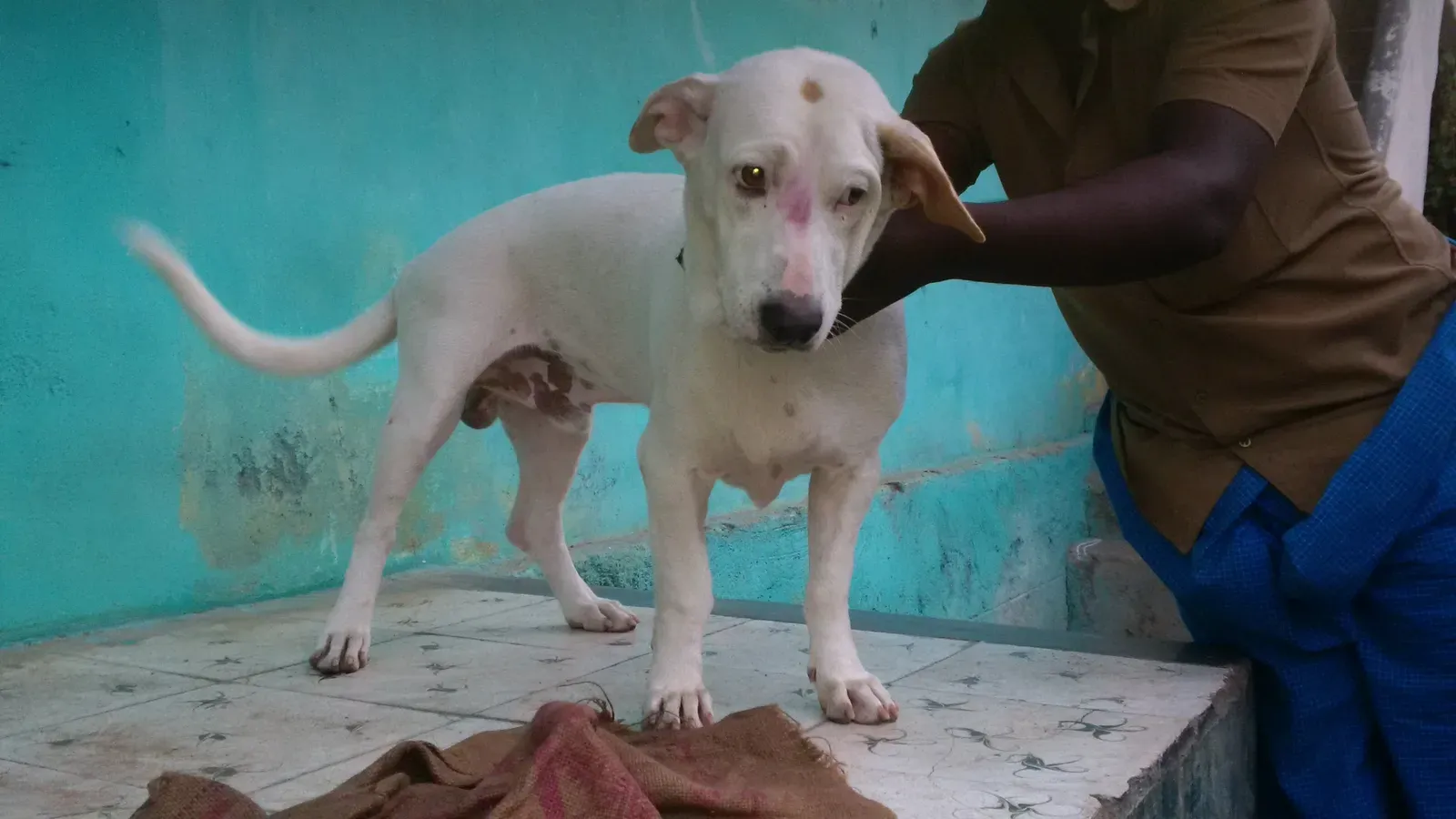
4. Clingy or Overly Attached Behavior (CC BY-SA 4.0)A sudden increase in clinginess can indicate jealousy. Your small dog might follow you from room to room, refusing to let you out of their sight.This behavior reflects their anxiety about your divided attention. They seek constant proximity to reassure themselves of your affection.
5. Destructive Actions
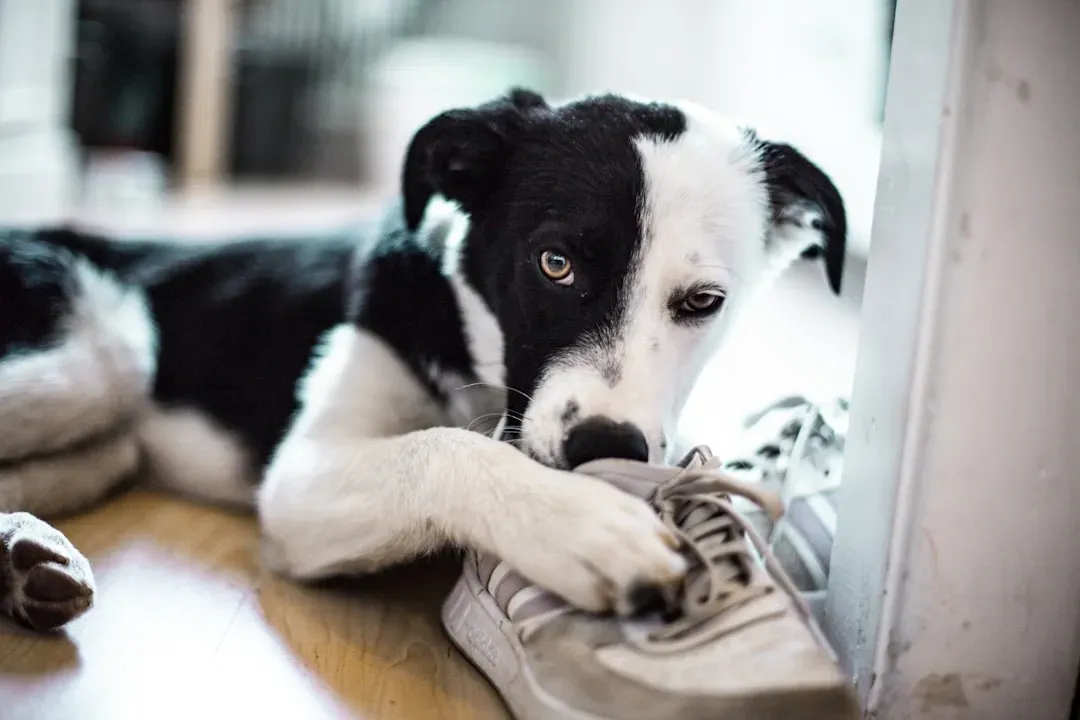
5. Destructive Actions (Image Credits: Unsplash)Jealousy can lead to destructive behaviors. Your small dog might chew on furniture, shoes, or other items, especially when you’re paying attention to someone else.These actions are often cries for attention. They’ve learned that misbehavior can prompt a reaction from you, even if it’s negative.
6. House Soiling
6. House Soiling (Image Credits: Pixabay)A house-trained dog suddenly having accidents indoors can be a sign of jealousy. This regression is a way to express their distress over perceived competition for your affection.Such behavior is not about defiance but a manifestation of their emotional turmoil. They might feel neglected and resort to attention-seeking actions.
7. Ignoring Commands
7. Ignoring Commands (Image Credits: Pixabay)If your small dog starts disregarding previously learned commands, jealousy might be the culprit. This defiance is a way to test boundaries and gauge your reaction.By ignoring commands, they’re seeking to reestablish their importance in your life and ensure they’re not being sidelined.
8. Guarding You from Others
8. Guarding You from Others (Image Credits: Pixabay)Your small dog might position themselves between you and others, growling or snapping to keep them at bay. This guarding behavior is a clear sign of jealousy.They view you as their territory and feel the need to protect their bond with you from perceived intruders.
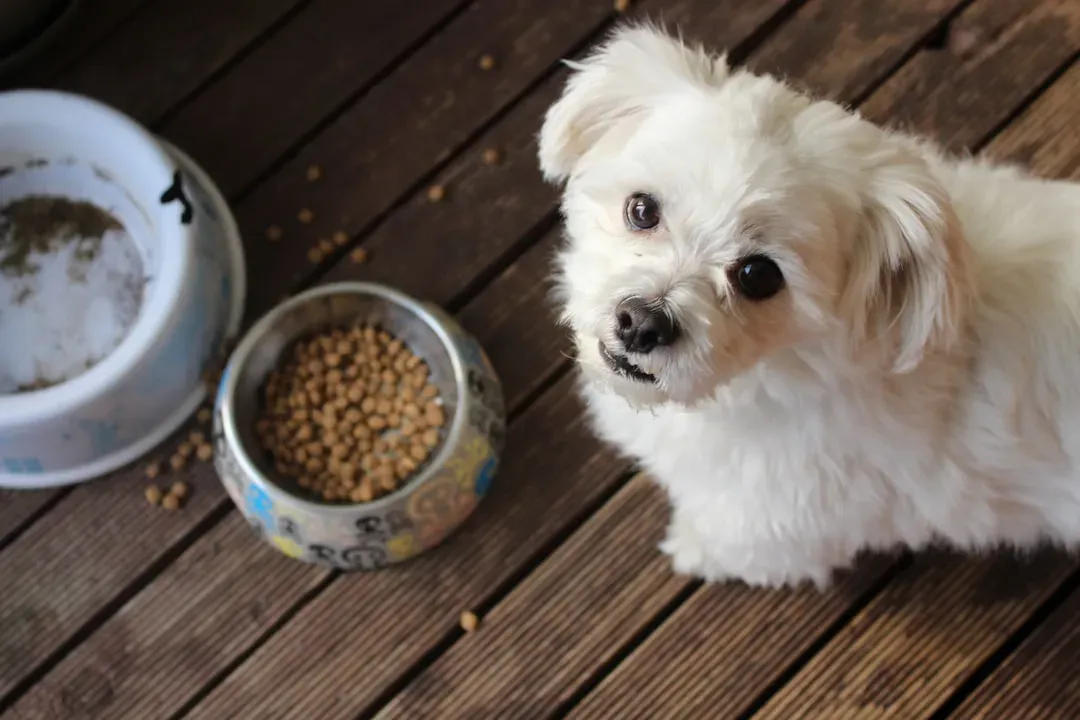
9. Loss of Appetite
9. Loss of Appetite (Image Credits: Unsplash)A sudden disinterest in food can be linked to jealousy. Emotional distress can affect their eating habits, leading to skipped meals.This loss of appetite is a physical manifestation of their emotional state. They might be too preoccupied with their feelings of jealousy to focus on eating.
10. Seeking Constant Reassurance
10. Seeking Constant Reassurance (Image Credits: Pixabay)Your small dog might frequently seek physical contact, such as pawing at you or nudging your hand, especially when you’re engaged with others. This behavior is their way of seeking reassurance of your affection.They need constant validation to feel secure in their bond with you, especially when they perceive threats to your attention.Recognizing these signs is crucial in addressing your small dog’s emotional needs. By understanding their behaviors, you can take steps to reassure them of your unwavering affection and strengthen your bond.Isn’t it fascinating how our tiny companions communicate their deep-seated emotions?