Bringing a new dog into your home is an exciting journey filled with anticipation and joy. However, not all breeds are suited for first-time owners. Veterinarians often caution against certain breeds due to their complex health issues, demanding care requirements, or challenging temperaments. Understanding these concerns can help prospective owners make informed decisions, ensuring a harmonious relationship between pet and owner.
French Bulldogs: Adorable Yet Prone to Breathing Difficulties
French Bulldogs: Adorable Yet Prone to Breathing Difficulties (Image Credits: Unsplash)French Bulldogs have surged in popularity, captivating hearts with their compact size and expressive faces. However, their distinctive flat faces, a result of selective breeding, often lead to brachycephalic obstructive airway syndrome. This condition can cause severe breathing difficulties, making even mild exercise a challenge. Many Frenchies require surgical intervention to alleviate these issues, leading to significant veterinary expenses.Beyond respiratory concerns, French Bulldogs are susceptible to skin fold infections, eye ulcers, and spinal disorders. Their unique anatomy demands vigilant care and regular health check-ups. Prospective owners should be prepared for the financial and emotional commitment required to maintain the well-being of these charming companions.
English Bulldogs: Endearing but Health-Challenged
English Bulldogs: Endearing but Health-Challenged (Image Credits: Unsplash)English Bulldogs are known for their distinctive appearance and gentle demeanor. However, their unique physical structure predisposes them to a host of health issues. Breathing difficulties are common due to their short snouts, often necessitating surgical correction. Additionally, they frequently suffer from joint problems, skin infections, and eye conditions, all of which can lead to substantial veterinary costs.Their susceptibility to overheating and exercise intolerance further complicates their care. Potential owners should be aware of these challenges and consider whether they can provide the necessary resources and attention to ensure a quality life for an English Bulldog.
Pugs: Charming Companions with Hidden Health Risks
Pugs: Charming Companions with Hidden Health Risks (Image Credits: Unsplash)Pugs are beloved for their playful personalities and distinctive looks. However, their flat-faced anatomy often leads to breathing problems, a condition known as brachycephalic obstructive airway syndrome. This can result in noisy breathing, snoring, and even severe respiratory distress. Additionally, their prominent eyes are prone to injuries and ulcers, requiring careful monitoring and potential medical intervention.Obesity is another concern, as Pugs have a tendency to overeat, which can exacerbate existing health issues. Their small size and compact build make weight management crucial. Prospective owners should be prepared for regular veterinary visits and a commitment to maintaining a healthy lifestyle for their Pug.
German Shepherds: Loyal Protectors with Genetic Predispositions
German Shepherds: Loyal Protectors with Genetic Predispositions (Image Credits: Unsplash)German Shepherds are renowned for their intelligence, loyalty, and versatility. However, they are genetically predisposed to several health issues, notably hip and elbow dysplasia. These conditions can lead to pain and mobility challenges, often requiring surgical intervention and long-term management.Their high energy levels and need for mental stimulation mean they require consistent training and ample exercise. Without proper engagement, they may develop behavioral issues. First-time owners should consider whether they can meet the physical and mental demands of this breed.
Great Danes: Gentle Giants with Shortened Lifespans
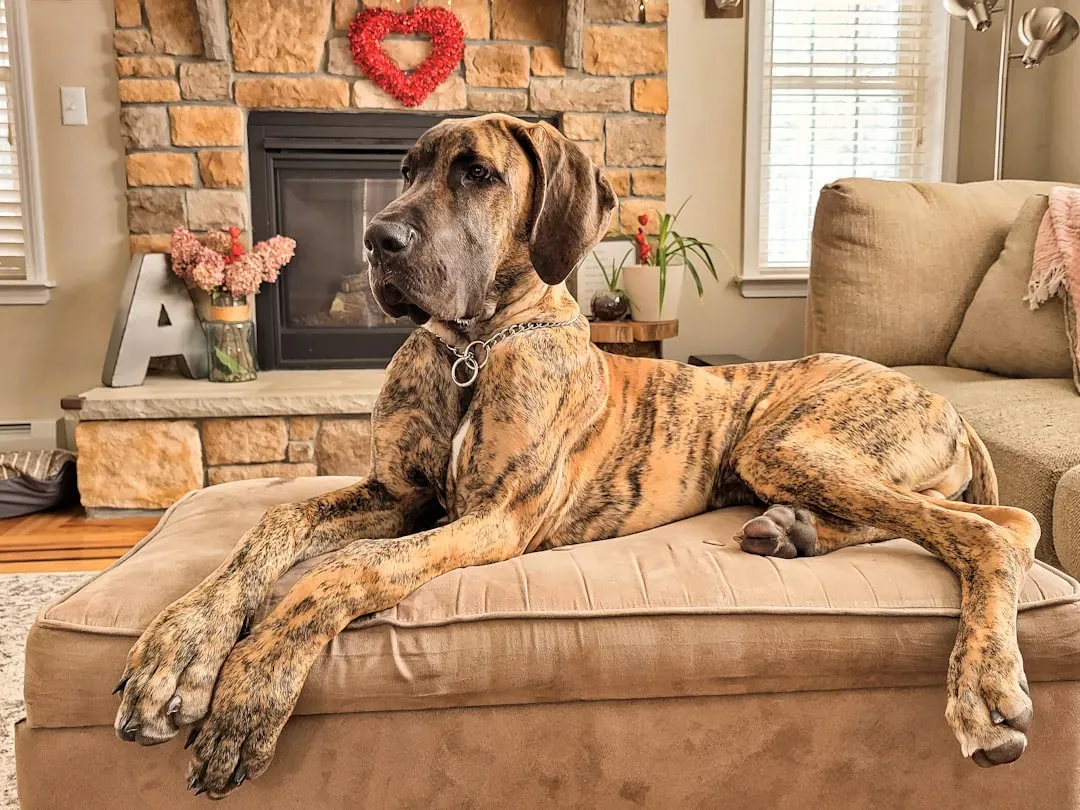
Great Danes: Gentle Giants with Shortened Lifespans (Image Credits: Unsplash)Great Danes are known for their imposing size and gentle nature. However, their large stature comes with a predisposition to health issues such as heart disease, bloat (gastric torsion), and joint problems. Bloat, in particular, is a life-threatening condition that requires immediate medical attention.Their shorter lifespan, often ranging from 7 to 10 years, can be emotionally challenging for owners. Additionally, their size means higher costs for food, medications, and potential medical treatments. Prospective owners should be prepared for the financial and emotional commitments associated with this breed.
Cavalier King Charles Spaniels: Affectionate but Prone to Heart Conditions
Cavalier King Charles Spaniels: Affectionate but Prone to Heart Conditions (Image Credits: Unsplash)Cavalier King Charles Spaniels are cherished for their affectionate nature and elegant appearance. However, they are highly susceptible to mitral valve disease, a serious heart condition that can lead to heart failure. This often necessitates lifelong medication and regular veterinary monitoring.They are also prone to neurological disorders such as syringomyelia, which can cause significant discomfort and require specialized care. Potential owners should be aware of these health risks and consider whether they can provide the necessary care and attention.
Rottweilers: Powerful Companions with Health and Behavioral Considerations
Rottweilers: Powerful Companions with Health and Behavioral Considerations (Image Credits: Pixabay)Rottweilers are known for their strength, loyalty, and protective instincts. However, they are prone to joint issues such as hip and elbow dysplasia, which can lead to mobility problems and require surgical intervention. They also have a higher risk of developing certain cancers, necessitating regular health screenings.Their protective nature requires consistent training and socialization to prevent aggressive behaviors. First-time owners may find managing a Rottweiler’s strength and temperament challenging. It’s essential to assess whether one can provide the firm leadership and care this breed requires.
Shar-Peis: Unique Appearance with Complex Health Needs
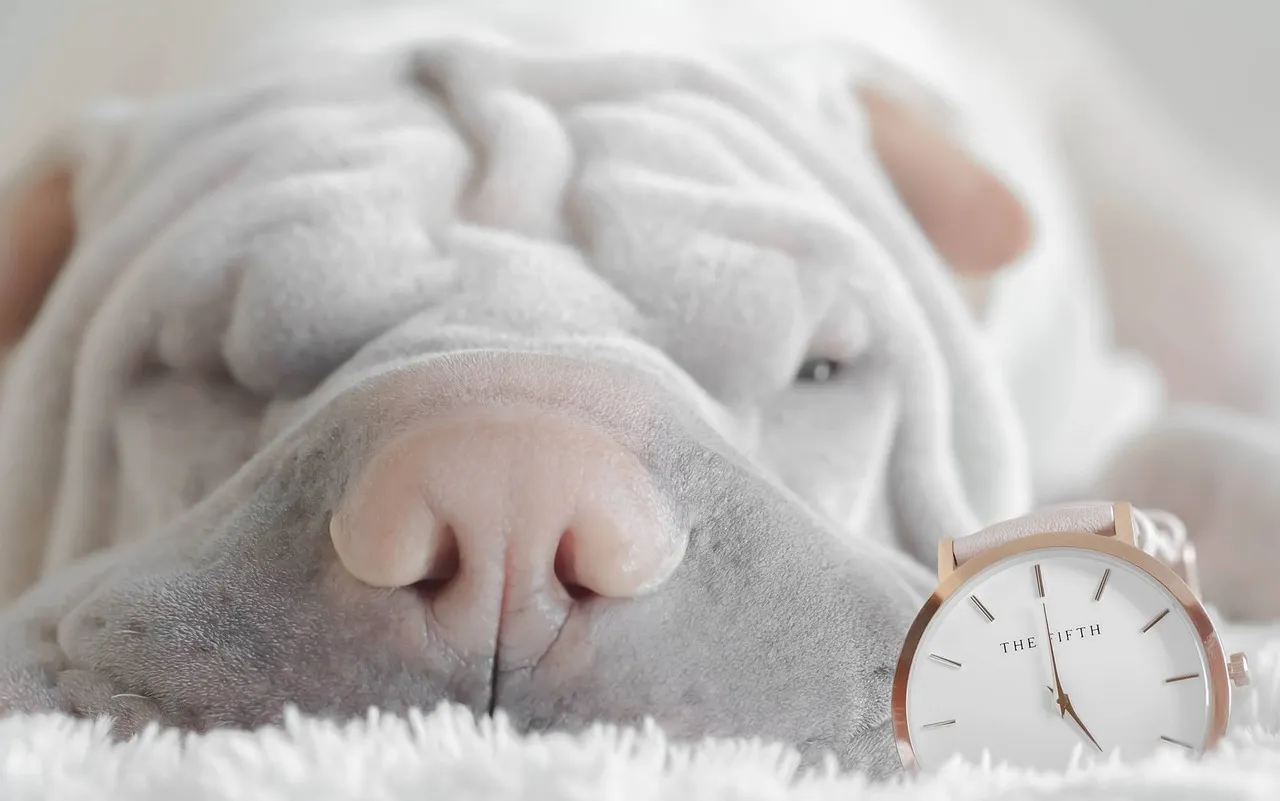
Shar-Peis: Unique Appearance with Complex Health Needs (Image Credits: Pixabay)Shar-Peis are distinctive for their deep wrinkles and unique appearance. However, these very features contribute to a range of health issues. Their skin folds can trap moisture and bacteria, leading to chronic skin infections that require diligent care. They are also prone to eye conditions such as entropion, where the eyelids roll inward, causing irritation and potential damage to the eye.Their independent and sometimes stubborn nature can make training a challenge, requiring patience and consistency. Prospective owners should be prepared for the time and financial investment needed to care for a Shar-Pei properly.