
I still remember the first time a vet quietly told me, after my older dog’s checkup, that many of the health problems we were now battling could have been delayed or even avoided with different habits years earlier. It stung. But it also flipped a switch in my brain: long life for a dog is not an accident, it is built, choice by choice, over time.
When you really watch people whose dogs consistently make it to advanced ages in good shape, you start noticing patterns. They are not just lucky. They do certain things differently, sometimes in small, almost boring ways that add up to big gains in health, mobility, and quality of life. Here are ten of those differences you can start using right away.
1. They Keep Their Dogs Forever-Slim, Not “Cute-Chubby”
If you hang out in a vet clinic long enough, you’ll notice something sobering: the super-senior dogs that still move well are almost always on the lean side. Experienced owners quietly ignore well-meaning comments about their dog looking “skinny,” because they know extra fat is not love, it is inflammation, joint strain, and a shorter lifespan waiting to happen. Studies have shown that dogs kept at a lean body condition can live noticeably longer and develop age-related disease later than their overfed littermates.
That does not mean starving your dog or obsessing over the scale, but it does mean learning what a healthy waist and rib feel like and adjusting food accordingly. Instead of free-feeding or guessing portions, seasoned owners measure meals, limit table scraps, and compensate for treats by slightly reducing meal sizes. The difference might be as small as a handful of kibble a day, but over ten or twelve years, that is a massive impact on joints, organs, and overall health.
2. They Obsess Over Teeth Long Before There’s a Problem
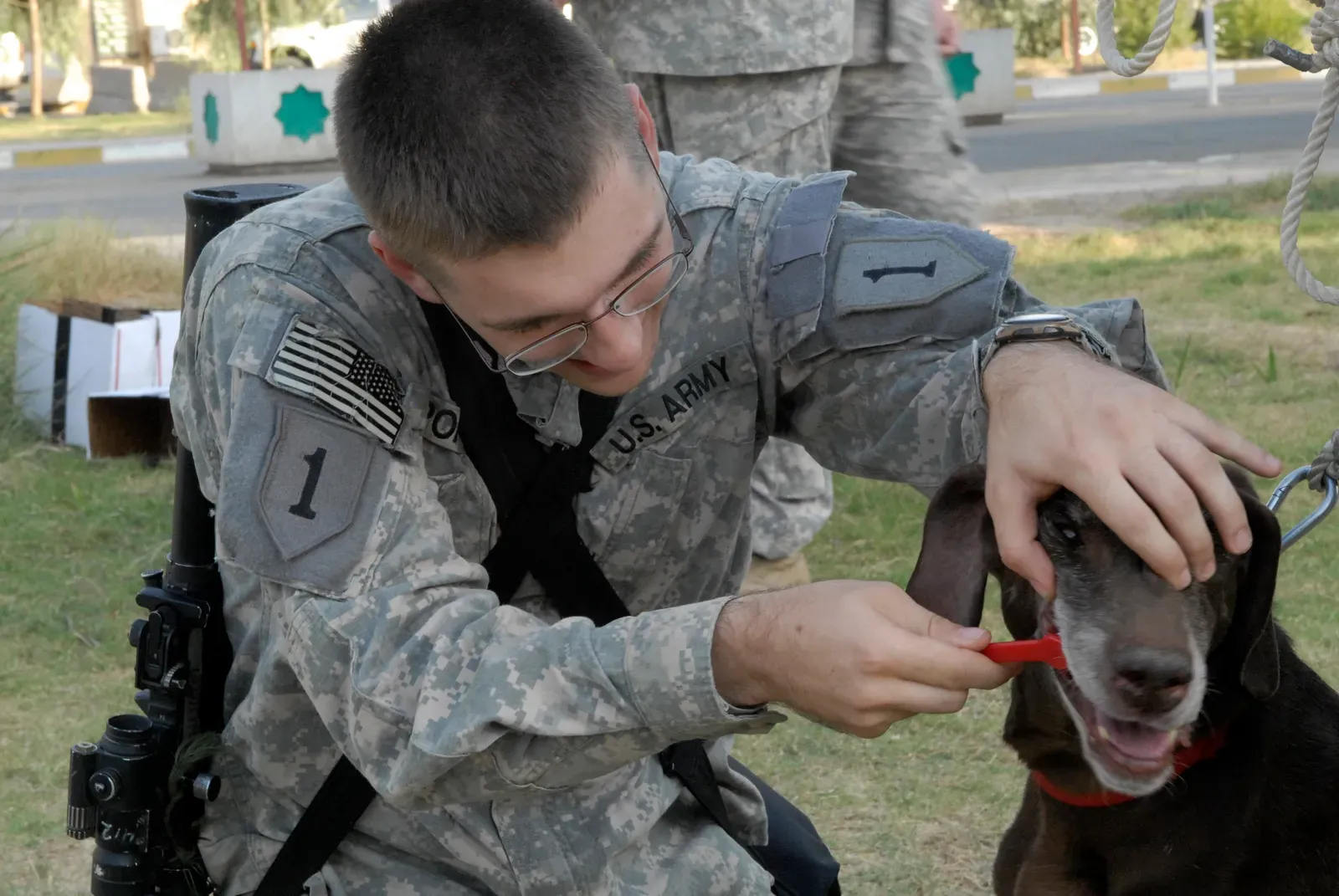
Most people only realize how important dental care is when they catch a whiff of eye-watering dog breath or see brown tartar caked on their dog’s teeth. Experienced owners do not wait for that. They know that chronic gum disease is linked with heart, kidney, and liver issues, and that bacteria from a nasty mouth can quietly affect the entire body over time. So, they treat dental care like a basic daily routine, not an optional extra.
This usually looks boring from the outside: brushing teeth most days of the week, choosing vet-approved dental chews, and not letting years go by without a professional cleaning when it is recommended. They also pay attention to subtle signs like pawing at the face, avoiding hard toys, or chewing more on one side. To a newbie, that might seem like a minor quirk; to a seasoned owner, it is an early red flag that could buy their dog extra healthy years if tackled sooner.
3. They Walk for the Brain, Not Just the Bladder
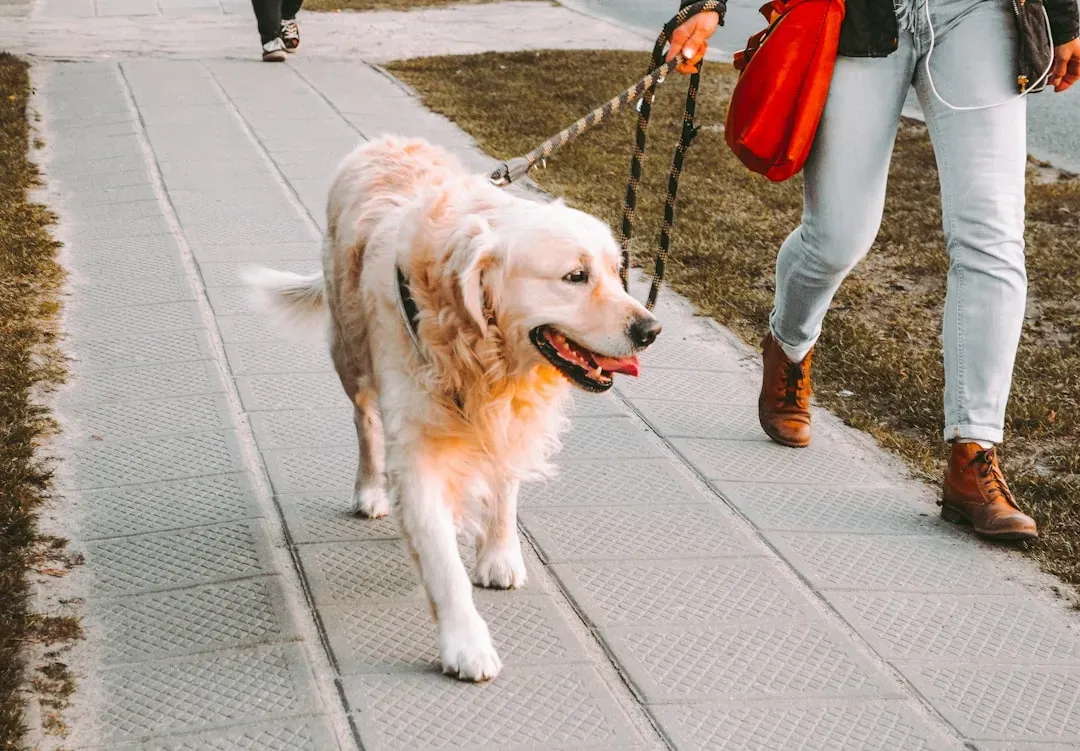
Many of us think of walks as bathroom breaks with a side of exercise. Experienced dog owners see them as daily brain workouts and stress relief sessions that help their dogs age better. Regular, moderate exercise supports heart health, keeps muscles from wasting, and helps maintain a healthier weight, all of which are tied to longevity. But it is the mental side of walks that really stands out in older dogs that stay sharp.
Instead of rushing the same three-minute loop, these owners let their dogs sniff, explore, and process the world at a slower pace. They vary routes, introduce different terrains, and use short training games along the way to keep their dog thinking. The result is a dog whose brain stays engaged and whose confidence stays high, which can reduce anxiety, destructive behavior, and even some age-related cognitive decline. A walk stops being just about distance and becomes a daily investment in both body and mind.
4. They Train Calm as Hard as They Train Tricks
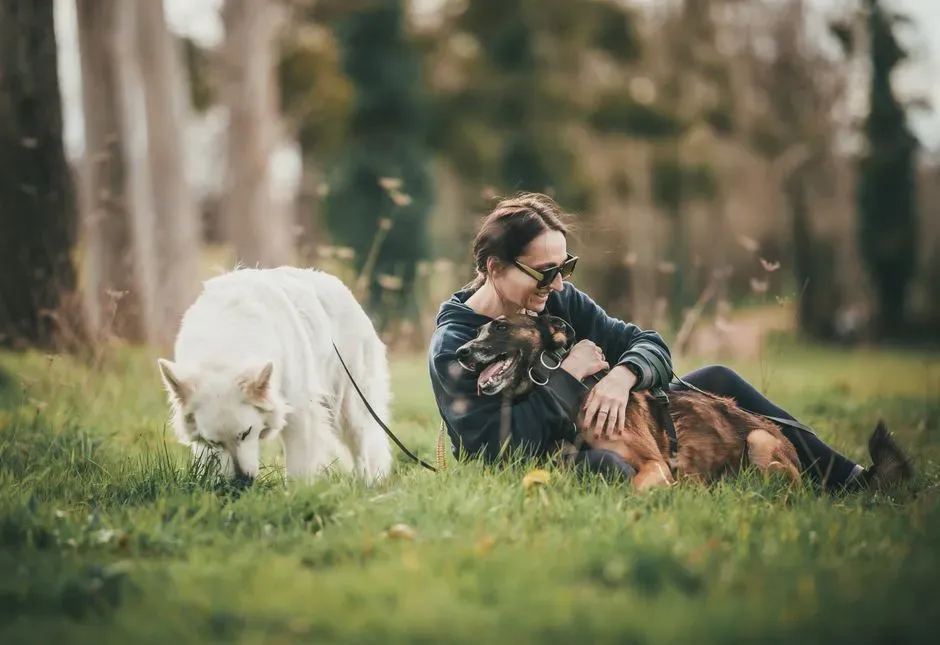
Flashy tricks and perfect heelwork look impressive on social media, but experienced owners quietly invest just as much time in teaching their dogs how to relax. Chronic stress and constant adrenaline spikes are not just personality quirks; over time, they can affect immunity, digestion, sleep, and even heart health. Dogs that never really “switch off” often age like people who are always stressed: faster and rougher.
That is why seasoned owners intentionally practice settling on a mat, doing nothing in busy environments, and recovering quickly after exciting events. They set up predictable routines and boundaries so the dog does not spend the whole day guessing what will happen next. Instead of laughing off frantic barking or leash-pulling as “just how he is,” they see those as signals that the dog’s nervous system needs support. A dog that knows how to downshift into calm is not only easier to live with, but often healthier in the long run.
5. They Treat the Vet as a Partner, Not a Place for Emergencies
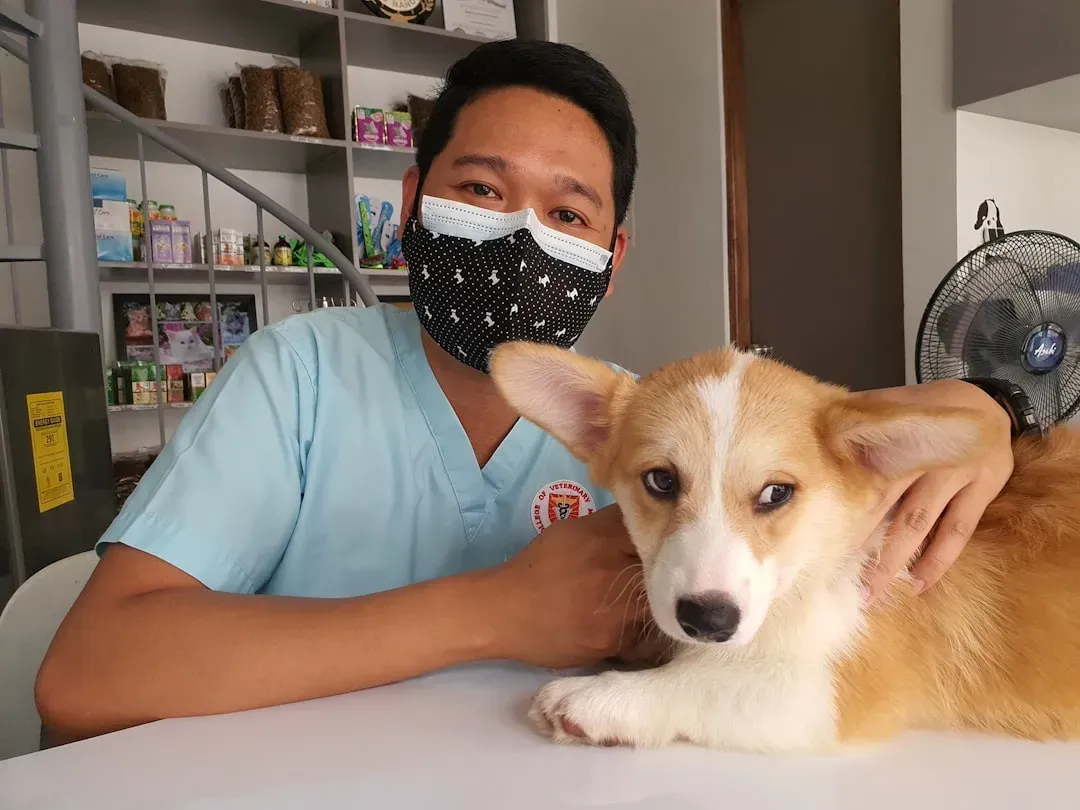
For inexperienced owners, the vet is often associated with panic: sudden vomiting, a broken nail, a limp that came out of nowhere. Experienced owners still face emergencies, of course, but they use veterinary care more proactively. They do regular wellness checks, lab work when recommended, and age-appropriate screenings even when the dog “seems fine.” That is often how subtle issues are caught early, when they are cheaper and easier to fix, and before they shave years off a dog’s life.
These owners also ask questions, keep records, and are not afraid to get a second opinion if something does not sit right. They learn the baseline for their dog’s weight, resting heart rate, appetite, and behavior, so they can say with confidence when something is “off.” To outsiders, they may look a little overcautious, but the payoff is very real: cancers found earlier, organ changes tracked before they become crisis-level, and chronic issues managed instead of ignored until it is too late.
6. They Feed With Intention, Not Hype

Dog food can feel like a war zone of opinions. New owners often bounce from trend to trend, switching diets based on the latest buzzword. Experienced dog people take a quieter, evidence-based path. They focus on complete and balanced nutrition, ingredient quality, and what actually agrees with their individual dog’s body over the long term. They pay attention to weight, coat condition, stool quality, and energy levels rather than just marketing claims.
That might mean a high-quality commercial diet, a carefully formulated fresh or home-prepared plan, or something in between, often discussed with a vet or nutritionist. They are cautious about extreme fads, miracle supplements, or making drastic changes without a reason. And they understand that needs change with age: the diet that worked beautifully at two years old might not be ideal at ten, when joints, kidneys, or digestion need extra support. Food stops being an afterthought and becomes one of the most powerful levers they can pull to support a longer life.
7. They Take Joints Seriously While the Dog Still Looks Young

Joint problems are one of the most common reasons older dogs start to fade: they move less, gain weight, and lose muscle, which then worsens the joint issues in a vicious cycle. The clever thing experienced owners do is to start protecting joints long before a limp appears. They keep puppies off repetitive high-impact activities, avoid endless ball-chasing on hard surfaces, and discourage constant jumping from tall furniture, even if the dog looks like a furry superhero.
As the dog ages, they add in joint-supporting habits like controlled low-impact exercise, strength-building walks on hills or varied terrain, and, in many cases, vet-approved supplements or medications when appropriate. They watch for tiny changes: hesitating at the stairs, taking longer to get up, or lying differently than usual. Instead of dismissing those as “just getting old,” they see them as a signal to adjust routine. This early respect for the skeleton and joints is a big reason some dogs still trot happily at an age when others barely want to stand.
8. They Protect Sleep and Quiet Time Like It’s Medicine

We talk a lot about exercise and enrichment, but not nearly enough about deep, undisturbed rest. Experienced dog owners notice that when their dog sleeps well, everything else works better: mood, digestion, focus during training, and recovery after activity. They make sure their dog has a comfortable, supportive bed, a relatively quiet place to retreat to, and predictable down-times during the day when nothing is expected of them.
In homes with kids or multiple pets, this can be a game changer. Seasoned owners draw firm lines about not disturbing a resting dog, and they are not embarrassed to crate or gate a dog when guests are over if that helps them relax. For older dogs, they may add multiple beds around the house so the dog does not have to climb or jump as much to find a good spot. All of this might look small or even fussy, but chronic sleep disruption is a stressor, and reducing stress is one of the quietest ways to buy time and comfort for a dog’s body.
9. They Adapt the Lifestyle as the Dog Ages, Instead of Pretending Nothing Changed

One of the kindest things I have seen long-time dog people do is gracefully retire their dogs from activities they once loved, before those activities become painful. They do not insist that a ten-year-old weekend warrior hike as far as they did at three, or that a senior agility dog keep jumping full height just because they still will. Instead, they shift to shorter, gentler versions of the things the dog enjoys, preserving joy while reducing wear and tear.
They also adjust expectations around temperature, surfaces, and pace. Hot pavement that was mildly uncomfortable for a young dog can be dangerous for an older one. Slippery floors become an unnecessary hazard, so mats, ramps, or carpets suddenly appear. To outsiders, it might look like they are babying the dog. In reality, they are acknowledging biology. By matching the lifestyle to the aging body, they keep that body functional and happy for a lot longer.
10. They Plan for the Worst Day So They Can Give More Good Days
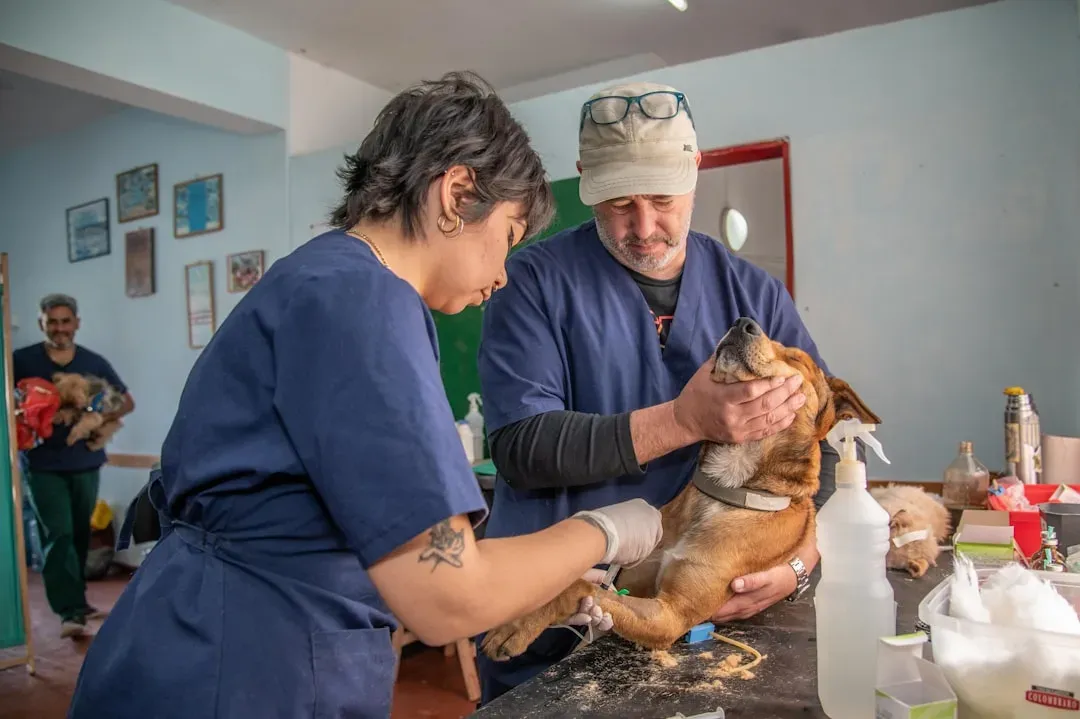
This last one is heavy, but it is where truly experienced dog owners stand apart. They think about the end of life early, not in a morbid way, but as part of responsible care. They learn the signs of pain, suffering, and declining quality of life, and they have honest conversations with their vet long before they are in full crisis. This lets them make decisions from a place of love and clarity rather than panic and denial.
Paradoxically, this planning often leads to more and better days for the dog. When you are not terrified of the eventual goodbye, you are freer to adjust meds, try supportive therapies, or change routines to maximize comfort. You are also more likely to notice the moment where life turns from mostly good to mostly struggle. It is never easy, and it never will be. But dogs whose people think ahead are far less likely to endure long stretches of avoidable suffering, and far more likely to have a life that is not only longer, but kinder from start to finish.
Conclusion: Long Lives Are Built in the Quiet Moments
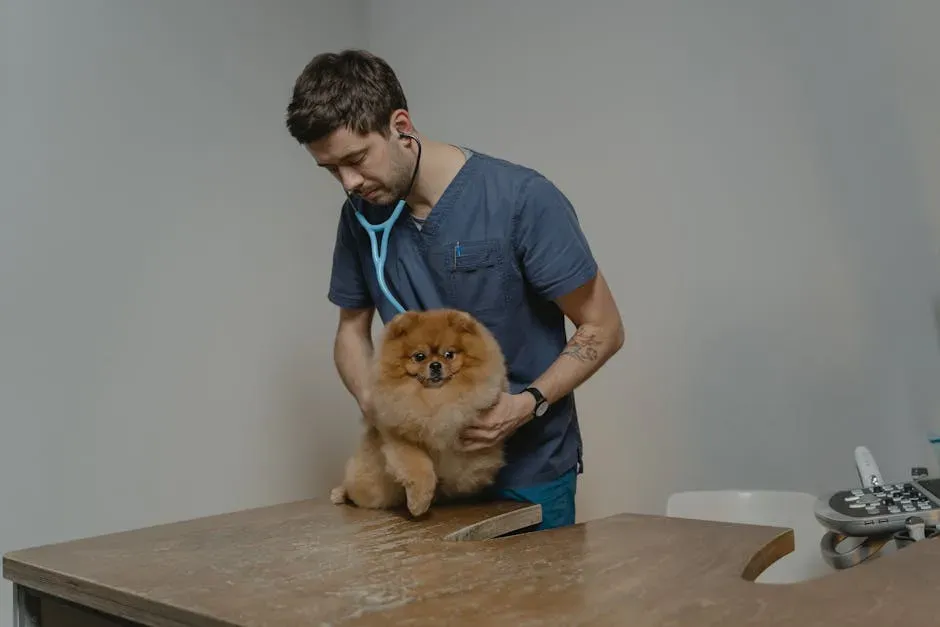
When you step back, there is nothing magical or flashy about what experienced dog owners do differently. They are not secretly giving their dogs miracle pills or hacking genetics. They are doing small, ordinary things on repeat: keeping the body lean, the teeth clean, the brain busy, the joints protected, and the stress manageable. They pay attention earlier, intervene sooner, and let go of the idea that “he looks fine” means “nothing is happening under the surface.”
In my opinion, the biggest shift is mental: treating a dog’s life like a long-term project instead of a series of cute moments. That mindset makes you more willing to skip the extra cookie, schedule the early bloodwork, cut the walk shorter on a hot day, or retire the Frisbee a year before you absolutely have to. It is not always convenient, but it is deeply worth it. Looking at your grey-muzzled dog still moving comfortably and genuinely enjoying life in those bonus years is one of the best feelings you can have as an owner. Which of these habits are you ready to quietly upgrade for your dog, starting today?


