
You know that look. The lowered head, the whale eyes, the slow tail wag like a broken metronome. You step into the living room, see the shredded cushion or the tipped trash can, and your dog suddenly transforms into a four‑legged apology. For years, people have argued about whether that is real guilt or just a smart reaction to our angry faces. Now, scientists are starting to measure the difference.
Modern studies using heart‑rate monitors, hormone tests, and behavior scoring suggest that some dogs really do show emotional responses that look a lot like a basic form of guilt or regret. They anticipate our rules, understand when they have crossed a line, and show clear signs of stress and appeasement. Not every breed does this in the same way or to the same degree, though. Some are almost shameless; others seem emotionally wired to worry when they have let you down. Let’s walk through nine breeds that are especially famous for their “guilty dog” routines and how that lines up with what science can actually measure.
Labrador Retriever: The Classic “I Messed Up” Face
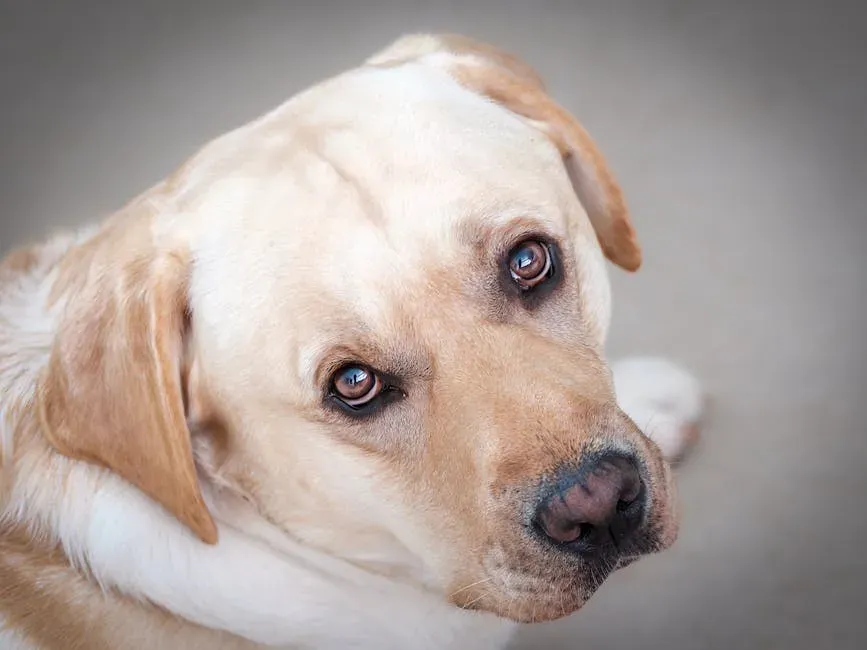
Labrador Retrievers might win the global championship for guilty expressions. These dogs are smart, people‑focused, and highly motivated by both food and approval, which is a perfect recipe for breaking rules and then feeling awful about it afterward. When a Lab chews a shoe or raids the counter, you often see the full package: ears pinned back, head ducked, body curved, and those big, apologetic eyes following you around the room.
Researchers who track stress signals like increased heart rate and cortisol levels have found that very social, human‑oriented breeds like Labs tend to spike in stress when their bond with their person feels threatened. In practice, that often looks like what we call guilt: they know the rule, they know they broke it, and they brace for your reaction. In my own experience, Labs are the dogs that will literally bring you the destroyed item, as if confessing to a crime and begging for a lighter sentence.
Border Collie: Hyper‑Aware Minds That Hate Being Wrong
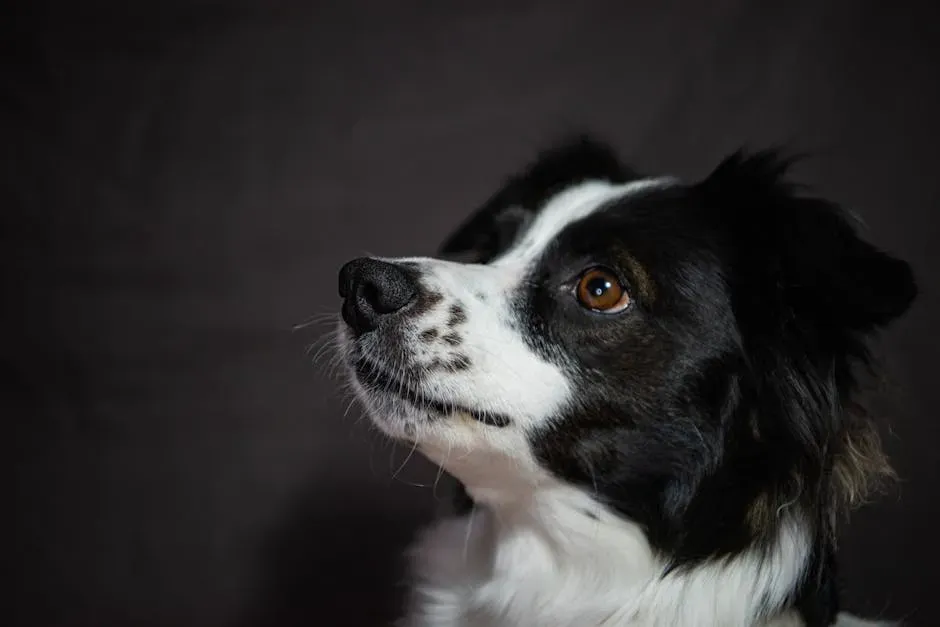
Border Collies are sometimes described as “brains on four legs,” and that intelligence can make their emotional responses surprisingly complex. These herding dogs are experts at reading human body language and tone, which means they do not just notice that you are upset – they predict it before you even speak. A Border Collie who has broken a rule will often freeze, avoid eye contact, slink low to the ground, or retreat to a safe spot as soon as they sense you noticing the damage.
Because they have such a strong work ethic and desire to do tasks correctly, many Border Collies appear almost distressed when they realize they have failed a rule you care about. Studies on working dogs show that animals bred for tight cooperation with humans tend to show stronger appeasement signals when they think they have made a mistake. With a Border Collie, that can look remarkably like a kid who got the test answer wrong and is just waiting for the teacher’s reaction.
Golden Retriever: Sensitive Souls That Crumple Under Disapproval
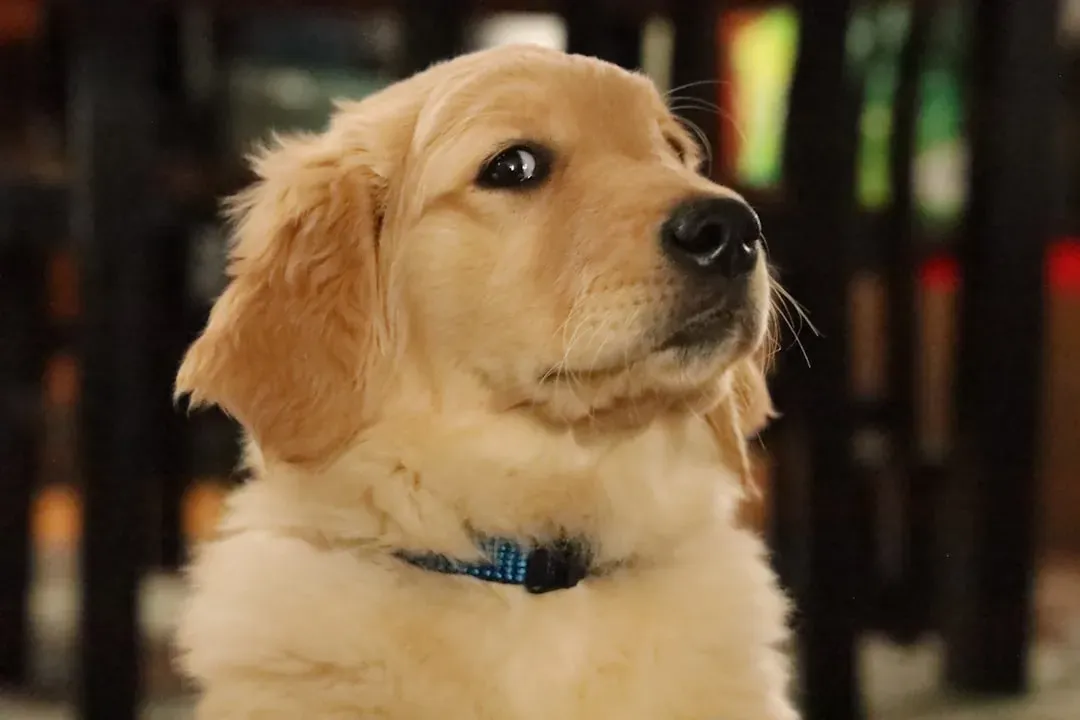
Golden Retrievers combine high sociability with a gentle, often soft‑hearted temperament, and that sets them up to care a lot about how you feel. Many Goldens are famously tolerant and eager to please, so when they do break a rule – like stealing food, jumping on guests, or digging up the garden – they can crumble emotionally the moment they realize you are unhappy. You may see them slink toward you, roll partly onto their side, and offer their paw as if to say they are willing to negotiate peace.
Behavior researchers often point out that dogs interpret human anger primarily as a threat to the relationship, not as a moral failure. Goldens, though, seem especially sensitive to changes in your voice and posture. Their heart rate and stress signals tend to shoot up in tense moments, and they answer with a mix of appeasement and closeness rather than defiance. If you have ever watched a Golden try to crawl into your lap after knocking something over, you have seen how guilt in dogs is really a mix of fear, attachment, and a desperate need to restore harmony.
German Shepherd: Rule‑Oriented Minds That Take “Job Failure” Hard
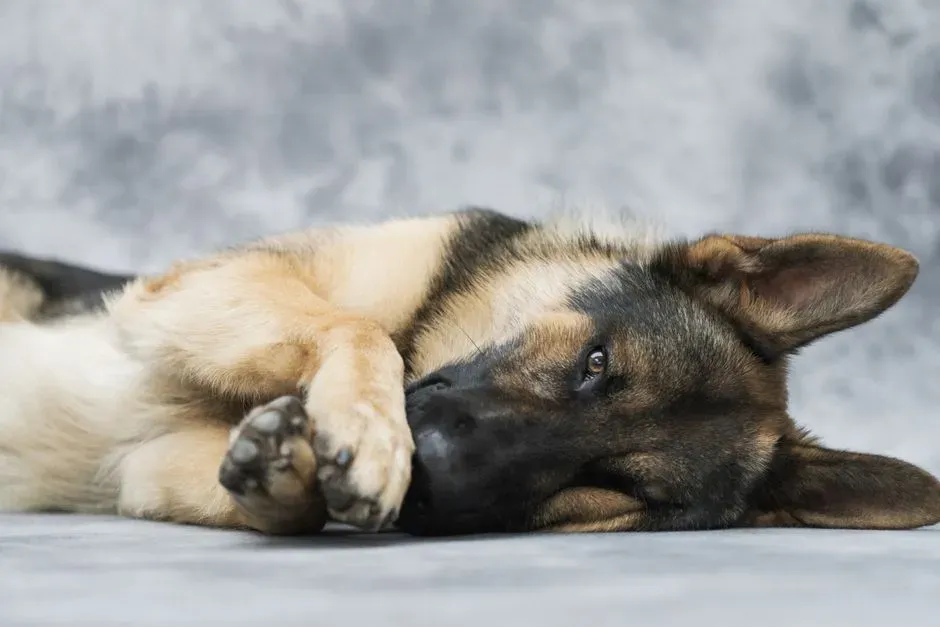
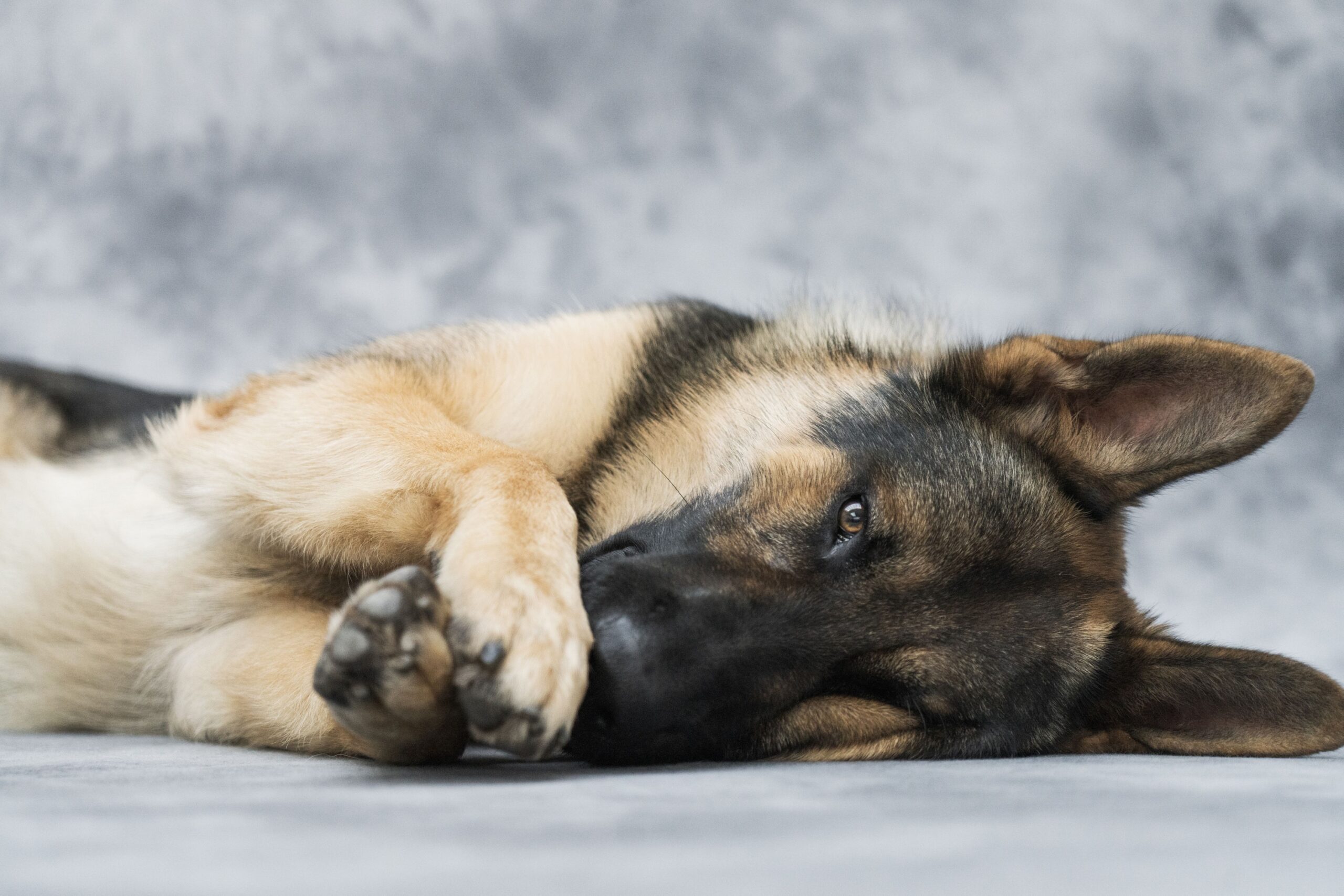
German Shepherds are often described as serious, task‑driven dogs who like a clear job and clear rules. That structure means they are usually very aware of boundaries, and when they cross one, it can hit them like a personal failure. A Shepherd that has done something forbidden will often watch you intensely, shift their weight nervously, and sometimes pace or whine as if they are trying to figure out how to fix the situation.
Because they are commonly used in police, military, and protection work, researchers have paid extra attention to how Shepherds handle mistakes and correction. These dogs tend to show strong physiological responses when their handler is displeased: tense muscles, raised heart rate, and a mixture of avoidance and checking back for cues. Guilt for them is less about “I know chewing this was bad” and more about “I broke protocol and my leader is disappointed,” which can be a powerful emotional load for such loyal dogs.
Cocker Spaniel: Big Feelings in a Small, Expressive Package

Cocker Spaniels wear their emotions on their faces. Their soft eyes, long ears, and mobile eyebrows make every feeling look bigger, and that includes guilt. Many Cocker owners describe their dogs as both affectionate and slightly dramatic. When a Cocker realizes they have done something wrong, they may flatten themselves against the floor, avoid your gaze, and wag only the very tip of their tail in a nervous, uncertain rhythm.
Smaller, companion‑bred dogs like Cockers are often tuned to subtle shifts in their household’s mood. Studies on dog cognition suggest that when owners come home angry, dogs will show more appeasement cues even if they did not witness what caused the anger. Cockers seem especially prone to this: their “guilty” behavior can peak simply because they sense your displeasure. Still, over time, they do learn the patterns. Trash on the floor plus your raised voice equals a powerful emotional response that looks a lot like remorse.
Australian Shepherd: Energetic Perfectionists Who Brood After Slip‑Ups
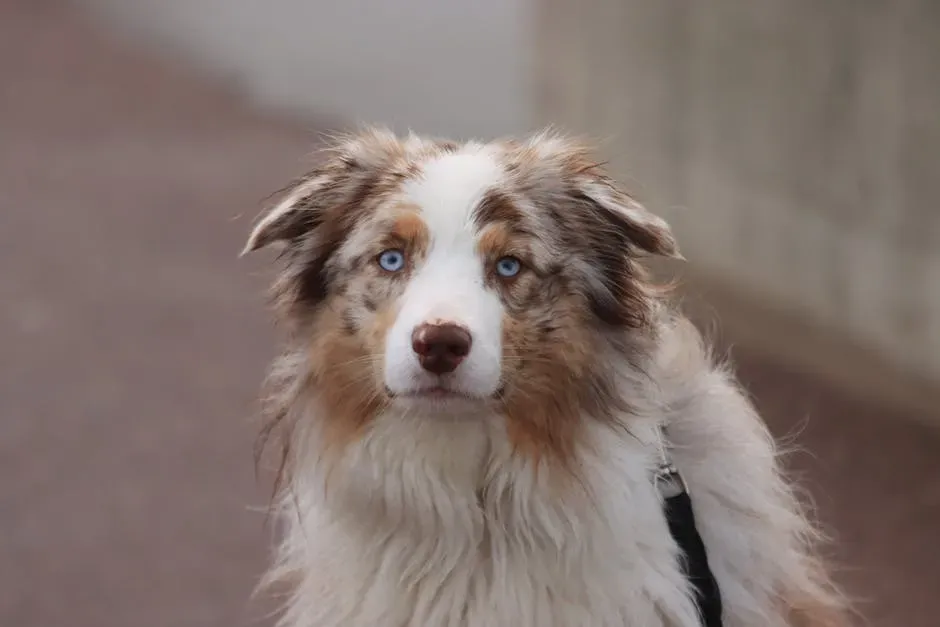
Australian Shepherds are high‑energy, high‑focus dogs that treat rules almost like a sport. They love structure and tasks, from agility to herding to puzzle games, and they often build strong mental maps of what is allowed and what is off‑limits. When they mess up – say, herding the kids too roughly or chewing something out of boredom – they can switch from wild to worried in an instant, crouching low, licking their lips, and glancing back and forth between you and the evidence.
There is some evidence that very active working breeds show bigger swings in arousal, which means they can go from playful excitement to anxious discomfort quickly. An Aussie that has broken a rule might pace, whine softly, or shadow you around the house like a contrite assistant. It does not mean they are sitting there replaying the memory the way a human would, but their nervous system is definitely registering that the social balance is off, and they act in ways that clearly aim to repair it.
Beagle: Nose‑Driven Trouble‑Makers With Surprisingly Sheepish Hearts
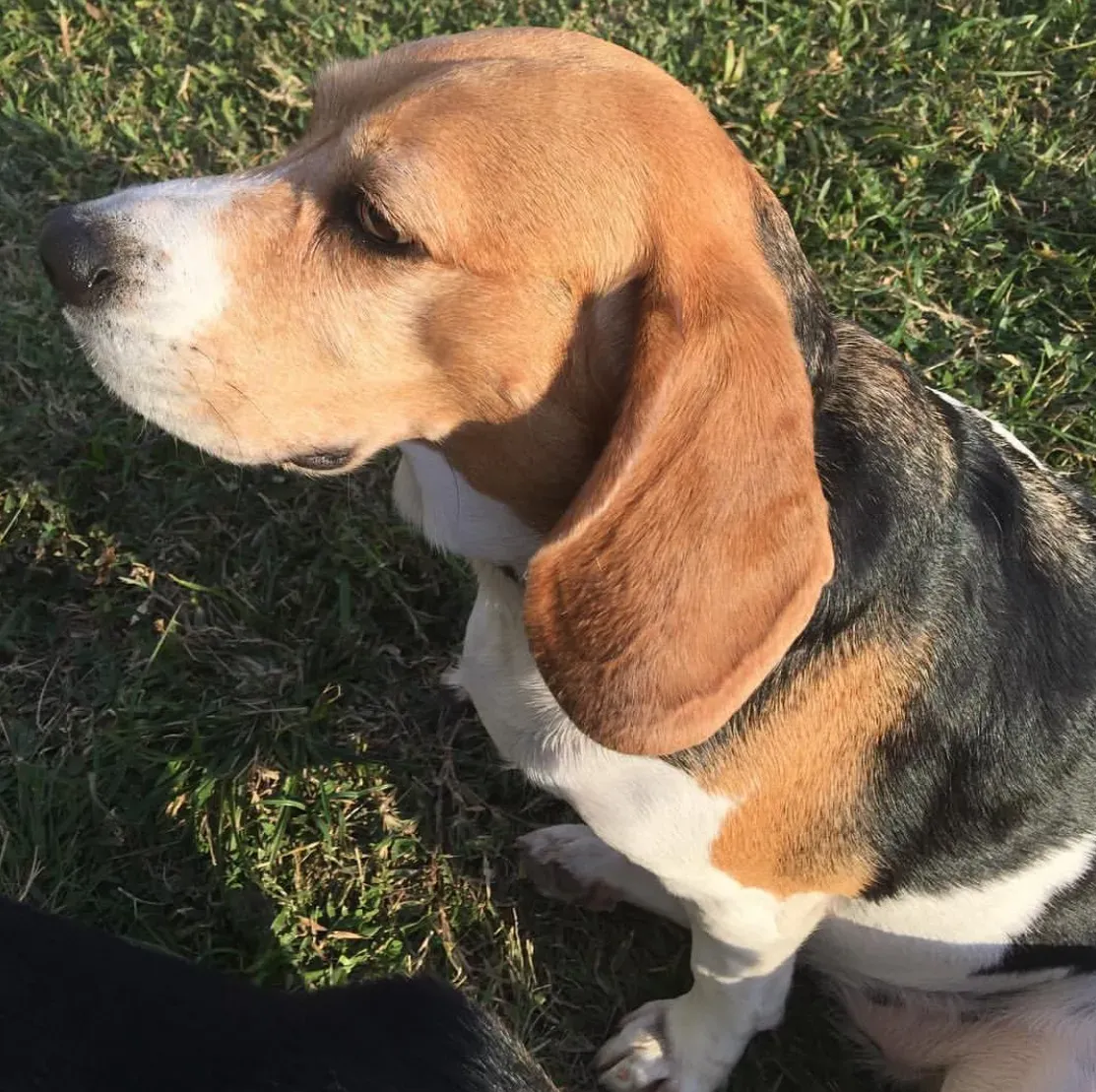
Beagles get into trouble because their noses never clock out. These hunting hounds were bred to follow scent above all else, which means rules about counters, bins, and buried snacks can easily be overridden by a really good smell. But when the fun is over and you walk into a kitchen disaster, many Beagles flip into a very different mode: low tail, hunched body, big round eyes that seem to say they knew this might end badly.
Hounds are sometimes described as independent, but that does not mean they do not show guilt‑like behavior. In studies where dogs were left alone with forbidden food, many hounds showed more appeasement and stress responses when their owners returned upset. Beagles in particular often combine stubborn rule‑breaking with strong social attachment, which creates that unique emotional whiplash. One minute they are bold thieves, the next they are curled against your leg as if they are trying to melt your anger away.
Boxer: Goofy Clowns Who Crash Hard After a Misstep
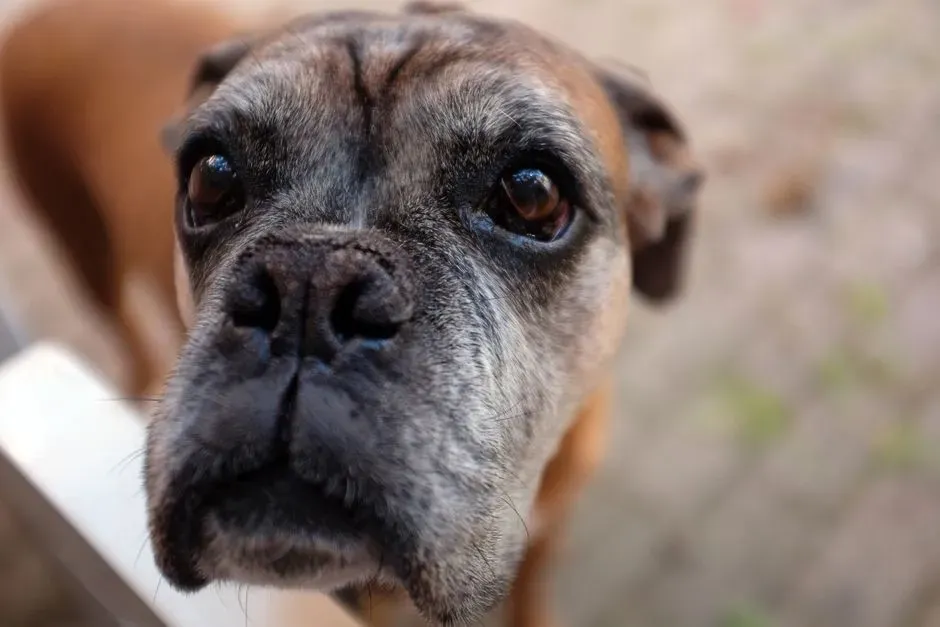
Boxers are famous for their clownish personalities: they bounce, wiggle, and play with a kind of reckless joy that can easily knock over lamps, toddlers, and absolutely anything on a coffee table. Under that goofiness, though, many Boxers are extremely sensitive to their people. When they realize their wild energy crossed a line, they often freeze, lick the air anxiously, and offer exaggerated appeasement gestures like slow, heavy tail wags or gently nudging your hand.
Emotionally, Boxers can be a bit like teenagers who joke too far and then suddenly feel the room go cold. Their bodies may still buzz with excitement, but their faces soften and their posture shrinks. Physiologically, that shift from high arousal fun to high arousal worry is not hard to measure: their pulse quickens, their breathing changes, and their focus locks on you. That inner turbulence comes out as the classic guilty Boxer performance – all muscles and wiggles trying to smooth things over.
Cavalier King Charles Spaniel: Velcro Dogs That Crumble Under Tension
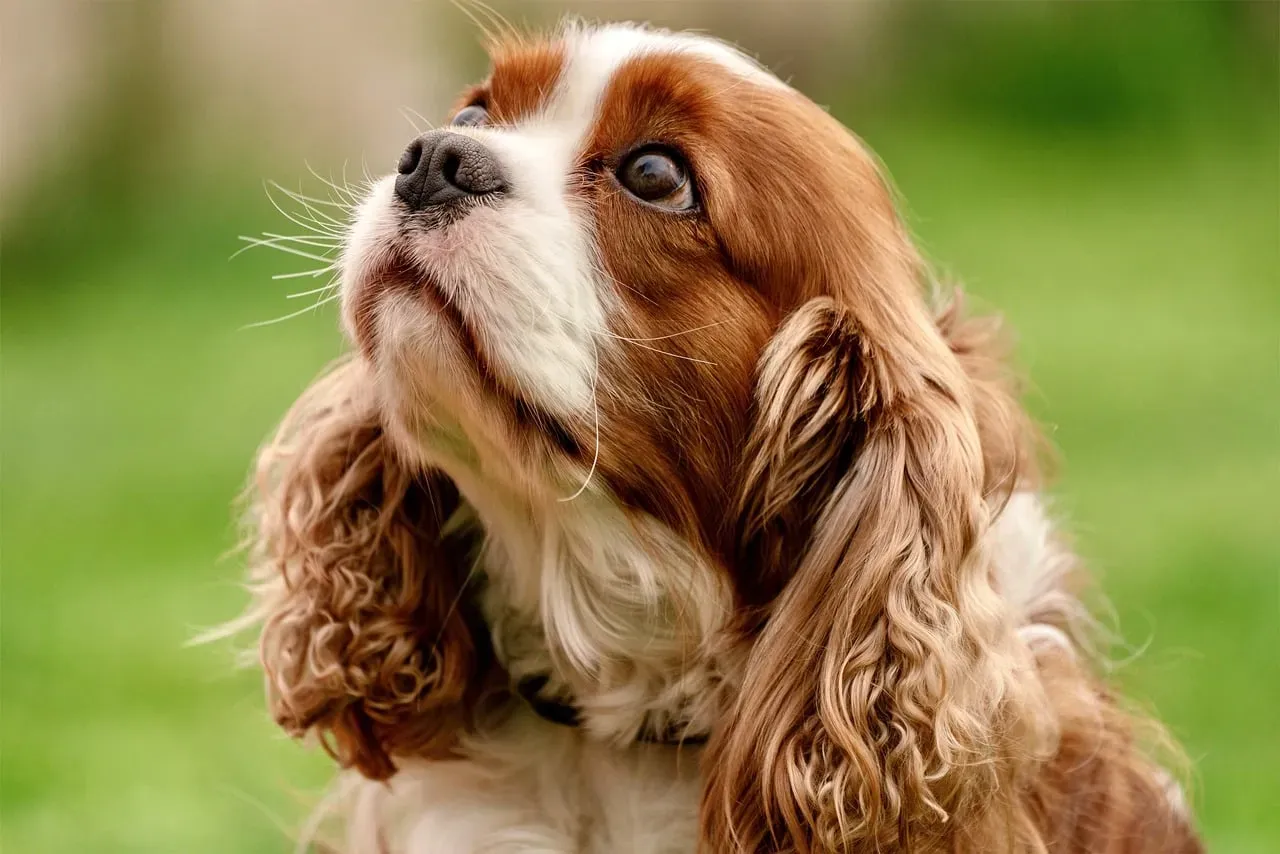
Cavalier King Charles Spaniels are often called velcro dogs because they want to be exactly where you are, exactly when you are there. That deep bonding makes them acutely sensitive to your emotional weather. When a Cavalier does something you consider wrong, even something small like jumping onto forbidden furniture, your disappointed tone alone can send them into visible distress: lowered head, big liquid eyes, and a slow, hopeful tail swish as they inch back toward you.
Companion breeds like Cavaliers have been shaped for centuries to prioritize human connection above almost everything else. Their nervous systems respond strongly to separation, conflict, and disapproval. When you raise your voice, their bodies often release stress hormones and they respond with appeasement rather than defiance. To us, it looks like guilt; to them, it is an urgent need to fix a crack in the bond with the person their entire world revolves around.
Siberian Husky: Drama Kings and Queens With “Side‑Eye Confessions”
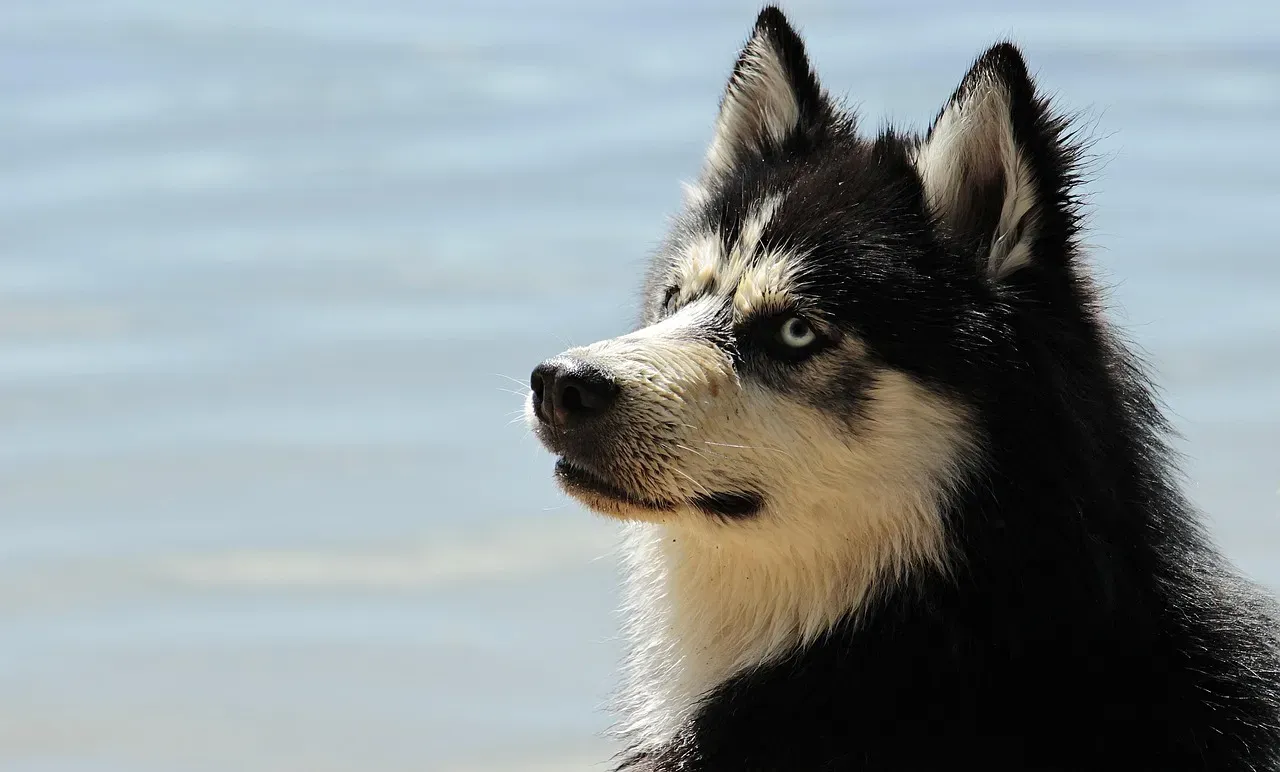
Huskies are not famous for following rules, but they absolutely know when they are skating on thin ice. Independent and often mischievous, they may knock over trash cans, chew furniture, or redecorate your yard if they are bored. When caught, though, many Huskies shift into a unique form of guilty display: exaggerated side‑eye, vocal whining, play‑bowing, or pacing just out of reach, almost like they are arguing their case in their own language.
They do not crumble the way softer breeds might, but behavior studies show that even independent dogs display more appeasement and stress signals when they expect negative feedback from their owners. With Huskies, that can show up as restless movement, increased vocalization, and tight body posture. In a way, they feel bad without ever fully admitting defeat. Their version of guilt is half performance, half genuine discomfort, which is exactly what makes them so infuriating and endearing at the same time.
Conclusion: Guilt, or Just Love and Worry in a Dog’s Body?
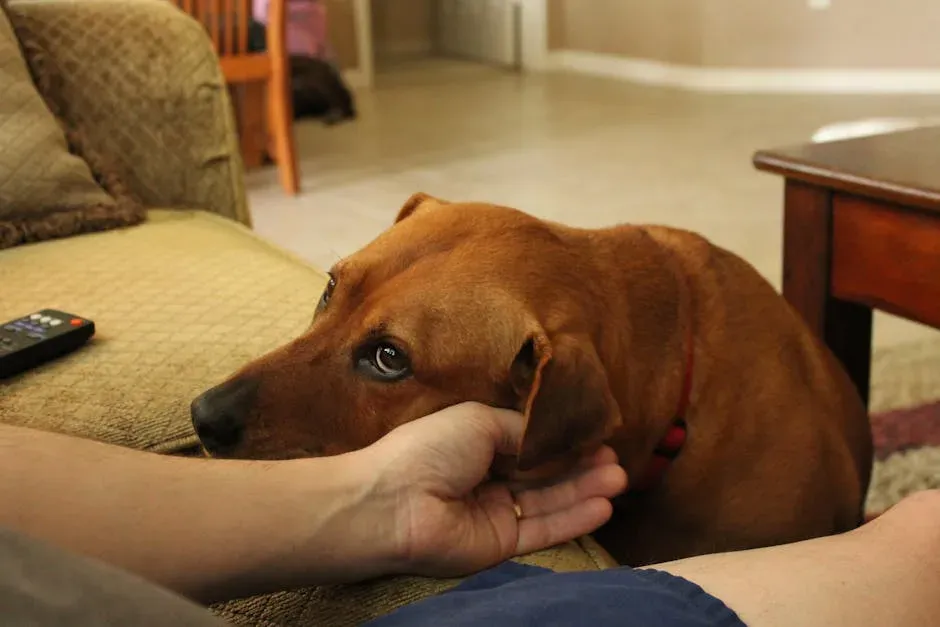
When you look across these breeds, a pattern appears. Dogs that are strongly bonded to humans, highly sensitive to social cues, and used to clear rules are the ones that seem to show the most guilt‑like behavior. Science suggests that what we call guilt is really a cocktail of stress, appeasement, and attachment – their bodies signal that something is wrong in the relationship, and they move to fix it in the only ways they know how. That is still genuine emotion, even if it is not identical to the complicated moral guilt humans feel.
I will admit my own bias here: I think we sometimes underestimate how emotionally rich dogs are, while also overcomplicating their inner monologue. Your dog probably is not replaying the crime like a human in a courtroom drama, but they do feel the weight of your disapproval and the pull of your connection. Maybe the most important question is not whether it should be called guilt, but whether we respond to it with fairness, patience, and a bit of humor. The next time you see that guilty face, will you see a sneaky rule‑breaker – or a friend trying hard to mend a tiny crack in your shared world?


