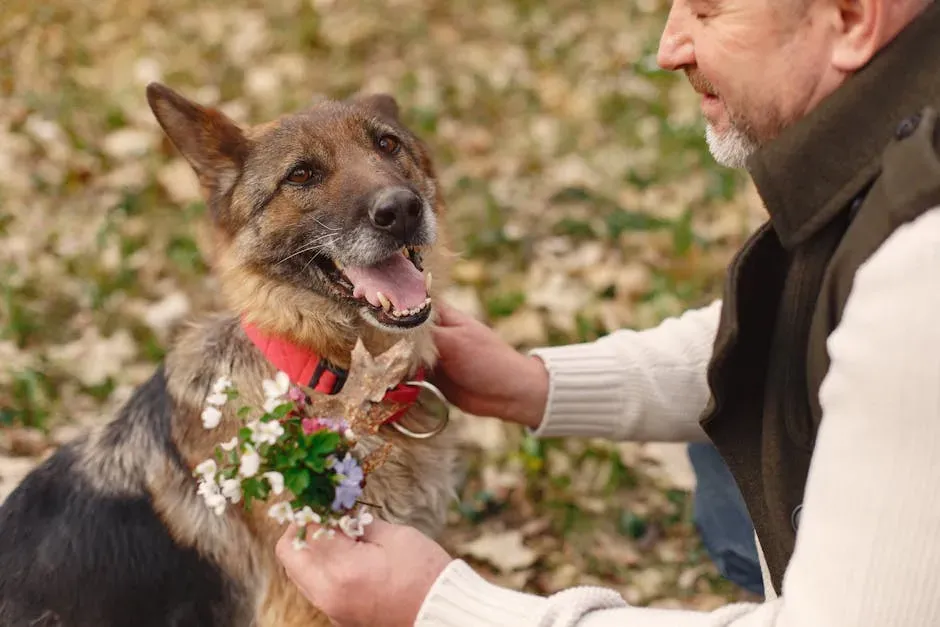
As our beloved canine companions enter their golden years, their needs evolve, requiring attentive care and adjustments to ensure they remain healthy and happy. Seasoned dog owners often adopt specific practices that significantly contribute to their senior dogs’ longevity. Let’s explore these vital strategies.
Regular Veterinary Check-Ups
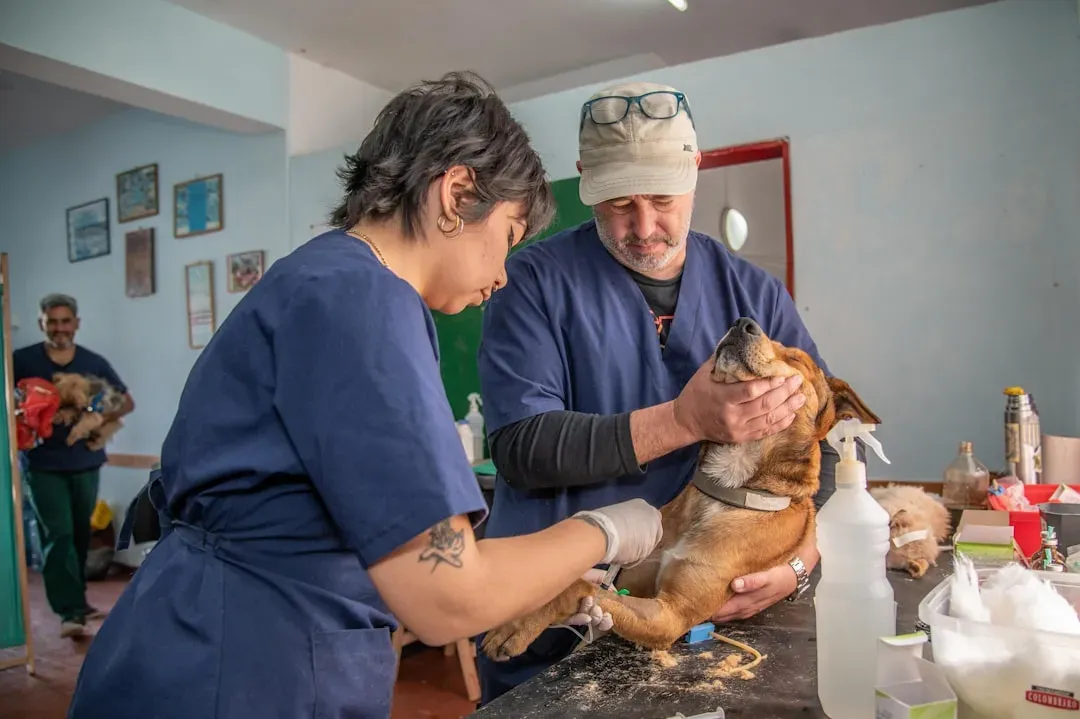
Regular Veterinary Check-Ups (Image Credits: Unsplash)Veteran dog owners understand the importance of frequent veterinary visits as their pets age. Scheduling check-ups every six months allows for early detection of age-related issues, such as arthritis or kidney disease, facilitating timely interventions. These regular assessments help monitor weight, dental health, and organ function, ensuring any concerns are addressed promptly.By maintaining a consistent relationship with their veterinarian, owners can tailor care plans to their dog’s specific needs, adapting treatments as necessary. This proactive approach often leads to better health outcomes and a higher quality of life for senior dogs.
Tailored Nutrition Plans
Tailored Nutrition Plans (Image Credits: Unsplash)Experienced owners recognize that a senior dog’s dietary requirements differ from those of younger dogs. They opt for high-quality, easily digestible foods rich in essential nutrients to support aging bodies. Incorporating supplements like omega-3 fatty acids can aid in reducing inflammation and promoting joint health.Adjusting portion sizes to prevent obesity is crucial, as excess weight can exacerbate health issues. Regular consultations with a veterinarian help fine-tune the diet to meet the evolving needs of the aging canine.
Consistent, Low-Impact Exercise
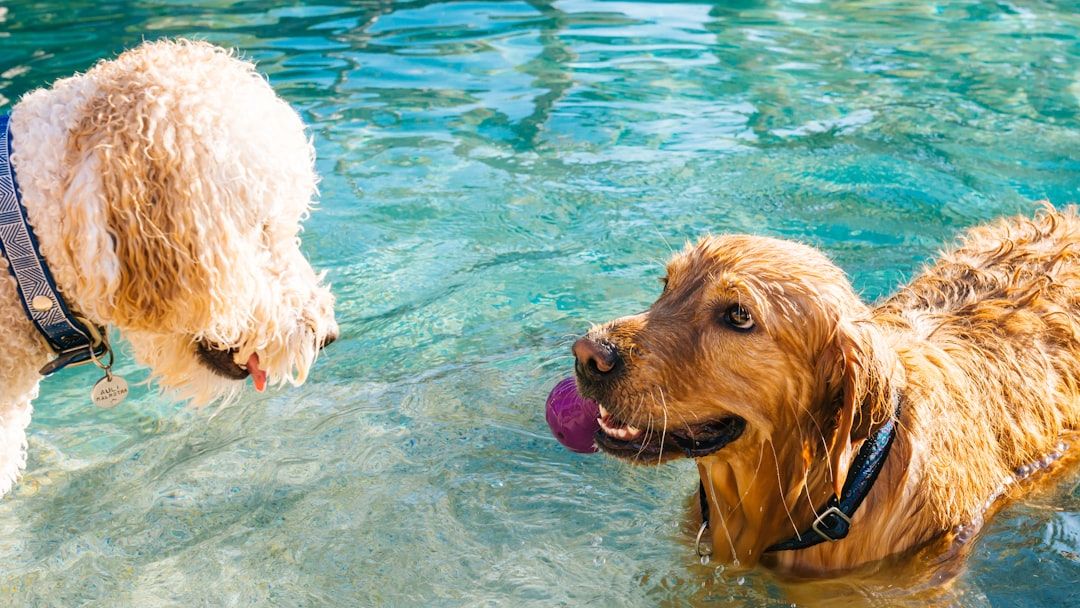
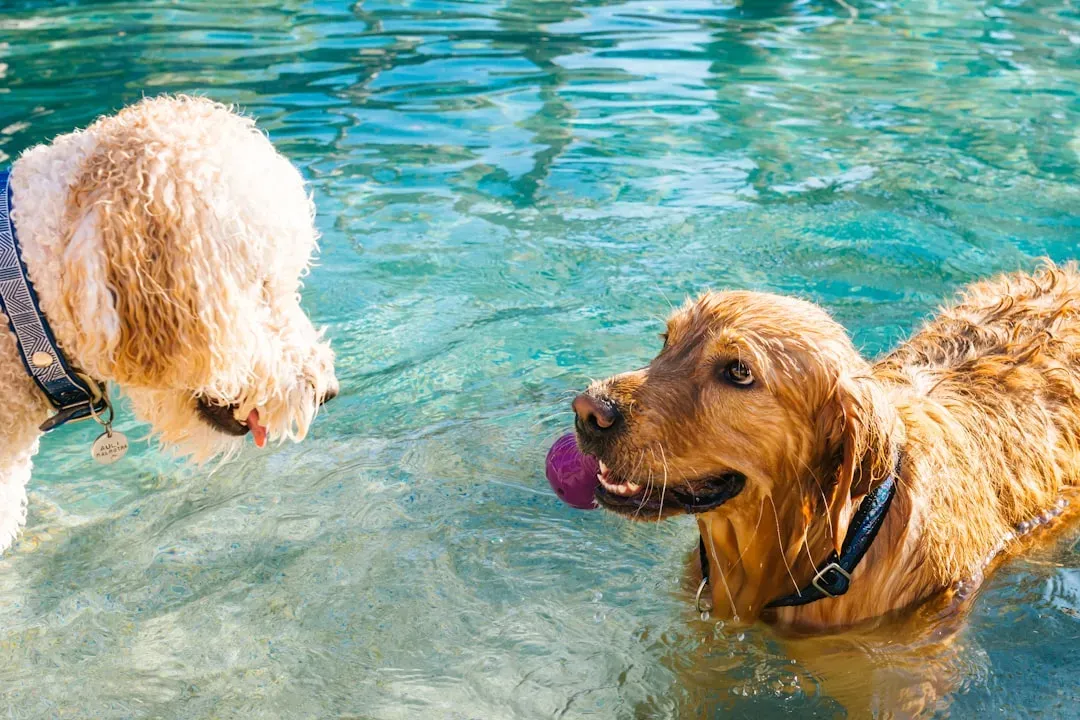
Consistent, Low-Impact Exercise (Image Credits: Unsplash)Maintaining an active lifestyle is vital for senior dogs, but the intensity and type of exercise must be adjusted. Owners often engage their pets in gentle activities like leisurely walks or swimming, which provide cardiovascular benefits without stressing aging joints.Regular, moderate exercise helps preserve muscle mass, manage weight, and keep the mind sharp. It’s essential to observe the dog’s response and adjust activities to ensure they remain comfortable and injury-free.
Mental Stimulation and Enrichment
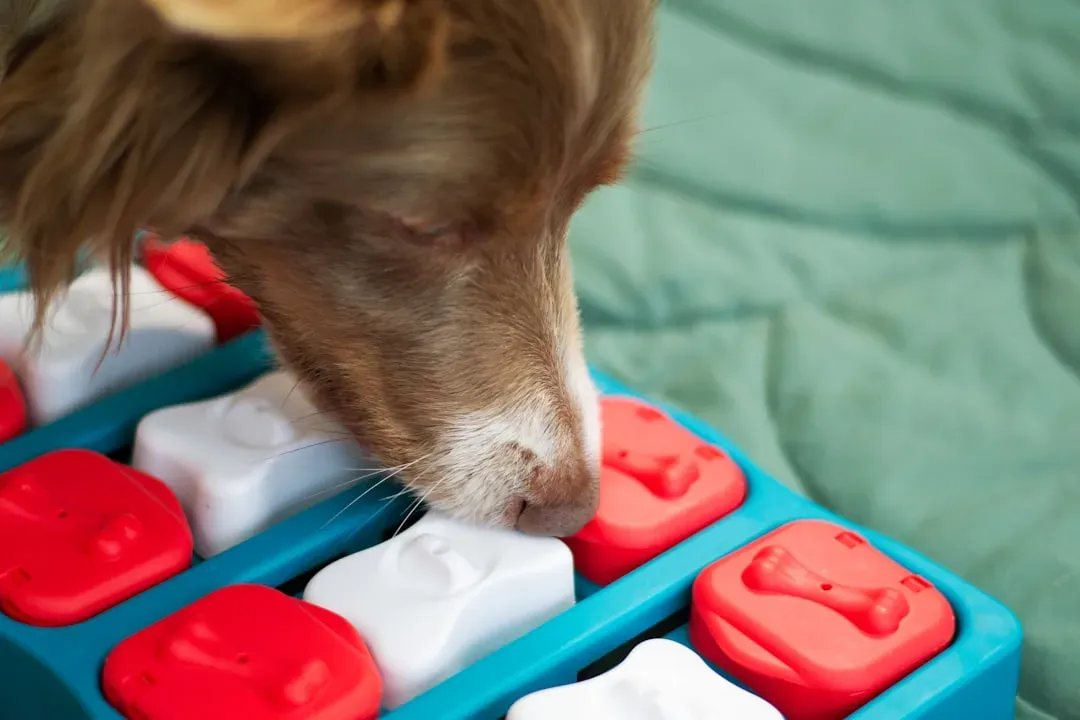
Mental Stimulation and Enrichment (Image Credits: Unsplash)Cognitive decline can be a concern for aging dogs, but seasoned owners implement strategies to keep their pets mentally engaged. Interactive toys, puzzle feeders, and new training exercises challenge the mind and prevent boredom.Social interactions, whether with humans or other dogs, also play a role in maintaining mental health. Regularly introducing new experiences and environments can keep a senior dog’s mind active and engaged.
Comfortable Living Environments
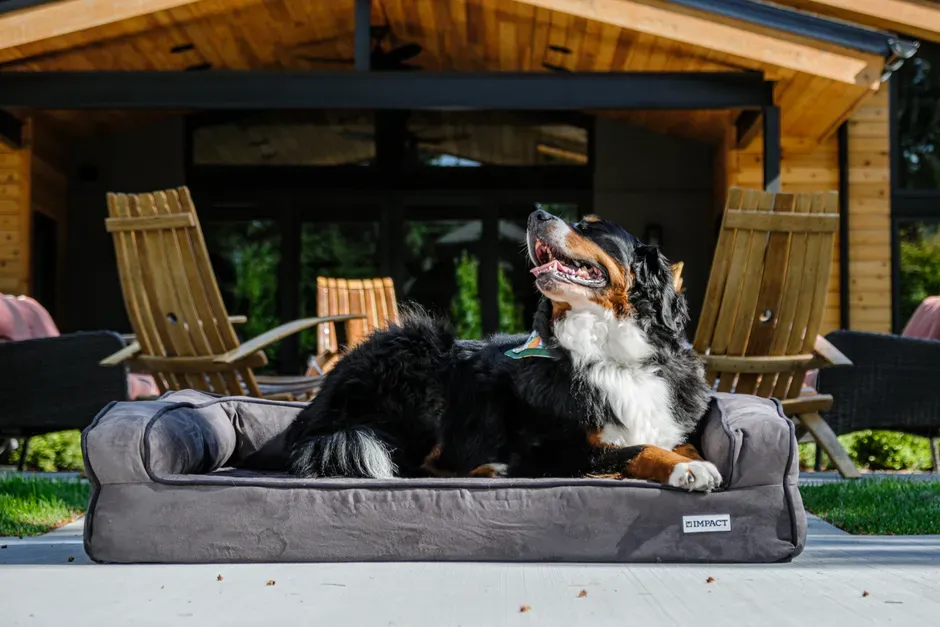
Comfortable Living Environments (Image Credits: Pexels)As dogs age, they may develop arthritis or other mobility issues. Thoughtful owners make home modifications to accommodate these changes, such as providing orthopedic beds to support aching joints and placing rugs on slippery floors to prevent falls.Installing ramps or steps to access favorite spots can reduce strain on joints. Ensuring that food and water bowls are easily accessible without the need to climb stairs is another considerate adjustment.
Regular Grooming and Health Monitoring
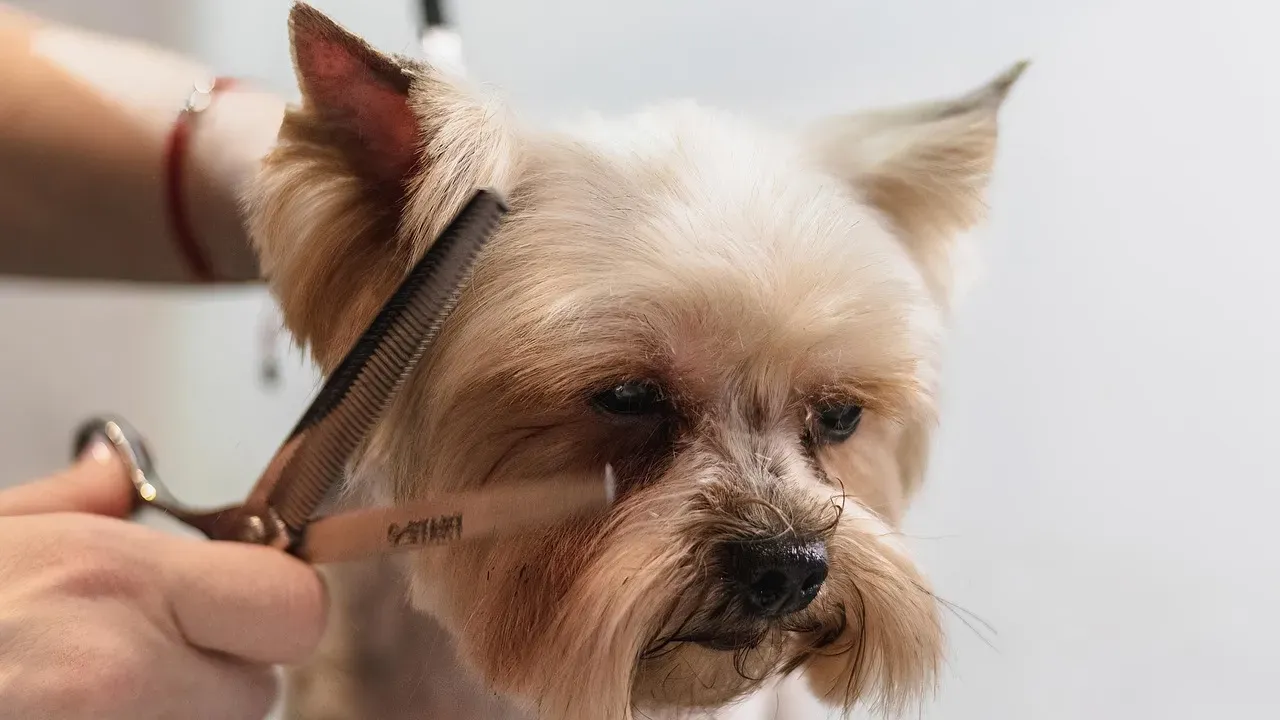
Regular Grooming and Health Monitoring (Image Credits: Pixabay)Grooming sessions become more than just aesthetic routines for senior dogs; they serve as opportunities to check for lumps, skin changes, or signs of discomfort. Regular brushing helps maintain skin health and can be soothing for the dog.Monitoring for changes in appetite, behavior, or bathroom habits is crucial. Early detection of abnormalities allows for prompt veterinary consultation and intervention.
Dental Care Maintenance
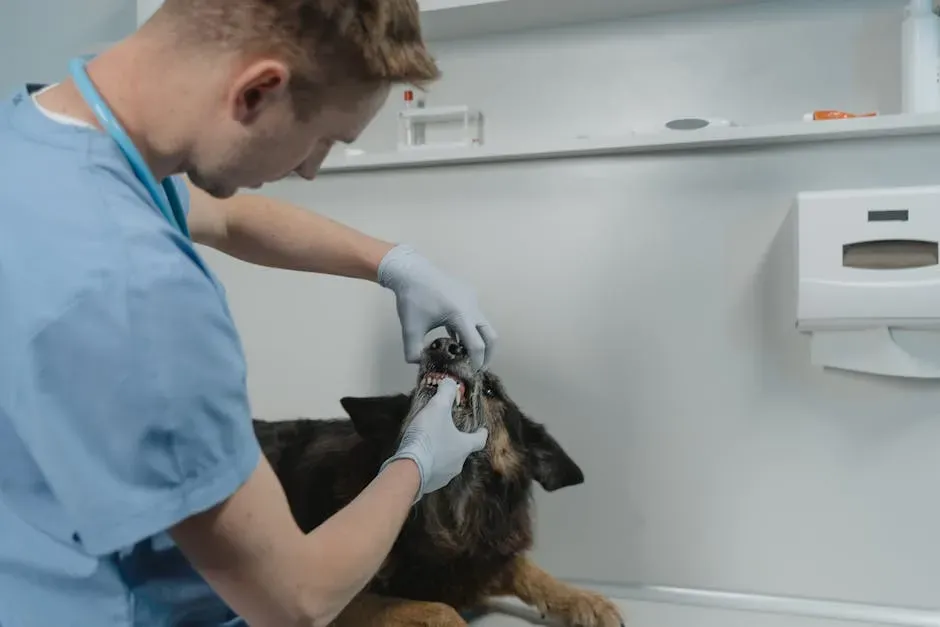
Dental Care Maintenance (Image Credits: Pexels)Oral health is often overlooked but is vital for a dog’s overall well-being. Experienced owners prioritize regular dental check-ups and cleanings to prevent periodontal disease, which can lead to systemic health issues.Incorporating daily tooth brushing or dental treats can help maintain oral hygiene. Addressing dental issues promptly can prevent pain and infections that might affect a dog’s quality of life.
Weight Management
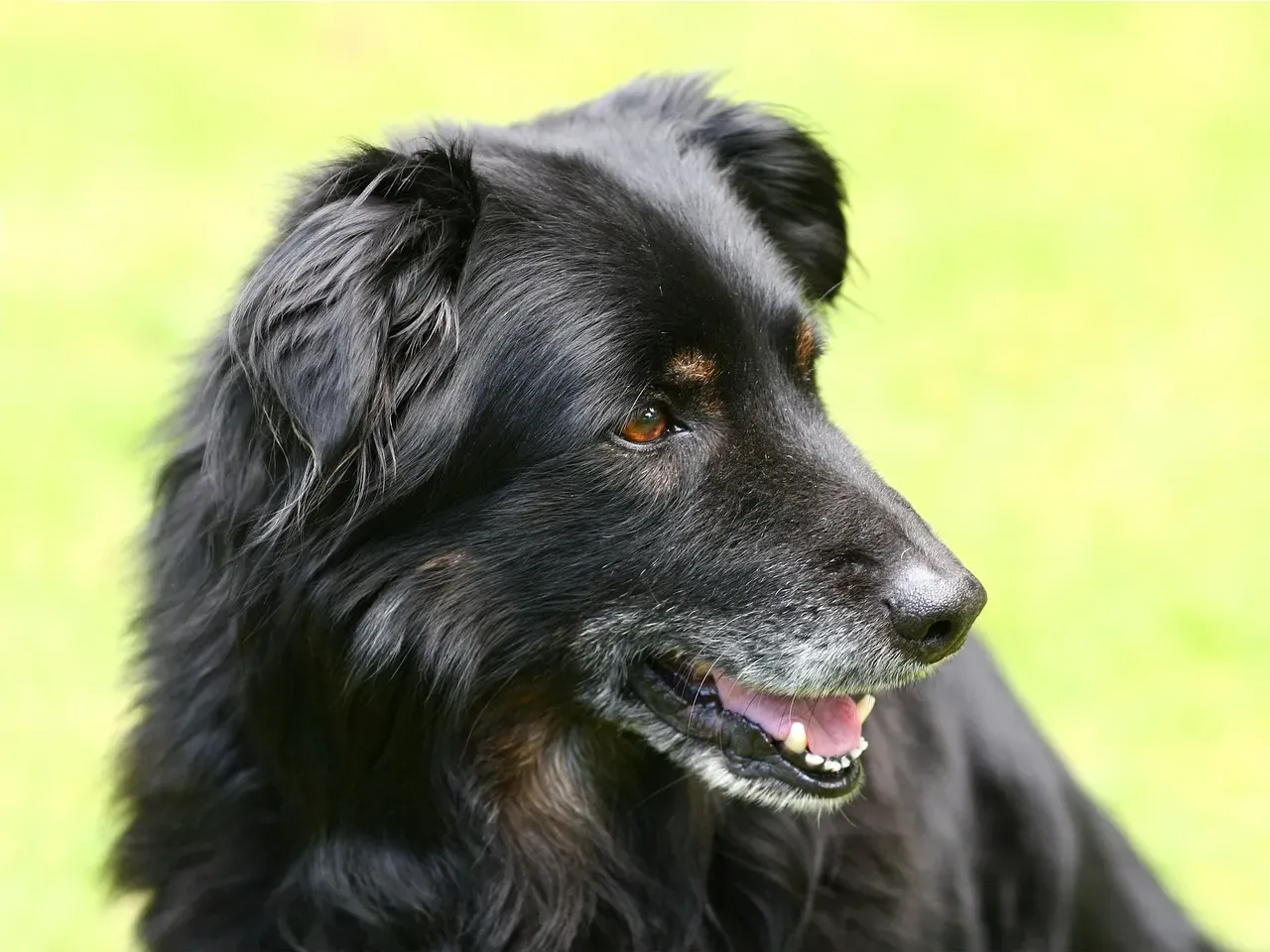
Weight Management (Image Credits: Pixabay)Maintaining an ideal weight is crucial for senior dogs, as excess weight can strain joints and organs. Owners monitor their dog’s body condition and adjust food intake and exercise accordingly.Regular weigh-ins and body condition assessments help in making necessary dietary adjustments. A balanced diet combined with appropriate exercise ensures the dog remains fit and healthy.
Adaptation to Sensory Changes
Adaptation to Sensory Changes (Image Credits: Unsplash)Aging can affect a dog’s senses, including vision and hearing. Attentive owners recognize these changes and adapt their communication methods, using hand signals or vibrations to interact with their pets.Ensuring the home environment is safe and predictable helps dogs with diminished senses navigate comfortably. Avoiding sudden changes in furniture placement and providing clear pathways can reduce anxiety and accidents.
Emotional Support and Bonding
Emotional Support and Bonding (Image Credits: Pexels)The emotional well-being of a senior dog is as important as its physical health. Owners spend quality time with their pets, offering affection and companionship to alleviate potential anxiety or depression.Engaging in favorite activities, even if modified, helps maintain the bond between the dog and owner. Recognizing and respecting the dog’s changing needs fosters a trusting and loving relationship.In conclusion, the longevity and quality of life of senior dogs are profoundly influenced by the attentive and informed care provided by their owners. By adopting these practices, owners not only extend their pets’ lives but also enhance the joy and companionship shared during their golden years. Isn’t it remarkable how small, thoughtful changes can make such a significant difference?