

Ever noticed your dog entering a room, only to turn around and leave just as quickly? While it might seem like quirky behavior, this could be your canine companion responding to subtle energy shifts between people – changes so faint that humans often miss them. Let’s delve into the fascinating world of canine perception and uncover what might be prompting your dog’s swift exits.
Dogs’ Extraordinary Sensory Abilities
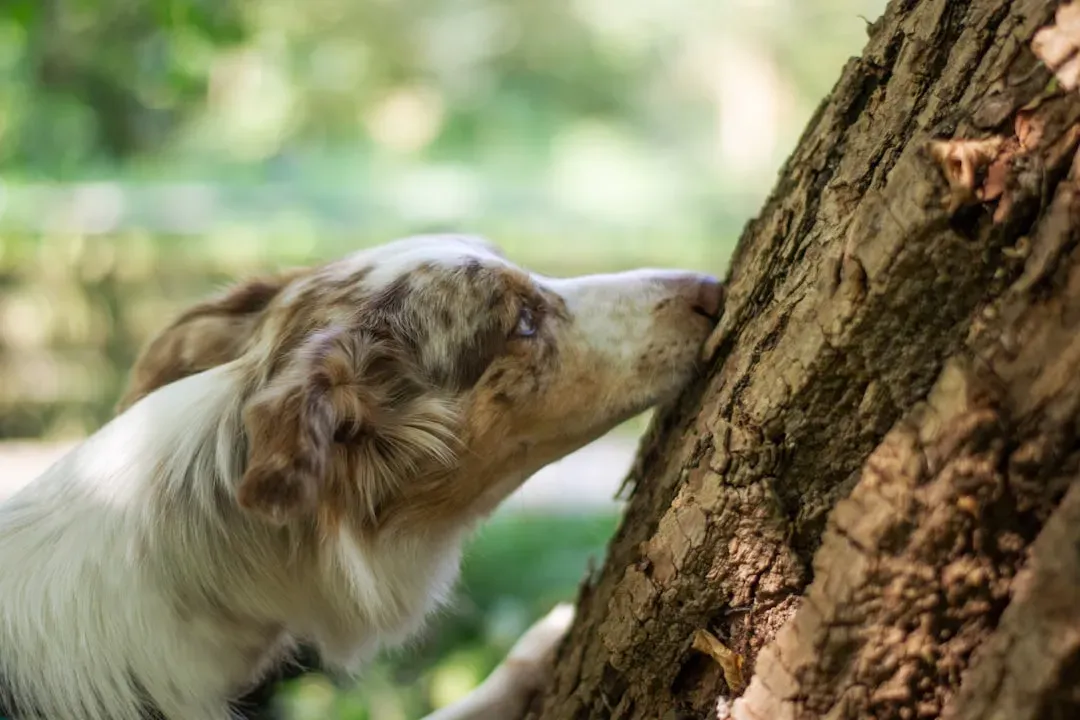
Dogs experience the world in ways that are vastly different from humans. Their sense of smell is estimated to be tens of thousands of times more sensitive than ours, allowing them to detect minute chemical changes in their environment. This olfactory prowess enables them to pick up on pheromones and other scent markers that indicate emotional states or physiological changes in humans.
In addition to their keen noses, dogs possess acute hearing and are highly attuned to body language. They can detect subtle shifts in tone, pitch, and even the rhythm of our speech, as well as minute changes in posture or facial expressions. This combination of senses makes them exceptionally skilled at reading the emotional atmosphere of a room.
Detecting Human Emotions Through Scent

When humans experience emotions like stress, fear, or anxiety, our bodies release specific chemicals and pheromones. Dogs can detect these changes through their advanced sense of smell. For instance, when a person is stressed, they emit cortisol, a hormone that dogs can pick up on, alerting them to the person’s emotional state.
This ability isn’t just limited to their owners. Dogs can sense the emotional states of multiple people in a room, allowing them to gauge the overall energy and decide how to respond. If they detect tension or conflict, they might choose to remove themselves from the situation.
Reading Body Language and Vocal Cues
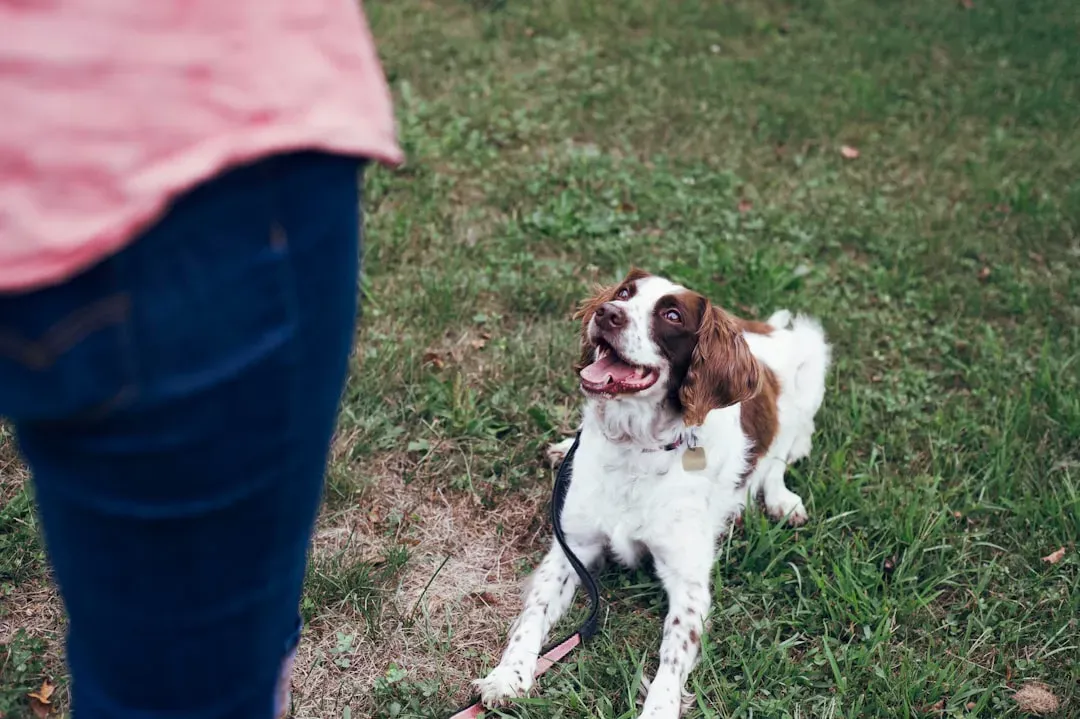
Beyond scent, dogs are adept at interpreting human body language and vocal cues. They can discern between relaxed and tense postures, friendly and aggressive facial expressions, and calm versus agitated tones of voice. These cues provide dogs with a comprehensive understanding of the emotional dynamics at play.
For example, if two people are having a heated argument, even if it’s not overtly loud, a dog can pick up on the subtle signs of discord. This might include clenched fists, furrowed brows, or a sharp tone. In response, the dog may choose to leave the room to avoid the negative energy.
Emotional Contagion: Dogs Absorbing Human Feelings

Dogs don’t just observe human emotions; they can also absorb and mirror them – a phenomenon known as emotional contagion. This means that if there’s tension or stress in the environment, a dog might begin to feel anxious or uneasy themselves.
In such cases, a dog might enter a room, sense the negative energy, and decide to leave to protect their own emotional well-being. This behavior is a testament to their deep connection with humans and their sensitivity to our emotional states.
Environmental Factors Influencing Canine Behavior
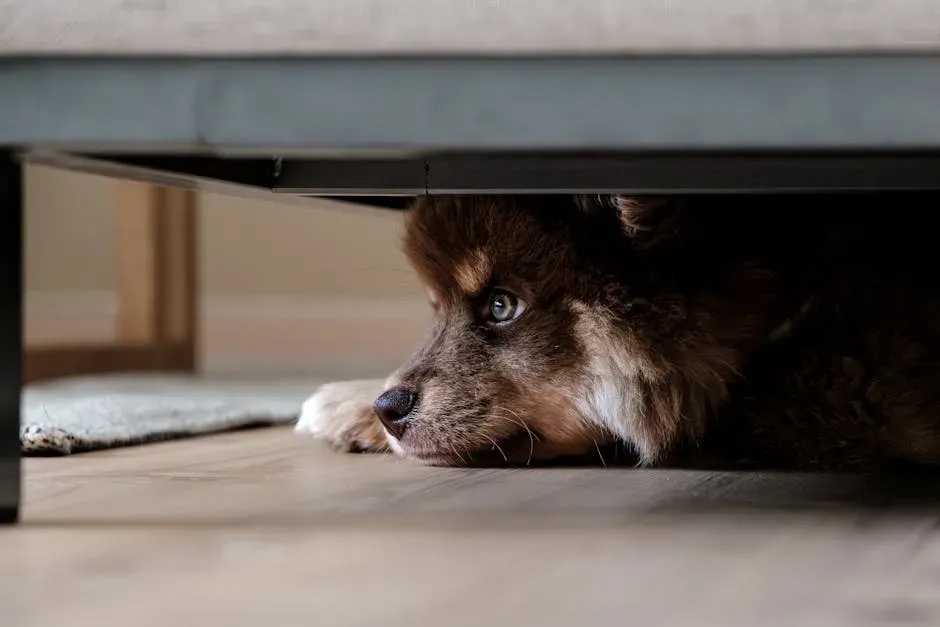
While dogs are highly attuned to human emotions, their behavior can also be influenced by environmental factors. Changes in a room, such as new furniture, unfamiliar scents, or even subtle shifts in lighting, can make a dog feel uneasy.
For instance, if a room has been recently cleaned with a strong-smelling product, a dog might find the scent overwhelming and choose to leave. Similarly, if a new piece of furniture obstructs their usual path or alters the room’s layout, they might feel disoriented and opt to stay elsewhere.
Health and Age-Related Considerations
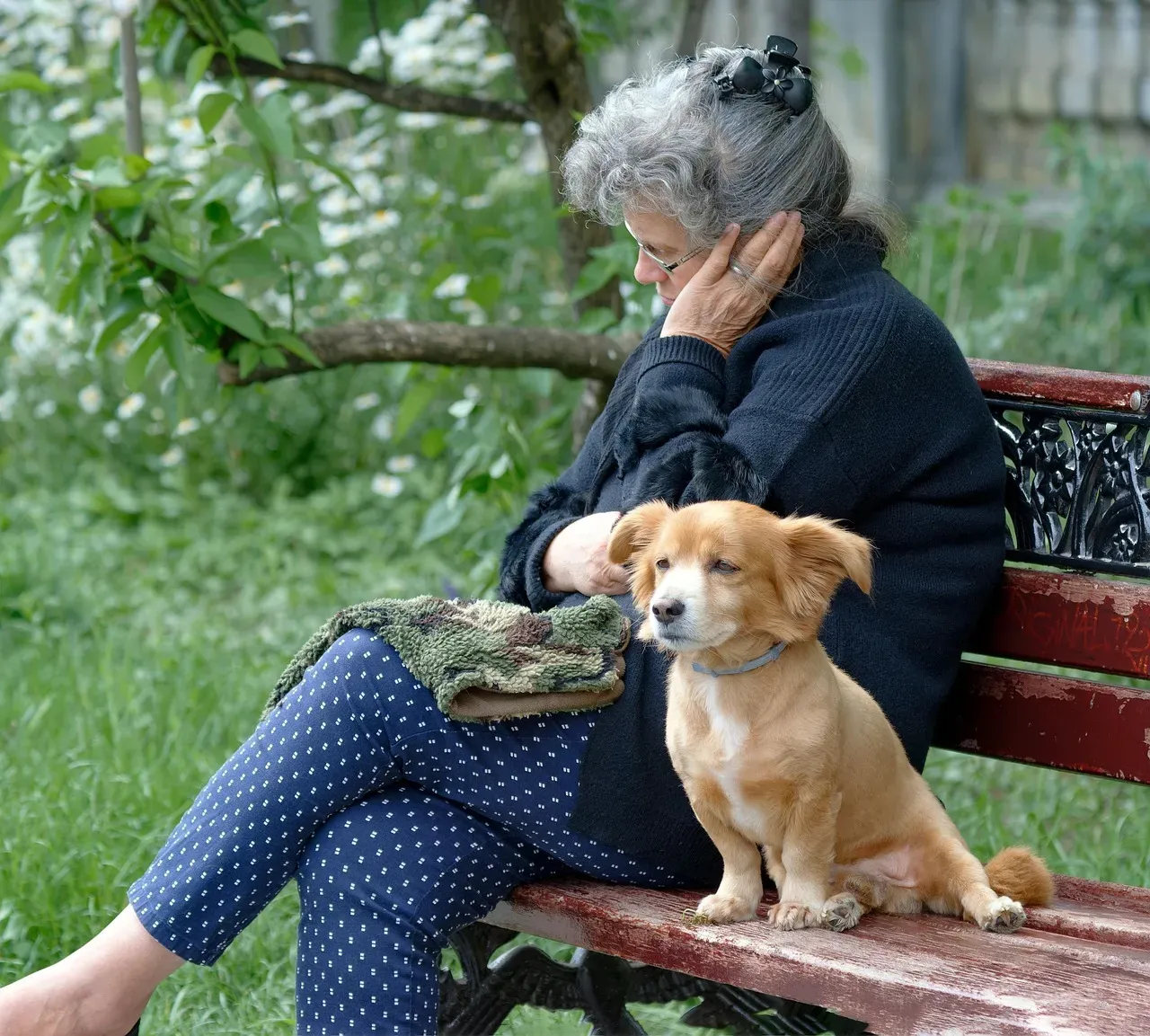
It’s also important to consider that a dog’s health and age can impact their behavior. Older dogs or those with sensory impairments might become more sensitive to changes in their environment or the emotional states of their human companions.
If a dog suddenly starts avoiding certain rooms or exhibits changes in behavior, it’s advisable to consult with a veterinarian to rule out any underlying health issues that might be causing discomfort or anxiety.
Strengthening the Human-Canine Bond
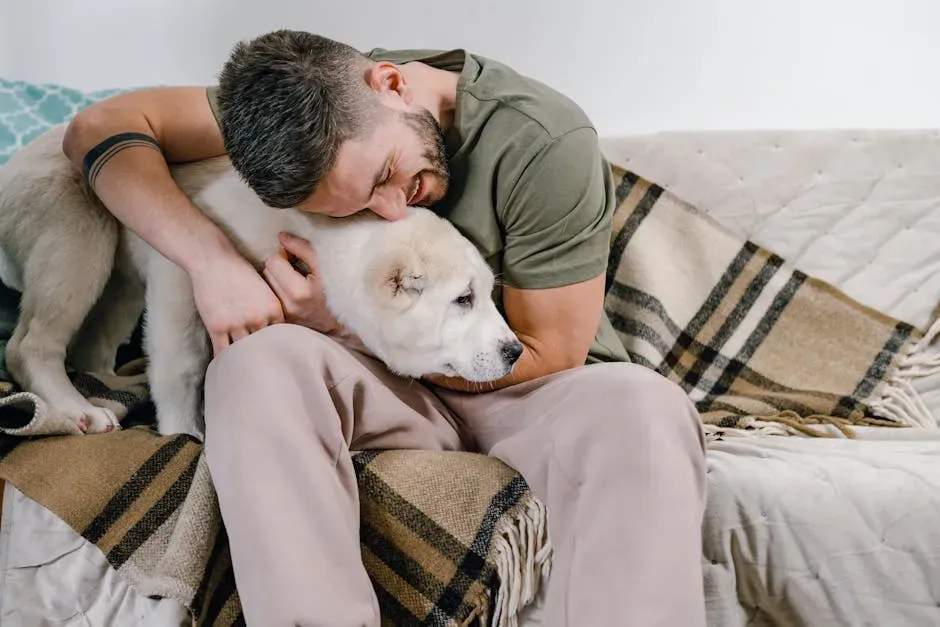
Understanding the reasons behind your dog’s behavior can help strengthen your bond. By being mindful of the emotional atmosphere in your home and making efforts to maintain a calm and positive environment, you can help your dog feel more secure and comfortable.
Additionally, providing your dog with a safe space where they can retreat when they feel overwhelmed can be beneficial. This could be a quiet room, a cozy bed, or a designated area where they know they won’t be disturbed.
Conclusion
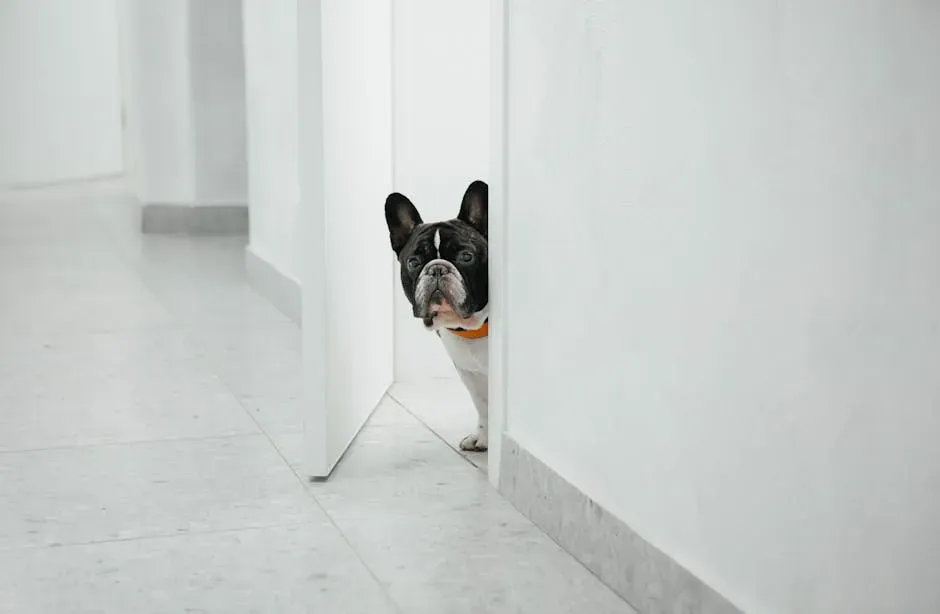
When your dog walks into a room and immediately walks out, it’s not just random behavior. It’s a reflection of their incredible sensitivity to the emotional and environmental cues around them. By paying attention to these signals and understanding the underlying causes, we can create a more harmonious living space for both humans and their canine companions.
So, the next time your dog makes a swift exit, consider what they might be sensing. After all, our four-legged friends often perceive more than we do. What might your dog be trying to tell you?


