
#1. Chihuahua
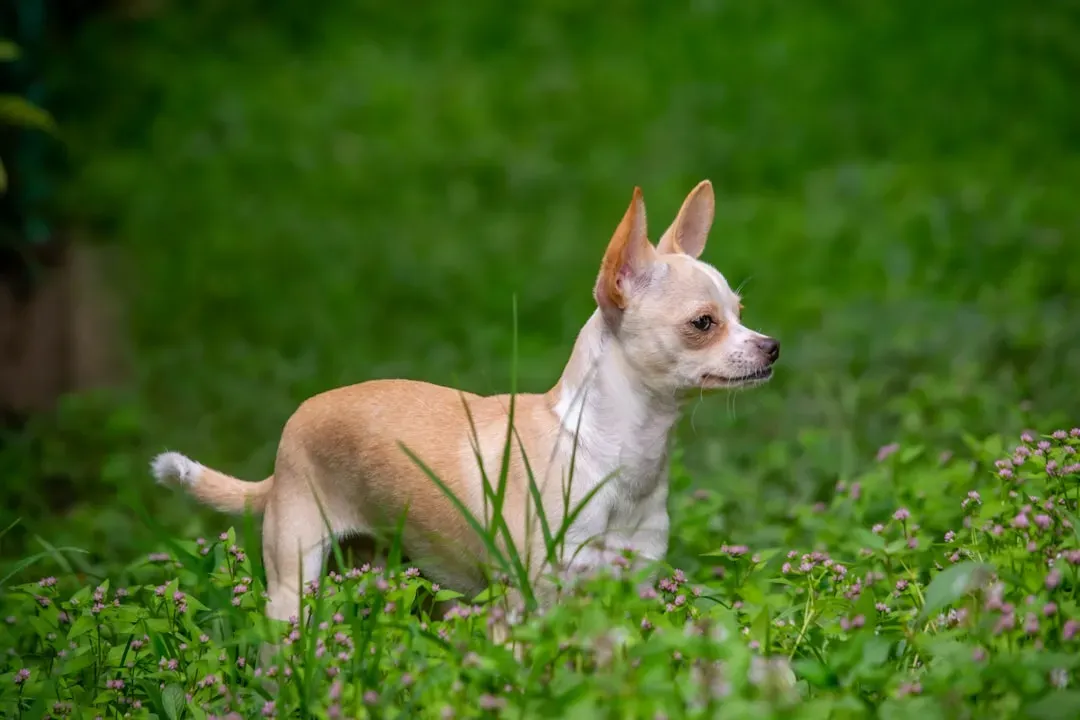
Despite their tiny frame, Chihuahuas carry themselves like fearless guardians. Often compared to a big dog trapped in a small body, they are alert, confident, and deeply devoted to their people. This loyalty makes them surprisingly protective, quick to sound the alarm when something feels off, and always ready to stand their ground, even against much larger strangers. It’s a level of audacity that’s both amusing and genuinely impressive when you consider what they’re working with physically.
Chihuahuas tend to form a strong bond with one person, which fuels both their affection and their watchful nature. While this can sometimes come across as cautious or reserved behavior around unfamiliar faces, it’s simply their instinct to protect what they love. Their compact size and low-maintenance needs make them ideal companions for city living and older adults, especially those seeking a dog that offers both companionship and security. At times, their confidence will border on overprotectiveness, and hence, the importance of proper socialization cannot be understated.
#2. Yorkshire Terrier
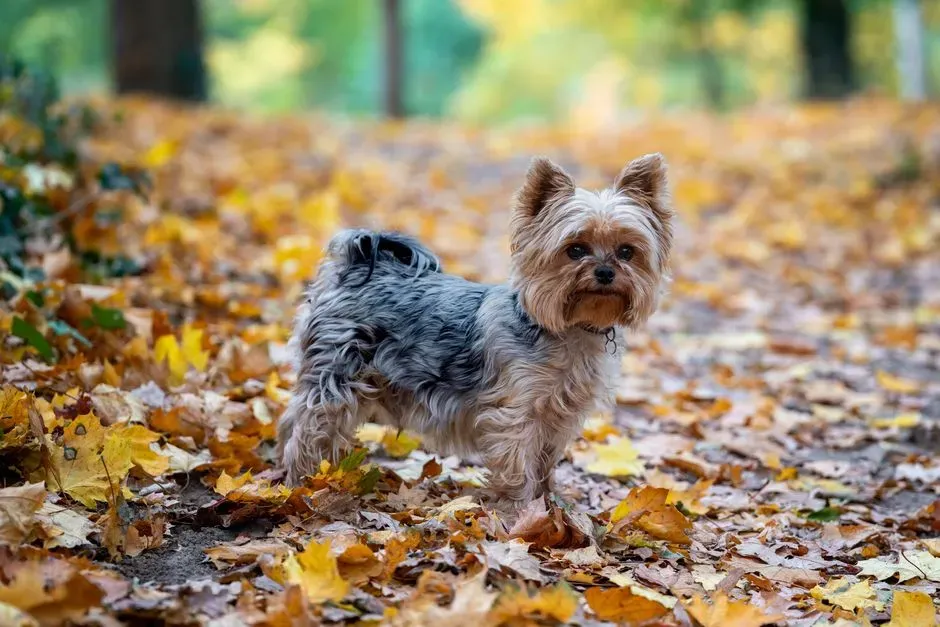
Originally bred to hunt rats in busy mills, the Yorkshire Terrier still carries the courage and confidence of a working dog. Don’t let their silky coat and small size fool you. Yorkies are alert, fearless, and always ready to defend their space, and this natural boldness makes them excellent little watchdogs who quickly notice unfamiliar sounds or movement around the home. The Industrial Revolution gave us the Yorkie’s grit, and that working spirit never fully left.
Historically kept as a working breed to catch rats and other vermin hiding in Yorkshire textile mills during the Industrial Revolution era, the Yorkie’s drive, courage, protectiveness, and determination are something else. Yorkshire Terriers tend to form strong bonds with their families and will do their best to stand up for their loved ones. During World War II, a Yorkie named Smoky reportedly helped U.S. soldiers by dragging a communications cable through a narrow pipe and warning troops of incoming danger, showing that even the smallest dog can make a big difference.
#3. Miniature Pinscher
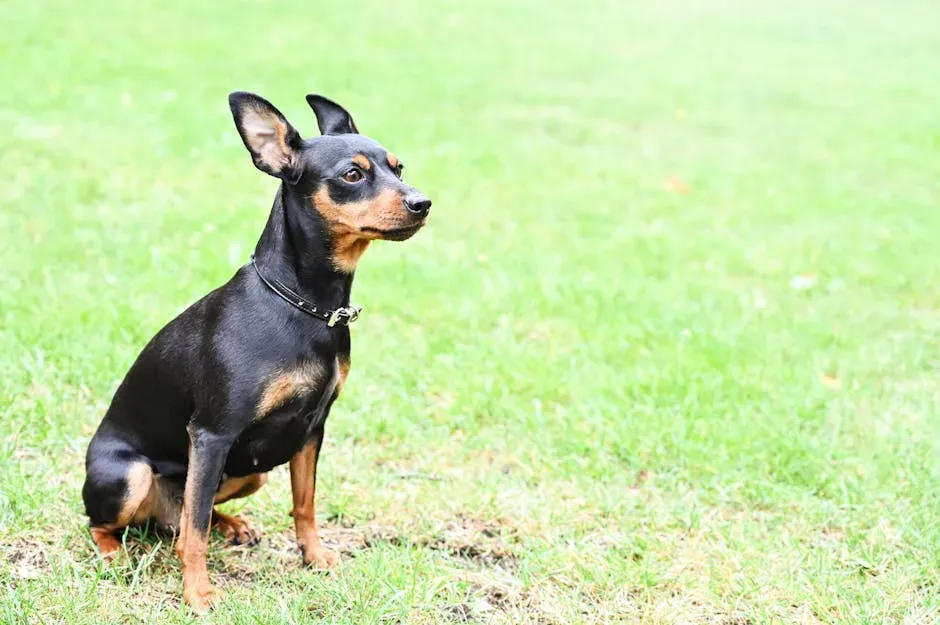
The Miniature Pinscher, often called the “King of the Toys,” is a small dog with a bold and fearless personality. Originally bred for hunting rats, the Miniature Pinscher has strong instincts of protection and won’t hesitate to bark at strangers or unusual activity. Its energetic and confident nature adds an extra layer of security in smaller homes and apartments. There’s something almost theatrical about the way a Min Pin moves through a room, head high and stride purposeful, as if every square foot belongs to them.
This dog possesses an inherent sense of authority, walking with purpose and facing the world head-on. A Min Pin doesn’t act scared or uncertain when challenged. Their confident presence immediately signals that the home is actively monitored. The Miniature Pinscher views its house and yard as its personal kingdom. Min Pins form strong bonds with their families and are fiercely loyal to the people they love. They are well-suited for apartment living as long as they get enough daily activity.
#4. Dachshund
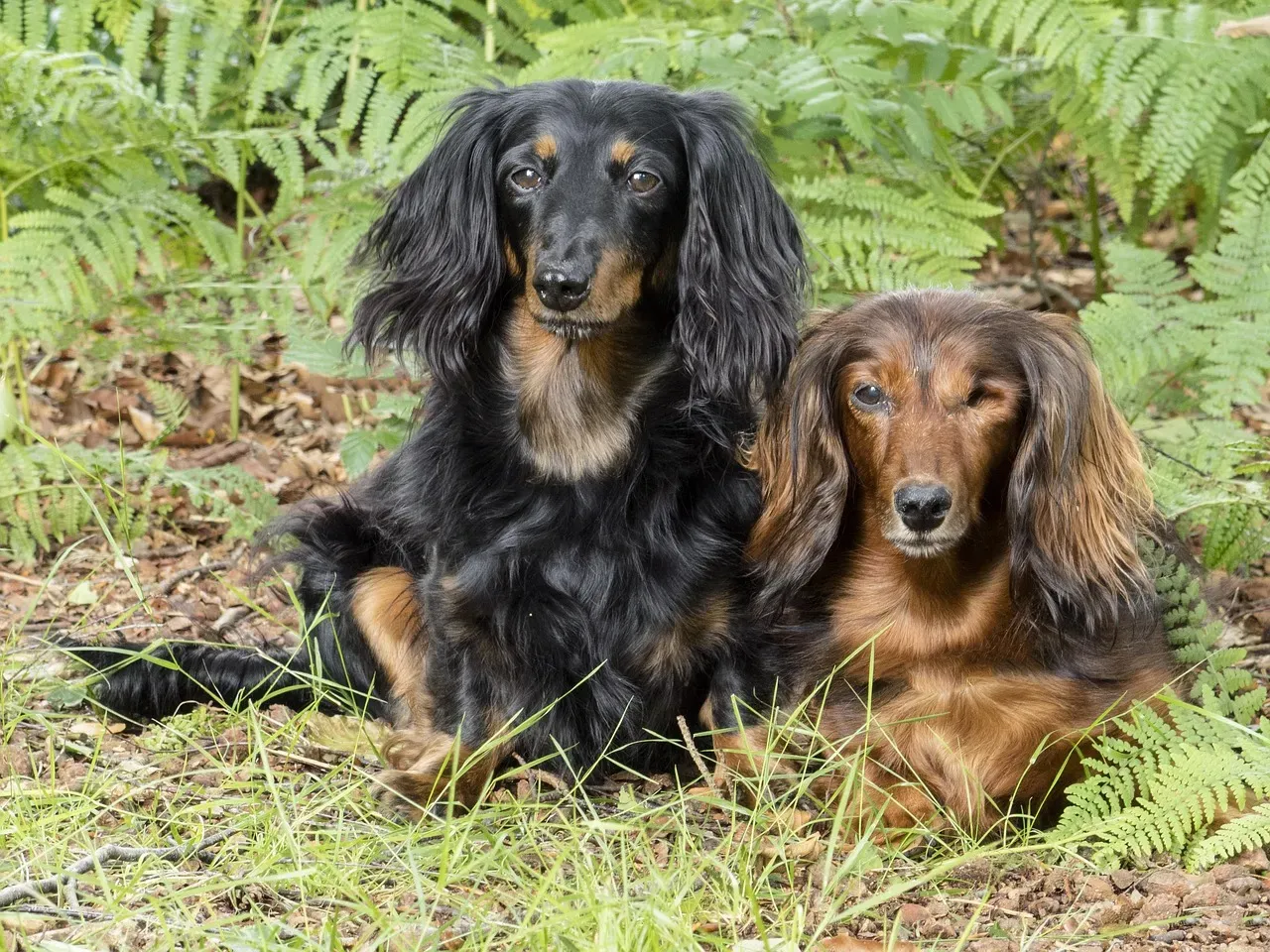
Dachshunds are long-bodied, low-slung hunting dogs with a bold personality that far exceeds their size. Originally bred for hunting, their compact frame and keen senses made them ideal for tracking and pursuing game, giving them a mix of determination and energy that’s hard to miss. These little dogs don’t hesitate to make their presence known. When something feels off, this small guard dog delivers a vocal warning that carries far beyond their size.
You might expect a high-pitched yelp, but the Dachshund produces a remarkably deep and resonant bark for its size. This unexpectedly loud, almost ferocious sound often startles intruders. That volume creates an illusion of a much bigger dog inside the house. Dachshunds maintain a constant watch on their surroundings, always keen to know what is happening. They are intensely curious and want to control their domain. Their innate focus means they quickly identify and report anything out of the ordinary.
#5. Miniature Schnauzer
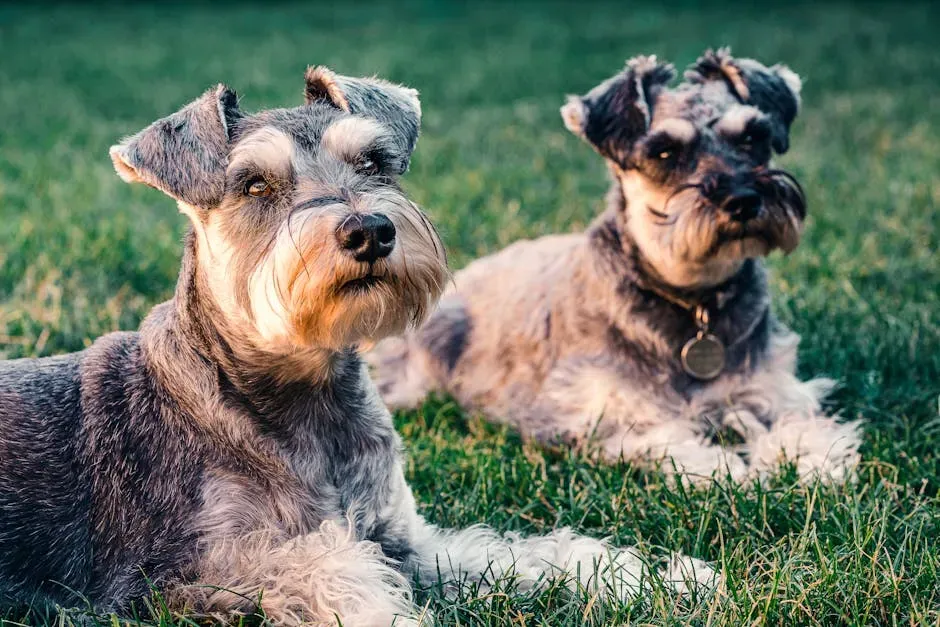
Miniature Schnauzer was originally bred from Standard Schnauzers to handle farm work, where it managed vermin while staying close to daily household activities. That dual role built a dog that stays engaged without becoming unpredictable. Naturally alert and highly vocal, they don’t miss a thing. They’re quick learners, intensely loyal, and thrive with structure. Their watchdog instincts are strong, but what sets them apart is their intelligence. That combination of smarts and loyalty is genuinely rare in such a compact package.
The Miniature Schnauzer forms powerful, loving bonds with its family members. This strong loyalty translates directly into a desire to keep its people safe. This dog feels a deep sense of responsibility toward its immediate human pack. When alerting to a threat, a Schnauzer is tenacious and determined. They stand their ground and continue to vocalize until the danger passes or the owner takes action. Miniature Schnauzers rarely show aggression but tend to bark when approached by strangers. Their coat does not shed much, making them one of the hypoallergenic dog breeds.
#6. Lhasa Apso
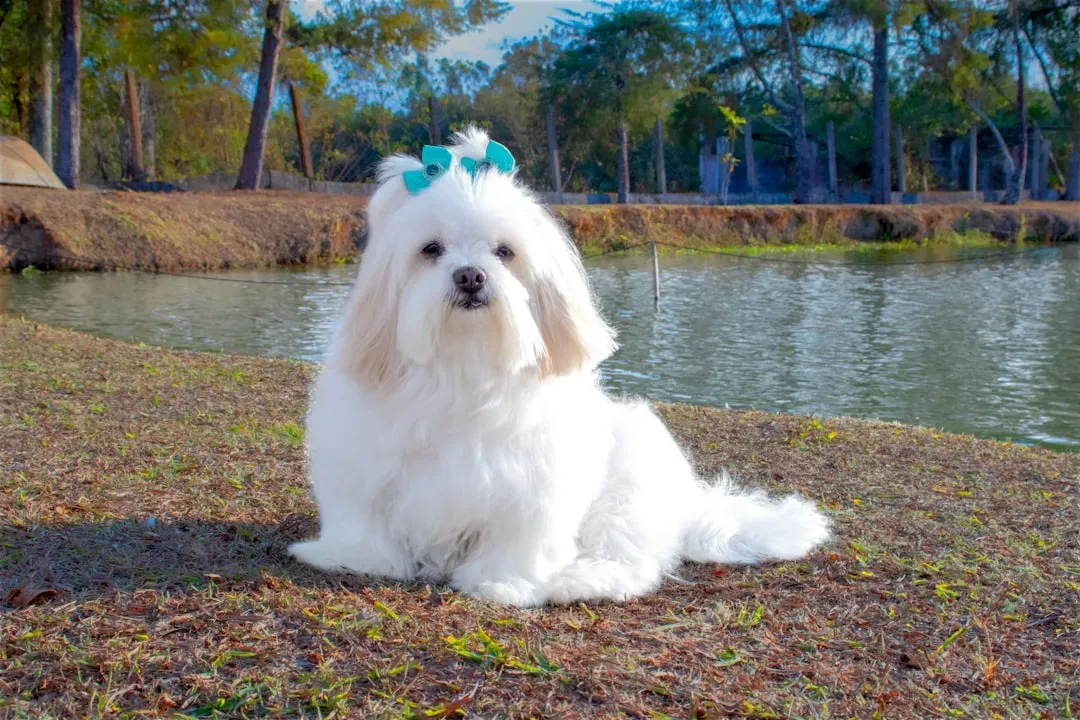
The Lhasa Apso is a small but mighty guardian with a rich history rooted in Tibet. Known as “abso seng kye,” or “bark lion sentinel dog,” this breed was cherished by Tibetan monks for centuries as a watchful protector of monasteries and palaces. Its long, flowing coat not only gives it a regal, lion-like appearance but also shields it from the harsh high-altitude climate. According to Tibetan folklore, Lhasas are sacred, believed to guide the souls of departed lamas until reincarnation.
They instinctively guard against strangers and are extremely territorial. Lhasa Apsos are not as reactive as certain breeds. They watch first, then take action when appropriate. This also makes them independent thinkers, which makes training these dogs a little more challenging, but also leads to their effectiveness as watchdogs. They do not just take orders blindly; they evaluate situations. Lhasa Apsos are a rare combination of presenting a playful and fearless personality in one package. That quiet, watchful intelligence is a quality that’s hard to find in any dog breed, regardless of size.
#7. Scottish Terrier
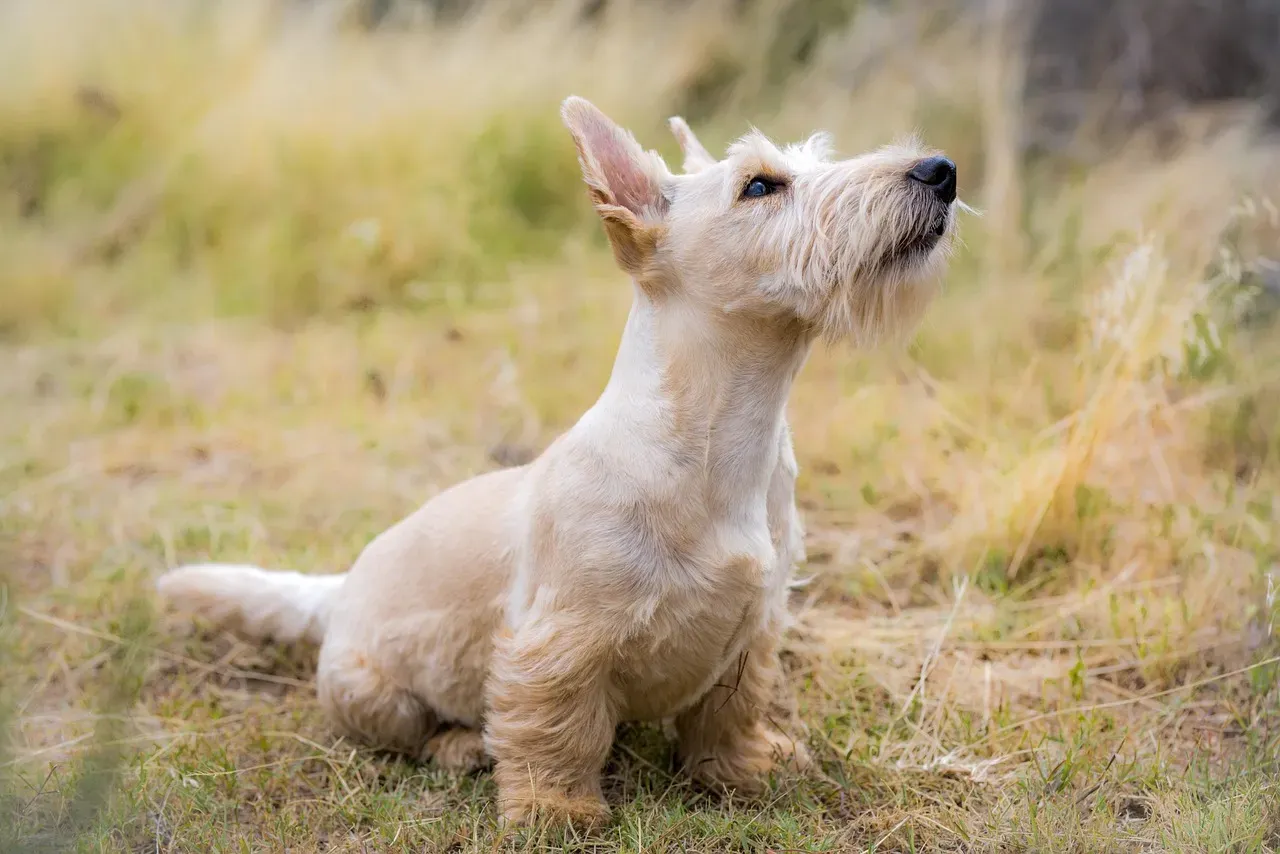
Scottish Terrier stands solid and low to the ground, projecting confidence far beyond its size. The sharp eyes, erect ears, and upright tail signal constant awareness of surroundings. That dignified, almost human expression is paired with a terrier’s determined mindset. This guard dog breed approaches unfamiliar situations with caution and independence. Their aloof attitude toward strangers strengthens their role as vigilant household sentinels.
Scottish Terriers or “Scotties” are one of those small breeds with big personalities and an even bigger sense of purpose. These compact and muscular dogs have a natural instinct to protect their territory and their family that goes way back in their breeding history. They were originally bred to hunt foxes and badgers in the Scottish Highlands. Behind German Shepherds and Rottweilers, Scotties have ranked third in alarm barking, pretty impressive for a dog only a fraction of their size. That statistic alone should make anyone reconsider judging a book by its cover.
#8. Cairn Terrier
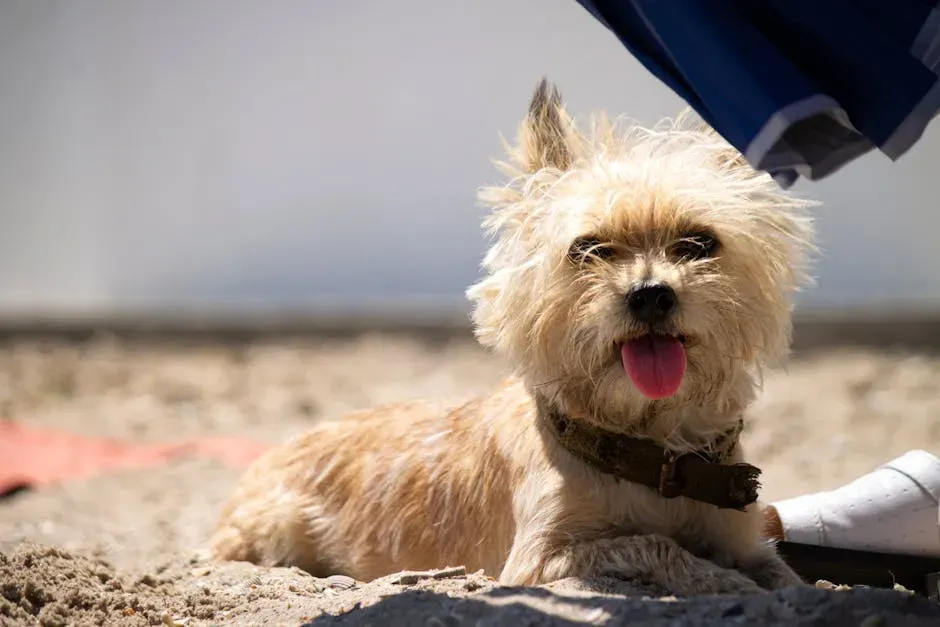
Cairn Terrier developed in the rocky Scottish countryside, where digging out foxes demanded boldness and quick reactions. That fearless earthdog background still shapes its alert and investigative nature. Even at about 10 inches tall, this breed reacts fast to movement and unfamiliar sounds. Cairn Terrier’s compact frame and keen expression reveal a dog constantly assessing its surroundings. Toto from The Wizard of Oz may have made the Cairn a household name, but there’s considerably more behind those alert little eyes than movie charm.
What makes the Cairn especially useful in a home setting is how it combines boldness with loyal companionship. While they won’t physically overpower an intruder, they excel at acting as watchdogs. They notice what others might miss, alert their owners, and hold steady until someone checks things out. Because they’re small, they suit apartment and townhouse living but still bring reliable protective instincts. Their protective instincts come from curiosity-driven investigation rather than distance-based guarding. They bring that same working drive into daily life, staying active in spaces where something is happening rather than sitting still for long. This breed prefers interaction, movement, and involvement in its environment, which makes it naturally alert.
#9. Pomeranian
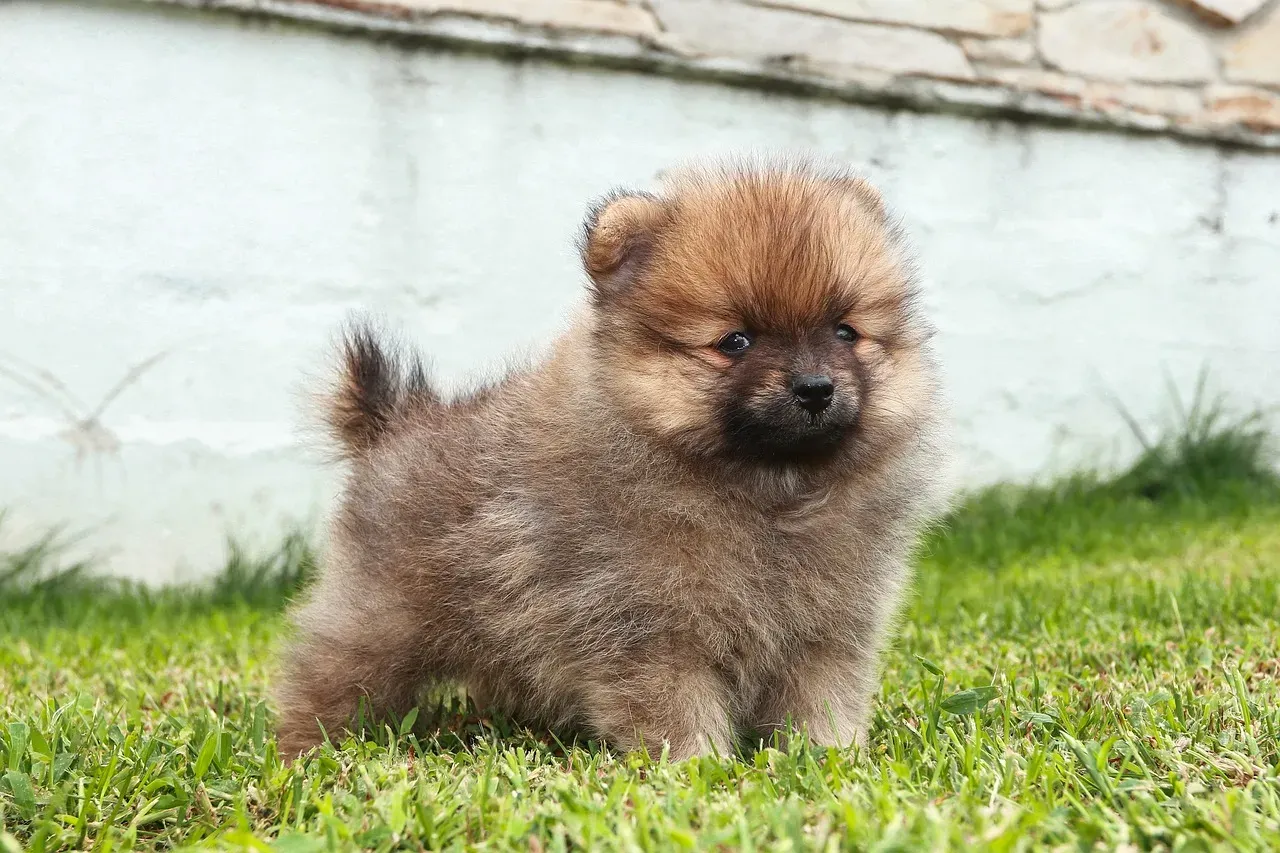
Pomeranians may be tiny, but their confidence and awareness make them surprisingly effective little guardians. Friendly and lively by nature, these toy-sized dogs are always alert to what’s happening around them. Their sharp senses and inquisitive personalities mean they’re often the first to notice unfamiliar sounds, making them quick to bark and warn their owners. This natural watchfulness gives them a protective edge despite their small size. For a dog that weighs under seven pounds, the Pom’s sense of territorial ownership is remarkable.
Compact and easy to carry, Pomeranians adapt well to apartments and small homes, happily staying close to their people. They form strong bonds and enjoy attention, often carrying themselves with a bold, almost commanding presence. While affectionate, they can be defensive around very young children, so they do best in homes where kids understand gentle handling. Beyond their protective nature, small breeds like Pomeranians often live longer than larger dogs and have remarkable cognitive abilities relative to their size, making them both clever and watchful.
#10. Schipperke
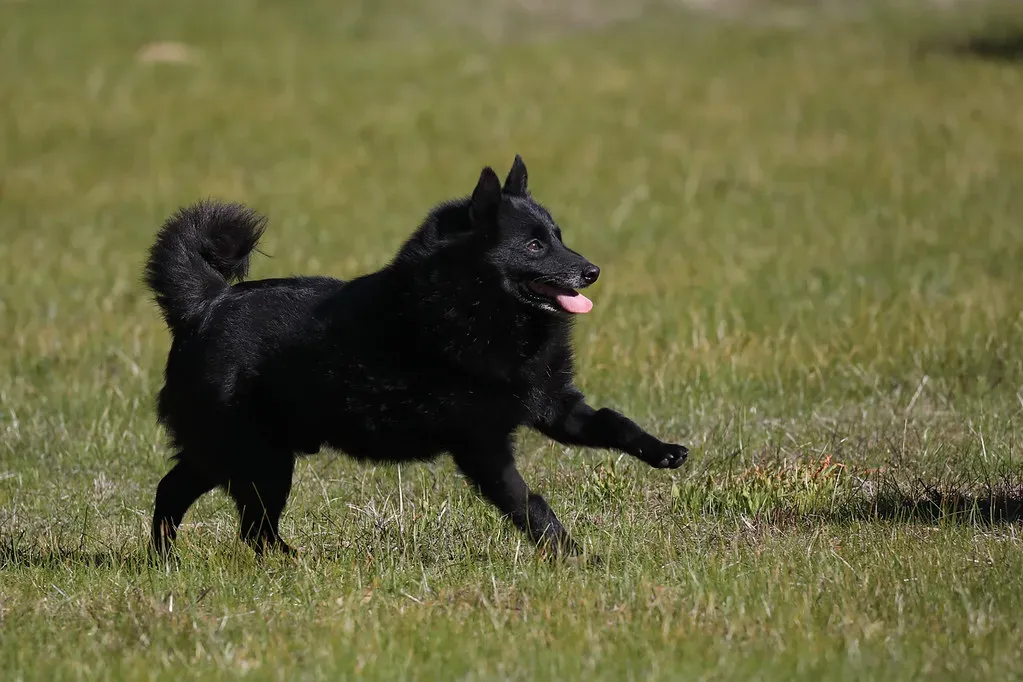
Bred in Belgium in the 1600s, the Schipperke descended from a black sheepdog known as the Leauvenaar. Back in the day, Schipperkes often worked aboard barges. Their jobs included catching vermin, nipping at the heels of tow horses, and serving as watchdogs. The Schipperke, Belgium’s “little captain,” is the traditional barge dog of the Low Countries, curious, lively, and intense but mischievous, a robust and long-lived companion for whom there is never a dull moment. That history of working independently on open water gave this breed an instinctive self-reliance that’s rare among toy-sized dogs.
Confident, attentive personalities, along with a tendency to bark at the first sign of trouble, make Schipperkes excellent watchdogs. Schipperkes are vigilant and protective, so their territorial instinct kicks in when they encounter strangers. They typically make good companions for young children. Originating in Belgium, the Schipperke earned its keep by guarding barges and hunting vermin, so it naturally developed keen awareness and strong protective instincts that remain very much alive in the breed today. The “Little Captain” nickname isn’t just charming, it genuinely captures how this dog operates: quietly in command, always on watch.
Final Thoughts
There’s something genuinely moving about a tiny dog planting itself between you and the unknown, tail firm, eyes fixed, bark loud. It’s not bravado for the sake of it. Small dogs carry a fierce devotion that often surprises those who mistake size for strength. Their loyalty runs deep, and their instinct to guard what they love can be powerful, focused, and unwavering. They notice subtle shifts in energy, unfamiliar footsteps, and movements others ignore. That vigilance turns them into natural sentinels within compact bodies.
Training and socialization are essential for shaping protective instincts into balanced behavior. Without that structure, even the most well-intentioned guardian soul can tip into anxiety or over-reactivity. When people think of protective dogs, large and imposing breeds often come to mind, but size is not always what defines a good guardian. Protective small dogs prove that courage, loyalty, and alertness can come in surprisingly compact forms. Such little companions may be small in stature, but they possess a strong sense of awareness and an instinct to defend their home and loved ones.
The truth is, what makes a great guardian isn’t always size or strength. Sometimes it’s the dog who weighs six pounds but refuses to back down, the one who curls up on your lap by day and stands at your door by night. That kind of devotion doesn’t need a lot of space to live in. It just needs a home worth protecting.


