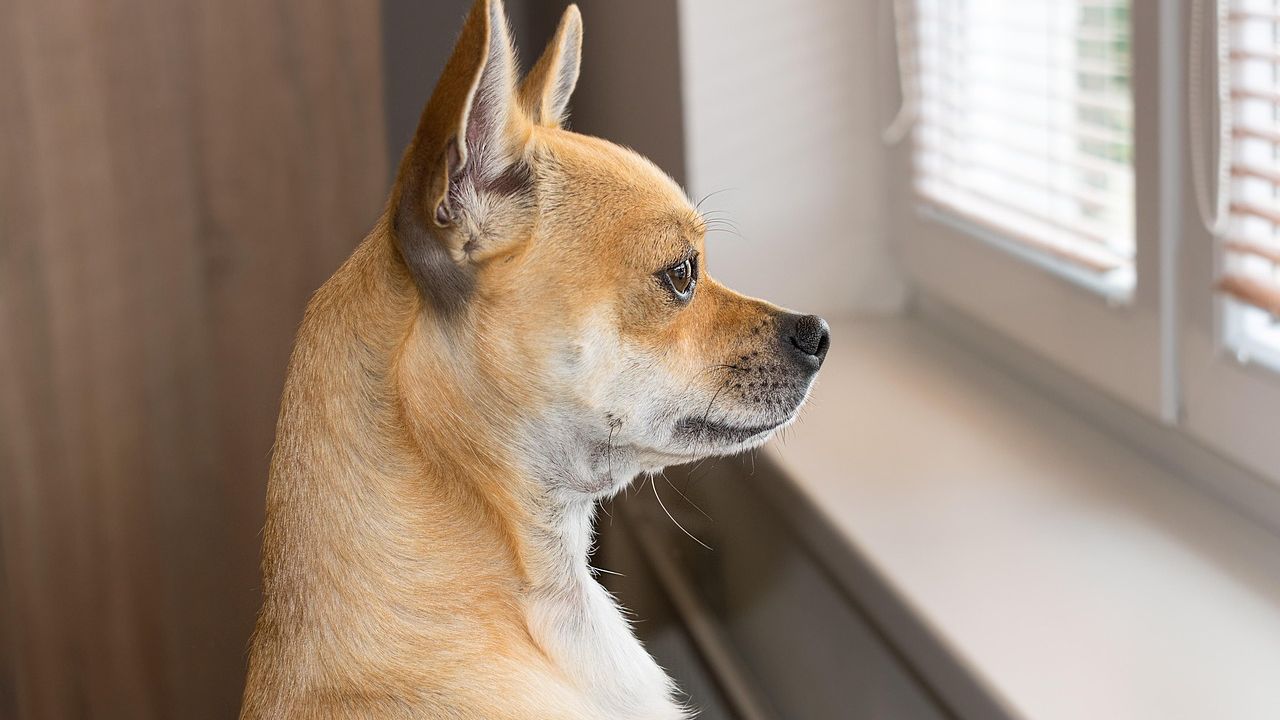
1. Pacing Restlessly Around the House
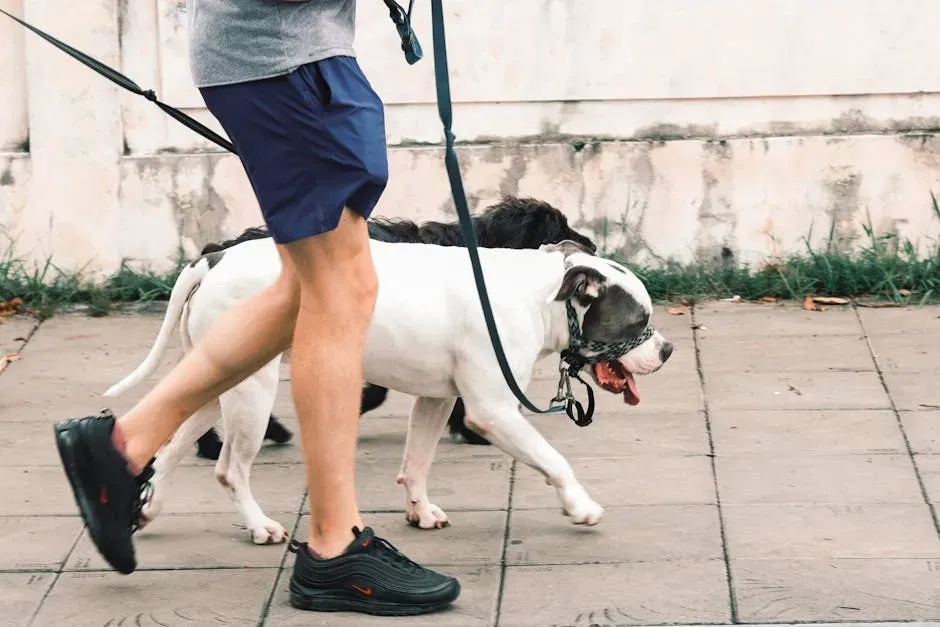
Imagine the confusion a dog feels when their daily routine is disrupted. They may wander from room to room, searching for their missing owner, unable to settle. This restless pacing is a manifestation of their anxiety and longing.
Without the familiar presence of their human, dogs can become disoriented. Their home feels different, and they tirelessly seek the comfort that their owner’s presence once provided.
2. Sitting by the Door Awaiting Their Return
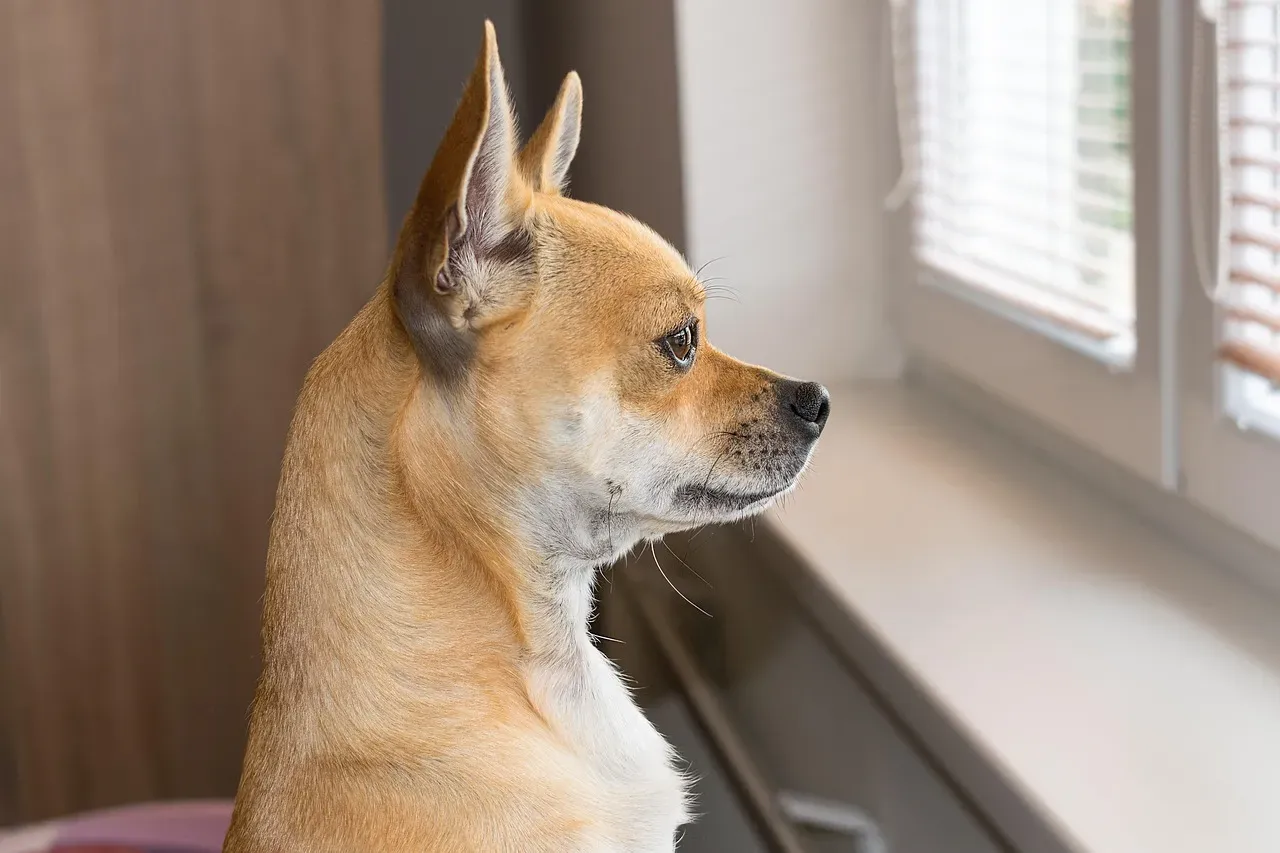
Dogs often position themselves by the door, ears perked, eyes fixed, waiting for the sound of their owner’s footsteps. This vigil can last for hours, showcasing their unwavering hope and anticipation.
Each passing moment without the familiar jingle of keys or the creak of the door deepens their sense of loss, yet they remain steadfast, believing their beloved human will return any minute.
3. Refusing to Eat or Drink

The absence of their owner can lead to a significant decrease in appetite. Dogs may turn away from their food bowls, showing little interest in meals they once devoured eagerly.
This refusal to eat or drink is a physical manifestation of their emotional turmoil. It’s as if their sustenance is tied to the presence of their human, and without them, the desire to eat diminishes.
4. Sleeping in Their Owner’s Spot
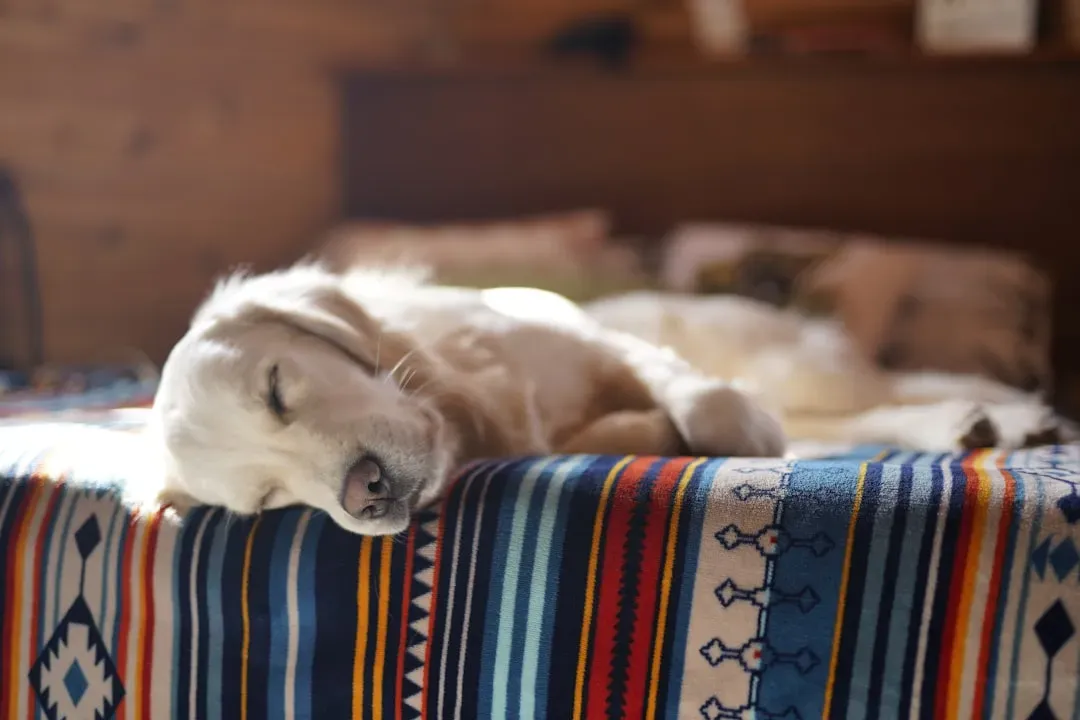
Seeking solace, dogs often curl up in their owner’s favorite chair or sleep on their side of the bed. The lingering scent provides a semblance of comfort in an otherwise lonely environment.
This behavior underscores their deep bond, as they try to feel close to their absent owner by immersing themselves in familiar scents and spaces.
5. Whining or Howling More Than Usual
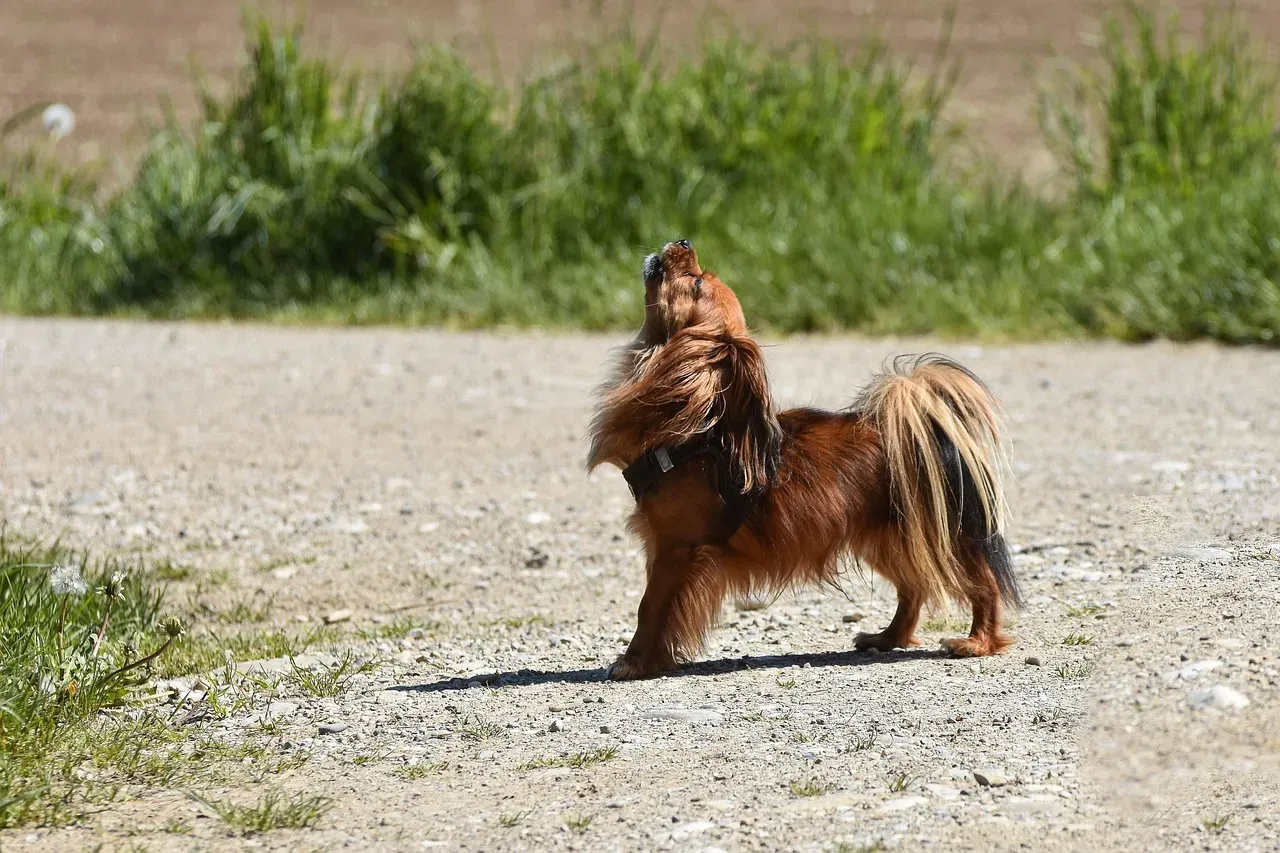
Vocalizations like whining or howling can increase when a dog is distressed. These sounds are their way of expressing confusion, sadness, and a plea for their owner’s return.
Such vocal expressions are heart-wrenching to witness, as they convey the depth of the dog’s emotional pain and longing.
6. Showing Signs of Depression

Dogs can exhibit signs of depression, such as lethargy, disinterest in play, and a general lack of enthusiasm. Their once wagging tails may droop, and their eyes may lose their usual sparkle.
This behavioral shift is a clear indicator of their emotional struggle, mirroring the profound impact their owner’s absence has on their well-being.
7. Becoming More Clingy with Other Household Members
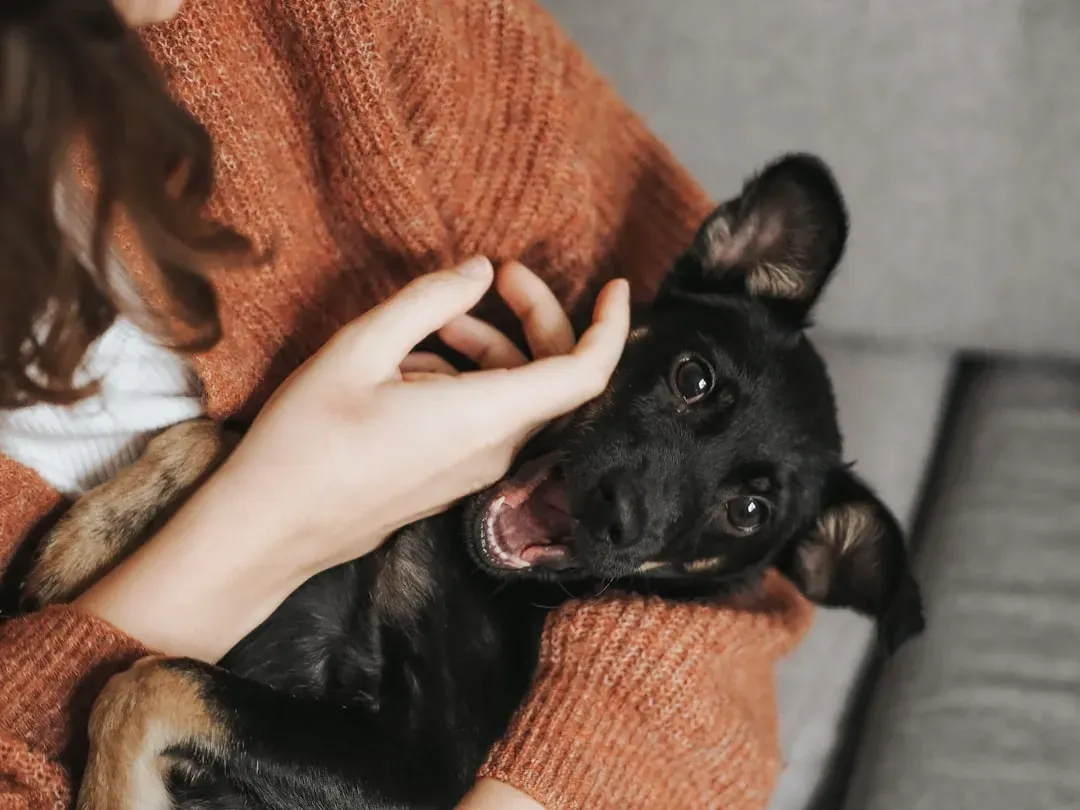
In the absence of their primary caregiver, dogs may seek comfort from other family members, following them closely and seeking constant attention.
This increased clinginess is a coping mechanism, as they try to fill the void left by their owner’s absence with the presence of others they trust.
8. Searching for Their Owner’s Scent
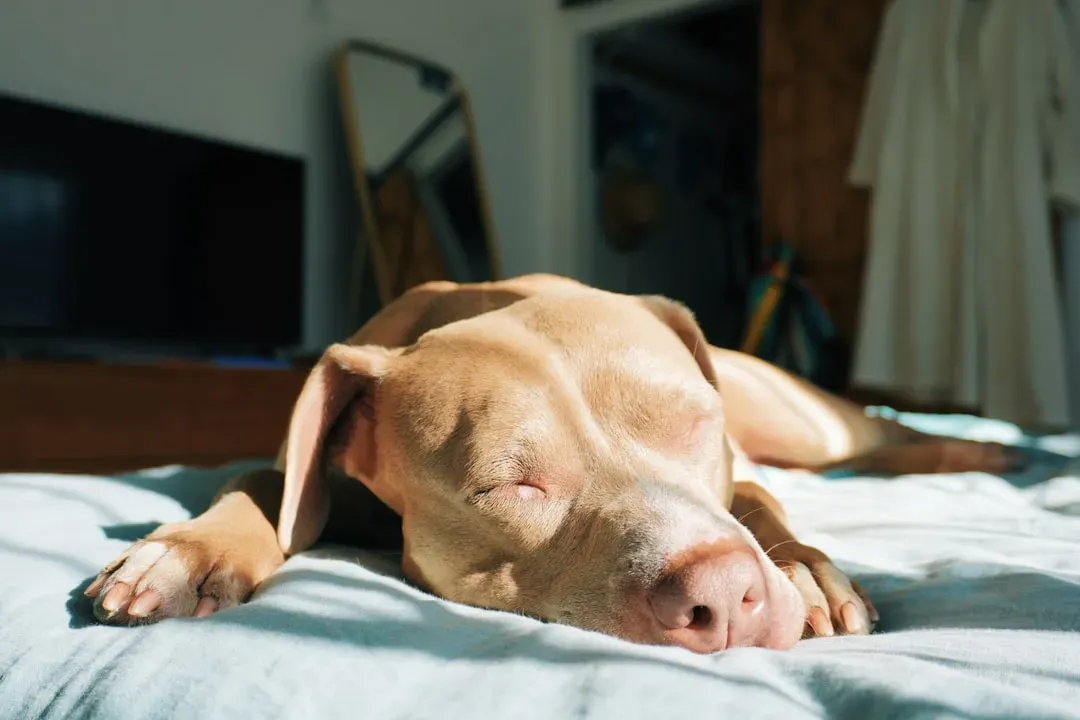
Dogs have an incredible sense of smell and may sniff around the house, seeking out their owner’s scent on clothing, furniture, or bedding.
This behavior is a testament to their deep connection, as they find solace in the familiar aroma of their beloved human.
9. Displaying Destructive Behavior

Some dogs may resort to chewing furniture, shoes, or other household items as a way to cope with their anxiety and confusion.
This destructive behavior is not out of malice but a manifestation of their stress and an attempt to self-soothe in the face of uncertainty.
10. Exhibiting Signs of Separation Anxiety
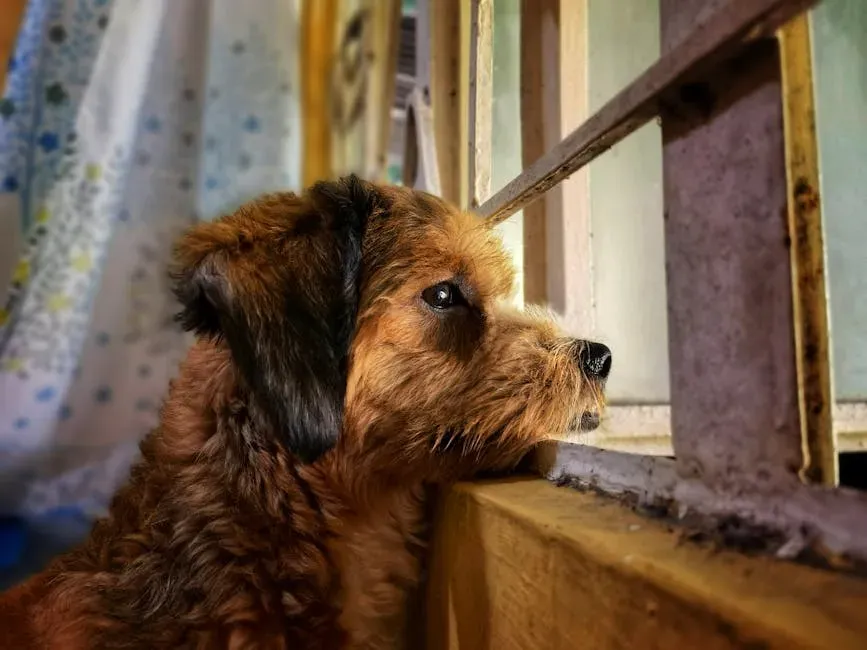
Behaviors such as excessive barking, pacing, or even attempting to escape can indicate separation anxiety, a condition where dogs become extremely distressed when apart from their owners.
These actions highlight the depth of their attachment and the difficulty they face in coping with the sudden change in their environment.
11. Greeting Their Owner with Overwhelming Joy Upon Return
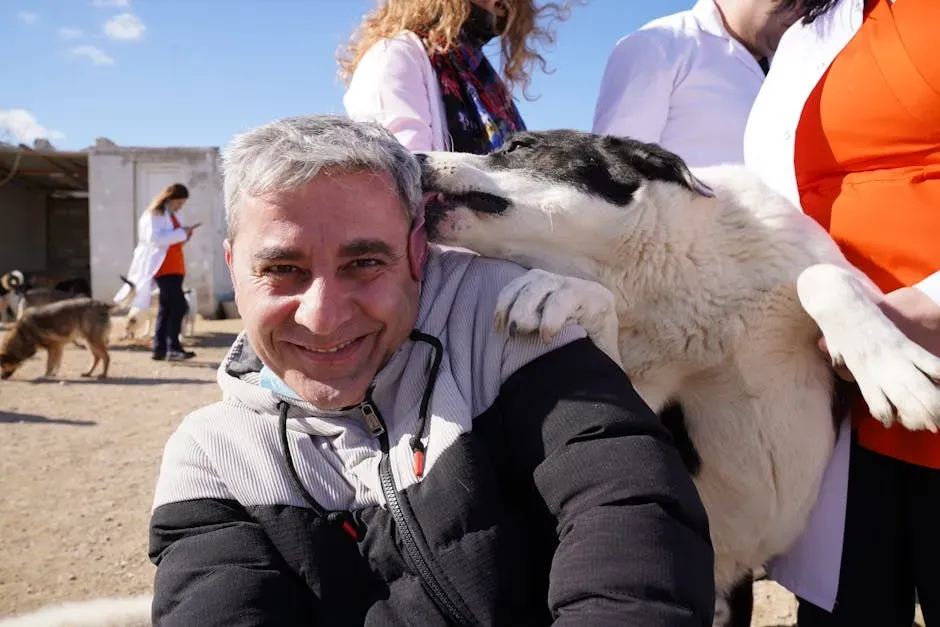
When the owner finally returns, the dog’s reaction is often one of overwhelming joy – jumping, licking, and wagging their tail furiously.
This exuberant greeting underscores the depth of their love and the relief they feel at the reunion, making the days of waiting and longing worthwhile.
Conclusion