

Understanding the Emotional Impact of Rehoming on Dogs
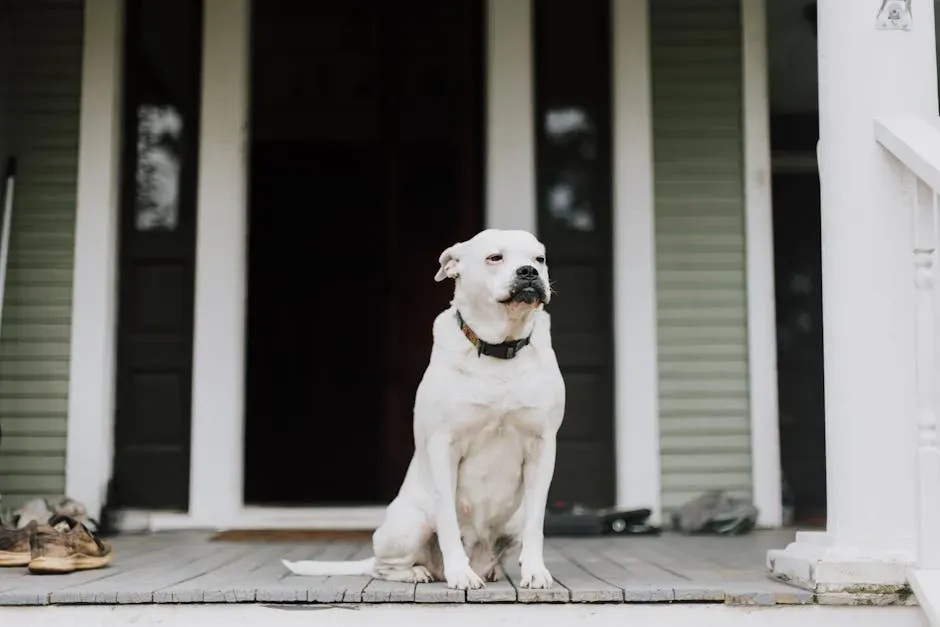
Imagine being uprooted from your home, separated from your loved ones, and placed in an unfamiliar environment. For dogs, rehoming can be a profoundly unsettling experience. They may not comprehend the reasons behind the change, but they acutely feel the loss of familiar surroundings and companions. This upheaval can lead to heightened vigilance, as they become hyper-aware of their new owner’s movements, constantly on the lookout for signs that they might be left behind once more.
Studies have shown that dogs entering rehoming kennels exhibit increased stress behaviors, such as panting and paw-lifting, which gradually decrease over time as they adjust. However, the initial period is marked by significant anxiety, underscoring the emotional toll rehoming takes on these animals.
The Development of Separation Anxiety in Rehomed Dogs

Separation anxiety is a common issue among dogs who have experienced rehoming. This condition manifests as distress behaviors when the dog is left alone, including excessive barking, destructive chewing, and attempts to escape. The root of this anxiety often lies in the dog’s fear of being abandoned again, leading them to closely monitor their owner’s actions for any departure cues.
According to the American Society for the Prevention of Cruelty to Animals (ASPCA), dogs with separation anxiety may begin to show signs of distress as their owners prepare to leave, such as pacing, drooling, or whining. This heightened sensitivity to departure routines is a direct result of their previous experiences with rehoming.
Recognizing the Signs of Hyper-Vigilance in Rehomed Dogs
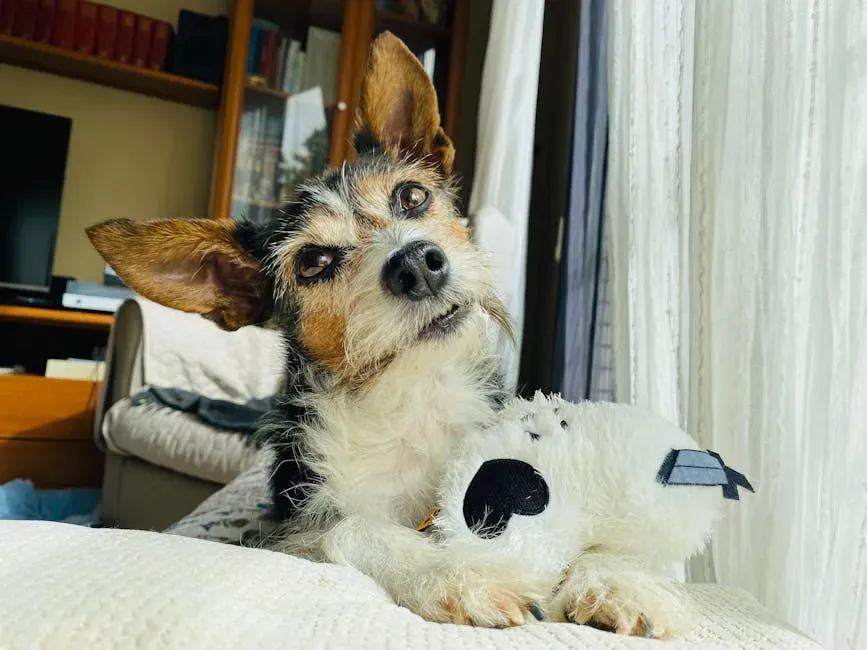
Dogs who have been rehomed may display hyper-vigilant behaviors, constantly observing their owners and reacting to subtle cues that suggest an impending departure. This can include following their owner from room to room, becoming anxious when they pick up keys or put on shoes, and exhibiting distress when left alone, even for short periods.
Such behaviors are indicative of the dog’s underlying fear of abandonment. Recognizing these signs is crucial for owners to address the root cause and provide appropriate support to help their dog feel secure.
Strategies to Alleviate Anxiety in Rehomed Dogs
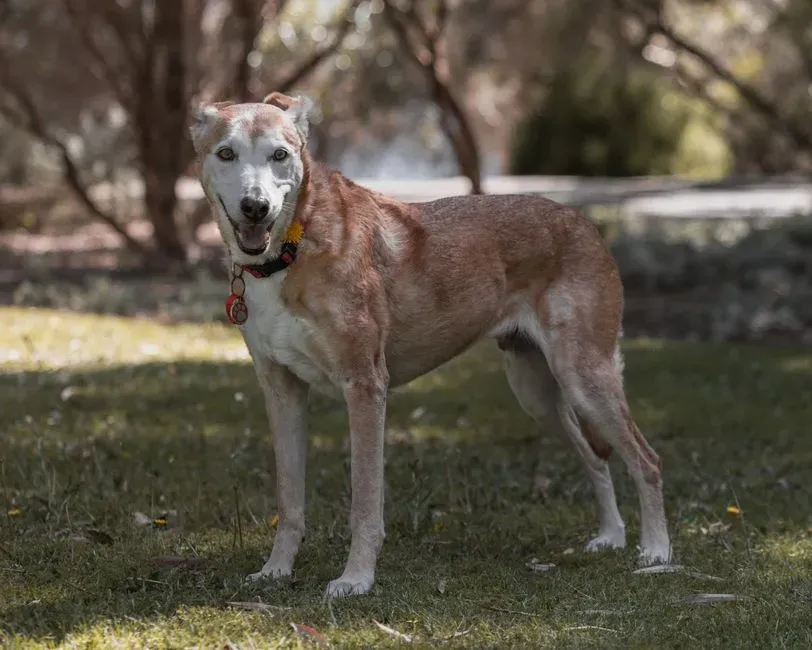
Helping a rehomed dog overcome their anxiety requires patience, consistency, and understanding. Establishing a predictable routine can provide a sense of security, as dogs thrive on consistency. Gradually desensitizing the dog to departure cues by practicing short absences and rewarding calm behavior can also be effective.
Providing mental and physical stimulation through regular exercise and interactive toys can help reduce anxiety levels. In some cases, consulting with a professional dog behaviorist may be necessary to develop a tailored plan to address the dog’s specific needs.
The Role of Positive Reinforcement in Building Trust

Building trust with a rehomed dog is essential in alleviating their anxiety. Positive reinforcement techniques, such as rewarding desired behaviors with treats or praise, can help the dog associate their owner’s departures and returns with positive experiences.
It’s important to avoid punishment, as this can exacerbate anxiety and erode trust. Instead, focusing on reinforcing calm behavior and gradually increasing the duration of absences can help the dog learn that being alone is not a negative experience.
Understanding the Time Frame for Adjustment
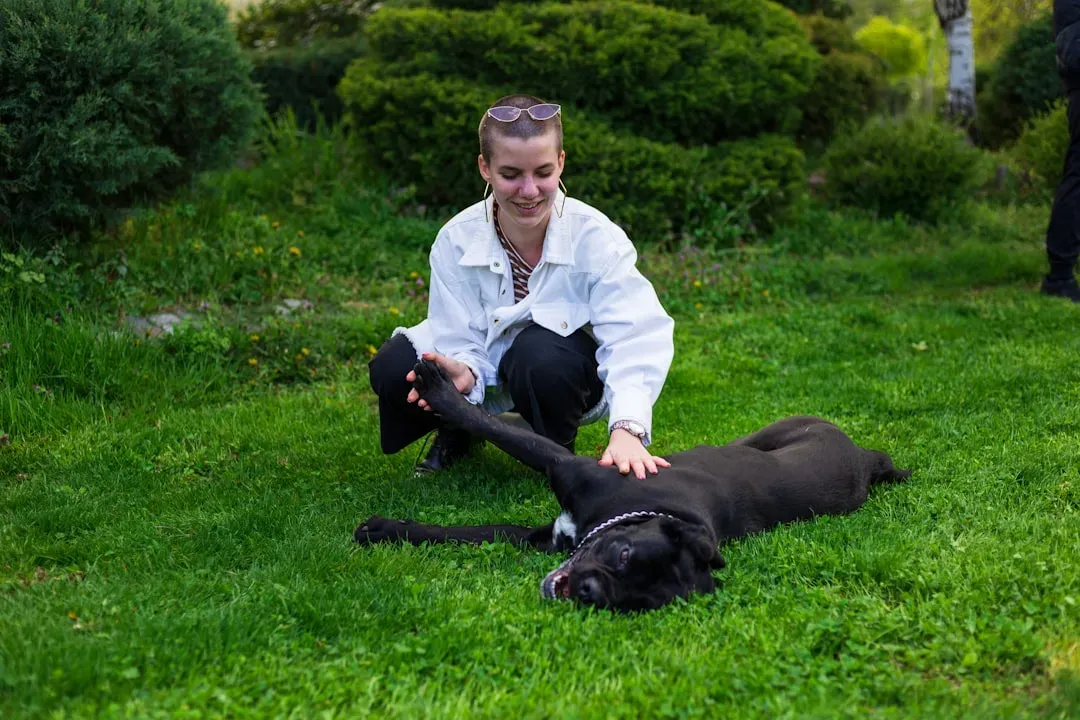
Adjusting to a new home is a process that takes time. The “3-3-3 rule” is a guideline that suggests it takes approximately three days for a dog to decompress, three weeks to learn the new routine, and three months to feel at home. During this period, it’s normal for dogs to exhibit signs of stress and anxiety.
Being patient and providing consistent support during this adjustment period is crucial. Each dog is unique, and some may require more time to feel secure in their new environment.
The Importance of Empathy and Compassion in the Rehoming Process

Rehoming is a significant event in a dog’s life, and it’s essential for new owners to approach the process with empathy and compassion. Understanding the emotional impact of rehoming and recognizing the signs of anxiety can help owners provide the necessary support to help their dog adjust.
By creating a safe and loving environment, establishing routines, and using positive reinforcement, owners can help rehomed dogs overcome their fears and build a trusting, lasting bond.
Conclusion

Rehoming can leave a lasting imprint on a dog’s psyche, leading them to be perpetually alert to signs of potential abandonment. This hyper-vigilance is a testament to their deep capacity for attachment and their fear of experiencing loss again. As caretakers, it’s our responsibility to recognize these behaviors not as mere quirks but as cries for reassurance and stability. By fostering an environment of trust, consistency, and understanding, we can help these loyal companions find peace and security in their new homes. After all, isn’t the essence of companionship the promise of unwavering presence and support?


