
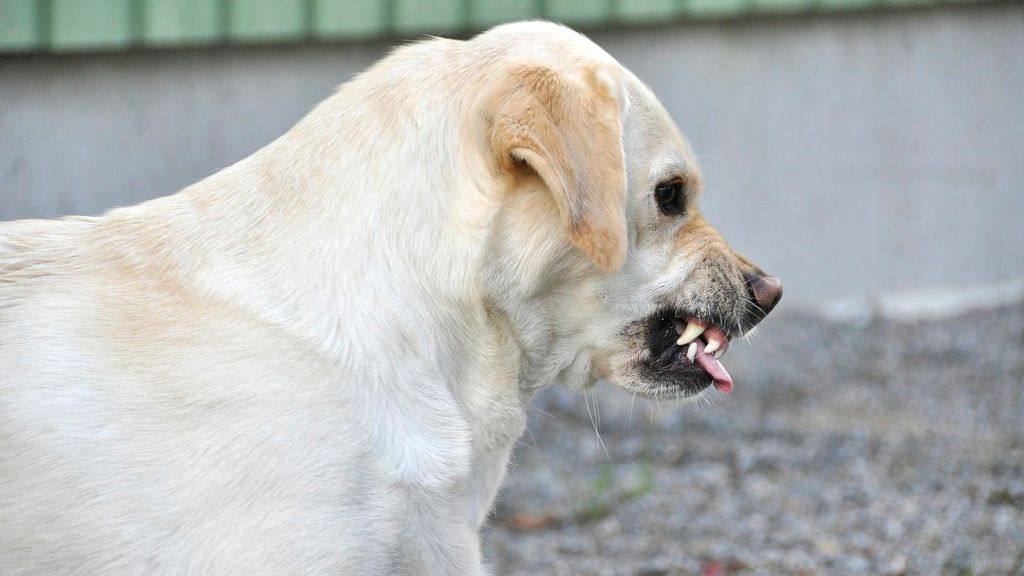
Ever noticed your dog acting out of character around certain individuals? Perhaps they shy away, growl softly, or exhibit unusual behaviors that seem out of place. These subtle cues are your dog’s way of communicating discomfort or distrust. Understanding these signals can provide invaluable insights into human interactions and potential red flags. Let’s delve into the nuanced ways your canine companion might be trying to tell you something important.
Avoiding Eye Contact or Turning Away
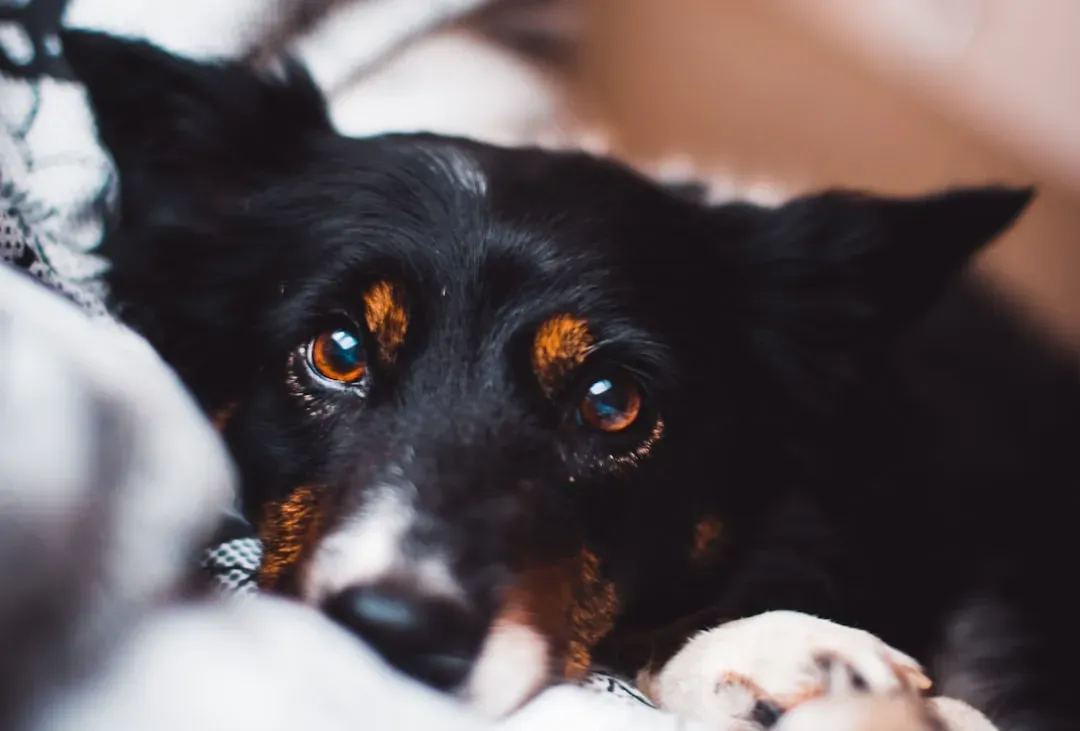
When your dog deliberately avoids looking at someone or turns their head away, it’s not mere shyness. This behavior often indicates discomfort or unease. Dogs use this as a polite way to disengage from interactions they find unsettling. It’s their method of saying, “I’d rather not engage with this person.” Paying attention to whom your dog avoids can reveal underlying tensions or issues you might not immediately perceive.
Such avoidance isn’t just about disinterest; it’s a stress signal. If your dog consistently turns away from a particular individual, it’s worth considering what might be causing this reaction. Is it a scent, a past negative experience, or perhaps the person’s demeanor? Understanding the root cause can help address your dog’s concerns and ensure their comfort.
Subtle Growling or Low Rumbling
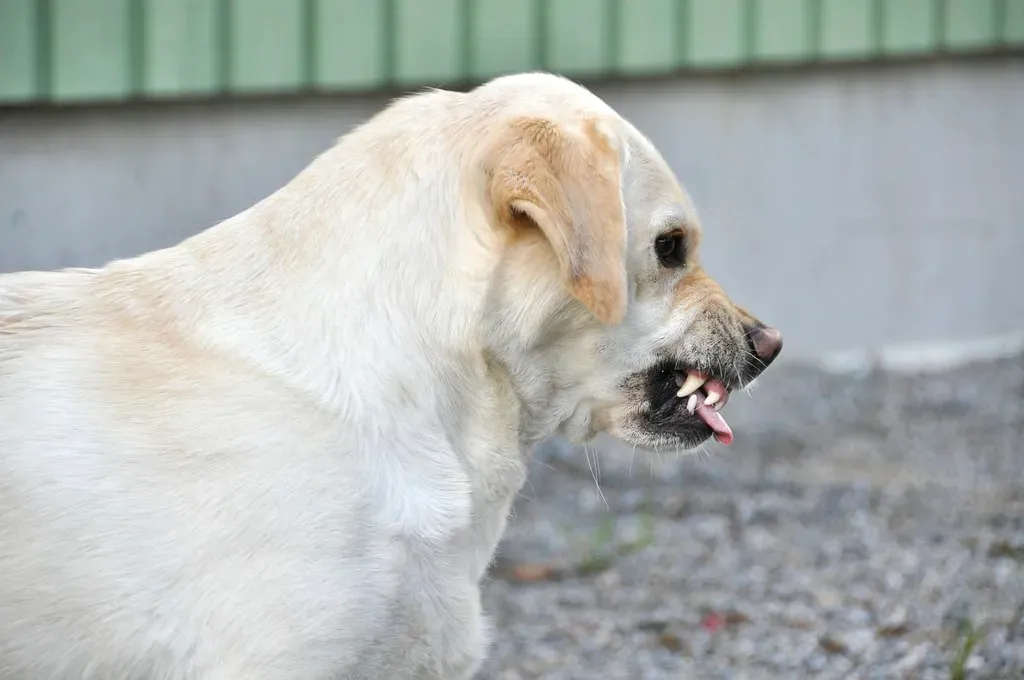
A soft growl or low rumble isn’t always a sign of aggression. Often, it’s a dog’s way of expressing discomfort or warning you about a perceived threat. This vocalization serves as a cautionary signal, indicating that your dog feels uneasy about someone’s presence. It’s essential to heed these warnings rather than dismiss them as mere noise.
Ignoring such cues can escalate the situation. If your dog feels their warnings are unheeded, they might resort to more pronounced behaviors. Observing when and around whom these growls occur can provide insights into potential issues or individuals your dog perceives as threats.
Unusual Sniffing Patterns
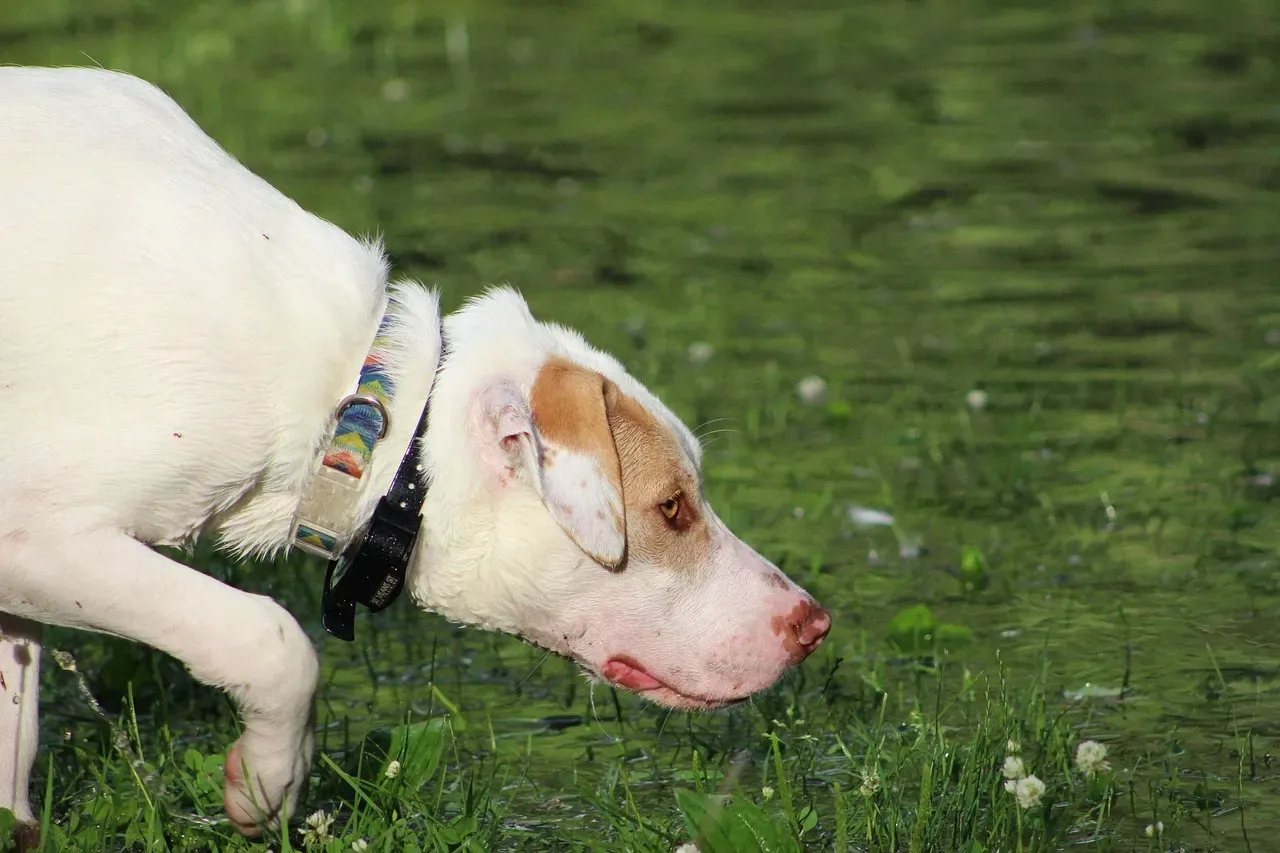
Dogs rely heavily on their sense of smell to interpret the world. If your dog exhibits intense or prolonged sniffing around a particular person, it could indicate something is amiss. They might be detecting unfamiliar or unsettling scents that raise their suspicion. This heightened olfactory interest can be a subtle sign of distrust.
Such behavior isn’t just curiosity; it’s investigative. Your dog is trying to gather more information about the individual to assess potential threats. Paying attention to whom your dog scrutinizes can offer clues about unseen factors that might be causing their unease.
Raised Hackles Without Apparent Reason
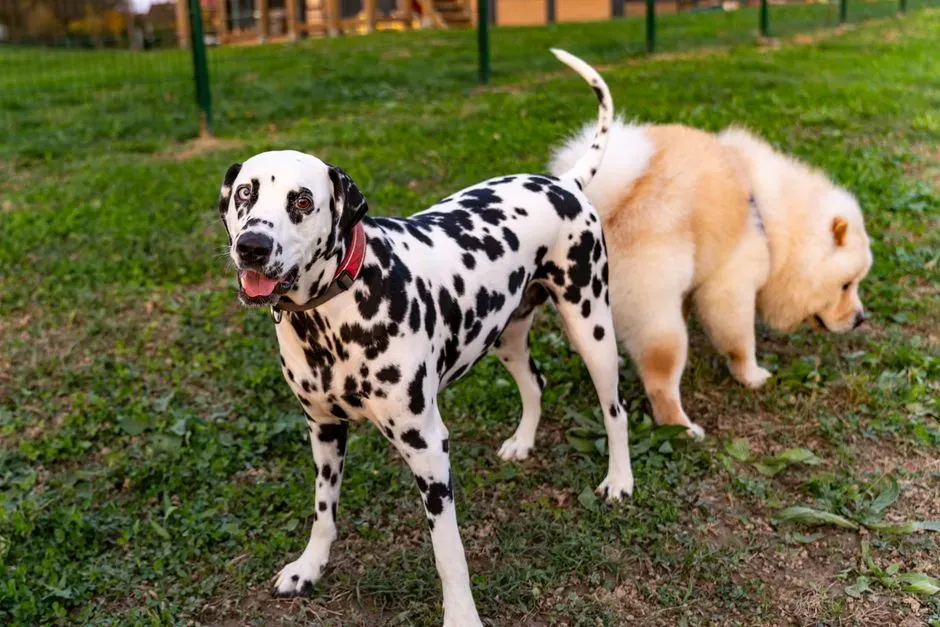
Raised hackles, or piloerection, occur when the hair along a dog’s back stands up. While this can be a response to cold or excitement, it often signifies arousal or agitation. If your dog’s hackles rise in the presence of a specific person without any clear reason, it’s a sign they’re on high alert.
This physiological response indicates that your dog perceives something unsettling. It’s their body’s way of preparing for a potential threat. Observing when this occurs can help identify individuals or situations that make your dog uncomfortable.
Uncharacteristic Restlessness or Pacing
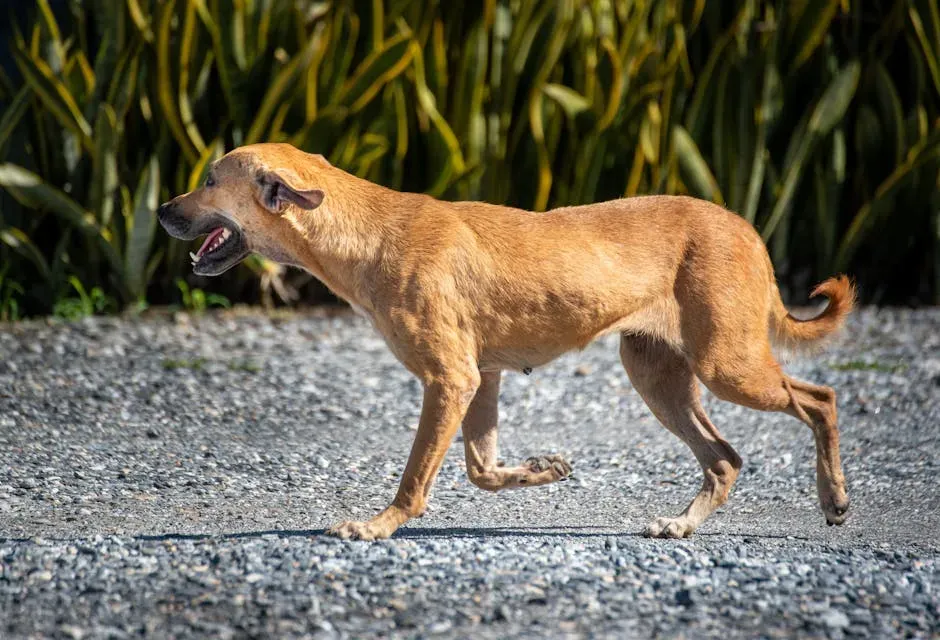
A dog that suddenly becomes restless or starts pacing when a particular person is around is signaling discomfort. This behavior suggests they’re trying to distance themselves or are unsure how to handle the situation. It’s a physical manifestation of their internal unease.
Such restlessness isn’t random; it’s a response to perceived stress. If your dog consistently exhibits this behavior around the same individual, it’s worth investigating the cause. Understanding and addressing the source of their discomfort can help alleviate their anxiety.
Refusing Treats or Commands
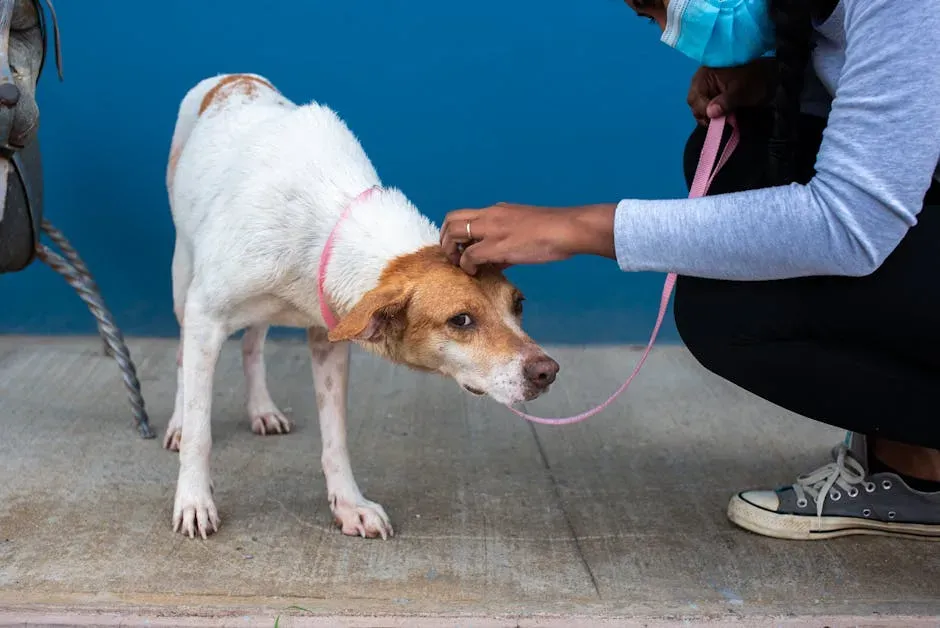
Dogs are typically eager to accept treats and follow commands, especially from their trusted humans. If your dog refuses treats or ignores commands in the presence of a specific person, it’s a red flag. This behavior indicates a significant level of discomfort or distrust.
Such refusal isn’t about stubbornness; it’s a sign that your dog feels threatened or uneasy. Recognizing this change in behavior can help you identify and address the factors contributing to their distress.
Seeking Physical Distance or Hiding
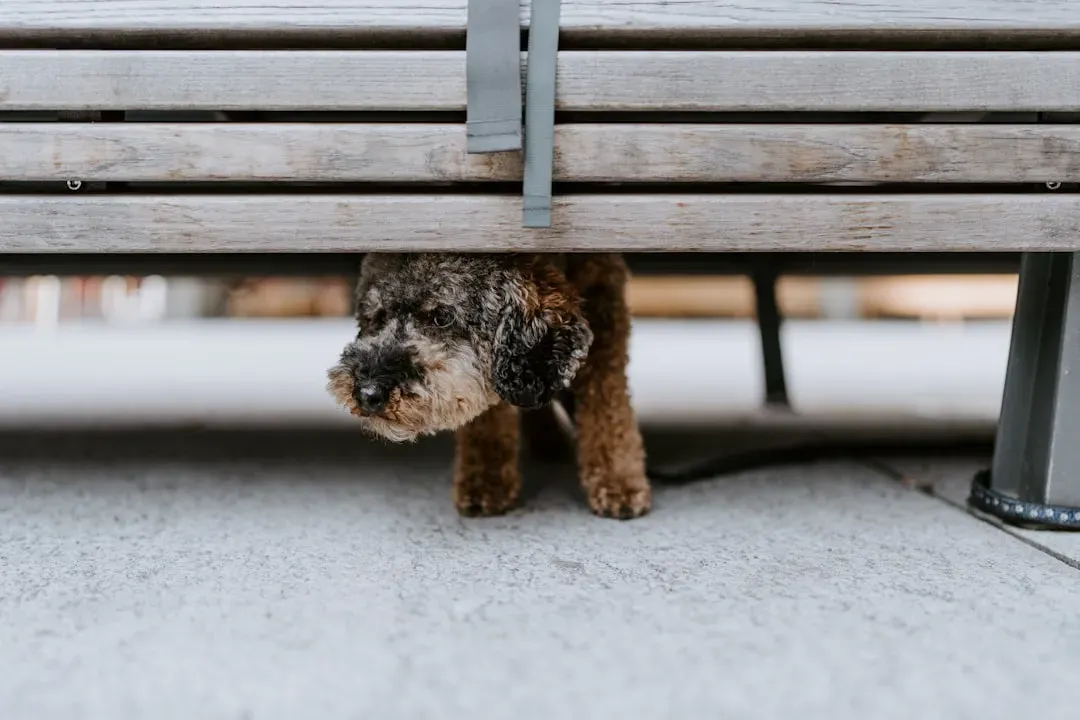
When a dog actively seeks to put space between themselves and a particular individual, it’s a clear sign of discomfort. They might move to another room, hide behind furniture, or position themselves behind you. This behavior indicates they feel safer at a distance.
Such actions aren’t mere preference; they’re protective measures. Your dog is trying to shield themselves from a perceived threat. Observing whom your dog avoids can provide insights into potential issues or individuals they find unsettling.
Conclusion
Our canine companions possess an acute ability to sense and interpret human behaviors, often picking up on subtleties we might overlook. When your dog exhibits signs of discomfort or distrust towards someone, it’s essential to pay attention. These behaviors are their way of communicating potential concerns. By acknowledging and understanding these signals, you not only ensure your dog’s well-being but also gain a deeper insight into the people around you. After all, if your dog doesn’t trust someone, should you?


