

Imagine a companion who not only offers unwavering loyalty but also enhances your health, keeps you active, and fills your days with joy. For individuals over 50, dogs often become more than just pets – they transform into cherished family members. But what is it about this age group that fosters such profound devotion to their canine companions? Let’s delve into the compelling reasons behind this unique bond.
1. A Deepened Sense of Purpose
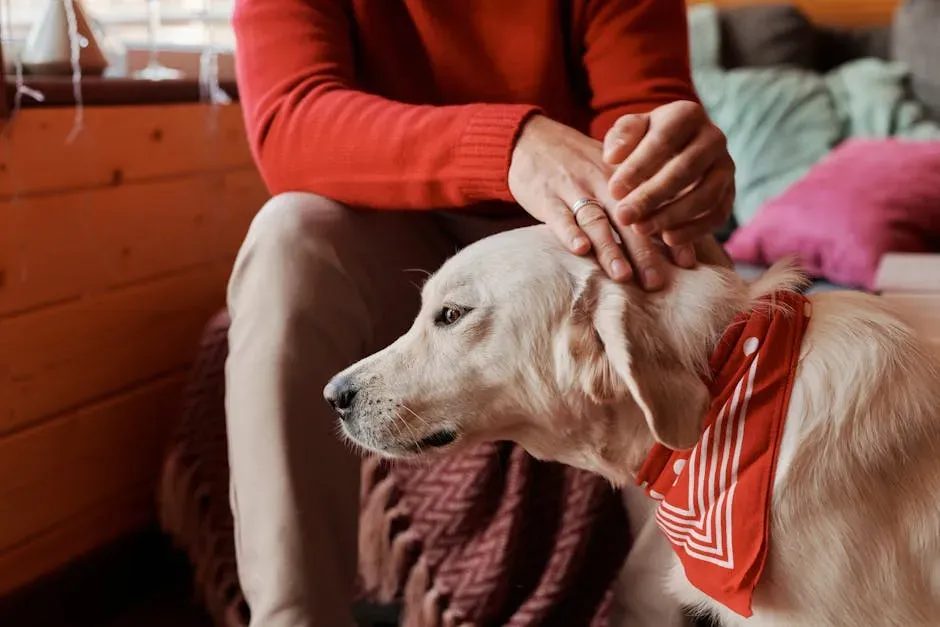
As life transitions occur – children leaving home, retirement, or the loss of a spouse – many over 50 find themselves seeking renewed purpose. Caring for a dog provides a daily routine and a sense of responsibility that can be incredibly fulfilling. The act of nurturing another being instills a feeling of being needed, which is vital for emotional well-being.
Moreover, the companionship of a dog can alleviate feelings of loneliness. Engaging in activities like feeding, walking, and playing with a dog offers structure to the day, making each moment more meaningful and less isolated.
2. Enhanced Physical Health

Owning a dog naturally encourages physical activity. Regular walks, playtime, and even routine care tasks contribute to increased movement, which is essential for maintaining health as one ages. Studies have shown that dog owners tend to have lower blood pressure and cholesterol levels compared to non-owners.
Additionally, the physical activity associated with dog ownership can aid in weight management and improve cardiovascular health. This active lifestyle not only benefits the body but also boosts mental health by releasing endorphins that combat stress and depression.
3. Improved Mental Well-being
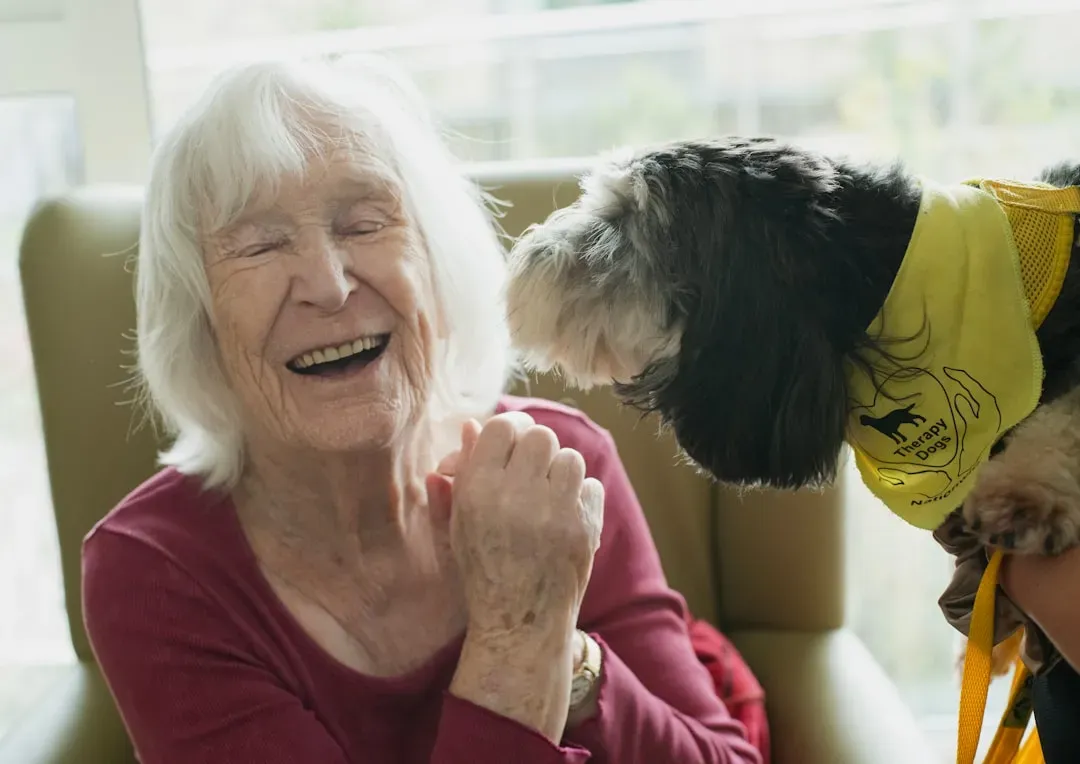
The emotional support provided by dogs is unparalleled. Their presence can reduce stress, anxiety, and depression. The simple act of petting a dog releases oxytocin, a hormone associated with bonding and happiness, leading to an improved mood.
Furthermore, dogs offer unconditional love and companionship, which can be especially comforting during challenging times. Their intuitive nature allows them to sense their owner’s emotions, providing comfort without the need for words.
4. Social Connection and Community Engagement

Walking a dog often leads to interactions with neighbors and fellow dog owners, fostering a sense of community. These casual encounters can blossom into meaningful friendships, reducing feelings of isolation that some may experience as they age.
Participating in dog-related activities, such as training classes or community events, also provides opportunities to meet like-minded individuals. This social engagement is crucial for mental health and can lead to a more active and fulfilling lifestyle.
5. Structured Daily Routine

Dogs thrive on routine, and their needs for regular feeding, exercise, and care help establish a consistent daily schedule for their owners. This structure can be particularly beneficial for those who may struggle with time management or motivation.
Having a set routine not only ensures the well-being of the dog but also provides the owner with a sense of accomplishment and purpose. It creates a rhythm to the day that can be both comforting and motivating.
6. Emotional Resilience and Stress Reduction
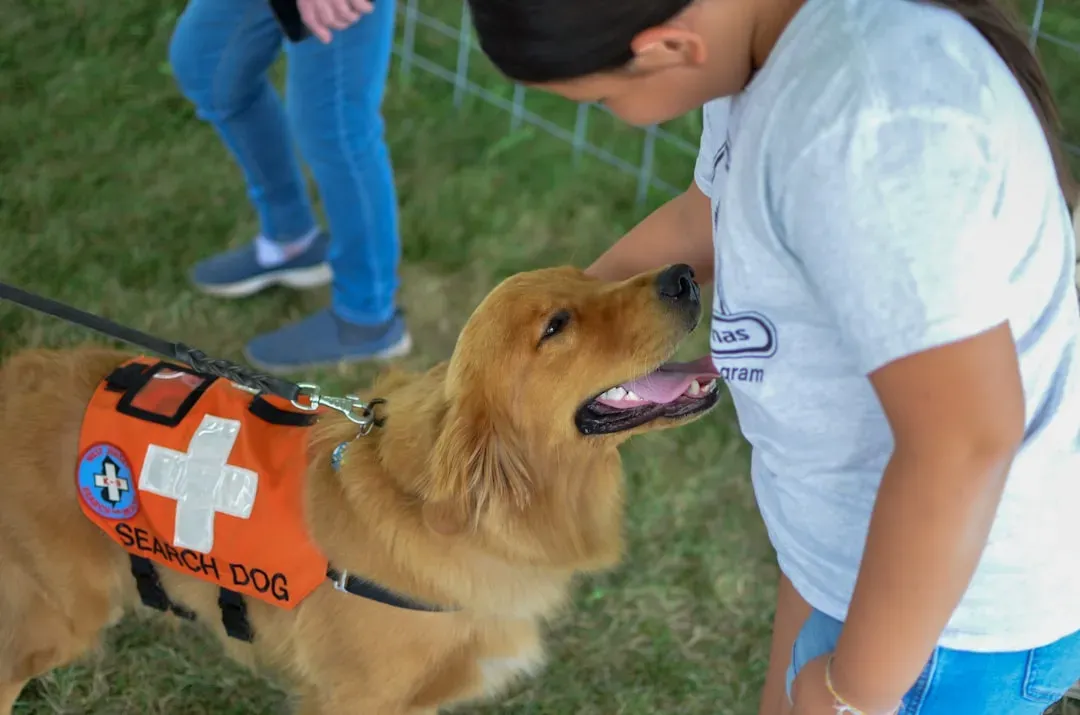
The companionship of a dog has been linked to increased emotional resilience. Their presence can provide comfort during stressful situations, offering a calming effect that helps owners navigate life’s challenges more effectively.
Engaging with a dog, whether through play or quiet companionship, can serve as a form of therapy, reducing cortisol levels and promoting relaxation. This emotional support is invaluable, especially during times of change or uncertainty.
7. Cognitive Stimulation

Interacting with a dog requires problem-solving and learning new skills, such as training commands or understanding canine behavior. These activities stimulate the brain, keeping cognitive functions sharp and engaged.
Additionally, the responsibility of caring for a dog involves planning and decision-making, which can enhance mental agility. This ongoing mental engagement is beneficial in maintaining cognitive health as one ages.
8. Increased Safety and Security

Dogs often serve as natural protectors, providing a sense of security to their owners. Their keen senses can alert to unusual noises or strangers, offering peace of mind, especially for those living alone.
Beyond their protective instincts, the presence of a dog can deter potential intruders, adding an extra layer of safety to the home environment. This sense of security contributes to overall well-being and confidence.
9. Unconditional Love and Companionship

The bond between a dog and its owner is built on unconditional love and acceptance. This relationship provides a unique form of companionship that is both comforting and fulfilling.
For those over 50, this unwavering support can be especially meaningful, offering a source of joy and emotional stability. The simple act of spending time with a dog can brighten one’s day and provide a sense of belonging.
10. Encouragement of Outdoor Activities

Dogs encourage their owners to spend more time outdoors, whether through daily walks, trips to the park, or other activities. This exposure to nature has numerous health benefits, including improved mood and increased vitamin D levels.
Engaging in outdoor activities with a dog also provides opportunities for exploration and adventure, adding excitement and variety to daily life. This connection with nature can be rejuvenating and inspiring.
11. Legacy of Care and Compassion

For many over 50, caring for a dog is a way to express and continue a legacy of nurturing and compassion. It reflects a commitment to providing love and care, values that are often deeply ingrained and cherished.
This act of caring not only benefits the dog but also reinforces the owner’s sense of identity and purpose. It serves as a reminder of the capacity to love and be loved, enriching life in profound ways.
In conclusion, the devotion exhibited by dog owners over 50 is a testament to the multifaceted benefits that these loyal companions bring into their lives. From enhancing physical health to providing emotional support and fostering social connections, dogs play an integral role in the well-being of their owners. Perhaps it’s time to ask yourself: Could a furry friend be the missing piece in your journey toward a more fulfilling and joyful life?


