
11 Reads a Rescue Dog Has Worked Out the Food Is Going to Keep Arriving
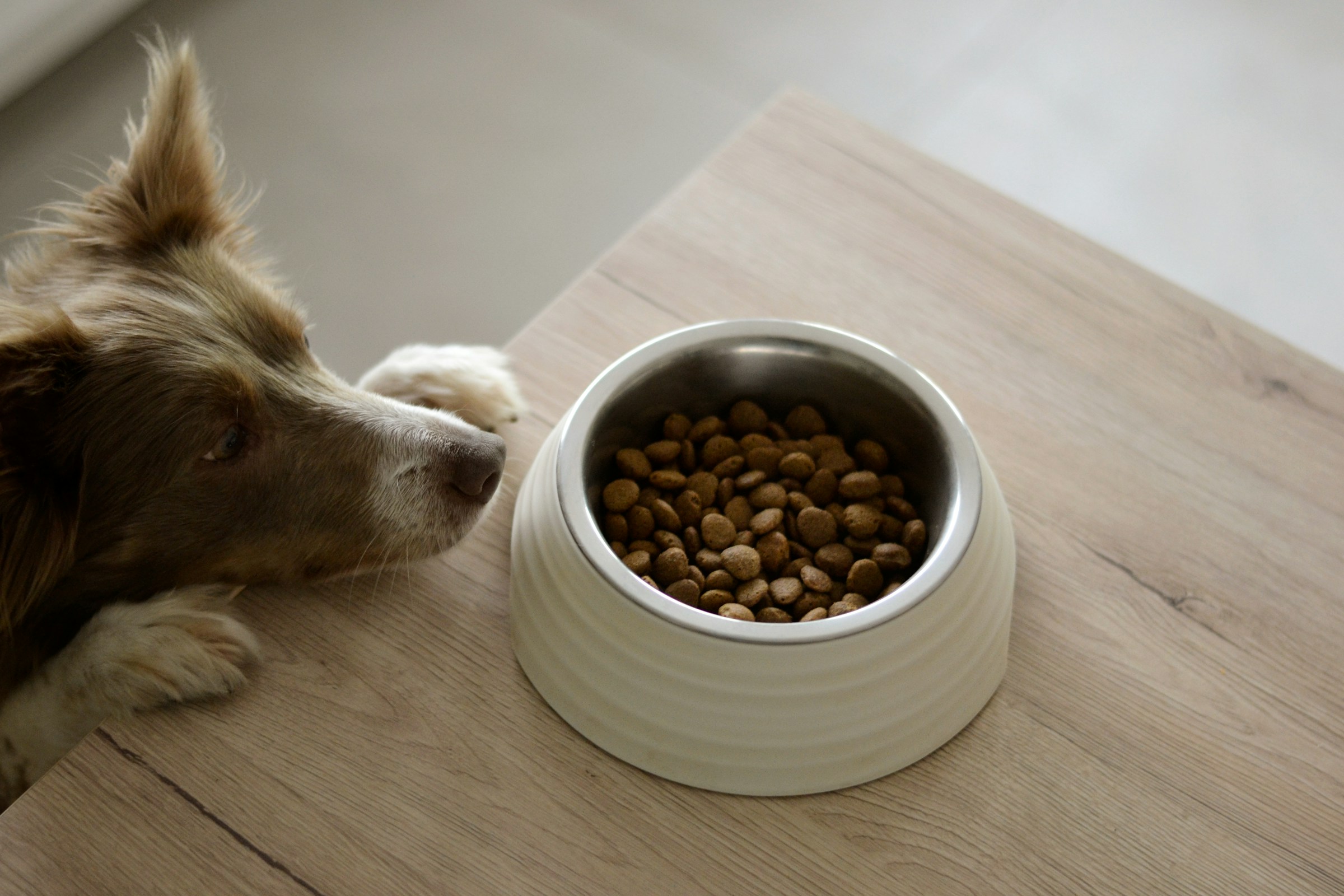
Most people assume a rescue dog’s food anxiety just “fades with time.” It doesn’t work that way at all. Dogs don’t forget scarcity – they learn safety instead, and that shift shows up in dozens of small, specific behaviors most owners completely miss while staring right at them.
A dog who once inhaled every meal in four seconds, guarded the bowl like it was the last resource on earth, or hid treats under the couch cushions isn’t “cured” overnight. Their brain is quietly running the numbers, recalculating the odds that food will keep showing up – and that math leaks out in body language, pacing, and strange little mealtime rituals most people brush off as quirks. Here’s what canine behaviorists actually say to look for, and why each one matters more than it seems.
#1 – They Stop Wolfing Down Every Bite in Seconds
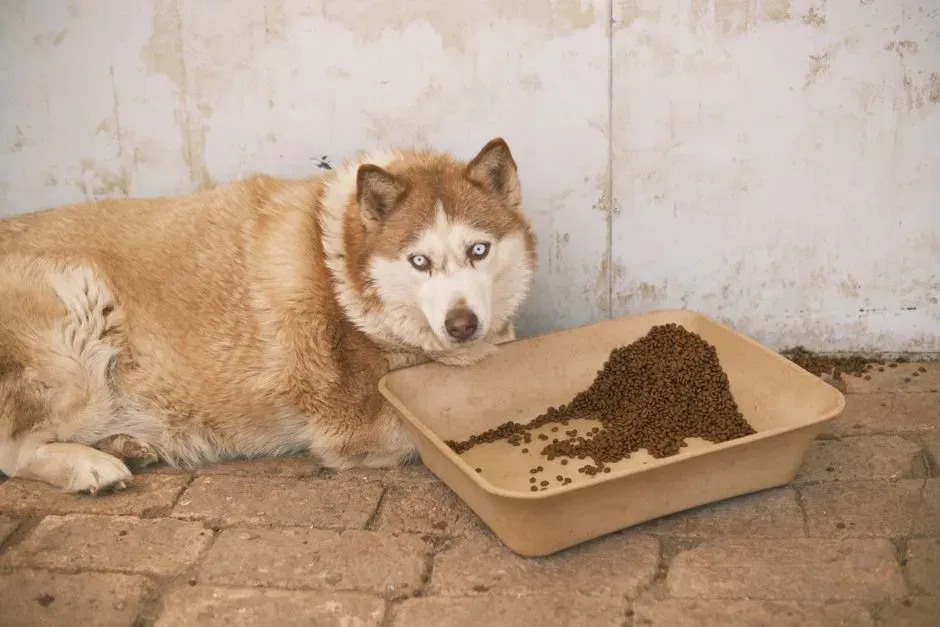
A rescue dog who’s still bracing for scarcity treats every meal like it might be the last one they ever get. That means inhaling food so fast it barely touches their tongue, often followed by gagging, regurgitating, or immediately scanning the room for more. It’s not bad manners – it’s a survival habit wired in from weeks or months of unpredictable feeding.
Once a dog has genuinely worked out that food is a guaranteed, repeating event, the pace changes dramatically. You’ll notice pauses mid-meal, chewing that actually looks like chewing, and a dog who can stop eating for a second to glance at you without panicking the bowl will vanish. This slowdown is one of the clearest, earliest signals that trust is building – but it’s often just the surface of what’s changing underneath.
Fast Facts
- Rescue dogs often need weeks of consistent, predictable meals before anxious eating habits start to ease.
- Behavioral shifts – like slower eating or leaving food behind – tend to appear gradually, not overnight.
- Same-time, same-place feeding routines are among the most recommended tools for rebuilding food security.
- Resource guarding around food is a survival response, not a sign of aggression or poor training.
#2 – They Start Leaving Food in the Bowl
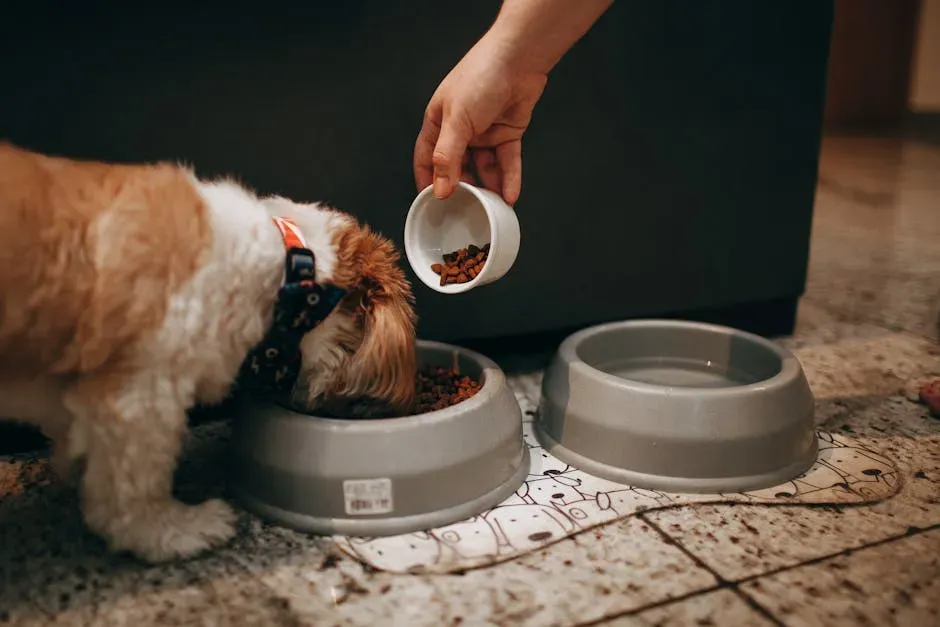
This one throws a lot of new adopters off completely. A formerly food-insecure dog walking away from a half-full bowl seems backwards – shouldn’t a dog who used to go hungry eat everything available the second it’s in front of them? Actually, it’s the opposite, and it’s one of the most reliable behavioral markers rescue organizations point to.
Leaving food behind means the dog’s brain has stopped operating on a scarcity script. They no longer see every meal as a one-time opportunity, so there’s no urgency to clear the bowl instantly. Some dogs will even walk away and come back ten minutes later to finish, something a genuinely anxious eater almost never does. It’s a small, quiet behavior, but it’s packed with meaning about what’s happening internally.
#3 – They No Longer Guard Their Food Bowl
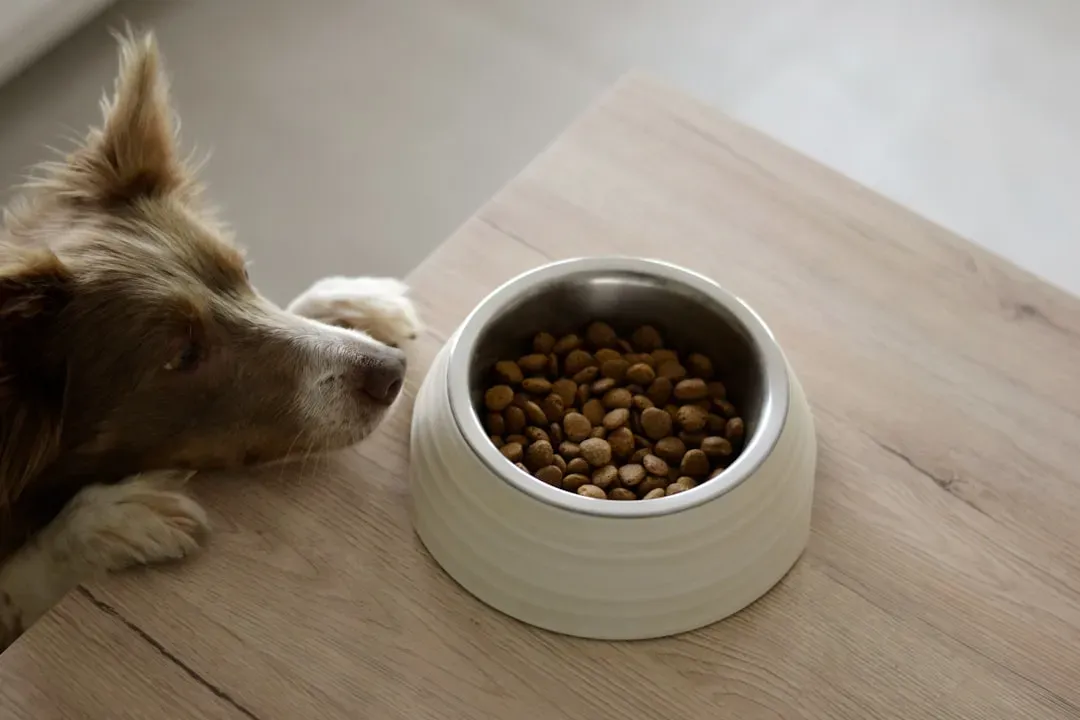
Resource guarding is one of the most misunderstood rescue-dog behaviors out there, and honestly, a lot of new owners take it personally when it isn’t personal at all. A dog stiffening, growling, or snapping near their bowl isn’t being “aggressive” for no reason – they’re protecting the only reliable resource they’ve ever had.
When that guarding fades, it’s a massive tell. A dog who lets you walk past, touch the bowl, or even add food mid-meal without tensing up has made a real cognitive leap. This shift usually happens gradually, starting with tolerating distance and slowly progressing to full comfort. Some trainers argue owners rush this process by testing the dog too soon, which can actually set the behavior back rather than build trust.
#4 – They Relax Their Body Language at Mealtime

Watch the ears, tail, and shoulders next time you set a bowl down. A food-anxious dog often has a stiff spine, a lowered head, and eyes that dart between the bowl and the room. It’s a defensive posture, and it’s genuinely exhausting for the dog to hold meal after meal, day after day.
Once a dog has decided food isn’t going anywhere, that posture softens fast. Ears go neutral, tails loosen into gentle wags, and the head lifts instead of staying locked over the bowl. Some dogs even start making soft eye contact with their owner mid-meal, which behaviorists consider a strong trust signal. It’s a subtle shift, but if you’ve watched the “before” version, the “after” is unmistakable.
Quick Compare
| Food-Anxious Dog | Food-Secure Dog |
|---|---|
| Stiff spine, lowered head | Relaxed posture, head lifts easily |
| Eyes darting between bowl and room | Calm, soft eye contact with owner |
| Ears pinned back or tense | Ears neutral or loose |
| Tail stiff or tucked | Tail relaxed, gentle wagging |
#5 – They Stop Hoarding Treats and Toys
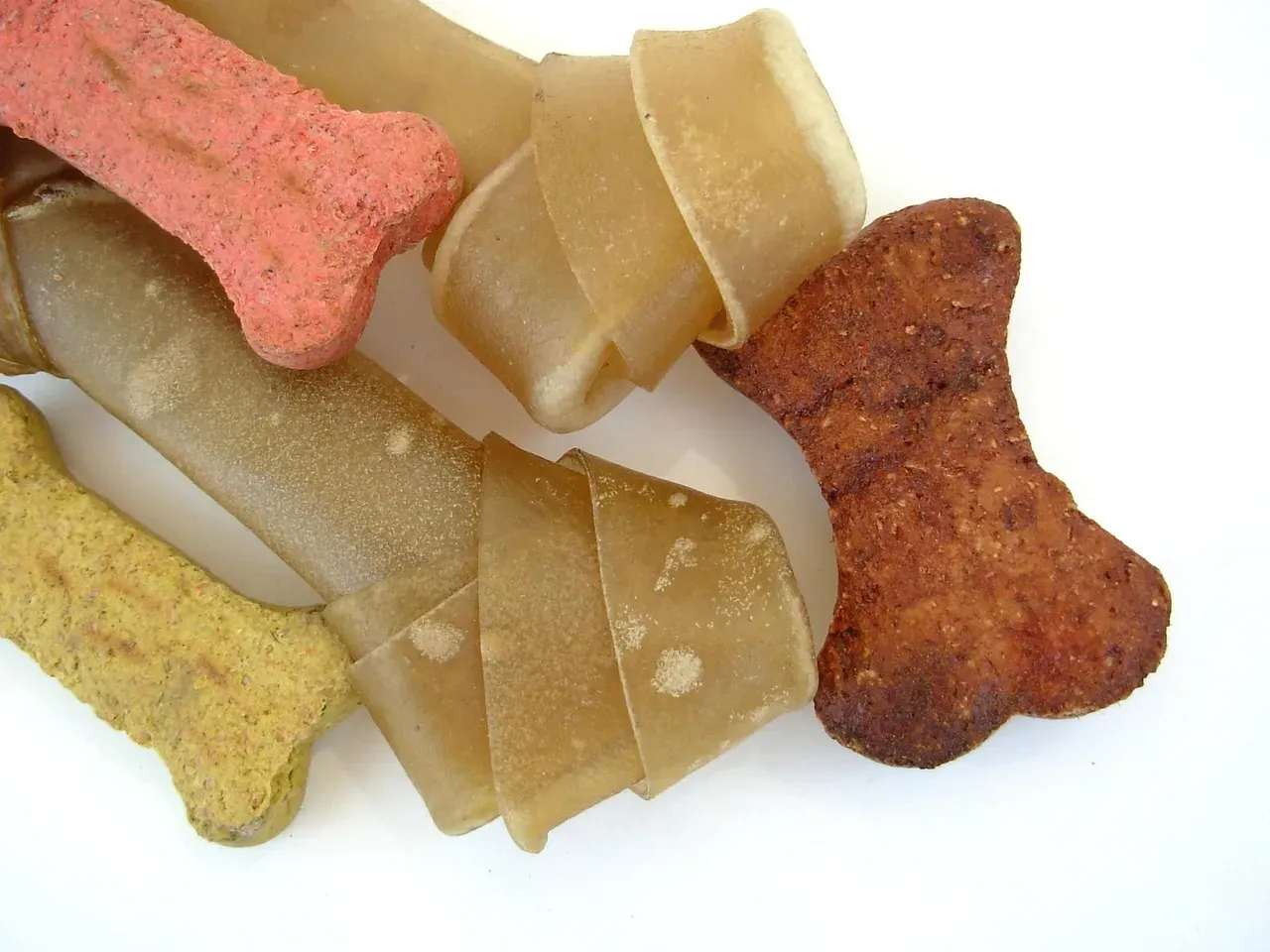
Hoarding is scarcity behavior wearing a different costume. Dogs who’ve experienced unreliable food access often extend that anxiety to treats, toys, and sometimes even socks or tissues, stashing them under furniture or in bedding “just in case.” It looks quirky, but it’s rooted in the same survival logic as bowl-guarding.
When a dog finally internalizes that resources will keep reappearing, the hoarding usually drops off on its own. They stop burying treats in couch cushions and start simply eating them on the spot, without stockpiling for a future shortage that isn’t coming. Some owners actually miss this phase once it ends – finding a stash of hidden treats becomes a strange, almost comforting reminder of how far the dog has come.
#6 – They Let Other Pets Near Their Bowl
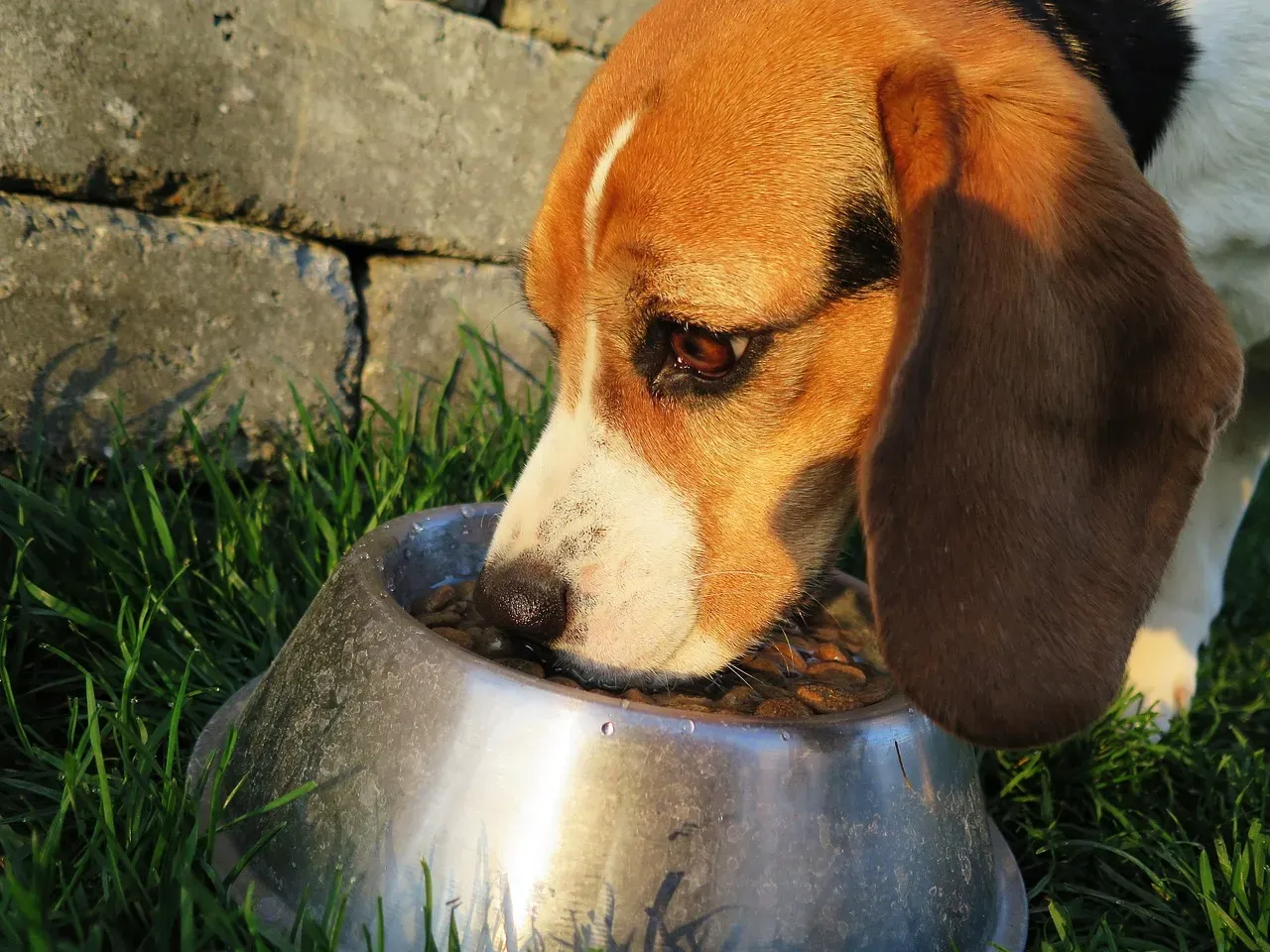
This one’s controversial, because plenty of trainers still insist dogs should always eat completely separated, forever, no exceptions. But that advice mostly applies to dogs still working through anxiety – once genuine food security kicks in, the dynamic often changes on its own.
A dog who’s worked out that food isn’t scarce will frequently tolerate another pet walking nearby, sniffing the area, or even standing a few feet away without reacting. They’re no longer treating every animal in the house as competition for a limited resource. This doesn’t mean owners should force shared bowls or crowd multiple dogs together – that’s still risky – but a visible drop in tension around other pets during mealtime says a lot about where the dog’s head is at.
#7 – They Wait Calmly Instead of Pacing
Pre-meal pacing, whining, or spinning in circles is exhausting to watch, and it’s even more exhausting for the dog living it. That frantic energy is usually rooted in genuine uncertainty about whether the food is actually coming, not just excitement about dinner.
Dogs who’ve settled into a predictable routine tend to swap that panic for something much calmer. They’ll sit, lie down, or simply watch quietly instead of spiraling into anxious movement, because their nervous system has stopped treating mealtime as a high-stakes event. This shift often happens faster in homes with strict, predictable feeding schedules – which is exactly why behaviorists push adopters to feed at the same times every single day during the first few months.
Worth Knowing
- Feeding at the same times each day helps a dog’s nervous system predict when food is coming.
- Quiet, low-traffic feeding spots can reduce competition stress, especially in multi-pet homes.
- Avoid hovering directly over the bowl during meals, even out of curiosity – it can read as pressure to an anxious eater.
- Consistency across weeks, not days, is usually what produces lasting behavioral change.
#8 – They Stop Begging at the Table
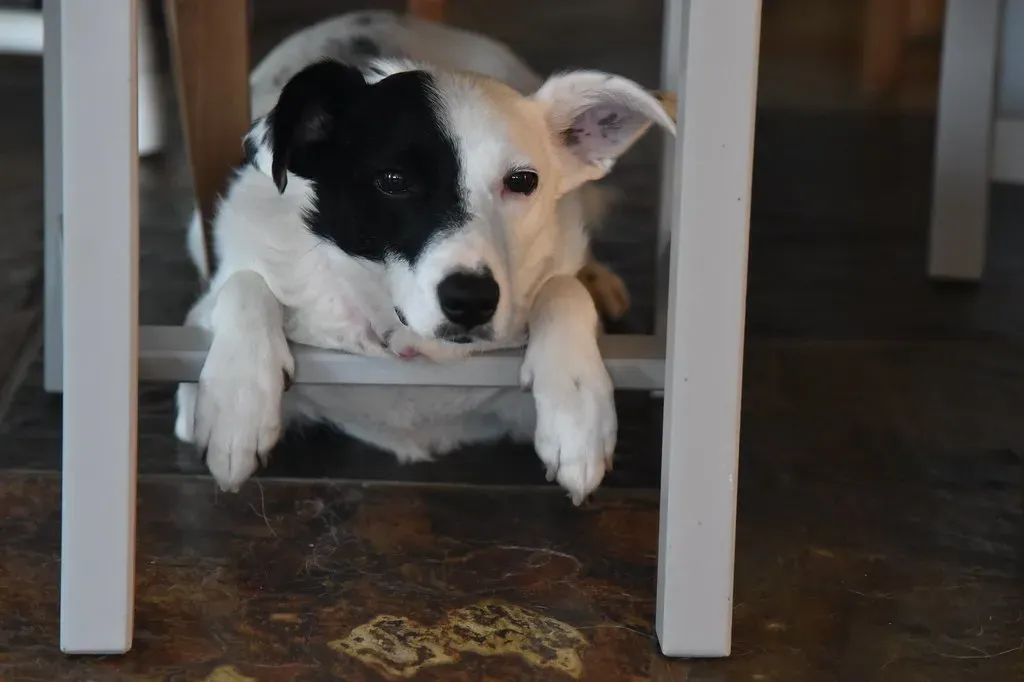
Begging gets written off as a training failure, but with rescue dogs it’s frequently something deeper. A dog who lingers under the table, stares relentlessly, or paws at legs during dinner isn’t just hoping for scraps – they may still be unconsciously supplementing a food supply they don’t fully trust yet.
As that trust solidifies, the begging usually fades in intensity, even without direct correction. The dog starts treating human meals as none of their business, choosing instead to nap nearby or wander off entirely. It’s worth saying plainly: some trainers push back hard on this idea, arguing begging is purely a learned reinforcement behavior with nothing to do with food security. Both things can be true at once – but the timing lining up with other security markers is hard to ignore.
#9 – They Play Before They Eat
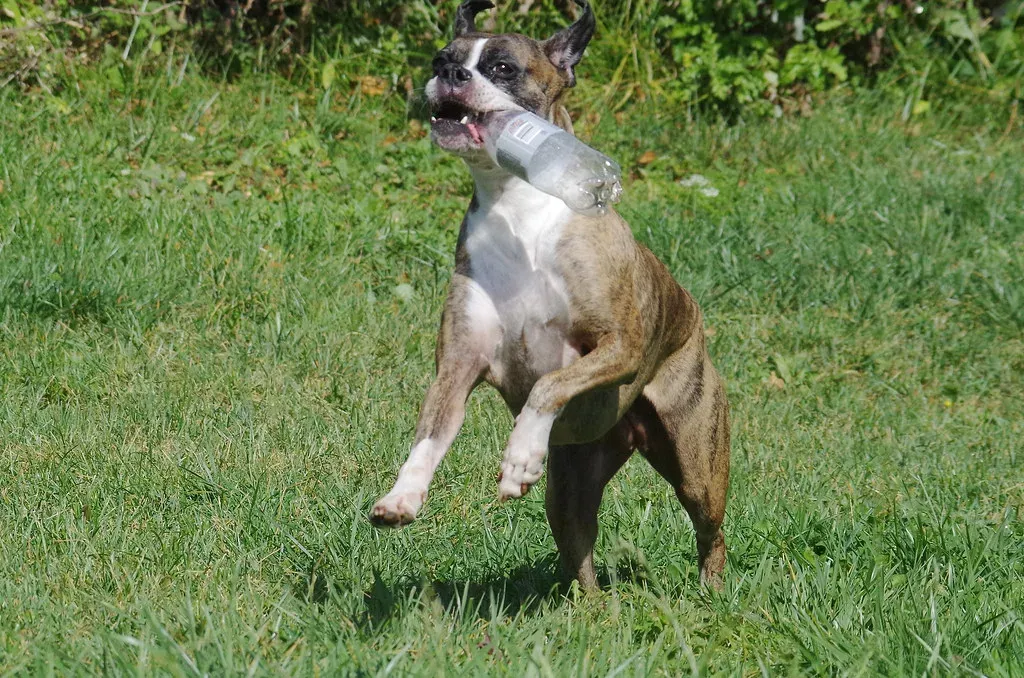
Here’s a sign most people never think to look for. A dog operating from a place of food scarcity almost never wants to play right before a meal – all their focus narrows onto the bowl, the smell, and getting to it as fast as possible. Play in that window feels risky, like it might cost them the meal entirely.
Once security sets in, that changes noticeably. Dogs will grab a toy, initiate a quick game, or even ignore the bowl being prepared for a few extra seconds, something that would’ve been unthinkable earlier in their recovery. It signals that food has moved from “urgent survival need” to “reliable background event,” freeing up mental space for something as low-stakes as fun.
#10 – They Trust You to Refill the Bowl
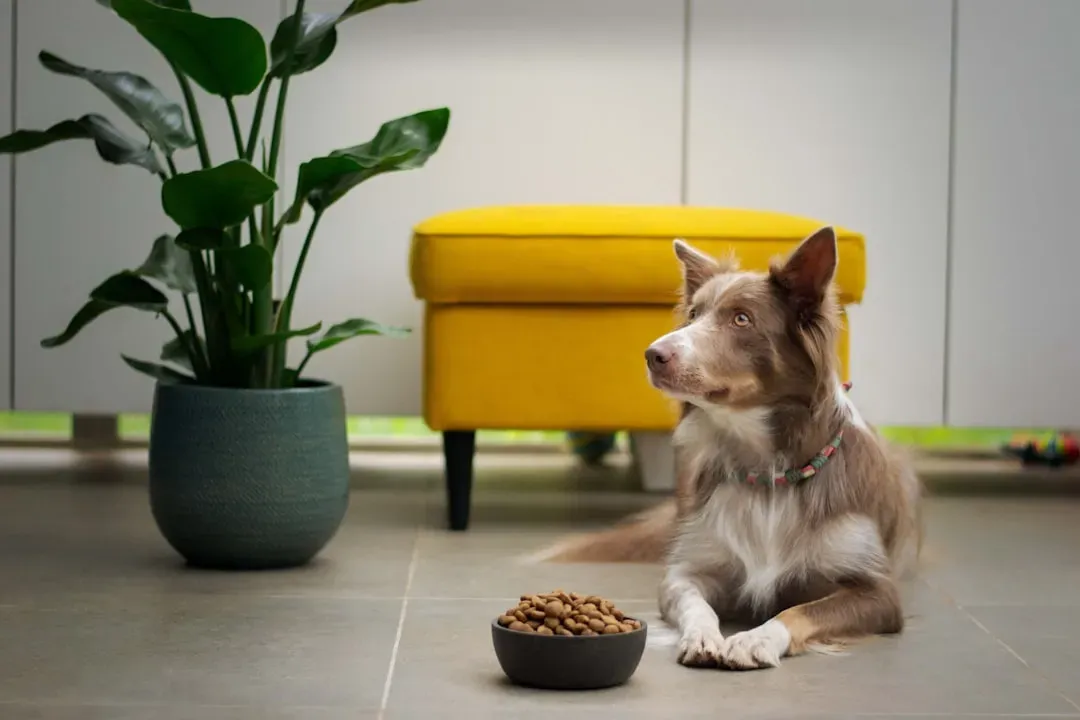
This is where the human-dog relationship really shows its cards. A food-insecure dog often can’t stand watching an empty bowl, hovering, whining, or staring at the person holding the food bag like their life depends on it – because for a while, it genuinely did.
Once trust builds, that hovering eases into something closer to patience. They’ll walk away from an empty bowl and wait somewhere else, confident the refill is coming without supervision. This is one of the clearest signs of an actual emotional shift, not just a behavioral one, because it requires the dog to hold a belief about the future instead of reacting purely to the present moment.
At a Glance
- Early days: the dog may hover, whine, or watch the food bag closely at every meal.
- First few weeks: brief pauses in hovering start to appear as routine sets in.
- After a month or more: many dogs begin walking away from an empty bowl without distress.
- Long term: trust in refills becomes automatic, with little to no mealtime tension.
#11 – They Show Excitement, Not Anxiety, at Feeding Time
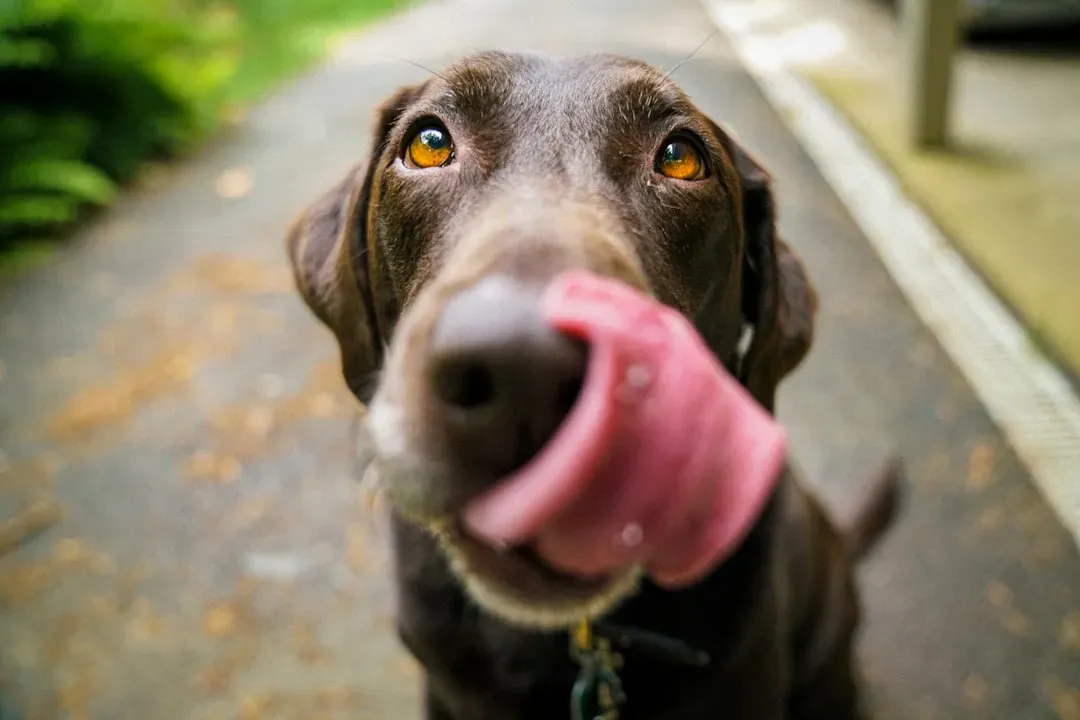
The final, most telling sign is the emotional tone of the whole event. Early on, mealtime often looks like relief mixed with dread – the dog is glad food showed up, but braced for something to go wrong. It’s a heavy, tense kind of energy, even when it looks like enthusiasm on the surface.
A dog who’s truly worked out that food will keep arriving shows something lighter. Tails wag loosely, bodies wiggle, and there’s an easy, almost playful anticipation instead of frantic urgency. This is the version of mealtime most adopters are hoping for when they bring a rescue dog home – not just a dog who eats, but one who genuinely looks forward to it without fear attached.
The Bottom Line
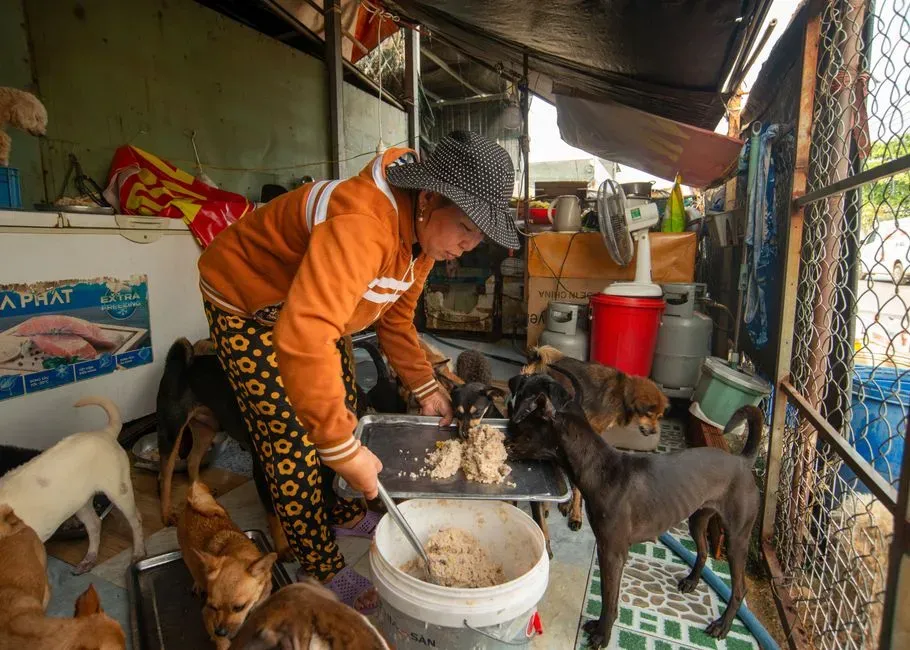
Food security in rescue dogs isn’t a single moment – it’s a slow rebuild made of dozens of tiny behavioral shifts most people never notice happening. Eating pace, bowl-guarding, hoarding, and pre-meal anxiety all change gradually, not overnight, and expecting instant trust is where a lot of well-meaning owners get frustrated with dogs who are actually doing everything right.
If you’ve adopted a rescue and you’re already seeing two or three of these signs, don’t shrug that off as ordinary. That’s not small – that’s a dog quietly deciding, meal by meal, that the world isn’t as unpredictable as it used to be. Honestly, that’s the whole point of rescue in the first place: not a dog who simply eats, but one who’s finally allowed to stop bracing for the worst.