
18 Breed Origin Stories Invented Entirely and Then Repeated Across a Full Century of Books
The most-repeated dog fact you know is probably fiction, and it’s been printed as gospel for over a hundred years. Breed books love a good origin story: ancient temples, Roman legions, heroic monks, royal courts. Almost none of it survives contact with the actual paper trail.
Kennel clubs, historians, and even the breed clubs themselves have quietly walked back claims that got copy-pasted from one 1920s dog encyclopedia into the next, and the next, until “legend” became “fact.” Eighteen of the biggest, most repeated whoppers are below – and the last one has been printed wrong for so long that even most dog owners have never thought to question it.
#1 – The Chihuahua’s “Ancient Aztec Royalty” Story Doesn’t Hold Up

The Chihuahua gets sold as a sacred Aztec breed, practically royalty on four legs, in nearly every toy-dog book printed since the early 1900s. Most of that framing is romantic guesswork stitched onto a much messier real history.
Small dogs absolutely existed in pre-Columbian Mexico, and there’s a native dog called the Techichi that likely contributed to the modern Chihuahua’s gene pool. But the tiny, apple-headed dog people picture today was largely shaped by American and Mexican breeders in the late 1800s and early 1900s, who crossed surviving native dogs with small terrier types to hit the size and look the market wanted. The “sacred temple companion” imagery is a Victorian-era flourish, not a documented chain of custody stretching back to Aztec priests.
Next up: a name that’s fooled pet owners for over a century, and even the country involved wants nothing to do with it.
#2 – The Great Dane Isn’t Danish, and Nobody Can Fully Explain Why We Call It That
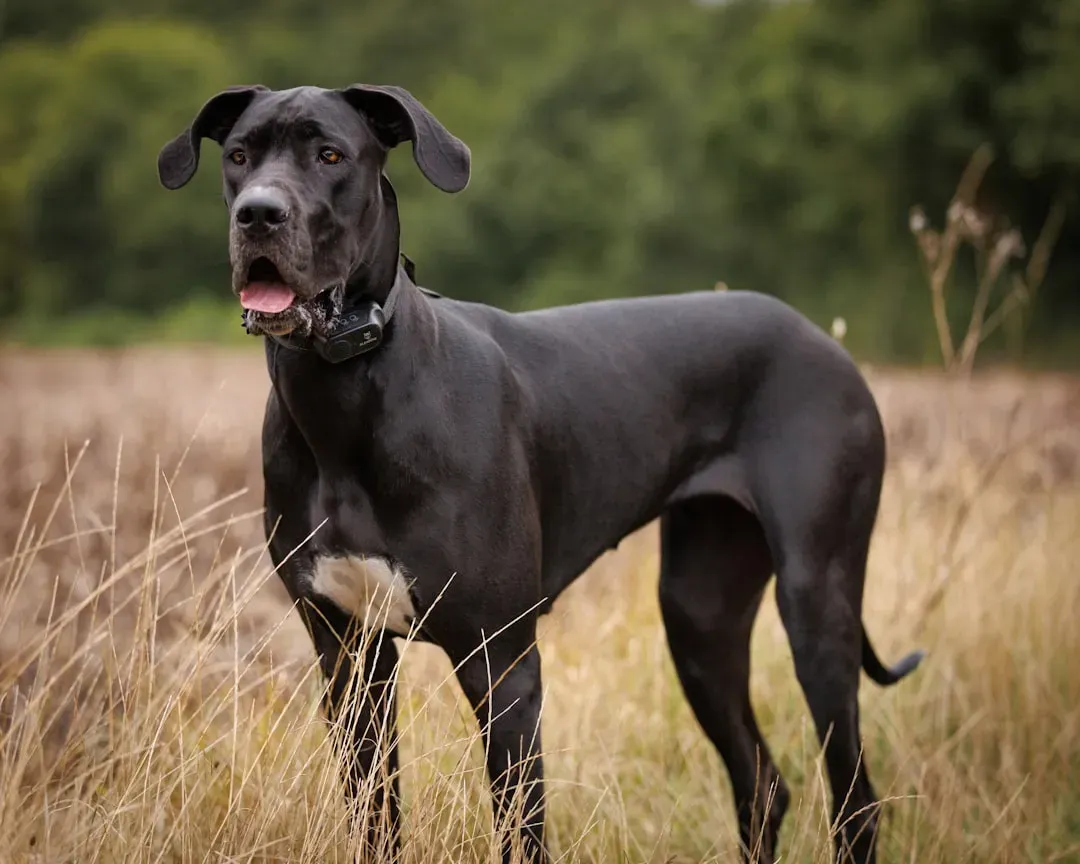
Here’s a fact that should embarrass a century of pet-store name tags: the Great Dane has essentially zero real connection to Denmark. The breed was developed in Germany, refined there for boar hunting, and even carries a German name to this day.
The Great Dane is a large working dog that took shape in Germany roughly 400 years ago, bred and refined there for boar hunting. Its name traces back to a French term, Grand Danois, even though nobody has ever found a solid reason to link the breed to Denmark at all. One popular theory blames a French naturalist who spotted the dog while traveling through Denmark and simply assumed it was local. The mix-up stuck so hard that Germany eventually banned the name “Great Dane” outright in the 1800s, switching officially to “Deutsche Dogge” instead. English-speaking countries never got the memo.
Fast Facts
- Official German name: Deutsche Dogge, not “Great Dane”
- The French label “Grand Danois” is the actual root of the English name still used today
- Developed in Germany roughly 400 years ago for wild boar hunting
- Nicknamed the “Apollo of Dogs” for its towering, athletic build
Up next, the “true crime” detail baked into a guard dog’s origin story that nobody can actually prove happened.
#3 – The Doberman’s “Tax Collector” Origin Might Be a Century-Old Rumor
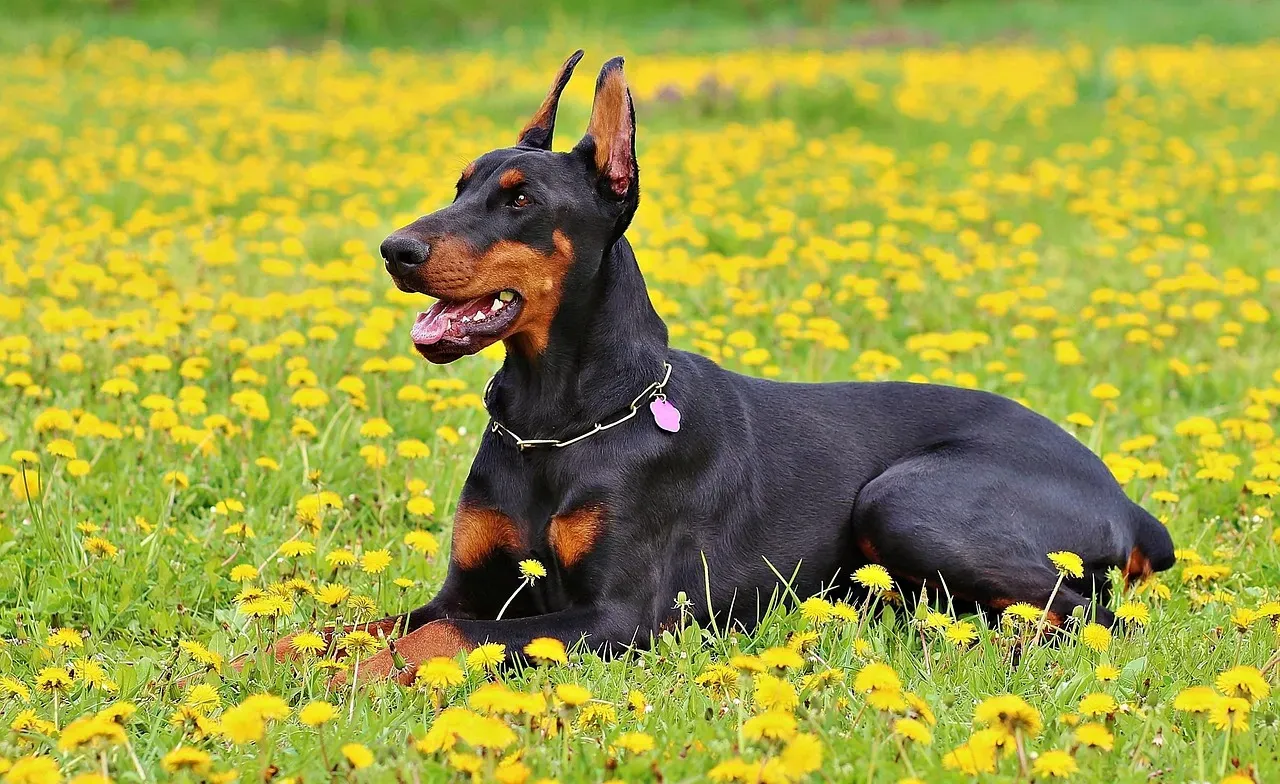
Every Doberman book repeats the same tidy anecdote: a nervous German tax collector built the ultimate guard dog to protect himself on dangerous rounds. It’s a great story. It might also be at least partly invented.
Most sources agree the breed was developed in Apolda, Germany, around 1890 by Karl Friedrich Louis Dobermann – a night watchman, dogcatcher, and keeper of the local dog pound. But a closer look at the historical record complicates the tidier version people repeat: the familiar claim that he also worked as a tax collector is questionable, with no contemporary evidence yet located, and the City of Apolda doesn’t even list tax collector among his occupations in its own official account. The most repeated detail in the entire breed’s origin story may be the one detail nobody can actually document. It’s a textbook case of a colorful line getting copied from book to book until it calcified into fact.
Then there’s France’s most famous dog… which isn’t French at all.
#4 – The “French” Poodle Is Actually a German Working Dog
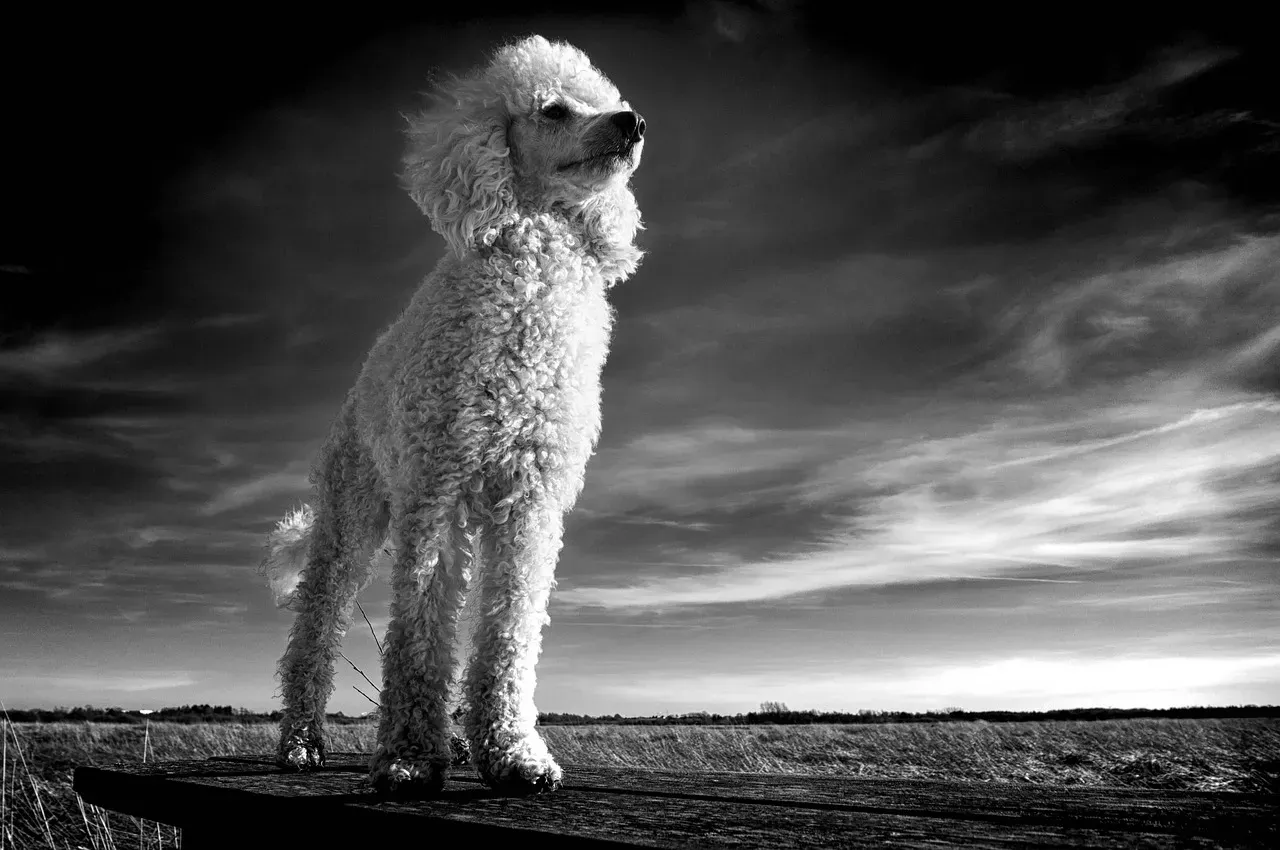
France’s national dog isn’t French. This one genuinely surprises people, because Poodles have been visual shorthand for Parisian sophistication for two centuries straight.
Multiple kennel authorities now state plainly that the Poodle likely originated in Germany, although the Fédération Cynologique Internationale and a minority of cynologists believe it originated in France instead. The name itself gives it away: it comes from the German word “pudeln,” meaning to splash in water, describing a working retriever built to fetch downed waterfowl, not lounge in a salon. The fussy topknot haircut people associate with French glamour was originally a practical trim that kept joints warm while swimming and let the dog move through water efficiently. France gets credit for standardizing the sizes and popularizing the breed among royalty, but the dog underneath the haircut is German through and through.
And the confusion doesn’t stop there – wait until you see the most popular dog in America.
#5 – The Labrador Retriever Has Never Set Paw in Labrador
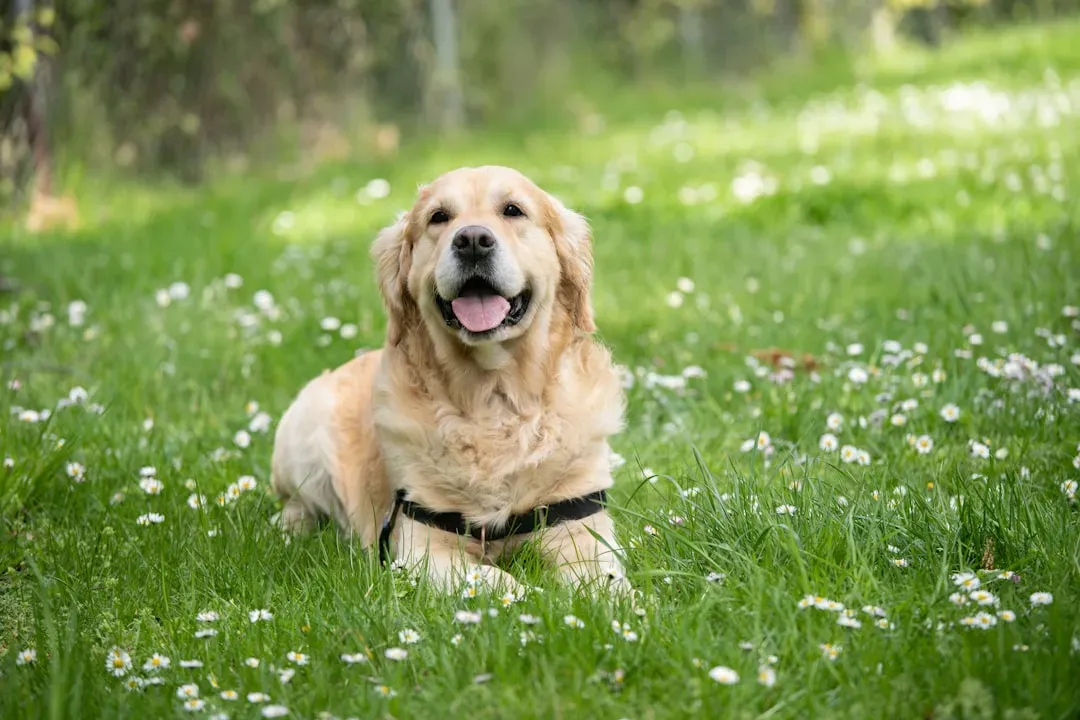
This is arguably the most confusing name in the entire AKC registry, and the confusion is baked into the breed’s actual documented history, not folklore.
The dogs that became today’s Labs developed on the island of Newfoundland, in Canada, working in the fisheries – where they hauled nets and long lines, dived for cod that had slipped off the hook, and retrieved fishermen’s hats. The name comes from the nearby Labrador Territory, which sits northwest of Newfoundland, not from the island where the breed actually took shape – and to make things worse, there was already a separate, larger breed called the Newfoundland occupying that name. British sportsmen who imported the smaller water dogs through the port of Poole reached for whatever label was handy, and “Labrador” is the one that stuck for good. The most popular dog in America is functionally misnamed, and has been since the 1800s.
Next: the myth about ancient marching legions that skips fifteen centuries like they never happened.
#6 – The Rottweiler’s “Roman Legion” Backstory Skips Over 1,500 Missing Years
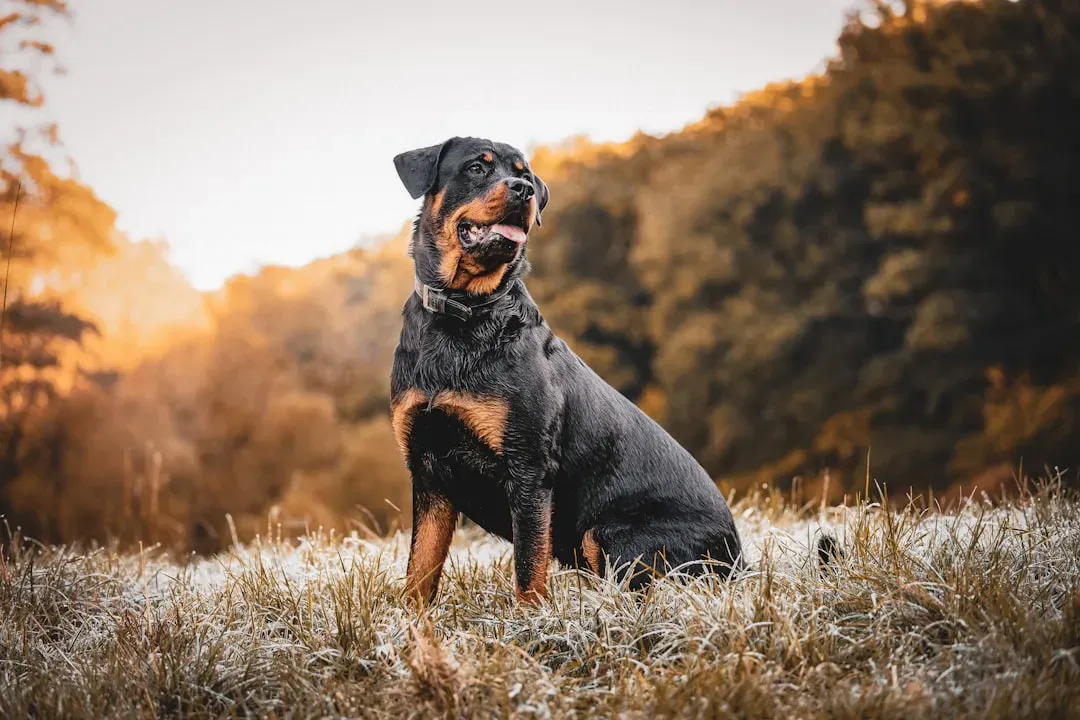
Ask any Rottweiler owner where the breed comes from and you’ll likely hear some version of “Roman drover dogs marched cattle over the Alps and left descendants behind.” It’s a vivid image. It’s also mostly speculation dressed up as continuity.
The documented history of the breed actually begins in the medieval German town of Rottweil, where sturdy cattle-driving and guard dogs worked with local butchers for centuries – the town literally gave the breed its name. The Roman connection is plausible in theory, since Roman cattle dogs did pass through the region, but there’s no unbroken paper trail linking those ancient dogs directly to the Rottweilers being bred in Rottweil a millennium and a half later. Breed books smoothed over a massive historical gap and called it a bloodline. The honest version is “possibly related, definitely unproven,” which doesn’t sell nearly as well on a kennel club poster.
Coming up, a monastery legend so charming almost nobody bothered to check it.
#7 – The Bloodhound’s Monastery Legend Has More Charm Than Evidence
The story goes like this: monks at the Monastery of Saint Hubert in Belgium bred a superior scent hound in the 7th century, and the line was gifted to Charlemagne, carrying his name into legend. It’s a beautiful medieval fairy tale.
The trouble is that reliable documentation of the breed as a distinct, consistently bred type really only firms up centuries later, and the “unbroken monastery lineage” framing is largely a retrospective story attached to the breed rather than something historians can actually trace dog-by-dog through the Middle Ages. The name “St. Hubert’s Hound” survives in French terminology, but the tidy origin tale is mostly legend wearing a history costume. That hasn’t stopped it from appearing, nearly word-for-word, in breed encyclopedias for well over a hundred years.
Quick Compare
- Legend: Monks bred a flawless scent hound in the 7th century and gifted it directly to Charlemagne
- Record: Consistent documentation of the breed as a distinct type only firms up centuries later
- Legend: An unbroken lineage traced dog-by-dog straight through the Middle Ages
- Record: The “St. Hubert’s Hound” name survives, but a traceable pedigree does not
Then there’s the alpine hero dog whose body count kept growing with every new book.
#8 – Saint Bernard’s Famous Rescue Numbers Grew With Every Retelling
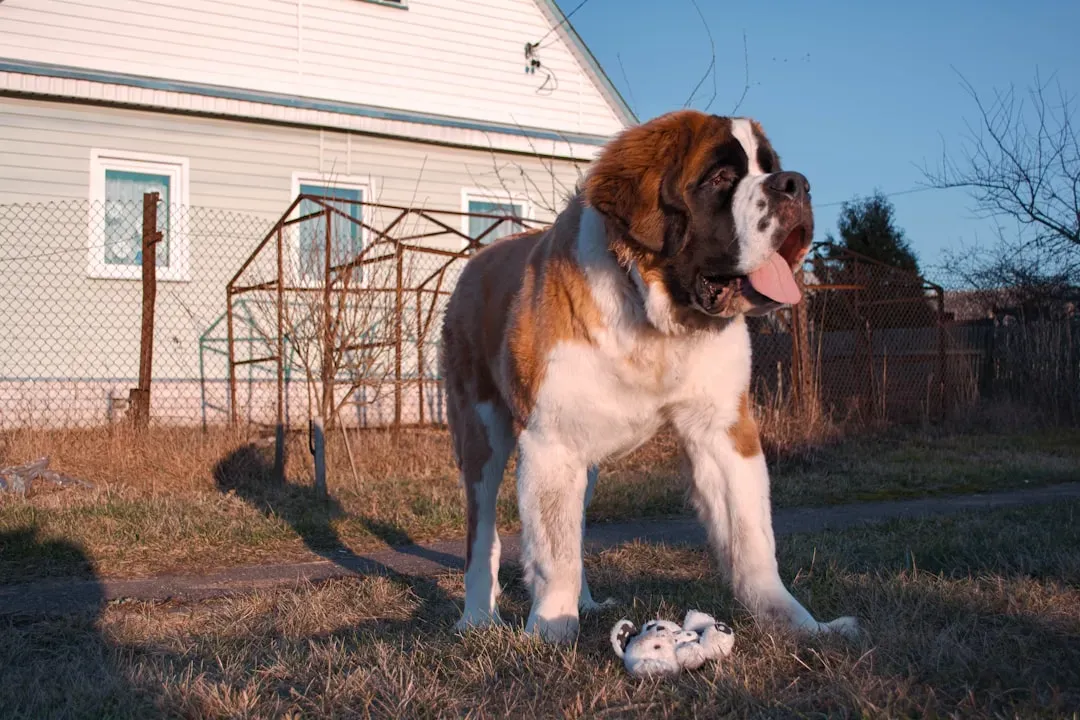
Barry, the real St. Bernard who lived at the Great St. Bernard Hospice in the Alps in the early 1800s, genuinely helped travelers lost in the snow. The problem is how the story of his heroics kept inflating over a century of books.
Barry’s legend eventually settled around the claim that he personally saved roughly 40 lives, a number that grew across retellings until it became the standard line in nearly every breed history published afterward. The core of the story is real – a working rescue dog at an actual alpine hospice – but the specific body count is the kind of detail that got rounder and more dramatic with each new author who retold it. It’s a small case study in how a genuine, admirable dog turned into an exaggerated folk hero simply because nobody bothered fact-checking the previous book.
Next, the “born to save drowning sailors” story that owes more to poets than to actual breeding records.
#9 – The Newfoundland’s “Born to Rescue Drowning Sailors” Story Is Half Marketing
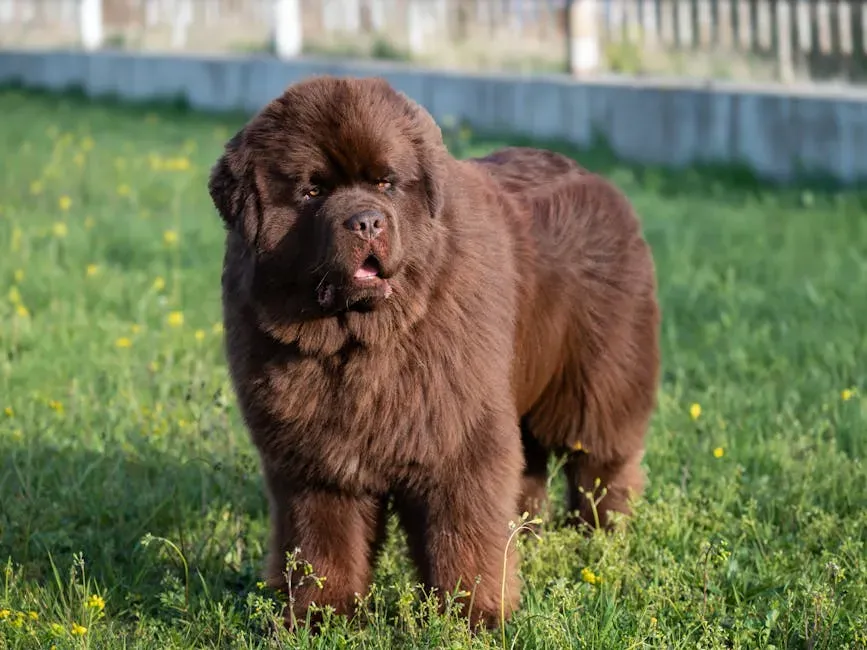
Newfoundlands really do have webbed feet, a water-resistant double coat, and genuine swimming ability, so the “lifesaving dog” reputation isn’t pure fiction. But the dramatic, almost mythic hero-dog narrative that fills breed books owes a lot to Victorian romanticism, not documented breed purpose.
Poets and writers of the 1800s – including some very famous ones who publicly adored the breed – turned individual anecdotes into a sweeping legend about a dog specifically engineered to dive into stormy seas and pull drowning sailors to shore. The dogs were bred as general-purpose working animals for fishermen, hauling gear and boats, not purpose-built superhero lifeguards. The rescue reputation is a real bonus trait that got retroactively rewritten as the entire point of the breed.
Up next: the “barkless dog” myth that isn’t quite true, and never really was.
#10 – The Basenji Doesn’t Actually Never Bark
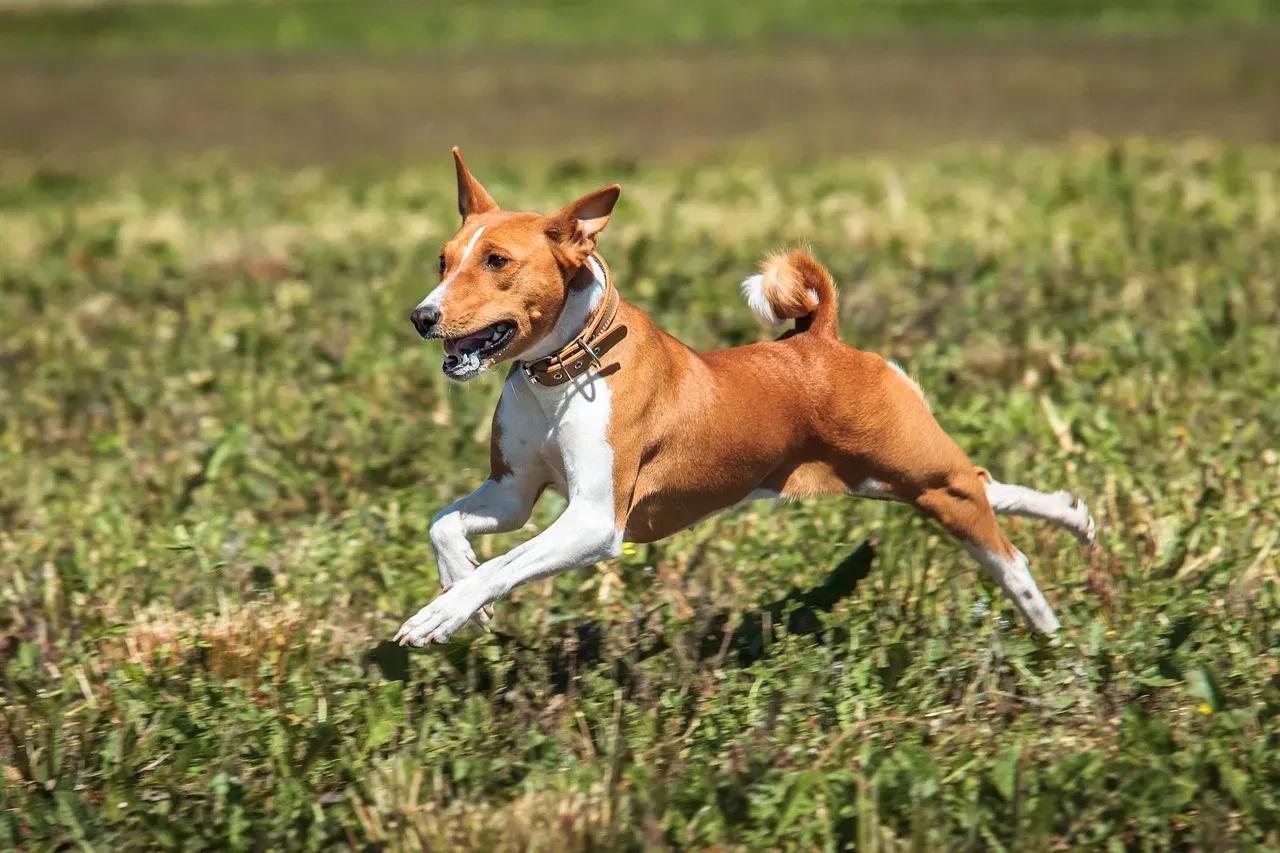
For a hundred years, dictionaries and dog books have flatly labeled the Basenji “the barkless dog,” treating it like a scientific fact rather than a shorthand description. It’s an oversimplification that’s been copied so often it turned into gospel.
Basenjis do vocalize – they just don’t produce the typical repetitive bark most dogs use. Instead they make a distinctive yodel-like sound, sometimes called a “baroo,” and they are fully capable of barking under certain conditions. The “never barks, ever, period” claim is the kind of catchy simplification that got flattened into an absolute the moment it hit print, and every subsequent author just repeated the cleaner, more quotable version instead of the messier true one.
Then there’s the imperial dog whose legend got a serious boost from a literal robbery.
#11 – The Pekingese “Forbidden Imperial Dog” Story Got a Dramatic Boost From a Real Theft
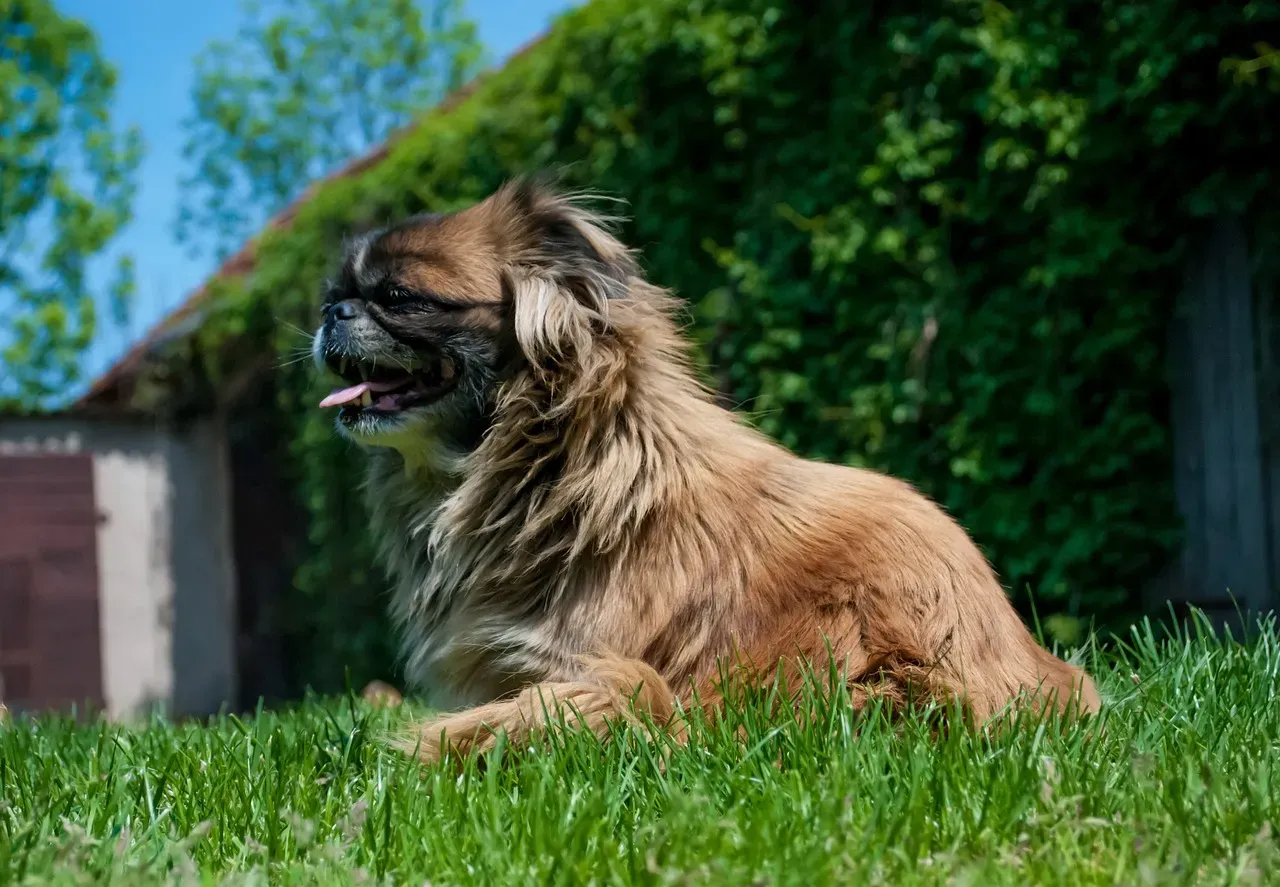
Pekingese origin stories love to describe an ancient, untouchable temple dog, so sacred that commoners caught owning one could face execution, bred exclusively within the walls of the Forbidden City for centuries. It’s a genuinely gripping tale, and it exploded in popularity for a very specific reason.
In 1860, British troops looted the Chinese imperial Summer Palace and took several Pekingese dogs back to England, where the breed’s dramatic, “forbidden and sacred” mythology took off in Victorian society almost overnight. The dogs were real, the imperial fondness for them was real, but the absolute, death-penalty-level exclusivity story got heavily dramatized by British writers eager for an exotic backstory to justify their new, fashionable imported pet. That embellished version, not the more mundane reality, is what got copied into breed book after breed book.
Next: the “ancient, untouched bloodline” that was actually rebuilt within living memory.
#12 – The Akita’s “Unbroken Noble Lineage” Skips a Very Recent Rebuild
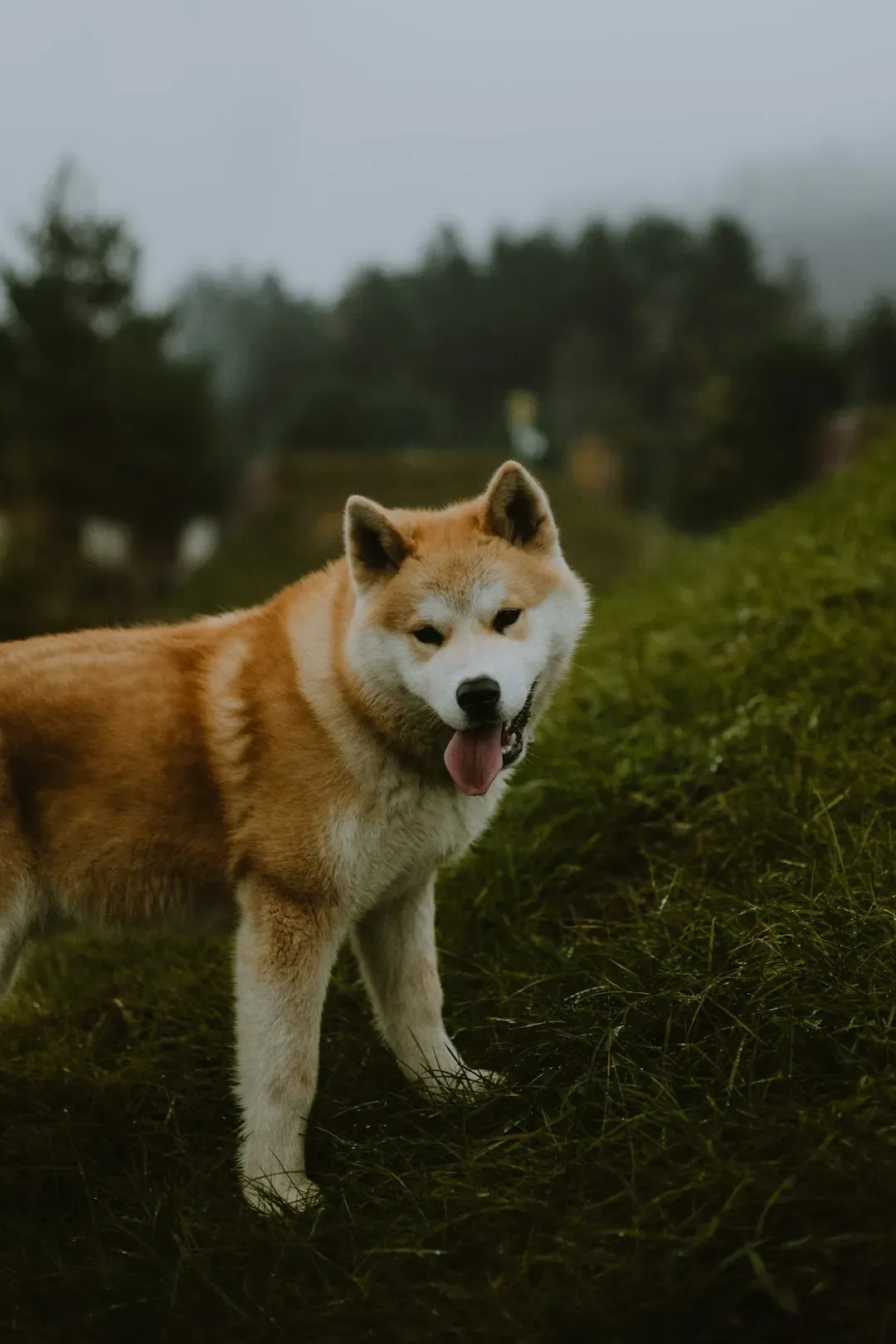
Akita histories love to describe an unbroken, centuries-old bloodline reserved for samurai and nobility, a pure and ancient line untouched by outside influence. The real 20th-century story is far messier.
The breed actually nearly disappeared entirely, and wartime pressures in the 20th century led to crossbreeding programs – including German Shepherd, Mastiff, and Tosa influences – aimed at producing fur and larger, more useful working dogs during a period of severe scarcity. The “ancient, pure, unbroken” pitch conveniently skips over the fact that the modern Akita was substantially reconstructed within living memory, not preserved in some untouched samurai-era time capsule the way the marketing suggests.
At a Glance
- Marketed as an unbroken, samurai-era bloodline untouched by outside dogs
- Nearly disappeared during wartime shortages in the 20th century
- Crossbred with German Shepherds, Mastiffs, and Tosas just to survive food and fur shortages
- The modern type was substantially rebuilt within living memory, not preserved intact
Coming up, the shock food-source claim that turned out to be thinner than the fur on the dog itself.
#13 – The Chow Chow’s “Bred as Food” Claim Has Thinner Evidence Than You’d Think
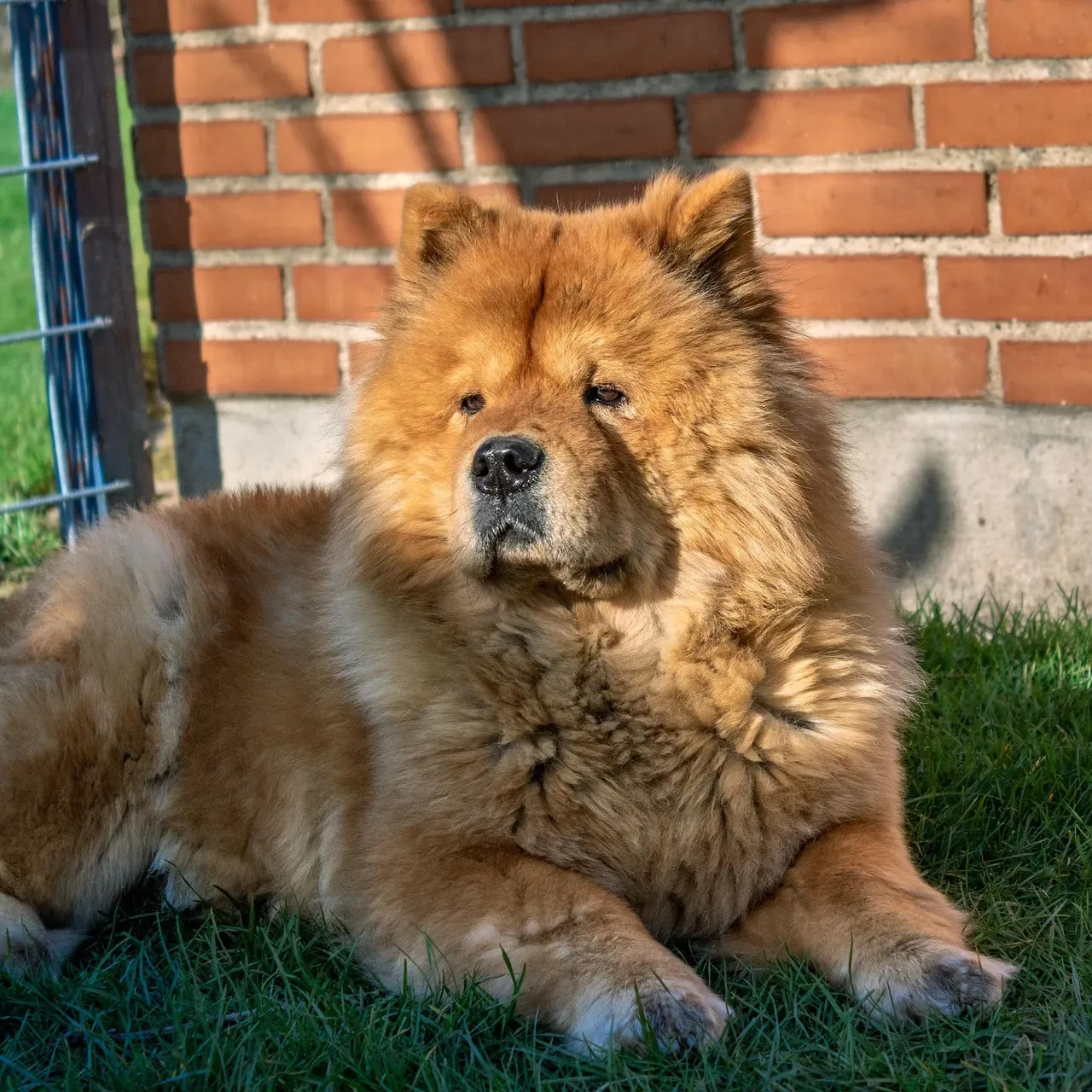
Vintage breed encyclopedias love a shock detail, and the Chow Chow’s is a big one: the claim that the breed was specifically raised for centuries in ancient China as a food and fur source, treated as livestock rather than companion animal. It’s one of the most repeated “did you know” facts in dog trivia.
The actual historical evidence for that specific, sweeping claim is thin and largely anecdotal rather than well-documented across Chinese historical records. A dramatic single claim, presented without solid sourcing, got repeated so consistently across Western breed books that it eventually read as settled history rather than what it really is: an unverified generalization that stuck because it was memorable.
Then there’s the husky myth about wolf blood that looks convincing and isn’t.
#14 – The Siberian Husky Isn’t Secretly Part Wolf
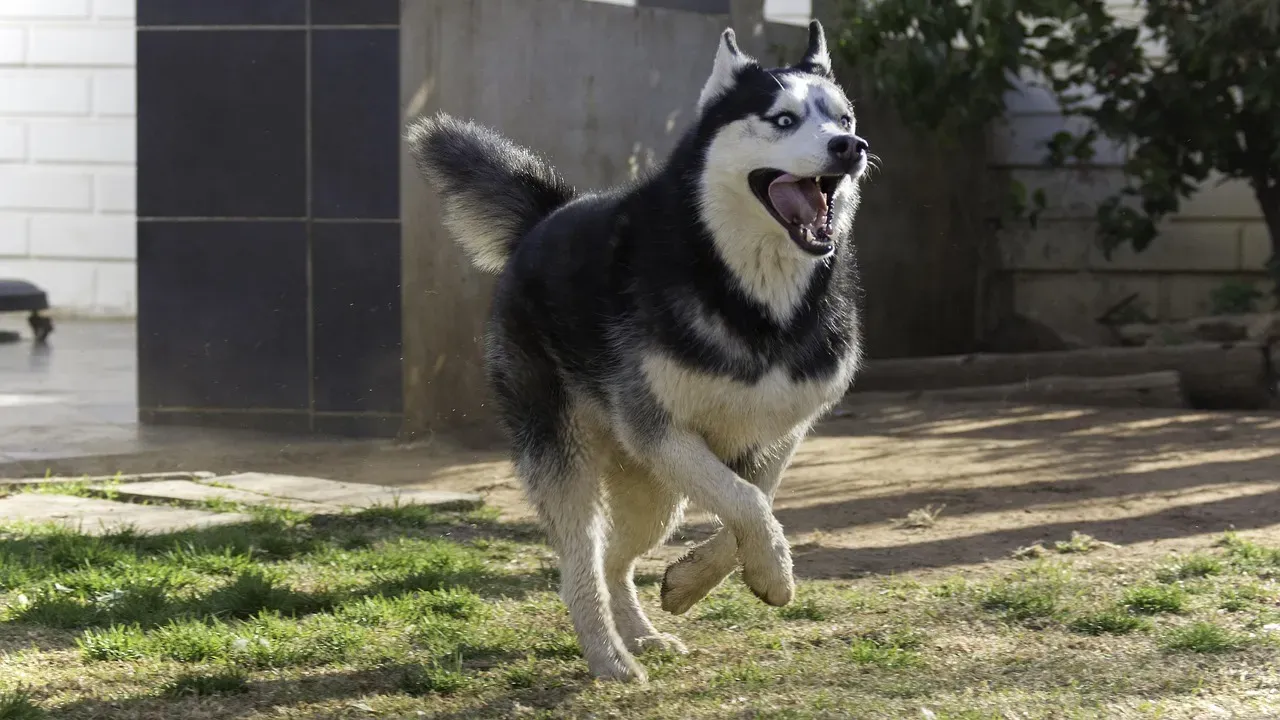
Because Huskies look wolfish, the “closer to wolves than other dogs” claim gets repeated constantly, in breed books and casual conversation alike. Looks, in this case, are doing all the heavy lifting.
Genetic research comparing dog breeds hasn’t shown Huskies to be meaningfully closer to wolves than plenty of other old, established breeds that look nothing like wolves at all. The wolf-adjacent reputation is almost entirely a visual illusion, not a genetic reality, yet it’s one of the stickiest myths in the entire dog world simply because it’s so visually intuitive to believe.
Next: the German Shepherd rumor that ignores its own paperwork.
#15 – The German Shepherd’s “Wolf Hybrid” Rumor Ignores Its Documented Founder
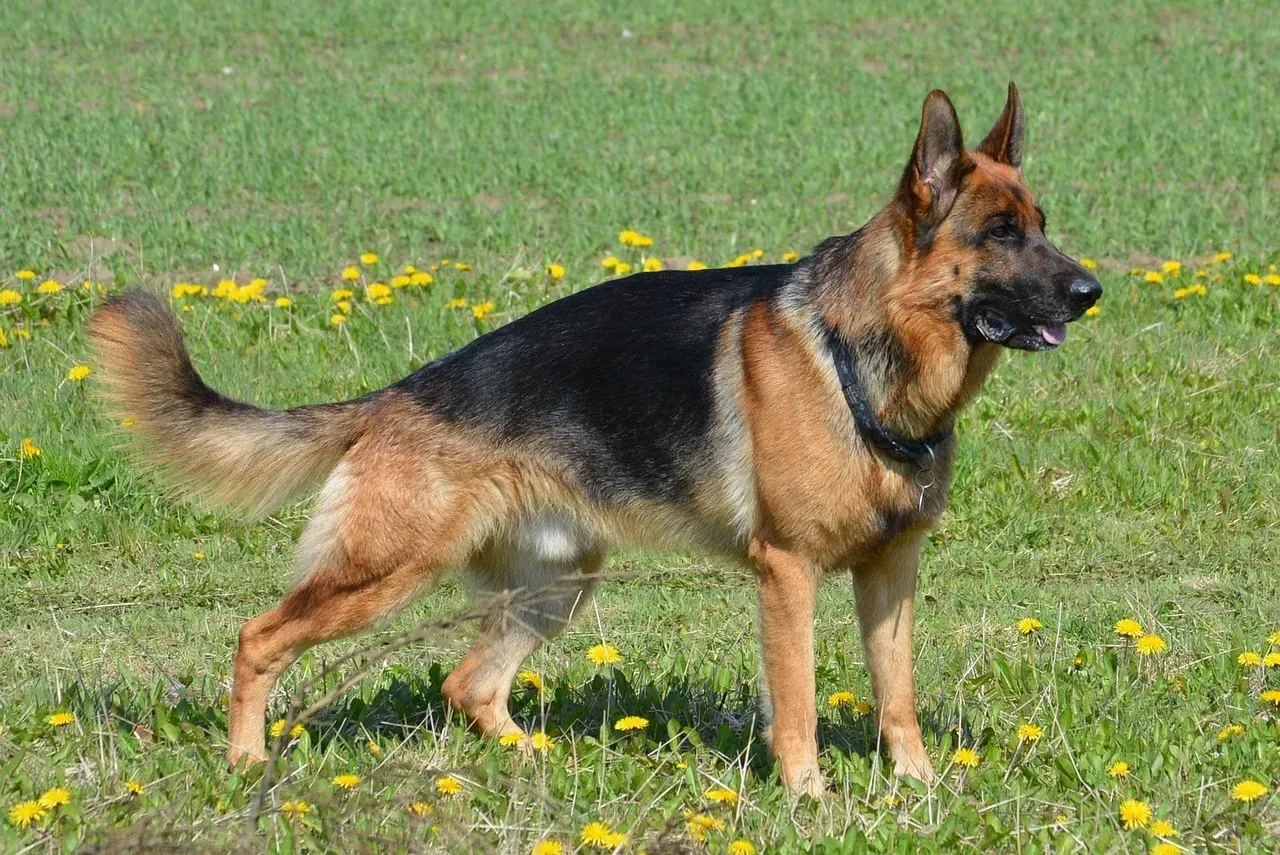
Few myths are as persistent as the claim that German Shepherds carry recent wolf blood, explaining their intensity and appearance. The breed’s actual documented creation tells a completely different story.
The breed was deliberately developed from various German herding dog lines by Max von Stephanitz, a former cavalry officer working to standardize a single, versatile working shepherd type – not by crossing domestic dogs with wolves. The entire foundation of the breed is on paper, tracing back to purposeful herding-dog selection, with no wolf-crossing step anywhere in that documented process. The myth persists purely because the dog’s build and coat pattern happen to resemble a wolf’s.
A dog can be haughty and forbidding as a lion, but at the same time as tender and loving as a mother caring for her babies.
Max von Stephanitz
Up next, the royal romance story that’s mostly polish applied after the fact.
#16 – The Bichon Frise’s “Centuries of Unbroken Royal Favor” Is Mostly Retroactive Polish
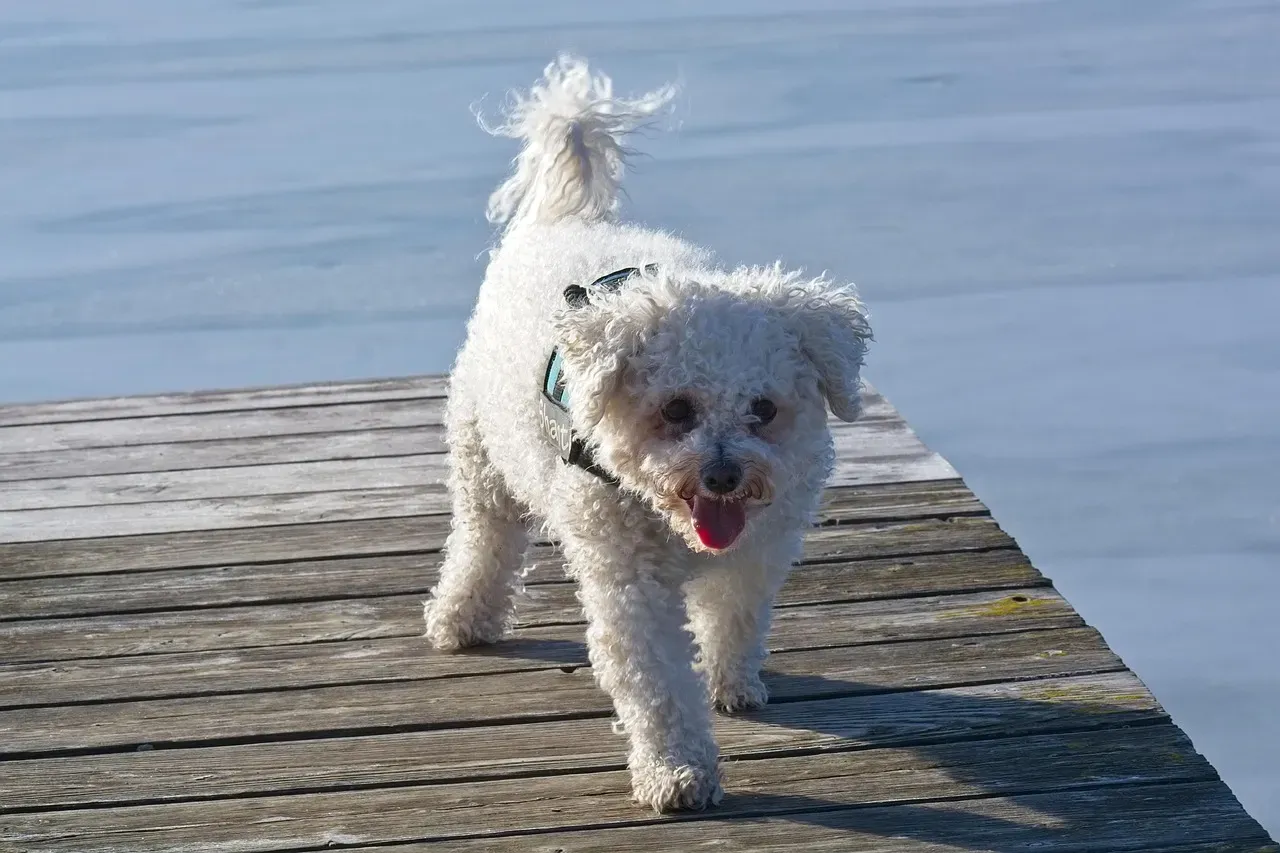
Bichon histories love describing an unbroken, centuries-long love affair with French and Spanish royalty stretching back to the 1300s, carried across the Mediterranean by sailors and traders. It’s an elegant story with a thin paper trail underneath it.
The reliable, continuous documented record of the breed as we recognize it today really only firms up in the early 20th century, when French breed clubs organized and standardized the type. Much of the “beloved by kings for 600 straight years” narrative is a romanticized backstory layered on after the fact, rather than a documented, continuous chain of royal ownership anyone can actually verify generation by generation.
And finally, the “gentleman” breed whose real origin story is anything but polished.
#17 – The Boston Terrier’s “All-American Gentleman” Branding Covers Up a Very Accidental Start
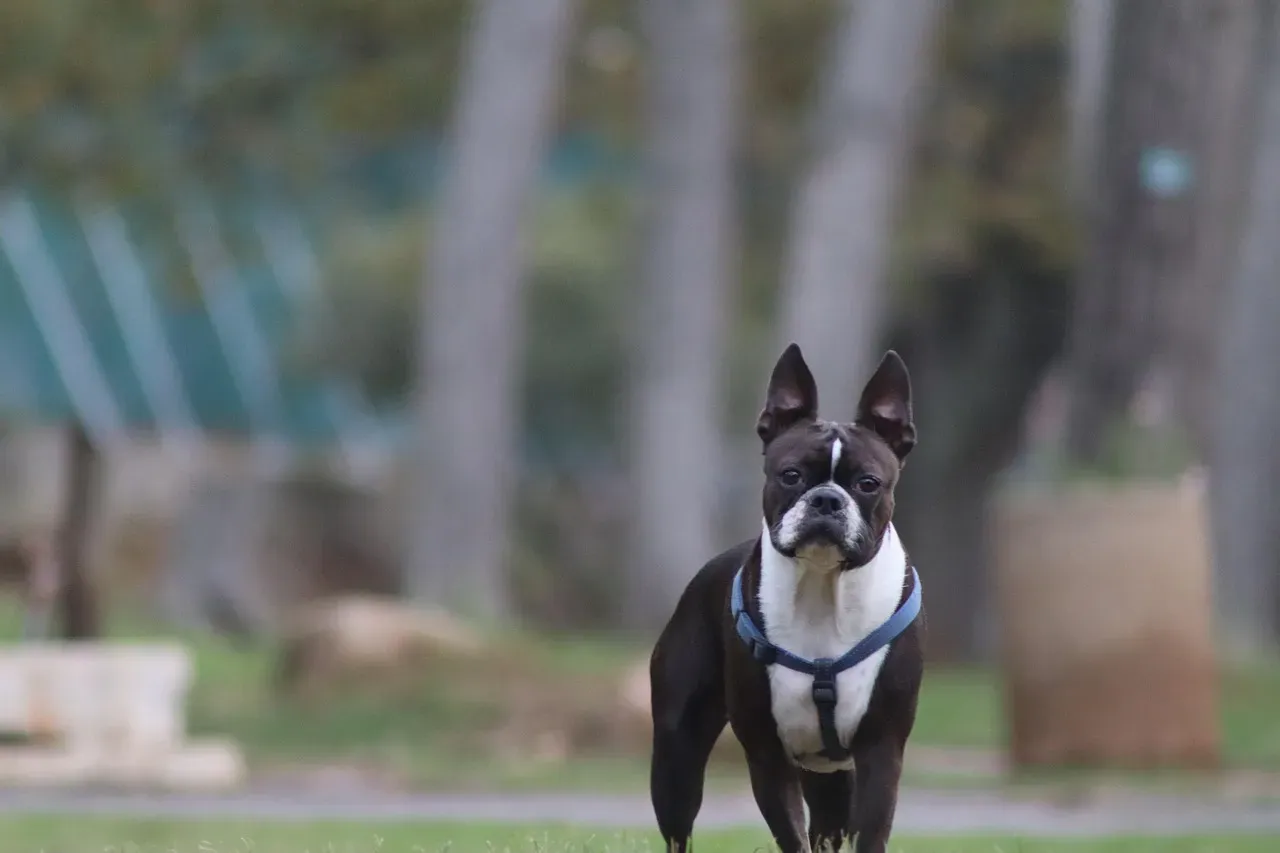
Boston Terrier marketing has always leaned hard into a polished, dignified “American Gentleman” persona, implying a deliberate, refined breeding program from day one. The real origin story is a lot scrappier.
The breed traces back to a single mixed dog, commonly referred to as Hooper’s Judge, a cross between bulldog and English terrier types, working the streets of Boston in the 1870s. The dignified “gentleman” branding was applied well after the fact to a breed that actually started as one unremarkable mixed-breed dog, not as part of any grand, intentional design.
Last on the list: the biggest name mix-up in the entire lineup.
#18 – The Australian Shepherd Has Never Actually Been Australian
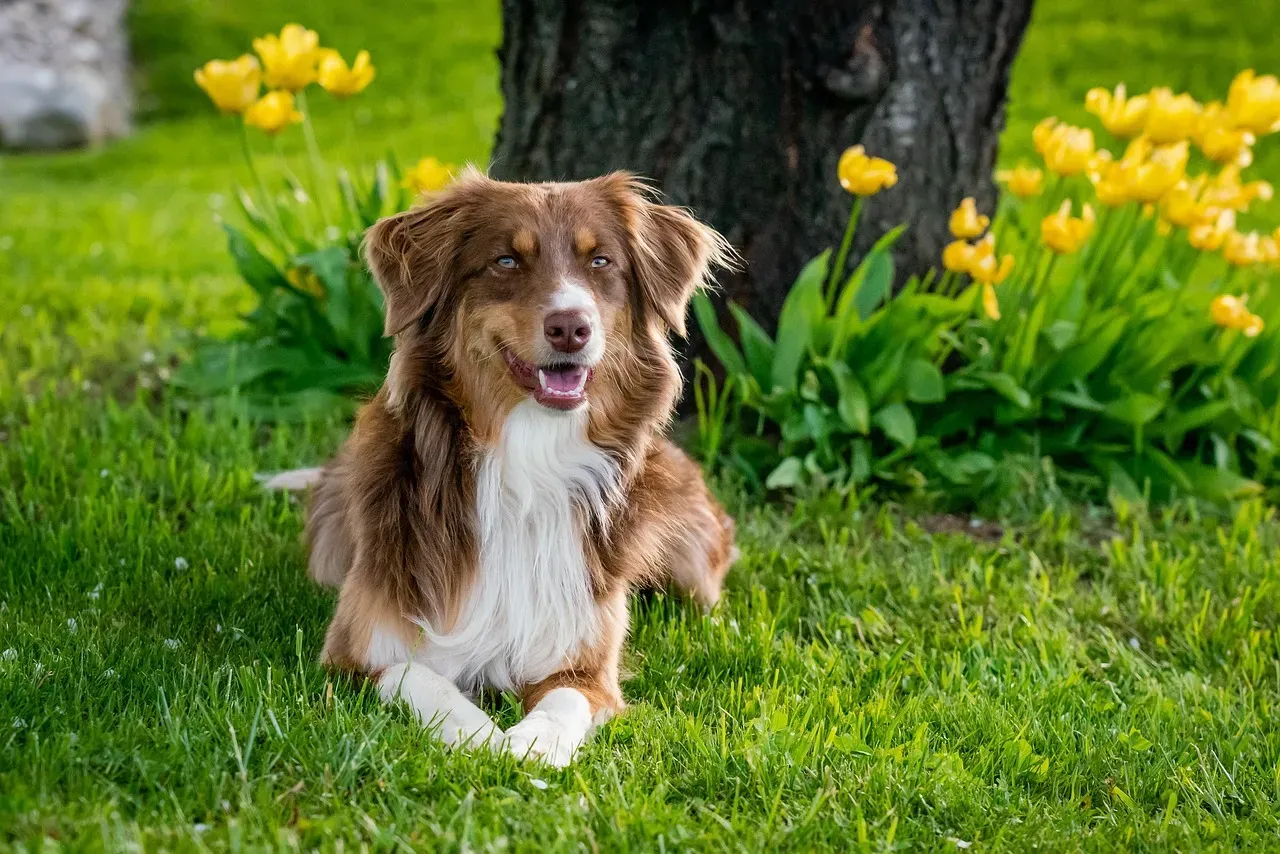
Save the biggest name mix-up for last. Despite the name plastered across a century of dog books, the Australian Shepherd was developed in the United States, not Australia, full stop.
The breed took shape on American ranches, largely among Basque shepherds and their sheepdogs who had passed through the Australia region before eventually settling in the American West with their flocks. The dog is, and has always been, an American original – the “Australian” label is simply a leftover geographic misattribution that got printed once and then copied into breed guide after breed guide for a hundred years straight, never corrected.
Worth Knowing
- Developed on ranches in the American West, not in Australia
- Closely tied to Basque shepherds who arrived in the U.S. by way of Australia
- The “Australian” label describes the shepherds’ journey, not the dog’s actual birthplace
- The misnomer has survived unchallenged in breed guides for roughly a century
The Bottom Line
A century of dog books didn’t fail because the breeds are boring – they failed because nobody wanted to write “we’re honestly not sure.” Tax collectors, sacred temples, and Roman legions make better copy than “developed gradually by regional farmers over generations,” so the dramatic version won, over and over, book after book.
The honest throughline here isn’t that any single breed lied about its past. It’s that publishing incentives have always rewarded a good story over a sourced one, and dog books were never an exception to that rule. Which invented origin story surprised you the most? Tell us below – and tell us if your own dog’s “history” just got debunked.