

Most people get a dog dreaming of cozy cuddles, easy walks, and a best friend who somehow just knows how to behave. Then reality shows up in the form of barking at every leaf, dragging you down the sidewalk, and treating the couch like a jungle gym. The twist that surprises a lot of owners is this: in many cases, the dog is not the problem. The patterns we, as humans, accidentally reinforce are.
Dogs are always learning, whether we’re “training” or not. Every reaction, every laugh, every “just this once” is data for your dog’s brain. Over time, those tiny moments can snowball into big behavior problems that feel impossible to fix. Let’s break down 11 of the most common habits owners unintentionally teach their dogs – and why unlearning them can take months or even years.
1. Rewarding Jumping as a Greeting
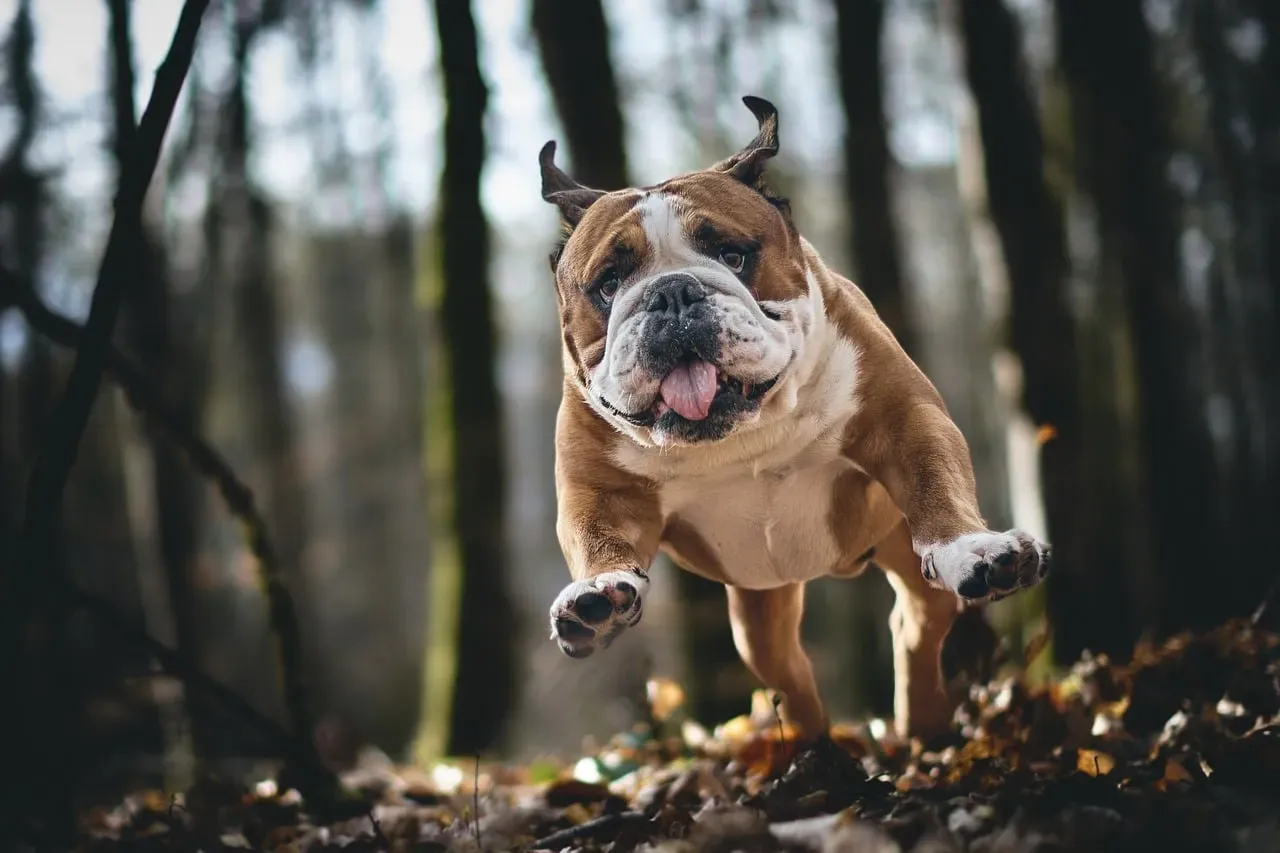
It usually starts when the dog is small and cute. Your puppy barrels toward you, paws flying, and you scoop them up, laugh, or give them attention. From your dog’s point of view, they tried a behavior, and it worked brilliantly: jump up, get love. That association gets wired in fast because social contact is one of the most powerful rewards a dog can get.
Fast forward a year and now you have a full-grown dog launching into people’s chests, scratching kids, or knocking over grandparents. The problem is that your dog has practiced this greeting thousands of times, and every time someone even talks to them while they’re jumping, it reinforces the habit. Undoing it means doing the opposite of what feels natural: no eye contact, no touch, no talking until all four paws are on the ground – consistently, with everyone. That consistency is where most humans crack long before the dog does.
2. Teaching Leash Pulling with Every Walk
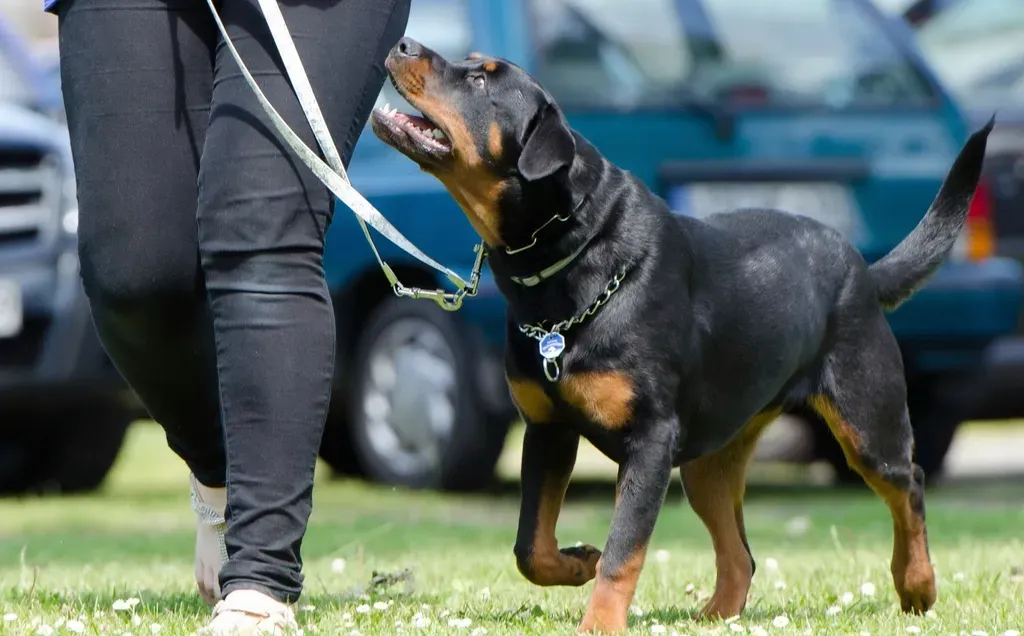
Many owners believe that a dog who pulls is stubborn or dominant, but often the dog has simply learned that pulling is how you move forward. The first time your dog drags you toward a tree, a smell, or another dog, and you let them get there, you’ve just taught them a lesson: tension on the leash equals success. For an animal wired to move, explore, and sniff, that is incredibly reinforcing.
Breaking leash pulling means you have to flip the script. Movement happens only when there is slack in the leash. If the leash goes tight, you stop, change direction, or wait. This can feel painfully slow and frustrating, because it turns a five‑minute walk into a training session that tests your patience more than the dog’s strength. I remember thinking, on one particularly stop‑and‑start walk with a foster dog, that it felt like trying to drive a car with someone slamming the brakes every five seconds – and I was the one holding the brake pedal.
3. Rewarding Barking for Attention
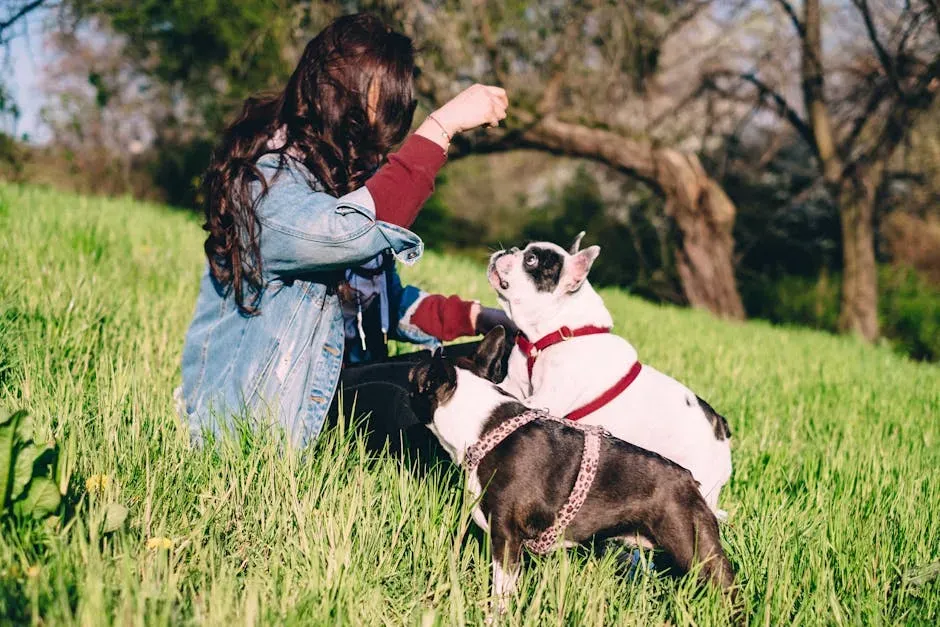
Attention barking is one of those behaviors that sneaks up on you. Your dog barks while you’re on a work call, watching TV, or making dinner, and you finally snap and say something, toss a toy, or give a treat to quiet them. To a dog, it doesn’t matter if your attention is annoyed or loving – barking made the human engage, so the barking works. Once that connection is formed, the dog is likely to repeat it, sometimes louder and longer.
To undo this, you have to do something that feels almost impossible: ignore the barking completely, then reward the first moment of silence. Dogs are experts at noticing which behaviors reliably get a reaction, so if you stay calm and neutral while they’re loud and only respond when they’re quiet, you gradually shift what they think “works.” The hard part is that we are emotional creatures, and sustained barking wears down even the calmest person. Nearly half of the problem is not the dog’s persistence, but our own need to make the noise stop right now.
4. Encouraging Over‑Excitement Before Walks and Outings
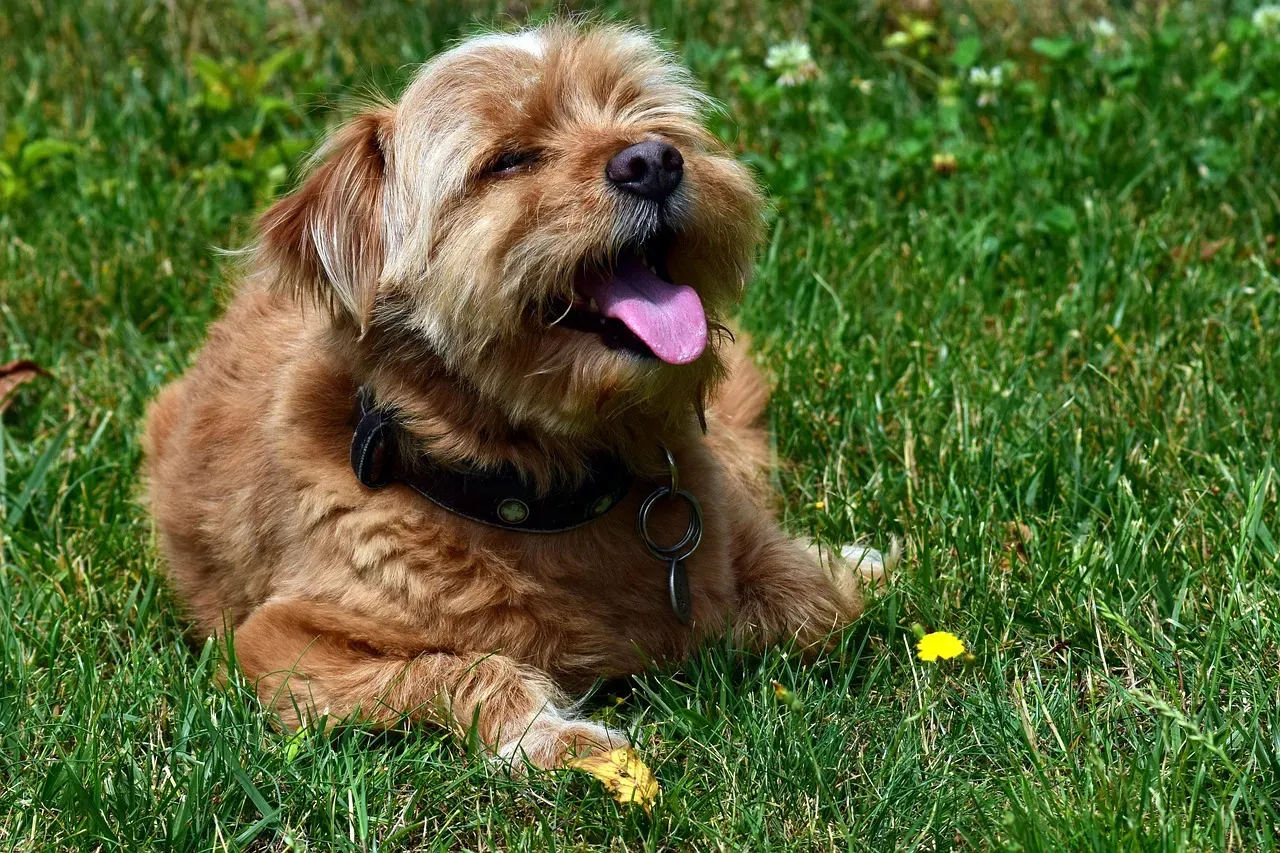
A lot of people unintentionally turn walks, car rides, or visitors into a full‑blown emotional roller coaster for their dog. We say, “Do you want to go for a walk?!” in a high‑pitched voice, bounce around, wave the leash, and basically throw a party before even stepping out the door. The dog’s arousal spikes, and by the time you leave, their brain is primed for chaos – pulling, barking, lunging, reacting.
Over time, the pattern becomes predictable: see leash or hear certain words, go into turbo mode. Reversing this means making calm the new ritual. The leash comes out quietly, the dog sits before the door opens, and excitement no longer controls the schedule. I like to think of it like pre‑flight checks for an airplane: if the engines are already screaming at max power before you’ve even left the gate, you’re not set up for a smooth takeoff.
5. Comforting Fear in a Way That Reinforces It

When dogs are afraid – of fireworks, thunder, traffic, or strangers – most owners’ first instinct is to soothe them with petting, baby talk, or frantic reassurance. The intention is loving, but dogs can read our tension, voice tone, and body language. If every loud noise leads to humans acting worried and offering intense attention, the dog may learn that the scary thing really is a big deal, and that acting fearful is a reliable way to get closeness and comfort.
This doesn’t mean you should ignore a terrified dog. It means comfort should be calm, grounded, and ideally paired with something neutral or positive, like a treat scatter on the floor, chewing a favorite toy, or playing a simple game. You want to show, through your behavior, that the world is still safe and predictable. Think of yourself as the emotional anchor in a storm; if you’re rattled by every wave, your dog has no reason to believe the boat is stable.
6. Making Resource Guarding Worse by Constantly Taking Things Away
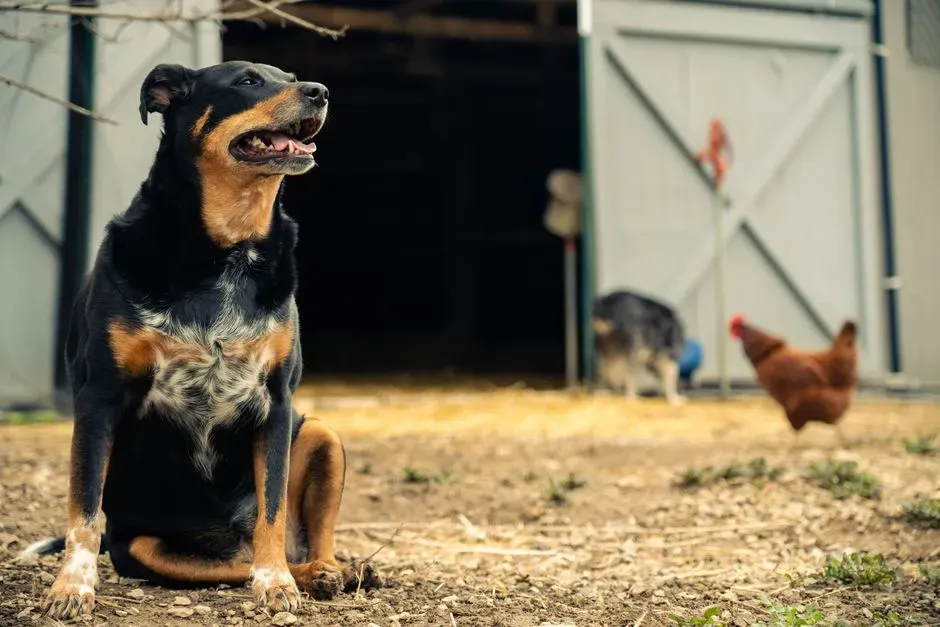
Many people are told to regularly take toys, bones, or food from their dog “to show who’s boss.” The idea sounds logical on the surface, but for a lot of dogs it backfires badly. If every time they have something valuable, a human swoops in and removes it, the dog learns that people approaching means loss. Over time, that can grow into guarding: stiffening, growling, or even snapping when someone comes near their stuff.
Undoing this pattern is slow, because you have to rebuild trust around resources. Instead of taking things for free, you trade: when you approach, better things appear. Drop a handful of treats when you walk by the food bowl. Swap a boring toy for something more exciting. The goal is for your dog to think, “Humans near my stuff are good news.” Once that positive association takes root, the need to defend starts to fade – but it can take months to erase years of perceived “theft.”
7. Allowing Inconsistent Rules Around Furniture and Personal Space
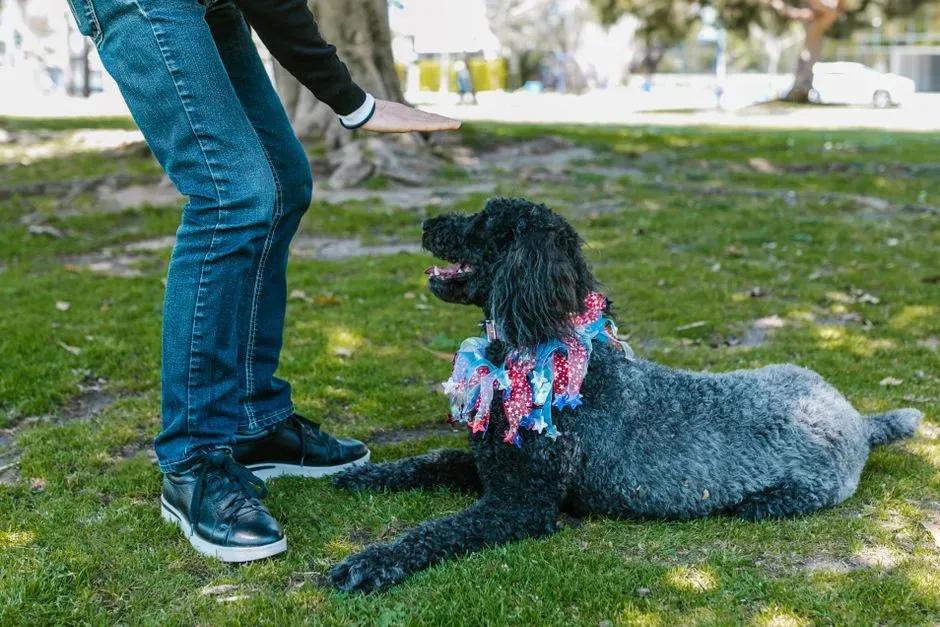
Dogs do not struggle with rules nearly as much as they struggle with changing rules. Letting the dog on the couch sometimes – when they’re clean, or when you’re in a good mood, or when you feel guilty about being away – teaches them that hopping up is always worth a try. From their perspective, one successful attempt out of five is still a win, and intermittent rewards are especially powerful in cementing behavior.
It is the same with bed access, jumping onto laps, or leaning on guests who don’t want contact. If one person in the household pushes the dog off and another secretly invites them up, the dog is living in a world where the rules are blurry and negotiable. Fixing this requires humans to have a meeting, agree on what’s allowed, and then stick with it relentlessly. I’ve seen households where the dog adjusted in a week, while the people kept “cheating” for months because they missed the cuddles.
8. Turning Recall into a Signal That Fun Is Over

Calling a dog to come and then clipping on the leash, ending playtime, or going straight home is one of the fastest ways to poison recall. If “come” almost always predicts the end of freedom, a smart dog will start hesitating, circling, or outright ignoring the cue. From their point of view, running away or staying just out of reach keeps the party going, while coming when called makes the fun disappear.
Repairing recall means changing what “come” means to the dog on a deep level. You have to call them, reward generously, and then send them back to play – over and over, in lots of situations. Sometimes recall should lead to the best things in life: snacks, games, chase, or a fresh area to explore. Only then, after many “good deals,” can you occasionally use it to end an activity without slowly eroding its meaning again. It is like rebuilding credit after years of missed payments: trust returns, but only with consistent, positive experiences.
9. Accidentally Teaching Reactivity on Walks
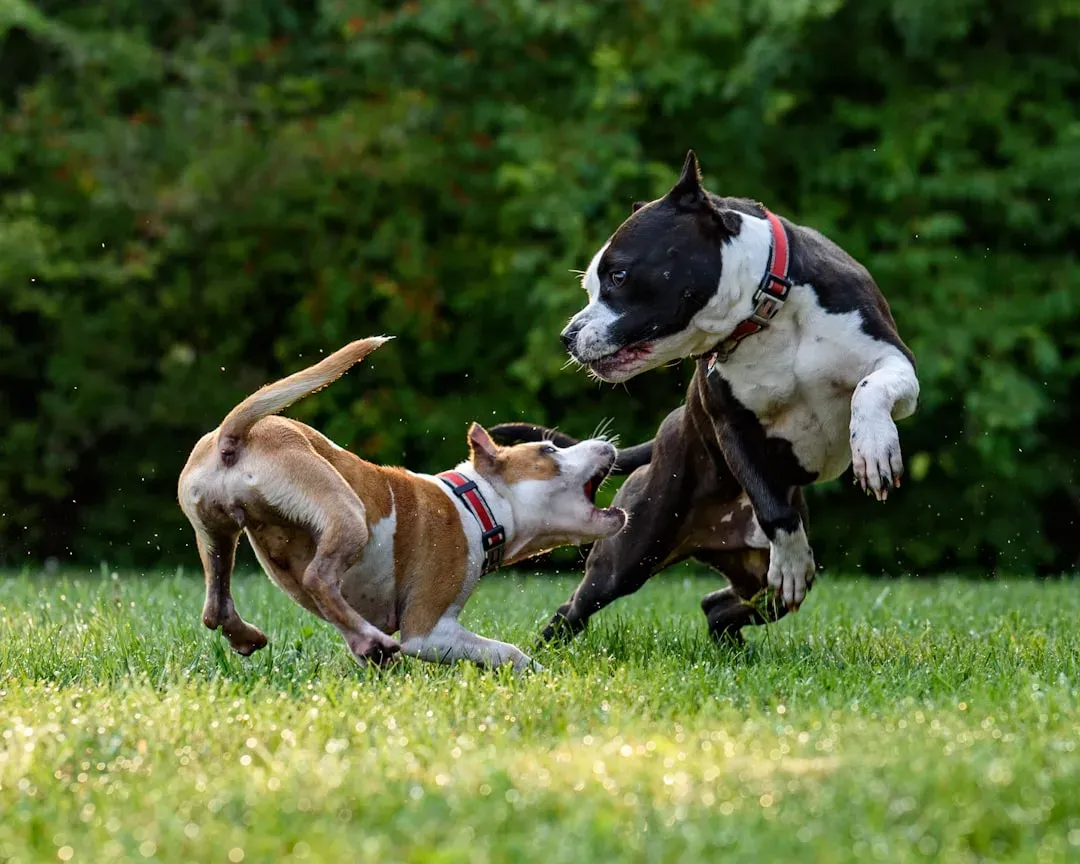
Reactivity – barking, lunging, or exploding at dogs, people, bikes, or cars – often starts with one bad experience and then gets fed by our own tension. The next time your dog sees a trigger, you tighten the leash, hold your breath, or drag them across the road. The dog feels that shift and associates the presence of that thing with stress. If they bark and the scary thing goes away, it reinforces the idea that big reactions are useful tools.
To unwind reactivity, you have to reframe how your dog feels about their triggers and how you behave around them. Creating more distance before they explode, pairing the sight of other dogs or people with treats, and keeping the leash loose whenever it’s safe all help teach, “This isn’t a threat; it’s a cue that something good might happen.” It is mentally exhausting work because you are not just retraining the dog, you are retraining your own reflex to clamp down every time you see trouble coming.
10. Over‑Talking and Under‑Training Cues
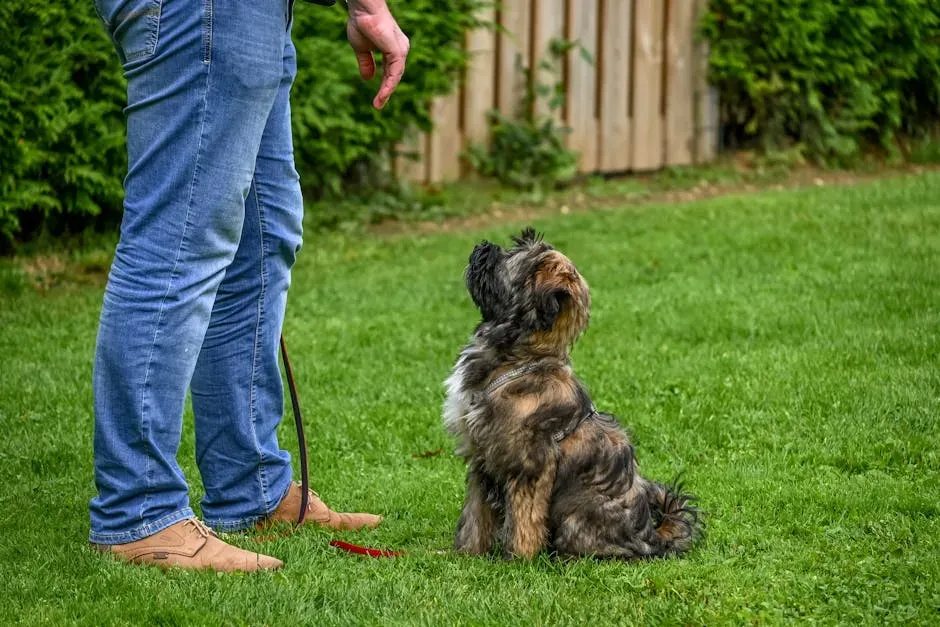
Most of us talk to our dogs like they’re human roommates, tossing out a stream of words: “Sit… no, come here, sit, hey, over here, sit, come on, sit.” To a dog, that background noise can blur into one big, unreliable signal. If they hear a cue repeated over and over, and sometimes it matters and sometimes it doesn’t, the word loses clarity. Eventually, the dog tunes us out the way we tune out an overplayed song on the radio.
Rebuilding clear communication means saying less but meaning it more. Give a cue once, wait, and then calmly help the dog succeed if they are confused. Reward generously when they get it right so that specific words become valuable and predictable. I had to teach myself to treat cues like light switches, not like begging: one clear signal, then follow‑through. It feels awkward at first, but you can almost see the dog relax when they realize the noise has turned into a language.
11. Using Food, Toys, or the Dog’s Name to Nag Constantly
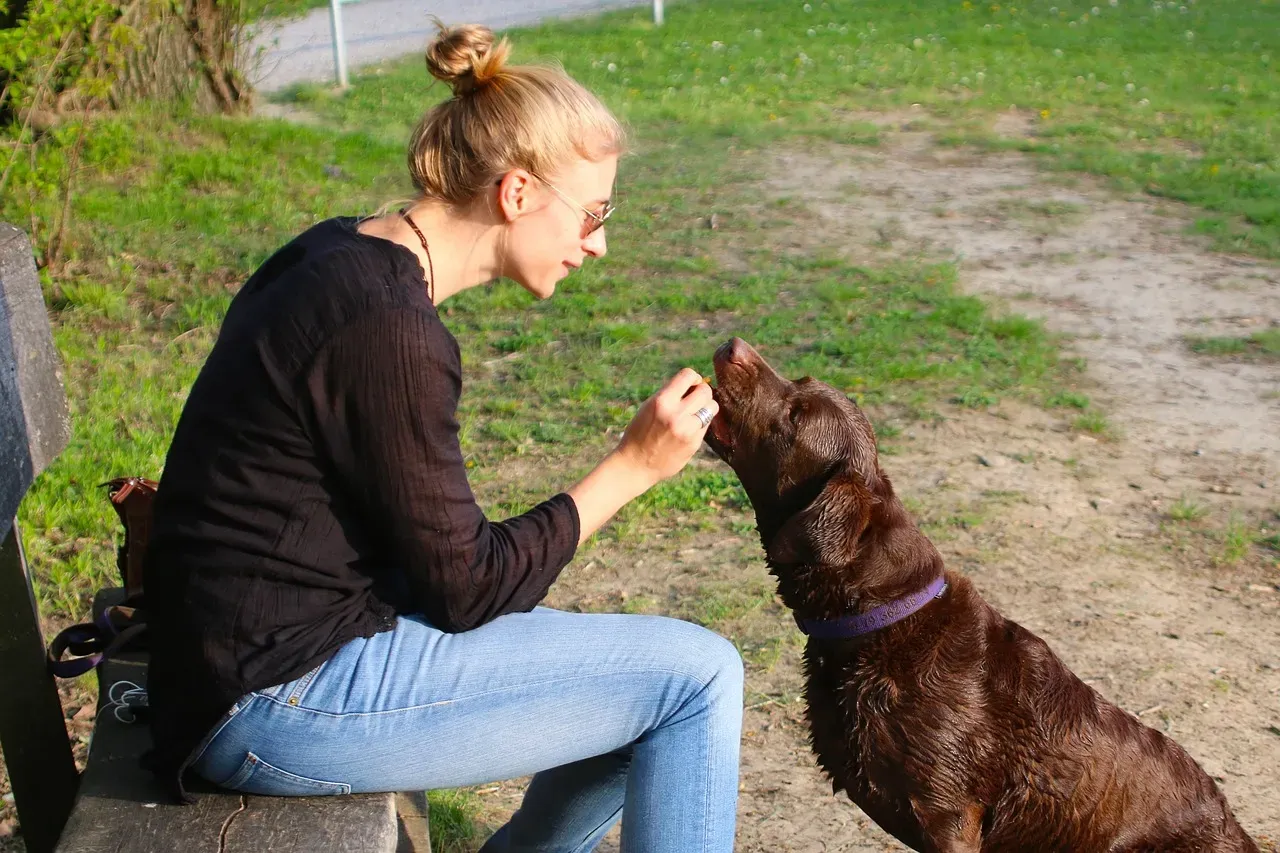
Another sneaky habit is using treats, toys, or even the dog’s name as a constant lure instead of a clear communication tool. If every request turns into waving food under the nose or repeating the dog’s name a dozen times, the dog learns to wait for the bribe or ignore the sound unless something extra appears. Over time, their name and your rewards start to feel like background music instead of important information.
Fixing this pattern means separating bribery from reward. You want your dog to respond first, then learn that good things follow, not the other way around. Their name should become a powerful attention cue, not a vague noise they hear all day with no consequence. That usually means saying the name once, marking and rewarding eye contact, and resisting the urge to sing it repeatedly like a chorus. When name, cue, and reward fall into a clean sequence, dogs typically become more responsive – not because you have “more control,” but because the world suddenly makes sense to them again.
Conclusion: Your Dog Is Not Stubborn – They’re Just a Great Student
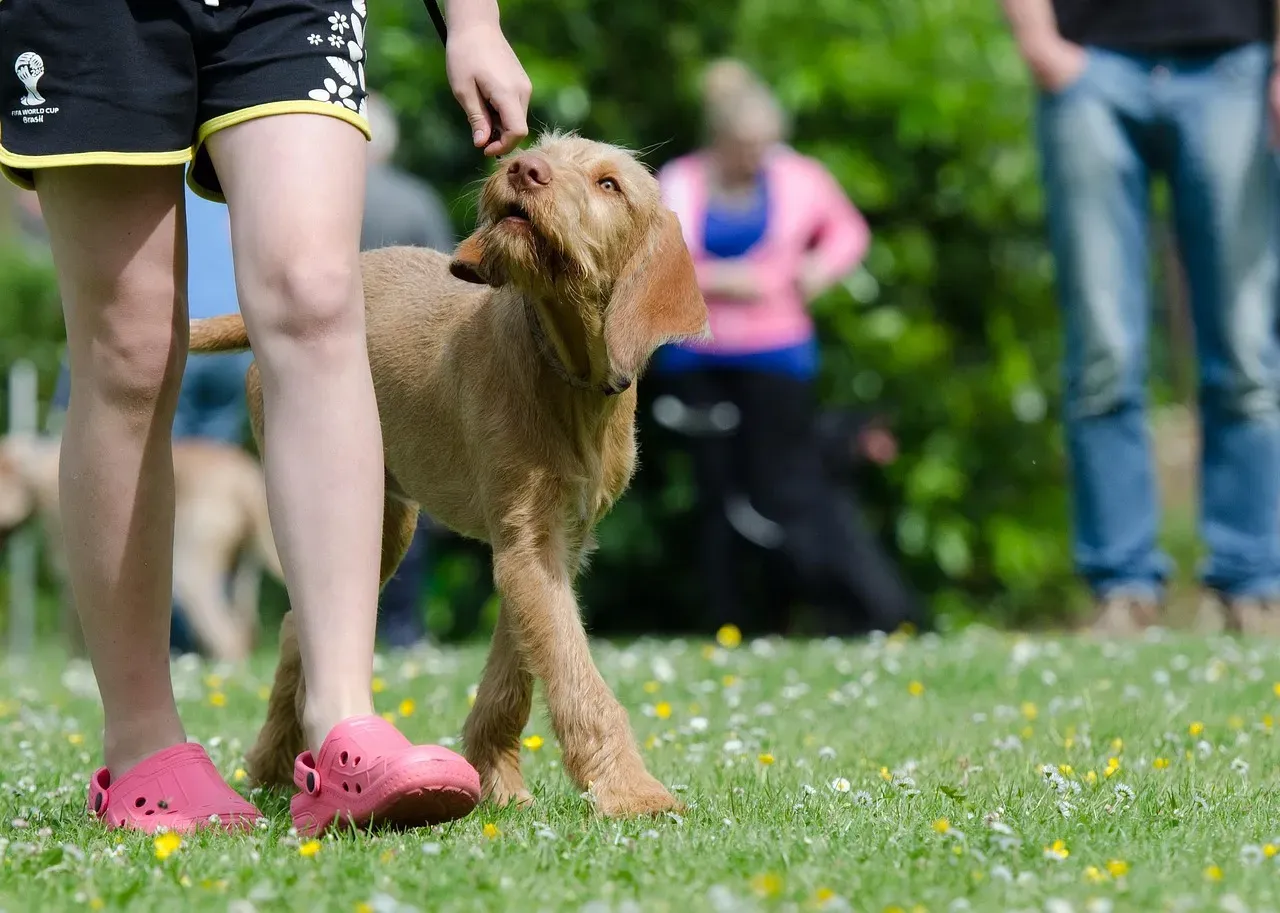
If there’s one humbling truth about living with dogs, it’s this: they are always learning, whether we intend to teach or not. Many of the behaviors that frustrate owners the most – pulling, jumping, barking, ignoring cues – are actually signs that the dog has learned exactly what the environment has been telling them, again and again. In that sense, a “badly behaved” dog is often just a very effective student of mixed messages and accidental rewards.
The hopeful part is that the moment you see it that way, the story changes. Instead of fighting your dog’s personality, you start editing what you reinforce, tightening up your own habits, and building the kind of consistency their brain craves. It takes time and humility to admit, “I helped create this,” but it is also strangely empowering – because if you helped build the problem, you can help build the solution. When you look at your dog’s worst habit, are you willing to ask what you might have been teaching all along?


