
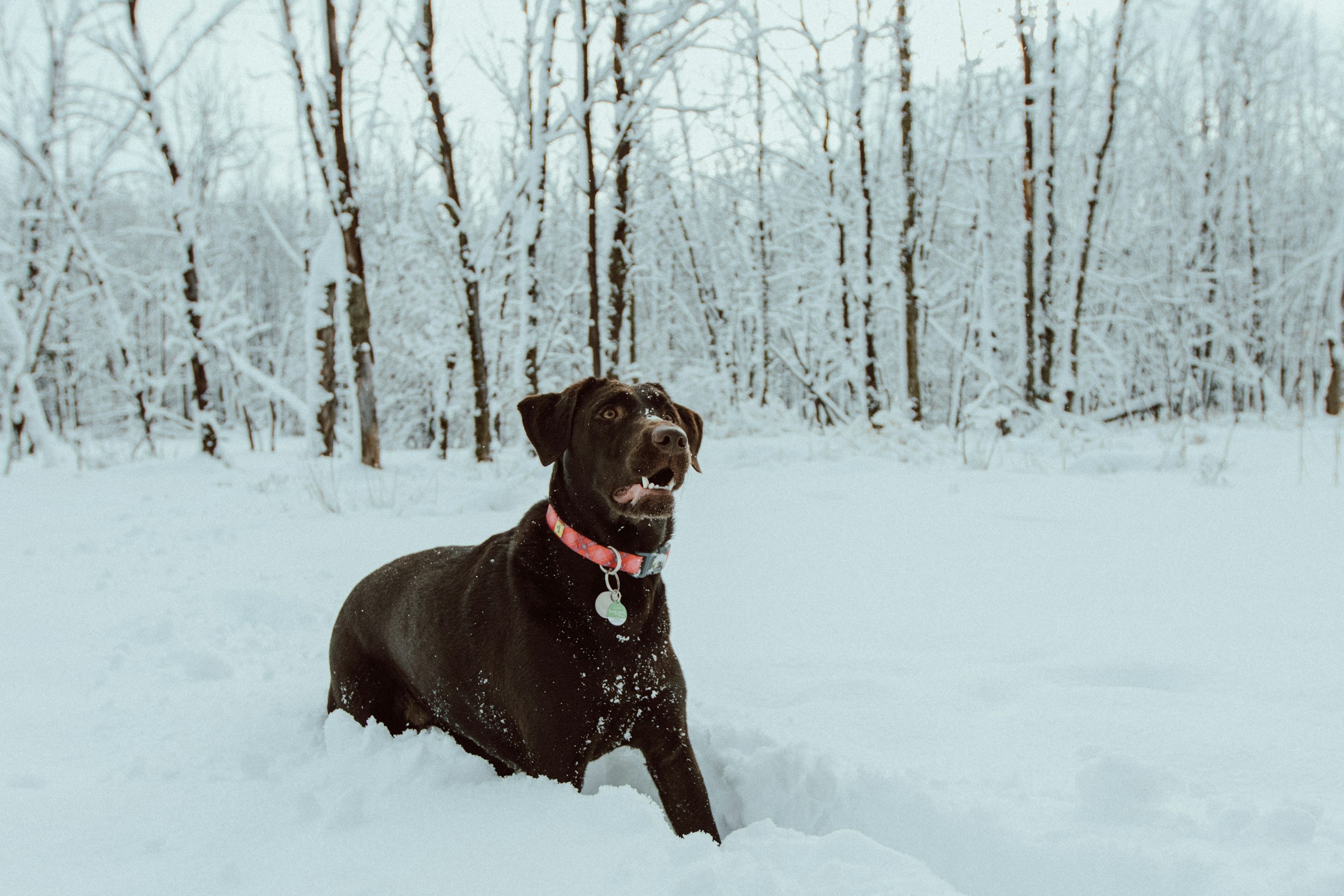
If you grew up being told that a wagging tail means a dog is happy, you’re not alone. A lot of us walk through the world with that belief tucked in our back pocket, trusting a quick tail swish the way we trust a friendly wave from across the street.
But dogs are more complicated than that. That same wag can signal excitement, anxiety, arousal, or even a warning, and if you misread it, you can get hurt or seriously scare a dog that was begging you to back off. Once you start learning what behaviorists actually look at, it feels a bit like putting on glasses you didn’t know you needed – suddenly, everything your dog does has layers. Let’s pull that apart, one body signal at a time.
Why Tail Wags Are Easy To Misread
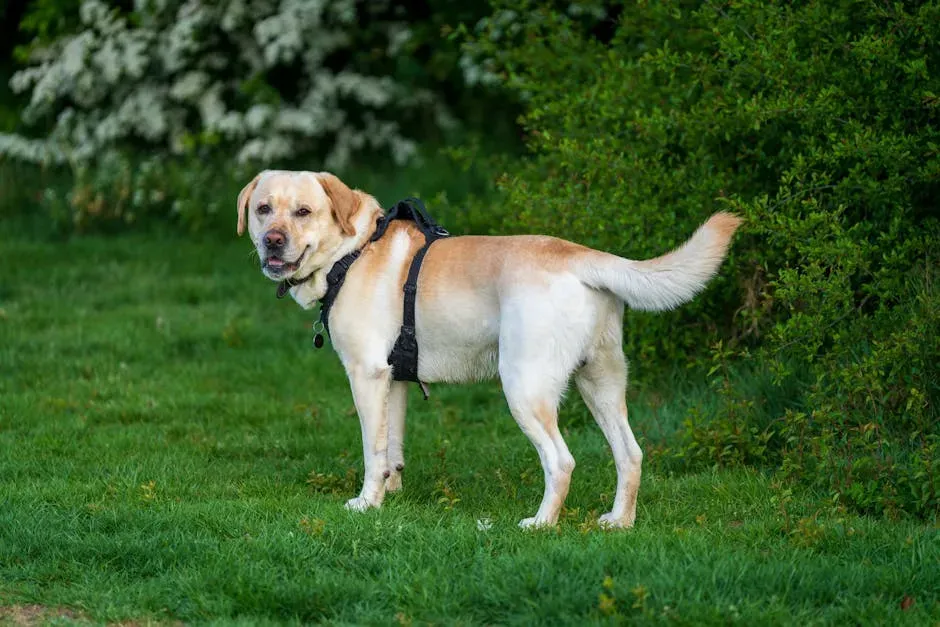
It’s tempting to treat a dog’s tail as a simple happiness meter, but animal behavior research paints a much messier picture. Dogs wag their tails in high-arousal moments: that can be joy, frustration, fear, anticipation, or a mix of all of the above. The movement is linked to emotional intensity, not just positive feelings.
On top of that, different breeds carry their tails differently. A husky’s loose, high curl and a greyhound’s low, tucked tail do not start from the same “neutral” position, which means the same wag angle can mean totally different things. Once you realize that a wag is just one piece of a bigger puzzle, relying on it alone starts to feel as risky as judging a person’s mood from a single text message.
Tail Position, Speed, And Direction Matter More Than “Wag Or No Wag”
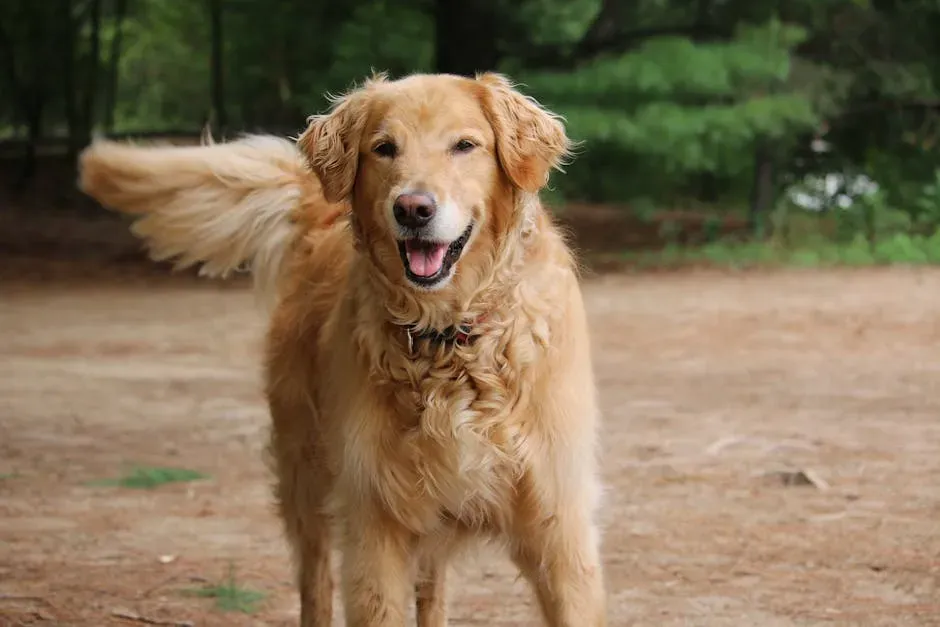
Behaviorists pay close attention to how a tail is held, how fast it moves, and in some cases even which side it favors. A loose, mid-height wag with the hips swaying often goes with relaxed, friendly behavior, especially if the rest of the dog’s body is soft. A fast, stiff, high tail that looks like it’s vibrating can signal tension or challenge rather than playfulness.
Context changes things too. A low tail that is gently swishing might mean calm interest in one dog and nervous uncertainty in another, depending on ear position, facial expression, and what else is happening. Some studies have suggested dogs wag slightly more to one side when they feel generally more positive and to the other side when they feel more negative, but in everyday life that’s not something a casual observer can reliably use. It’s smarter to treat the tail as a headline, then read the rest of the body as the fine print.
Eyes, Ears, And Mouth: The “Face” Of A Dog’s Mood

One of the most overlooked clues is a dog’s eyes. Soft, almond-shaped eyes with slow blinks usually indicate relaxation, while wide, round eyes that show a lot of white – sometimes called “whale eye” – are a red flag for discomfort or fear. If a dog is wagging but also staring hard or looking away while showing the whites of their eyes, that is not a safe, relaxed dog.
Ears and mouth add more nuance. Forward, pricked ears can show curiosity or confrontation; ears pinned tightly back can signal fear or intense stress. A relaxed dog’s mouth is often slightly open, with loose lips and maybe a gentle pant. In contrast, a closed, tight mouth, lips pulled back, or teeth flashing (even briefly) tell you this dog is not in a friendly headspace, no matter what the tail is doing.
Posture, Weight Shift, And The “Freeze Before The Storm”
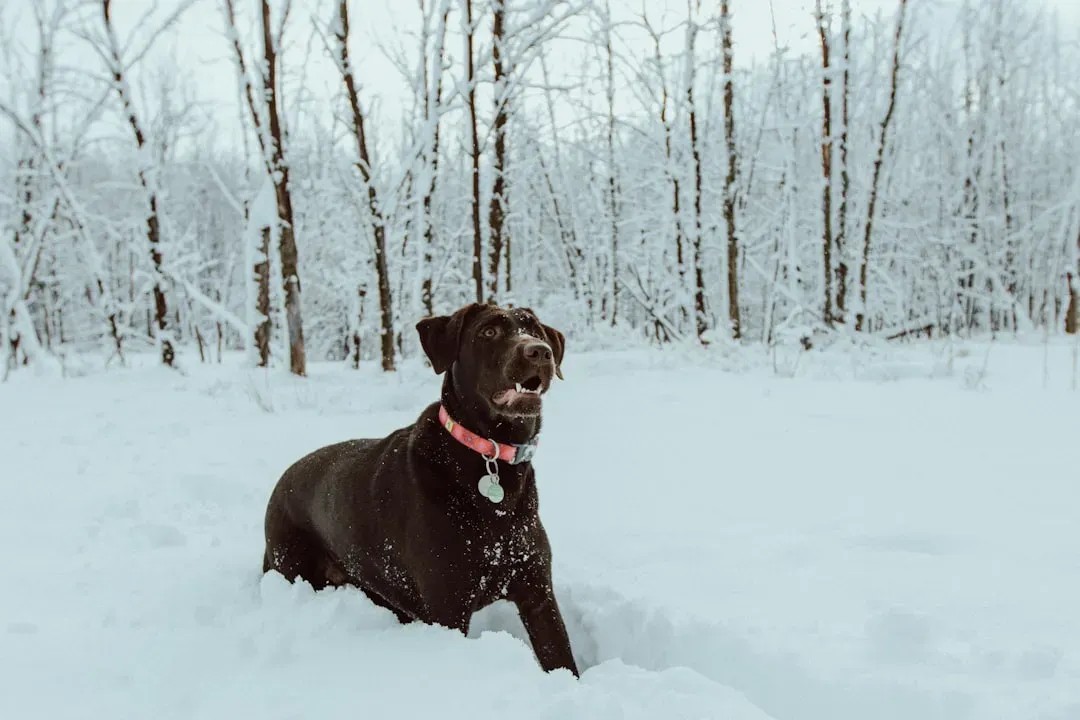
Dogs continually shift their weight and posture to tell the world how they feel. A loose body with wiggly hips and a curved spine usually belongs to a social, approachable dog. A dog standing tall, chest out, tail high and stiff, sometimes on tiptoes, is broadcasting confidence and possible challenge, not an open invitation to cuddle.
One of the most important signals to learn is the freeze. Many dogs pause and stiffen for a moment before snapping or biting. That moment can be so short that people miss it, especially if they’re distracted by a wagging tail. Any sudden stillness in a dog that was moving – especially if paired with a hard stare or closed mouth – is your cue to stop, back off slightly, and give the dog space.
Calming Signals: The Subtle Ways Dogs Say “I’m Uncomfortable”
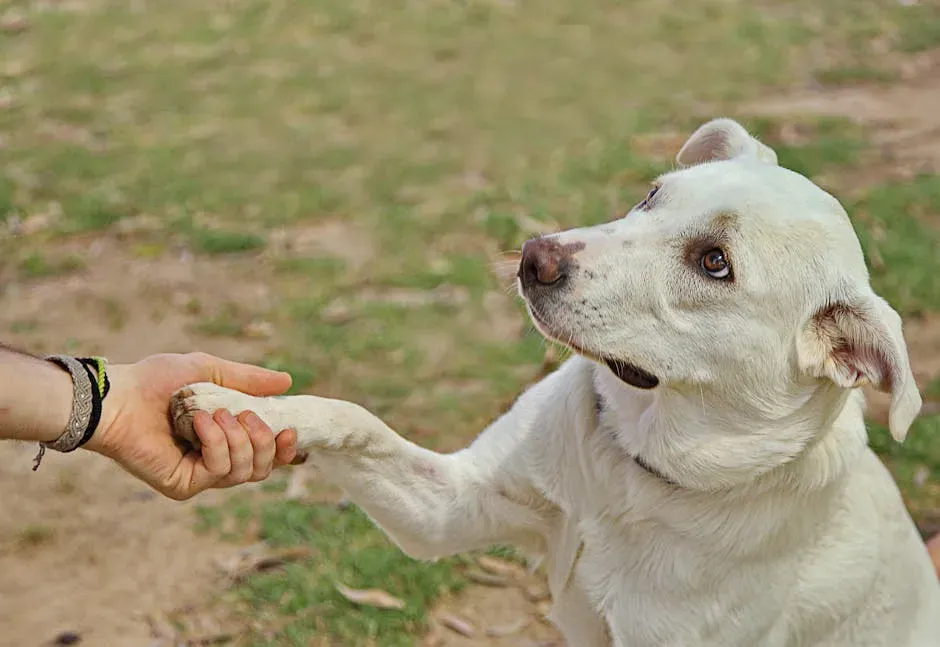
Dogs use a whole library of subtle behaviors to defuse tension and avoid conflict, often called calming signals. You might see lip licking when there is no food around, yawning out of context, turning the head away, sniffing the ground for no obvious reason, or suddenly scratching or shaking off. These are the dog version of saying they’re stressed and trying to keep things from escalating.
These signals get missed constantly, especially with children who only notice the dog’s tail or the fact that the dog is not growling. For example, a dog might wag its tail but also repeatedly lick its lips and lean away while someone hugs it. From a human perspective that looks “fine,” but from a canine communication standpoint, the dog is politely begging for that interaction to end. When polite requests are ignored long enough, many dogs eventually skip straight to a growl or bite.
Play Bows, Hackles, And Vocalizations: Sorting Play From Conflict
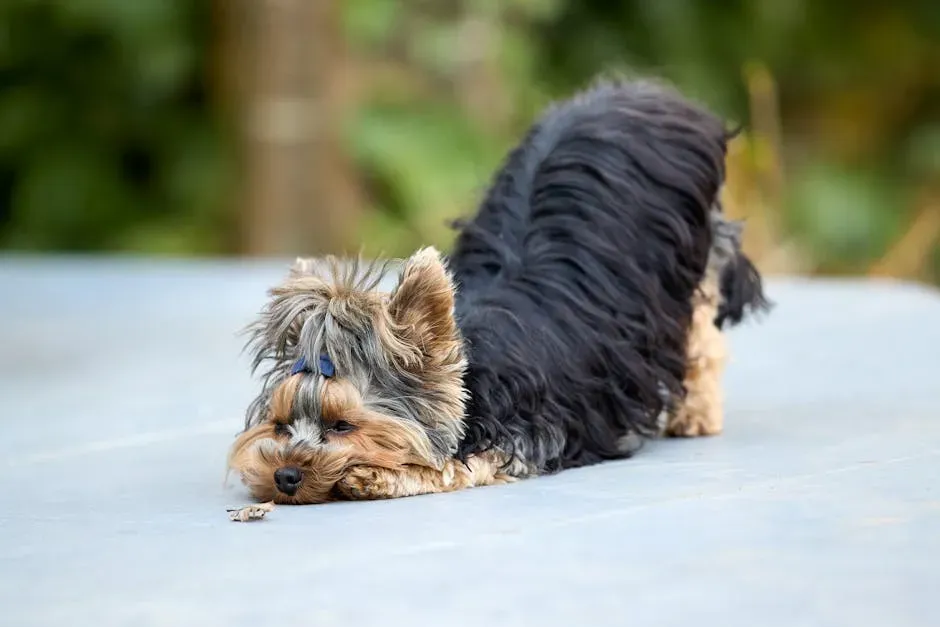
Not all intense behavior is dangerous. The classic play bow – front legs stretched out, rear end up, tail moving in a loose, sweeping motion – is a dog’s way of saying everything that follows is meant as play. You’ll often see exaggerated, bouncy movements, relaxed open mouths, and frequent pauses where both dogs reset and check in with each other.
On the flip side, raised hackles (that line of hair along the spine standing up) do not always mean aggression, but they do mean strong arousal – excitement, fear, or anxiety. Add in low growls, a stiff body, slow, deliberate movements, or a tail held very high or very low, and you’re looking at a situation that can switch directions quickly. The growl in particular is often misunderstood; it’s not a sign of a “bad” dog, it’s a warning that should be respected before the dog feels forced to escalate.
Context Is Everything: Environment, History, And Human Behavior
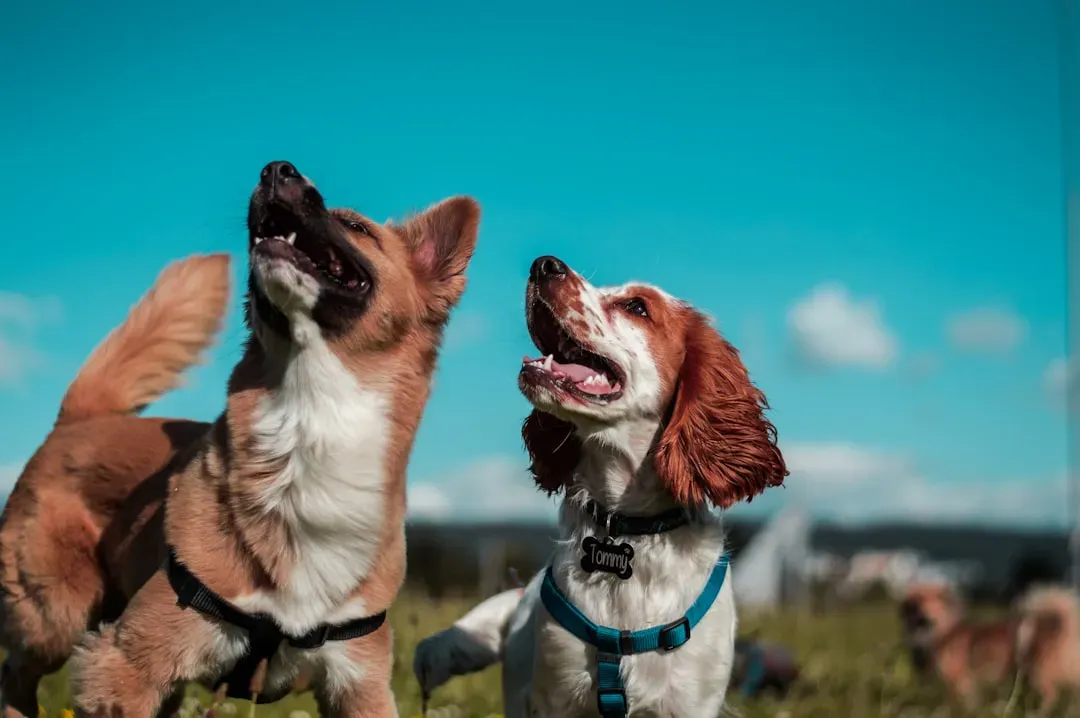
The same body language can mean different things in different situations, which is why behaviorists always weigh context heavily. A dog in a noisy, crowded park with unfamiliar dogs, kids, and scooters whipping by is working much harder emotionally than that same dog chilling at home on the couch. Mild stress signals in a calm environment might be insignificant, but in a chaotic one they can be serious red flags.
Individual history matters just as much. A rescue dog that was poorly socialized or had bad experiences with strangers may never greet new people the way a carefree, well-socialized puppy does. When humans rush in, reach over the dog’s head, or lean in for a hug because they see a wagging tail, they sometimes override that dog’s boundaries. Slowing down, asking the owner, and letting the dog approach you first is more respectful and much safer.
How To Safely Meet A New Dog (And Teach Kids To Do The Same)
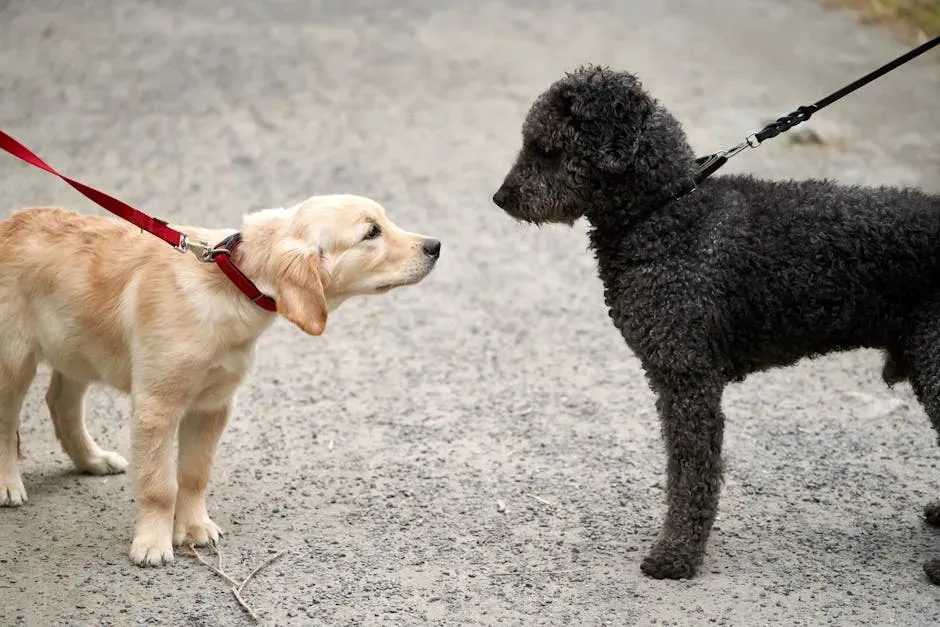
A safe introduction starts with consent – from the owner and from the dog. Always ask the human first, then watch the dog’s body language before you move your hands. Stand sideways instead of head-on, avoid looming over the dog, and offer your hand low and relaxed rather than thrusting it into their face.
If the dog chooses to come closer with a loose body, soft eyes, and maybe a gentle sniff or lean, you can calmly pet along the chest or shoulders instead of going straight for the top of the head or a hug. If the dog hesitates, turns away, licks its lips, stiffens, or shows any of those subtle stress signals, that is your answer – even if the tail is wagging. Teaching kids that a wagging tail is just one vote among many, not an automatic yes, is one of the most powerful safety lessons you can give them.
Opinionated Take: Stop Romanticizing Dogs And Start Respecting Them
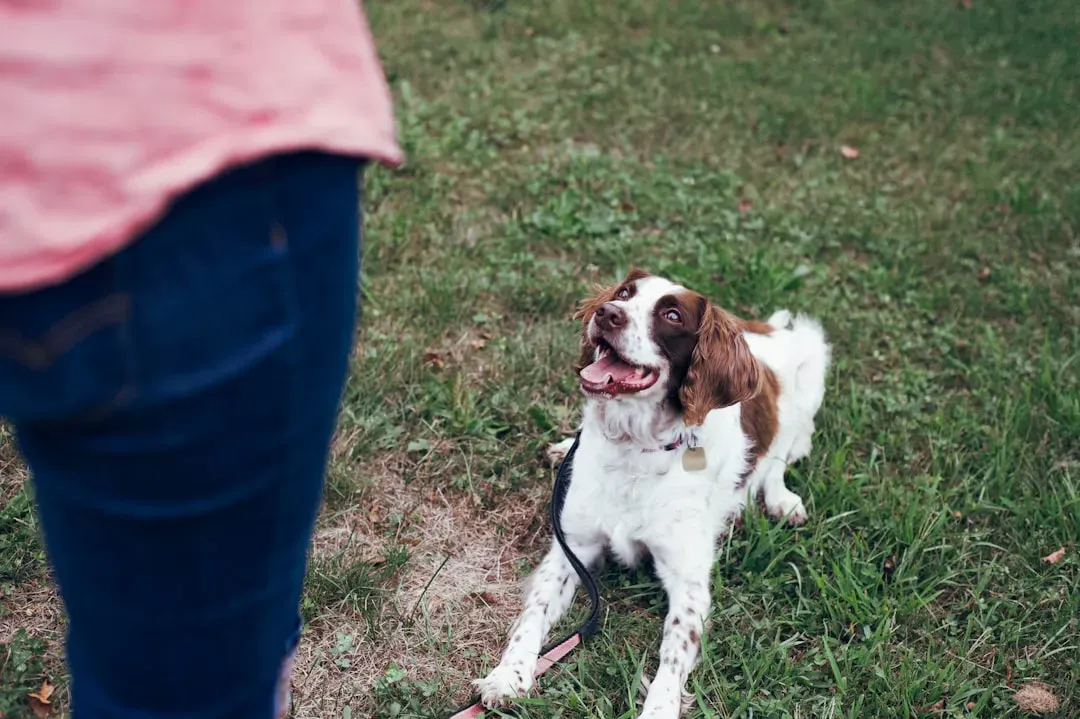
We love to talk about dogs as if they’re endlessly forgiving angels who exist only to love us, and honestly, that does them a disservice. When we cling to simple myths like “wagging tail equals friendly,” we put pressure on dogs to tolerate anything we do, instead of meeting them halfway as thinking, feeling animals with boundaries. In my view, a lot of so-called “sudden bites” are really just humans ignoring a whole series of signals the dog was screaming in a language we never bothered to learn.
Respecting dogs means getting comfortable with complexity: a wag can be nervous, a growl can be honest communication, and a dog that walks away from your kid might be the most responsible one in the room. The more we treat canine body language as real communication instead of cute background noise, the safer and happier everyone becomes. Next time you see a wagging tail, ask yourself not just “Is this dog happy?” but “What is the rest of the body saying?” – and how different would your answer have been a year ago?


