
Most dog owners would do anything for their dogs. The good food, the cozy beds, the spontaneous mid-afternoon belly rubs – none of it feels like effort. It feels like love. So here’s the uncomfortable truth: some of the habits that feel most loving are actually the ones doing the most quiet damage.
As pet parents, we always try our best to give our dogs a happy, healthy life, but sometimes even the most well-meaning choices aren’t enough. There are daily habits that can actually shorten a pup’s life, and even excellent pet parents may not be aware of them. These aren’t dramatic mistakes. They’re small, ordinary things – the extra treat, the skipped walk, the “he seems fine” that replaces a vet visit. Repeated over months and years, though, they add up. The good news is that every single one of them is fixable.
1. Overfeeding: When Love Looks Like an Extra Scoop
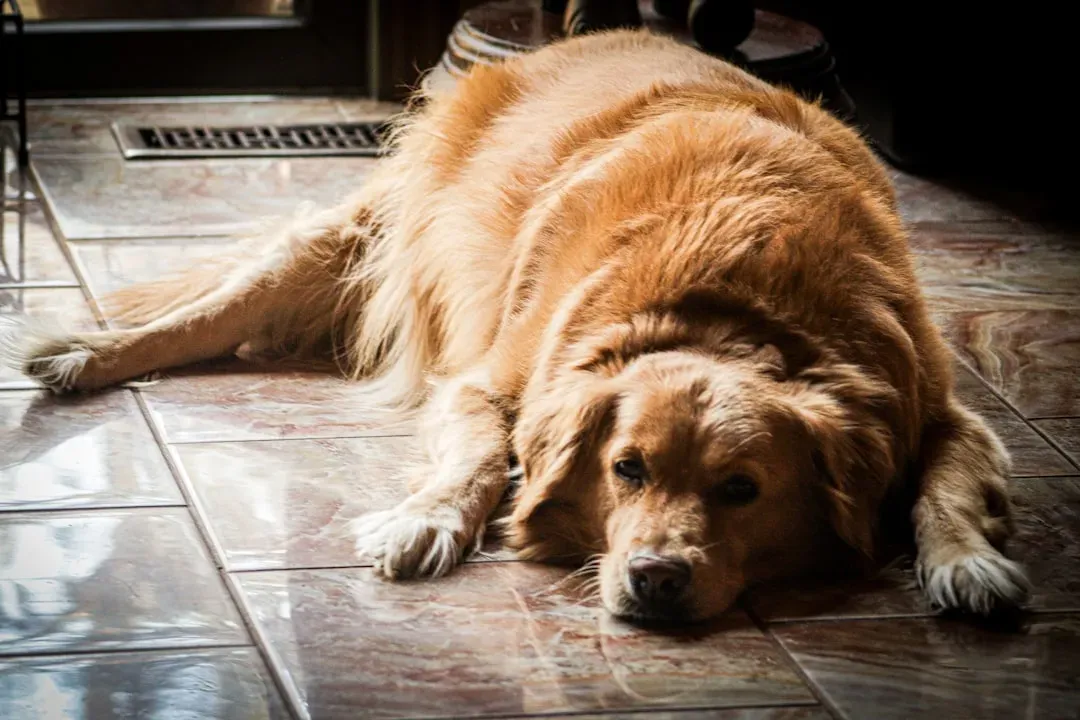
It’s one of the most common ways people accidentally harm their dogs, and it almost always comes from a good place. Many loving dog owners show affection through food – a few extra scoops at mealtime, an extra treat after a walk. While well-intentioned, overfeeding can quietly lead to serious health problems that affect a dog’s energy, joint health, and even lifespan. The trouble is that the damage builds gradually, making it easy to miss until it’s already significant.
Recent studies show that over half of dogs in developed countries are overweight or obese, primarily due to overfeeding and insufficient exercise. This growing problem has serious implications for longevity, potentially reducing a dog’s lifespan by up to two years. The fix starts simply: use a measuring cup at every meal, base portions on your dog’s ideal weight (not their current one), and make sure treats account for no more than roughly one-tenth of their daily calories. The right amount of food depends on age, weight, breed, activity level, and health conditions – so when in doubt, ask your vet to help you dial in the right portion.
2. Skipping Dental Care: The Quiet Destruction Inside That Mouth
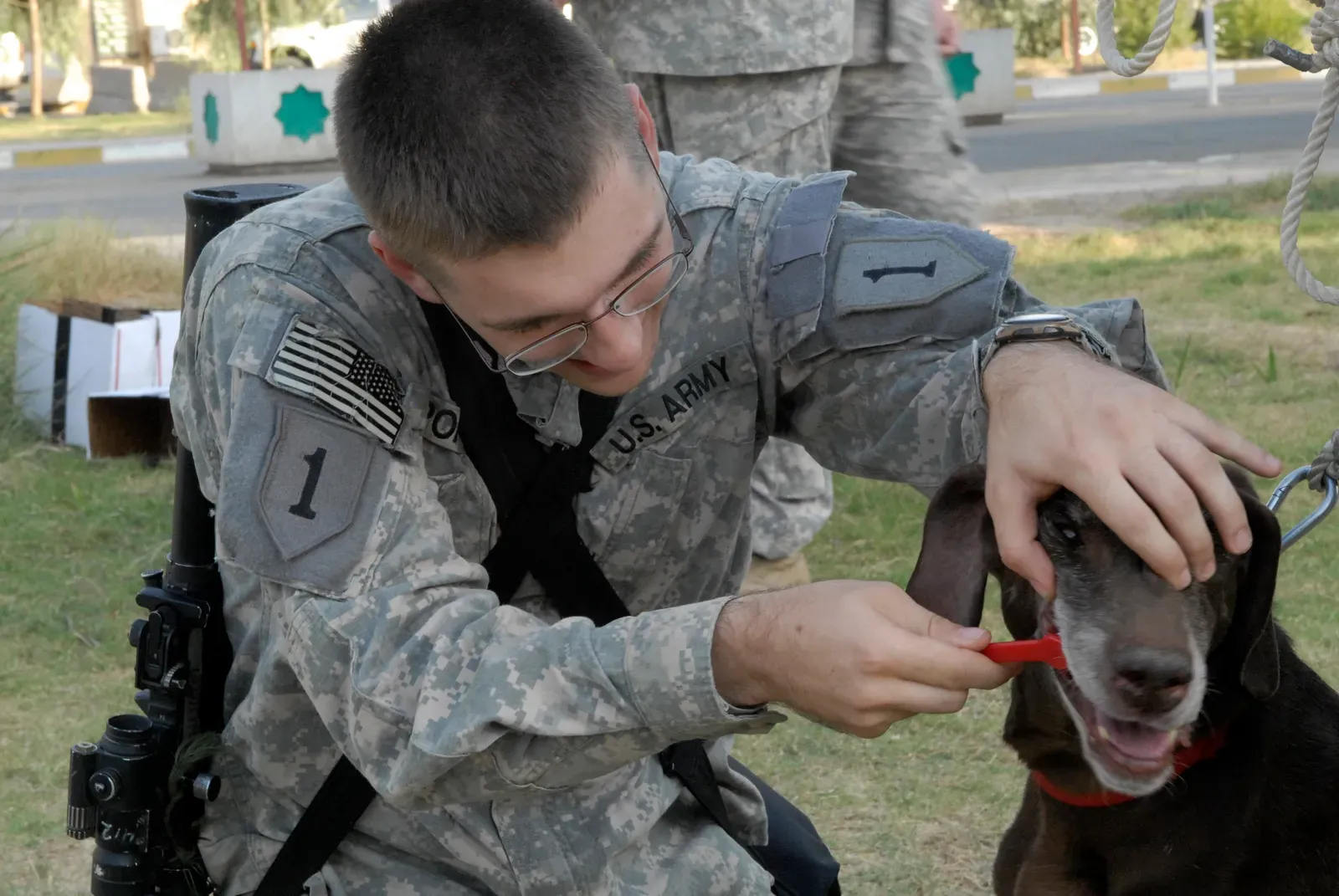
Bad breath in dogs often signals more than just stinky kisses – it can indicate gum disease, which affects around roughly four out of five dogs over the age of three. Untreated dental disease can lead to pain, tooth loss, and systemic infections that affect the heart and kidneys. Most owners simply don’t think about their dog’s teeth daily, and the problem grows in silence.
If plaque isn’t routinely removed from a dog’s teeth, it hardens into tartar, which becomes the perfect environment for anaerobic bacteria. These bacteria are aggressive and destructive, resulting in gingivitis, periodontitis, and tooth loss. Beyond that, the harmful bacteria are swallowed routinely and can wreak havoc on the kidneys, heart, and other body systems. Daily brushing with a dog-safe toothpaste is the gold standard. If your dog won’t tolerate a brush yet, start with a finger brush or dental wipes and work up gradually. Regular professional cleanings through your vet are equally important.
3. Skipping or Delaying Vet Checkups
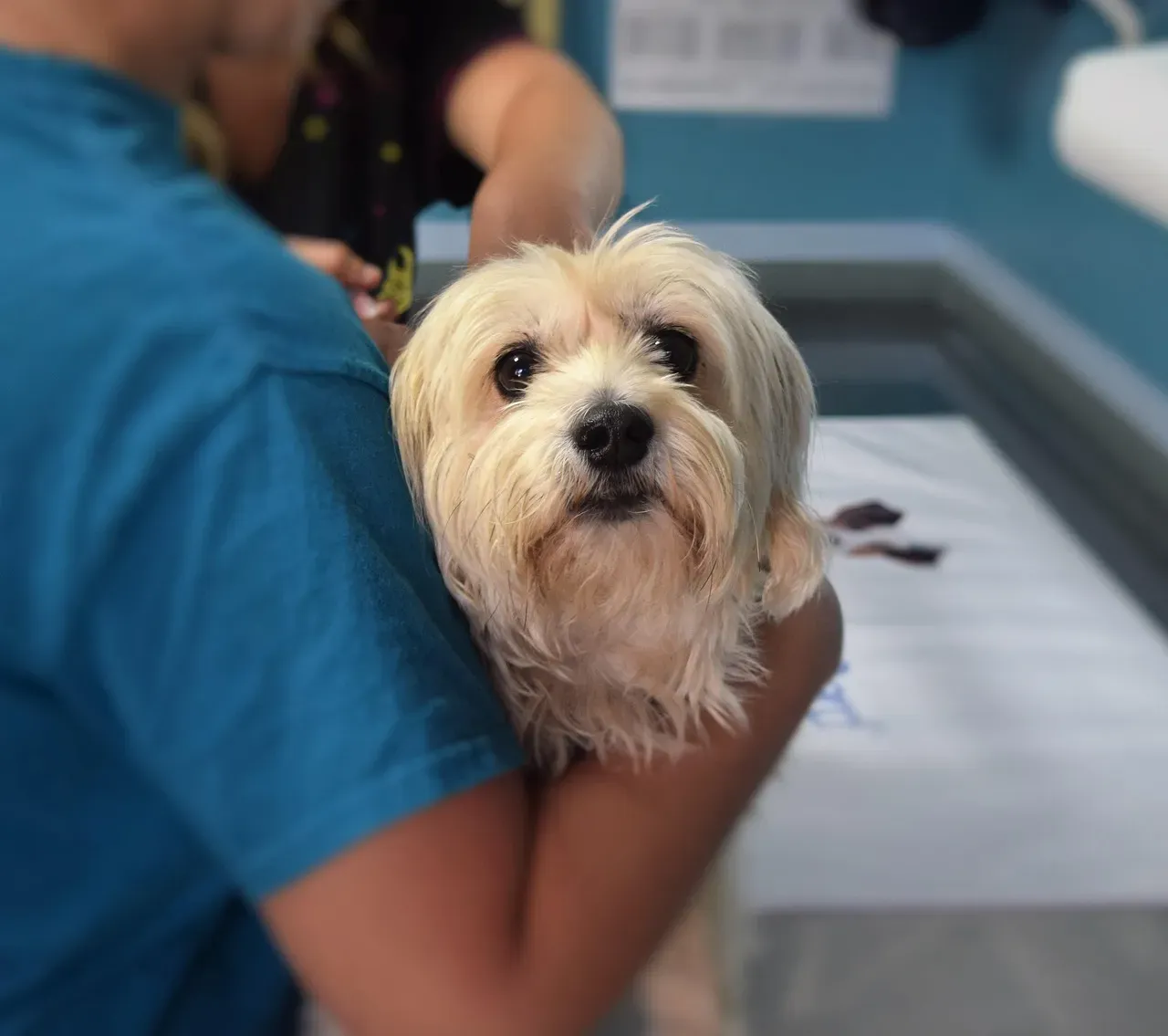
It is easy to delay a veterinary visit when your pet seems happy, active, and healthy. Many pet owners assume that if there are no obvious symptoms, a vet appointment can wait. Unfortunately, some of the most serious health conditions in dogs develop quietly. By the time signs appear at home, the disease may already be advanced. Dogs are remarkably good at masking discomfort, which makes routine screening genuinely critical – not optional.
Yearly wellness exams are recommended for healthy adult dogs between one and seven years old. During the exam, your vet will perform a head-to-tail examination to look for early signs of illness or other issues, such as tooth decay, joint pain, or parasites. Senior dogs at age seven and beyond require twice-yearly examinations because disease progression accelerates in older animals. A senior dog’s kidney values can shift significantly between annual visits, and waiting twelve months means missing the window for dietary intervention that slows decline. Think of vet visits not as reactive measures but as your earliest warning system.
4. Ignoring Parasite Prevention

Skipping monthly preventatives can be a fatal mistake. Heartworm, fleas, ticks, and intestinal worms are not just nuisances – they are genuine threats to a dog’s long-term health. If left untreated, parasites can lead to significant health issues for your dog. What makes this habit particularly dangerous is that many parasites show no obvious signs for weeks or months.
It’s easy to assume fleas, ticks, and worms only affect pets that go outside, but parasites are surprisingly good at finding their way indoors. Fleas and ticks can hitch a ride into your home on shoes, clothing, or other pets. They can also live in carpets, bedding, and furniture once inside. Even in colder months, indoor environments provide enough warmth for parasites to survive and multiply. Year-round preventatives prescribed by your vet are the most reliable defense, regardless of your dog’s lifestyle or your climate.
5. Feeding Table Scraps and Toxic Human Foods

That look your dog gives you when you’re eating dinner is hard to resist. Most people slip something under the table without a second thought. In addition to adding extra and unnecessary calories, pet parents risk inducing pancreatitis by feeding their dog fatty table scraps. Many foods humans consume are extremely high in fats and sugars compared to what pets should be exposed to, and certain human foods including garlic and chocolate can be toxic to pets if consumed.
Many well-meaning owners share human foods without knowing the risks. Common items like chocolate, grapes, onions, xylitol found in sugar-free gum, and even fatty scraps can be toxic or harmful to dogs. A moment of indulgence can lead to organ failure or even death. If you want to give your dog something special during family meals, keep a small stash of dog-safe treats nearby, like plain cooked chicken or a baby carrot. The gesture of giving is what counts to them, not what’s in your hand.
6. Not Exercising Your Dog Consistently
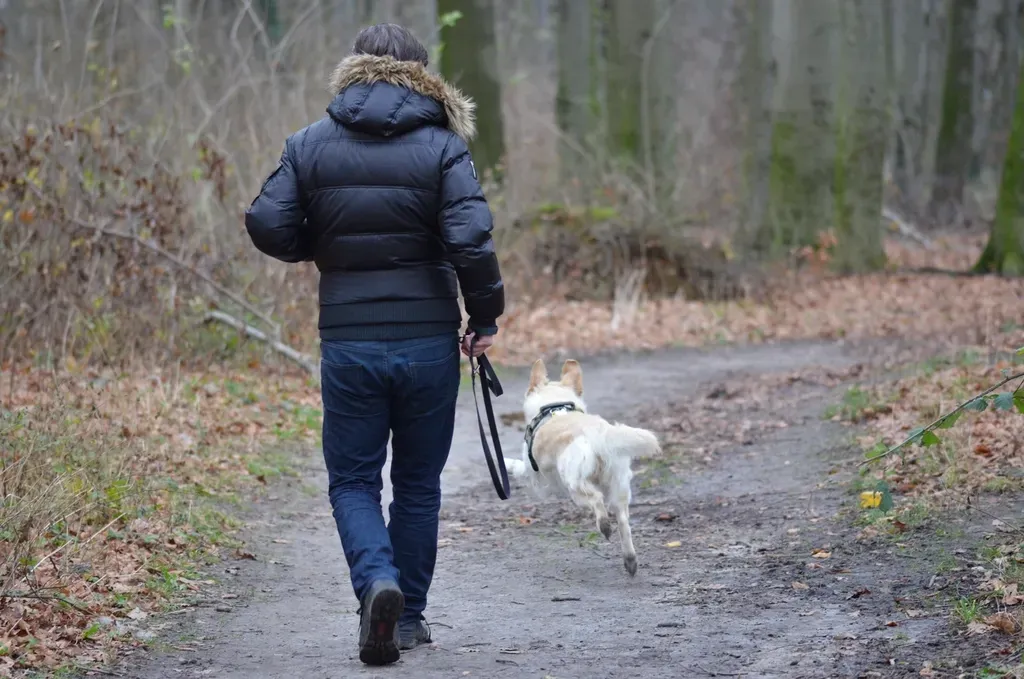
From an evolutionary perspective, dogs were designed to be nomadic animals, driven to roam or work. When they are denied regular exercise, they are likely to suffer both mentally and physically. Dogs, like humans, require exercise to strengthen their cardiovascular systems and maintain good health. It’s not enough to make up for three missed walks with one long weekend hike. Consistency matters far more than intensity.
Physical activity is vital for a dog’s physical and mental well-being. Dogs that don’t get enough exercise are more prone to obesity, anxiety, and destructive behaviors. Regular walks, playtime, and mental stimulation help keep their bodies and brains sharp. The amount of exercise your dog needs depends on breed, age, and health status, but even fifteen to thirty minutes of purposeful movement daily makes a meaningful difference. Keeping up your pet’s fitness routine gives them a healthy way to expel energy, engage their mind, and improve overall mood.
7. Neglecting Mental Stimulation
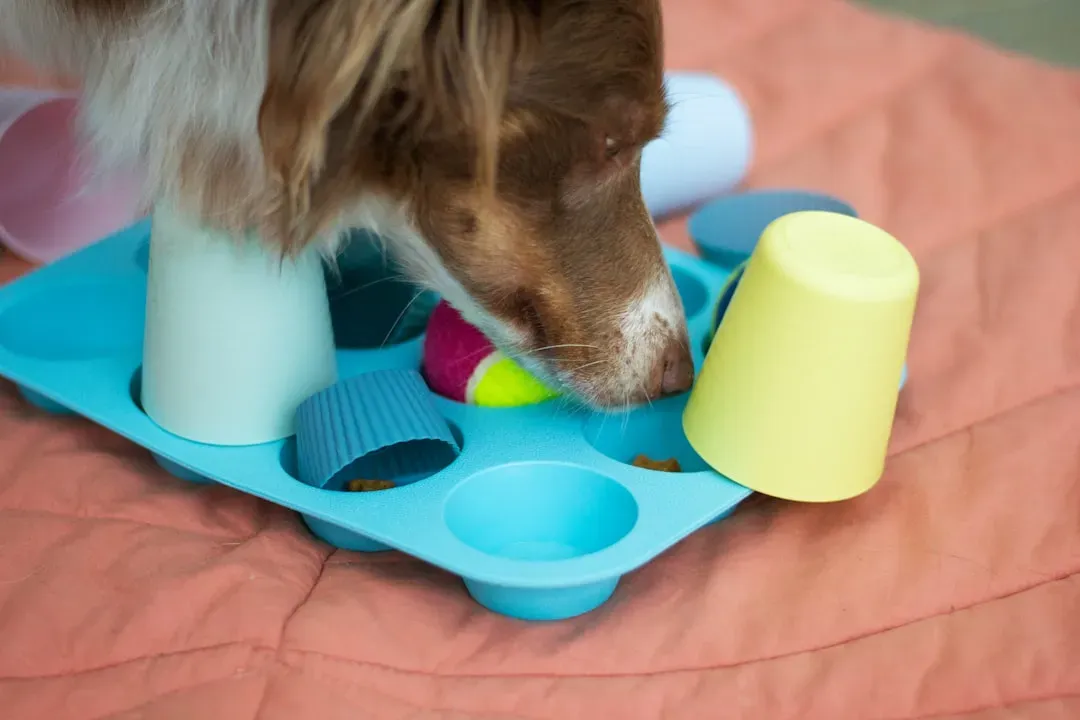
A dog who has been exercised but not mentally engaged is a bit like a person who ran five miles but spent the whole day alone with no conversation, books, or purpose. The body is tired, but the mind is restless. Without proper mental stimulation, a canine companion can become bored, anxious, and even depressed. This is especially true for high-energy breeds or working dogs who are used to having jobs to do.
Many canine behavior problems are caused by boredom or a lack of mental stimulation. Research has shown that mental enrichment is just as important for dogs as physical exercise – increased mental activity results in improved mental health and cognitive function. It builds confidence, releases stress, and strengthens the mutual bond. In short, your dog will live a happier life. Puzzle feeders, new walking routes, short training sessions, and even hide-and-seek games at home are low-effort ways to keep a dog’s mind genuinely active. Sniffing has been shown to decrease a dog’s heart rate and release dopamine, the “happy” brain chemical.
8. Dismissing Behavioral Warning Signs as “Just a Phase”

When a dog suddenly starts chewing furniture, pacing at night, or refusing food, it’s tempting to chalk it up to mood or mischief. Sometimes it is. Often, though, pets without adequate mental and physical stimulation develop problem behaviors such as chewing, barking, or scratching – and these behaviors are not signs of a “bad pet” but rather expressions of boredom, anxiety, or frustration. Behavioral changes can also be the first sign of physical illness.
Limping, lethargy, vomiting, coughing, or behavioral changes are never “just part of getting older.” Many owners dismiss these warning signs, leading to missed diagnoses of treatable conditions. The key habit to build here is observation. Keep a loose mental log of your dog’s normal energy, appetite, and temperament. When something shifts, even slightly, take it seriously. You know your dog better than any vet does, and your early attention to changes can be life-saving.
9. Exposing Your Dog to Secondhand Smoke
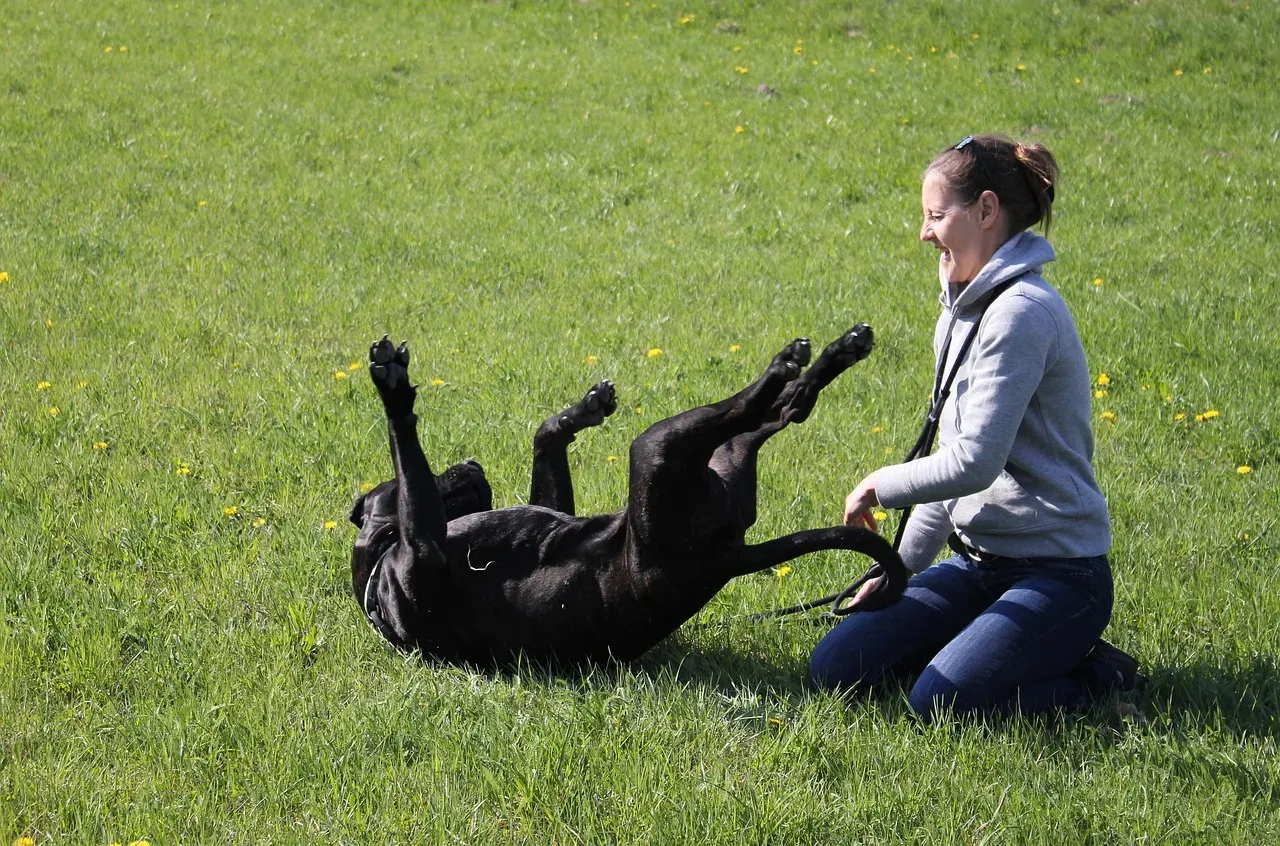
This one often surprises people. The assumption is that smoke primarily affects whoever is doing the smoking. Secondhand smoke affects dogs in a similar manner as humans, reducing the function of lung tissue and increasing the risk of cardiovascular disease and cancer. For dogs, nasal and lung cancer are most common, while allergies and respiratory problems can also occur.
Just like humans, canine lungs are not equipped to handle smoke being blown at them all day. Secondhand smoke can be extremely detrimental to pets, causing all sorts of ailments such as an increased cancer risk and harmful respiratory issues. If you smoke, stepping outside and away from your dog for each session is one of the simpler changes with a genuinely meaningful impact on their long-term lung health. Dogs spend most of their time at floor level, where smoke residue and particles linger longer than most people realize.
10. Free-Feeding Without Structure
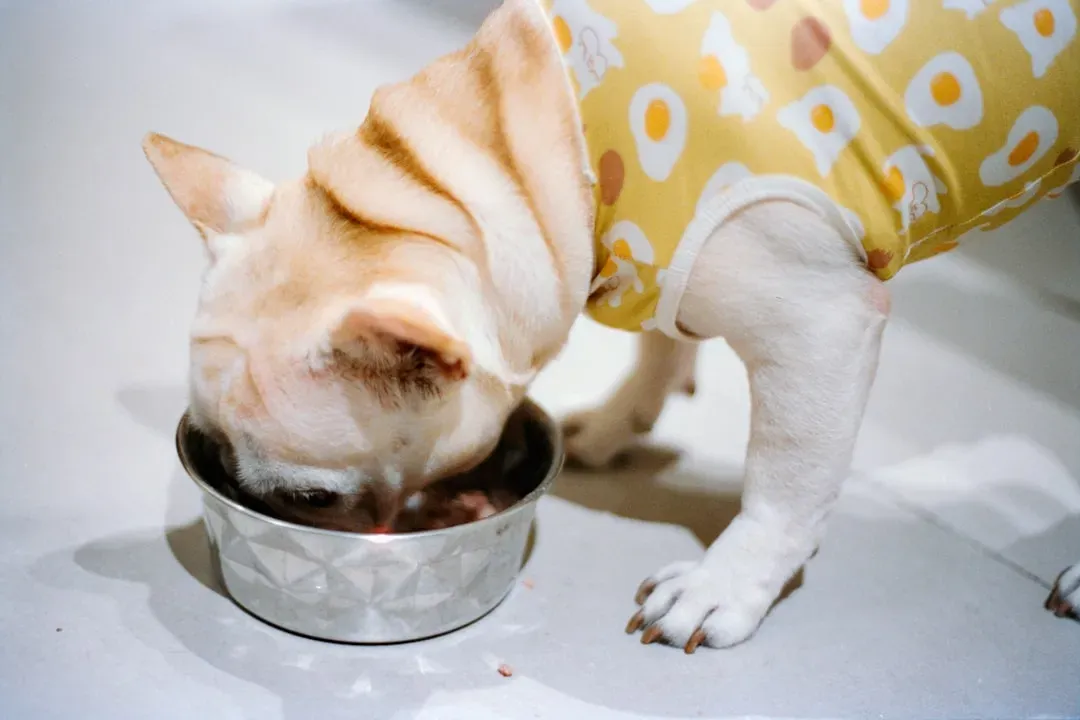
Leaving a bowl full of food out all day sounds generous, but it actually works against your dog in several ways. Free-feeding makes it nearly impossible to monitor how much your dog actually eats, which is one of the first indicators of health changes. A structured feeding schedule helps regulate metabolism, digestion, and behavior. Without it, dogs often graze habitually rather than eating out of genuine hunger.
Dogs may beg due to learned behavior, boredom, or habit rather than genuine hunger. Begging doesn’t necessarily indicate undernourishment and shouldn’t be rewarded with extra food. Transitioning to two measured meals a day gives you a clear daily picture of your dog’s appetite, makes portion control effortless, and also gives your dog something to look forward to. Routine is not boring to a dog – it’s actually deeply comforting.
11. Skipping Spaying or Neutering Without Veterinary Guidance
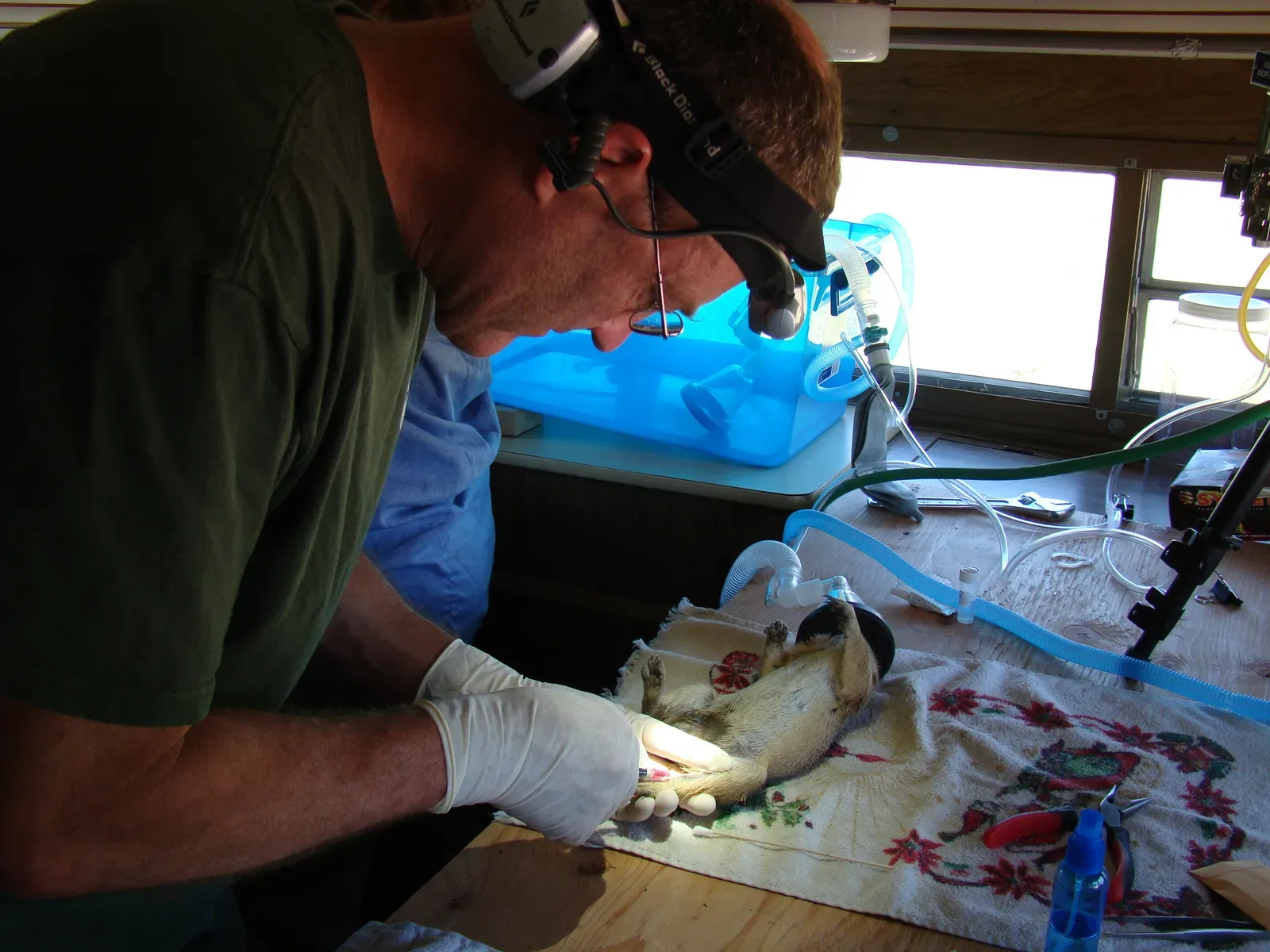
Forgoing spaying and neutering can be dangerous to your dog’s health. Spaying and neutering is still one of the best ways to reduce the risk of several cancers, as well as the behavioral issues seen with intact dogs. Each heat cycle a female dog goes through increases her likelihood of developing mammary cancer. Intact males are also more likely to develop prostatic diseases and testicular cancer than their neutered counterparts.
Beyond preventing unwanted litters, spaying or neutering your dog has significant health benefits. It can reduce the risk of certain cancers and infections, and prevent dangerous hormone-driven behaviors like roaming or aggression that could result in injury or death. The timing of these procedures has become more nuanced in recent years, particularly for large breeds, so it’s worth having an honest conversation with your vet about what timeline makes the most sense for your specific dog. Breed, size, and individual health history all factor into the ideal window.
The Bigger Picture: Small Habits, Big Stakes
None of these habits require a complete life overhaul to fix. Most are small course corrections, and minor changes to your daily routine can make a meaningful difference in your dog’s health and quality of life. The challenge is that these habits tend to be invisible in the short term. A skipped walk here, an extra treat there, a dental cleaning postponed for another month – none of it feels consequential in the moment. Over years, though, the pattern becomes the health outcome.
The dogs in our lives don’t get to choose how they’re cared for. They trust us completely, which is exactly why this knowledge matters. The good news is that all of this is repairable, and it’s never too late to bump up the level of care we put into raising our pets. Every improved habit you build starting today is time added to the life you get to share with them. That’s worth taking seriously.


