
12 Behaviors Rescue Dogs Show in the First Month That Tell You Everything About What Was Done to Them
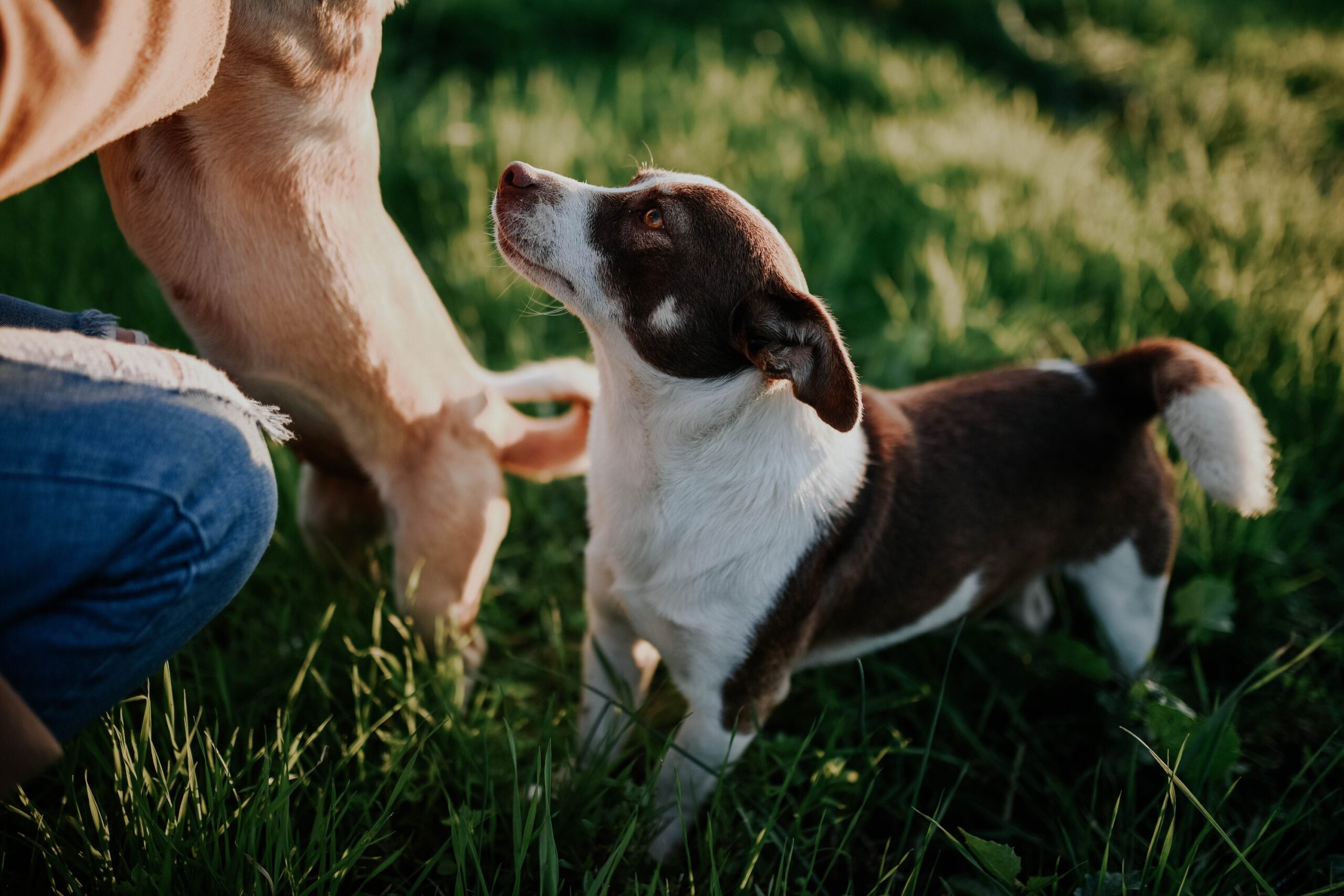
Bringing a rescue dog into your home is a journey filled with hope and compassion. However, the first month can reveal behaviors that hint at their past experiences, especially if they’ve faced neglect or abuse. Understanding these signs is crucial for building trust and providing the care they need.
1. Flinching at Sudden Movements

If your rescue dog recoils or flinches when you move quickly, it may indicate past physical abuse. Such reactions suggest they’ve learned to associate rapid movements with harm.
This behavior is a protective mechanism developed from previous negative encounters. Approaching them calmly and avoiding abrupt gestures can help rebuild their sense of safety.
2. Avoidance of Eye Contact

Dogs that consistently avoid eye contact might have been subjected to intimidation or punishment. In canine communication, direct staring can be perceived as a threat, especially by those who’ve experienced mistreatment.
By giving them time and not forcing interactions, you allow them to initiate contact when they’re ready, fostering trust at their own pace.
3. Excessive Hiding or Withdrawal

A dog that frequently hides under furniture or in secluded areas may be exhibiting signs of fear stemming from past trauma. This behavior indicates they don’t yet feel secure in their new environment.
Creating a quiet, safe space where they can retreat without disturbance can provide comfort as they adjust to their new surroundings.
4. Reluctance to Be Touched
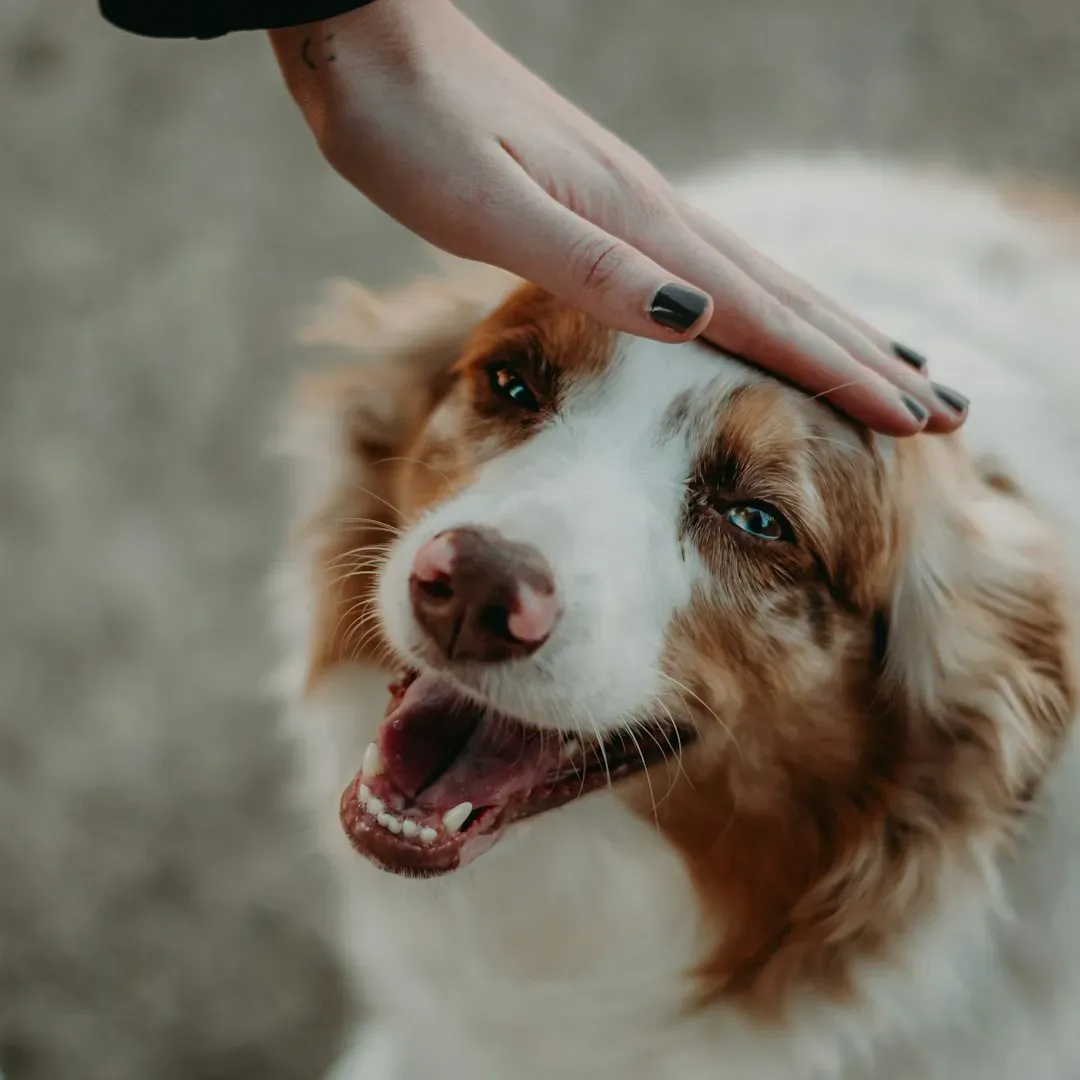
If your dog shies away from physical contact or becomes tense when petted, it could be a sign of previous abuse or neglect. They might associate touch with negative experiences.
Allowing them to approach you for affection and respecting their boundaries can help them learn that human touch can be gentle and comforting.
5. Overreaction to Common Sounds

Dogs that startle easily or show fear in response to everyday noises, like doors closing or appliances running, may have lived in environments where such sounds were associated with negative events.
Gradual desensitization and positive reinforcement can help them become more comfortable with these sounds over time.
6. Food Guarding or Aggression

Protective behavior around food, such as growling or snapping, often stems from past scarcity or competition. They may have had to fight for their meals, leading to a heightened sense of resource guarding.
Establishing a consistent feeding routine and ensuring they have their own space to eat can alleviate this anxiety.
7. Submissive Urination
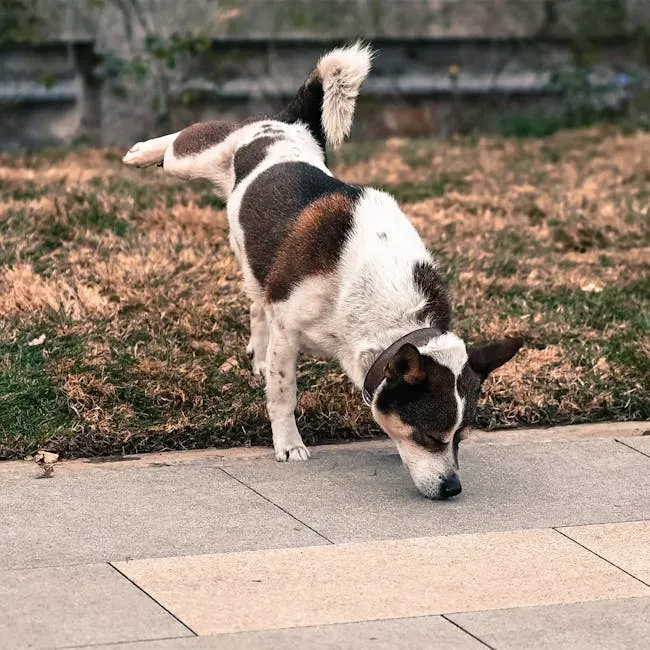
Urinating when greeted or during interactions can be a submissive behavior linked to past punishment or harsh treatment. It’s a dog’s way of showing deference to avoid conflict.
Approaching them calmly and avoiding direct confrontations can help reduce this response as they gain confidence.
8. Reluctance to Go Outside
A dog that hesitates or refuses to go outdoors might have experienced negative events outside, such as abandonment or harsh weather conditions.
Encouraging outdoor time with positive experiences, like treats and gentle play, can help them associate the outdoors with safety and fun.
9. Hypervigilance

Constantly scanning the environment, being easily startled, or having difficulty relaxing are signs of hypervigilance, often resulting from living in unpredictable or threatening situations.
Providing a stable routine and a calm environment can help them feel more secure and reduce anxiety.
10. Fear of Specific Genders or Appearances
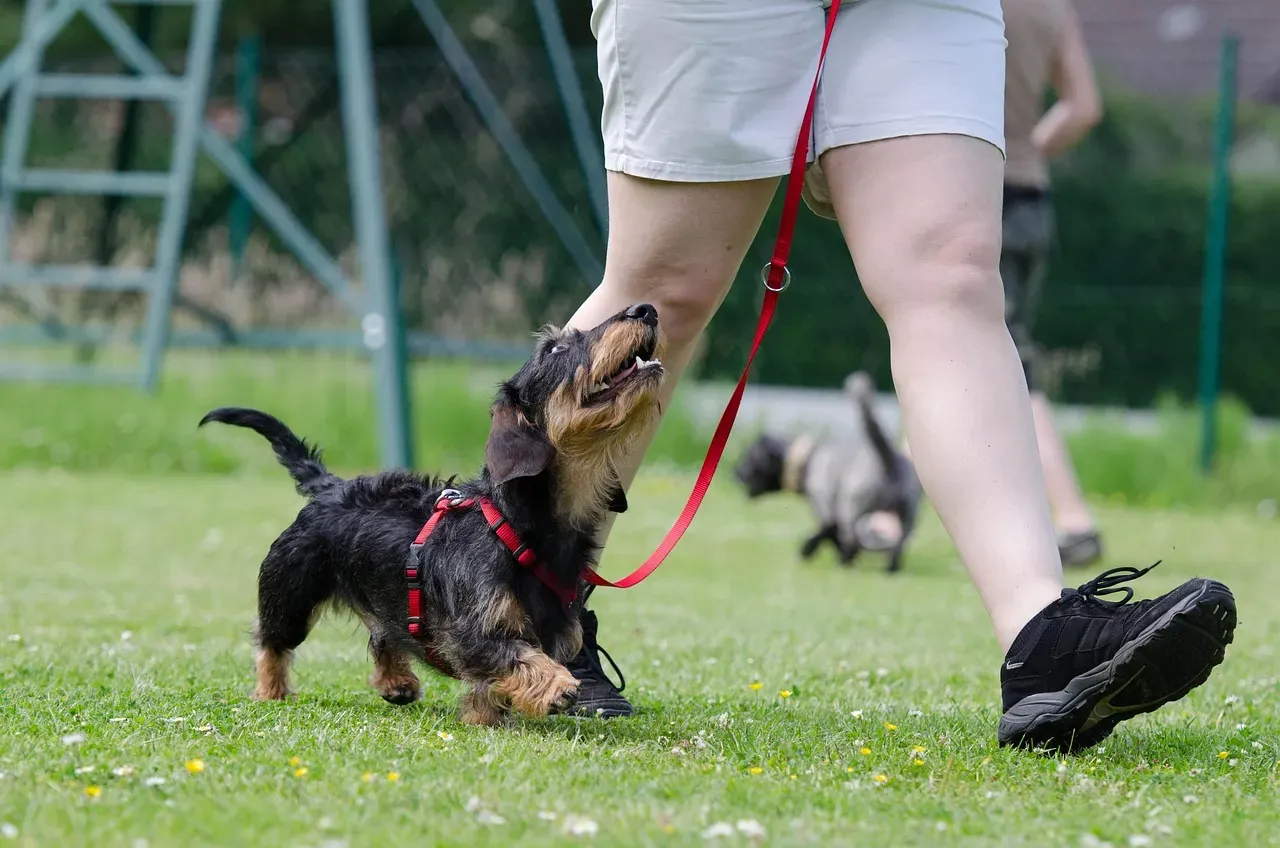
If your dog shows fear or aggression towards individuals of a certain gender or appearance, it may indicate past negative experiences with similar individuals.
Gradual, positive exposure to a variety of people can help them learn that not all humans pose a threat.
11. Excessive Licking or Self-Grooming

Compulsive licking or grooming can be a self-soothing behavior in response to stress or anxiety, often rooted in past trauma.
Engaging them in interactive play and providing mental stimulation can redirect this behavior and reduce stress.
12. Reluctance to Enter Certain Rooms or Areas
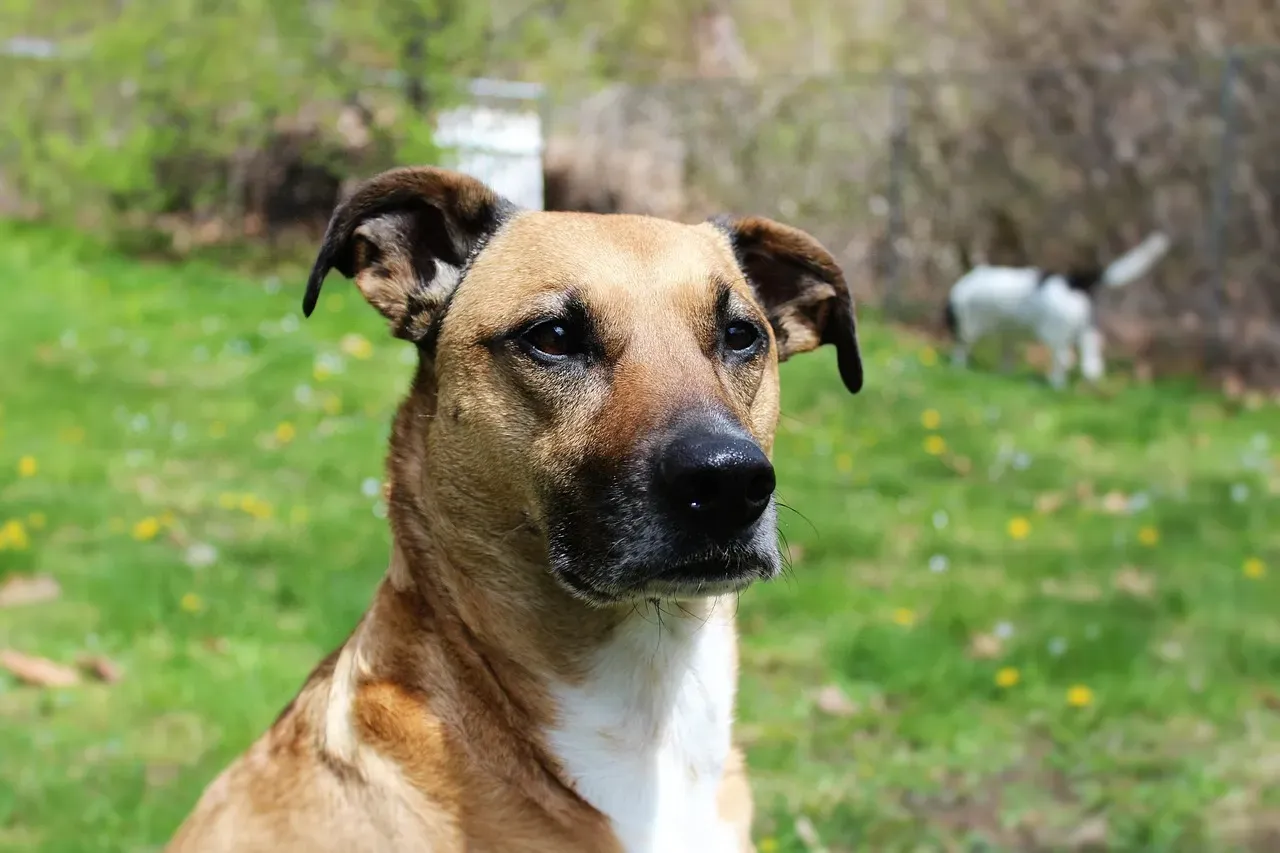
Avoidance of specific areas in the home might be linked to past experiences where similar environments were associated with negative events.
Allowing them to explore at their own pace and using positive reinforcement can help them overcome these fears.
Understanding these behaviors is essential in helping your rescue dog heal and adjust. Patience, consistency, and empathy are key in building a trusting relationship. By recognizing and addressing these signs, you provide them with the support they need to thrive in their new home.